

Fern Park sits in a high water table zone where sandy soils drain slowly and afternoon thunderstorms dump intense rainfall year-round. Properties near Lake Kathryn and the Little Wekiva River face elevated flooding risk during hurricane season. The area's combination of older homes built before modern waterproofing standards and new construction on reclaimed wetlands creates a perfect storm for water intrusion.
Florida's humidity keeps moisture levels above 60 percent most of the year, which means wet building materials never fully dry without mechanical intervention. A small roof leak or AC condensation line failure can saturate drywall and insulation within hours. Once moisture penetrates wall cavities in our subtropical climate, mold colonies establish in 24 to 48 hours.
Many Fern Park homes have shallow crawl spaces or slab foundations that trap moisture against building materials. Summer rains overwhelm gutters and drainage systems, pushing water toward foundations. Older plumbing systems corrode faster in our mineral-rich groundwater, leading to pinhole leaks and slab leaks that go undetected for weeks. Without immediate water extraction and structural drying, what starts as a minor leak becomes a major remediation project involving mold abatement, insulation replacement, and structural repairs.
We built our reputation in Seminole County by showing up fast and finishing the job right. While other restoration companies send subcontractors or delay response times, our crews operate from our Orlando facility with dedicated equipment staged for immediate dispatch to Fern Park. We answer our phones 24/7 because water damage does not respect business hours.
Our technicians hold IICRC certifications in water damage remediation and applied structural drying. That training matters when evaluating hidden moisture in wall cavities, determining drying equipment placement, and calculating proper dehumidification capacity. We use thermal imaging cameras to find water you cannot see and moisture meters to track drying progress in real time. Every job follows documented protocols that satisfy insurance requirements and prevent callbacks.
We handle insurance coordination as part of our service. That means we document damage with photos and moisture readings, provide detailed estimates that match insurance scopes, and communicate directly with adjusters to expedite your claim. Most customers never touch the paperwork because we manage that burden.
Our truck-mounted extractors remove thousands of gallons per hour, while our commercial dehumidifiers and air movers create the controlled environment needed for complete structural drying. We do not guess at drying times. We measure moisture content daily until materials return to dry standard, which prevents mold growth and warping. When we call a job complete, you get a moisture map showing your property is genuinely dry.

Our crews dispatch to Fern Park within one hour of your call, day or night. We keep extraction equipment, dehumidifiers, and air movers staged for immediate deployment. Fast response stops water from spreading through your property and reduces total damage by stopping moisture migration before it reaches unaffected areas.

We document everything your insurance company needs, from initial moisture readings to daily drying logs. Our estimates match insurance scopes, and we communicate directly with adjusters to prevent delays. You focus on getting back to normal while we handle the paperwork that insurance companies require for claim approval.
Every technician on our crews holds current IICRC certification in water damage restoration and applied structural drying. That training ensures proper equipment placement, accurate moisture tracking, and complete drying that prevents mold growth. We follow industry standards that protect your property and satisfy insurance requirements.
We know how water behaves in Fern Park properties because we work here every day. We understand local construction methods, soil conditions, and weather patterns that affect water damage severity. That local knowledge means faster diagnosis, better drying strategies, and fewer surprises during remediation.
Water damage comes from dozens of sources, and each requires specific remediation techniques. A burst pipe creates different challenges than roof flooding or sewage backup. Our service range covers every type of water intrusion, from clean water extraction to contaminated water cleanup requiring antimicrobial treatment.
We categorize water damage by contamination level and source. Category 1 clean water from supply lines needs extraction and drying. Category 2 gray water from appliances requires sanitization. Category 3 black water from sewage or flooding demands full decontamination with antimicrobial agents.
Our equipment inventory includes truck-mounted extractors that remove standing water in minutes, commercial dehumidifiers that pull moisture from the air, and high-velocity air movers that accelerate evaporation from wet materials. We use thermal imaging to find hidden moisture and moisture meters to track drying progress. Every job gets documented with photos, moisture readings, and equipment logs that satisfy insurance requirements. Whether you face emergency flooding at 2 AM or discover hidden leak damage during renovations, we have the equipment and training to restore your property.
When flooding hits your property, we dispatch immediately with truck-mounted extractors that remove thousands of gallons per hour. Our crews pull standing water from carpets, tile, and hard surfaces before it spreads to unaffected areas. We move furniture to prevent wicking, extract water from pad and subfloor, and set up containment barriers that stop moisture migration. Emergency mitigation reduces total damage and gets drying equipment working while water still pools.
Removing visible water only solves half the problem. Moisture absorbed into drywall, insulation, and framing requires controlled dehumidification. We calculate proper equipment capacity based on affected square footage and material saturation levels. Commercial dehumidifiers pull moisture from the air while high-velocity air movers accelerate evaporation from wet surfaces. We track moisture content daily with pin and pinless meters until materials reach dry standard.
Sewage backups and Category 3 water require specialized protocols that protect your health. Our crews wear protective equipment while extracting contaminated water and removing affected porous materials that cannot be sanitized. We apply EPA-registered antimicrobial agents to all affected surfaces, then verify decontamination with ATP testing. Air scrubbers with HEPA filtration remove airborne contaminants during the cleanup process, making your property safe for occupancy.
Fern Park's climate and construction characteristics create predictable water damage patterns. Understanding these common problems helps property owners catch damage early and minimize repair costs. Most water damage we respond to falls into a few categories driven by local conditions.
Summer thunderstorms dump rain faster than gutters and downspouts can handle, pushing water toward foundations. Older homes lack proper grading, so water pools against exterior walls. AC condensate lines clog with algae in our humid climate, causing overflow that saturates ceilings and walls. Appliance supply lines fail without warning, flooding kitchens and laundry rooms. These problems affect every neighborhood in Fern Park, from older homes near SR 436 to newer construction near Wymore Road. Fast response limits damage, but prevention comes from understanding vulnerabilities specific to our area's building stock and weather patterns.
Wind-driven rain finds weak points around vents, chimneys, and flashing during summer storms. Water tracks along roof decking and drips into attic insulation, then migrates to ceilings and walls. By the time you see stains, insulation has been wet for days and drywall has started softening.
Copper supply lines embedded in concrete slabs corrode from minerals in Fern Park groundwater. Pinhole leaks release water under pressure that saturates the slab and foundation, causing hot spots on floors, unexplained water bills, and foundation settlement. Detection requires pressure testing and thermal imaging.
Air handlers in attics produce gallons of condensation daily. When drain lines clog with algae buildup, overflow pans fill and spill into ceilings below. The damage often goes unnoticed until drywall sags or mold odors develop. Regular AC maintenance prevents most condensate problems.
Washing machine hoses, dishwasher connections, and refrigerator ice maker lines fail without warning. Braided stainless lines last longer than rubber, but all supply lines need replacement every five years. When these lines burst, water flows under pressure until someone shuts off the supply or the water heater empties.
Water damage creates panic, and you need clear expectations about what happens next. From your first call to final walkthrough, we follow a structured process that keeps you informed and gets your property dry fast.
When you call our emergency line, you talk to a trained dispatcher who asks specific questions about water source, affected areas, and property access. We dispatch a crew within 60 minutes and provide an estimated arrival time. Our technician calls when they leave the shop so you know exactly when help arrives.
On site, our crew chief walks through affected areas with you, explains what they find, and outlines the remediation plan. We take photos and moisture readings before touching anything, then start extraction and equipment setup. You receive daily updates on drying progress with moisture readings that show improvement. When materials reach dry standard, we remove equipment and provide documentation for your insurance claim. The whole process takes three to five days for typical residential water damage, though severity and humidity affect timelines.
You reach a live person when you call our emergency line, not an answering service. Our dispatcher asks targeted questions about your situation and sends the appropriate crew with the right equipment. We arrive in Fern Park within 60 minutes of your call, and our technician contacts you with arrival time updates. That immediate communication stops the panic and gets help moving toward your property.
We document everything with photos, moisture maps, and equipment logs that satisfy insurance requirements. You receive a detailed scope of work before we start, with clear explanations of what needs drying and why. We communicate directly with your insurance adjuster, provide estimates that match their scopes, and handle the paperwork that claims require. Most customers never touch the insurance documentation because we manage that burden.
We measure moisture content in affected materials daily and share those readings with you. You see the progress as numbers drop toward dry standard. We do not remove equipment based on timelines or guesswork. Drying continues until moisture meters confirm materials have reached acceptable levels, which prevents mold growth and warping. You receive a final moisture map showing your property is completely dry.
Every water damage job follows the same proven sequence that stops damage progression and achieves complete drying. This process works because it addresses moisture in the order that prevents additional problems.
Our crew chief walks affected areas with thermal imaging and moisture meters to map water migration. We document damage with photos and readings, then extract all standing water with truck-mounted equipment. Furniture moves off wet carpet to prevent wicking. We pull water from pad and subfloor, then set containment barriers to stop moisture from spreading. This first phase takes two to four hours depending on property size.
We calculate proper dehumidifier capacity and air mover placement based on affected square footage and material saturation. Commercial dehumidifiers run continuously, pulling moisture from the air. High-velocity air movers direct airflow across wet surfaces to accelerate evaporation. We monitor drying progress daily with moisture readings and adjust equipment as materials dry. This phase runs three to five days for most residential water damage.
When moisture readings reach dry standard, we remove equipment and perform final verification checks. You receive a completion certificate with moisture maps showing your property is completely dry. All documentation goes to your insurance company with photos, equipment logs, and final readings. We coordinate with your contractor if repairs are needed, ensuring they start work on genuinely dry materials.
Water damage restoration requires understanding psychrometrics, the science of air-moisture relationships. Florida's subtropical climate keeps relative humidity above 60 percent most of the year, which means wet building materials never fully dry without mechanical dehumidification. Simply running fans moves moist air around without removing moisture.
The IICRC S500 Standard guides proper water damage restoration. This document specifies moisture content targets for different materials, required air changes per hour, and documentation protocols. Drywall should dry to 12 percent moisture content or less. Wood framing needs to reach 15 percent or lower. These targets prevent mold growth and material degradation.
Proper drying requires creating a controlled environment where dehumidifiers lower air moisture content while air movers accelerate evaporation from wet surfaces. The dehumidifier capacity must match the affected area's cubic footage and initial moisture load. Undersized equipment extends drying time and increases mold risk. Oversized equipment wastes energy without improving results.
We use thermal imaging to find hidden moisture in wall cavities, under flooring, and in ceiling spaces. Moisture meters with pins measure content in porous materials like drywall and wood. Pinless meters scan through tile and vinyl without damage. These tools let us track drying progress in real time rather than guessing based on visible conditions.
Category 1 clean water from supply lines requires extraction and drying. Category 2 gray water from appliances needs sanitization with antimicrobial agents. Category 3 black water from sewage demands removal of affected porous materials and complete decontamination. Each category follows specific protocols that protect occupant health and prevent cross-contamination.
The IICRC S500 Standard defines proper water damage restoration procedures, moisture content targets, and documentation requirements. Our technicians follow these protocols on every job, which ensures complete drying and satisfies insurance company requirements. S500 compliance protects your property and prevents callbacks from incomplete drying.
Dehumidifier capacity must match affected square footage and initial moisture load. We calculate proper equipment size using psychrometric formulas that account for temperature, humidity, and air volume. Correct capacity achieves target drying times without wasting energy. Undersized equipment leaves materials damp while oversized units cost more without improving results.
We track moisture content daily using pin meters for porous materials and pinless meters for hard surfaces. Drywall needs to reach 12 percent or lower. Wood framing should dry to 15 percent or less. These measurements confirm when materials reach dry standard, preventing mold growth and warping that occurs when equipment gets removed too early.
Water category determines remediation procedures. Clean water needs extraction and drying. Gray water requires sanitization. Black water demands decontamination and removal of affected porous materials. Following category-specific protocols prevents health risks and ensures insurance approval. We test water when the source is unclear.
This video explains the water damage restoration process for Fern Park properties, covering emergency response procedures, structural drying techniques, and moisture monitoring. Viewers learn about water categories, equipment capacity requirements, and IICRC S500 Standard protocols. The content addresses common water damage sources in Fern Park including roof leaks, slab leaks, and AC condensate failures, with specific guidance on response times and insurance documentation.
Our crews respond throughout Fern Park, from older established neighborhoods near SR 436 and Maitland Avenue to newer developments along Wymore Road and Highway 17-92. We know the construction characteristics that affect water damage in each area. Homes near Lake Kathryn face higher flooding risk during heavy rains when water tables rise. Properties in the Markham Woods area tend to be newer construction with better drainage, but they still face AC condensate problems and appliance failures common throughout Seminole County.
The Forest Brook and Weathersfield neighborhoods feature older homes built in the 1970s and 1980s before modern waterproofing standards. These properties often have shallow crawl spaces that trap moisture and aging plumbing that develops leaks. We respond frequently to these areas for slab leaks and roof intrusion that goes undetected until drywall damage becomes visible.
Newer construction near the Fern Park area off Highway 436 uses modern building techniques but faces different challenges. Spray foam insulation holds moisture when roof leaks occur, requiring removal and replacement rather than simple drying. Tile roofs common in newer homes hide leak entry points that thermal imaging helps locate.
We also serve properties along the Little Wekiva River corridor where flood risk increases during hurricane season. These areas require rapid response when storms push water levels up and drainage systems overwhelm. Our extraction equipment handles high-volume flooding that requires thousands of gallons removed before drying can begin.
Fern Park's location between Casselberry and Maitland puts us within minutes of properties throughout the area. We respond just as fast to businesses along Highway 17-92 as we do to homes in residential neighborhoods. Whether you face water damage near SR 436 or along Wymore Road, our crews know the fastest routes and arrive with the right equipment for your specific situation. That local knowledge matters when every minute of response time affects total damage and repair costs.
Water damage restoration in Fern Park typically ranges from a few hundred dollars for minor extraction to several thousand for severe flooding. Costs depend on the water source, affected square footage, and structural damage. Category 1 clean water is cheaper to remediate than Category 3 sewage backups. Florida's high humidity means mold growth accelerates fast, which increases costs if you wait. Most insurance policies cover sudden incidents like burst pipes but exclude gradual leaks. Get a free inspection to understand your specific situation before moisture spreads through drywall and subflooring.
Yes. Professional restoration prevents structural collapse, mold growth, and long-term health problems. Fern Park's humid subtropical climate creates ideal conditions for microbial growth within 24 to 48 hours after water intrusion. DIY attempts miss hidden moisture in wall cavities and under flooring, which leads to rot and expensive repairs later. Insurance companies require documented professional mitigation to approve claims. Proper restoration protects your home value and prevents respiratory issues from airborne spores. The cost of restoration is always less than the cost of replacement or medical bills from prolonged mold exposure.
Most water damage repairs in Fern Park take three to five days for extraction and drying, plus additional time for reconstruction. Timeline depends on water category, affected materials, and extent of saturation. Carpet and padding dry faster than hardwood or tile subflooring. Severe flooding that saturates insulation and drywall requires demolition and replacement, which adds one to two weeks. Florida's humidity extends drying time compared to drier climates. Commercial-grade dehumidifiers and air movers speed the process. Delays happen when hidden moisture goes undetected, so thermal imaging is critical for complete mitigation.
Water damage restoration in Fern Park typically ranges from a few hundred dollars for minor extraction to several thousand for severe flooding. Costs depend on the water source, affected square footage, and structural damage. Category 1 clean water is cheaper to remediate than Category 3 sewage backups. Florida's high humidity means mold growth accelerates fast, which increases costs if you wait. Most insurance policies cover sudden incidents like burst pipes but exclude gradual leaks. Get a free inspection to understand your specific situation before moisture spreads through drywall and subflooring.
Yes. Professional restoration prevents structural collapse, mold growth, and long-term health problems. Fern Park's humid subtropical climate creates ideal conditions for microbial growth within 24 to 48 hours after water intrusion. DIY attempts miss hidden moisture in wall cavities and under flooring, which leads to rot and expensive repairs later. Insurance companies require documented professional mitigation to approve claims. Proper restoration protects your home value and prevents respiratory issues from airborne spores. The cost of restoration is always less than the cost of replacement or medical bills from prolonged mold exposure.
Most water damage repairs in Fern Park take three to five days for extraction and drying, plus additional time for reconstruction. Timeline depends on water category, affected materials, and extent of saturation. Carpet and padding dry faster than hardwood or tile subflooring. Severe flooding that saturates insulation and drywall requires demolition and replacement, which adds one to two weeks. Florida's humidity extends drying time compared to drier climates. Commercial-grade dehumidifiers and air movers speed the process. Delays happen when hidden moisture goes undetected, so thermal imaging is critical for complete mitigation.
Mold remediation in Fern Park averages between $500 for small bathroom patches and $6,000 for whole-house contamination. Price factors include square footage affected, mold type, and containment requirements. Black mold requires stricter protocols than surface mildew. Remediation includes containment barriers, HEPA air scrubbing, antimicrobial treatment, and material removal. Florida's moisture levels mean mold spreads rapidly once established. Most insurance covers mold if it resulted from a covered water damage event, not from long-term neglect. Always get lab testing to identify species before remediation starts.
Usually, if the damage results from a sudden, accidental event like burst pipes or appliance failures. Standard homeowners policies in Florida cover water damage from internal plumbing failures but exclude flood damage, which requires separate flood insurance. Gradual leaks from poor maintenance are typically denied. Insurance adjusters look for documentation of the incident timeline and professional mitigation efforts. Take photos immediately and call your insurer within 24 hours. Fern Park sits in flood zone designations that affect coverage requirements, so review your policy details before you need to file.
It can be, depending on severity and response time. Minor leaks caught early cost a few hundred dollars for extraction and drying. Extensive flooding requiring drywall removal, subfloor replacement, and mold remediation runs into thousands. Fern Park's climate accelerates secondary damage, making delays expensive. Water wicks through porous materials like drywall and insulation, spreading damage beyond the visible area. The longer moisture sits, the more structural components fail. Insurance often covers sudden incidents, reducing your out-of-pocket costs. Emergency response within hours prevents the exponential cost increases that happen when mold establishes colonies.
Response time varies by location and demand. Servpro franchises typically arrive within one to four hours for emergencies. Complete drying takes three to five days, with reconstruction adding one to three weeks depending on damage extent. Fern Park residents should know that multiple restoration companies operate locally, and response times differ by provider. Some offer faster arrival and more personalized service than national franchises. Equipment quality and technician training matter more than brand name. Ask about average response times, crew availability, and whether they handle both mitigation and reconstruction to avoid coordination delays between multiple contractors.
Yes, if the moisture source returns or remediation was incomplete. Mold needs moisture, oxygen, and organic material to grow. Professional remediation removes visible colonies and treats affected areas with antimicrobials, but if leaks persist or humidity stays above 60 percent, spores reactivate. Fern Park's climate means dehumidification is critical year-round. Hidden moisture in wall cavities or under flooring often gets missed without thermal imaging. Post-remediation testing confirms clearance. Prevent recurrence by fixing the water source, maintaining HVAC systems, and using dehumidifiers. Surface cleaning alone never solves the problem.
Water damage restoration requires specialized equipment, skilled labor, and multiple process stages. Industrial dehumidifiers, air movers, moisture meters, and thermal cameras cost tens of thousands to purchase and maintain. Technicians need certification in water damage restoration and microbial remediation. The process includes extraction, drying, antimicrobial treatment, demolition, disposal, and reconstruction. Fern Park's humidity extends drying time, increasing equipment rental costs. Insurance coordination, documentation, and emergency availability add overhead. Materials like drywall, insulation, and flooring are discarded even if they look intact because hidden moisture causes future problems. Speed costs money but prevents greater losses.
Very likely without professional intervention. Mold begins growing within 24 to 48 hours after water intrusion in Florida's humid climate. Fern Park's average humidity of 75 percent accelerates colonization. Porous materials like drywall, carpet padding, and insulation absorb moisture quickly and hold it for weeks without proper drying equipment. Even if surfaces appear dry, moisture trapped in wall cavities or subflooring feeds microbial growth. Studies show 40 percent of untreated water damage leads to mold problems. Thermal imaging and moisture meters detect hidden saturation that the human eye misses. Professional drying prevents this common outcome.
Mold remediation in Fern Park averages between $500 for small bathroom patches and $6,000 for whole-house contamination. Price factors include square footage affected, mold type, and containment requirements. Black mold requires stricter protocols than surface mildew. Remediation includes containment barriers, HEPA air scrubbing, antimicrobial treatment, and material removal. Florida's moisture levels mean mold spreads rapidly once established. Most insurance covers mold if it resulted from a covered water damage event, not from long-term neglect. Always get lab testing to identify species before remediation starts.
Usually, if the damage results from a sudden, accidental event like burst pipes or appliance failures. Standard homeowners policies in Florida cover water damage from internal plumbing failures but exclude flood damage, which requires separate flood insurance. Gradual leaks from poor maintenance are typically denied. Insurance adjusters look for documentation of the incident timeline and professional mitigation efforts. Take photos immediately and call your insurer within 24 hours. Fern Park sits in flood zone designations that affect coverage requirements, so review your policy details before you need to file.
It can be, depending on severity and response time. Minor leaks caught early cost a few hundred dollars for extraction and drying. Extensive flooding requiring drywall removal, subfloor replacement, and mold remediation runs into thousands. Fern Park's climate accelerates secondary damage, making delays expensive. Water wicks through porous materials like drywall and insulation, spreading damage beyond the visible area. The longer moisture sits, the more structural components fail. Insurance often covers sudden incidents, reducing your out-of-pocket costs. Emergency response within hours prevents the exponential cost increases that happen when mold establishes colonies.
Response time varies by location and demand. Servpro franchises typically arrive within one to four hours for emergencies. Complete drying takes three to five days, with reconstruction adding one to three weeks depending on damage extent. Fern Park residents should know that multiple restoration companies operate locally, and response times differ by provider. Some offer faster arrival and more personalized service than national franchises. Equipment quality and technician training matter more than brand name. Ask about average response times, crew availability, and whether they handle both mitigation and reconstruction to avoid coordination delays between multiple contractors.
Yes, if the moisture source returns or remediation was incomplete. Mold needs moisture, oxygen, and organic material to grow. Professional remediation removes visible colonies and treats affected areas with antimicrobials, but if leaks persist or humidity stays above 60 percent, spores reactivate. Fern Park's climate means dehumidification is critical year-round. Hidden moisture in wall cavities or under flooring often gets missed without thermal imaging. Post-remediation testing confirms clearance. Prevent recurrence by fixing the water source, maintaining HVAC systems, and using dehumidifiers. Surface cleaning alone never solves the problem.
Water damage restoration requires specialized equipment, skilled labor, and multiple process stages. Industrial dehumidifiers, air movers, moisture meters, and thermal cameras cost tens of thousands to purchase and maintain. Technicians need certification in water damage restoration and microbial remediation. The process includes extraction, drying, antimicrobial treatment, demolition, disposal, and reconstruction. Fern Park's humidity extends drying time, increasing equipment rental costs. Insurance coordination, documentation, and emergency availability add overhead. Materials like drywall, insulation, and flooring are discarded even if they look intact because hidden moisture causes future problems. Speed costs money but prevents greater losses.
Very likely without professional intervention. Mold begins growing within 24 to 48 hours after water intrusion in Florida's humid climate. Fern Park's average humidity of 75 percent accelerates colonization. Porous materials like drywall, carpet padding, and insulation absorb moisture quickly and hold it for weeks without proper drying equipment. Even if surfaces appear dry, moisture trapped in wall cavities or subflooring feeds microbial growth. Studies show 40 percent of untreated water damage leads to mold problems. Thermal imaging and moisture meters detect hidden saturation that the human eye misses. Professional drying prevents this common outcome.
Looking for fast and reliable water damage restoration in your area? Reliance Water Damage Restoration Orlando proudly serves homes and businesses throughout Orlando and surrounding communities. Whether you're dealing with flood damage, burst pipes, or mold issues, our expert team is ready to respond 24/7. We use industry-leading equipment to extract water, dry structures, and restore your property to pre-loss condition. Check the map below to see if we service your neighborhood, or call now for immediate help.
Address:
Fern Park, FL, 32701
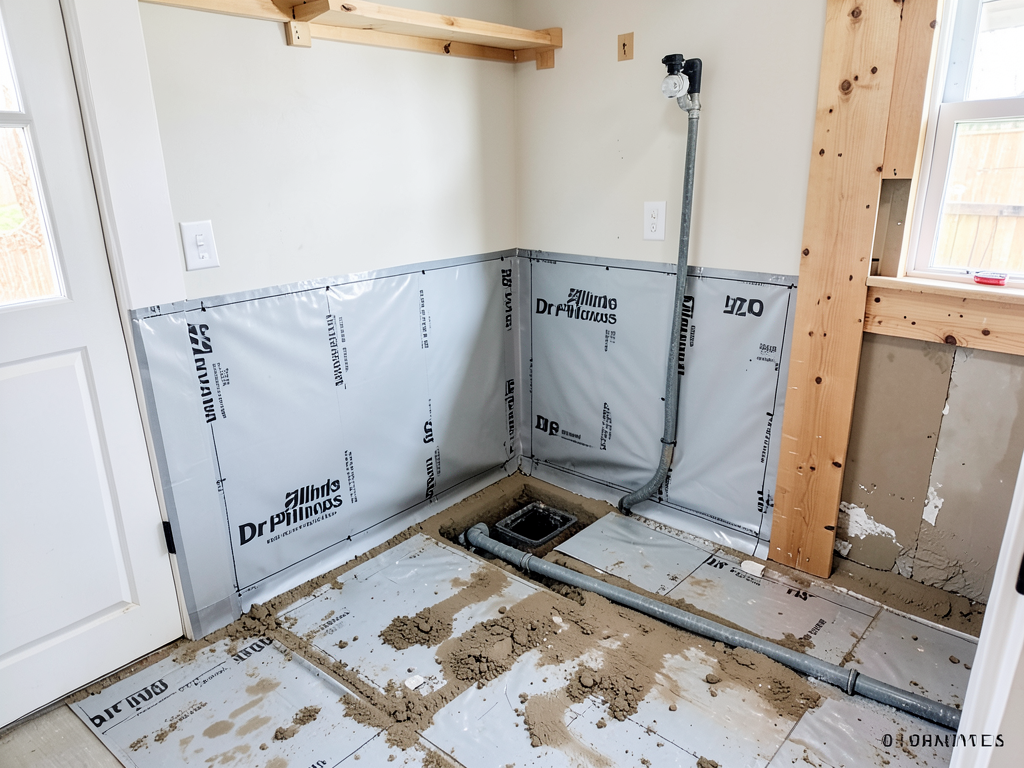
Designing a Water-Resistant Mudroom for the Rainy Season in Dr Phillips Living in Dr Phillips means enjoying lakefront views and Mediterranean-style homes. But the same subtropical climate that makes our area beautiful also brings heavy…
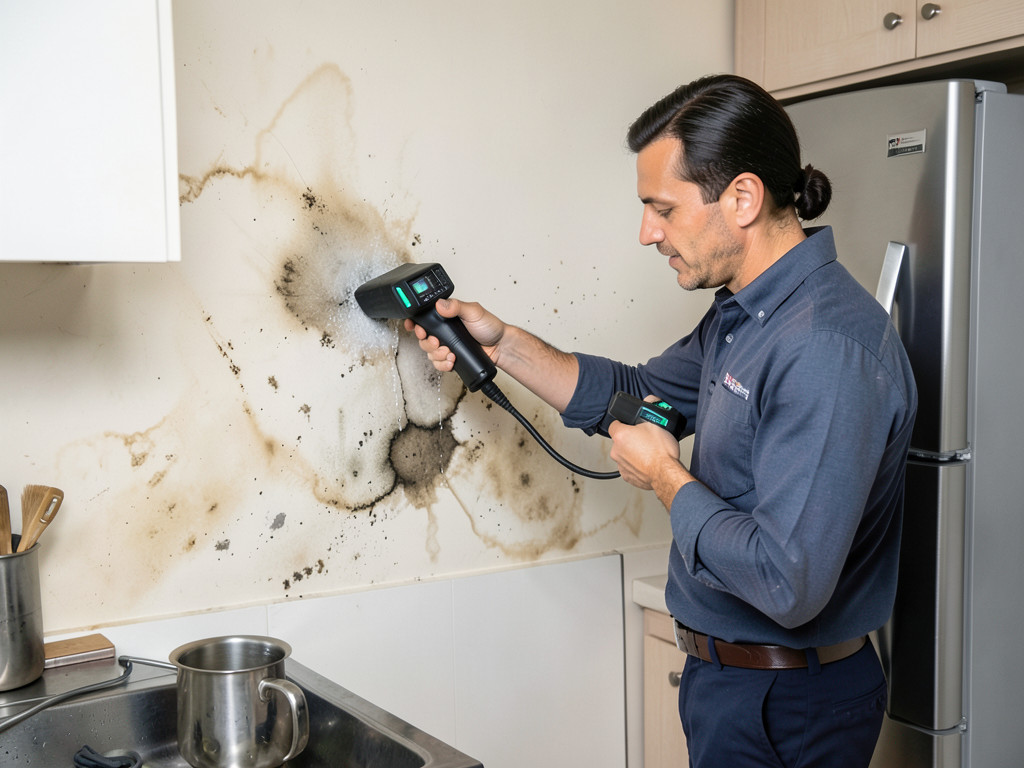
Why a Tiny Leak in Your Refrigerator Ice Maker Line Can Cause Massive Damage Water…
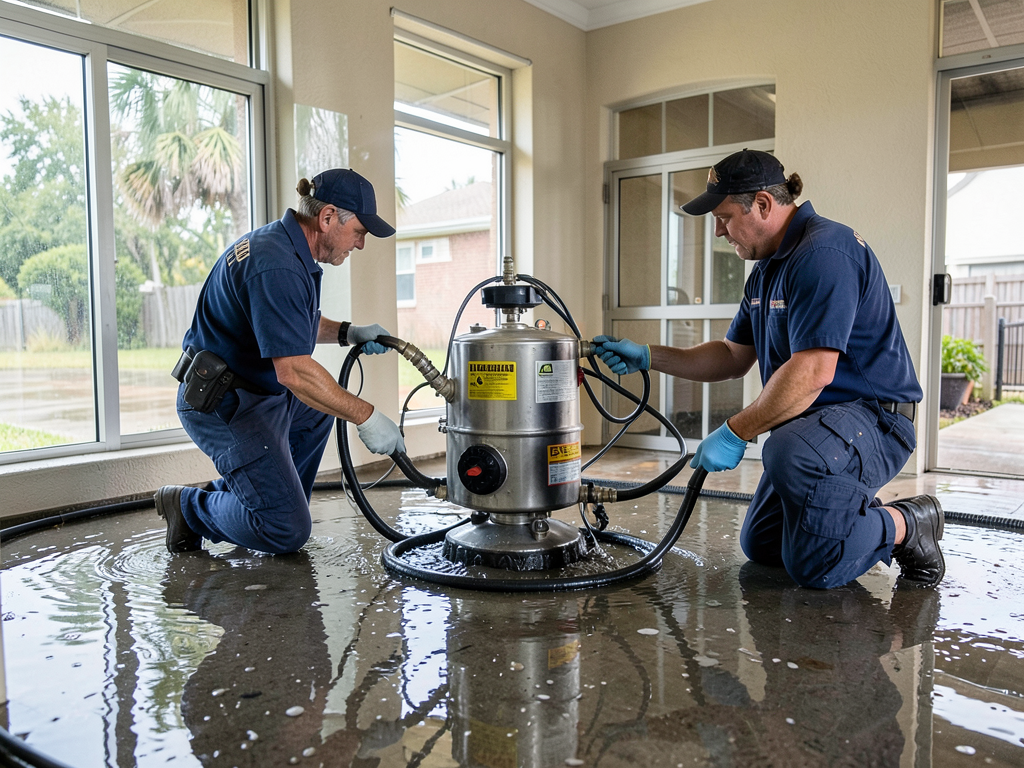
Dealing with the Stress and Anxiety of a Flooded House (A Guide for Orlando Families)…

Why Your Skylights Might Be Leaking During Heavy Summer Downpours in Christmas Heavy summer downpours…
Call Reliance Water Damage Restoration Orlando now at (689) 268-2233 for immediate dispatch to your Fern Park property. Our crews respond 24/7 with extraction equipment and commercial dehumidifiers. We arrive within 60 minutes and start stopping damage before it spreads. Every hour matters.