

Lockhart sits in a challenging position for water intrusion. The area's proximity to the Little Econlockhatchee River and several retention ponds means seasonal flooding affects properties near Rouse Road and SR 434. Summer storms dump inches of rain in minutes, overwhelming drainage systems and pushing water into garages and ground floors.
The soil composition around Lockhart creates another problem. Sandy soil drains quickly but offers little foundation support during saturation. When tropical storms stall over Central Florida, water tables rise and hydrostatic pressure forces groundwater through concrete slabs and basement walls. Properties built in the 1980s and 1990s along Formosa Gardens Boulevard often lack modern moisture barriers.
Florida's humidity keeps everything damp year-round. After a leak or flood, you have 24-48 hours before mold colonies establish. The warm temperatures we experience eleven months a year create perfect conditions for microbial growth. Air conditioning systems that run constantly can mask water damage behind walls until the problem becomes severe. Lockhart homeowners near the airport corridor face additional risks from older plumbing systems that fail without warning.
We built our reputation in Central Florida by showing up fast and finishing the job right. When you call Reliance Water Damage Restoration Orlando, you reach our local dispatch team, not an answering service in another state. Our trucks stage throughout the Orlando metro area, including near Lockhart, so we arrive within 60 minutes of your call.
Our technicians train on IICRC standards for water damage remediation and hold Florida state certifications for mold remediation. We use thermal imaging cameras to find hidden moisture in wall cavities and ceilings. Our industrial dehumidifiers and air movers create the airflow patterns needed to dry structures in Florida's humid climate. We don't guess about moisture levels. We test with calibrated meters and document readings for insurance adjusters.
We handle insurance paperwork as part of our service. Our estimators photograph damage, write detailed scope reports, and communicate directly with adjusters. Most insurance companies know our work and trust our documentation. We also work with homeowners who pay directly, offering the same thorough service regardless of payment method.
The difference shows in our completion rate. We don't leave jobs half-finished. If we find secondary damage during demolition, we tell you immediately and adjust the plan. Our project managers stay in contact throughout the job. You get updates, not silence. When we finish, your property is dry, clean, and ready for repairs.

Our crews dispatch from staging locations throughout Central Florida and reach Lockhart properties within 60 minutes. We operate 24 hours a day, seven days a week, including holidays. When water is actively damaging your property, speed determines the final cost. We stop the emergency first, then create the restoration plan.

We remove standing water with truck-mounted pumps that extract thousands of gallons per hour. Our technicians then use weighted extractors on carpets and upholstery to pull water from padding and cushions. Surface drying isn't enough in Florida's climate. We dry the structure completely to prevent mold and rot.
We document everything for your insurance claim with photos, moisture readings, and detailed estimates. Our team communicates directly with adjusters and provides the technical data they need to approve your claim. We've worked with every major carrier operating in Florida and understand their documentation requirements.
Every crew member holds current IICRC certifications in water damage restoration and Florida state licenses for mold remediation. They train regularly on new equipment and techniques specific to Florida's climate challenges. You get experienced professionals, not untrained helpers learning on your property.
Water damage comes in many forms, and each requires specific equipment and techniques. Reliance Water Damage Restoration Orlando handles every type of water intrusion affecting Lockhart properties. We respond to burst pipes, storm flooding, appliance failures, roof leaks, and sewage backups.
Our service begins with damage assessment using moisture meters and thermal cameras to map the full extent of water penetration. We classify the water source as clean, grey, or black water, which determines the safety protocols and remediation approach. Clean water from supply lines requires different handling than contaminated water from sewage backups.
We structure our services around three core categories that cover every water emergency. Emergency water removal stops active damage and begins the drying process. Structural drying and dehumidification address moisture in walls, floors, and building materials. Mold prevention and remediation protect your health after water exposure. Each service connects to the next, creating a complete restoration process. Our goal is to return your property to pre-loss condition while preventing future problems like mold growth or structural decay.
When water floods your property, the first goal is stopping the spread. Our crews arrive with truck-mounted extraction units that remove thousands of gallons per hour from flooded rooms. We pull water from carpets, padding, and upholstery using weighted extraction tools. Technicians move furniture to prevent wicking and place protective barriers under legs. We document water lines and moisture readings for insurance claims while working. This emergency response prevents secondary damage and reduces the overall restoration cost.
Surface drying is not enough in Florida. Water penetrates drywall, insulation, and framing within hours. We place industrial air movers to create circulation patterns that pull moisture from wall cavities and subfloors. Commercial dehumidifiers remove humidity from the air, allowing materials to release trapped moisture. Technicians monitor progress with moisture meters and adjust equipment placement daily. We continue drying until readings match unaffected areas, confirming complete moisture removal and preventing mold establishment.
Mold grows within 48 hours in Florida's climate after water exposure. Our Florida-licensed mold remediation specialists contain affected areas with plastic barriers and negative air pressure. We remove contaminated materials that cannot be salvaged and treat remaining surfaces with antimicrobial solutions. HEPA filtration systems clean airborne spores during the process. After removal, we apply preventive treatments to inhibit future growth. All work follows Florida mold remediation protocols and includes proper disposal of contaminated materials.
Lockhart properties face water damage from multiple sources throughout the year. The combination of Florida's weather patterns, aging infrastructure, and construction methods from previous decades creates predictable failure points. Understanding these common problems helps homeowners recognize warning signs before minor leaks become major disasters.
Summer storms stress roofing systems and gutters. When downspouts clog with debris, water overflows and saturates fascia boards and soffits. Properties near the Little Econlockhatchee River experience saturated yards that push water toward foundations. Older homes in neighborhoods off Rouse Road have cast iron drain pipes that corrode from the inside, eventually bursting without warning. Air conditioning systems that run constantly develop condensate line clogs that overflow into ceilings and walls. These issues share one trait: they get worse if ignored, and they all threaten your property value and indoor air quality.
Supply line failures dump gallons per minute into walls and living spaces. Older homes have galvanized pipes that corrode internally and fail suddenly. Washing machine hoses and water heater connections wear out and rupture during pressure fluctuations. These failures happen without warning and require immediate shutoff and extraction to prevent structural damage.
Heavy summer storms overwhelm drainage systems and push water through door thresholds and garage floors. Wind-driven rain penetrates window seals and roof penetrations. Properties in low-lying areas near retention ponds experience yard flooding that seeps into crawl spaces and foundation walls. Storm water carries contaminants that require thorough cleaning and disinfection.
Air conditioning systems produce gallons of condensate daily. When drain lines clog with algae or disconnect from handlers, water overflows into drip pans and soaks ceiling drywall. The damage often goes unnoticed until stains appear or ceilings sag. Attic-mounted units cause extensive damage before homeowners discover the problem.
Roof penetrations around vents, skylights, and chimneys develop seal failures that allow water into attic spaces. The water travels along rafters and trusses before dripping onto insulation and ceilings. By the time stains appear on ceilings, extensive damage exists in the attic. Regular roof inspections catch these problems before they become restoration emergencies.
Water emergencies create panic, but our process is straightforward and designed to remove uncertainty. From your first phone call to final walkthrough, you know what happens next and when to expect it. We built our customer experience around communication and transparency because property owners deserve to understand what's happening to their homes.
When you call our emergency line at (689) 268-2233, you reach our dispatch team immediately. They gather information about your situation and send the closest crew within minutes. Our technicians arrive with extraction equipment, moisture detection tools, and documentation systems. The first visit focuses on stopping damage and creating a restoration plan. We explain findings in plain language and show you moisture readings on our meters. No confusing jargon or pressure tactics. Just honest assessment and clear recommendations. Our goal is earning your trust through competent work, not sales techniques.
Our crews arrive within 60 minutes of your call with truck-mounted extraction equipment. The technician leads inspect the property to locate all affected areas using moisture meters and thermal cameras. They explain findings as they work and answer your questions about the damage. We take extensive photos and document moisture readings for insurance purposes. You receive a detailed scope of work before any services beyond emergency extraction begin.
Drying takes multiple days depending on materials and saturation levels. Our technicians visit daily to check moisture readings, adjust equipment placement, and monitor drying progress. You receive text or phone updates after each visit with current readings and estimated completion time. We don't disappear after equipment setup. Active monitoring ensures efficient drying and prevents mold growth during the process.
We complete restoration only after moisture readings return to normal levels throughout affected areas. The project manager conducts a final walkthrough with you, showing meter readings that confirm complete drying. You receive a full documentation package with photos, moisture logs, and equipment records for your insurance company. We don't bill insurance directly for restoration work, but we provide all documentation needed for your claim approval.
We simplified water damage restoration into three clear phases that every customer can understand. Each step builds on the previous one, creating a logical progression from emergency to completion. This approach works for every type of water damage affecting Lockhart properties.
The first step happens immediately upon arrival. Our technicians use truck-mounted pumps to extract standing water from flooded areas. We remove water from carpets, padding, and upholstery using specialized extraction tools. Furniture gets moved or protected to prevent additional damage. We photograph everything and document water lines for insurance purposes. This emergency phase typically completes within hours, stopping active damage and beginning the drying process.
After extraction, we place commercial air movers and dehumidifiers throughout affected areas. The equipment creates airflow patterns that pull moisture from walls, floors, and cavities. Technicians return daily to check progress with moisture meters and adjust equipment for maximum efficiency. We remove wet insulation and damaged materials that cannot be saved. This phase continues until moisture readings match unaffected areas, confirming complete structural drying.
Once drying completes, we clean and treat all affected surfaces. Our team applies antimicrobial solutions to prevent mold growth on dried materials. We clean salvageable contents and dispose of damaged items properly. The final walkthrough verifies complete drying with meter readings and visual inspection. You receive full documentation for insurance claims. Your property is ready for reconstruction or rebuilding by licensed contractors.
The water damage restoration industry follows strict protocols established by the Institute of Inspection, Cleaning and Restoration Certification. These standards guide every aspect of our work in Lockhart, from initial assessment through final verification. Understanding these classifications helps property owners recognize why specific approaches are necessary for different situations.
Water damage divides into three categories based on contamination level. Category 1 water comes from clean sources like supply lines and poses no immediate health threat. Category 2 grey water contains some contamination from sources like dishwashers or washing machines. Category 3 black water is grossly contaminated and includes sewage or floodwater. Each category requires different handling procedures and safety equipment. Category 3 situations demand full protective gear and antimicrobial treatment of all affected surfaces.
Classes of water damage describe how much material absorbed water and how difficult extraction will be. Class 1 affects minimal area with low absorption. Class 2 involves significant absorption in carpets and walls up to two feet. Class 3 means water came from overhead and saturated walls, ceilings, insulation, and carpets. Class 4 describes specialty drying situations requiring advanced techniques for materials like hardwood or plaster.
Florida's climate complicates standard drying protocols. Outdoor humidity often exceeds 80 percent during summer months. We cannot open windows and rely on natural ventilation like restoration companies in arid climates. Our dehumidifiers must remove moisture from the air while air movers pull moisture from materials. The psychrometric calculations that guide drying become more critical in humid environments. We target specific temperature and humidity combinations that maximize moisture removal while preventing secondary damage. Our technicians adjust equipment daily based on readings, not predetermined schedules. Complete drying typically takes three to seven days depending on materials and saturation depth.
We use pin-type and pinless moisture meters to measure water content in different materials. Thermal imaging cameras reveal hidden moisture in walls and ceilings by detecting temperature differences caused by evaporation. These tools find damage that visual inspection misses, ensuring we dry all affected areas and preventing mold growth in hidden cavities.
Restoration costs depend on water category, affected area size, materials damaged, and drying time required. Category 3 black water costs more because it requires disposal of porous materials and extensive antimicrobial treatment. Hardwood floors and plaster need specialized drying that takes longer than carpet and drywall. Insurance typically covers sudden water damage but excludes gradual leaks or maintenance issues.
Complete structural drying takes three to seven days on average in Florida's humid climate. Factors affecting timeline include saturation depth, material types, outdoor humidity, and airflow restrictions. We cannot rush drying without risking mold growth or material damage. Daily monitoring ensures efficient progress while maintaining safe moisture removal rates that prevent warping or cracking.
Florida requires mold remediation companies to hold state licenses and follow specific protocols for assessment and removal. Mold remediation plans must be written by licensed assessors. Containment barriers, negative air pressure, and HEPA filtration are mandatory during removal. All technicians complete state-approved training. These regulations protect homeowners from inadequate remediation that allows mold to return.
This video explains the water damage restoration process for Lockhart, Florida homeowners. Topics covered include emergency water extraction techniques, structural drying protocols for Florida's humid climate, moisture detection methods using thermal imaging and meters, water damage classification systems, and realistic timelines for complete restoration. Viewers learn about common water damage sources affecting Central Florida properties and what to expect when calling professional water damage remediation services.
Reliance Water Damage Restoration Orlando serves the entire Lockhart area and surrounding communities in Seminole and Orange Counties. Our central staging location allows rapid response to properties throughout the region, typically arriving within 60 minutes of emergency calls.
We know Lockhart well. Properties along Rouse Road and near the Little Econlockhatchee River face seasonal flooding risks during summer storm season. Homes in the neighborhoods around Formosa Gardens Boulevard were built during the 1980s and 1990s expansion and many now experience plumbing failures as supply lines and drain pipes reach the end of their service life. The area near SR 434 has newer construction with modern moisture barriers, but these properties still face AC condensate issues and storm water intrusion during heavy rainfall.
Our service area extends throughout the greater Orlando metro region. We respond to water emergencies in Maitland, where properties near Lake Minnehaha experience high water tables during wet season. We serve Altamonte Springs communities dealing with aging infrastructure in established neighborhoods. Our crews handle water damage calls in Winter Park, where historic homes require careful drying techniques to preserve plaster and hardwood. We work in Casselberry properties near the Cross Seminole Trail and Lake Howell area that experience drainage challenges.
Properties closer to downtown Orlando along the Colonial Drive corridor call us for commercial water damage affecting retail spaces and office buildings. We respond to apartment complexes and condos in the Millenia area where upper-floor plumbing leaks affect multiple units. Winter Springs residents near the Little Econlockhatchee River trust us for storm-related flooding mitigation.
The varied geography across our service area means water damage takes different forms. Properties on sandy soil drain quickly but offer less foundation support. Areas with clay soil hold water longer and experience slower drainage. Older neighborhoods have mature trees whose roots infiltrate drain lines and cause backups. New construction often has better grading but experiences plumbing defects during the first few years. We adjust our approach based on local conditions, construction age, and specific challenges each area presents.
Water damage repair costs in Lockhart vary widely based on severity and source. A small leak affecting drywall might run a few hundred dollars, while extensive flooding with structural damage and mold remediation can reach several thousand. Florida's high humidity accelerates secondary damage, increasing costs if you delay. Factors include water category (clean, gray, or black water), affected square footage, materials damaged, and drying time. Most insurance policies cover sudden incidents like burst pipes but exclude gradual leaks or flood damage without separate flood insurance. Get a professional inspection within 24 hours to prevent escalation and secure accurate documentation for your claim.
Water damage restoration is absolutely worth it for Lockhart homeowners. Florida's humid climate creates ideal conditions for mold growth within 24 to 48 hours of water exposure. Without professional drying and treatment, you face structural rot, toxic mold colonies, and plummeting property value. DIY efforts miss hidden moisture in wall cavities and subfloors, leading to expensive problems months later. Professional restoration includes moisture mapping, antimicrobial treatment, and proper documentation for insurance claims. The upfront investment protects your largest asset, prevents health hazards, and often costs less than repairing neglected damage. Ignoring water damage always costs more long-term.
You have multiple alternatives to ServPro in Lockhart. Local independent restoration companies often provide faster response times and personalized service because they are owner-operated and deeply invested in the community. These contractors typically use the same IICRC-certified techniques and industrial equipment as national franchises but offer more flexibility with pricing and scheduling. Some Lockhart residents prefer working directly with local general contractors who handle both water extraction and reconstruction under one roof. When choosing an alternative, verify they carry proper liability insurance, use thermal imaging for moisture detection, and provide direct insurance billing. Local companies understand Florida-specific challenges like hurricane preparedness and humidity control.
Water damage repair costs in Lockhart vary widely based on severity and source. A small leak affecting drywall might run a few hundred dollars, while extensive flooding with structural damage and mold remediation can reach several thousand. Florida's high humidity accelerates secondary damage, increasing costs if you delay. Factors include water category (clean, gray, or black water), affected square footage, materials damaged, and drying time. Most insurance policies cover sudden incidents like burst pipes but exclude gradual leaks or flood damage without separate flood insurance. Get a professional inspection within 24 hours to prevent escalation and secure accurate documentation for your claim.
Water damage restoration is absolutely worth it for Lockhart homeowners. Florida's humid climate creates ideal conditions for mold growth within 24 to 48 hours of water exposure. Without professional drying and treatment, you face structural rot, toxic mold colonies, and plummeting property value. DIY efforts miss hidden moisture in wall cavities and subfloors, leading to expensive problems months later. Professional restoration includes moisture mapping, antimicrobial treatment, and proper documentation for insurance claims. The upfront investment protects your largest asset, prevents health hazards, and often costs less than repairing neglected damage. Ignoring water damage always costs more long-term.
You have multiple alternatives to ServPro in Lockhart. Local independent restoration companies often provide faster response times and personalized service because they are owner-operated and deeply invested in the community. These contractors typically use the same IICRC-certified techniques and industrial equipment as national franchises but offer more flexibility with pricing and scheduling. Some Lockhart residents prefer working directly with local general contractors who handle both water extraction and reconstruction under one roof. When choosing an alternative, verify they carry proper liability insurance, use thermal imaging for moisture detection, and provide direct insurance billing. Local companies understand Florida-specific challenges like hurricane preparedness and humidity control.
Stop the water source immediately if safe to do so. Shut off the main water valve for pipe bursts or turn off appliances causing leaks. Move furniture and valuables to dry areas. Do not enter standing water if electrical outlets are submerged. Document everything with photos and video for insurance before touching anything. Call a water damage restoration company in Lockhart within the first hour. Open windows if weather permits to increase airflow, but avoid using fans if mold is visible. Remove standing water with towels or a wet vacuum if the amount is small. Do not delay. Florida's humidity makes the first 24 hours critical for preventing mold and structural damage.
Standard homeowners insurance in Lockhart typically covers sudden and accidental water damage in walls, like burst pipes or appliance malfunctions. Policies exclude gradual damage from long-term leaks, lack of maintenance, or flooding from external sources. Florida requires separate flood insurance through NFIP or private carriers for storm surge and heavy rain events. Your adjuster will investigate the cause to determine coverage. Hidden pipe leaks behind walls often fall into a gray area depending on when you discovered the damage. Always document the timeline and call a restoration company immediately. They can identify the source and provide detailed reports that support your insurance claim and maximize your payout.
Water damage repair costs depend on extent and timing. Small incidents caught early cost less because you prevent secondary damage like mold, rot, and structural weakening. Once water penetrates subflooring, insulation, or framing in Lockhart homes, costs multiply. Florida's humid climate accelerates deterioration, making speed essential. Professional extraction, drying, antimicrobial treatment, and reconstruction add up, but skipping steps leads to bigger problems. Black water from sewage backups costs more to remediate than clean water due to contamination protocols. Insurance often covers sudden damage, reducing your out-of-pocket expense. Investing in proper restoration now prevents catastrophic repairs later and protects your home's value and your family's health.
Water damage restoration timelines vary based on severity, but most residential jobs take three to five days for drying and another week or more for reconstruction. Severe flooding or structural damage in Lockhart homes can extend the process to several weeks. The drying phase alone requires 48 to 72 hours minimum with commercial dehumidifiers and air movers running continuously. High humidity in Florida can slow evaporation. Mold remediation adds time. Each company operates differently based on crew size and equipment availability. Local restoration contractors often complete work faster than national franchises because they prioritize emergency calls within their service area and maintain closer customer communication throughout the process.
Mold can return after remediation if moisture problems are not fully resolved. Remediation kills existing colonies and removes contaminated materials, but mold spores exist everywhere in Florida's environment. If humidity stays above 60 percent or hidden leaks persist behind walls, mold regrows. Lockhart's subtropical climate makes moisture control ongoing work. Proper remediation includes identifying and fixing the water source, improving ventilation, and applying antimicrobial barriers. You must maintain indoor humidity below 50 percent using dehumidifiers and address any roof leaks, plumbing issues, or poor drainage around your foundation. Effective remediation is not just removal. It requires eliminating conditions that allow mold to thrive long-term.
Water damage costs escalate quickly because water spreads fast and causes cascading problems. It penetrates porous materials like drywall, insulation, and wood within minutes. Florida's humidity accelerates mold growth and structural rot, requiring expensive antimicrobial treatment and material replacement. Restoration demands specialized equipment including industrial dehumidifiers, air movers, moisture meters, and thermal imaging cameras. Technicians need IICRC certification and insurance to work properly. Labor-intensive extraction, drying, and reconstruction add up. Black water from sewage requires hazmat protocols. Many homeowners underestimate hidden damage in wall cavities and subflooring, discovering the true extent only after inspection. Delaying response increases costs exponentially because secondary damage compounds the original problem.
ServPro has faced multiple lawsuits over the years, including franchise disputes, billing practices, and alleged service quality issues. Some claims involve improper drying techniques leading to mold growth or disputes over insurance claim handling. No company is immune to litigation, especially large franchises with thousands of locations. What matters for Lockhart residents is vetting any restoration company through local reviews, license verification, and insurance credentials. Ask about their specific training, equipment, and process. Request references from recent projects in your area. Whether choosing a national franchise or local contractor, focus on documented expertise, transparent pricing, and proper certifications rather than brand name alone. Your home deserves qualified professionals regardless of company size.
Stop the water source immediately if safe to do so. Shut off the main water valve for pipe bursts or turn off appliances causing leaks. Move furniture and valuables to dry areas. Do not enter standing water if electrical outlets are submerged. Document everything with photos and video for insurance before touching anything. Call a water damage restoration company in Lockhart within the first hour. Open windows if weather permits to increase airflow, but avoid using fans if mold is visible. Remove standing water with towels or a wet vacuum if the amount is small. Do not delay. Florida's humidity makes the first 24 hours critical for preventing mold and structural damage.
Standard homeowners insurance in Lockhart typically covers sudden and accidental water damage in walls, like burst pipes or appliance malfunctions. Policies exclude gradual damage from long-term leaks, lack of maintenance, or flooding from external sources. Florida requires separate flood insurance through NFIP or private carriers for storm surge and heavy rain events. Your adjuster will investigate the cause to determine coverage. Hidden pipe leaks behind walls often fall into a gray area depending on when you discovered the damage. Always document the timeline and call a restoration company immediately. They can identify the source and provide detailed reports that support your insurance claim and maximize your payout.
Water damage repair costs depend on extent and timing. Small incidents caught early cost less because you prevent secondary damage like mold, rot, and structural weakening. Once water penetrates subflooring, insulation, or framing in Lockhart homes, costs multiply. Florida's humid climate accelerates deterioration, making speed essential. Professional extraction, drying, antimicrobial treatment, and reconstruction add up, but skipping steps leads to bigger problems. Black water from sewage backups costs more to remediate than clean water due to contamination protocols. Insurance often covers sudden damage, reducing your out-of-pocket expense. Investing in proper restoration now prevents catastrophic repairs later and protects your home's value and your family's health.
Water damage restoration timelines vary based on severity, but most residential jobs take three to five days for drying and another week or more for reconstruction. Severe flooding or structural damage in Lockhart homes can extend the process to several weeks. The drying phase alone requires 48 to 72 hours minimum with commercial dehumidifiers and air movers running continuously. High humidity in Florida can slow evaporation. Mold remediation adds time. Each company operates differently based on crew size and equipment availability. Local restoration contractors often complete work faster than national franchises because they prioritize emergency calls within their service area and maintain closer customer communication throughout the process.
Mold can return after remediation if moisture problems are not fully resolved. Remediation kills existing colonies and removes contaminated materials, but mold spores exist everywhere in Florida's environment. If humidity stays above 60 percent or hidden leaks persist behind walls, mold regrows. Lockhart's subtropical climate makes moisture control ongoing work. Proper remediation includes identifying and fixing the water source, improving ventilation, and applying antimicrobial barriers. You must maintain indoor humidity below 50 percent using dehumidifiers and address any roof leaks, plumbing issues, or poor drainage around your foundation. Effective remediation is not just removal. It requires eliminating conditions that allow mold to thrive long-term.
Water damage costs escalate quickly because water spreads fast and causes cascading problems. It penetrates porous materials like drywall, insulation, and wood within minutes. Florida's humidity accelerates mold growth and structural rot, requiring expensive antimicrobial treatment and material replacement. Restoration demands specialized equipment including industrial dehumidifiers, air movers, moisture meters, and thermal imaging cameras. Technicians need IICRC certification and insurance to work properly. Labor-intensive extraction, drying, and reconstruction add up. Black water from sewage requires hazmat protocols. Many homeowners underestimate hidden damage in wall cavities and subflooring, discovering the true extent only after inspection. Delaying response increases costs exponentially because secondary damage compounds the original problem.
ServPro has faced multiple lawsuits over the years, including franchise disputes, billing practices, and alleged service quality issues. Some claims involve improper drying techniques leading to mold growth or disputes over insurance claim handling. No company is immune to litigation, especially large franchises with thousands of locations. What matters for Lockhart residents is vetting any restoration company through local reviews, license verification, and insurance credentials. Ask about their specific training, equipment, and process. Request references from recent projects in your area. Whether choosing a national franchise or local contractor, focus on documented expertise, transparent pricing, and proper certifications rather than brand name alone. Your home deserves qualified professionals regardless of company size.
Looking for fast and reliable water damage restoration in your area? Reliance Water Damage Restoration Orlando proudly serves homes and businesses throughout Orlando and surrounding communities. Whether you're dealing with flood damage, burst pipes, or mold issues, our expert team is ready to respond 24/7. We use industry-leading equipment to extract water, dry structures, and restore your property to pre-loss condition. Check the map below to see if we service your neighborhood, or call now for immediate help.
Address:
Lockhart, FL, 32810
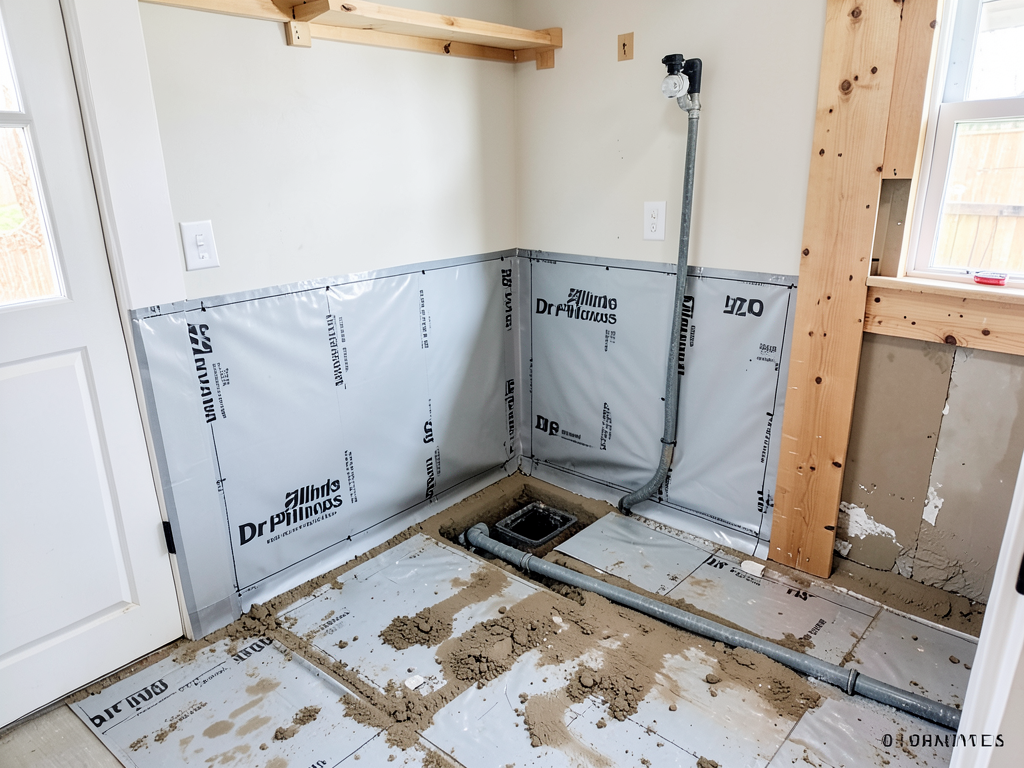
Designing a Water-Resistant Mudroom for the Rainy Season in Dr Phillips Living in Dr Phillips means enjoying lakefront views and Mediterranean-style homes. But the same subtropical climate that makes our area beautiful also brings heavy…
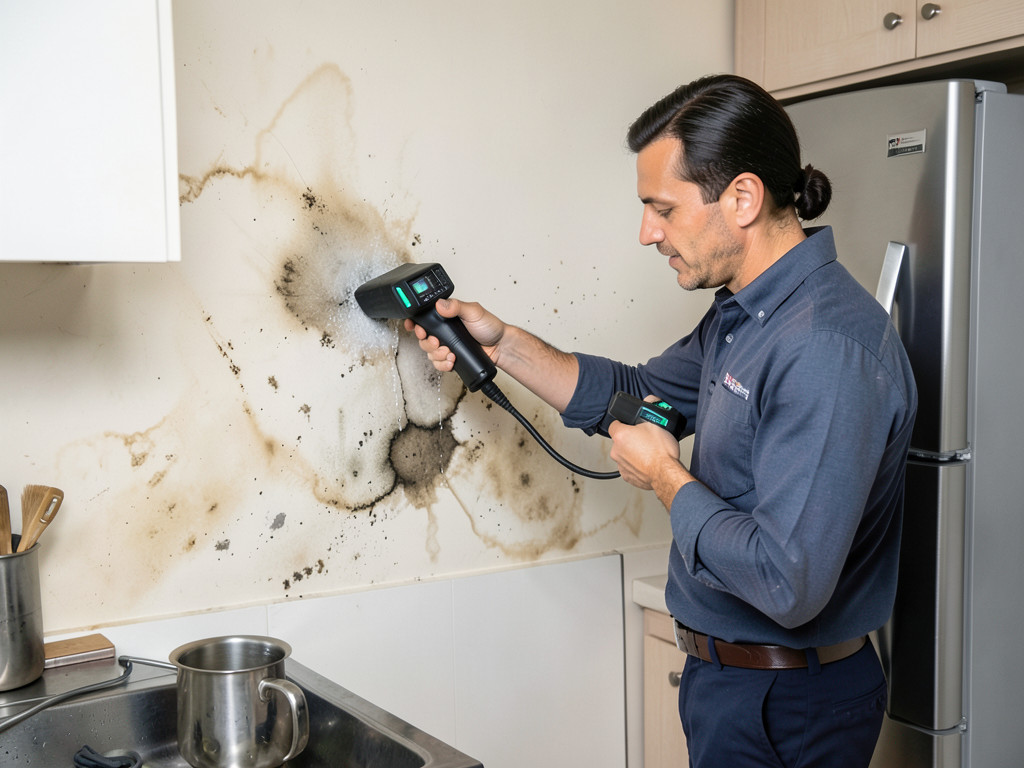
Why a Tiny Leak in Your Refrigerator Ice Maker Line Can Cause Massive Damage Water…
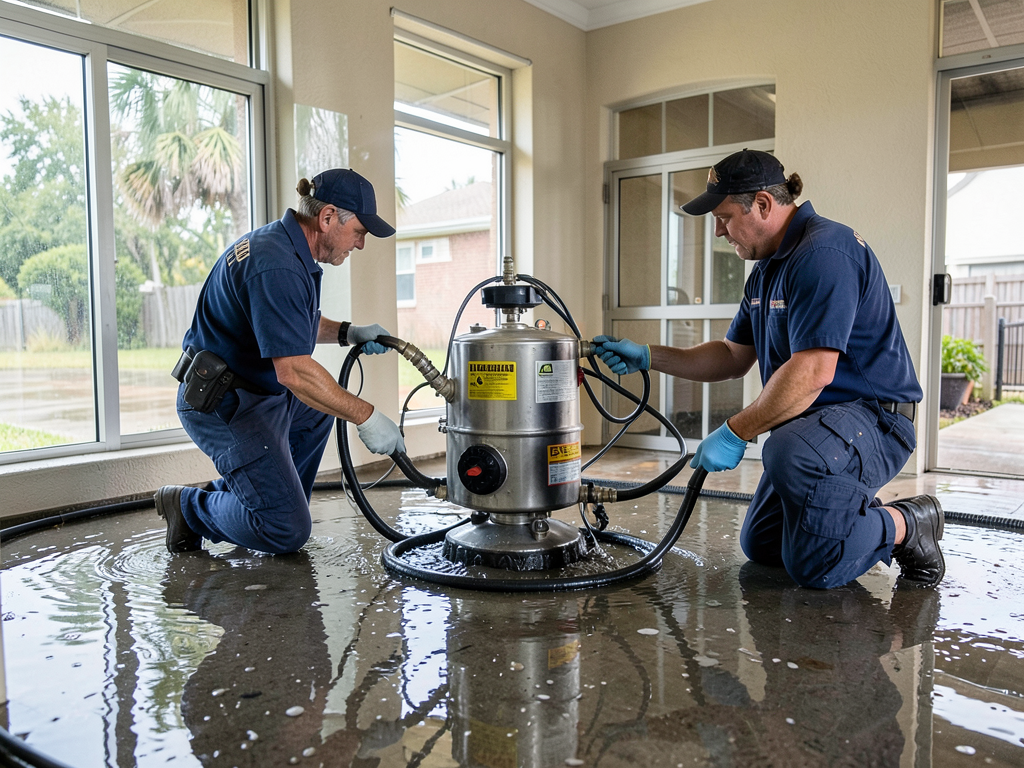
Dealing with the Stress and Anxiety of a Flooded House (A Guide for Orlando Families)…

Why Your Skylights Might Be Leaking During Heavy Summer Downpours in Christmas Heavy summer downpours…
Stop damage now. Call Reliance Water Damage Restoration Orlando at (689) 268-2233 for immediate dispatch. Our crews respond within 60 minutes with extraction equipment and moisture detection tools. We work directly with insurance companies and document everything for your claim.