Menu

Structural Drying Services in Orlando – Industrial-Grade Solutions That Stop Secondary Damage Before It Starts

When water invades your structure, every hour counts. Our structural drying services combine thermal imaging diagnostics, commercial dehumidification systems, and moisture monitoring protocols to extract hidden water from walls, floors, and substructures before mold takes hold.

Slider Image 1
Slider Image 2
Slider Image 3
Slider Image 4
Slider Image 5
Slider Image 7
Slider Image 8
Slider Image 9
Slider Image 10
Slider Image 11

Why Orlando Buildings Need Aggressive Structural Drying After Water Events

Orlando's subtropical climate creates the perfect storm for structural water damage. When a pipe bursts, roof leak develops, or storm surge enters a building, the ambient humidity hovers between 70-90% year-round. That moisture does not evaporate on its own. It migrates deeper into drywall cavities, insulation layers, and concrete slabs.

You might see surface water disappear within days, but that is deceptive. The real threat hides inside your wall assemblies. Central Florida's heat accelerates microbial growth. Mold colonies can establish within 24-48 hours in damp building materials. The porous limestone substrate common in Orlando foundations acts like a sponge, wicking water laterally through concrete and creating widespread saturation far from the initial leak point.

Standard air movers and box fans cannot generate the negative pressure or precise airflow patterns needed for true structural dehumidification services. Professional structural drying requires understanding psychrometrics, the relationship between temperature, humidity, and air movement. Without rapid structural drying protocols, you face warped flooring, delaminated cabinets, corroded electrical systems, and compromised structural integrity.

The Lake Nona and Baldwin Park neighborhoods, with their newer construction and engineered lumber systems, are particularly vulnerable. Oriented strand board and engineered joists absorb water faster than traditional solid lumber. Restorative drying services must account for these modern building materials. Waiting or using inadequate equipment turns a manageable water event into a total gut-and-rebuild scenario.

Why Orlando Buildings Need Aggressive Structural Drying After Water Events
How Professional Structural Drying Eliminates Hidden Moisture

How Professional Structural Drying Eliminates Hidden Moisture

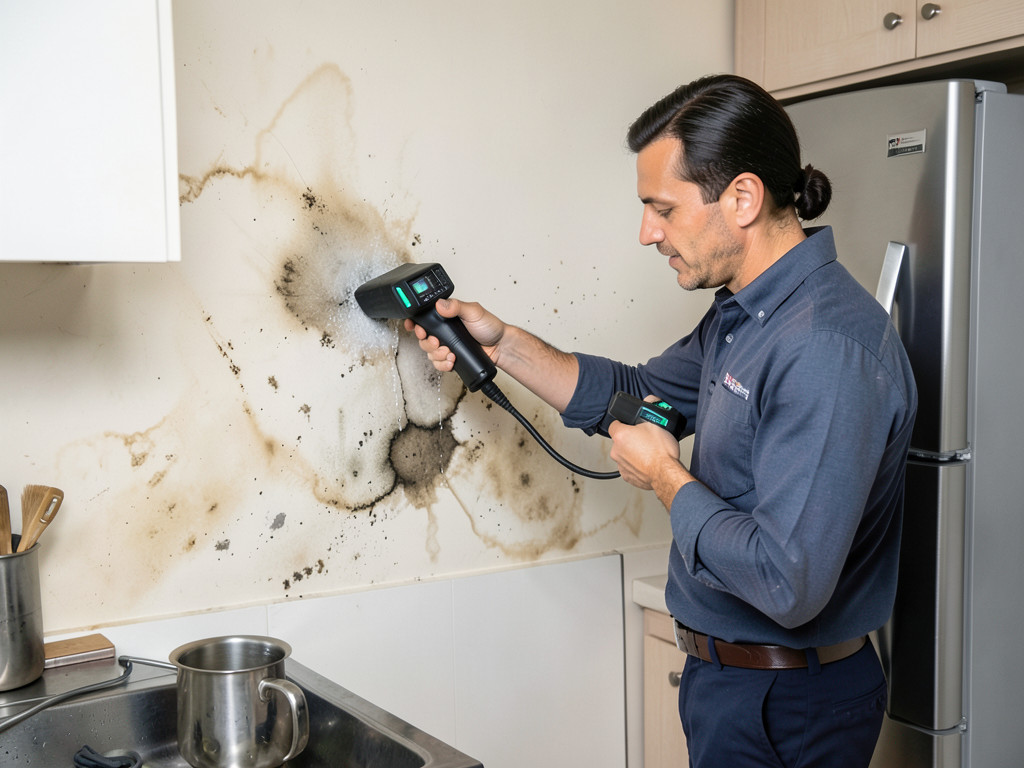
Structure drying solutions start with comprehensive moisture mapping. We use infrared thermal cameras to identify temperature differentials that indicate trapped water. A wall cavity holding moisture reads cooler than dry adjacent areas. We document moisture content readings with pin-type and pinless meters, establishing a baseline moisture profile across all affected building materials.

Next comes controlled demolition when necessary. We remove baseboards and drill weep holes in strategic locations to allow air circulation behind wall surfaces. This is not guesswork. We calculate the grain depression between the ambient air and the materials, then deploy low-grain refrigerant dehumidifiers that pull moisture from the air faster than it can evaporate from saturated materials.

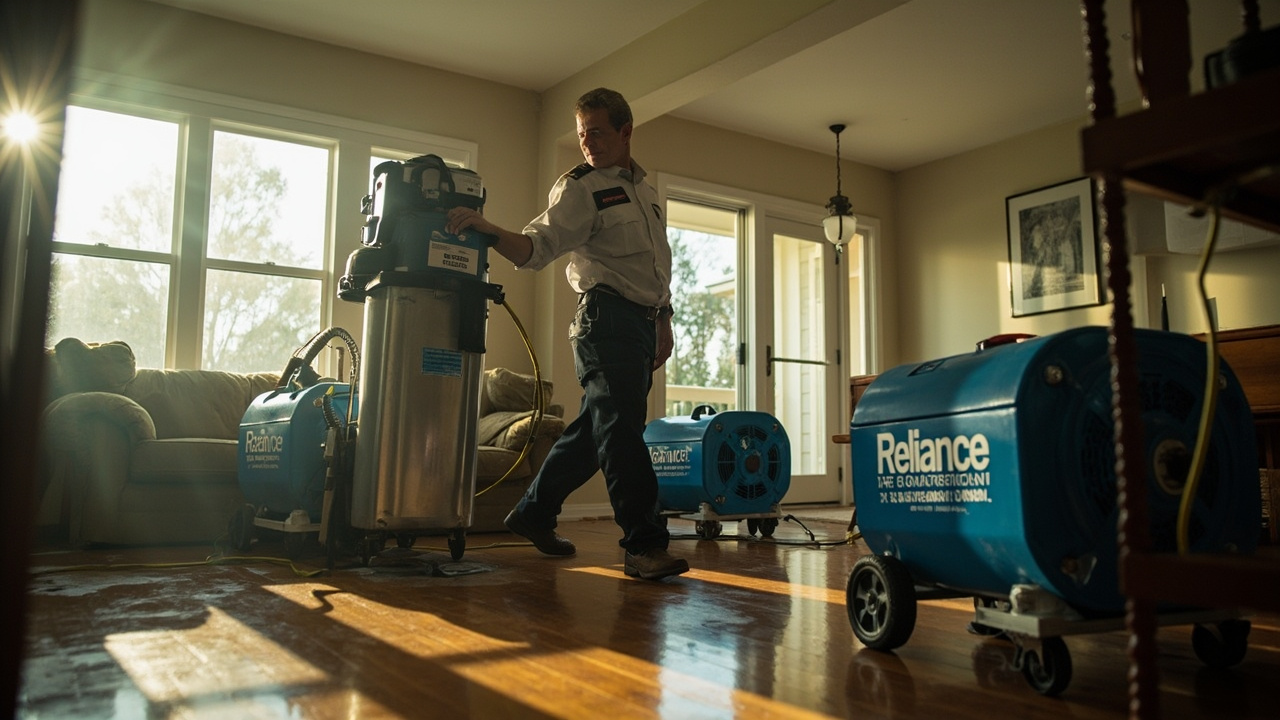
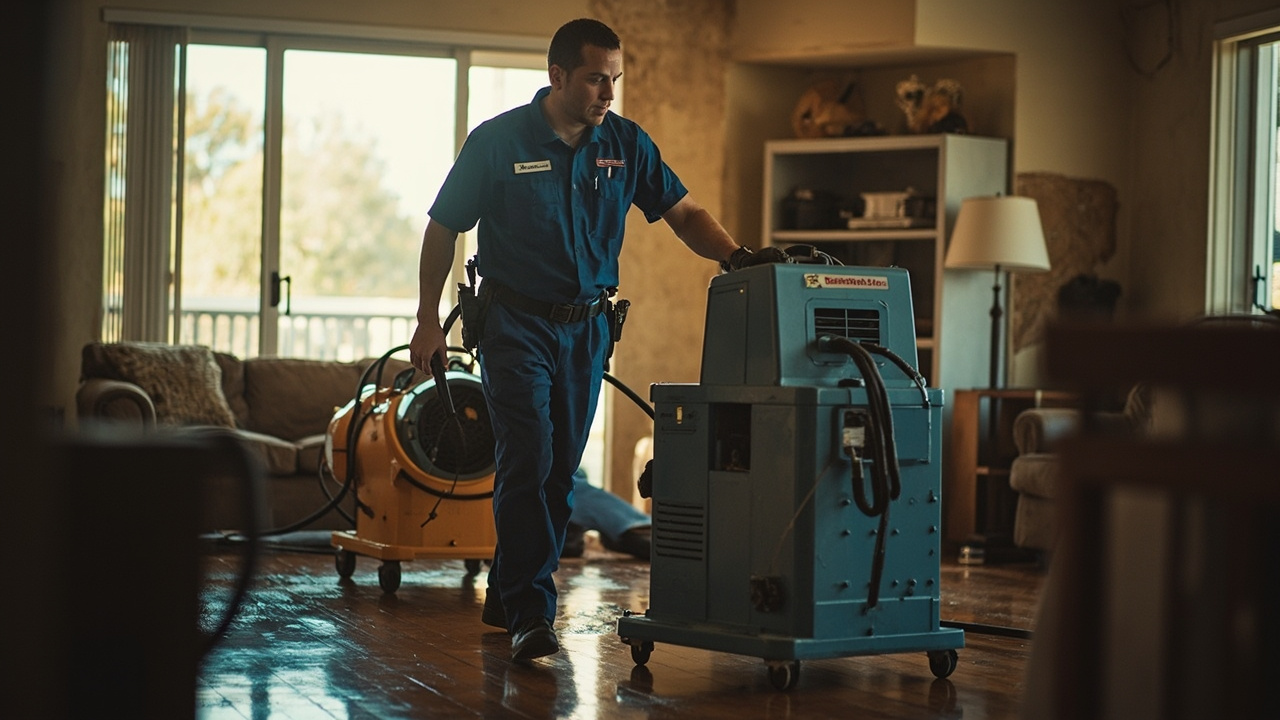
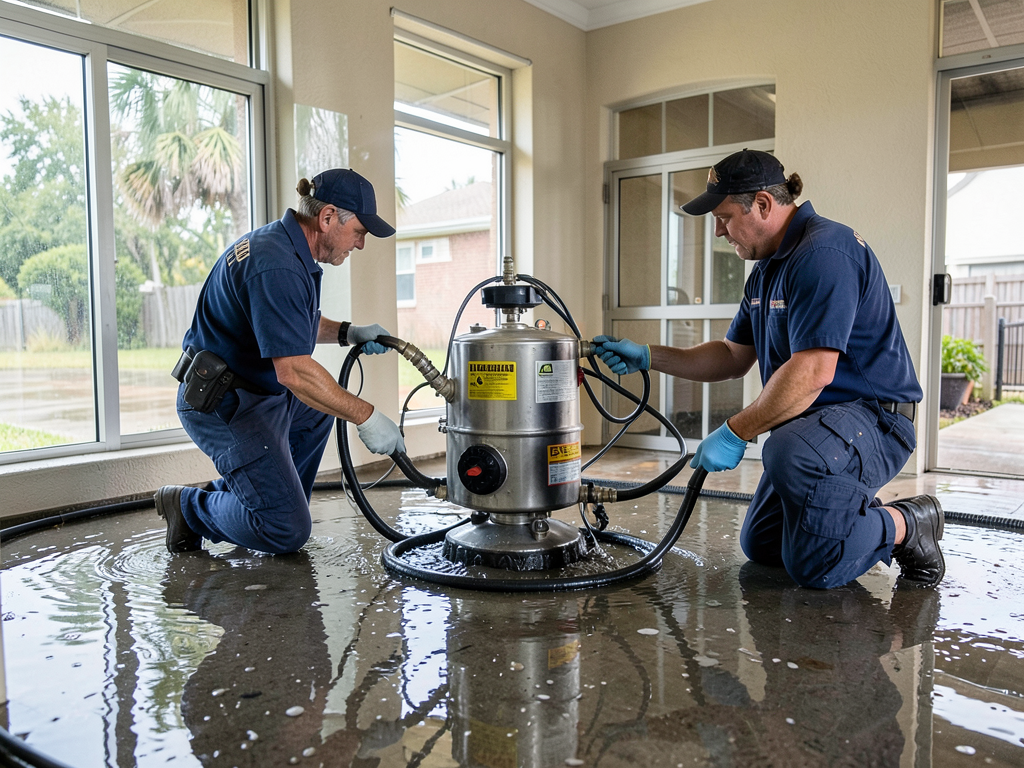
Air movers are positioned to create specific drying chambers. We do not just point fans at wet areas. We establish directional airflow patterns that force moist air across wet surfaces, carry it to dehumidification units, then reintroduce the dried air back into the drying chamber. This creates a continuous loop that accelerates evaporation rates.

Professional structural drying also means monitoring and adjustment. We place data loggers that record temperature and humidity every 15 minutes. If drying rates plateau, we adjust equipment placement, increase air changes per hour, or add supplemental heat to raise material temperatures and boost evaporation potential. The goal is reaching equilibrium moisture content, where building materials match the ambient environment's normal moisture levels.

Reliance Water Damage Restoration Orlando uses commercial-grade equipment calibrated specifically for Florida's climate. We understand how Orlando's summer heat and winter dry spells affect drying times. We track vapor pressure differentials and adjust dehumidification capacity accordingly.

What Happens During Your Structural Drying Project

Structural Drying Services in Orlando – Industrial-Grade Solutions That Stop Secondary Damage Before It Starts
01

Initial Moisture Assessment

We arrive with thermal imaging cameras and moisture detection equipment. You will see us scan every wall, ceiling, and floor in the affected area. We document moisture readings and photograph thermal signatures showing exactly where water has migrated. This creates the restoration map. We identify Class 1 through Class 4 water intrusion levels and calculate equipment needs based on cubic footage, materials affected, and saturation depth.
02

Equipment Deployment and Monitoring

Industrial dehumidifiers and air movers are positioned based on airflow dynamics and moisture load calculations. We seal off drying chambers with plastic sheeting when necessary to concentrate drying power. Data loggers are placed to track progress every 15 minutes. You will see our technicians return daily to download data, take new moisture readings, and adjust equipment. We provide daily logs showing moisture reduction trends and projected completion dates.
03

Verification and Clearance Documentation

Drying is complete when three consecutive readings show moisture content within normal ranges for each material type. We provide a final moisture report with before-and-after readings and thermal images proving all concealed moisture has been removed. This documentation satisfies insurance requirements and protects you from future liability. We remove all equipment, clean work areas, and provide recommendations for reconstruction contractors if repairs are needed.

Why Orlando Property Owners Trust Our Structural Drying Expertise

Structural drying is not a side service for us. It is what we do every day across Orlando's diverse building types. We have dried everything from 1920s bungalows in Colonialtown to modern high-rises in downtown Orlando to sprawling commercial warehouses in the International Drive corridor. That range of experience matters because each building type presents unique drying challenges.

Older Orlando homes often have plaster walls on wood lath, which trap moisture differently than modern drywall. Historic properties near Lake Eola require careful drying protocols that do not damage original architectural features. Commercial spaces need rapid structural drying that minimizes business interruption. We coordinate night and weekend drying operations so retail locations and offices can operate during business hours.

Our technicians are trained in psychrometrics and hold certifications from the Institute of Inspection, Cleaning and Restoration Certification. They understand Florida's building codes and know when structural drying uncovers issues that require reporting to building officials. We work directly with insurance adjusters and provide the detailed documentation claims require.

We also understand Orlando's water damage patterns. Summer afternoon thunderstorms create localized flooding. Hurricane season brings different challenges with wind-driven rain and storm surge. Winter freezes occasionally rupture pipes in unconditioned attics. Each scenario demands different structure drying solutions.

Reliance Water Damage Restoration Orlando maintains relationships with structural engineers, industrial hygienists, and environmental testing labs. When structural drying reveals potential mold contamination or structural concerns, we bring in specialists immediately. We are not trying to upsell you. We are protecting your property and your health with the right expertise at the right time.

What You Can Expect From Our Structural Drying Services

Response Time and Equipment Deployment

We arrive within two hours of your call for emergency situations. Non-emergency structural drying projects are scheduled within 24 hours. Our trucks carry thermal imaging cameras, industrial dehumidifiers, air movers, moisture meters, and data logging equipment. We do not need to return to the shop for specialized tools. Initial assessment takes 45-90 minutes depending on building size. Equipment is operational before we leave the first visit. You receive a written drying plan outlining equipment placement, estimated drying time, and daily monitoring schedule. Most residential structural drying projects reach target moisture levels within 3-7 days. Larger commercial projects or severe saturation may require 10-14 days.

Daily Monitoring and Communication

Our technicians visit daily to download data logger readings and take new moisture measurements. You receive daily reports via email or text showing moisture reduction trends. We explain what the numbers mean in plain language. If drying rates slow, we adjust equipment positioning or add supplemental dehumidification capacity. You will never wonder what is happening or how much longer the equipment needs to run. We provide 24/7 phone support if you have questions between site visits. Equipment runs continuously until target moisture levels are achieved. We monitor for secondary issues like condensation on windows or odors that indicate incomplete drying.

Final Documentation and Clearance

When moisture readings confirm drying is complete, we provide comprehensive documentation including thermal images, moisture meter readings from all affected areas, data logger graphs showing moisture reduction over time, and a written statement that all materials have reached equilibrium moisture content. This documentation is essential for insurance claims and protects you if future issues arise. We photograph equipment removal and final site conditions. If reconstruction is needed, we provide moisture-specific recommendations to contractors about materials that require replacement versus those that can remain. Our clearance reports meet insurance adjuster requirements and third-party verification standards.

Post-Drying Inspection and Preventive Guidance

After equipment removal, we offer a final walkthrough to review the affected areas and answer questions. We identify factors that contributed to the water damage and provide specific recommendations to prevent recurrence. This might include plumbing upgrades, improved drainage, or humidity control strategies for Orlando's climate. We do not perform these repairs ourselves, but we can recommend qualified contractors who specialize in the needed work. If reconstruction contractors discover additional moisture issues during repairs, we return to re-assess at no charge. Our documentation remains available for insurance disputes or property sale disclosures. We follow up 30 days after project completion to confirm no new moisture issues have developed.

Frequently Asked Questions

You Have Questions,
We Have Answers

What is structural drying? +

Structural drying is the controlled process of removing moisture from building materials after water damage. This involves using commercial dehumidifiers, air movers, and moisture meters to dry walls, floors, subfloors, and framing. In Orlando's high humidity climate, structural drying prevents secondary damage like mold growth, wood rot, and structural weakening. The process typically takes 3-7 days depending on the extent of saturation and materials affected. Proper structural drying requires monitoring moisture levels daily and adjusting equipment placement. Skipping this step leads to hidden mold behind drywall and permanent structural compromise in your home.

Who is the alternative to ServPro? +

Orlando homeowners looking for alternatives to ServPro have multiple local restoration companies offering 24/7 emergency response and structural drying services. The key difference is often response time, equipment quality, and direct insurance billing experience. Many smaller Orlando restoration firms provide more personalized service and faster arrival times because they operate in specific service zones rather than covering massive territories. When choosing an alternative, verify the company uses thermal imaging cameras, industrial dehumidifiers, and employs IICRC-certified technicians. Ask about their average response time to your specific Orlando neighborhood and whether they handle insurance claims directly.

Is water damage restoration worth it? +

Water damage restoration is worth it when you consider the alternative costs. Untreated water damage in Orlando homes leads to mold growth within 48 hours due to our humidity levels. This creates health hazards and can cost three times more to remediate later. Structural damage worsens over time, compromising floor joists, wall studs, and foundations. Insurance companies require prompt mitigation to cover claims. Professional restoration also includes documentation and moisture mapping that proves the damage is resolved. The upfront cost prevents exponentially higher expenses from mold remediation, structural repairs, and potential health issues for your family.

How much does it cost to get rid of water damage? +

Water damage restoration costs in Orlando range significantly based on the water source, affected square footage, and materials involved. Clean water from supply lines costs less to remove than Category 3 black water from sewage backups. A typical residential water damage job involving 500 square feet averages several thousand dollars. This includes water extraction, structural drying, antimicrobial treatment, and equipment rental for 3-5 days. Costs increase if drywall removal, flooring replacement, or mold remediation becomes necessary. Most Orlando homeowners insurance policies cover sudden water damage, minus your deductible. Always get written estimates before work begins.

What does mold remediation typically cost? +

Mold remediation costs in Orlando depend on the contamination size and location. Small areas under 10 square feet may cost a few hundred dollars. Larger infestations affecting multiple rooms or HVAC systems run into thousands. Orlando's humidity creates ideal mold conditions, so remediation often includes treating hidden growth behind walls or under flooring. Professional remediation requires containment barriers, HEPA air scrubbers, antimicrobial treatments, and safe disposal of contaminated materials. Insurance coverage varies. Mold resulting from a covered water damage event is typically covered, but long-term neglect or maintenance issues are excluded. Get multiple estimates from IICRC-certified companies.

Does homeowners insurance pay for structural damage? +

Homeowners insurance typically covers structural damage from sudden, accidental water events like burst pipes, appliance malfunctions, or storm-related roof leaks. Coverage includes structural drying, repairs to framing, and rebuilding damaged walls or floors. However, Orlando policies exclude damage from flooding, which requires separate flood insurance through NFIP. Gradual damage from ongoing leaks or deferred maintenance is also excluded. Your policy pays for both emergency mitigation and permanent repairs, minus your deductible. Insurance companies require prompt action. Delays in reporting or starting mitigation can result in claim denials. Always document damage with photos before restoration begins.

What is the lawsuit against SERVPRO? +

The lawsuit against SERVPRO involves allegations that the franchise system misclassified workers and imposed unfair contract terms on franchisees. Some lawsuits claim the company failed to properly pay employees or charged excessive fees to franchise owners. These legal issues do not directly impact service quality but raise questions about business practices. For Orlando homeowners, the takeaway is to verify any restoration company's credentials, read your service agreement carefully, and ensure they provide itemized estimates. Check online reviews and Better Business Bureau ratings. Legal disputes between franchisors and franchisees are common in large franchise systems across many industries.

What are the pros and cons of SERVPRO? +

SERVPRO's advantages include nationwide availability, 24/7 response, and standardized training protocols. Their equipment inventory and insurance billing experience help streamline claims. Disadvantages include variable service quality between franchises, potential slower response times due to large service territories, and sometimes higher pricing. In Orlando, some franchises cover multiple ZIP codes, which can delay arrival during peak storm seasons. Smaller local restoration companies often provide faster response and more personalized service. SERVPRO's brand recognition gives homeowners confidence, but it's important to verify the specific franchise's reputation, response time guarantees, and technician certifications before choosing them.

What is the restoration hardware controversy? +

The Restoration Hardware controversy primarily involves customer complaints about delayed furniture deliveries, quality issues, and difficult return policies. This is unrelated to water damage restoration services. Restoration Hardware is a luxury furniture retailer, while water damage restoration refers to emergency services that dry and repair homes after flooding or leaks. The confusion stems from the word "restoration" appearing in both contexts. If you're searching for water damage restoration in Orlando, you need an IICRC-certified restoration company with commercial dehumidifiers and structural drying expertise. Restoration Hardware sells home furnishings and has no connection to emergency water mitigation services.

Does home insurance cover water damage restoration? +

Home insurance covers water damage restoration when the damage results from sudden, accidental events. Covered scenarios include burst pipes, appliance leaks, toilet overflows, and storm damage to roofs. Your policy pays for emergency water extraction, structural drying, antimicrobial treatment, and repairs to damaged materials. Orlando homeowners must understand that flood damage requires separate flood insurance. Gradual leaks, poor maintenance, and cosmetic damage are excluded. Most policies cover the cost to restore your home to pre-loss condition. File claims immediately and start mitigation within 24 hours. Insurance adjusters require documentation, moisture readings, and detailed estimates before approving payment.

How Orlando's Limestone Foundation and High Water Table Complicate Structural Drying

Orlando sits atop the Floridan Aquifer, a porous limestone formation that holds groundwater just 10-30 feet below the surface in most neighborhoods. When water enters a structure through plumbing failures or storm events, the high ambient humidity prevents natural evaporation. The limestone substrate beneath concrete slabs absorbs water and creates a continuous moisture source through capillary action. Standard structural drying techniques that work in arid climates fail here because the vapor pressure differential between saturated materials and ambient air is minimal. Professional structural drying services must use low-grain refrigerant dehumidifiers that artificially lower the dew point and create the vapor pressure gradient needed to pull moisture from building materials. Without this equipment, you are simply moving humid air around without removing moisture.

Orlando's building codes require specific moisture management strategies for new construction, but older properties were built before these standards existed. Neighborhoods like College Park, Thornton Park, and Audubon Park contain structures built in the 1920s-1950s with minimal moisture barriers. These properties need structural dehumidification services that account for building envelope deficiencies. Reliance Water Damage Restoration Orlando understands how different eras of construction respond to water intrusion. We adjust drying protocols based on whether your property has a vapor barrier, what type of insulation is present, and whether the foundation is slab-on-grade or raised. This local knowledge prevents over-drying that can crack historic plaster or under-drying that leaves hidden moisture pockets.
Water Damage Restoration Services in The Orlanado Area

Looking for fast and reliable water damage restoration in your area? Reliance Water Damage Restoration Orlando proudly serves homes and businesses throughout Orlando and surrounding communities. Whether you're dealing with flood damage, burst pipes, or mold issues, our expert team is ready to respond 24/7. We use industry-leading equipment to extract water, dry structures, and restore your property to pre-loss condition. Check the map below to see if we service your neighborhood, or call now for immediate help.

Address:
Reliance Water Damage Restoration Orlando, 7380 W Sand Lake Rd Suite 500, Orlando, FL, 32819

Additional Services We Offer

Our news updates

Latest Articles & News from The Blogs

Lorem ipsum dolor sit amet. Aut expedita quaerat quo eligendi numquam et laudantium perspiciatis qui minima expedita rem consequatur ducimus.…

Test Blog 4

Lorem ipsum dolor sit amet. Aut expedita quaerat quo eligendi numquam et laudantium perspiciatis qui minima expedita rem consequatur ducimus.…

Test Blog 3

Lorem ipsum dolor sit amet. Aut expedita quaerat quo eligendi numquam et laudantium perspiciatis qui minima expedita rem consequatur ducimus.…

Test Blog 2

Lorem ipsum dolor sit amet. Aut expedita quaerat quo eligendi numquam et laudantium perspiciatis qui minima expedita rem consequatur ducimus.…

Contact Us

Every day water remains in your walls increases repair costs exponentially. Call Reliance Water Damage Restoration Orlando at (689) 268-2233 right now. We deploy industrial drying equipment within hours and provide daily monitoring until your structure reaches safe moisture levels. Do not wait.