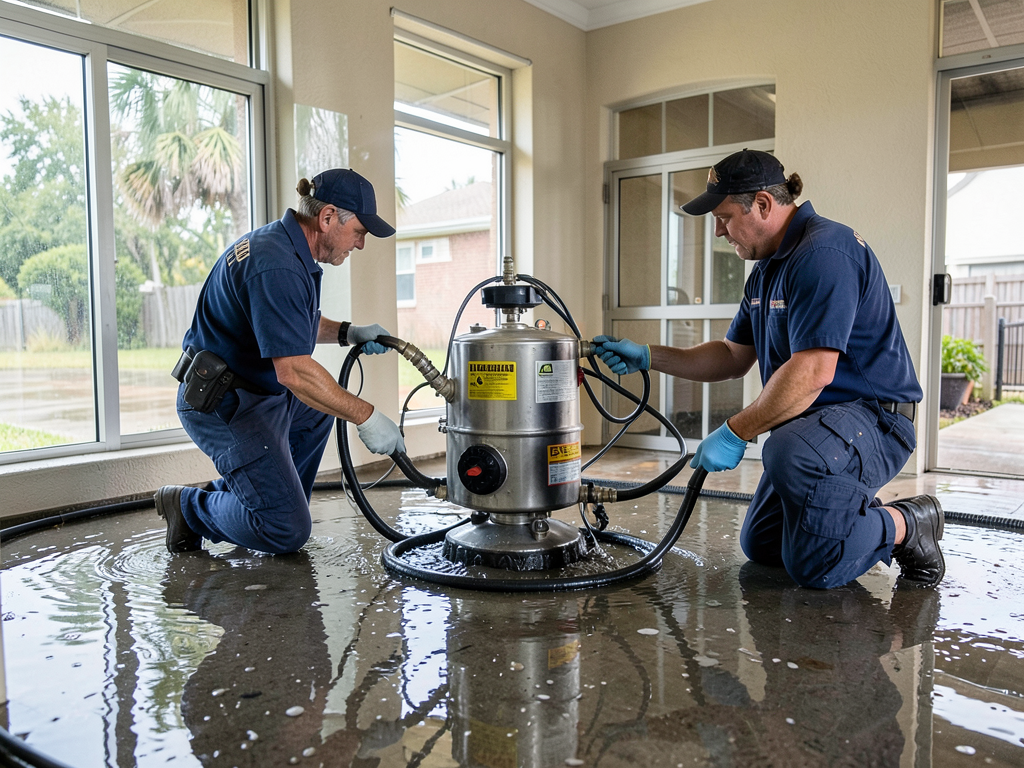


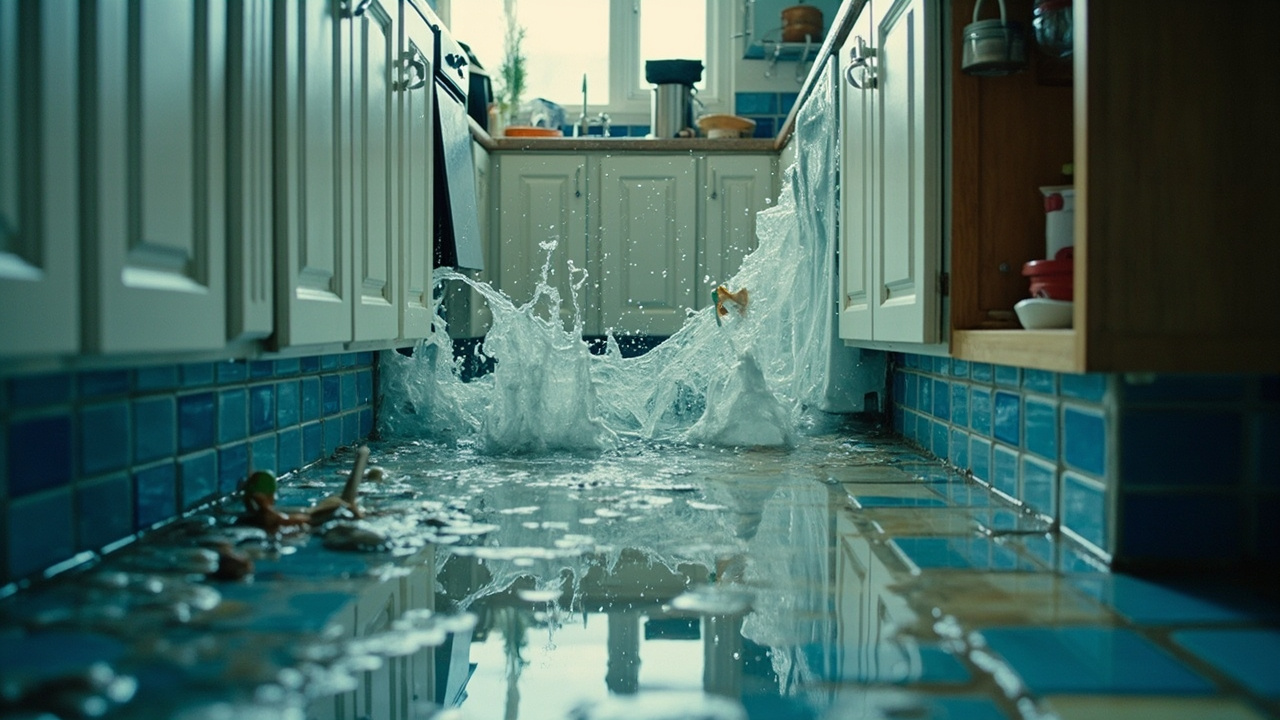
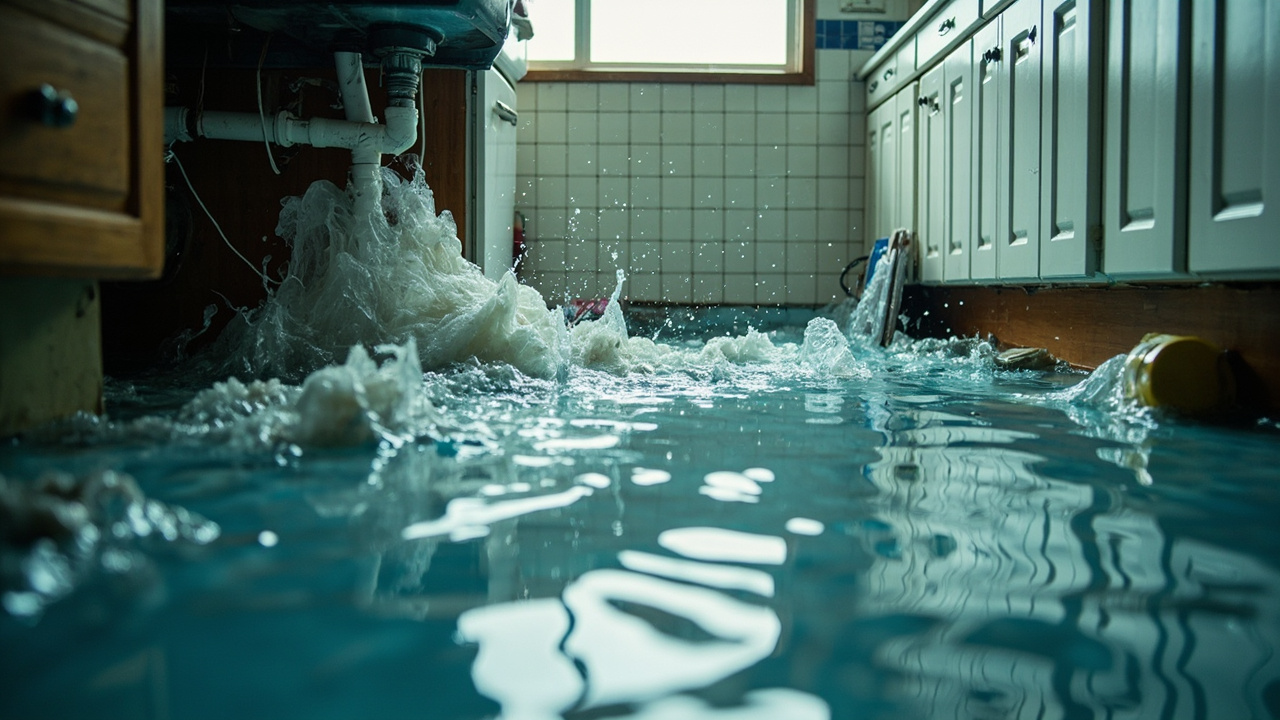
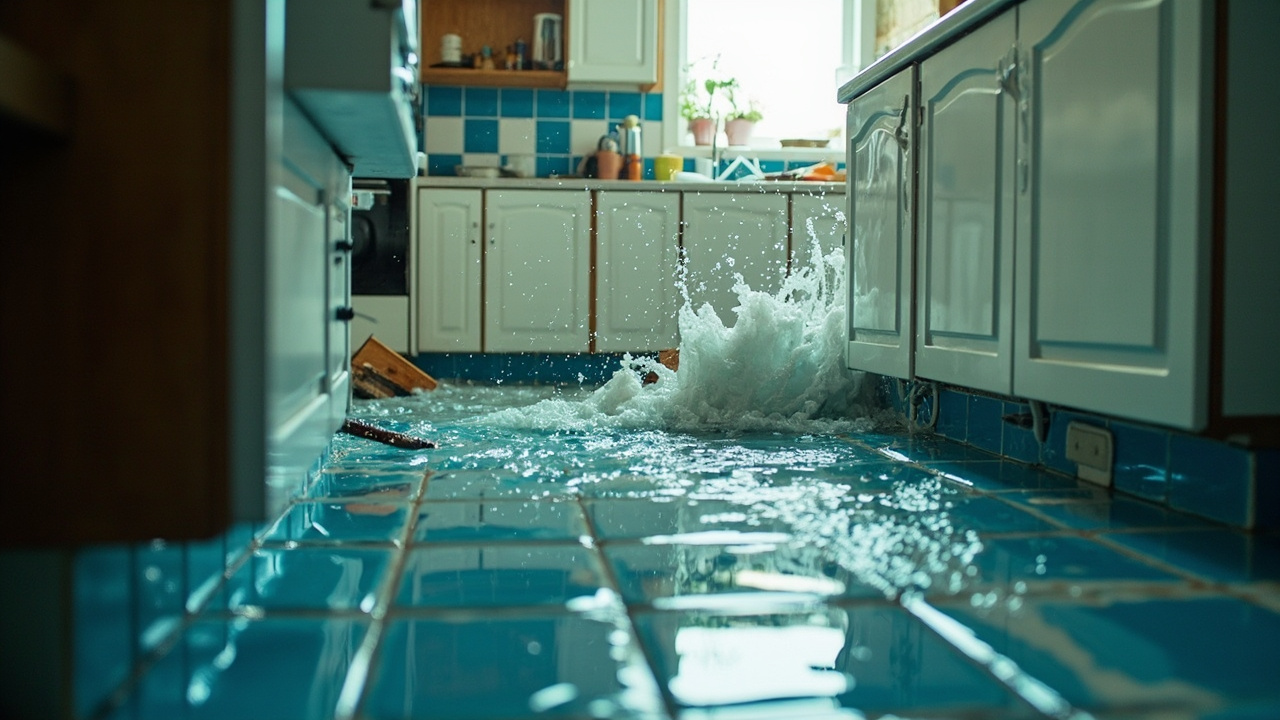
Orlando sits on a karst limestone aquifer with a water table often less than 10 feet below grade. When a ruptured pipe floods a home, the released water migrates downward until it hits that water table, then spreads laterally through porous soil. This creates hydrostatic pressure against foundation walls and floor slabs. In neighborhoods like Lake Nona, Baldwin Park, and Waterford Lakes, that pressure can push groundwater contaminated with bacteria back up through floor cracks, plumbing penetrations, and sump pits. The result is a secondary flood from below, even after you stop the pipe leak. Proper water damage from burst pipe restoration requires addressing both the surface flood and the subsurface pressure.
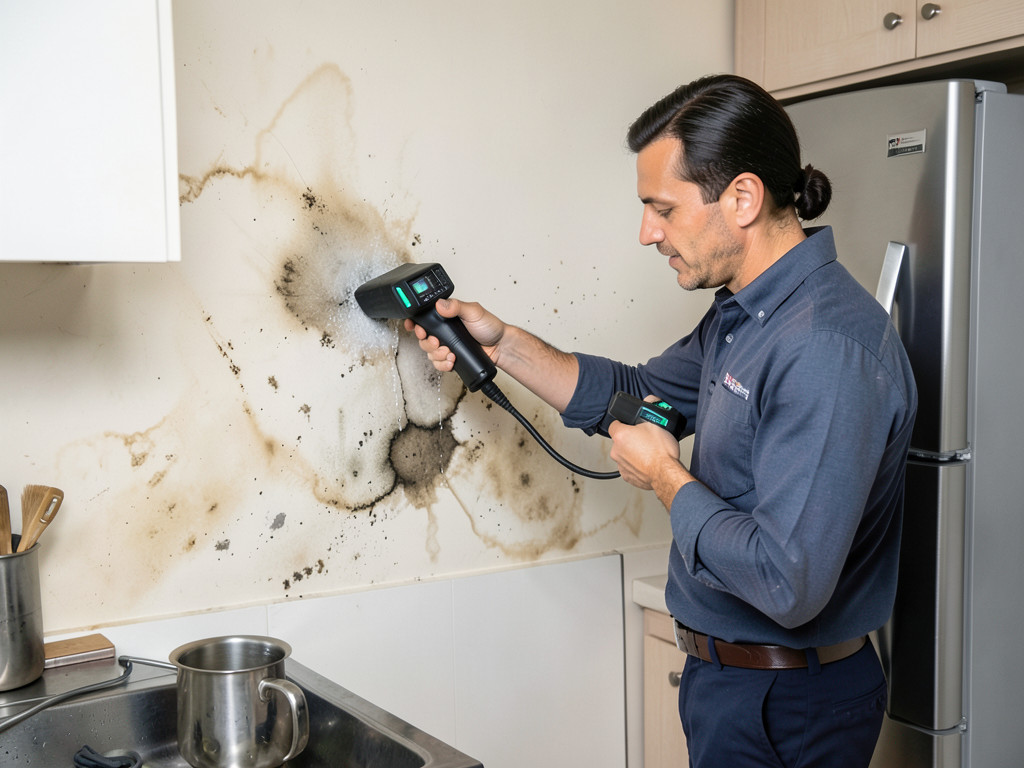
Central Florida's subtropical climate produces average relative humidity above 70 percent year-round. When broken pipe water damage introduces hundreds of gallons into an enclosed structure, that moisture cannot evaporate naturally into already-saturated air. Without active dehumidification, wet materials remain wet indefinitely. Mold growth begins within 48 hours under these conditions. Reliance Water Damage Restoration Orlando uses commercial-grade refrigerant dehumidifiers specifically sized for Orlando's humidity levels. We also understand local building codes requiring proper moisture barriers and vapor retarders during reconstruction. Choosing a restoration company familiar with Orlando's environmental challenges ensures proper drying and prevents long-term structural issues.