Menu

Storm Damage Mitigation in Orlando – Immediate Response Teams Protect Your Property 24/7

Storm Damage Mitigation experts at Reliance Water Damage Restoration Orlando deploy certified technicians within hours to stabilize your property, prevent secondary water damage, and coordinate directly with your insurance carrier throughout the entire restoration process.

Slider Image 1
Slider Image 2
Slider Image 3
Slider Image 4
Slider Image 5
Slider Image 7
Slider Image 8
Slider Image 9
Slider Image 10
Slider Image 11

Why Orlando Properties Face Unique Storm Damage Risks

Orlando sits in the hurricane corridor where tropical systems dump massive rainfall totals within hours. Your property faces wind-driven rain that penetrates weak roof seals, overwhelms gutters, and forces water through window frames. The high water table across Orange County means saturated soil pushes groundwater through foundation cracks during prolonged storms.

Summer thunderstorms drop 2 to 3 inches in 30 minutes. Your roof valleys and drainage systems cannot handle that volume. Water pools on flat commercial roofs common in the Dr. Phillips and MetroWest business districts. Residential properties near Lake Eola and Conway experience backup through storm drains when city infrastructure reaches capacity.

The subtropical humidity compounds every problem. Standing water breeds mold within 48 hours. Drywall wicks moisture vertically. Your wood framing absorbs water and begins structural degradation. Storm damage restoration cannot wait three days for an insurance adjuster. Storm damage cleanup must begin immediately to prevent catastrophic secondary damage that multiplies your claim amount.

Wind damage creates entry points. Missing shingles expose roof decking. Broken windows allow rain penetration. Damaged fascia boards let water infiltrate your attic space. Storm damage repair addresses these vulnerabilities before the next system arrives. Orlando averages 51 inches of annual rainfall. Your property will face another storm. Emergency storm damage services establish a protective envelope that prevents recurring issues. Storm damage remediation removes contaminated materials and restores structural integrity using commercial dehumidifiers and air movers that extract moisture other companies miss.

Why Orlando Properties Face Unique Storm Damage Risks
Our Storm Damage Mitigation Protocol

Our Storm Damage Mitigation Protocol

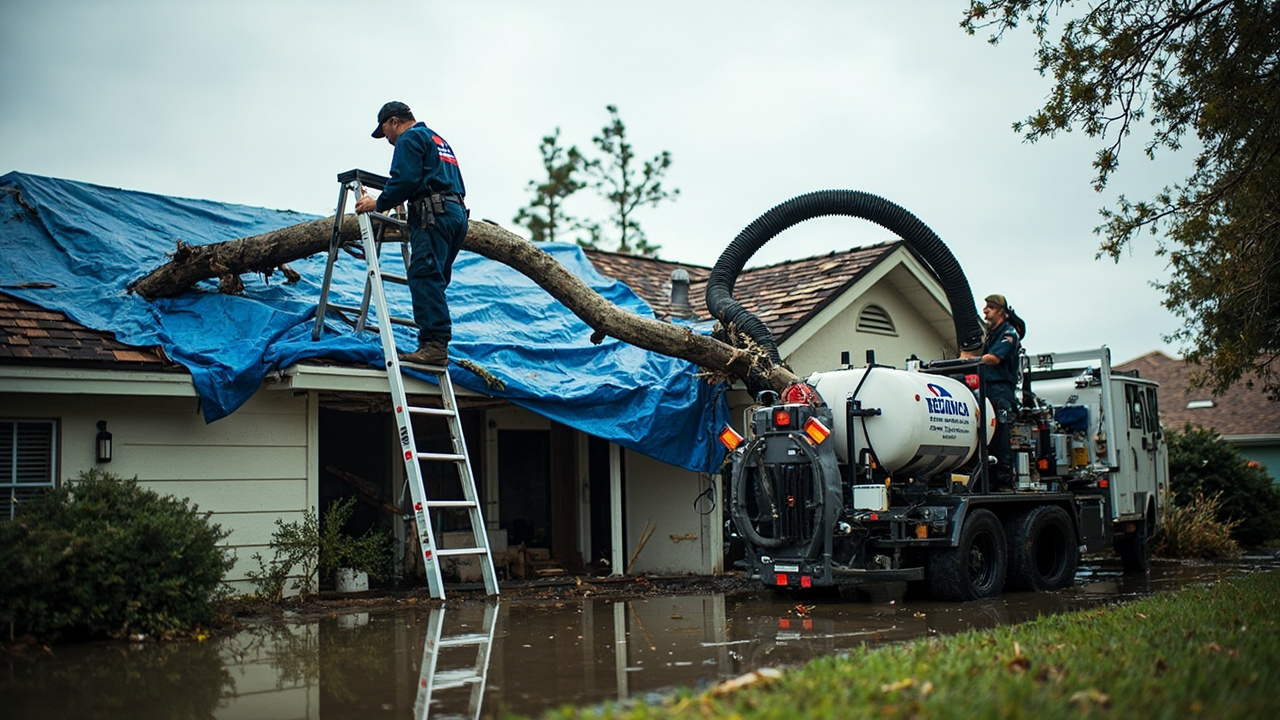
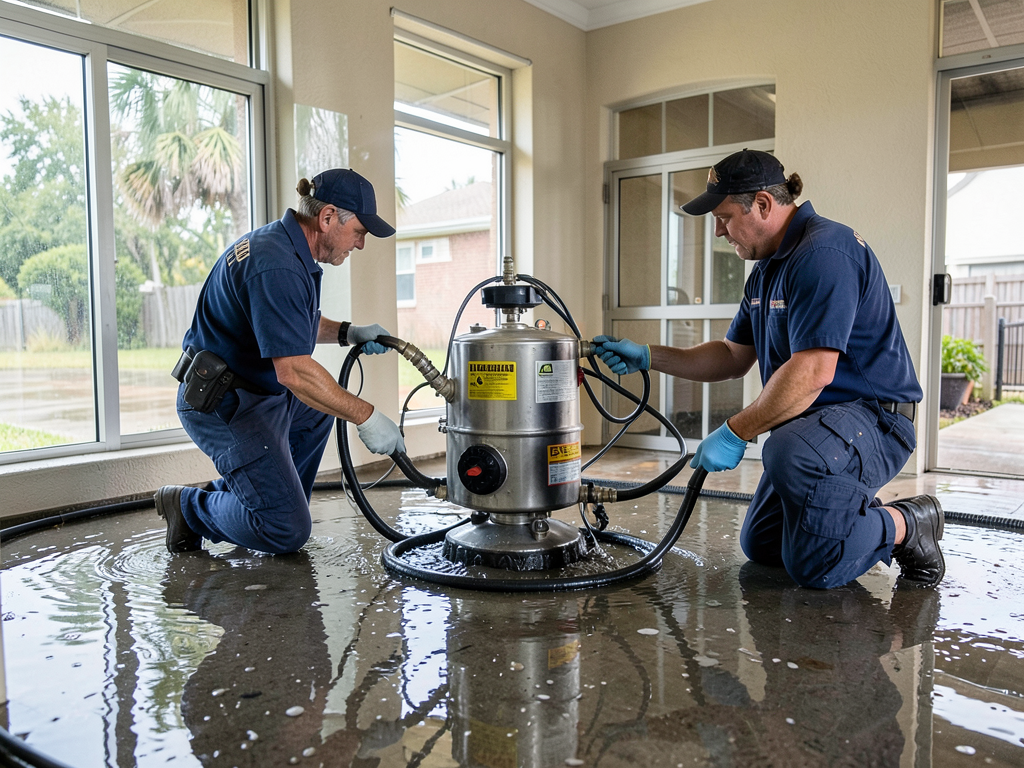
Reliance Water Damage Restoration Orlando dispatches teams with truck-mounted extraction units and trailer-mounted generators. We arrive prepared for power outages and flooded access routes. Our technicians perform immediate water extraction using weighted wands that pull standing water from carpet padding and subfloors. Portable pumps remove water from crawl spaces and basements at 50 gallons per minute.

We install containment barriers using polyethylene sheeting and negative air machines. This prevents cross-contamination between affected and unaffected areas. Your family occupies clean zones while we work. Commercial clients maintain partial operations during restoration. Our hydroxyl generators neutralize airborne contaminants without requiring evacuation, unlike ozone treatments that force building closure.

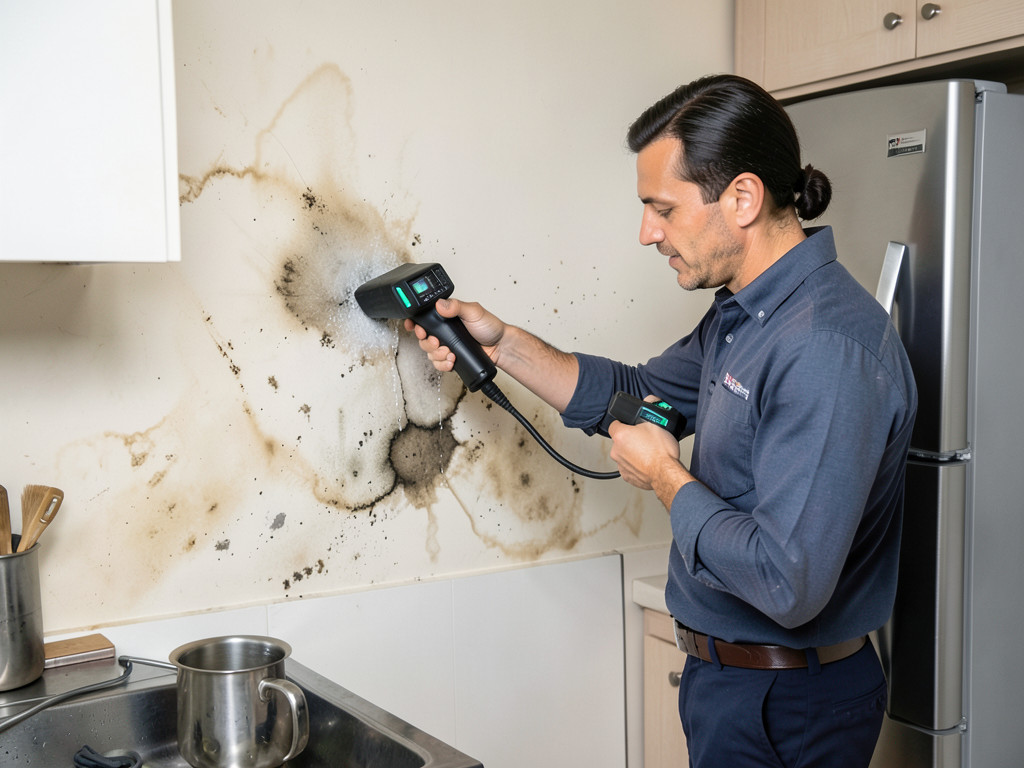
Thermal imaging cameras identify hidden moisture in wall cavities and ceiling assemblies. We document moisture readings using penetrating and non-penetrating meters. Your insurance carrier receives detailed mapping showing affected square footage and material saturation levels. This evidence supports your claim and prevents disputes about scope.

We remove non-salvageable materials immediately. Wet drywall below the flood line gets cut and discarded. Soaked insulation goes into sealed disposal bags. Contaminated contents move to climate-controlled storage for contents restoration specialists. Speed matters because category 3 water from storm surge or sewer backup contains pathogens that create health hazards.

Our drying protocol uses psychrometric calculations to determine equipment placement. We measure temperature, humidity, and airflow to create optimal drying conditions. Commercial dehumidifiers extract 14 gallons of moisture per day. Air movers create circulation patterns that accelerate evaporation. We monitor daily and adjust equipment based on moisture readings. Most structures reach dry standard within 3 to 5 days.

How We Stabilize Your Storm-Damaged Property

Storm Damage Mitigation in Orlando – Immediate Response Teams Protect Your Property 24/7
01

Emergency Contact and Deployment

You call our dispatch center and speak with a live person who logs your address and damage description. We deploy the nearest available crew immediately. Our technicians arrive in marked vehicles equipped with water extraction equipment, moisture detection tools, and emergency tarping supplies. Response time averages 90 minutes for properties within the Orlando metro area. We contact your insurance carrier and initiate the claims notification process while en route to your location.
02

Damage Assessment and Containment

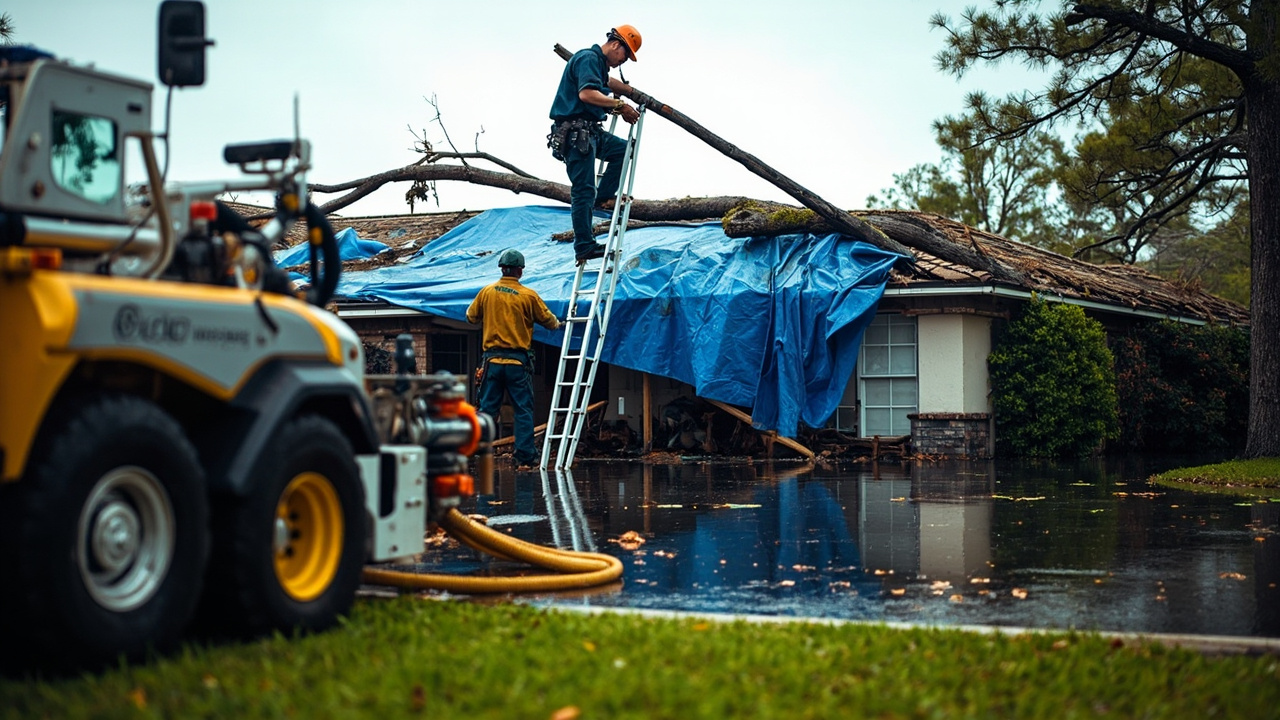
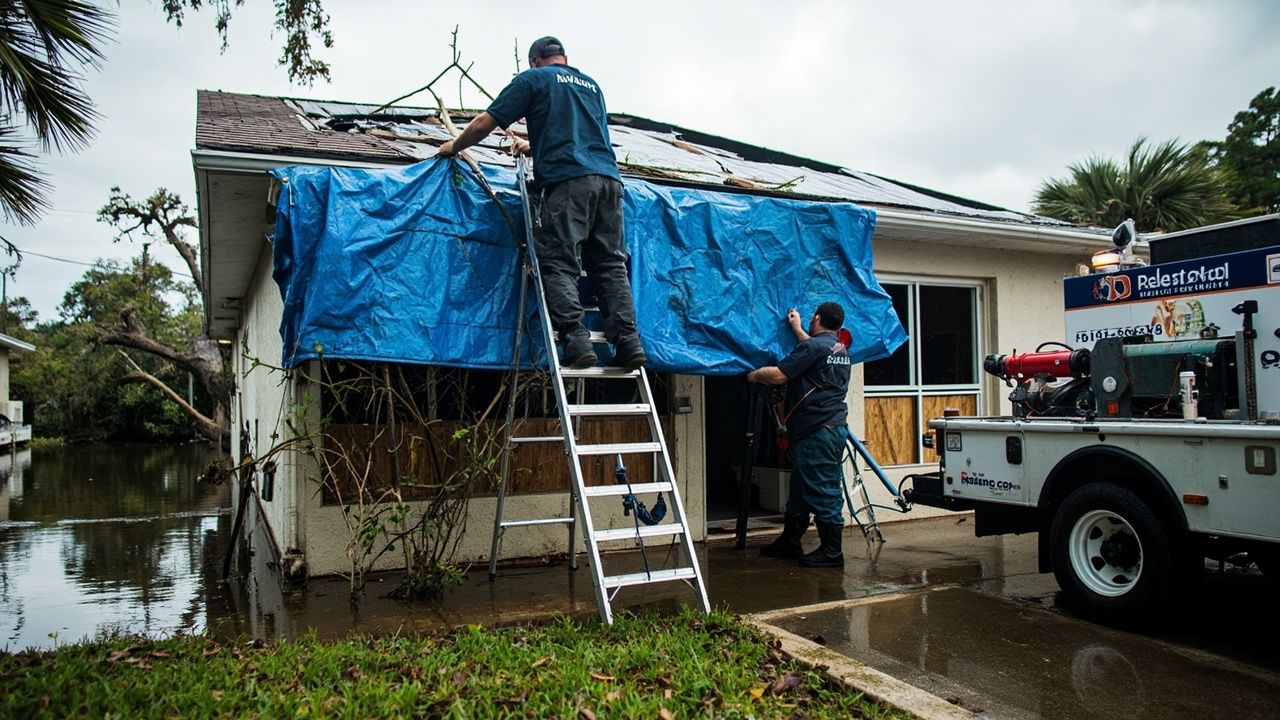
Our crew performs a room-by-room inspection documenting water intrusion points, affected materials, and moisture readings. We photograph damage for your insurance file. Emergency tarping secures roof breaches. Board-up services protect broken windows. We extract standing water and establish drying zones using containment barriers. Industrial dehumidifiers and air movers begin the drying process within the first hour. You receive a written scope of work detailing the mitigation plan and projected timeline.
03

Monitoring and Dry-Down Completion

Technicians return daily to measure moisture levels in structural materials using pin-type and non-invasive meters. We document readings and adjust equipment positioning to optimize airflow patterns. Once materials reach industry-standard dry readings below 15 percent moisture content, we remove equipment and provide completion documentation. Your insurance adjuster receives a final moisture map showing the structure meets requirements for reconstruction. We coordinate directly with your chosen contractor to begin repairs without delays.

Why Orlando Property Owners Choose Reliance Water Damage Restoration

We maintain relationships with every major insurance carrier operating in Orange County. Your adjuster knows our documentation standards and accepts our estimates without extended negotiations. This eliminates the frustration of disputed claims and delayed payments. We handle supplement requests when hidden damage appears during reconstruction.

Our technicians understand Orlando building construction. We know the difference between concrete block construction common in commercial buildings and the wood-frame construction typical of residential properties built after 1990. We recognize when properties in historic districts like Thornton Park require specialized restoration approaches that preserve architectural details while meeting modern building codes.

Florida requires water damage contractors to maintain specific licensing. We hold the necessary state certifications and maintain liability coverage that protects your property. Unlicensed operators cannot pull permits for reconstruction work. You face project delays and potential liability if their work fails inspection. Our established relationships with Orange County building inspectors expedite permit approval.

We stock equipment locally. You do not wait for dehumidifiers to ship from out of state. Our warehouse maintains 200 commercial air movers and 75 dehumidifiers. We scale operations for large commercial losses affecting office buildings or retail centers. Multi-family properties receive dedicated project managers who coordinate with property management companies and communicate with individual unit owners.

Storm damage creates health risks. Standing water harbors bacteria. Wet drywall grows mold. Our crews wear appropriate PPE and follow IICRC guidelines for contaminated water handling. We dispose of damaged materials according to Orange County regulations. Your property becomes safe for occupancy once our work concludes. Indoor air quality testing verifies successful remediation when required by insurance carriers or requested by property owners.

What Orlando Property Owners Can Expect

Rapid Response Timeline

Our dispatch center operates 24 hours without answering services or callbacks. You speak directly with someone who can deploy a crew immediately. We maintain multiple teams across the Orlando metro area to ensure fast response during widespread storm events when demand surges. Average arrival time runs 60 to 90 minutes for emergency calls. Our trucks carry enough equipment to handle 2,000 square feet of water damage without returning to the warehouse for supplies. Nighttime and weekend calls receive the same priority as weekday requests. We understand that storm damage does not wait for business hours.

Thorough Damage Documentation

Your insurance claim depends on accurate documentation. Our technicians use thermal imaging to identify moisture in areas that appear dry visually. We photograph damage from multiple angles and create detailed floor plans showing affected rooms. Moisture readings go into software that generates graphs showing the drying progression over time. You receive copies of all documentation for your records. Insurance adjusters receive reports through their preferred platforms including Xactimate files with line-item pricing. This professional documentation prevents claim disputes and ensures you receive proper compensation. We capture before conditions and document the full extent of loss before beginning extraction.

Complete Structural Drying

Wet materials cause ongoing problems. Drywall crumbles. Wood studs rot. Concrete slabs develop efflorescence. We dry your structure to industry standards using measured data, not guesswork. Equipment runs continuously until moisture meters confirm structural materials have returned to normal levels. You do not pay for unnecessary drying days. We remove equipment as soon as readings indicate completion. The final moisture report proves your structure meets requirements for reconstruction. Contractors can begin repairs immediately without concerns about trapped moisture that would compromise new materials. Your property returns to pre-loss condition without lingering moisture problems that surface months later.

Insurance Coordination Support

Filing insurance claims creates stress during an already difficult situation. We handle communication with your carrier throughout the restoration process. Our estimators prepare detailed scopes that adjusters understand and accept. We attend on-site meetings with adjusters to answer technical questions about our methodology. When hidden damage appears during demolition, we document findings and submit supplement requests with supporting photographs and moisture readings. You receive copies of all correspondence so you stay informed. We work with your deductible and accept assignment of benefits when appropriate. Our billing department submits invoices directly to insurance carriers and handles payment collection. This eliminates out-of-pocket expenses beyond your deductible amount.

Frequently Asked Questions

You Have Questions,
We Have Answers

What is storm mitigation? +

Storm mitigation refers to actions taken before or after a severe weather event to reduce property damage. In Orlando, this includes reinforcing roofs for hurricane-force winds, installing impact-resistant windows, sealing entry points against rain intrusion, and securing drainage systems to handle Florida's intense rainfall. Mitigation also covers emergency response steps like water extraction, structural drying, and mold prevention after storm damage occurs. The goal is to minimize loss and speed up recovery. Given Orlando's vulnerability to tropical systems and afternoon thunderstorms, proactive mitigation measures protect your investment and can lower insurance premiums through documented storm-resistant upgrades.

How much does flood mitigation cost? +

Flood mitigation costs vary based on property size, water volume, and damage severity. Emergency water extraction typically starts around a few hundred dollars for minor incidents but escalates for extensive flooding. Structural drying equipment, dehumidification, and antimicrobial treatments add to the total. In Orlando, where high humidity prolongs drying times, costs increase if specialized equipment runs longer. Insurance often covers mitigation if you act quickly to prevent secondary damage. Factors like contaminated water, affected square footage, and necessary demolition influence pricing. Get a detailed inspection first. Reputable contractors provide transparent estimates and work directly with your insurer to streamline claims.

What are examples of mitigation? +

Mitigation examples include water extraction using industrial pumps, setting up commercial dehumidifiers to dry saturated materials, removing damaged drywall to prevent mold growth, applying antimicrobial solutions to disinfect surfaces, and installing air movers to accelerate evaporation. In Orlando homes, mitigation often involves treating wood framing affected by humidity, removing soaked insulation, and documenting moisture levels with thermal imaging. Preventive mitigation includes reinforcing roof decking, installing backflow valves to stop sewer backups during heavy rain, and grading yard slopes away from foundations. Each action reduces further damage and prepares your property for restoration work.

How to mitigate a storm? +

Mitigating a storm starts before it hits. Secure outdoor items, cover windows with storm shutters, clean gutters and downspouts, and inspect your roof for loose shingles. During the storm, stay inside and monitor for leaks. Afterward, document all damage with photos before touching anything. Extract standing water immediately using pumps or wet vacuums. Remove wet materials like carpeting and furniture to prevent mold. In Orlando's humid climate, mold spores colonize within 24 to 48 hours. Set up fans and dehumidifiers quickly. Contact your insurance company and a certified water damage restoration contractor to assess structural damage and begin professional drying.

What does mitigation mean with homeowners insurance? +

In homeowners insurance terms, mitigation means taking reasonable steps to prevent additional damage after a covered loss occurs. If a hurricane tears off part of your roof in Orlando, you must tarp the opening to stop rain from entering. If you fail to mitigate and water ruins your floors and walls, your insurer may deny coverage for that secondary damage. Most policies require policyholders to act promptly. Keep receipts for emergency repairs like tarping, water extraction, or temporary board-up services. Your insurer typically reimburses reasonable mitigation costs. Document everything with photos and timestamps to support your claim.

Why do you fill a bathtub with water during a hurricane? +

Filling a bathtub with water before a hurricane provides a backup supply for flushing toilets and basic hygiene if municipal water service fails after the storm. Hurricanes can damage water treatment plants or break supply lines, leaving Orlando neighborhoods without running water for days. The stored tub water is not for drinking unless properly treated. Keep bottled water for consumption. This precaution also helps maintain sanitation if sewage systems fail. While it seems simple, having 30 to 50 gallons of reserve water reduces stress during recovery. Cover the tub to prevent debris contamination and keep children and pets safe.

Does homeowners insurance cover water mitigation? +

Homeowners insurance typically covers water mitigation if the damage results from a covered peril like a burst pipe, windstorm, or sudden appliance failure. Policies usually require you to act quickly to prevent further loss. Emergency water extraction, drying, and mold prevention fall under mitigation and are reimbursable. However, flood damage from rising water or storm surge requires separate flood insurance through the National Flood Insurance Program. In Orlando, where afternoon thunderstorms and hurricanes bring heavy rain, review your policy carefully. If a tree falls through your roof during a storm and rain enters, mitigation costs are generally covered under your dwelling coverage.

What is the best mitigation for a flood? +

The best flood mitigation combines rapid water removal, thorough structural drying, and mold prevention. Start by extracting standing water with commercial-grade pumps within the first 24 hours. In Orlando's humid environment, moisture lingers in walls, subfloors, and insulation. Use industrial dehumidifiers and air movers to dry these hidden spaces. Monitor moisture levels with meters to confirm complete drying. Remove porous materials like soaked drywall and carpeting that cannot be saved. Apply antimicrobial treatments to affected surfaces. Professional mitigation prevents secondary damage, reduces health risks, and speeds up the restoration timeline. Acting fast protects your property value and limits out-of-pocket costs.

How much does insurance pay for flood damage? +

Insurance payouts for flood damage depend on your coverage type, policy limits, and documentation. Standard homeowners policies exclude flood damage caused by rising water or storm surge. You need a separate flood insurance policy through NFIP or a private carrier. NFIP coverage maxes at $250,000 for structures and $100,000 for contents. Private policies may offer higher limits. In Orlando, where hurricanes bring significant flooding, claims adjust based on actual damage. Insurers pay replacement cost or actual cash value depending on your policy. Thorough documentation with photos, moisture readings, and contractor estimates strengthens your claim and maximizes reimbursement.

What are the three types of mitigation? +

The three types of mitigation are structural, non-structural, and operational. Structural mitigation includes physical modifications like reinforcing roof trusses, installing hurricane straps, elevating utilities above flood zones, and adding impact-resistant windows. Non-structural mitigation involves policy changes such as updating building codes, creating floodplain maps, and implementing land-use planning. Operational mitigation covers emergency response actions like water extraction, temporary power restoration, and debris removal after a storm. In Orlando, homeowners focus on structural upgrades to meet Florida Building Code wind-load requirements and operational mitigation to address water intrusion quickly. Each type reduces risk and minimizes recovery time after severe weather events.

How Orlando's Hurricane Geography Demands Specialized Storm Damage Mitigation

Orlando sits 50 miles inland but remains vulnerable to hurricane-force winds and torrential rainfall from tropical systems crossing the Florida peninsula. The city's numerous lakes including Lake Eola, Lake Ivanhoe, and the Butler Chain create localized flooding when storm surge pushes water inland through connected waterways. Properties near the Econlockhatchee River and Shingle Creek experience rapid water level rises during sustained rainfall events. The flat topography prevents natural drainage, and aging stormwater infrastructure cannot handle the volume modern development creates. Storm damage mitigation must address both wind-driven rain penetration and rising groundwater that enters through foundation cracks and overwhelms sump systems.

Reliance Water Damage Restoration Orlando maintains equipment staging locations that remain operational when coastal areas evacuate. Our crews live locally and respond throughout storm events when out-of-town contractors cannot access the region. We understand Orange County building codes and work directly with local inspectors who expedite permits for emergency repairs. Our relationships with roofing contractors, plumbers, and electricians licensed in Orlando ensure comprehensive storm damage repair without delays waiting for subcontractors. We know which suppliers remain open during widespread power outages and which materials meet Florida Building Code requirements for wind resistance and moisture protection.
Water Damage Restoration Services in The Orlanado Area

Looking for fast and reliable water damage restoration in your area? Reliance Water Damage Restoration Orlando proudly serves homes and businesses throughout Orlando and surrounding communities. Whether you're dealing with flood damage, burst pipes, or mold issues, our expert team is ready to respond 24/7. We use industry-leading equipment to extract water, dry structures, and restore your property to pre-loss condition. Check the map below to see if we service your neighborhood, or call now for immediate help.

Address:
Reliance Water Damage Restoration Orlando, 7380 W Sand Lake Rd Suite 500, Orlando, FL, 32819

Additional Services We Offer

Our news updates

Latest Articles & News from The Blogs

Lorem ipsum dolor sit amet. Aut expedita quaerat quo eligendi numquam et laudantium perspiciatis qui minima expedita rem consequatur ducimus.…

Test Blog 4

Lorem ipsum dolor sit amet. Aut expedita quaerat quo eligendi numquam et laudantium perspiciatis qui minima expedita rem consequatur ducimus.…

Test Blog 3

Lorem ipsum dolor sit amet. Aut expedita quaerat quo eligendi numquam et laudantium perspiciatis qui minima expedita rem consequatur ducimus.…

Test Blog 2

Lorem ipsum dolor sit amet. Aut expedita quaerat quo eligendi numquam et laudantium perspiciatis qui minima expedita rem consequatur ducimus.…

Contact Us

Storm damage worsens every hour you wait. Call Reliance Water Damage Restoration Orlando now at (689) 268-2233. Our crews deploy immediately with the equipment and expertise to protect your property. We coordinate directly with your insurance carrier and handle all documentation.