Menu

Sanitization & Odor Removal in Orlando – Complete Antimicrobial Treatment After Water Damage

Professional disinfection and deodorization services that eliminate bacteria, mold spores, and persistent odors from water damage incidents across Orlando's residential and commercial properties.

Slider Image 1
Slider Image 2
Slider Image 3
Slider Image 4
Slider Image 5
Slider Image 7
Slider Image 8
Slider Image 9
Slider Image 10
Slider Image 11

Why Water Damage Creates Invisible Health Threats in Orlando Properties

Water damage never travels alone. When your Orlando property floods, you face contamination from sewage backups, stormwater debris, or stagnant moisture breeding grounds. Orlando's year-round humidity and average temperatures in the 80s create perfect conditions for bacterial growth within 24 to 48 hours of water intrusion.

You smell it first. That musty, earthy odor signals active microbial growth in drywall, subflooring, or HVAC ductwork. The average Orlando home maintains 60 to 70 percent humidity even with air conditioning, which accelerates decomposition of organic materials after flooding. Water from Lake Apopka storms or broken pipes carries pathogens that standard cleaning cannot remove.

Category 2 and Category 3 water introduce dangerous contaminants. Sewage backups common in older Orlando neighborhoods like College Park and Thornton Park contain E. coli, hepatitis A, and parasitic cysts. Stormwater flooding through properties near the Econlockhatchee River carries agricultural runoff and wildlife waste. Surface cleaning removes visible debris but leaves microscopic threats embedded in porous materials.

Odor control services address more than unpleasant smells. Persistent odors indicate active bacterial colonies releasing volatile organic compounds. These compounds trigger respiratory irritation and aggravate asthma, particularly concerning for Orlando's high population of retirees and families with young children. Sanitizing and deodorizing requires antimicrobial treatment that kills pathogens at the molecular level and neutralizes odor-causing compounds permanently. You need professionals who understand the difference between masking smells and eliminating their biological source.

Why Water Damage Creates Invisible Health Threats in Orlando Properties
How Professional Antimicrobial Treatment Eliminates Contamination

How Professional Antimicrobial Treatment Eliminates Contamination

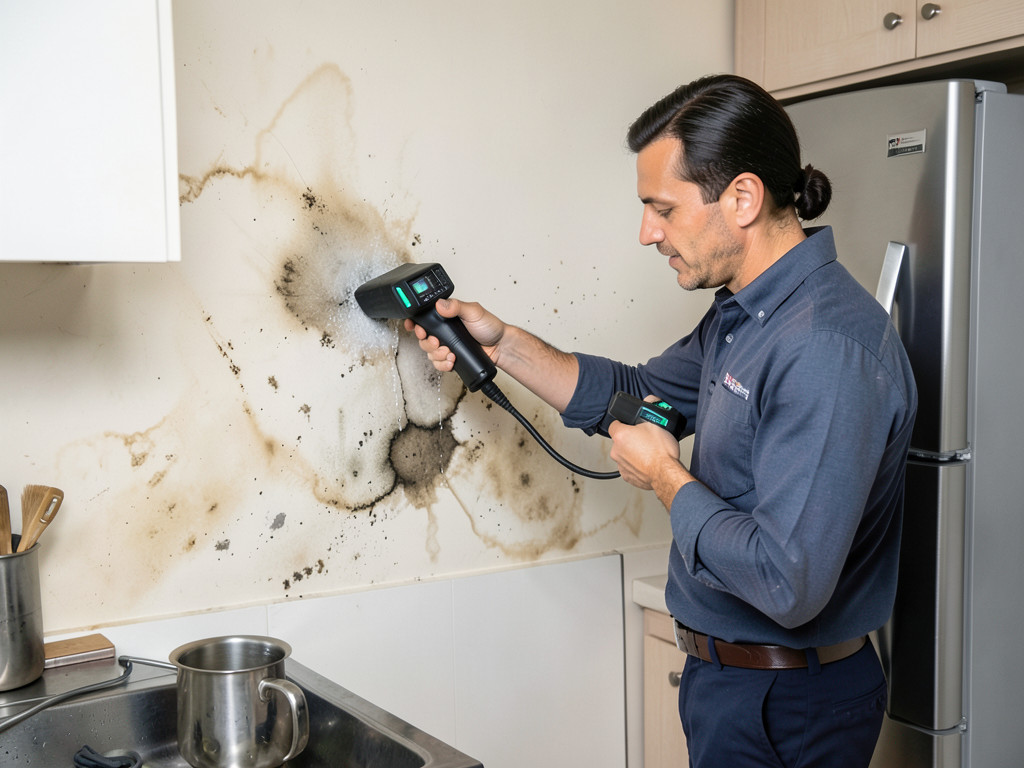
Reliance Water Damage Restoration Orlando uses EPA-registered antimicrobial agents that target specific pathogen types based on your water category. We do not spray generic disinfectants and hope for results. Our technicians identify contamination sources through moisture mapping and thermal imaging, then apply targeted biocides to affected materials.

Disinfection and deodorization begins after water extraction and structural drying. Applying antimicrobial treatment to wet materials wastes product and allows dilution. We verify moisture content below 15 percent in wood framing and below 1 percent in concrete slabs using calibrated moisture meters. Only then do we apply hospital-grade disinfectants formulated for porous building materials.

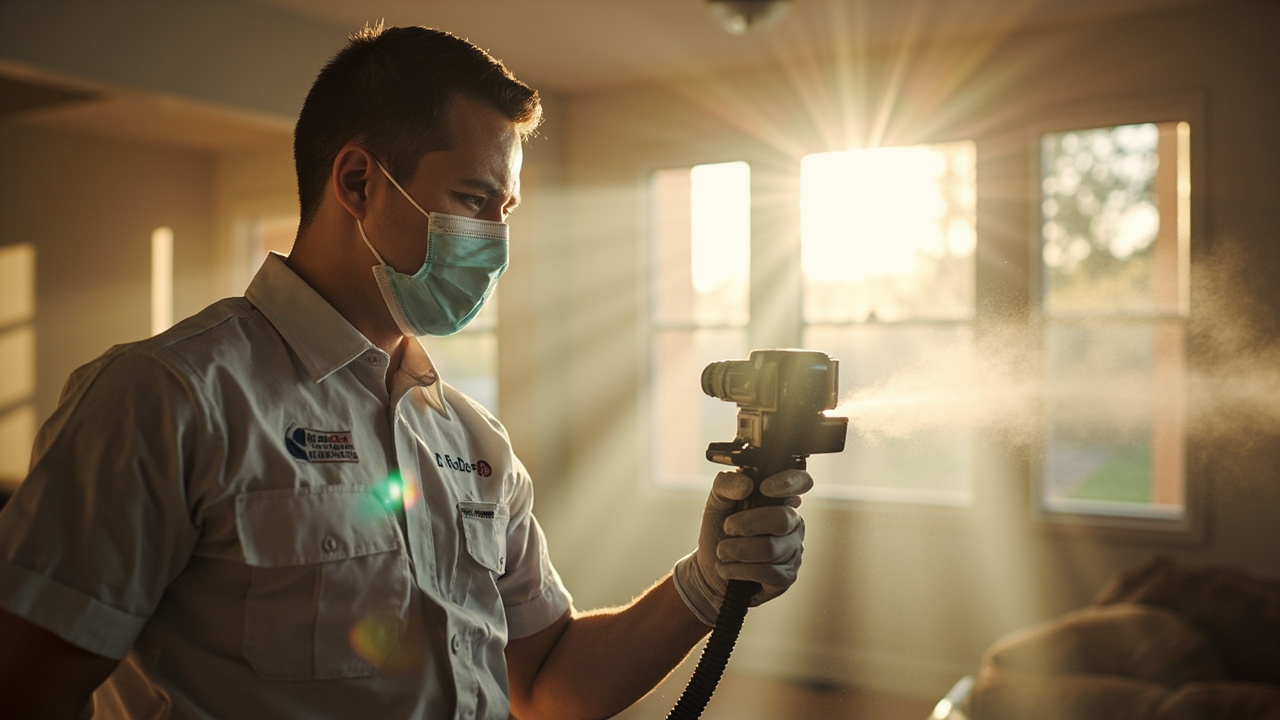
Our process uses quaternary ammonium compounds for general bacterial control and phenolic disinfectants for challenging mold contamination. We fog HVAC systems with aerosolized antimicrobials that penetrate ductwork bends and plenum spaces unreachable by hand application. This prevents cross-contamination when you restart climate control in Orlando's heat.

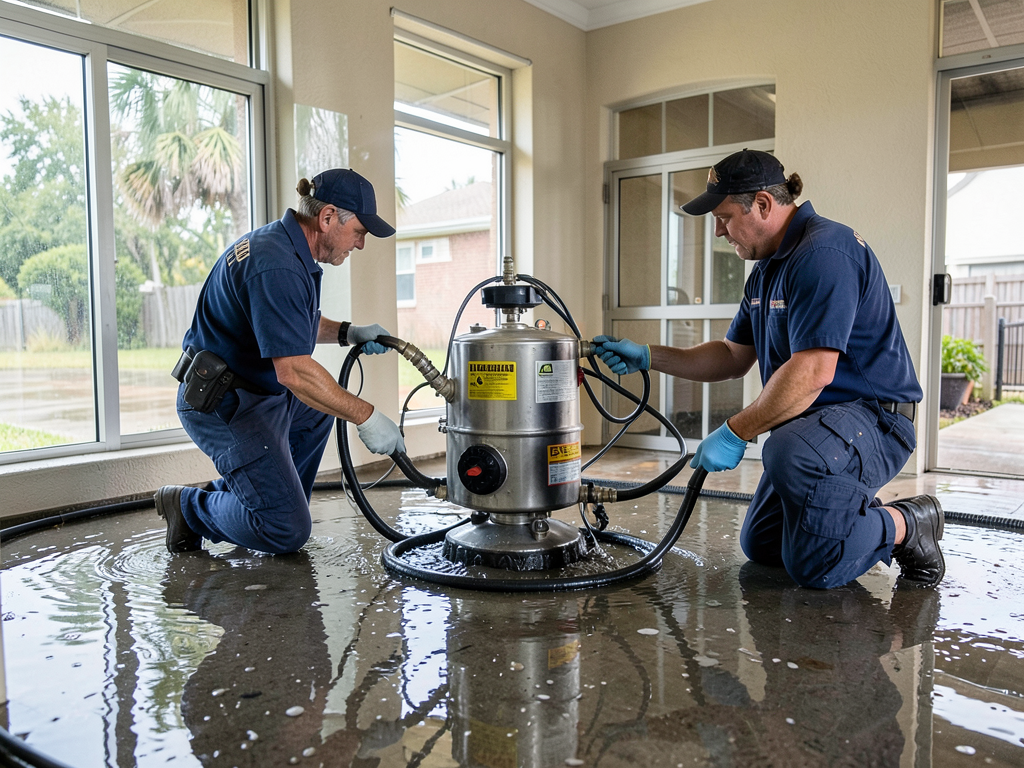
Odor abatement requires different chemistry than surface disinfection. We use hydroxyl generators that produce atmospheric hydroxyl radicals, the same molecules that naturally cleanse outdoor air. These radicals break down odor molecules through oxidation rather than covering them with fragrances. We also apply enzyme treatments to subflooring and wall cavities where organic decomposition creates the strongest smells.

For severe contamination in properties near the Orlando International Airport area or downtown commercial buildings, we deploy ozone generators in unoccupied spaces. Ozone penetrates every air pocket and material surface, oxidizing bacteria and mold at the cellular level. We monitor ozone concentration and ventilate thoroughly before reoccupation. This aggressive approach eliminates odors that hydroxyl treatment cannot fully resolve.

What Happens During Your Sanitization Service

Sanitization & Odor Removal in Orlando – Complete Antimicrobial Treatment After Water Damage
01

Contamination Assessment and Mapping

Our technicians categorize your water damage as Category 1, 2, or 3 based on contamination level. We use ATP meters to measure biological load on surfaces and identify hidden moisture pockets harboring bacterial growth. This data determines which antimicrobial agents we deploy and which materials require removal versus treatment. You receive a contamination map showing affected zones and treatment protocols for each area.
02

Multi-Stage Disinfection Application

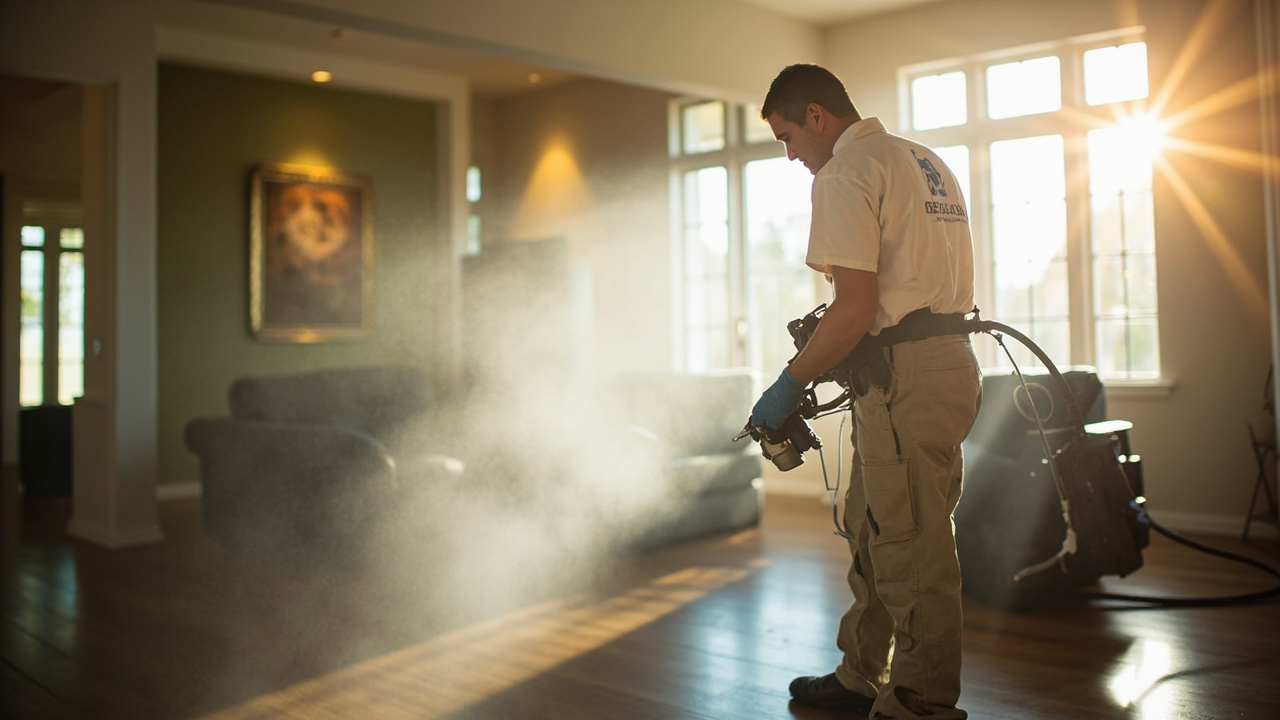
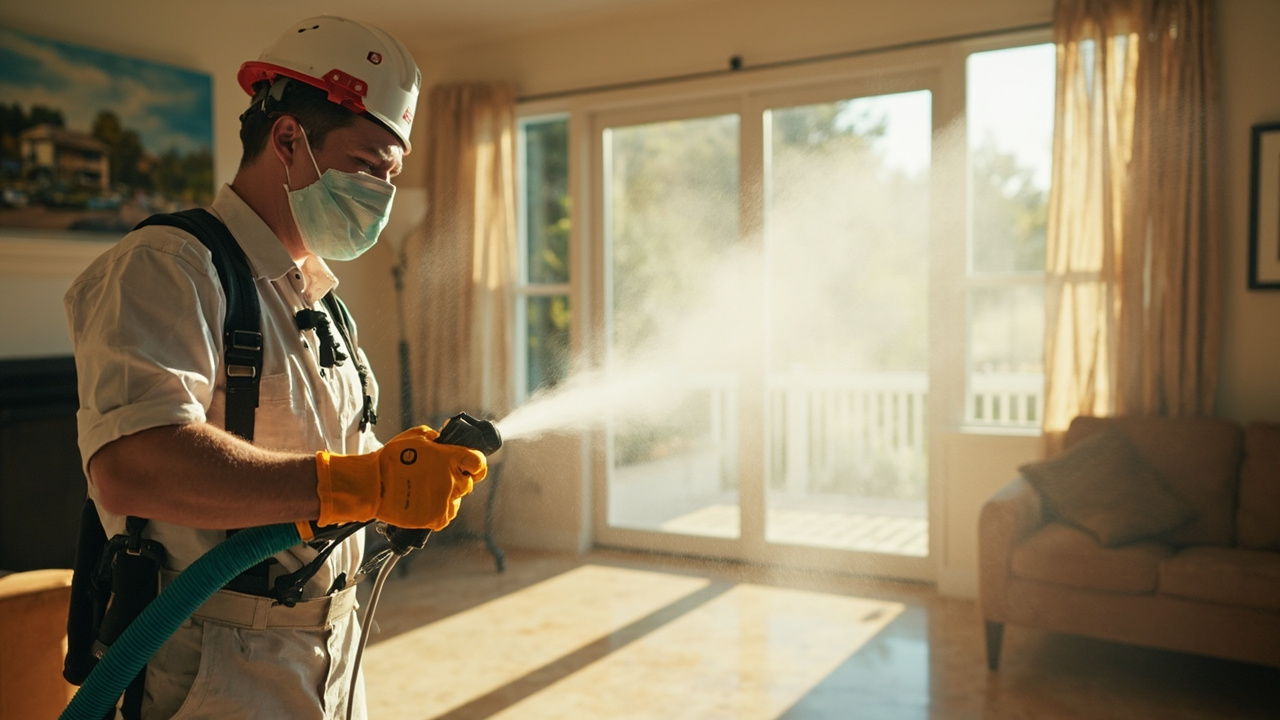
We apply surface disinfectants first to visible materials using electrostatic sprayers that wrap antimicrobials around complex surfaces. Next comes cavity treatment through small access holes, flooding wall voids and subfloor spaces with antimicrobial fog. HVAC systems receive separate treatment with duct-specific biocides. Each chemical requires specific dwell time before drying, typically 10 to 20 minutes depending on pathogen type and material porosity.
03

Odor Neutralization and Verification

After antimicrobial treatment dries, we deploy hydroxyl generators or ozone machines based on contamination severity. Equipment runs for 24 to 72 hours depending on odor intensity and property size. We then conduct air quality testing to verify bacterial counts and volatile organic compound levels meet safe thresholds. You receive lab documentation confirming your property is sanitized to pre-loss condition before we consider the job complete.

Why Orlando Properties Need Local Sanitization Expertise

Orlando's unique combination of subtropical humidity, frequent summer thunderstorms, and aging infrastructure creates specific contamination challenges that generic restoration companies mishandle. Properties in neighborhoods like Baldwin Park and Audubon Park feature concrete slab foundations that trap moisture and allow bacterial growth in expansion joints. Treating these properties requires understanding how Florida's limestone bedrock affects drainage and humidity control.

Reliance Water Damage Restoration Orlando maintains relationships with local mold remediation labs and industrial hygienists who understand Central Florida's specific pathogen profile. We know that flooding near Turkey Lake or the Little Econ River introduces different bacterial strains than sewage backups in Winter Park's older clay pipe systems. This knowledge determines which antimicrobial agents work and which waste your time and money.

Our technicians train specifically on Florida Building Code requirements for post-flood sanitization in commercial properties. The difference matters when you operate restaurants near International Drive or medical offices in the Lake Nona Medical City area. We document our disinfection and deodorization protocols to meet health department inspection standards and insurance requirements. Generic franchises follow national checklists that miss Florida-specific compliance details.

We stock antimicrobial agents rated for Orlando's temperature extremes. Products that work in northern climates break down in our heat, leaving surfaces vulnerable to recontamination. Our chemical suppliers formulate for subtropical conditions, ensuring biocides remain effective during July and August when ambient temperatures reach 95 degrees and humidity hovers near 80 percent.

Local availability matters during emergencies. When hurricane flooding hits multiple Orlando properties simultaneously, national chains prioritize contracts by revenue. We live here. Your Baldwin Park home or downtown office building gets the same response time as commercial accounts because we built our business serving this community first.

What You Can Expect From Our Sanitization Process

Same-Day Emergency Response

Water damage contamination worsens by the hour in Orlando's climate. We dispatch technicians within two hours of your call, seven days per week. Our trucks carry portable antimicrobial fogging equipment and ATP testing meters, allowing immediate assessment and treatment initiation. For sewage backups or Category 3 flooding, we begin emergency disinfection during the same visit as water extraction. You do not wait days for sanitization while bacteria multiply in your walls. Evening and weekend calls receive identical priority because contamination does not respect business hours.

Detailed Contamination Analysis

We test every affected surface before recommending treatment protocols. Our assessment includes moisture mapping to locate hidden water pockets, thermal imaging to identify temperature differentials indicating microbial activity, and ATP bioluminescence testing to measure bacterial load. You receive a written contamination report identifying pathogen risks specific to your water source, whether stormwater from Conway area flooding or supply line breaks in Metrowest properties. This documentation supports insurance claims and provides baseline data for post-treatment verification. We explain findings in plain language, not technical jargon designed to upsell unnecessary services.

Guaranteed Odor Elimination

Our multi-stage odor abatement process addresses smells at their molecular source rather than masking them with deodorizers. You will not smell musty odors six months later when humidity rises. We use hydroxyl radical generators for occupied spaces and ozone treatment for severe contamination in vacant properties. Enzyme treatments break down organic matter in subflooring and wall cavities where bacteria feed. Post-treatment air quality testing verifies volatile organic compound levels meet EPA residential air standards. If odors return within 30 days due to treatment failure rather than new water intrusion, we retreat affected areas at no charge.

Post-Treatment Documentation and Monitoring

You receive complete sanitization documentation including pre-treatment contamination levels, antimicrobial products applied with EPA registration numbers, dwell times, and post-treatment verification test results. This paperwork satisfies insurance adjusters and health inspectors for commercial properties. We provide care instructions for maintaining sanitized conditions, particularly important in Orlando's humidity where improper ventilation can restart microbial growth. For commercial clients, we offer quarterly ATP testing services to verify sanitization remains effective. Residential clients receive follow-up contact at 30 and 90 days to address any concerns and verify complete odor elimination.

Frequently Asked Questions

You Have Questions,
We Have Answers

What do nursing homes use to get rid of urine smell? +

Nursing homes use enzyme-based cleaners and hospital-grade disinfectants to neutralize urine odor at the molecular level. These products break down uric acid crystals that cause persistent smell. Many facilities also use hydroxyl generators or ozone machines in unoccupied rooms to sanitize air and surfaces. In Orlando's humid climate, moisture control is critical because humidity reactivates dried urine salts. Professional odor removal combines enzymatic treatment with thermal fogging or vapor treatments that penetrate porous materials like subflooring and drywall. Simple surface cleaning does not eliminate the smell because urine soaks deep into materials.

How do I permanently get rid of a bad smell in my house? +

Permanent odor removal requires identifying and eliminating the source, not masking it. Remove contaminated materials like soaked carpet padding, drywall, or insulation. Clean all surfaces with enzymatic cleaners that break down organic compounds. Use thermal fogging to treat porous materials and HVAC systems. In Orlando homes, check for hidden mold growth in attics and crawlspaces due to high humidity. Run air scrubbers with HEPA and activated carbon filters to pull airborne particles. Seal treated surfaces with odor-blocking primer. Address moisture issues that allow bacteria and mold to thrive. Deodorizers only provide temporary relief.

What is the strongest smell remover? +

Hydroxyl generators and ozone machines are the strongest odor removers for unoccupied spaces. For occupied areas, enzyme cleaners break down organic odors at the source. Activated charcoal absorbs airborne molecules. Chlorine dioxide gas penetrates materials and neutralizes odors without leaving residue. In Orlando's climate, thermal fogging paired with antimicrobial treatments works well for fire and smoke damage. No single product removes all odors. Protein-based smells need enzymes. Smoke requires oxidation. Professionals match the treatment chemistry to the odor source for complete elimination. Surface sprays and air fresheners only mask smells temporarily.

What do nurses use to block smells? +

Nurses use vapor rub under their nostrils, peppermint oil on masks, or scented lip balm to block unpleasant smells during patient care. Some wear activated charcoal mask inserts. These methods provide temporary relief but do not sanitize or remove odors. For home caregiving in Orlando, focus on source elimination instead. Use enzyme cleaners on soiled linens and surfaces. Run air purifiers with activated carbon filters. Improve ventilation to reduce airborne particles. Change HVAC filters monthly in humid climates. Address incontinence accidents immediately before uric acid crystallizes into materials. Prevention through proper cleaning beats masking odors.

How do professionals remove pee smell? +

Professionals remove urine odor by treating contaminated materials with enzyme cleaners that break down uric acid crystals. They use moisture meters and UV lights to locate all affected areas, including subflooring and wall cavities. In Orlando homes, humidity reactivates dried urine, so complete extraction is critical. Technicians may remove and replace carpet padding, seal concrete with vapor barriers, or apply antimicrobial coatings. Thermal fogging treats porous surfaces. Hydroxyl generators sanitize the air. The process takes multiple treatments because urine penetrates deep into materials. Surface cleaning alone fails because crystals remain active.

What is the old lady's smell called? +

The smell associated with aging is called nonenal. Your body produces this compound through oxidized fatty acids in skin oils. Production increases after age 40. The scent clings to fabrics, bedding, and upholstery. It differs from urine or hygiene issues. You can reduce it by washing linens weekly in hot water, improving ventilation, and using enzyme-based fabric cleaners. In Orlando's humidity, run dehumidifiers to prevent moisture from intensifying odors. Clean upholstered furniture and mattresses regularly. Air purifiers with activated carbon help. Good hygiene and regular laundering control the smell better than air fresheners.

What is the hardest smell to get rid of in a house? +

Decomposition odor is the hardest smell to remove because it penetrates every porous surface and HVAC system. The volatile organic compounds bond to materials at the molecular level. In Orlando's heat and humidity, the smell intensifies and spreads faster. Removal requires disposing of contaminated materials, sealing surfaces with odor-blocking primers, treating HVAC ducts, and running hydroxyl generators for days. Smoke damage ranks second because particles embed deeply into walls and insulation. Both require professional remediation. Pet urine in subflooring is also difficult because humidity reactivates crystals. DIY methods fail on these odors.

How do rich people make their house smell good? +

Homes that smell clean prioritize air quality over fragrance. They use whole-home air purification systems with HEPA and activated carbon filters. Regular HVAC maintenance prevents musty odors. Fresh flowers and natural materials like cedar add subtle scent. In Orlando, controlling humidity with dehumidifiers prevents mold and mildew growth. They wash linens weekly, vacuum with HEPA filters, and deep clean upholstery seasonally. Professional duct cleaning removes accumulated dust. Quality matters more than cost. They address odor sources immediately instead of masking them. Clean homes smell neutral, not perfumed. Good ventilation and moisture control prevent most odors.

What causes old people to smell in the house? +

Older adults may have reduced mobility for cleaning, incontinence accidents, medication side effects that change body chemistry, or decreased sense of smell. Nonenal production increases with age. In Orlando homes, poor ventilation and high humidity worsen odors by promoting mold and bacterial growth. Medical conditions cause specific smells. Clothing and bedding absorb odors quickly in humid climates. Caregivers should increase laundering frequency, improve air circulation, use enzyme cleaners for accidents, and run dehumidifiers. Address incontinence with waterproof mattress covers. Regular cleaning prevents odor buildup. Focus on dignity and health, not judgment.

What pulls odor out of the air? +

Activated carbon filters pull odor molecules from air through adsorption. Air purifiers with HEPA and carbon filtration remove particles and gases. Hydroxyl generators oxidize airborne compounds in occupied spaces. Ozone machines work in unoccupied areas by breaking down odor molecules. In Orlando's humid climate, dehumidifiers reduce moisture that carries odors. Proper ventilation dilutes airborne contaminants. HVAC systems with UV lights kill bacteria and mold spores. Baking soda absorbs odors in small spaces. Professional air scrubbers combine multiple technologies for complete treatment. No single method works for all odors. Match the technology to the contamination source.

How Orlando's Humidity and Storm Patterns Complicate Sanitization

Orlando receives 53 inches of annual rainfall, concentrated in June through September thunderstorms that dump two to three inches in hours. This precipitation pattern creates ideal conditions for bacterial amplification in flooded properties. Water sitting in structures for even 12 hours in 85-degree heat allows exponential pathogen reproduction. Properties near low-lying areas around Lake Underhill or the Hourglass District flood repeatedly, creating chronic contamination issues that require aggressive antimicrobial treatment beyond standard protocols. The combination of heat, humidity, and organic debris in floodwater makes Orlando particularly challenging for odor control services compared to drier climates.

Reliance Water Damage Restoration Orlando understands local building characteristics that affect sanitization effectiveness. Many properties built before 1980 in neighborhoods like Colonialtown and Delaney Park lack vapor barriers in slab foundations, allowing ground moisture to wick into walls. This creates persistent dampness that reactivates bacteria after surface treatment. We adjust our disinfection protocols based on construction era and foundation type, applying residual antimicrobials that prevent recolonization. Our familiarity with Orange County health codes ensures commercial sanitization meets local inspection requirements, critical for restaurants and healthcare facilities resuming operations after flooding.
Water Damage Restoration Services in The Orlanado Area

Looking for fast and reliable water damage restoration in your area? Reliance Water Damage Restoration Orlando proudly serves homes and businesses throughout Orlando and surrounding communities. Whether you're dealing with flood damage, burst pipes, or mold issues, our expert team is ready to respond 24/7. We use industry-leading equipment to extract water, dry structures, and restore your property to pre-loss condition. Check the map below to see if we service your neighborhood, or call now for immediate help.

Address:
Reliance Water Damage Restoration Orlando, 7380 W Sand Lake Rd Suite 500, Orlando, FL, 32819

Additional Services We Offer

Our news updates

Latest Articles & News from The Blogs

Lorem ipsum dolor sit amet. Aut expedita quaerat quo eligendi numquam et laudantium perspiciatis qui minima expedita rem consequatur ducimus.…

Test Blog 4

Lorem ipsum dolor sit amet. Aut expedita quaerat quo eligendi numquam et laudantium perspiciatis qui minima expedita rem consequatur ducimus.…

Test Blog 3

Lorem ipsum dolor sit amet. Aut expedita quaerat quo eligendi numquam et laudantium perspiciatis qui minima expedita rem consequatur ducimus.…

Test Blog 2

Lorem ipsum dolor sit amet. Aut expedita quaerat quo eligendi numquam et laudantium perspiciatis qui minima expedita rem consequatur ducimus.…

Contact Us

Contamination worsens while you delay. Call Reliance Water Damage Restoration Orlando at (689) 268-2233 now for immediate assessment. Our technicians arrive equipped to start antimicrobial treatment today, eliminating health risks and odors before they become permanent.