Menu

Large Scale Water Extraction in Orlando – Industrial-Grade Solutions That Keep Your Business Operating

When commercial water damage threatens your facility, you need high volume water pumping systems and proven large loss water mitigation strategies that minimize downtime and protect your bottom line.

Slider Image 1
Slider Image 2
Slider Image 3
Slider Image 4
Slider Image 5
Slider Image 7
Slider Image 8
Slider Image 9
Slider Image 10
Slider Image 11

Why Commercial Water Events in Orlando Demand Specialized Response

Orlando's subtropical climate creates unique risks for commercial facilities. Heavy rainfall, afternoon thunderstorms, and hurricane season combine with aging commercial infrastructure to create catastrophic water events that standard equipment cannot handle.

A ruptured sprinkler main in a 50,000 square foot warehouse floods at a rate standard extraction equipment cannot match. A failed HVAC condensate line in a high-rise office building sends thousands of gallons cascading through multiple floors. A broken water main beneath a retail plaza compromises structural integrity while your business loses revenue by the hour.

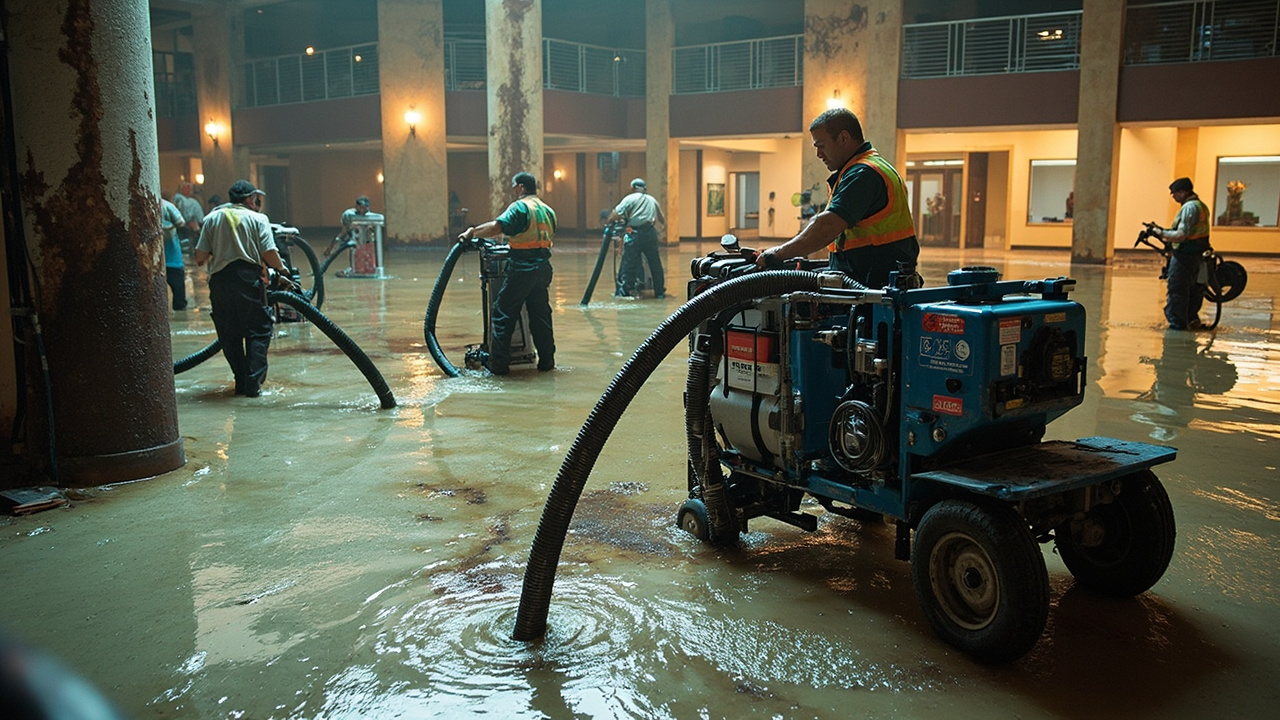
These are not residential-scale problems. They require industrial water extraction systems capable of removing hundreds of gallons per minute, not per hour. Commercial water removal demands truck-mounted extractors, trailer-mounted vacuum systems, and coordinated teams who understand load-bearing calculations, commercial building codes, and liability exposure.

Orlando's high water table compounds the challenge. Ground saturation during rainy season means water intrusion often comes from below, requiring dewatering strategies that address hydrostatic pressure. The region's rapid development means many commercial structures sit on reclaimed wetlands where drainage systems struggle during peak events.

Your facility cannot afford the downtime associated with inadequate response. Large loss water mitigation requires equipment capacity, technical expertise, and project management that treats your commercial property like the revenue-generating asset it is. Bulk water removal services must coordinate with your operations schedule, your insurance adjusters, and your facility management team to restore function with minimal business interruption.

Why Commercial Water Events in Orlando Demand Specialized Response
How Industrial-Grade Extraction Differs from Standard Water Removal

How Industrial-Grade Extraction Differs from Standard Water Removal

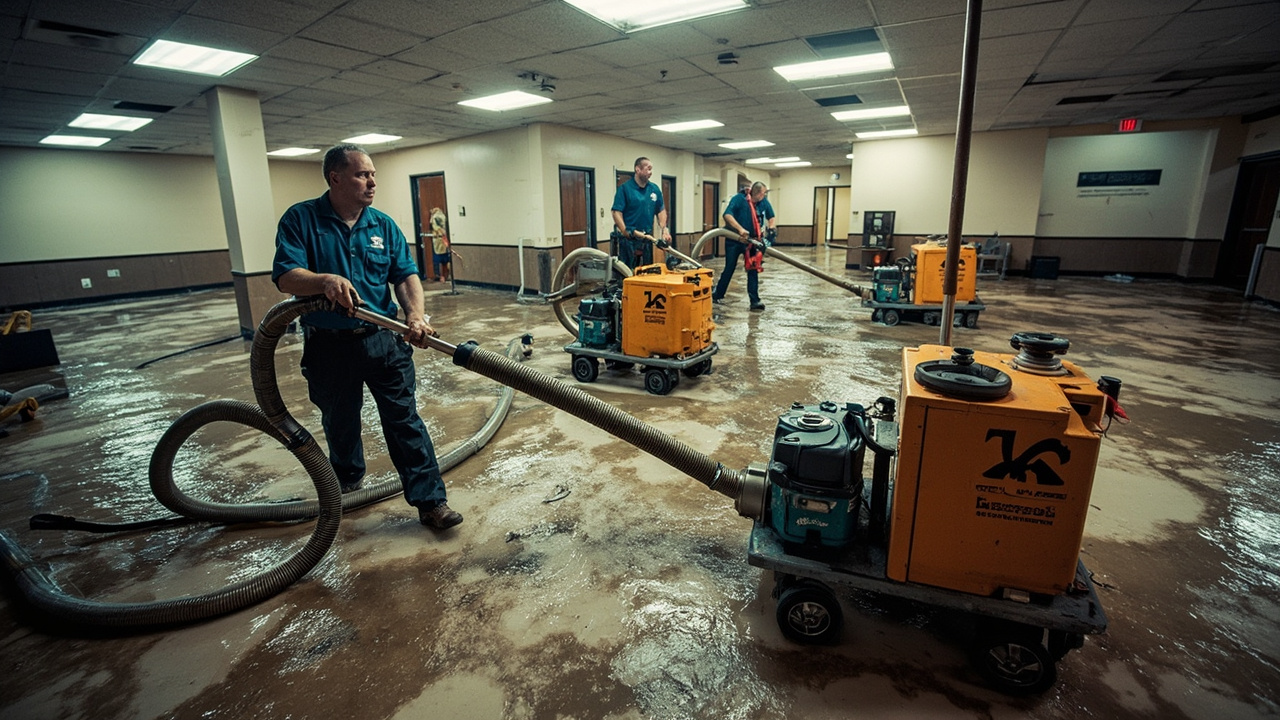
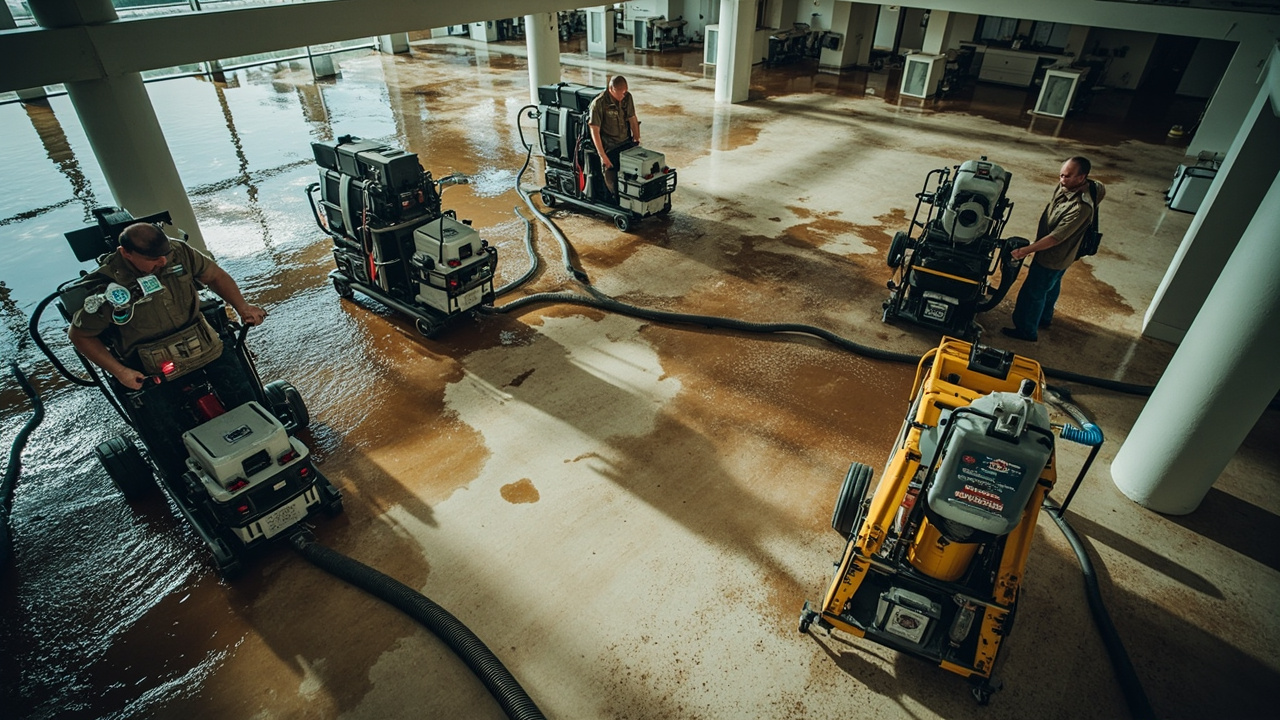
Commercial water events require volumetric extraction capacity that residential equipment cannot provide. We deploy truck-mounted vacuum systems capable of removing 400 to 600 gallons per minute, compared to portable extractors that handle 15 to 30 gallons per minute. This difference determines whether your facility is offline for days or weeks.

Our approach begins with immediate water classification and contamination assessment. Category 1 clean water from supply line failures requires different handling than Category 3 contaminated water from storm surge or sewage backup. We establish extraction zones, set up continuous monitoring, and deploy the appropriate pumping systems based on water volume and facility layout.

High volume water pumping requires strategic placement of equipment to prevent secondary damage. We calculate extraction rates against structural load limits, particularly for elevated floors where standing water creates dangerous weight loads. Floor drains receive priority attention, as Orlando's flat topography means gravity drainage is limited.

Air movement and dehumidification run concurrently with extraction. Commercial spaces contain dense materials like concrete, structural steel, and insulation that absorb water rapidly. We position industrial dehumidifiers rated for 30 to 50 pints per day per 1,000 square feet, adjusting for Orlando's ambient humidity that typically runs 70 to 75 percent.

Documentation drives every phase. We photograph conditions, log equipment placement, track moisture readings with thermal imaging and hygrometers, and provide daily progress reports your insurance carrier requires. Our moisture mapping identifies hidden saturation in wall cavities and ceiling plenums where mold colonization begins within 48 hours in Florida's climate.

This systematic approach minimizes business interruption and creates the verifiable documentation that protects you from future liability claims.

Your Commercial Extraction Timeline

Large Scale Water Extraction in Orlando – Industrial-Grade Solutions That Keep Your Business Operating
01

Emergency Response Deployment

Our crew arrives with truck-mounted extraction units, portable generators, and commercial-grade pumping equipment within two hours of your call. We conduct immediate hazard assessment, shut down electrical systems in affected areas, and establish water extraction zones. Your facility manager receives a preliminary damage assessment and projected extraction timeline before equipment deployment begins.
02

Active Water Removal

We position high capacity vacuum trucks and submersible pumps to address standing water first, followed by extraction of absorbed water from flooring, walls, and contents. Continuous moisture monitoring tracks progress across the affected area. Our project manager coordinates with your operations team to prioritize critical areas, allowing partial facility operations to resume while extraction continues in isolated zones.
03

Verification and Documentation

We conduct final moisture verification using thermal imaging and penetrating moisture meters to confirm affected materials have reached acceptable dry standards. You receive complete documentation including moisture logs, equipment placement diagrams, and photographic evidence of pre-loss and post-mitigation conditions. This documentation package supports your insurance claim and demonstrates due diligence for liability protection.

Why Orlando Businesses Choose Reliance Water Damage Restoration Orlando for Large Loss Events

Commercial water damage creates liability exposure that residential events do not. You need a contractor who understands OSHA requirements, understands how to coordinate with property management and tenants, and carries the commercial liability coverage your facility demands.

We maintain equipment capacity that most restoration companies cannot match. Our fleet includes multiple truck-mounted extraction units, trailer-mounted dehumidification systems, and backup generators capable of powering operations when facility power is compromised. This equipment stays ready because Orlando's storm season and aging infrastructure make large loss events predictable.

Our crews hold IICRC certifications in commercial water damage restoration and understand the building codes specific to Orange County. We know the permitting requirements for structural drying that affects fire suppression systems. We understand how to coordinate with local building inspectors when water damage compromises structural elements.

Experience with Orlando's commercial building stock gives us advantages generic contractors cannot provide. We have handled water events in every commercial building type, from the hospitality properties along International Drive to the industrial warehouses in the Airport North district. We understand how the tilt-up concrete construction common in Orlando's commercial buildings retains moisture differently than steel-frame structures.

Your business cannot afford learning curves during a water emergency. We have managed large loss events exceeding 100,000 square feet of affected space. We understand how to coordinate multi-story extraction in office towers. We know how to protect inventory while extracting water from retail spaces. We have restored manufacturing facilities where equipment protection drives every decision.

Insurance carriers recognize our documentation standards and trust our moisture verification methods. This credibility accelerates claims processing and reduces disputes over covered losses.

What Your Commercial Water Extraction Project Includes

Rapid Response Availability

Commercial water events do not respect business hours. We maintain 24/7 dispatch with crews ready to deploy within two hours anywhere in the Orlando metro area. Our response vehicles carry initial assessment equipment and portable extraction units to begin mitigation immediately. You receive direct contact with a project manager who coordinates all phases of your restoration. Weekend and holiday response carries no premium pricing because downtime costs you the same regardless of calendar date.

Comprehensive Damage Assessment

Our initial assessment maps the full extent of water intrusion using thermal imaging cameras that identify moisture in walls, ceilings, and structural cavities. We classify water contamination, calculate affected square footage, and identify compromised building systems. You receive a written scope of work that details extraction requirements, equipment deployment, and estimated project duration. This assessment includes moisture readings that establish baseline conditions and guide our verification process. The documentation supports your insurance claim and provides the technical foundation for restoration decisions.

Complete Water Removal and Drying

Our extraction process addresses both standing water and absorbed moisture. Truck-mounted vacuum systems remove bulk water at rates up to 600 gallons per minute. Submersible pumps handle areas where vehicle access is limited. Industrial air movers and dehumidifiers create the controlled environment necessary for structural drying in Orlando's humid climate. We monitor moisture levels twice daily and adjust equipment placement based on drying progress. Your facility receives consistent updates on timeline and any discoveries that affect scope. Final verification confirms all affected materials meet industry dry standards.

Post-Extraction Documentation and Support

You receive complete project documentation including moisture logs, equipment placement diagrams, daily progress photos, and final verification readings. This documentation package meets insurance carrier requirements and provides the records you need for regulatory compliance. We coordinate directly with your insurance adjuster and provide technical consultation during the claims process. Our moisture verification serves as your proof of proper mitigation, protecting you from future mold liability claims. We remain available for questions and provide referrals to qualified contractors for any reconstruction needs your project requires.

Frequently Asked Questions

You Have Questions,
We Have Answers

How to purify 1000 gallons of water? +

Purifying 1000 gallons of water requires commercial-grade systems. For potable use, install a multi-stage filtration system with sediment filters, activated carbon, and UV sterilization. For non-potable applications like cooling towers or industrial processes, filtration and chemical treatment may suffice. In Orlando's humid climate, containment and treatment must prevent microbial growth. Large-volume purification demands proper flow rates, ongoing monitoring, and regular filter replacement. Consult water quality labs to test source contamination levels before selecting equipment. If addressing water damage contamination in commercial facilities, professional extraction and decontamination come first, then purification. Industrial-scale systems typically cost thousands and require permits.

How to purify water on a large scale? +

Large-scale water purification uses industrial systems sized for flow rates from hundreds to millions of gallons. Common methods include reverse osmosis, UV treatment, ozone injection, and chemical dosing with chlorine or chloramine. Orlando commercial facilities often require customized systems due to groundwater mineral content and high humidity. Manufacturing plants, hotels, and warehouses need continuous filtration and regular testing for compliance. Capital costs vary based on water quality and intended use. Municipal systems handle most potable needs, but private commercial operations processing water onsite must meet EPA and Florida Department of Environmental Protection standards. Regular maintenance prevents equipment failure and contamination events.

How to soak up large amounts of water? +

Soaking up large amounts of water demands industrial equipment, not household towels. Truck-mounted extractors pull thousands of gallons from flooded commercial spaces. Portable extractors handle smaller zones. For standing water over one inch deep, submersible pumps remove bulk volume first. Air movers and dehumidifiers then dry remaining moisture from concrete, subfloors, and walls. Orlando's humidity slows evaporation, requiring commercial-grade equipment running continuously for days. Absorbent materials like sandbags contain spreading water but do not remove it. Structural drying requires moisture meters to verify progress. Speed matters. Water wicks into porous materials within hours, causing mold growth and structural damage.

How to remove large amounts of water? +

Removing large amounts of water requires staged extraction. Start with submersible pumps or trash pumps for standing water deeper than two inches. Once bulk water is removed, use truck-mounted extractors or portable extractors to pull moisture from carpets, padding, and flooring. In Orlando commercial buildings, you must address hidden moisture in wall cavities and HVAC ductwork. Air movers create airflow across wet surfaces while commercial dehumidifiers remove moisture from the air. Infrared cameras locate trapped water behind walls. Document moisture levels with meters. The goal is to reach dry standards within 72 hours to prevent microbial growth and secondary damage to inventory and equipment.

How to store water for 10 years? +

Storing water for 10 years requires food-grade containers, proper sealing, and climate control. Use BPA-free polyethylene tanks or glass containers. Treat water with chlorine or other stabilizers to prevent bacterial growth. Store in cool, dark locations away from direct sunlight and chemicals. Orlando's heat and humidity accelerate degradation, so climate-controlled warehouses work best. Rotate stock every five years and test periodically for contamination. Commercial facilities storing emergency water supplies must comply with health codes. Metal containers corrode over time. Concrete cisterns work for non-potable use but leach minerals. Long-term storage demands regular inspection and maintenance to ensure safety.

How long will 500 gallons of water last for one person? +

Five hundred gallons of water lasts one person approximately 250 days, assuming two gallons per day for drinking, cooking, and basic hygiene. This estimate excludes laundry, bathing, and sanitation, which increase consumption significantly. In Orlando's heat, hydration needs rise, shortening the timeline. Commercial facilities calculating emergency water reserves for employees must account for higher usage, including restroom facilities and food prep. Industrial operations using water for manufacturing or cooling require separate calculations based on equipment specifications. Storage logistics matter. Five hundred gallons occupies roughly 67 cubic feet and weighs over 4,000 pounds. Plan for proper containment, accessibility, and rotation schedules to maintain quality.

What is 7 stage water purification? +

Seven-stage water purification uses multiple filtration and treatment steps to remove contaminants. Typical stages include sediment filtration, activated carbon, ion exchange, reverse osmosis membrane, post-carbon filter, UV sterilization, and remineralization. Each stage targets specific impurities like sediment, chlorine, heavy metals, bacteria, and dissolved solids. Commercial systems customize stages based on source water quality. Orlando groundwater often contains minerals requiring ion exchange or RO treatment. Seven-stage systems produce high-purity water for medical facilities, labs, and food processing. Maintenance involves replacing filters on schedules, monitoring pressure, and testing output. Over-engineering purification adds cost without benefit. Match system complexity to actual contamination levels and intended use.

Is rainwater safe to drink after purification? +

Rainwater is safe to drink after proper purification, but not straight from the sky. Rainwater collects contaminants from roofs, gutters, and air pollutants. In Orlando, consider organic debris, bird droppings, and atmospheric particles. Purification requires filtration to remove sediment, activated carbon to eliminate chemicals, and UV sterilization or boiling to kill pathogens. First-flush diverters discard initial runoff containing concentrated contaminants. Test collected rainwater for bacteria, pH, and heavy metals before consumption. Commercial rainwater harvesting systems for potable use must meet Florida Department of Health standards. Non-potable uses like irrigation or cooling towers require less treatment. Storage tanks must prevent algae growth and contamination.

What is the cheapest way to purify water? +

The cheapest way to purify water is boiling. Bringing water to a rolling boil for one minute kills bacteria, viruses, and parasites. Boiling does not remove chemical contaminants, sediment, or heavy metals. For large volumes, chemical treatment with chlorine bleach is cost-effective. Add eight drops of unscented household bleach per gallon, mix, and wait 30 minutes. Chlorine does not address turbidity or taste. For commercial operations in Orlando, cheap often means inadequate. Facilities requiring safe water for employees or processes need reliable filtration systems meeting regulatory standards. Cutting corners on water quality risks health violations, liability, and operational shutdowns. Invest in appropriate purification for your specific application.

What is the 10 gulp rule? +

The 10 gulp rule estimates hydration needs during physical activity. Ten gulps equal roughly one cup or eight ounces of water. The rule suggests drinking 10 gulps every 15 to 20 minutes during exertion in heat. In Orlando's climate, outdoor work crews and facility maintenance staff face dehydration risk year-round. Commercial operations must provide accessible drinking water meeting OSHA standards. The rule offers a quick guideline but individual needs vary based on body size, activity intensity, and temperature. Monitor workers for signs of heat stress. Adequate hydration prevents heat-related illness, maintains productivity, and reduces liability. Facilities should stock water stations and educate employees on hydration protocols during peak heat months.

How Orlando's Rapid Development and Storm Patterns Make Commercial Water Events Inevitable

Orlando's construction boom creates commercial water damage risks that newer markets do not face. Rapid development on reclaimed wetlands means many commercial properties sit on high water tables where even moderate rainfall causes groundwater intrusion. The region's aging infrastructure, particularly in established commercial corridors like Colonial Drive and Orange Blossom Trail, combines cast iron supply lines installed in the 1970s with modern water pressure demands. These systems fail catastrophically, flooding warehouses and retail spaces with volumes that exceed thousands of gallons before shutoff occurs. Hurricane season brings additional risk as commercial roofing systems installed to minimum code standards allow water intrusion during sustained wind-driven rain events.

Commercial property owners in Orlando need restoration partners who understand Orange County building codes and permitting requirements for structural drying that affects multiple tenants. Our relationships with local building inspectors, insurance adjusters, and commercial property management firms give you advantages during the claims and restoration process. We understand the documentation standards that Orlando's commercial insurance carriers require. Our crews know how to coordinate multi-tenant notification in mixed-use properties and how to maintain operations in adjacent spaces while extraction continues in affected areas. Local expertise means faster response, better coordination, and restoration strategies designed for Orlando's specific commercial building stock.
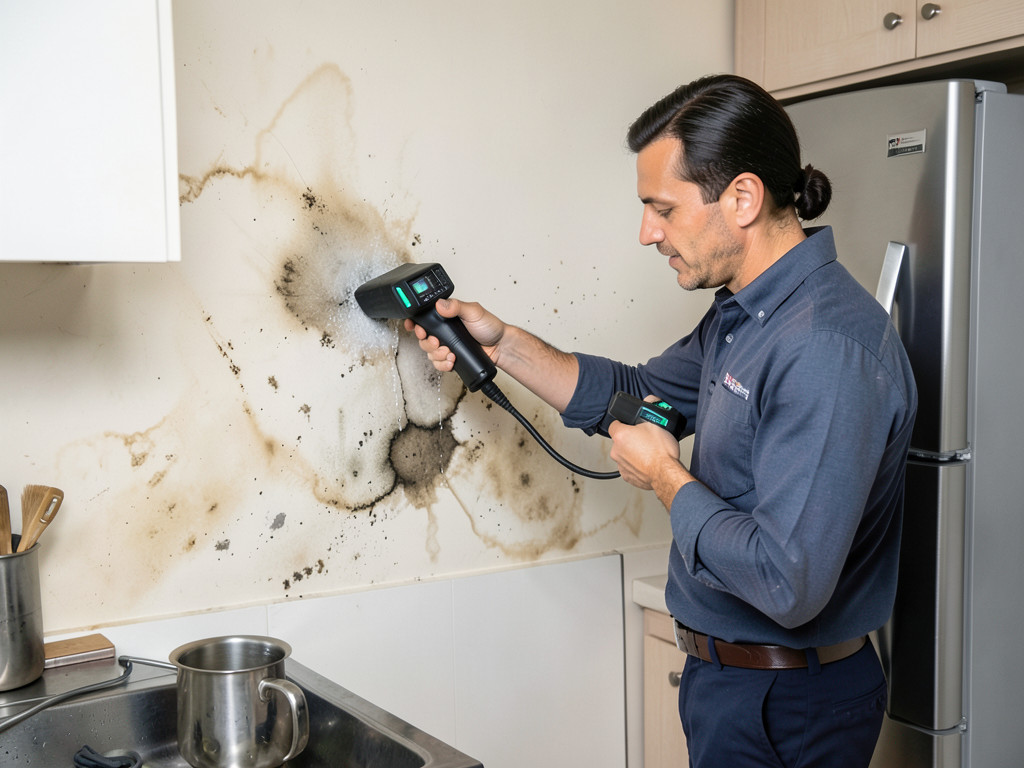
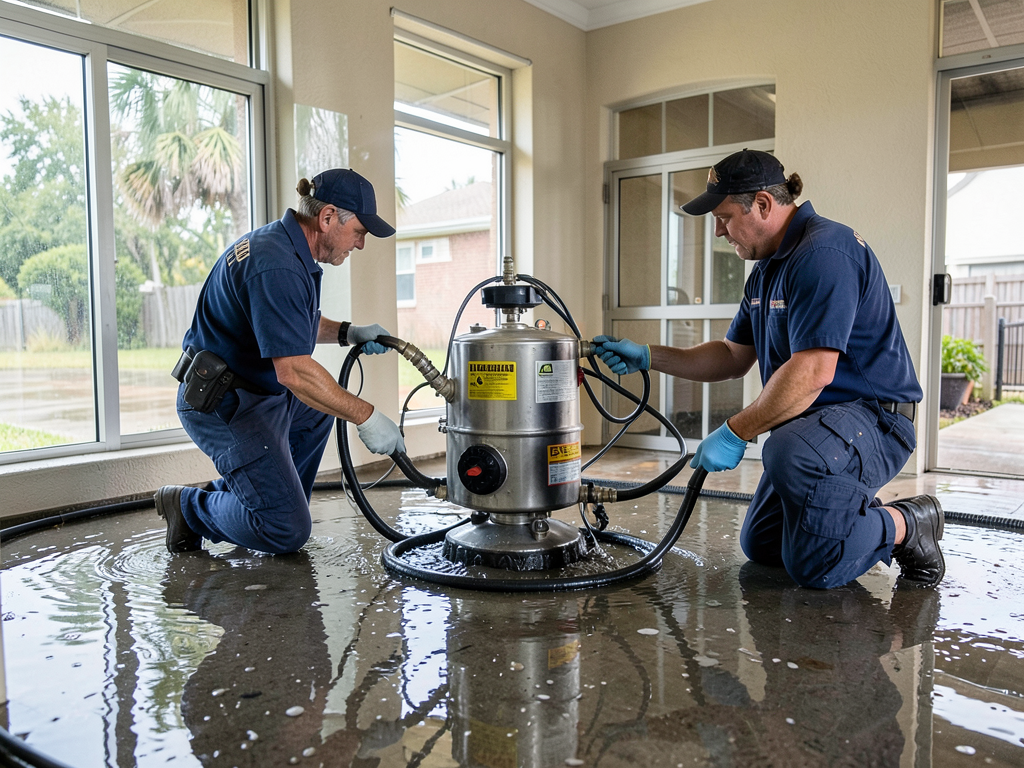
Water Damage Restoration Services in The Orlanado Area

Looking for fast and reliable water damage restoration in your area? Reliance Water Damage Restoration Orlando proudly serves homes and businesses throughout Orlando and surrounding communities. Whether you're dealing with flood damage, burst pipes, or mold issues, our expert team is ready to respond 24/7. We use industry-leading equipment to extract water, dry structures, and restore your property to pre-loss condition. Check the map below to see if we service your neighborhood, or call now for immediate help.

Address:
Reliance Water Damage Restoration Orlando, 7380 W Sand Lake Rd Suite 500, Orlando, FL, 32819

Additional Services We Offer

Our news updates

Latest Articles & News from The Blogs

Lorem ipsum dolor sit amet. Aut expedita quaerat quo eligendi numquam et laudantium perspiciatis qui minima expedita rem consequatur ducimus.…

Test Blog 4

Lorem ipsum dolor sit amet. Aut expedita quaerat quo eligendi numquam et laudantium perspiciatis qui minima expedita rem consequatur ducimus.…

Test Blog 3

Lorem ipsum dolor sit amet. Aut expedita quaerat quo eligendi numquam et laudantium perspiciatis qui minima expedita rem consequatur ducimus.…

Test Blog 2

Lorem ipsum dolor sit amet. Aut expedita quaerat quo eligendi numquam et laudantium perspiciatis qui minima expedita rem consequatur ducimus.…

Contact Us

Every hour of delay increases your water damage losses and extends your downtime. Call Reliance Water Damage Restoration Orlando now at (689) 268-2233 for immediate commercial water extraction deployment. Our crews are standing by with industrial-grade equipment ready to mobilize to your facility.