Menu

Commercial Mold Remediation in Orlando – Minimize Downtime and Protect Your Business Assets

Professional commercial mold abatement solutions engineered to eliminate contamination, meet Florida building codes, and keep your Orlando business operational during the remediation process.

Slider Image 1
Slider Image 2
Slider Image 3
Slider Image 4
Slider Image 5
Slider Image 7
Slider Image 8
Slider Image 9
Slider Image 10
Slider Image 11

Why Orlando's Climate Makes Mold a Critical Business Liability

Orlando's subtropical climate creates the perfect conditions for commercial mold growth. With average humidity levels consistently above 70 percent and frequent afternoon thunderstorms between May and September, your building envelope faces constant moisture intrusion risk. When you factor in aging commercial HVAC systems common in buildings along International Drive and the downtown corridor, you have a recipe for hidden mold colonization that can shut down operations overnight.

Commercial mold remediation in Orlando requires understanding how water behaves in multi-story structures built on sandy soil with high water tables. A roof leak on the third floor of your office building can migrate through wall cavities, saturating drywall and insulation for weeks before you see visible growth. Mold spores spread through shared HVAC systems, contaminating multiple tenant spaces and triggering liability concerns.

The financial impact extends beyond remediation costs. You face potential tenant lawsuits, employee health complaints, business interruption, and reputation damage. Orange County health inspections can force closures for restaurants and medical facilities. Insurance claims require documented professional commercial mold mitigation to validate coverage.

Business mold remediation differs from residential work. You need containment protocols that allow adjacent spaces to remain operational. You need expedited timelines that align with your revenue cycle. You need proper documentation for insurance adjusters and legal protection. Generic commercial mold cleanup approaches fail because they ignore the operational complexity of keeping a business running while eliminating contamination.

The longer you wait, the deeper mold penetrates your building materials. What starts as surface growth on ceiling tiles becomes structural contamination requiring demolition of drywall, insulation, and framing.

Why Orlando's Climate Makes Mold a Critical Business Liability
Containment and Abatement Methods That Protect Your Revenue Stream

Containment and Abatement Methods That Protect Your Revenue Stream

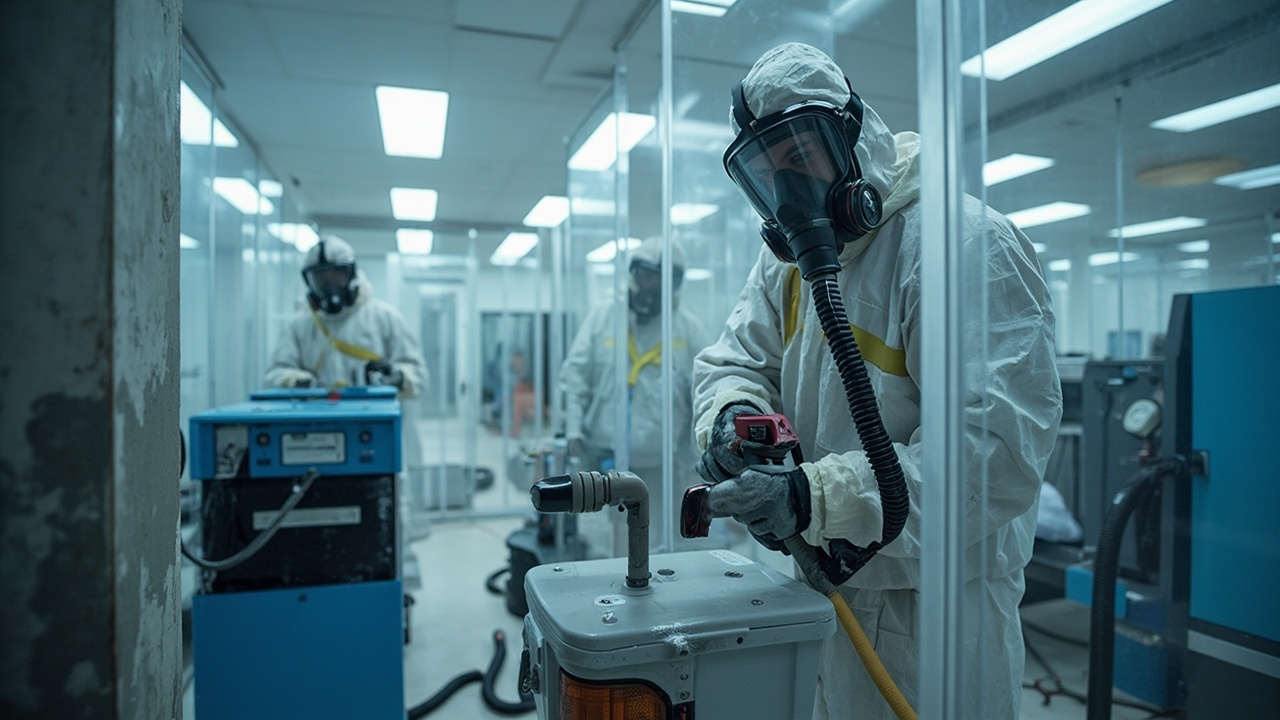
Commercial mold abatement requires engineering negative air pressure zones that prevent cross-contamination while you stay open for business. We establish HEPA-filtered containment barriers that isolate affected areas from active workspaces. This allows your team to continue operations in unaffected zones while we execute commercial mold removal in contaminated sections.

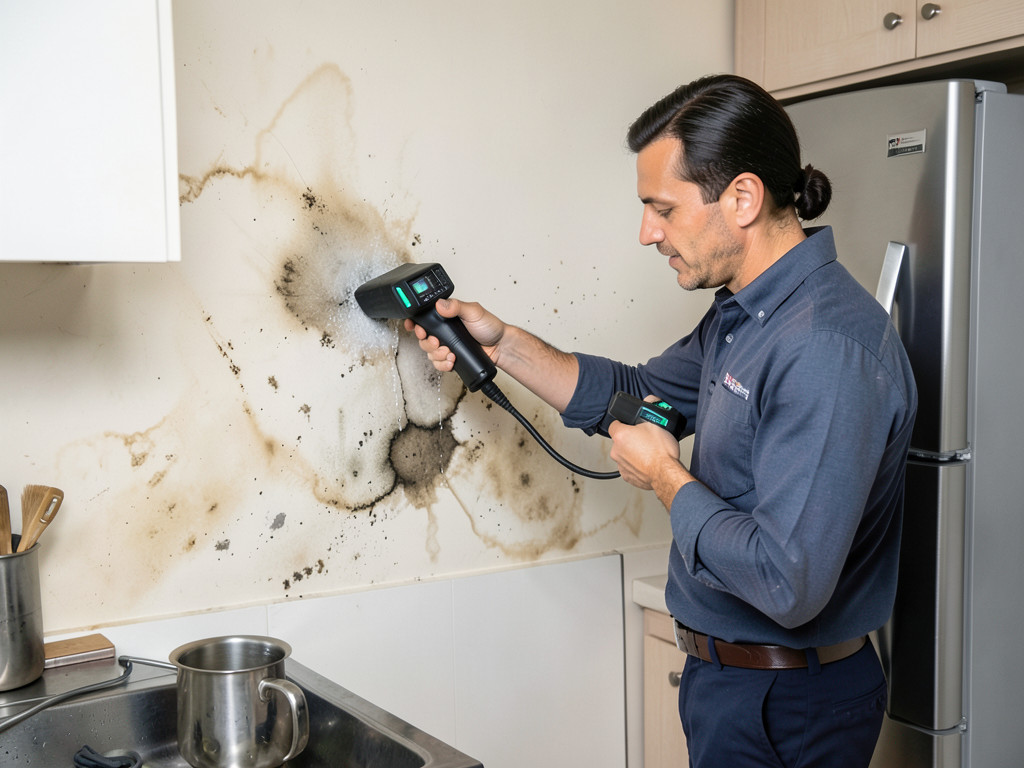
Our initial assessment uses thermal imaging cameras to map moisture intrusion patterns behind walls and above ceilings. We identify the original water source, whether it is failed roof membrane, condensation from undersized HVAC units, or plumbing leaks in restroom clusters. Eliminating the moisture source prevents recontamination after remediation.

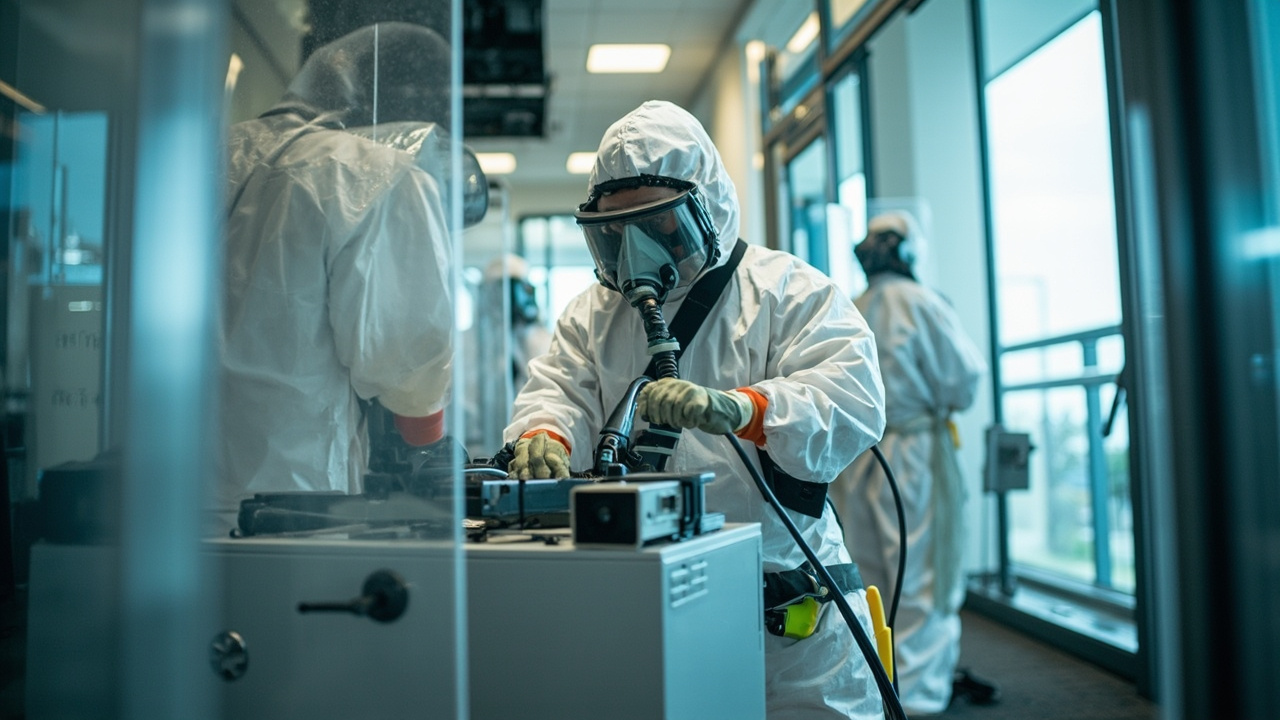
We follow IICRC S520 standards for commercial mold mitigation, which means proper documentation at every phase. You receive detailed photo logs, air quality testing results, and moisture readings that satisfy insurance requirements and provide legal protection if tenant health claims arise. Our technicians wear full PPE and use commercial-grade air scrubbers that cycle and filter air 4 to 6 times per hour within containment zones.

Material removal follows a calculated approach. We remove only what testing confirms is contaminated, which minimizes reconstruction costs and timeline. Non-porous surfaces like metal ductwork and concrete get HEPA-vacuumed and treated with antimicrobial agents. Porous materials like drywall and insulation get removed and disposed of following Orange County regulations.

After physical removal, we verify clearance through post-remediation air sampling. Independent laboratories analyze samples to confirm spore counts return to normal ambient levels. You receive a clearance certificate that proves the space is safe for reoccupancy. This documentation protects you from future liability and validates your insurance claim. Reliance Water Damage Restoration Orlando coordinates with your property manager to schedule reconstruction that minimizes tenant disruption.

Our Commercial Mold Response Protocol

Commercial Mold Remediation in Orlando – Minimize Downtime and Protect Your Business Assets
01

Emergency Assessment and Containment

Within hours of your call, our team arrives to assess contamination extent using moisture meters and thermal imaging. We immediately establish physical containment barriers with polyethylene sheeting and create negative air pressure using HEPA air scrubbers. This prevents spore migration to unaffected areas while we develop your custom abatement plan. You receive a detailed scope of work and projected timeline before any demolition begins.
02

Controlled Removal and Treatment

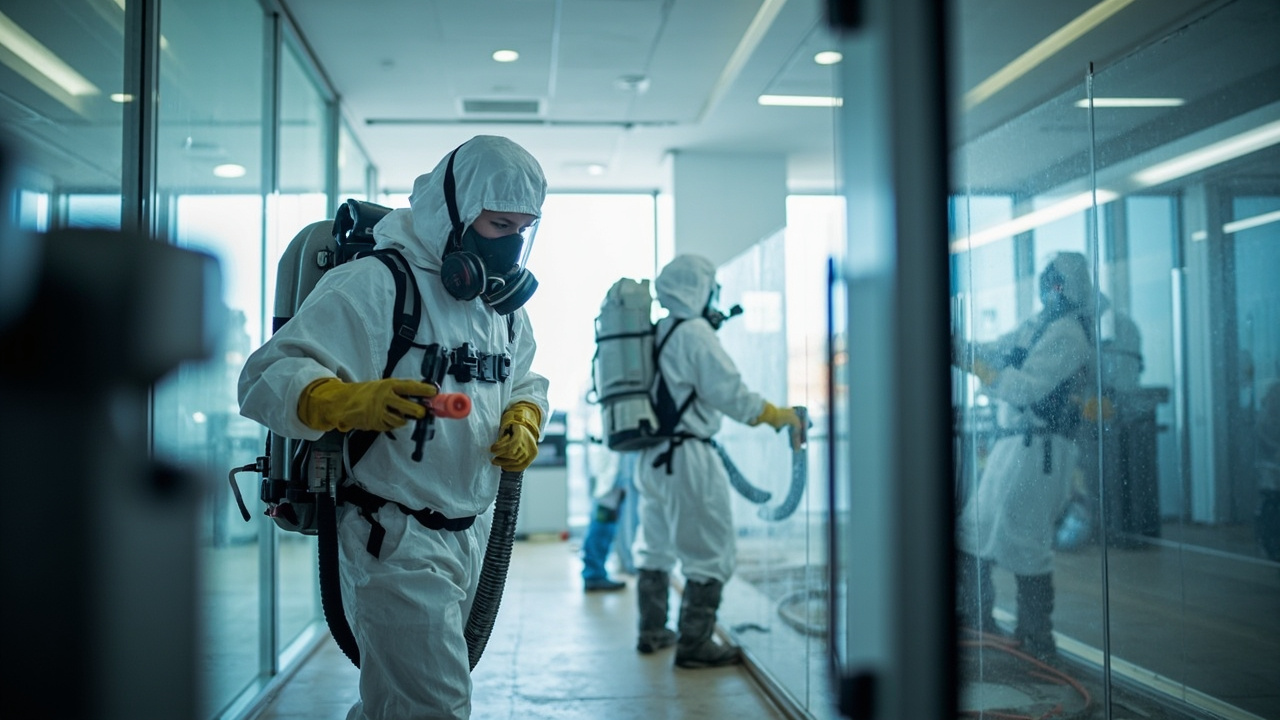
Technicians in full protective equipment remove contaminated materials using HEPA-filtered vacuums to capture airborne spores during demolition. We treat all surfaces with EPA-registered antimicrobial solutions and use hydroxyl generators for deep deodorization. All waste gets bagged, sealed, and disposed of following Florida environmental regulations. Throughout this phase, air scrubbers run continuously to maintain negative pressure and protect your staff in adjacent spaces.
03

Verification and Clearance Testing

After physical remediation, independent industrial hygienists collect air samples to verify spore counts return to baseline levels. You receive laboratory analysis confirming your building meets safety standards for reoccupancy. We provide a comprehensive documentation package including before and after photos, moisture logs, and clearance certificates. This protects you legally and satisfies insurance claim requirements. Your space is ready for reconstruction and business resumption.

Why Orlando Businesses Choose Local Mold Remediation Experts

Choosing a commercial mold remediation provider in Orlando means selecting a team that understands Florida Statutes Chapter 468 Part XVII, which regulates mold-related services. We maintain proper licensure and follow state-mandated protocols that protect you from liability. Out-of-state contractors often overlook these requirements, leaving you exposed to legal risk if future tenant health claims arise.

Our familiarity with Orlando's commercial building stock matters. We know the construction methods used in different eras, from the concrete block buildings near Lake Eola to the steel-frame structures along Sand Lake Road. This knowledge lets us predict where mold hides based on your building age and design. We understand how the local water table affects below-grade spaces in areas like Baldwin Park and Thornton Park, where older buildings face chronic moisture intrusion.

We coordinate with Orange County building inspectors when required, expediting permit approvals that keep your project on schedule. We know which documentation they expect and how to present remediation plans that satisfy code requirements without triggering unnecessary red tape. This local knowledge prevents delays that extend your business interruption.

Insurance claims require specific documentation to validate coverage. We provide the detailed reporting that Orlando-area adjusters expect, including moisture mapping, photographic evidence, and scope justification. Our estimates align with Xactimate pricing, which streamlines the approval process and prevents payment disputes that delay your remediation.

We staff enough technicians to handle large commercial projects without pulling resources from other jobs. You get dedicated crews, not a rotating cast of subcontractors. Our equipment inventory includes enough air scrubbers, dehumidifiers, and containment materials to handle multi-floor contamination without rental delays. When you face business interruption costs of thousands per day, response capacity determines your total financial impact. Reliance Water Damage Restoration Orlando maintains the infrastructure to mobilize immediately for commercial emergencies.

What Your Commercial Remediation Project Looks Like

Response Time and Project Duration

We dispatch assessment teams within 2 to 4 hours for commercial emergencies in the Orlando metro area. Initial containment and moisture control begin the same day to prevent contamination spread. Project duration depends on affected square footage and contamination severity. A single office suite typically requires 3 to 5 days for complete remediation and clearance testing. Multi-floor contamination or HVAC system involvement extends timelines to 7 to 14 days. We work evenings and weekends to minimize disruption to your core business hours. You receive daily progress updates and timeline adjustments as conditions change during remediation.

Initial Inspection and Scope Development

Our assessment includes visual inspection, thermal imaging for hidden moisture, and surface sampling to identify mold species. We trace contamination to the original water source, whether it is roof leaks, plumbing failures, or HVAC condensation issues. You receive a written scope detailing affected materials, recommended removal methods, and estimated project costs. This documentation supports your insurance claim and provides the transparency you need for budgeting decisions. We identify whether contamination qualifies as Category 1, 2, or 3 water damage, which determines disposal requirements and cost implications. The assessment takes 1 to 3 hours depending on building size and complexity.

Final Deliverables and Documentation

You receive a comprehensive documentation package that includes pre-remediation photos, daily progress logs, final clearance photos, and independent laboratory air quality test results. The clearance certificate confirms spore counts meet industry standards for safe reoccupancy. This protects you from tenant liability claims and validates your insurance claim. We provide detailed invoices that break down labor, materials, and disposal costs for your accounting records. All documentation gets delivered in both physical and digital formats. If you require additional copies for legal proceedings or insurance disputes, we maintain project files for seven years and can reproduce documentation on request.

Post-Remediation Monitoring and Prevention

After remediation, we offer optional moisture monitoring services to verify the building envelope remains dry. This involves follow-up inspections at 30 and 90 days with moisture meter readings in previously affected areas. Early detection of recurring moisture problems prevents recontamination and saves reconstruction costs. We provide recommendations for HVAC maintenance, roof inspections, and plumbing system upgrades that reduce future mold risk. Many commercial clients establish annual moisture inspection agreements to protect their investment. While we do not offer formal warranties on mold remediation due to the unpredictable nature of future moisture intrusion, our documentation proves work was completed to industry standards if questions arise later.

Frequently Asked Questions

You Have Questions,
We Have Answers

What do professionals use to remediate mold? +

Professionals use HEPA-rated air scrubbers to capture airborne spores, antimicrobial agents approved by the EPA, and negative air machines to contain contaminated zones. Teams apply biocides or fungicides to kill visible colonies, then remove affected materials like drywall or ceiling tiles. Moisture meters and thermal imaging cameras locate hidden water sources that feed mold growth. In Orlando's humid climate, dehumidifiers run continuously during remediation to prevent recolonization. Technicians seal containment barriers with polyethylene sheeting and use HEPA vacuums on all surfaces. The goal is complete removal and environmental control to prevent business interruption.

How much does it cost to professionally get rid of mold? +

Commercial mold remediation varies widely based on contamination scope, square footage, and structural damage. Small office areas may require modest investment, while warehouses or hotels with HVAC contamination involve significant expense. Orlando properties face higher costs due to year-round humidity driving deeper penetration into building materials. Insurance often covers mold tied to covered water events, but exclusions apply. Factors include containment complexity, disposal fees for contaminated materials, air quality testing, and post-remediation verification. Request a detailed scope of work and cost breakdown before work begins. Cutting corners risks liability exposure and tenant health claims.

How much does professional mold removal cost? +

Professional mold removal costs depend on contamination extent, accessibility, and material replacement needs. A contained office suite differs drastically from multi-floor contamination affecting HVAC systems. Orlando's persistent moisture creates conditions where mold spreads rapidly through porous materials, increasing labor and disposal costs. Commercial projects require business continuity planning, after-hours work, and regulatory documentation, all adding to total expense. Testing fees, containment setup, specialized equipment, and third-party clearance testing are separate line items. Most remediation firms provide free assessments. Focus on liability reduction and minimizing downtime rather than choosing the lowest bid. Incomplete remediation means repeat costs.

What is commercial mold remediation? +

Commercial mold remediation is the controlled removal and disposal of fungal growth from business properties, including offices, retail spaces, warehouses, and healthcare facilities. The process follows IICRC S520 standards and involves containment setup, HEPA filtration, material removal, antimicrobial treatment, and environmental controls. Unlike residential work, commercial projects address liability concerns, regulatory compliance, tenant notification requirements, and business continuity. Orlando's subtropical climate accelerates mold growth in commercial buildings with poor ventilation or roof leaks. Remediation also includes identifying moisture sources, repairing structural issues, and documenting the process for insurance and legal protection. Speed matters to limit revenue loss.

What kills mold permanently? +

Nothing kills mold permanently without addressing the moisture source. Mold is a natural organism that returns when conditions allow. Professionals use EPA-registered antimicrobials and biocides to kill active colonies, but spores remain dormant everywhere. Permanent control requires eliminating water intrusion, maintaining indoor humidity below 60 percent, and ensuring proper ventilation. In Orlando, continuous dehumidification and regular HVAC maintenance prevent recolonization. Porous materials like drywall often require removal because mold roots penetrate deeply. Surface cleaning alone fails in commercial settings. Focus on moisture management, not just killing visible growth. Without environmental controls, mold returns within weeks.

How do Japanese bathrooms not get mold? +

Japanese bathrooms resist mold through superior ventilation design, quick-drying materials, and cultural cleaning habits. Most feature powerful exhaust fans that run continuously, removing moisture before condensation occurs. Wall panels and flooring use non-porous materials that water cannot penetrate. Daily squeegee use and immediate drying prevent standing moisture. Orlando's climate differs drastically, with outdoor humidity reaching 90 percent, making mechanical dehumidification essential. Commercial facilities can adopt similar strategies by upgrading ventilation systems, using mold-resistant building materials during renovations, and implementing strict maintenance protocols. Passive moisture control fails in subtropical environments. Active environmental management prevents costly remediation.

How Orlando's Humidity and Building Codes Impact Commercial Mold Mitigation

Orlando's location in Central Florida creates unique challenges for commercial buildings. The combination of 75 percent average humidity, frequent thunderstorms from June through September, and afternoon heat that drives condensation inside cold HVAC ductwork means your building fights constant moisture intrusion. Commercial structures built before 2002 often lack vapor barriers required by current Florida Building Code, making wall cavities vulnerable to hidden mold growth. Properties near Lake Ivanhoe, Lake Eola, and the Conway chain of lakes face elevated groundwater that wicks through concrete slab foundations. This endemic moisture means commercial mold abatement requires specialized drying protocols beyond simple surface cleaning.

Orange County requires licensed mold remediators for projects exceeding 10 square feet of contamination, which protects building owners from unlicensed contractors who lack proper training. Working with local commercial mold removal specialists means you get teams familiar with county inspection procedures and documentation requirements. We understand how Orlando building inspectors evaluate remediation work and what evidence they require for sign-off. This local expertise prevents project delays and ensures your building passes final inspection without costly rework. Our relationships with industrial hygiene laboratories in the Orlando area expedite air quality testing, which shortens your business interruption window and gets tenants back to work faster.
Water Damage Restoration Services in The Orlanado Area

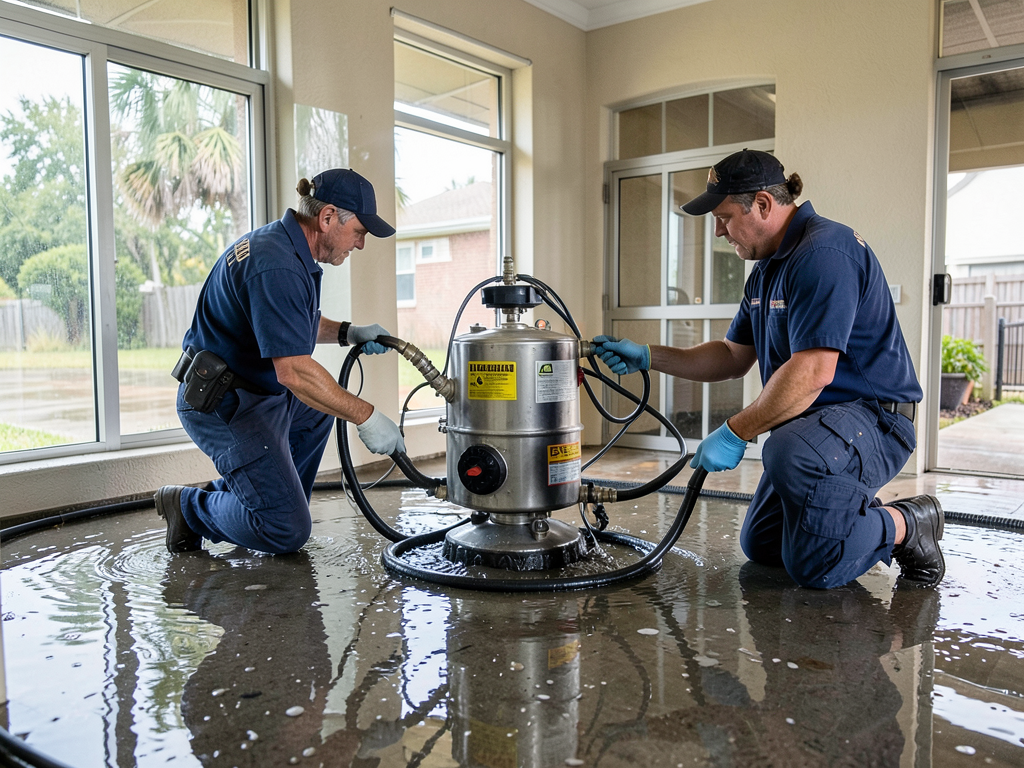
Looking for fast and reliable water damage restoration in your area? Reliance Water Damage Restoration Orlando proudly serves homes and businesses throughout Orlando and surrounding communities. Whether you're dealing with flood damage, burst pipes, or mold issues, our expert team is ready to respond 24/7. We use industry-leading equipment to extract water, dry structures, and restore your property to pre-loss condition. Check the map below to see if we service your neighborhood, or call now for immediate help.

Address:
Reliance Water Damage Restoration Orlando, 7380 W Sand Lake Rd Suite 500, Orlando, FL, 32819

Additional Services We Offer

Our news updates

Latest Articles & News from The Blogs

Lorem ipsum dolor sit amet. Aut expedita quaerat quo eligendi numquam et laudantium perspiciatis qui minima expedita rem consequatur ducimus.…

Test Blog 4

Lorem ipsum dolor sit amet. Aut expedita quaerat quo eligendi numquam et laudantium perspiciatis qui minima expedita rem consequatur ducimus.…

Test Blog 3

Lorem ipsum dolor sit amet. Aut expedita quaerat quo eligendi numquam et laudantium perspiciatis qui minima expedita rem consequatur ducimus.…

Test Blog 2

Lorem ipsum dolor sit amet. Aut expedita quaerat quo eligendi numquam et laudantium perspiciatis qui minima expedita rem consequatur ducimus.…

Contact Us

Every day of mold contamination increases your liability exposure and reconstruction costs. Call Reliance Water Damage Restoration Orlando at (689) 268-2233 now for same-day commercial assessment. We answer 24/7 and dispatch teams immediately to contain contamination before it spreads.