Menu

Commercial Sewage Cleanup in Orlando | Industrial-Grade Response That Minimizes Business Downtime

When sewage contamination threatens your facility, Reliance Water Damage Restoration Orlando deploys commercial sewage removal teams equipped to restore operations fast while ensuring full regulatory compliance across Central Florida's demanding commercial sectors.

Slider Image 1
Slider Image 2
Slider Image 3
Slider Image 4
Slider Image 5
Slider Image 7
Slider Image 8
Slider Image 9
Slider Image 10
Slider Image 11

Why Orlando's Commercial Properties Face Elevated Sewage Contamination Risk

Orlando's commercial infrastructure operates under unique stress. The region sits on porous karst limestone geology, which allows groundwater intrusion into aging sewer lines. Add in the tourism industry's high-volume wastewater demands, and you have a recipe for catastrophic sewer backups in hotels, restaurants, and office complexes.

When a commercial sewer backup occurs, you are dealing with Category 3 black water. This contamination carries pathogens, chemicals, and solid waste that create immediate health code violations. Your liability exposure multiplies by the hour. The Florida Department of Health mandates rapid containment, and Orange County enforces strict timelines for commercial sewage remediation before facilities can reopen.

Industrial sewage cleanup differs fundamentally from residential work. You need containment protocols that prevent cross-contamination across multiple tenant spaces. You need extraction capacity measured in thousands of gallons per hour, not the residential equipment rated for basement floods. You need documentation that satisfies insurance adjusters and regulatory inspectors simultaneously.

Commercial black water extraction requires understanding HVAC system contamination pathways. Sewage vapors migrate through ductwork and compromise entire floors. Without proper negative air pressure containment, you are looking at weeks of downtime instead of days. The cost differential between proper industrial sewage cleanup and shortcuts shows up in your business interruption claim and potential litigation from affected tenants or customers.

Orlando's subtropical humidity accelerates microbial growth post-contamination. Within 48 hours, Category 3 water exposure creates secondary mold colonies that expand the scope from sewage cleanup to full environmental remediation. This timeline compression makes local commercial sewer backup cleaning expertise critical, not optional.

Why Orlando's Commercial Properties Face Elevated Sewage Contamination Risk
The Reliance Commercial Sewage Remediation Protocol

The Reliance Commercial Sewage Remediation Protocol

Commercial sewage removal begins with isolation. We establish hard containment barriers using 6-mil polyethylene sheeting and zippered access points. Negative air machines create differential pressure that prevents airborne pathogen migration to unaffected areas. This is not residential tarp work. We are building temporary clean rooms that allow your unaffected operations to continue while we address the contaminated zone.

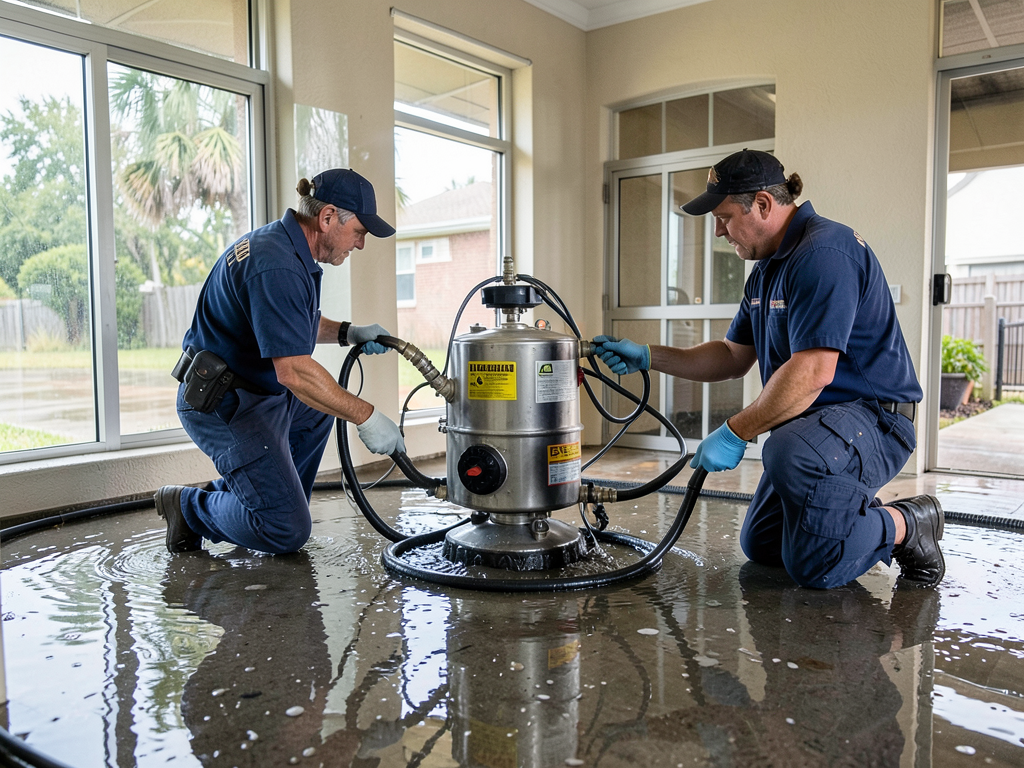
Extraction uses truck-mounted pumps with 3-inch hoses capable of moving 200 gallons per minute. For high-rise or interior spaces without exterior access, we deploy submersible pumps with redundant systems. Every gallon of black water gets manifested for proper disposal at Orange County-approved facilities. You receive chain-of-custody documentation that protects you from environmental liability claims.

After extraction, we apply EPA-registered antimicrobial agents specific to sewage pathogens. Quaternary ammonium compounds handle surface disinfection. Hydrogen peroxide vapor systems address airborne and porous material contamination. We are not spraying bleach and hoping. Each pathogen class requires specific contact times and concentrations to achieve log-6 reduction, the standard for commercial sewage remediation.

Industrial sewage cleanup includes HVAC decontamination. We pull air handler access panels, treat coil surfaces and drain pans, and replace all filtration media. Ductwork gets HEPA-vacuumed and fogged with antimicrobials. Without this step, you are recirculating contaminated air throughout your facility for months.

Environmental testing comes last. We conduct ATP surface testing to verify microbial reduction and coordinate third-party air quality sampling if required by your insurance or regulatory authority. You get before and after documentation that closes your claim and satisfies Orlando building inspectors when you request occupancy clearance.

What Happens When You Call for Commercial Black Water Extraction

Commercial Sewage Cleanup in Orlando | Industrial-Grade Response That Minimizes Business Downtime
01

Immediate Site Containment

Our crew arrives with containment materials and extraction equipment within two hours of your call. We establish negative air pressure zones, shut down affected HVAC systems, and begin removing standing sewage water immediately. You get a preliminary scope document within 30 minutes of our arrival that outlines contamination extent, affected building systems, and estimated restoration timeline. This document goes directly to your insurance adjuster and facility management team.
02

Pathogen Elimination and Documentation

After extraction, we photograph all affected surfaces and building materials before applying antimicrobial treatments. Each treatment gets logged with product name, dilution ratio, contact time, and surface area covered. Porous materials that cannot be effectively decontaminated get removed and manifested for disposal. You receive daily progress reports with photo documentation that tracks the project from contamination through clearance. This documentation package typically runs 40 to 60 pages for commercial projects.
03

Clearance Testing and Reopening

We conduct post-remediation verification using ATP meters and coordinate third-party air quality testing when required. Once results confirm pathogen elimination, we provide a clearance letter that satisfies Orlando building inspectors and your insurance carrier. Most commercial sewage cleanup projects achieve clearance within five to seven days depending on contamination extent and building complexity. Your facility reopens with documentation proving it meets commercial occupancy standards for indoor air quality and surface contamination.

Why Orlando Facility Managers Choose Reliance for Commercial Sewage Emergencies

Commercial sewage cleanup in Orlando requires understanding local building codes and health department protocols. Orange County requires commercial facilities to notify the Department of Health within 24 hours of sewage contamination exceeding 50 square feet. We handle that notification and coordinate the required follow-up inspection. You do not chase bureaucratic requirements while managing an active contamination crisis.

Our crews train on Florida-specific challenges. Orlando's high water table means sewage backups often combine with groundwater intrusion, creating complex extraction scenarios. We have worked in every major commercial corridor from International Drive to Lake Nona Medical City. We know which buildings have unusual plumbing configurations and which property managers require specific documentation formats.

Equipment capacity matters during commercial projects. Reliance Water Damage Restoration Orlando maintains six truck-mounted extraction units and 40 commercial air movers. When a hotel loses three floors to a main line backup, you need multiple crews working simultaneously, not a residential contractor with two technicians and a van. We can deploy eight technicians within two hours for large-scale events.

We also understand commercial insurance protocols. Most facility contamination claims trigger business interruption coverage, which requires detailed documentation of downtime cause and duration. We provide daily logs that track exactly when each space became non-operational and when it received clearance for reoccupancy. This documentation typically recovers an additional 20 to 30 percent in business interruption claims compared to facilities using contractors who provide minimal paperwork.

Orlando's commercial real estate operates on thin margins. Every day offline costs thousands in lost revenue and threatens tenant renewals. We prioritize speed without compromising the pathogen elimination standards that protect your business from liability. That is the balance that keeps Central Florida's largest commercial property managers calling us first.

What Commercial Clients Can Expect During Sewage Remediation

Response Time and Mobilization

We maintain 24-hour dispatch for commercial emergencies. When you call, you speak with a project manager who assesses the situation and dispatches the appropriate crew configuration. Small backups under 500 square feet typically get a three-person crew. Large events affecting multiple floors or buildings get six to eight technicians with supervisory oversight. Equipment arrives in commercial box trucks with company markings that minimize alarm among your tenants or customers. Our typical response time from call to on-site arrival averages 90 minutes for Orlando metro locations. We also coordinate with your facilities team to ensure we have building access, utility shut-off capabilities, and loading dock availability for equipment and disposal containers.

Contamination Assessment and Scope Development

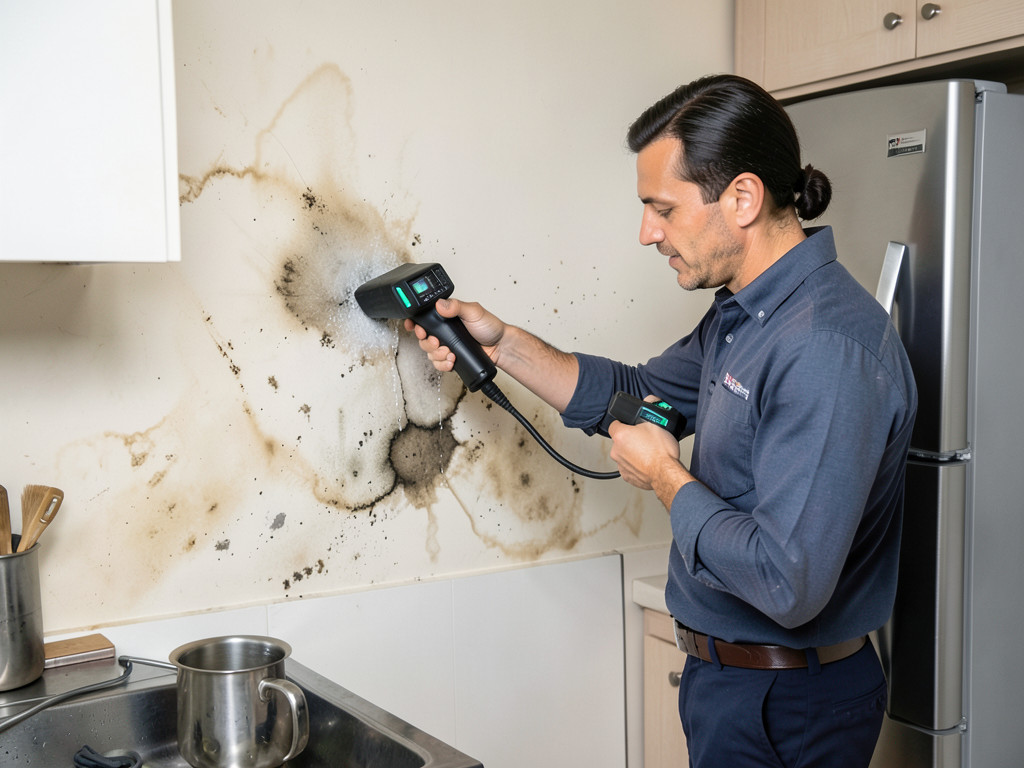
Initial assessment takes 30 to 45 minutes. We use moisture meters to map contamination migration, thermal cameras to identify hidden water damage, and photo documentation to establish baseline conditions. You receive a preliminary scope that outlines affected square footage, impacted building systems, required demolition, and estimated timeline. This document goes to your insurance adjuster the same day. We also identify any code upgrade triggers caused by the damage. Florida commercial properties often must bring affected areas up to current code during restoration, which can add unforeseen costs. We flag these issues in the initial scope so you can budget accordingly and avoid surprises during permitting.

The Final Environmental Clearance

Commercial projects conclude with formal clearance testing. We conduct ATP surface sampling across all remediated areas to verify microbial reduction. For projects exceeding 1,000 square feet or involving sensitive occupancies like restaurants or medical facilities, we coordinate third-party air quality testing through an independent industrial hygienist. Once results confirm pathogen elimination, we issue a clearance letter that documents the work performed, antimicrobials used, and test results achieved. This letter satisfies building inspectors, insurance adjusters, and your own risk management requirements. Most commercial spaces achieve clearance within five to seven days from initial contamination. Complex projects involving HVAC contamination or structural demolition extend to 10 to 14 days depending on scope.

Post-Remediation Support and Documentation

After clearance, you receive a comprehensive documentation package. This includes daily logs, photo progression from contamination through completion, all testing results, waste disposal manifests, and detailed invoicing that separates labor, materials, and equipment costs for accounting purposes. We also provide recommendations for preventing future backups, which often include main line camera inspection findings and building system vulnerabilities we observed during the project. For clients managing multiple properties, we offer annual service agreements that prioritize your facilities during emergencies and lock in pricing for rapid response services. These agreements typically save 15 to 20 percent on emergency callout fees and equipment mobilization costs across multiple events per year.

Frequently Asked Questions

You Have Questions,
We Have Answers

How much does it cost to clean up sewage? +

Commercial sewage cleanup costs depend on contamination extent, affected square footage, and structural damage. You pay for emergency extraction, antimicrobial treatment, containment barriers, and disposal of contaminated materials. Orlando properties with HVAC system exposure or concrete slab penetration face higher costs due to specialized drying and decontamination protocols. Factors include water classification (Category 3 is most severe), after-hours response needs, and required demolition. Request a detailed scope of work and line-item estimate before work begins. Focus on business continuity and code compliance, not just price.

Does insurance cover sewage cleanup? +

Most commercial policies cover sudden sewage backups caused by accidental discharge or line failures. Coverage typically excludes gradual damage from deferred maintenance or flood-related sewer overflows. Orlando businesses should verify their policy includes Category 3 water coverage and business interruption provisions. Document everything immediately with photos, maintenance records, and incident reports. Your adjuster evaluates liability and contamination scope. File claims promptly and retain all invoices. Policies vary significantly on coverage limits for sewage-specific restoration, so review exclusions related to bacterial contamination and disposal costs annually.

What is an example of commercial sewage? +

Commercial sewage includes wastewater from restrooms, floor drains, kitchen grease traps, and industrial discharge systems. Examples specific to Orlando businesses: restaurant prep sink backups, hotel laundry discharge, medical facility waste lines, and retail store restroom overflows. It contains fecal matter, urine, pathogens, chemicals, and solid waste. Category 3 water (black water) poses serious health risks requiring professional decontamination. Commercial sewage differs from residential due to volume, contaminant concentration, and regulatory obligations. Your facility must follow OSHA guidelines and local health codes during cleanup to avoid liability and operational shutdowns.

How long do sewage bacteria last on surfaces? +

Sewage bacteria survive on porous surfaces for weeks without proper disinfection. E. coli persists up to 28 days on concrete and drywall. Salmonella remains viable for extended periods in Orlando's humid climate, which accelerates microbial growth. Non-porous surfaces like metal and sealed tile hold bacteria for shorter durations but still require EPA-registered antimicrobial treatment. Temperature and moisture levels directly affect pathogen lifespan. Your facility needs professional-grade disinfection, not surface cleaning. HVAC systems can spread airborne pathogens throughout your building. Assume all affected materials are contaminated until lab testing confirms otherwise.

Is sewer jetting worth it? +

Sewer jetting is cost-effective for commercial properties with recurring blockages or heavy grease buildup. High-pressure water clears roots, scale, and debris that traditional snaking misses. Orlando's clay soils and mature tree root systems make jetting a practical preventive measure for restaurants, hotels, and multi-tenant buildings. You reduce emergency sewage backup risks and expensive interior damage. Schedule jetting annually or semi-annually based on usage patterns and line age. It extends sewer line lifespan and minimizes downtime. Compare jetting costs against potential cleanup expenses and business interruption losses. For high-volume facilities, it pays for itself.

Why is my sewer bill 200 dollars? +

High sewer bills result from increased water consumption, leaking fixtures, or faulty meter readings. Orlando commercial properties pay volumetric rates based on wastewater discharge calculations tied to water use. Check for running toilets, irrigation system backflow, or process water leaks. Review billing cycles for seasonal usage spikes or billing errors. Commercial rates differ from residential and include base fees plus volume charges. Request a consumption audit if bills spike unexpectedly. Submetering helps identify departmental overuse. Your sewer charge often mirrors water consumption, so reducing water waste lowers both bills. Verify meter accuracy with your utility provider.

What is the average lifespan of a sewer line? +

Commercial sewer lines last 40 to 100 years depending on material and maintenance. Cast iron deteriorates faster in Orlando's acidic soils and high water tables, typically failing around 50 years. PVC and HDPE lines exceed 75 years with proper installation and minimal root intrusion. Factors affecting lifespan include soil composition, groundwater pH, chemical discharge, and tree root proximity. Schedule video inspections every five years for aging systems. Lines under parking lots or heavy equipment face accelerated wear from ground settlement. Budget for replacement when recurring blockages or structural cracks appear. Proactive replacement prevents catastrophic failures during business hours.

How much does sewage insurance cost? +

Sewage backup insurance costs vary based on coverage limits, deductible, and claim history. Commercial policies typically add sewage endorsements for 500 to 2,500 dollars annually depending on building size and risk factors. Orlando properties near low-lying areas or aging infrastructure pay higher premiums. Coverage limits range from 10,000 to 100,000 dollars per incident. Evaluate your exposure based on line age, soil conditions, and occupancy type. Higher deductibles lower premiums but increase out-of-pocket costs during claims. Request quotes comparing coverage limits, exclusions, and business interruption provisions. This endorsement protects against losses standard policies exclude.

What not to say to a homeowners insurance adjuster? +

Never admit fault, speculate on damage causes, or downplay contamination severity. Avoid saying maintenance was deferred or that you noticed problems earlier. Do not agree to quick settlements before full damage assessment. Never sign blanket authorizations or provide recorded statements without legal review. Orlando adjusters look for policy exclusions and liability shifts. Stick to facts, provide documentation only, and let professionals determine causation. Do not discuss business interruption losses prematurely or accept partial payments as final. Refer technical questions to your restoration contractor. Your words become claim record. Stay factual and brief.

What are the 4 types of sewage management? +

The four sewage management types are collection systems, treatment processes, disposal methods, and reuse programs. Collection systems transport wastewater through gravity mains and pump stations. Treatment processes include primary settling, secondary biological treatment, and tertiary disinfection. Disposal methods involve discharge to surface waters or deep well injection. Reuse programs reclaim treated effluent for irrigation or industrial cooling. Orlando commercial facilities connect to municipal collection systems regulated by local utilities and EPA standards. Your business must comply with pretreatment requirements if discharging industrial waste. Understanding these systems helps you manage discharge obligations and avoid penalties.

How Orlando's Karst Geology and Aging Infrastructure Increase Commercial Sewage Risk

Orlando sits atop the Floridan Aquifer, a porous karst limestone formation riddled with underground voids and sinkholes. This geology allows groundwater intrusion into aging commercial sewer lines, which creates hydraulic pressure that forces sewage back through floor drains and toilets during heavy rain events. The Lake Nona and Downtown Orlando corridors face elevated risk due to infrastructure installed in the 1970s and 1980s that has exceeded its design lifespan. Commercial facilities built during the pre-Disney era often have clay pipe connections that crack under ground settling, creating pathways for tree root intrusion and sewage backups. Understanding these local infrastructure vulnerabilities separates competent commercial sewage remediation from generic water damage response.

Orange County requires commercial sewage contamination events exceeding 50 square feet to undergo health department notification and follow-up inspection before reoccupancy. This regulatory framework means choosing a commercial sewer backup cleaning contractor familiar with local protocols is critical to avoiding extended downtime. Reliance Water Damage Restoration Orlando has worked with the Orange County Health Department on hundreds of commercial projects. We understand their documentation requirements, inspection triggers, and clearance standards. This local regulatory knowledge typically reduces your project timeline by two to three days compared to using contractors unfamiliar with Central Florida's commercial restoration protocols and permitting requirements.
Water Damage Restoration Services in The Orlanado Area

Looking for fast and reliable water damage restoration in your area? Reliance Water Damage Restoration Orlando proudly serves homes and businesses throughout Orlando and surrounding communities. Whether you're dealing with flood damage, burst pipes, or mold issues, our expert team is ready to respond 24/7. We use industry-leading equipment to extract water, dry structures, and restore your property to pre-loss condition. Check the map below to see if we service your neighborhood, or call now for immediate help.

Address:
Reliance Water Damage Restoration Orlando, 7380 W Sand Lake Rd Suite 500, Orlando, FL, 32819

Additional Services We Offer

Our news updates

Latest Articles & News from The Blogs

Lorem ipsum dolor sit amet. Aut expedita quaerat quo eligendi numquam et laudantium perspiciatis qui minima expedita rem consequatur ducimus.…

Test Blog 4

Lorem ipsum dolor sit amet. Aut expedita quaerat quo eligendi numquam et laudantium perspiciatis qui minima expedita rem consequatur ducimus.…

Test Blog 3

Lorem ipsum dolor sit amet. Aut expedita quaerat quo eligendi numquam et laudantium perspiciatis qui minima expedita rem consequatur ducimus.…

Test Blog 2

Lorem ipsum dolor sit amet. Aut expedita quaerat quo eligendi numquam et laudantium perspiciatis qui minima expedita rem consequatur ducimus.…

Contact Us

Every hour of delay increases pathogen exposure and extends your business interruption claim. Call Reliance Water Damage Restoration Orlando now at (689) 268-2233 for immediate commercial sewage cleanup deployment. We answer 24 hours a day and can have crews on-site within two hours.