Menu

School & University Restoration in Orlando – Minimize Downtime, Protect Academic Operations

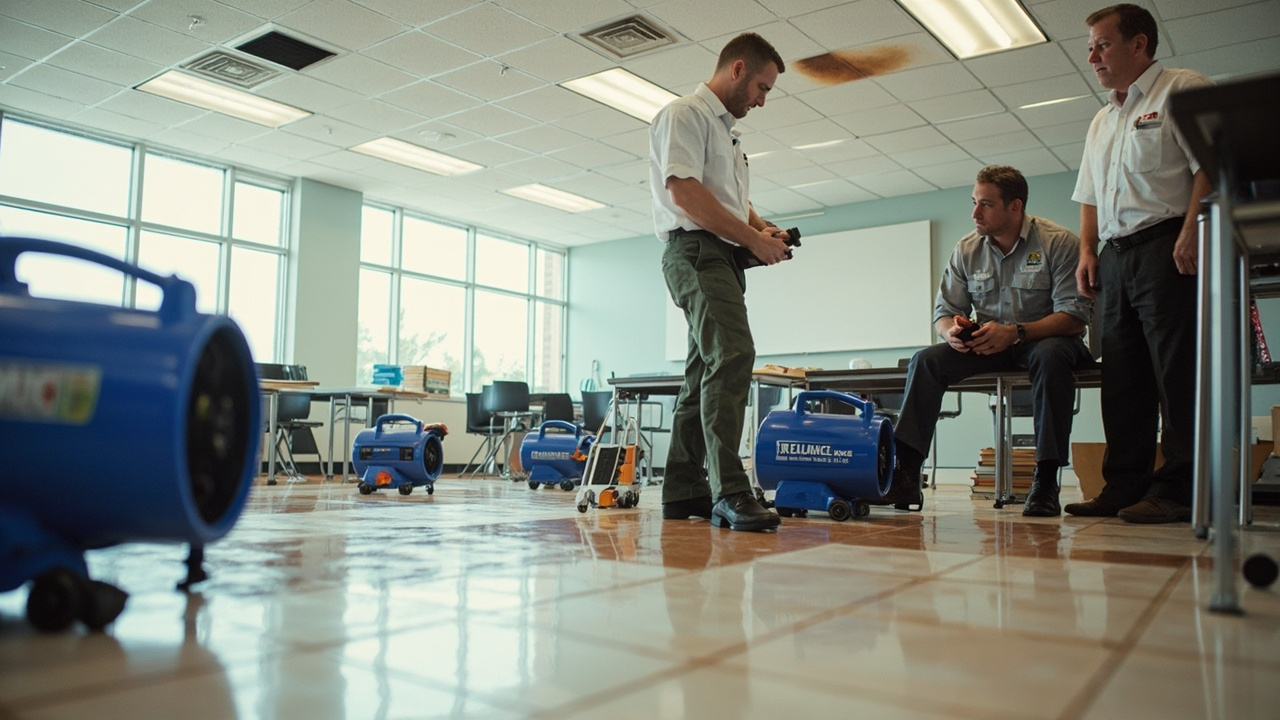
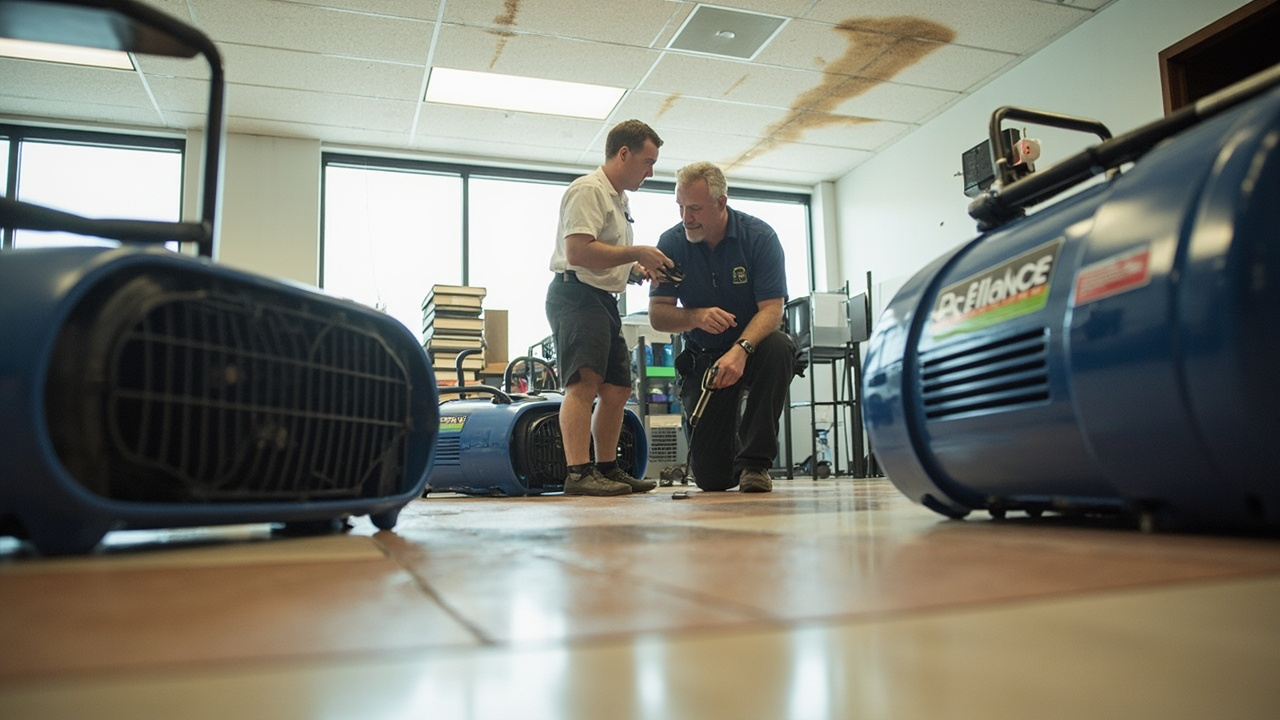
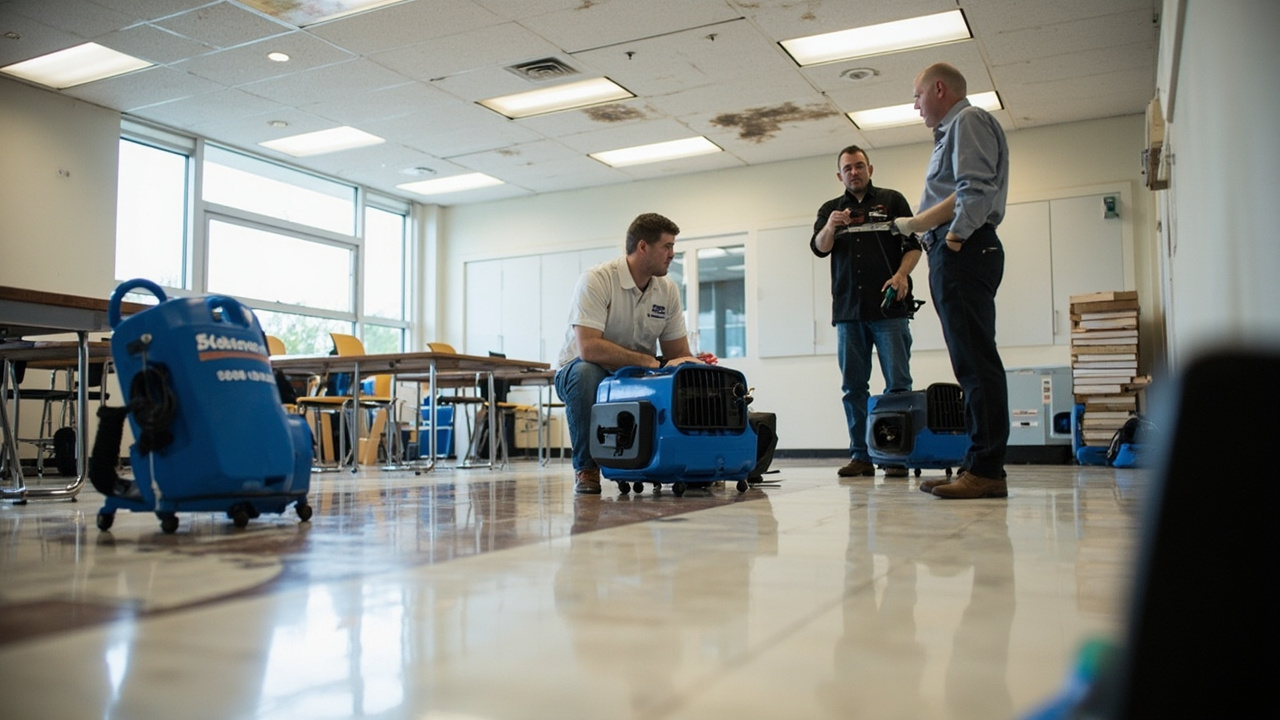
Rapid response water damage restoration for educational facilities across Orlando. We deploy industrial-grade equipment and phased restoration protocols that keep your campus operational while we restore structural integrity and protect irreplaceable assets.

Slider Image 1
Slider Image 2
Slider Image 3
Slider Image 4
Slider Image 5
Slider Image 7
Slider Image 8
Slider Image 9
Slider Image 10
Slider Image 11

Water Damage Threatens Academic Continuity Across Orlando Campuses

Orlando's subtropical climate creates persistent water intrusion risks for educational facilities. Central Florida receives 50-plus inches of annual rainfall, and summer storm systems can overwhelm roof drains, compromise building envelopes, and flood ground-floor classrooms within minutes. Hurricane season compounds these threats. When water breaches a library, laboratory, or residence hall, you face immediate liability exposure, potential Title IX violations if student housing becomes uninhabitable, and accreditation concerns if academic operations halt.

University flood cleanup services require different protocols than residential work. You cannot simply shut down a 500-student dormitory or close a chemistry lab mid-semester. Educational facility water damage restoration demands phased execution that prioritizes life safety, preserves research materials, and maintains instructional continuity. Orlando's clay-based soils create additional foundation settlement risks. When water saturates the subgrade beneath aging academic buildings, you may see differential movement that cracks masonry, separates building joints, and creates new pathways for moisture infiltration.

School disaster recovery services must address multiple stakeholders simultaneously. Facilities managers need documentation for insurance claims and state capital improvement requests. Academic deans need realistic timelines for space reoccupancy. Risk management needs proof of mold remediation to limit institutional liability. College campus water remediation cannot follow a one-size-fits-all template. Each building presents unique challenges based on construction era, occupancy type, and building system configuration. Academic building water damage repair requires contractors who understand educational operations, not just water extraction techniques.

Water Damage Threatens Academic Continuity Across Orlando Campuses
Phased Restoration Protocols That Protect Academic Operations

Phased Restoration Protocols That Protect Academic Operations

Reliance Water Damage Restoration Orlando uses zone-based containment strategies that isolate affected areas while adjacent spaces remain operational. We establish negative air pressure barriers using HEPA-filtered air scrubbers, preventing cross-contamination between restoration zones and occupied classrooms. This approach allows you to maintain partial building operations instead of closing entire facilities.

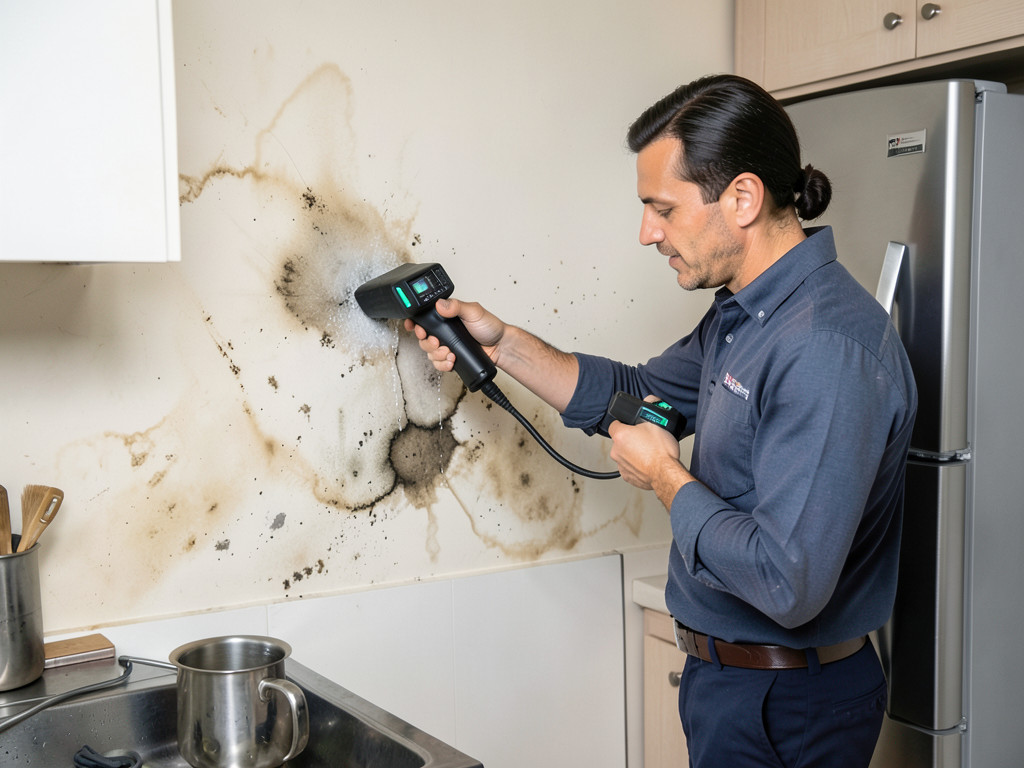
Our moisture mapping protocol uses thermal imaging and penetrating moisture meters to identify hidden water migration paths behind tile, above suspended ceilings, and within wall cavities. Orlando's concrete masonry unit construction retains moisture longer than frame construction. We document moisture readings at 24-hour intervals and will not begin reconstruction until all materials reach equilibrium moisture content. This prevents premature enclosure that traps residual moisture and creates ideal conditions for microbial growth.

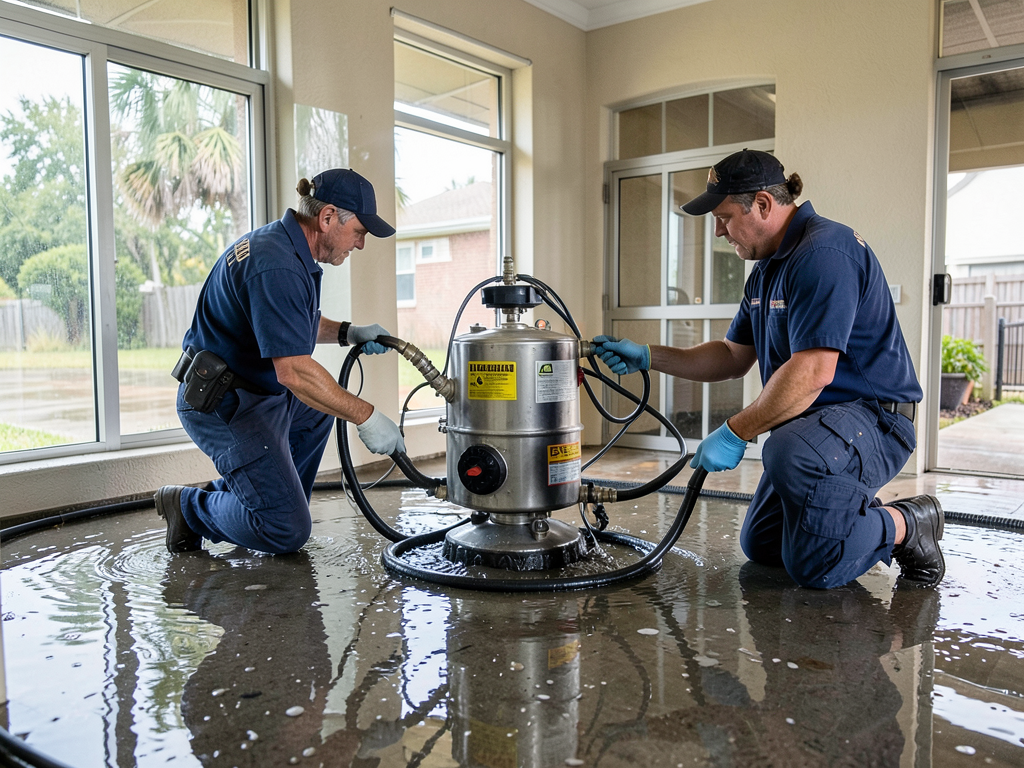
We deploy truck-mounted extraction units that remove standing water faster than portable equipment. For multi-story academic buildings, we use trash pump systems that can dewater flooded basements in hours instead of days. Speed matters because wet building materials deteriorate rapidly in Florida's heat and humidity. Drywall begins delaminating within 48 hours. Carpet backing develops permanent odor within 72 hours. Wood flooring cups and crowns as moisture gradients develop.

Our structural drying plans account for HVAC system capacity, building envelope tightness, and outdoor dew point conditions. We calculate grains per pound removal rates and adjust equipment daily based on psychrometric readings. This data-driven approach prevents over-drying that can damage wood furnishings and under-drying that leaves hidden moisture pockets. You receive daily progress reports with moisture content graphs and projected completion dates tied to measurable dryness standards.

How Educational Facility Restoration Actually Works

School & University Restoration in Orlando – Minimize Downtime, Protect Academic Operations
01

Emergency Response and Damage Assessment

We dispatch a project manager to your campus within 90 minutes of contact. The initial assessment identifies water source, documents affected square footage, and categorizes water contamination level using IICRC S500 standards. You receive a preliminary scope of work within four hours that outlines containment strategy, equipment deployment plan, and phased restoration timeline. This allows you to brief campus leadership and begin insurance notification while our crews mobilize extraction equipment.
02

Controlled Demolition and Structural Drying

We remove non-salvageable materials using systematic demolition that maintains structural integrity and fire-rated assemblies. Our crews document all removal using photo logs tied to room numbers and building grids. This creates the paper trail you need for capital project reimbursement requests. We position commercial dehumidifiers and axial air movers based on calculated air changes per hour requirements. Equipment runs continuously with remote monitoring that alerts our dispatch center if any unit fails overnight.
03

Reconstruction and Facility Turnover

Once moisture readings meet ANSI/IICRC S500 dry standards, we begin reconstruction using materials that match existing campus standards. Our project managers coordinate with your facilities staff to schedule utility shutdowns, fire alarm impairments, and access restrictions that minimize impact on academic schedules. You receive as-built documentation, material warranties, and certificate of completion suitable for state facility audits. We conduct final walkthrough with your facilities director to confirm all punch list items are complete before demobilizing equipment.

Why Orlando Educational Facilities Choose Reliance Water Damage Restoration

Orlando hosts multiple higher education campuses, private schools, and technical colleges. Each faces unique water damage risks based on building age, construction type, and site drainage conditions. Reliance Water Damage Restoration Orlando has restored facilities ranging from historic campus buildings with terra cotta tile roofs to modern LEED-certified student centers with green roof systems. We understand the difference between restoring a 1960s-era masonry dormitory and a contemporary residence hall with modular bathroom pods.

Our project managers have worked with state university procurement processes, private college insurance administrators, and charter school facility directors. We know how to structure documentation for Florida Department of Education grant applications and how to coordinate with campus police for after-hours building access. This institutional knowledge speeds approvals and reduces administrative burden on your facilities team.

We maintain relationships with specialty contractors who understand educational facility requirements. Our restoration projects can integrate fire alarm system upgrades, ADA accessibility improvements, and building code updates that transform insurance restoration projects into capital improvement opportunities. This approach helps you leverage disaster recovery funding to address deferred maintenance items that would otherwise require separate capital appropriations.

Orlando's K-12 schools face different constraints than higher education facilities. You cannot relocate 800 elementary students mid-year because a roof leak damaged six classrooms. We have executed restoration projects during spring break, winter holidays, and summer recess to avoid instructional disruption. Our crews work extended shifts to compress timelines when school calendars demand faster turnaround than standard commercial projects allow. We understand that your priority is getting students back in class, not just completing a restoration contract.

What Your Educational Facility Can Expect

Response Time and Equipment Deployment

We maintain response trucks staged throughout the Orlando metro area. Your call triggers immediate dispatch with arrival typically within 90 minutes. Our trucks carry truck-mounted extraction units, commercial dehumidifiers, air movers, moisture meters, and thermal imaging cameras. We can begin water extraction and establish drying conditions during the initial response visit. For large-scale flooding affecting multiple buildings, we can deploy additional equipment from our regional partners within four hours. Weekend and holiday response follows the same protocol. Educational facilities cannot wait until Monday morning when a pipe break floods a dormitory on Saturday night.

Documentation and Compliance Requirements

Educational facility restoration generates documentation requirements that exceed typical commercial projects. You need records suitable for insurance adjusters, state auditors, and accreditation reviews. We provide daily moisture logs, photo documentation tied to building grid coordinates, and material disposal manifests for regulated waste. Our project managers coordinate with your environmental health and safety staff when restoration involves laboratory spaces, healthcare clinics, or areas with potential hazardous material exposure. You receive a comprehensive project binder at completion that includes certificates of insurance, material safety data sheets, and as-built drawings showing all reconstruction work.

Quality Control and Verification Testing

We use third-party industrial hygienists to conduct clearance testing when restoration involves potential mold contamination. This independent verification protects your institution from liability claims alleging inadequate remediation. Our structural drying protocols follow IICRC S500 standards, which establish specific moisture content thresholds for different material types. We document compliance using calibrated moisture meters with current certification stickers. Final reconstruction work includes building code compliance verification. When we replace fire-rated assemblies, you receive documentation proving the restored assembly meets the original fire resistance rating required by Florida Building Code.

Post-Restoration Support and Warranty Coverage

Material warranties transfer to your institution upon project completion. Reconstruction work carries workmanship guarantees covering installation defects. We provide your facilities team with as-built documentation showing exact location of all demolition and reconstruction work. This information becomes critical when you plan future renovations or need to locate concealed building systems. Our project managers remain available after project closeout to address questions from insurance adjusters, answer auditor inquiries, or coordinate with your staff if follow-up work is required. Educational facilities often discover additional damage months later when they access concealed spaces during summer maintenance projects.

Frequently Asked Questions

You Have Questions,
We Have Answers

What's the difference between restoration and remediation? +

Restoration returns a damaged structure to its pre-loss condition after water intrusion, fire, or storm damage. This includes structural repairs, rebuilding walls, replacing flooring, and repainting. Remediation focuses on removing the hazard itself, such as extracting standing water, drying out materials, or eliminating mold growth. In Orlando schools, you often need both. Remediation stops the damage from spreading during hurricane season or after a pipe burst. Restoration comes next to make classrooms and offices functional again. Both processes require coordination to minimize downtime and meet safety codes for students and staff.

What is the biggest problem facing schools today? +

The biggest operational problem facing Orlando schools is maintaining safe, functional facilities with limited budgets and aging infrastructure. Water damage from Florida's high humidity, summer storms, and roof leaks creates mold risks and structural issues. HVAC failures in extreme heat disrupt learning environments. Deferred maintenance compounds these problems. Schools must balance immediate repairs with long-term capital planning while staying operational. Compliance with health codes and ADA requirements adds complexity. Effective facility management requires fast response to emergencies, strategic restoration planning, and contractors who understand educational timelines. Downtime directly impacts student safety and academic schedules.

What is school beautification? +

School beautification improves the physical appearance and functionality of campus facilities through upgrades, landscaping, painting, and maintenance projects. This includes exterior improvements like updated signage, clean walkways, and green spaces, plus interior refreshes such as new paint, lighting, and common area renovations. In Orlando, beautification also addresses weather-related wear from sun exposure and storm damage. The goal is creating an environment that enhances student pride, improves morale, and signals community investment in education. Beautification projects often involve students, staff, and community volunteers. For maximum impact, pair aesthetic upgrades with necessary restoration work addressing underlying facility issues.

Is Harvard a university or a school? +

Harvard is a university. The distinction matters for understanding institutional scope. A university comprises multiple colleges or schools offering undergraduate and graduate degrees across diverse disciplines. Harvard University includes Harvard College (undergraduate), plus graduate schools for law, medicine, business, education, and other fields. A school is a single educational unit within a university or a standalone institution focused on one level or subject area. In facilities management and restoration contexts, universities require more complex infrastructure planning than individual schools. Orlando's educational institutions range from elementary schools to University of Central Florida, each with different restoration needs and operational requirements.

Why Orlando's Storm Patterns Demand Proactive Campus Water Management

Central Florida's convective thunderstorm activity creates localized flooding that can impact one campus building while adjacent structures remain dry. These cells develop rapidly during summer afternoons when sea breeze convergence zones stall over the I-4 corridor. Educational facilities need restoration partners who can respond to isolated building emergencies without deploying resources across your entire campus. Orlando's flat topography and high water table mean that ground-floor spaces flood more readily than facilities in other regions. Many older academic buildings lack modern foundation drainage systems, making them vulnerable to groundwater intrusion during prolonged wet periods.

Reliance Water Damage Restoration Orlando works with facilities throughout Orange, Seminole, and Osceola counties. We understand the difference between restoring a historic brick academic building near Lake Eola and a contemporary campus facility in Research Park. Our crews have navigated campus access protocols, coordinated with university police departments, and worked within the constraints of active academic calendars. This local institutional knowledge allows us to execute restoration projects that minimize disruption to your educational mission while protecting your physical assets and managing your liability exposure.
Water Damage Restoration Services in The Orlanado Area

Looking for fast and reliable water damage restoration in your area? Reliance Water Damage Restoration Orlando proudly serves homes and businesses throughout Orlando and surrounding communities. Whether you're dealing with flood damage, burst pipes, or mold issues, our expert team is ready to respond 24/7. We use industry-leading equipment to extract water, dry structures, and restore your property to pre-loss condition. Check the map below to see if we service your neighborhood, or call now for immediate help.

Address:
Reliance Water Damage Restoration Orlando, 7380 W Sand Lake Rd Suite 500, Orlando, FL, 32819

Additional Services We Offer

Our news updates

Latest Articles & News from The Blogs

Lorem ipsum dolor sit amet. Aut expedita quaerat quo eligendi numquam et laudantium perspiciatis qui minima expedita rem consequatur ducimus.…

Test Blog 4

Lorem ipsum dolor sit amet. Aut expedita quaerat quo eligendi numquam et laudantium perspiciatis qui minima expedita rem consequatur ducimus.…

Test Blog 3

Lorem ipsum dolor sit amet. Aut expedita quaerat quo eligendi numquam et laudantium perspiciatis qui minima expedita rem consequatur ducimus.…

Test Blog 2

Lorem ipsum dolor sit amet. Aut expedita quaerat quo eligendi numquam et laudantium perspiciatis qui minima expedita rem consequatur ducimus.…

Contact Us

Water damage does not wait for convenient timing. Contact Reliance Water Damage Restoration Orlando at (689) 268-2233 for immediate dispatch. Our project managers will assess your facility, develop a phased restoration plan, and begin damage mitigation while you handle administrative notifications.