Menu

Swollen Baseboards & Trim in Orlando – Expert Diagnosis and Permanent Water Damage Solutions

When water damaged baseboards and warped molding appear in your Orlando home, you need accurate moisture testing and complete drying protocols to prevent mold growth and structural damage underneath.

Slider Image 1
Slider Image 2
Slider Image 3
Slider Image 4
Slider Image 5
Slider Image 7
Slider Image 8
Slider Image 9
Slider Image 10
Slider Image 11

Why Orlando Homes Develop Moisture Swollen Baseboards and Expanded Trim

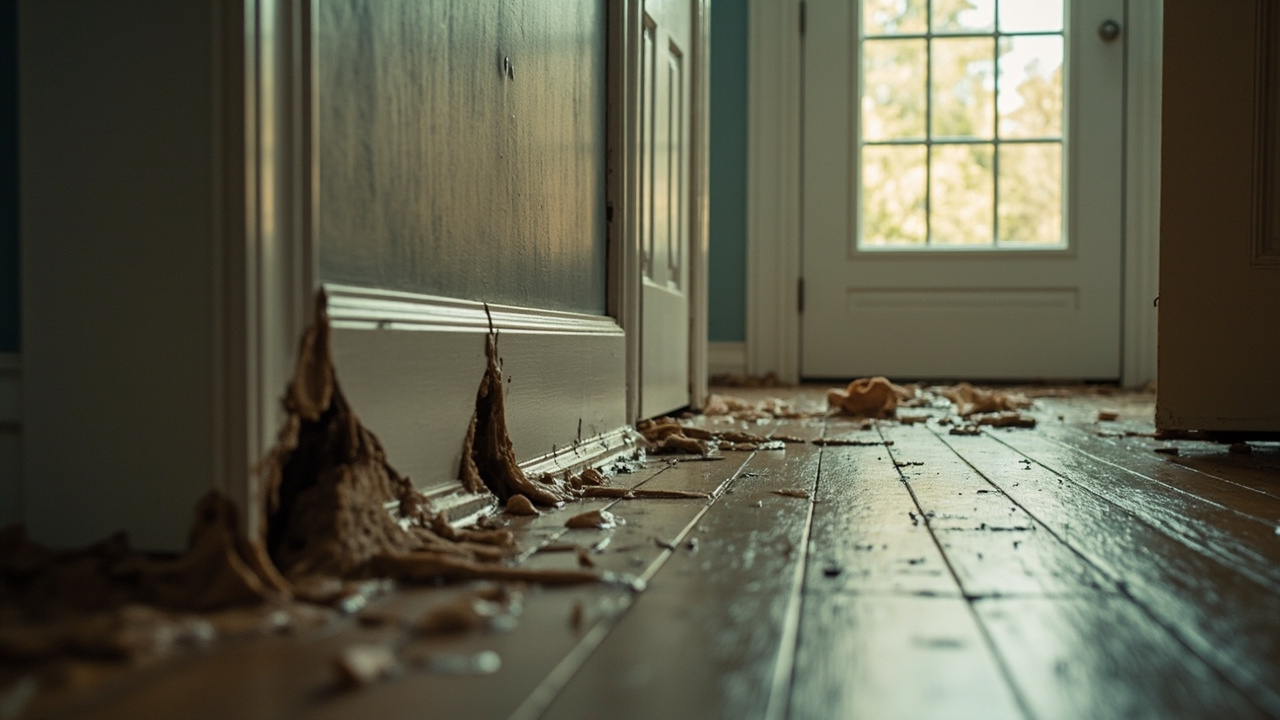
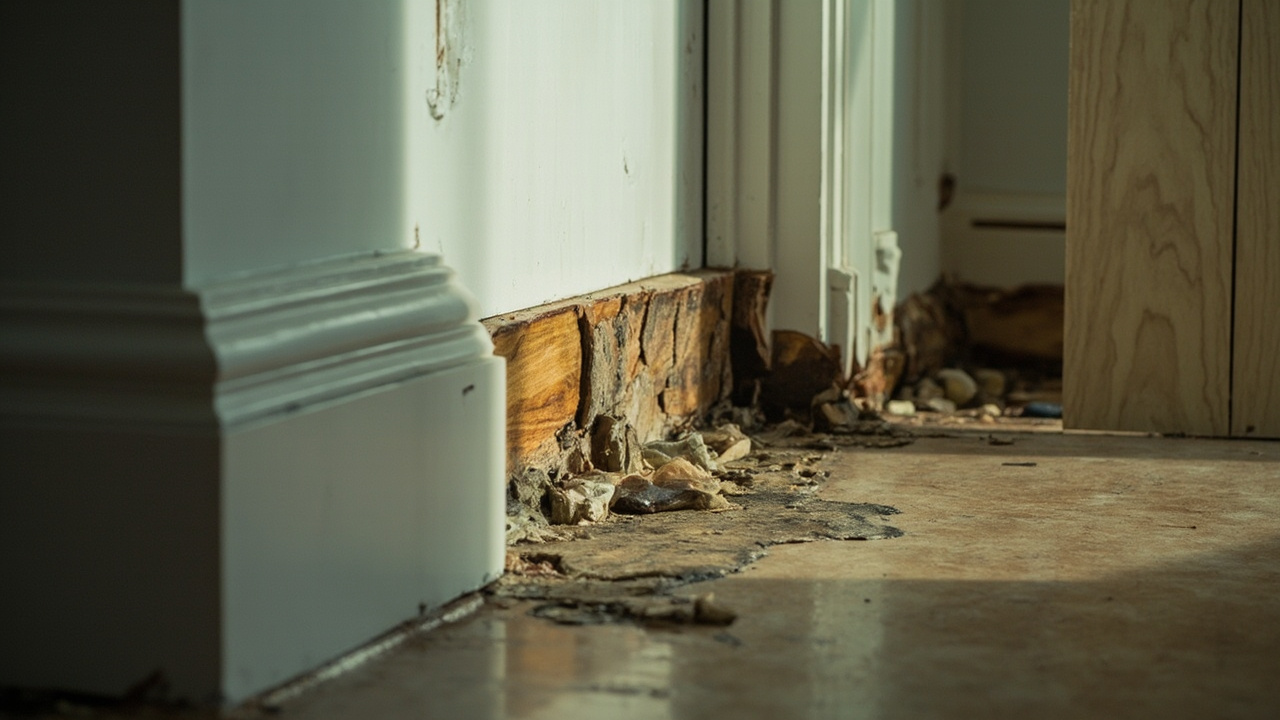
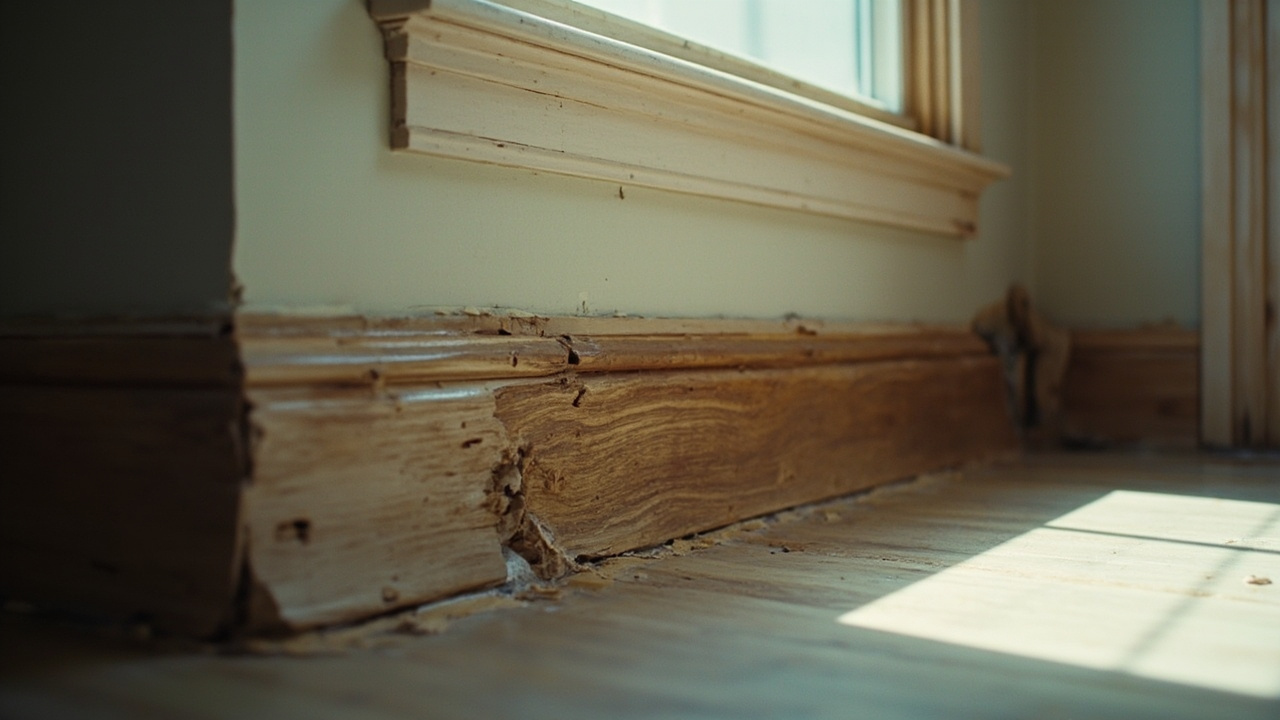
You notice the baseboard in your hallway looks puffy. The paint is cracked. The wood feels soft when you press it. This is not a cosmetic problem.

Orlando's subtropical climate creates constant moisture pressure on homes. Average humidity sits above 70 percent most of the year. When air conditioning systems struggle or ductwork leaks condensation, moisture accumulates at floor level. Water follows gravity. Baseboards and trim absorb it first.

Warped baseboard molding signals hidden water intrusion. The source could be a slow plumbing leak, failed window flashing during summer thunderstorms, or foundation seepage from clay soil saturation. Orlando sits on porous limestone with a high water table. After heavy rains, hydrostatic pressure forces groundwater through foundation cracks. The water wicks up walls and saturates the bottom plates and trim.

Expanded MDF trim is particularly vulnerable. Medium-density fiberboard swells when wet and never returns to its original shape. Once bloated wood trim develops, the damage is permanent. You cannot sand it down. You cannot compress it back. Replacement is the only option.

Water damaged baseboards also create hidden risks. The trapped moisture behind the trim feeds mold growth on drywall and framing lumber. You cannot see it, but it is growing. The longer moisture swollen baseboards remain in place, the wider the contamination spreads through your wall cavities.

Ignoring swollen trim leads to compounding problems. Mold. Rot. Termite attraction. Structural framing deterioration. The repair cost multiplies with every passing week.

Why Orlando Homes Develop Moisture Swollen Baseboards and Expanded Trim
How We Identify and Resolve Water Intrusion Behind Swollen Baseboards

How We Identify and Resolve Water Intrusion Behind Swollen Baseboards

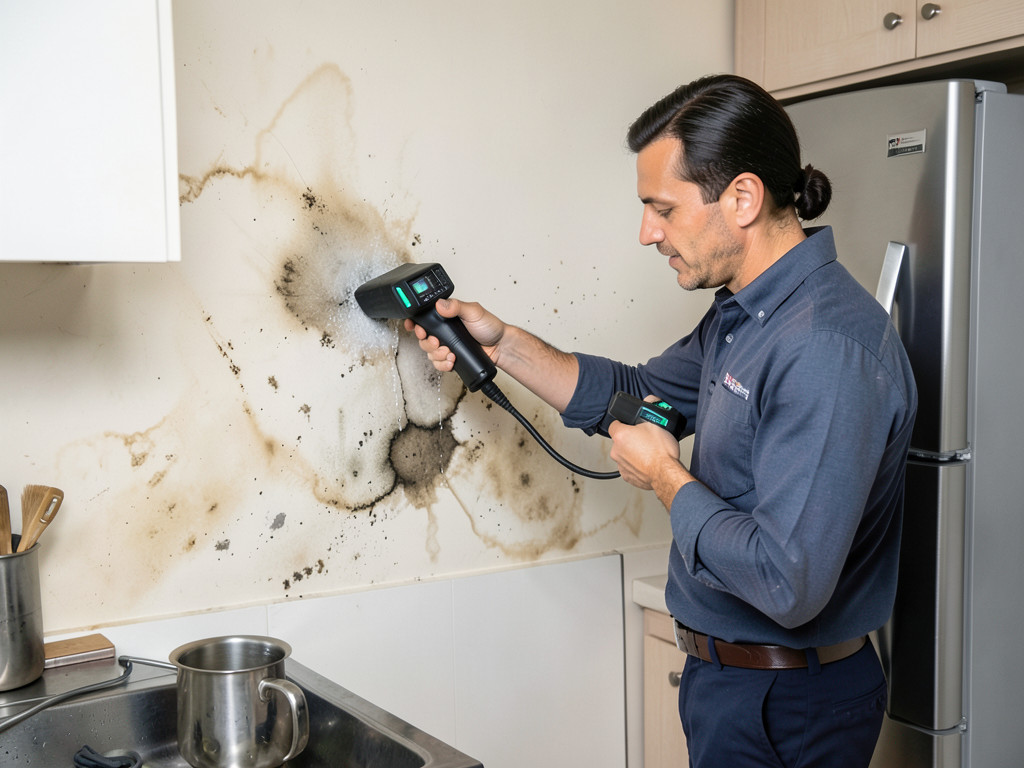
Surface cosmetics do not fix water damage. We start with forensic moisture mapping using pin-type and non-invasive meters. Baseboards may look dry on the exterior, but concealed moisture trapped behind them tells the real story. We measure moisture content in the drywall, the framing studs, and the subfloor. These readings determine the scope of damage and the drying plan.

We remove affected baseboards and trim carefully to expose the wall cavity. This reveals whether the drywall has wicked moisture up from the floor, whether insulation is saturated, and whether microbial growth has started. We document everything with thermal imaging. Temperature differentials show us wet areas invisible to the eye.

Source identification is critical. We do not guess. We use pressure testing on plumbing lines, dye testing on HVAC drain pans, and blower door diagnostics to find air leaks that allow humid outdoor air infiltration. Orlando homes often have failed vapor barriers or improperly sealed crawl spaces. We locate the entry point.

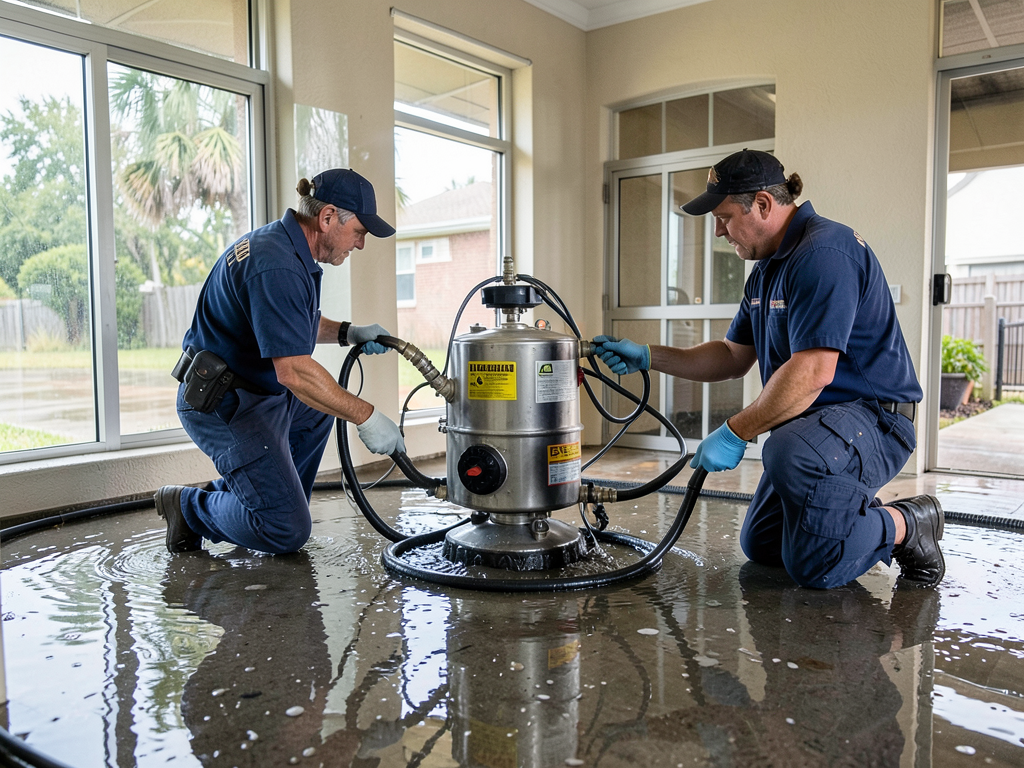
Drying protocols depend on material type and saturation level. We use axial air movers to create airflow across wall cavities and low-grain refrigerant dehumidifiers to pull moisture from the air. Drying times vary. Structural lumber at 18 percent moisture content may need five days of controlled drying. We monitor daily with moisture meters until readings stabilize below 15 percent.

We apply antimicrobial treatments to affected framing and drywall after drying. This prevents dormant mold spores from reactivating. Then we rebuild with moisture-resistant materials. Solid wood or PVC trim. Mold-resistant drywall. Proper vapor barriers. The goal is permanent resolution, not temporary concealment.

What Happens When You Call Us About Swollen Baseboards

Swollen Baseboards & Trim in Orlando – Expert Diagnosis and Permanent Water Damage Solutions
01

Moisture Assessment and Source Identification

We arrive with professional-grade moisture detection equipment and begin scanning the affected areas plus surrounding zones. Pin meters penetrate baseboards and drywall to measure internal moisture content. Infrared cameras map temperature variations that indicate hidden water pathways. We test plumbing fixtures, inspect HVAC components, and examine exterior walls for intrusion points. This diagnostic phase typically takes 45 to 90 minutes and produces a detailed moisture map of your home.
02

Controlled Drying and Remediation

After removing compromised trim and exposing wall cavities, we position air movers and dehumidifiers in a calculated configuration to maximize evaporation rates. Equipment runs continuously, and we monitor moisture levels twice daily. Structural materials must reach equilibrium moisture content before reconstruction begins. We document drying progress with daily logs. If microbial contamination is present, we apply EPA-registered antimicrobial solutions to sanitized surfaces after drying is complete.
03

Rebuild with Upgraded Materials

Once all materials register dry and treated, we install new baseboards and trim using moisture-resistant products. We seal all penetrations, apply proper caulking at joints, and ensure vapor barriers are intact. New trim receives factory primer and finish paint. We leave your home cleaner than we found it, with zero evidence of temporary patches or shortcuts. You receive documentation of all moisture readings and a breakdown of materials used for insurance claims or future reference.

Why Orlando Homeowners Trust Reliance Water Damage Restoration for Trim and Baseboard Water Damage

Generic restoration companies treat swollen baseboards as a cosmetic fix. They pull the trim, dry the surface, slap on new boards, and leave. Two months later, you smell mildew. That approach ignores the physics of water intrusion in Orlando's climate and geology.

We understand the specific vulnerabilities of Central Florida construction. Most Orlando homes built after 1980 use concrete block with stucco exteriors. Water penetrates through failed stucco cracks and runs down the interior of block cells. It exits at the bottom course and saturates the base of walls. This is why baseboard damage often appears on exterior walls first. We know where to look and how to trace the pathway.

Orlando's high water table and frequent summer storms create repetitive moisture events. A one-time drying is not enough if the source remains active. We address the cause, not just the symptom. That means fixing failed grading around foundations, sealing foundation cracks with polyurethane injection, repairing damaged roof flashing, and correcting negative slope on patios that direct water toward the home.

We also understand Orlando's older housing stock. Homes in neighborhoods like College Park, Colonialtown, and Thornton Park feature pier-and-beam foundations with crawl spaces. These areas trap humidity and allow ground moisture to rise through wooden floor joists. Swollen baseboards in these homes often indicate a crawl space vapor barrier failure. We evaluate the entire moisture load on your home, not just the visible damage.

Reliance Water Damage Restoration Orlando operates with IICRC-trained technicians who understand psychrometry, structural drying, and microbial remediation. We use commercial-grade equipment, not homeowner rental tools. You work with professionals who know the difference between surface moisture and absorbed moisture content, and who understand how dewpoint and vapor pressure affect drying efficiency.

What You Can Expect During the Baseboard Water Damage Restoration Process

Response Time and Project Duration

We dispatch to Orlando properties within two hours of your call during business hours and offer 24-hour emergency response for active water intrusion. Initial moisture assessment and equipment placement happen on day one. Structural drying typically requires three to five days depending on material saturation levels and ambient conditions. Reconstruction and trim replacement add another two to three days. Total timeline from discovery to completion averages one week for standard baseboard water damage. Complex cases involving extensive microbial contamination or structural framing replacement may extend to two weeks.

Comprehensive Moisture Testing and Documentation

Your initial assessment includes moisture readings taken at multiple depths and locations using both penetrating pin meters and non-invasive radio frequency scanners. We document baseline moisture levels in all affected building materials, photograph thermal anomalies with infrared imaging, and create a moisture map that guides equipment placement. Daily monitoring logs track drying progress with timestamped readings. You receive a complete report showing initial conditions, daily progress, and final dry-standard verification. This documentation satisfies insurance requirements and provides legal protection if future moisture issues arise from the same source.

Quality of Materials and Workmanship

We replace water damaged baseboards with solid pine, PVC, or composite materials based on your home's existing trim profile and your moisture risk tolerance. MDF replacement only occurs in low-risk interior areas with controlled humidity. All new drywall uses mold-resistant green board or purple board formulations. Framing lumber receives borate treatment before enclosure. Paint and caulk products contain mildewcides appropriate for high-humidity climates. Our finish carpentry matches existing profiles and receives factory-quality priming and painting. Completed work is indistinguishable from original construction and built to resist future moisture exposure.

Post-Restoration Monitoring and Prevention

After reconstruction is complete, we provide moisture meter readings showing all materials at stable, dry-standard levels. We walk you through the identified moisture source and explain corrective actions taken to prevent recurrence. You receive written recommendations for ongoing moisture control, including HVAC maintenance schedules, gutter cleaning intervals, and grading improvements if needed. We offer optional follow-up moisture checks at 30 and 90 days post-restoration to verify conditions remain stable. If new moisture readings appear, we investigate at no diagnostic charge to determine whether the original source has reactivated or a new intrusion point has developed.

Frequently Asked Questions

You Have Questions,
We Have Answers

How to fix swollen baseboards? +

First, identify and stop the water source. Remove the swollen baseboard carefully to avoid wall damage. Check the wall cavity and subfloor for hidden moisture using a moisture meter. Dry the area completely with fans and dehumidifiers for 48 to 72 hours. In Orlando's humid climate, this step is critical to prevent mold. If the drywall behind the baseboard shows staining or feels soft, cut it out and replace it. Install new baseboards only after confirming moisture levels are below 15 percent. Paint-grade MDF swells permanently and cannot be salvaged.

What is the 7 rule for baseboards? +

The 7 rule states that baseboards should be at least 7 percent of the wall height for proper visual proportion. For standard 8-foot ceilings common in Orlando homes, this means baseboards should measure around 5 to 7 inches tall. Taller ceilings require taller baseboards to maintain balance. This rule helps prevent the baseboards from looking too small or oversized for the room. When replacing water-damaged trim, matching the original height maintains your home's architectural consistency and resale value in the Orlando market.

Why do baseboards swell? +

Baseboards swell when moisture penetrates the material and causes the fibers to expand. Common causes in Orlando include plumbing leaks, air conditioning condensation overflow, roof leaks during heavy storms, and high indoor humidity. MDF and particleboard baseboards are especially vulnerable because they act like sponges. Even solid wood baseboards swell across the grain when exposed to water. Orlando's average 75 percent humidity accelerates this process if vapor barriers fail. Once the material swells, it typically stays deformed even after drying because the cellular structure breaks down permanently.

What does water damage on baseboards look like? +

Water-damaged baseboards show several telltale signs. Look for visible swelling where the board pushes away from the wall or bulges outward. You will see dark staining, often brown or gray, along the bottom edge. The paint or finish may bubble, crack, or peel. The baseboard feels soft or spongy when you press it. White or black mold spots often appear on the surface or behind the board. In Orlando homes, check where baseboards meet tile floors, as grout failures allow water migration during mopping or AC overflow events.

How Orlando's Limestone Foundation and Summer Humidity Accelerate Baseboard Water Damage

Orlando sits on top of the Floridan Aquifer, a porous limestone formation with a water table often just five to ten feet below grade. During summer months when afternoon thunderstorms drop two inches of rain in 30 minutes, this shallow water table rises quickly. Hydrostatic pressure forces groundwater through foundation cracks and block wall penetrations. The moisture wicks up through capillary action into wall framing and baseboards. Combine this geological reality with 75 percent average humidity from June through September, and you create perfect conditions for warped baseboard molding and expanded MDF trim. Orlando homes face moisture pressure from below and from the air simultaneously.

Central Florida building codes have evolved significantly since the 1990s to address moisture intrusion, but older homes in neighborhoods like Delaney Park, Lake Eola Heights, and Audubon Park were built before modern vapor barrier requirements existed. These properties need specialized retrofitting when water damaged baseboards appear. Reliance Water Damage Restoration Orlando understands the construction methods used across different eras of Orlando development. We know which homes have concrete slab foundations, which have crawl spaces, and which have combination systems. This local knowledge allows us to diagnose moisture sources faster and implement solutions that work specifically for your home's construction type and Orlando's environmental challenges.
Water Damage Restoration Services in The Orlanado Area

Looking for fast and reliable water damage restoration in your area? Reliance Water Damage Restoration Orlando proudly serves homes and businesses throughout Orlando and surrounding communities. Whether you're dealing with flood damage, burst pipes, or mold issues, our expert team is ready to respond 24/7. We use industry-leading equipment to extract water, dry structures, and restore your property to pre-loss condition. Check the map below to see if we service your neighborhood, or call now for immediate help.

Address:
Reliance Water Damage Restoration Orlando, 7380 W Sand Lake Rd Suite 500, Orlando, FL, 32819

Additional Services We Offer

Our news updates

Latest Articles & News from The Blogs

Lorem ipsum dolor sit amet. Aut expedita quaerat quo eligendi numquam et laudantium perspiciatis qui minima expedita rem consequatur ducimus.…

Test Blog 4

Lorem ipsum dolor sit amet. Aut expedita quaerat quo eligendi numquam et laudantium perspiciatis qui minima expedita rem consequatur ducimus.…

Test Blog 3

Lorem ipsum dolor sit amet. Aut expedita quaerat quo eligendi numquam et laudantium perspiciatis qui minima expedita rem consequatur ducimus.…

Test Blog 2

Lorem ipsum dolor sit amet. Aut expedita quaerat quo eligendi numquam et laudantium perspiciatis qui minima expedita rem consequatur ducimus.…

Contact Us

Swollen baseboards are not cosmetic issues. They signal active water intrusion that worsens daily. Call Reliance Water Damage Restoration Orlando now at (689) 268-2233 for same-day moisture assessment and professional drying. We stop the damage, find the source, and rebuild it correctly.