Menu

Soggy Insulation in Orlando | Expert Water Damage Diagnosis and Safe Removal

Wet insulation creates health risks and energy loss in your home. Our water damage restoration team identifies the source, removes saturated materials safely, and prevents mold growth before it spreads through your Orlando property.

Slider Image 1
Slider Image 2
Slider Image 3
Slider Image 4
Slider Image 5
Slider Image 7
Slider Image 8
Slider Image 9
Slider Image 10
Slider Image 11

Why Soggy Insulation Is a Critical Problem in Orlando Homes

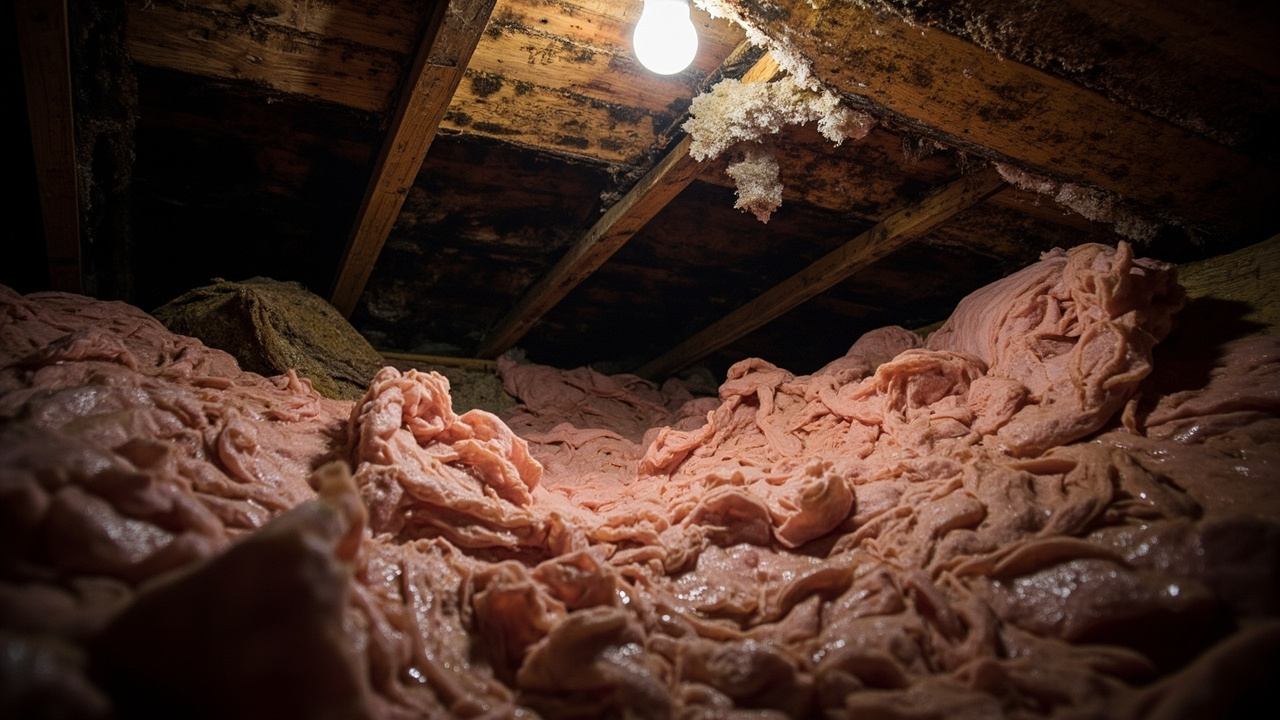
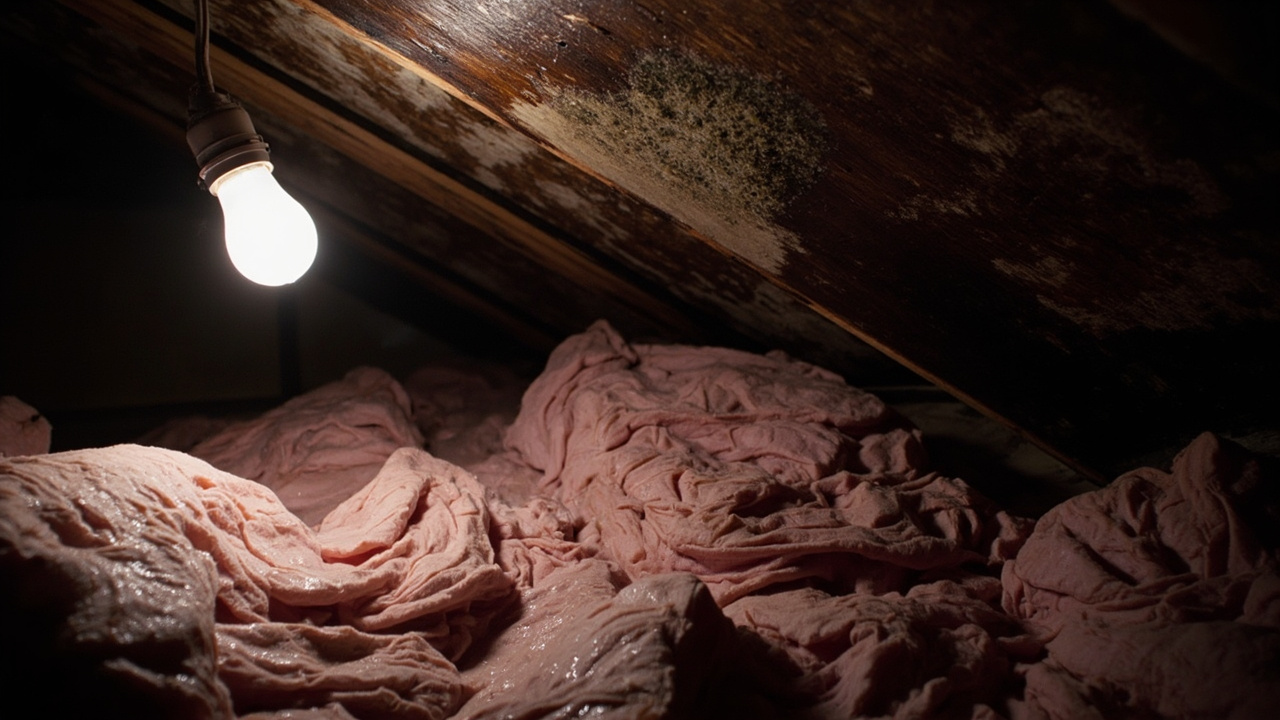
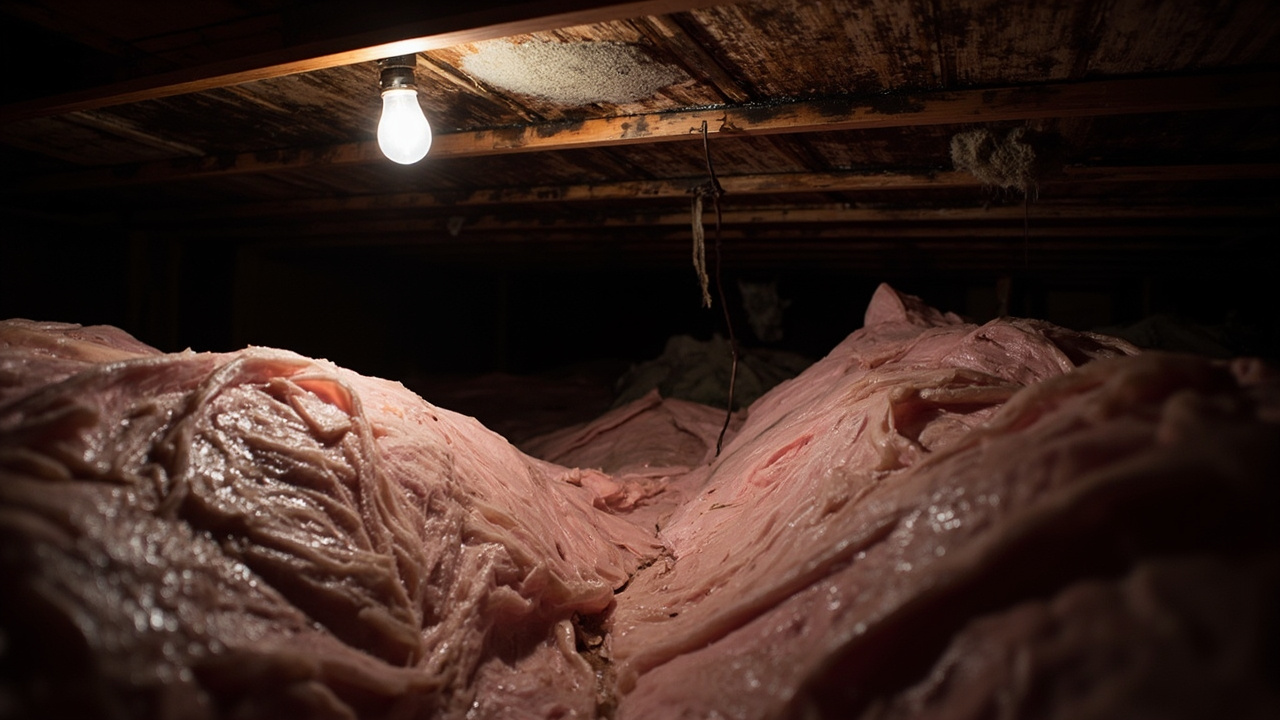
You walk into your attic and feel the squish under your feet. You pull back a section of drywall and the insulation falls out in heavy, dripping clumps. That soggy insulation is not just an annoyance. It is a warning sign.

Orlando's climate creates the perfect storm for water damaged insulation. Summer humidity hovers near 75 percent. Afternoon thunderstorms dump inches of rain in minutes. When your roof develops even a small leak, that moisture does not evaporate. It soaks into your attic insulation and stays there. Wet insulation loses its R-value immediately. Your air conditioning works harder. Your energy bills climb.

Saturated insulation also creates a breeding ground for mold. Within 24 to 48 hours, spores colonize the damp fibers. You might smell it before you see it. That musty odor means mold is already spreading through your HVAC system and into your living spaces. Residents in College Park and Baldwin Park often discover soaked insulation after a roof leak goes unnoticed for weeks. The damage compounds quickly.

Damp insulation also adds weight to your ceiling joists. Fiberglass insulation can hold several times its weight in water. That extra load stresses the structure. In older Orlando homes built before modern building codes, this can cause sagging ceilings or even structural failure.

If you see water stains on your ceiling, feel cooler spots in your attic, or notice higher utility bills, you likely have wet insulation hiding above you. The longer it sits, the worse the damage becomes.

Why Soggy Insulation Is a Critical Problem in Orlando Homes
How We Remove Soggy Insulation and Restore Your Home

How We Remove Soggy Insulation and Restore Your Home

We do not just pull out wet insulation and call it done. That approach leaves moisture in your structural materials and guarantees mold will return. Our process addresses the root cause and the secondary damage.

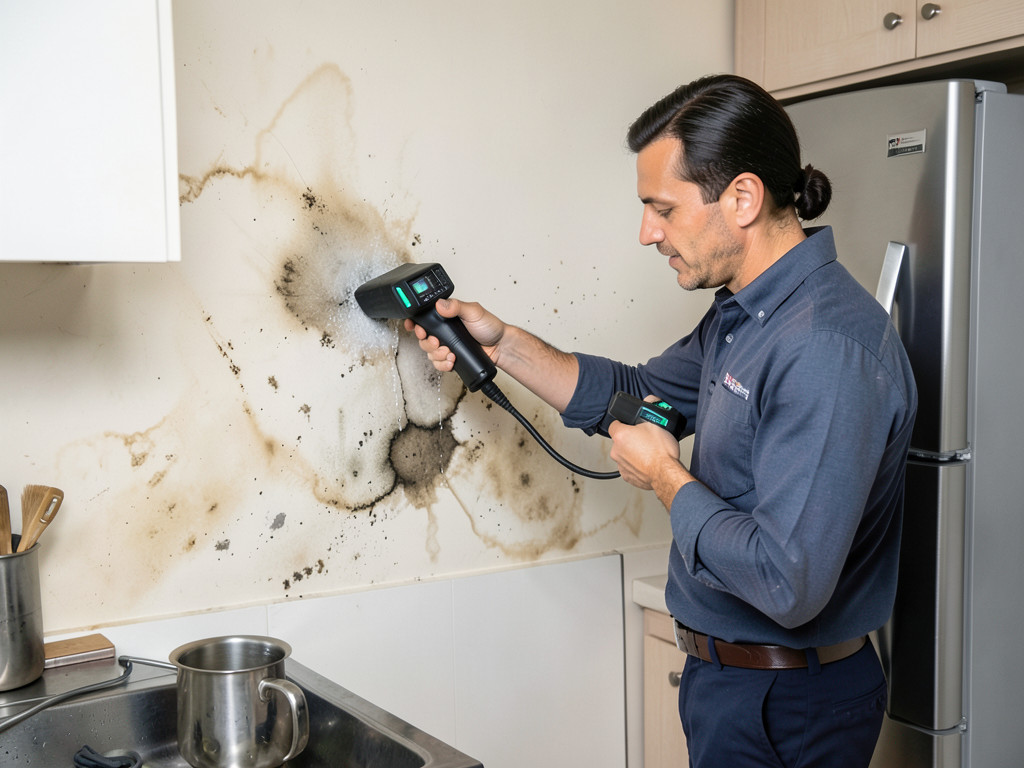
First, we identify the water source. We use thermal imaging cameras to trace moisture paths through your attic. We inspect roof penetrations, plumbing vents, and HVAC drain lines. Orlando homes often have multiple leak points. We find them all before we start removing materials.

Next, we document the extent of saturation. We measure moisture content in your insulation, roof decking, and ceiling joists using calibrated meters. This data tells us how deep the water intrusion goes and whether structural drying is needed. We photograph everything for your insurance claim.

We then perform containment. We seal off the work area with plastic sheeting and negative air pressure. This prevents mold spores from spreading into your living spaces during removal. We use HEPA filtration to capture airborne contaminants.

The removal process is methodical. We bag saturated insulation in heavy-duty plastic and remove it immediately from your property. We do not let it sit in your driveway for days. We also remove and replace any water damaged vapor barriers or attic ventilation baffles.

After removal, we dry the structural components. We place commercial dehumidifiers and air movers in your attic to bring moisture levels below 15 percent. We monitor this process daily with moisture readings. Only when your attic is completely dry do we consider installing new insulation. Rushing this step is the most common mistake homeowners and inexperienced contractors make.

What Happens During Your Soggy Insulation Removal

Soggy Insulation in Orlando | Expert Water Damage Diagnosis and Safe Removal
01

Initial Inspection and Moisture Mapping

We arrive within hours of your call. Our technician enters your attic with thermal imaging equipment and moisture meters. We trace the water intrusion path from the source to the affected insulation. You receive a full moisture map showing every wet area. We explain what caused the problem and what materials need removal. This inspection typically takes 30 to 45 minutes and gives you a clear understanding of the scope before any work begins.
02

Containment and Safe Removal

We seal your attic access with plastic sheeting and set up negative air machines. This creates a vacuum that pulls contaminated air out through HEPA filters. Our team wears full protective equipment and removes all saturated insulation by hand. We bag it immediately and dispose of it off-site the same day. We also remove any damaged vapor barriers or structural materials. The work area stays contained until we complete structural drying. You will not smell or see insulation dust in your living spaces.
03

Structural Drying and Verification

After removal, we place commercial dehumidifiers and air movers in your attic. We monitor moisture levels in your roof decking and joists twice daily. When readings drop below 15 percent and stay stable for 48 hours, we know your structure is dry. We provide you with a final moisture report showing before and after readings. This documentation proves your attic is ready for new insulation and gives your insurance company the data they need to close your claim properly.

Why Orlando Homeowners Choose Reliance Water Damage Restoration Orlando

You need a company that understands how water moves through Orlando homes. We have worked in every neighborhood from Thornton Park to Doctor Phillips. We know which roof styles are prone to wind-driven rain intrusion. We know which HVAC configurations create condensation problems in humid months. That local knowledge saves you time and prevents recurring issues.

We also understand Florida building codes and insurance requirements. When we remove water damaged insulation, we follow IICRC S500 water damage restoration standards. We document every step with photos and moisture readings. Insurance adjusters recognize our reports and process claims faster. You get paid what you are owed without the back-and-forth that drags out for months.

Our team is available 24 hours a day. Water damage does not wait for business hours. When you call (689) 268-2233 at 2 a.m. because your ceiling is dripping, we answer. We arrive with the equipment and expertise to stop the damage immediately. We have crews throughout the Orlando metro area, so response times are measured in minutes, not hours.

We also handle the entire restoration process under one roof. You do not need to coordinate between a water damage company, a mold remediation company, and an insulation installer. We do it all. This integrated approach eliminates finger-pointing and keeps your project on schedule.

Homeowners in Winter Park and Maitland trust us because we treat their homes like our own. We protect your belongings. We clean up our work areas daily. We communicate clearly about timelines and costs. You will never wonder what is happening or when we will be back. That reliability matters when your home is in crisis mode.

What to Expect When You Work With Us

Emergency Response Time

We dispatch a technician to your Orlando property within 60 to 90 minutes of your call. Our trucks carry thermal imaging cameras, moisture meters, and containment equipment. We perform the initial inspection immediately and give you a verbal assessment on-site. If you need emergency water extraction or tarping, we handle that the same day. For scheduled removals, we typically start work within 24 hours. We know that every hour of delay allows mold to establish deeper colonies. Speed is not just convenient. It is necessary to protect your health and limit the scope of damage.

Comprehensive Moisture Assessment

Our inspection goes beyond the obvious wet spots. We check your entire attic for hidden moisture pockets. We inspect roof decking, structural beams, and wall cavities adjacent to the affected area. We use penetrating moisture meters to measure water content below the surface of wood. We map temperature differentials with thermal imaging to identify areas where evaporative cooling indicates moisture. You receive a detailed report with photos, moisture readings, and a scope of work. This assessment takes 30 to 60 minutes depending on the size of your attic and the complexity of your roof structure.

Complete Drying and Clean Removal

We do not leave your attic wet and exposed. After removing saturated insulation, we place commercial-grade dehumidifiers and air movers to dry your structural components. We monitor moisture levels daily and adjust equipment placement as needed. Drying typically takes three to five days, depending on how deeply water penetrated your roof decking. We do not rush this process. When moisture readings stabilize below 15 percent, we remove the equipment and provide final documentation. Your attic is ready for new insulation, and you have proof that the structure is dry for your insurance claim.

Post-Remediation Verification

After we complete structural drying, we perform a final walkthrough with you. We show you the moisture readings that confirm your attic is dry. We explain what caused the water intrusion and what repairs you need to prevent recurrence. If we discovered roof damage, plumbing leaks, or HVAC condensation issues during our work, we document those findings and can coordinate repairs with licensed contractors. You receive a full report package that includes before photos, moisture logs, and after photos. This documentation closes out your insurance claim and gives you peace of mind that the job was done right.

Frequently Asked Questions

You Have Questions,
We Have Answers

Will wet insulation ever dry out? +

Wet insulation rarely dries properly on its own, especially in Orlando's humid climate. High humidity levels prevent complete drying, and trapped moisture creates pockets where mold thrives. Fiberglass insulation may dry partially but loses its R-value and structural integrity once saturated. Cellulose insulation absorbs water like a sponge and clumps together, preventing airflow. Even if the surface feels dry, moisture trapped deep inside continues to cause damage. You need professional extraction and drying equipment to assess whether insulation is salvageable. In most cases, replacement is safer and more cost-effective than attempting to dry saturated material.

Will mold grow in wet insulation? +

Yes, mold grows rapidly in wet insulation. Orlando's warm, humid environment accelerates mold growth once insulation becomes damp. Organic materials in cellulose insulation provide food for mold spores, while fiberglass batts trap moisture and organic dust particles. Spray foam resists mold better but can still harbor growth if water intrudes behind it. Mold spreads quickly through damp insulation, releasing spores into your air supply. You cannot see mold growing inside wall cavities or attic spaces until the problem becomes severe. Professional inspection with moisture meters identifies hidden contamination before it spreads throughout your home.

How long does it take for mold to grow on wet insulation? +

Mold can start growing on wet insulation within 24 to 48 hours in Orlando's climate. High humidity and warm temperatures create ideal conditions for spore germination. The timeline depends on moisture levels, temperature, and organic content in the insulation material. Cellulose insulation grows mold faster than fiberglass because it contains more organic matter. Once mold begins, it spreads exponentially, doubling its colony size every few hours. You have a narrow window to extract water and dry materials before contamination sets in. Quick action within the first day prevents mold growth and saves you from costly remediation.

Does insulation need to be replaced after water damage? +

Most water-damaged insulation requires replacement, not restoration. Saturated fiberglass loses its insulating properties permanently and becomes a mold breeding ground. Cellulose insulation compacts and deteriorates when wet, losing effectiveness even after drying. Spray foam insulation may survive if water exposure was minimal and surface-level only. Orlando's humidity makes proper drying nearly impossible without professional equipment. Contaminated insulation spreads mold spores through HVAC systems, affecting indoor air quality. Insurance typically covers replacement after water damage from covered perils like burst pipes or storm damage. Attempting to salvage soggy insulation costs more long-term than replacement.

How to dry insulation that got wet? +

Drying wet insulation requires professional extraction equipment and assessment. First, identify and stop the water source. Remove standing water with extractors, then use industrial dehumidifiers and air movers to dry the space. Pull back sections of wet insulation to check for saturation depth. Fiberglass batts must be removed if fully soaked. Spray foam may dry with proper airflow if only surface moisture exists. Orlando's ambient humidity fights against drying efforts, making DIY attempts ineffective. Moisture meters confirm when materials reach safe levels below 15 percent. Most situations require removal rather than drying to prevent mold growth.

Can mold grow on blown-in insulation? +

Yes, mold grows on blown-in insulation when moisture is present. Cellulose blown-in insulation contains organic paper fibers that feed mold colonies. Fiberglass blown-in material resists mold better but traps moisture and organic debris that support growth. Orlando attics frequently experience condensation from AC ducts and roof leaks, creating damp conditions. Blown-in insulation settles into tight spaces where airflow is restricted, preventing proper drying. You cannot visually inspect blown-in material without disturbing it. Musty odors and discoloration on ceiling drywall indicate contamination below. Professional remediation requires removing and replacing affected sections to eliminate spore colonies.

Why is it hard to sell a house with spray foam insulation? +

Spray foam insulation raises buyer concerns due to installation quality issues and removal difficulty. Improper installation creates moisture traps behind the foam, leading to hidden rot and mold. Buyers fear costly remediation if problems exist. Lenders sometimes hesitate on homes with spray foam because appraisers cannot inspect wall cavities for structural damage. Orlando's older homes with spray foam retrofits may have ventilation problems or trapped humidity. Buyers worry about future remodeling costs since foam bonds permanently to framing. Professional installation with proper vapor barriers and building science principles addresses these concerns, but perception remains a sales hurdle.

Can you get sick from moldy insulation? +

Yes, moldy insulation causes serious health problems. Mold spores and mycotoxins circulate through HVAC systems, affecting every room. You may experience respiratory issues, chronic coughing, sinus infections, and headaches. Orlando residents with allergies or asthma face heightened symptoms when mold contamination spreads. Long-term exposure leads to chronic inflammatory response syndrome in sensitive individuals. Children and elderly people are most vulnerable to mold-related illness. Symptoms often improve when you leave the house and worsen upon return, indicating indoor air quality problems. Professional mold remediation and insulation replacement restore safe living conditions and eliminate health risks.

How do Japanese bathrooms not get mold? +

Japanese bathrooms resist mold through superior ventilation, materials, and design principles. Most feature powerful exhaust fans that run continuously, preventing humidity buildup. Walls use mold-resistant panels instead of drywall, and floors have proper drainage slopes. Japanese building codes require ventilation rates higher than U.S. standards. They also maintain lower ambient humidity through whole-home dehumidification systems. Orlando bathrooms struggle with mold because builders often install undersized exhaust fans and poor waterproofing. Adopting Japanese design principles means upgrading ventilation, using water-resistant materials, and maintaining aggressive humidity control. Cultural cleaning habits also play a role in mold prevention.

What are the first signs of mold sickness? +

First signs of mold sickness include persistent sinus congestion, watery eyes, and throat irritation. You may experience frequent headaches that improve when you leave your home. Brain fog, difficulty concentrating, and fatigue are early cognitive symptoms. Skin rashes or unexplained itching appear without other causes. Respiratory symptoms like wheezing, coughing, or shortness of breath worsen over time. Orlando residents often mistake mold symptoms for seasonal allergies due to high pollen counts. Symptoms that persist year-round despite allergy medication indicate indoor air quality problems. If multiple household members experience similar symptoms, inspect for hidden mold in insulation and wall cavities.

How Orlando's Humidity and Storm Patterns Accelerate Insulation Damage

Orlando sits in the center of the Florida peninsula. Afternoon thunderstorms form over Lake Apopka and Lake Tohopekaliga, then converge over the metro area. These storms drop heavy rain in short bursts. Your roof takes a beating. Small flashing failures around vents and chimneys let water in. Because our humidity stays high year-round, that water does not dry out. It saturates your attic insulation and creates mold within 48 hours. Homes in low-lying areas near Conway and Azalea Park face additional risk from poor attic ventilation, which traps moisture even when there is no active leak.

We have worked in Orlando's residential and commercial properties for years. We understand how the local climate affects building materials. We know which insulation types hold moisture longest and which dry faster. We also know how to work with insurance adjusters who serve Central Florida. Our reports follow the documentation standards they expect, which speeds up your claim approval. When you choose a local water damage restoration company, you get a team that has seen every type of insulation failure common to Orlando homes. We diagnose problems faster and fix them right the first time.
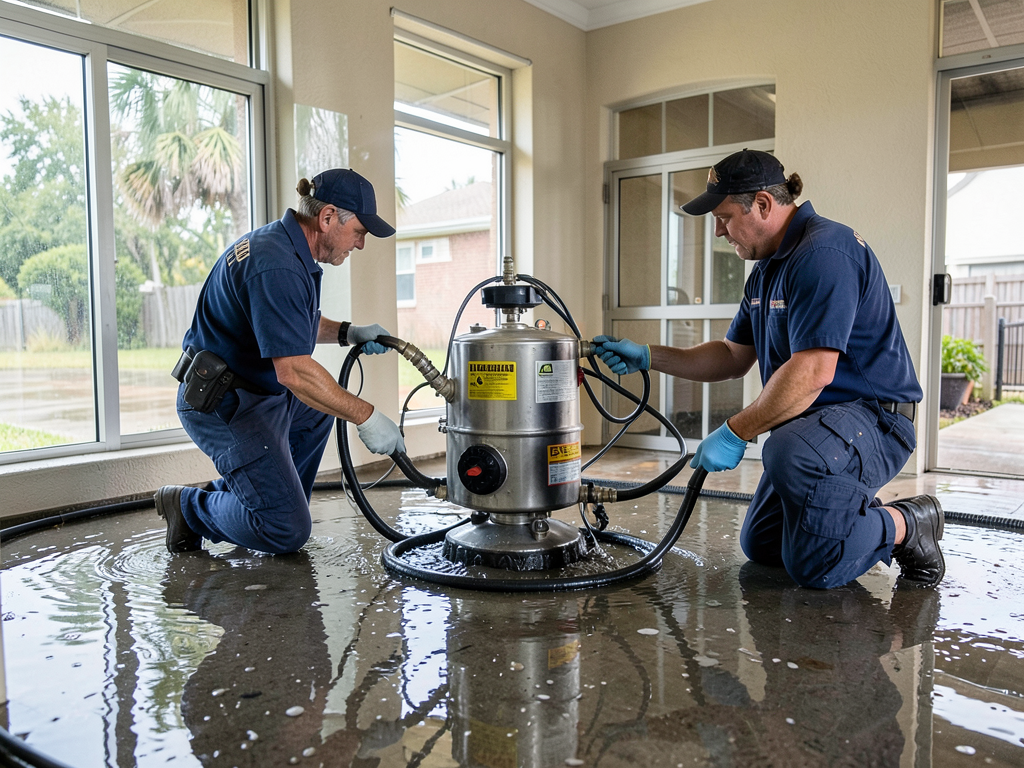
Water Damage Restoration Services in The Orlanado Area

Looking for fast and reliable water damage restoration in your area? Reliance Water Damage Restoration Orlando proudly serves homes and businesses throughout Orlando and surrounding communities. Whether you're dealing with flood damage, burst pipes, or mold issues, our expert team is ready to respond 24/7. We use industry-leading equipment to extract water, dry structures, and restore your property to pre-loss condition. Check the map below to see if we service your neighborhood, or call now for immediate help.

Address:
Reliance Water Damage Restoration Orlando, 7380 W Sand Lake Rd Suite 500, Orlando, FL, 32819

Additional Services We Offer

Our news updates

Latest Articles & News from The Blogs

Lorem ipsum dolor sit amet. Aut expedita quaerat quo eligendi numquam et laudantium perspiciatis qui minima expedita rem consequatur ducimus.…

Test Blog 4

Lorem ipsum dolor sit amet. Aut expedita quaerat quo eligendi numquam et laudantium perspiciatis qui minima expedita rem consequatur ducimus.…

Test Blog 3

Lorem ipsum dolor sit amet. Aut expedita quaerat quo eligendi numquam et laudantium perspiciatis qui minima expedita rem consequatur ducimus.…

Test Blog 2

Lorem ipsum dolor sit amet. Aut expedita quaerat quo eligendi numquam et laudantium perspiciatis qui minima expedita rem consequatur ducimus.…

Contact Us

Wet insulation will not dry on its own. Call Reliance Water Damage Restoration Orlando now at (689) 268-2233. We dispatch a crew immediately to inspect your attic, remove saturated materials, and dry your structure before mold spreads. Do not wait. Every hour matters.