Menu

Efflorescence on Concrete in Orlando – Expert Diagnosis and Permanent Moisture Solutions

Get a professional assessment of white powder on concrete and mineral salt deposits, plus targeted water damage repair to stop crystalline buildup at the source before it compromises your foundation or slab.

Slider Image 1
Slider Image 2
Slider Image 3
Slider Image 4
Slider Image 5
Slider Image 7
Slider Image 8
Slider Image 9
Slider Image 10
Slider Image 11

Why Orlando Concrete Develops White Powder and Salt Deposits

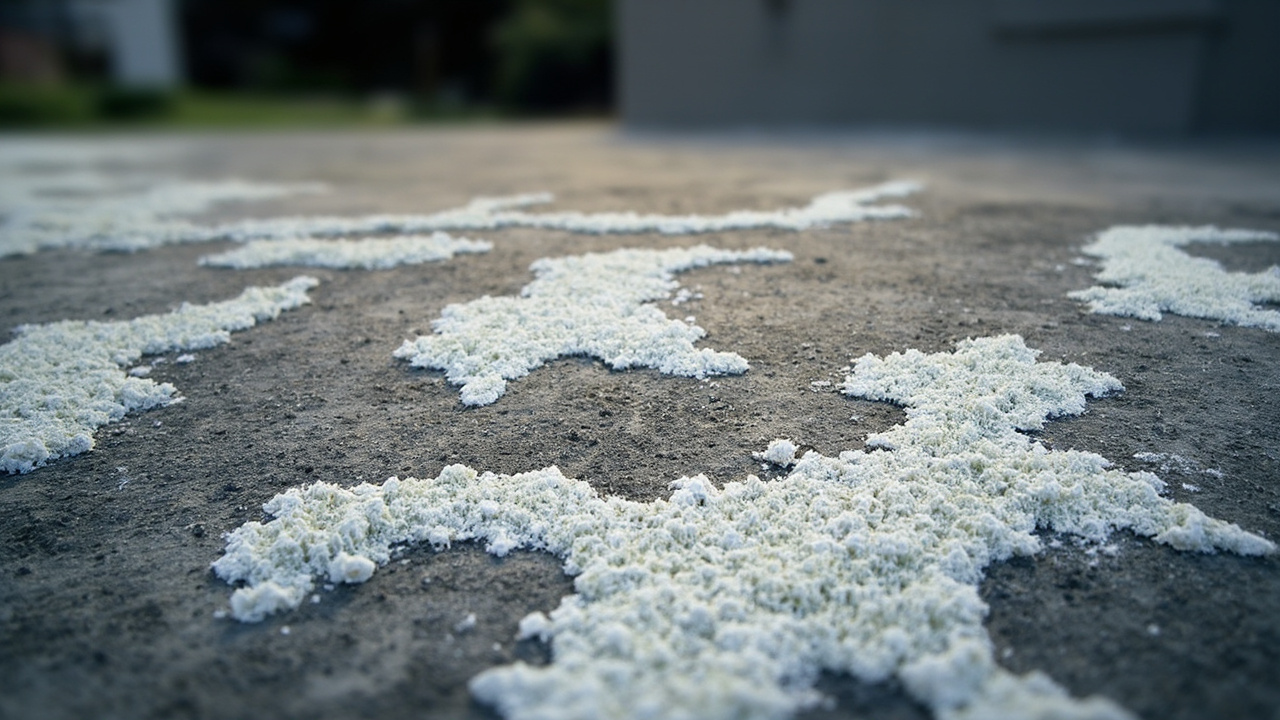
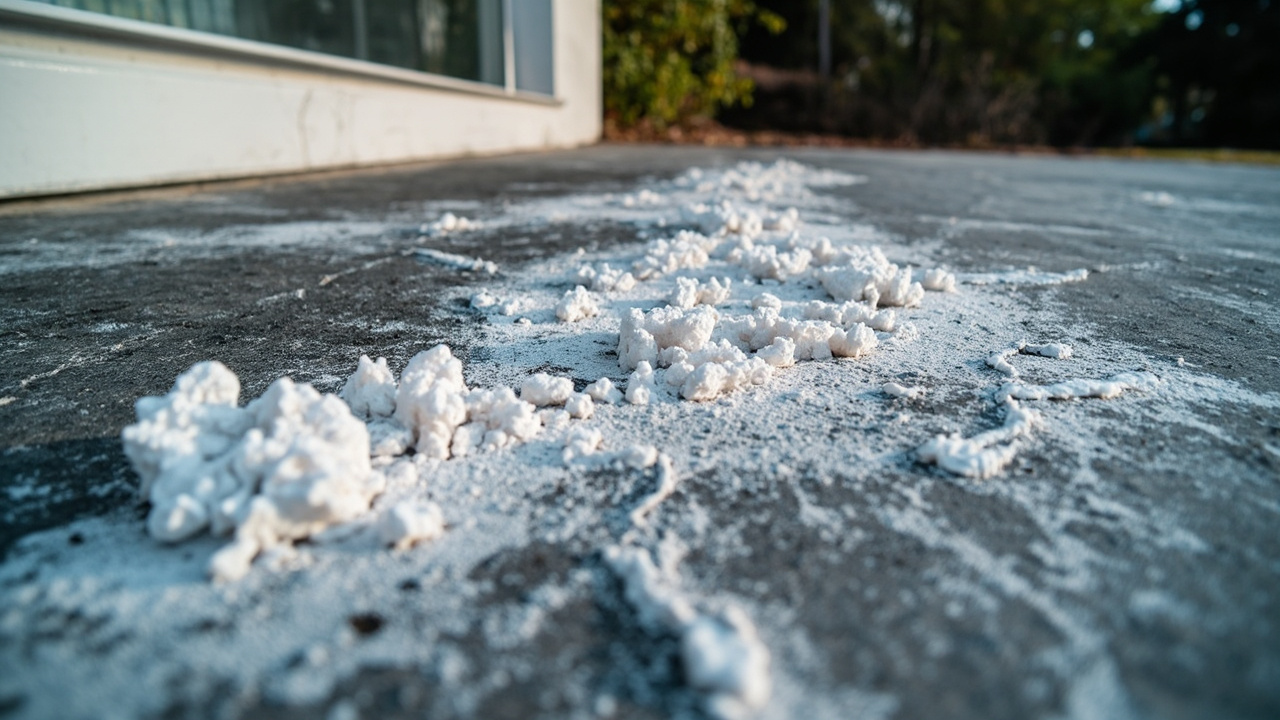
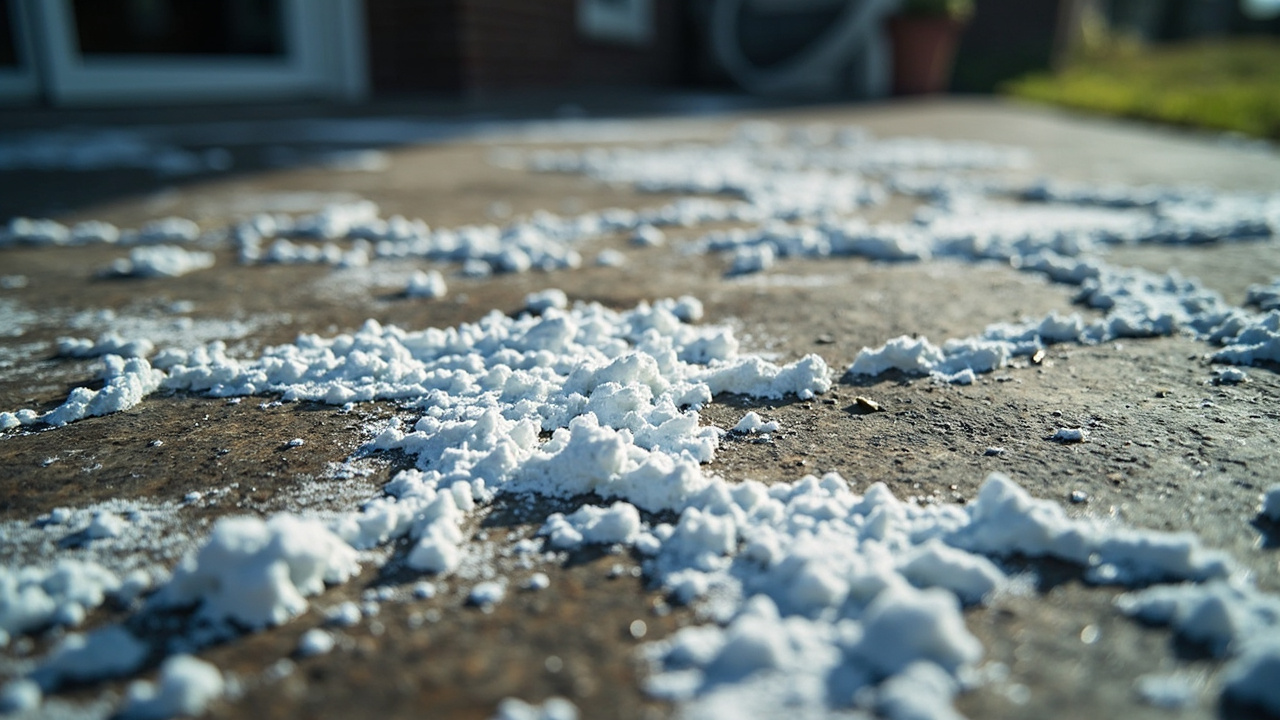
You notice white powder on concrete in your garage, patio, or basement floor. It looks like frost, but it does not wipe away easily. This is efflorescence, a crystalline deposit of mineral salts pushed to the surface when water moves through your concrete slab.

Orlando's high water table and frequent summer downpours make this problem worse. The city sits on porous limestone and sand, which means groundwater migrates easily. When water seeps through your concrete foundation or slab, it dissolves salts from the concrete itself or the soil beneath. As the water evaporates at the surface, it leaves behind white residue on concrete that you cannot scrub off permanently.

Concrete salt deposits are not just cosmetic. They signal active moisture intrusion. If you see mineral salts on concrete, you have water moving through your slab. That water can corrode rebar, weaken the concrete matrix, and create conditions for mold growth on adjacent materials. In Orlando, homes built on reclaimed wetlands or near Lake Eola, Lake Conway, or the Little Eola Creek basin face higher risk due to seasonal water table fluctuations.

Efflorescence appears most often after heavy rain or when irrigation systems over-saturate the soil around your foundation. You may also see it in commercial buildings with poor drainage or where downspouts dump water too close to the slab. The crystalline deposits on concrete are the visible symptom. The real problem is the moisture source driving the process. If you ignore it, you will see repeated buildup, spalling concrete, and structural damage over time.

Why Orlando Concrete Develops White Powder and Salt Deposits
How We Stop Efflorescence and Fix the Moisture Source

How We Stop Efflorescence and Fix the Moisture Source

Efflorescence does not go away with surface cleaning. You can pressure wash the white powder off today, and it will return next week if the moisture source remains active. Reliance Water Damage Restoration Orlando targets the cause, not the symptom.

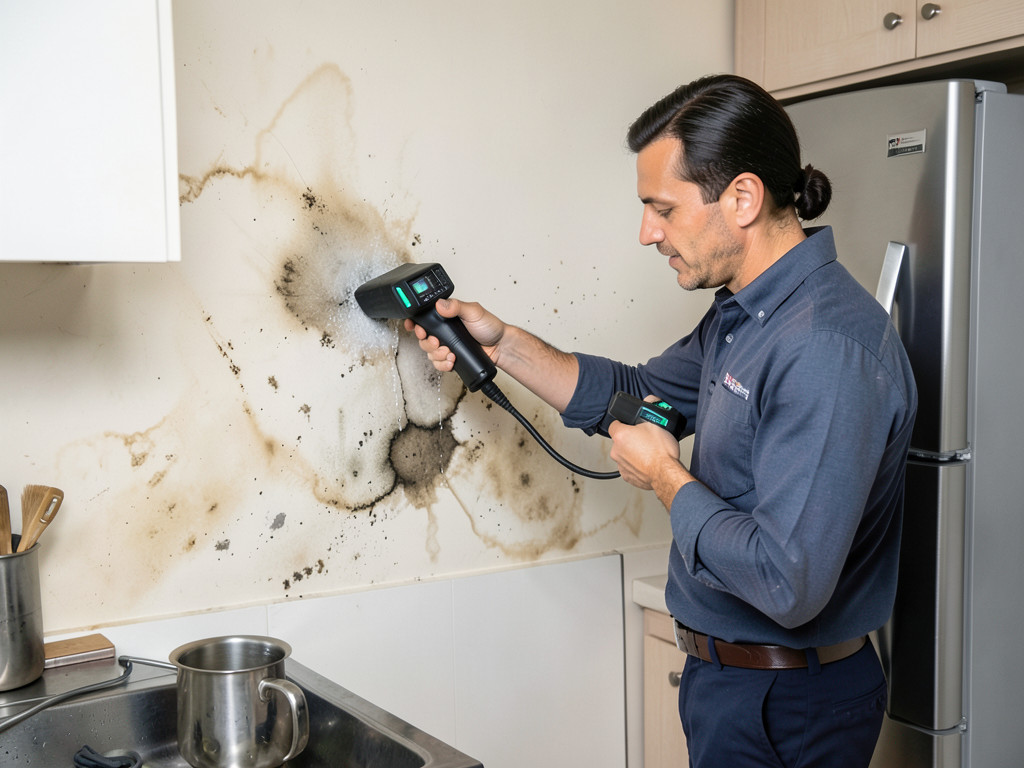
We start with moisture mapping using infrared thermal cameras and non-invasive moisture meters. We identify where water is entering the slab, whether through hydrostatic pressure from below, lateral intrusion from poor grading, or capillary action from saturated soil. In Orlando, we often find that French drains are clogged with sand and organic debris, or that slab vapor barriers were never installed during original construction in older neighborhoods like Colonialtown or Audubon Park.

Once we locate the moisture source, we implement targeted waterproofing. This may include exterior foundation drainage correction, interior slab sealing with penetrating silicate sealers, or installation of a capillary break membrane. For crawl spaces common in older Orlando homes, we install vapor barriers and ensure proper ventilation or encapsulation depending on the severity of groundwater intrusion.

We also assess whether the concrete itself is compromised. If efflorescence has led to spalling or surface delamination, we remove damaged material and apply a bonded overlay or resurfacing compound rated for high-moisture environments. This is critical in commercial settings where slab integrity affects equipment placement and liability.

After we address the moisture intrusion, we treat the concrete surface with a mild acidic cleaner to dissolve remaining salt deposits, then seal the slab with a breathable, water-repellent coating. This prevents future salt migration without trapping moisture inside the concrete, which would cause new problems.

What Happens When You Call Us About Efflorescence

Efflorescence on Concrete in Orlando – Expert Diagnosis and Permanent Moisture Solutions
01

Moisture Intrusion Assessment

We arrive with thermal imaging and moisture detection equipment to map where water is entering your slab. This is not guesswork. We measure moisture gradients through the concrete to determine if you have rising damp from groundwater, lateral seepage from poor drainage, or condensation from HVAC duct leaks. In Orlando, we check for sandy backfill that channels rainwater directly to your foundation. You get a written report with moisture readings and photos before any work begins.
02

Drainage and Waterproofing Correction

We fix the water problem at the source. This may involve regrading soil away from your foundation, clearing clogged perimeter drains, or installing a sump pump system if you have chronic water table issues. For slabs with no vapor barrier, we apply a topical penetrating sealer that blocks capillary moisture without creating a surface film that can peel. If you have a crawl space, we install reinforced polyethylene vapor barriers and ensure vents are properly sized for Florida humidity levels.
03

Surface Restoration and Sealing

Once the moisture source is controlled, we clean existing efflorescence with a diluted muriatic acid solution, neutralize the surface, and apply a breathable siloxane or silane sealer. This sealer repels liquid water but allows water vapor to escape, which prevents blistering and ensures the concrete can dry properly. You will not see white powder return because the moisture pathway is blocked. We provide maintenance recommendations to keep your drainage systems functioning and your concrete dry long-term.

Why Orlando Property Owners Trust Us With Efflorescence Problems

Efflorescence is a diagnostic indicator, not just a cleaning job. Many contractors will pressure wash your slab and walk away. That approach fails because it does not address the moisture intrusion driving the salt deposits. Reliance Water Damage Restoration Orlando specializes in water damage forensics. We understand how Orlando's geology, climate, and building practices create conditions for efflorescence.

Orlando homes built before 1990 often lack adequate vapor barriers under slabs. Newer homes in areas like Lake Nona or Avalon Park sometimes have drainage issues caused by rapid development and poor lot grading. We have worked on both historic bungalows in College Park and modern commercial properties near the Dr. Phillips Center. We know that efflorescence in a downtown Orlando high-rise is a different problem than efflorescence in a Winter Park single-family home on a spring-fed lot.

We also understand Florida Building Code requirements for moisture control in habitable spaces. If you are dealing with efflorescence in a finished basement or ground-level commercial space, we ensure our repairs meet code for vapor retarders and waterproofing membranes. This matters for insurance claims, resale value, and liability protection.

Our team is trained in moisture science, not just surface treatments. We use calibrated instruments, not visual inspection. We document baseline moisture levels and retest after remediation to confirm success. You receive a detailed report that shows before and after moisture readings, photos of the work performed, and recommendations for ongoing maintenance.

We also work directly with insurance adjusters when efflorescence is tied to a covered water damage event, such as a plumbing leak or storm intrusion. We provide the documentation needed to support your claim and ensure you get fair compensation for both the visible damage and the underlying moisture problem.

What You Can Expect When We Address Your Efflorescence Problem

Response Time and Scheduling

We schedule inspections within 24 to 48 hours of your call. Efflorescence is not an emergency like a burst pipe, but the moisture causing it can lead to urgent problems if left unaddressed. Our inspection typically takes one to two hours depending on the size of the affected area and complexity of the moisture source. If we find active water intrusion, we can begin mitigation immediately to prevent further damage. For straightforward cases, we complete drainage correction and sealing within three to five business days. Larger projects involving crawl space encapsulation or exterior foundation work may take one to two weeks.

Diagnostic Process and Reporting

Our diagnostic process includes visual inspection, moisture meter readings at multiple depths, and thermal imaging to detect hidden water pathways. We test for alkalinity and salt concentration in the efflorescence deposits to determine whether the salts are coming from the concrete itself or the soil. This tells us how long the moisture problem has been active. You receive a written report with findings, moisture maps, and a scope of work before we begin repairs. We explain each step in plain language so you understand what we are fixing and why. If insurance is involved, we provide documentation in the format your adjuster requires.

Quality of Work and Materials

We use commercial-grade waterproofing products rated for Florida's climate. Our sealers are vapor-permeable, which means they block liquid water but allow the concrete to breathe. This prevents future efflorescence without trapping moisture that could cause spalling or delamination. For drainage work, we install perforated pipe in washed gravel beds, not the cheap corrugated pipe that clogs with sand. When we apply surface treatments, we follow manufacturer specifications for surface preparation, mixing ratios, and cure times. You get a finished slab that is clean, sealed, and protected from future moisture intrusion. We do not cut corners or use products designed for other climates.

Maintenance and Long-Term Prevention

After we complete the work, we provide a maintenance guide specific to your property. This includes gutter and downspout maintenance schedules, irrigation system adjustments to prevent over-saturation, and seasonal drainage checks. We recommend annual moisture testing if you have a history of groundwater issues or if your property is in a flood zone. If you see efflorescence return, we will retest at no charge to determine if a new moisture source has developed or if the original repair needs adjustment. Most of our clients never see efflorescence again once we address the root cause, but Orlando's weather can create new challenges over time.

Frequently Asked Questions

You Have Questions,
We Have Answers

Is efflorescence on concrete a problem? +

Efflorescence itself is not structurally dangerous. It is a cosmetic issue caused by salt deposits migrating through concrete. The real problem is what it signals: moisture intrusion. In Orlando's high humidity and frequent rainstorms, efflorescence often indicates poor drainage, foundation cracks, or water seeping through your slab. If left unchecked, that moisture can lead to mold growth, spalling concrete, or foundation settling. You should investigate the source. Efflorescence is your concrete's way of telling you water is moving where it should not be.

How to fix efflorescence in concrete? +

Start by identifying and stopping the water source. Check grading around your foundation, inspect gutters, and seal visible cracks. Once dry, remove surface efflorescence with a stiff brush and water. For stubborn deposits, use a diluted white vinegar solution or a masonry cleaner. Rinse thoroughly. In Orlando's humid climate, improving ventilation in crawl spaces or basements helps prevent recurrence. If efflorescence keeps returning, you have an ongoing moisture problem that requires professional waterproofing or foundation repair. Do not just clean and ignore the root cause.

Should efflorescence be removed? +

Yes. Removing efflorescence prevents buildup that can trap moisture against the concrete surface and accelerate deterioration. While the salt crystals themselves are harmless, they indicate active moisture movement. In Orlando, where humidity stays high year-round, efflorescence can return quickly if the underlying water issue persists. Removal also lets you apply sealers or waterproofing treatments effectively. Cleaning is simple with a brush and water or mild acid cleaner. But remember, removal is temporary. You must fix the moisture source to stop it from coming back.

Can you seal concrete over efflorescence? +

No. Sealing over efflorescence traps moisture and salts beneath the surface, which causes the sealer to fail, peel, or bubble. You must remove all visible efflorescence and let the concrete dry completely before applying any sealer. In Orlando's humid environment, this can take longer than expected. Test for dryness by taping plastic sheeting to the surface overnight. If condensation forms underneath, the concrete is still releasing moisture. Only seal after the surface is clean, dry, and the water source has been addressed. Otherwise, you waste money.

How do professionals remove efflorescence? +

Professionals start with moisture diagnostics to find the source. They use thermal imaging or moisture meters to trace water intrusion paths. Surface efflorescence is removed with specialized masonry cleaners or light abrasive methods. If the problem is chronic, pros apply waterproofing membranes, install drainage systems, or repair foundation cracks using polyurethane injection. In Orlando, where ground moisture and rain are constant factors, permanent fixes often involve exterior waterproofing or improving site drainage. Professionals do not just clean the white crust. They stop the water that caused it.

Should I worry about efflorescence? +

Worry about the cause, not the efflorescence itself. The white crystals are cosmetic. The moisture causing them is the real concern. In Orlando, persistent efflorescence can signal foundation cracks, poor grading, or groundwater infiltration. If you see it spreading, appearing indoors, or accompanied by musty odors or visible mold, act quickly. Moisture leads to structural damage, wood rot, and health risks. A one-time appearance after new concrete cures is normal. Recurring efflorescence means you have an active water problem that requires investigation and repair.

Does efflorescence indicate water damage? +

Yes. Efflorescence proves water moved through the concrete, dissolving salts and carrying them to the surface. It is a visible marker of moisture intrusion. In Orlando, this can result from heavy rains, poor drainage, high water tables, or foundation cracks. The water itself causes the damage, not the salt deposits. If you see efflorescence on basement walls, garage floors, or exterior slabs, investigate immediately. Check for cracks, test soil grading, and inspect gutters. Efflorescence is your early warning system. Do not ignore it.

Why is my concrete turning white? +

Your concrete is turning white because of efflorescence. Water moves through the concrete, dissolves mineral salts, and evaporates at the surface, leaving white crystalline deposits. In Orlando, this happens frequently due to high humidity, summer storms, and shallow water tables. New concrete can effloresce as it cures, which is normal. But if it appears on older concrete, you have a moisture problem. Check for foundation cracks, poor drainage, or leaking gutters. The white staining is harmless, but the water causing it can damage your foundation over time.

Should I buy a house with efflorescence? +

It depends on the severity and location. Minor efflorescence on exterior concrete is common in Orlando and usually manageable. But if you see it on basement walls, crawl spaces, or accompanied by cracks, musty smells, or standing water, that signals serious moisture issues. Get a professional foundation inspection before closing. Ask about drainage, grading, and waterproofing history. Factor repair costs into your offer. Efflorescence itself is fixable, but chronic water intrusion can lead to expensive foundation work, mold remediation, and structural damage. Do not buy blind.

How much does it cost to fix efflorescence? +

Cleaning surface efflorescence costs little, often under $100 for DIY supplies. Professional cleaning runs $200 to $500 depending on square footage. But if you need to fix the underlying water problem, costs vary widely. Repairing foundation cracks, installing drainage systems, or waterproofing basements can range from $1,000 to $10,000 or more in Orlando. The price depends on the source, severity, and access. Get multiple inspections and quotes. Remember, cleaning efflorescence without stopping the water is throwing money away. Fix the cause first.

How Orlando's Limestone Substrate and Seasonal Flooding Drive Efflorescence

Orlando sits on the Floridan Aquifer, a porous limestone formation that holds vast amounts of groundwater. During the summer rainy season, the water table rises significantly, sometimes within two feet of the surface in low-lying areas near Lake Underhill or the Econlockhatchee River basin. This rising water table exerts hydrostatic pressure on concrete slabs, forcing mineral-rich groundwater through capillary pores in the concrete. The salts dissolved in that water, primarily calcium carbonate and magnesium sulfate, crystallize as efflorescence when the water evaporates. Homes in neighborhoods like Baldwin Park, built on reclaimed wetlands, face this problem more frequently than homes on higher ground near Winter Park or Maitland.

Many Orlando contractors treat efflorescence as a cosmetic issue, but water damage restoration professionals know it signals structural risk. Reliance Water Damage Restoration Orlando follows Florida Building Code standards for moisture control in habitable spaces, including vapor barrier installation and perimeter drainage design. We work with local structural engineers when efflorescence coincides with foundation settlement or cracking, which can happen in areas with poorly compacted fill or organic soils. Our reputation in the Orlando metro comes from solving problems correctly the first time, not applying temporary fixes that fail after the next tropical storm rolls through.
Water Damage Restoration Services in The Orlanado Area

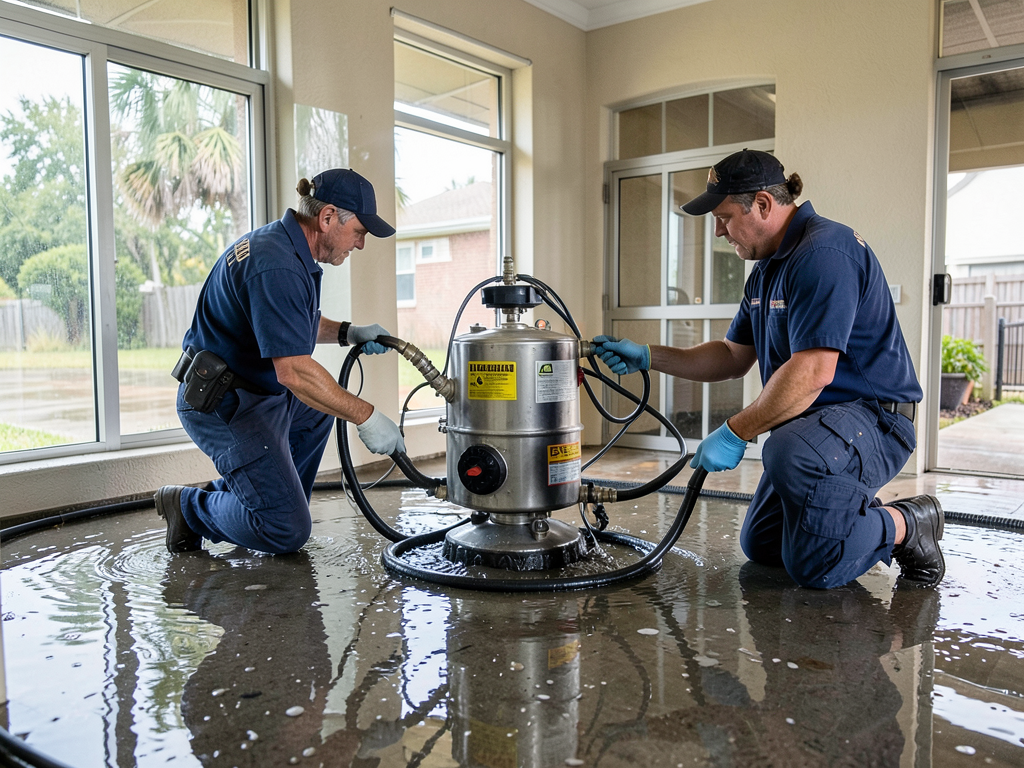
Looking for fast and reliable water damage restoration in your area? Reliance Water Damage Restoration Orlando proudly serves homes and businesses throughout Orlando and surrounding communities. Whether you're dealing with flood damage, burst pipes, or mold issues, our expert team is ready to respond 24/7. We use industry-leading equipment to extract water, dry structures, and restore your property to pre-loss condition. Check the map below to see if we service your neighborhood, or call now for immediate help.

Address:
Reliance Water Damage Restoration Orlando, 7380 W Sand Lake Rd Suite 500, Orlando, FL, 32819

Additional Services We Offer

Our news updates

Latest Articles & News from The Blogs

Lorem ipsum dolor sit amet. Aut expedita quaerat quo eligendi numquam et laudantium perspiciatis qui minima expedita rem consequatur ducimus.…

Test Blog 4

Lorem ipsum dolor sit amet. Aut expedita quaerat quo eligendi numquam et laudantium perspiciatis qui minima expedita rem consequatur ducimus.…

Test Blog 3

Lorem ipsum dolor sit amet. Aut expedita quaerat quo eligendi numquam et laudantium perspiciatis qui minima expedita rem consequatur ducimus.…

Test Blog 2

Lorem ipsum dolor sit amet. Aut expedita quaerat quo eligendi numquam et laudantium perspiciatis qui minima expedita rem consequatur ducimus.…

Contact Us

White powder on your concrete means water is moving through your slab right now. Call Reliance Water Damage Restoration Orlando at (689) 268-2233 for a moisture assessment and permanent repair plan. We fix the cause, not just the symptom.