
Menu

How to Handle Insurance Claims in Orlando – Expert Water Damage Claims Support That Gets You Paid Faster

Navigate the water damage insurance claim process with confidence using our proven documentation methods, direct insurance carrier communication, and claims advocacy that has helped hundreds of Orlando homeowners and businesses maximize their water restoration claim payouts.

Slider Image 1
Slider Image 2
Slider Image 3
Slider Image 4
Slider Image 5
Slider Image 7
Slider Image 8
Slider Image 9
Slider Image 10
Slider Image 11

Why Orlando Water Damage Claims Get Denied or Underpaid

Insurance carriers scrutinize water damage claims in Orlando more aggressively than almost anywhere in Florida. The reason is simple. Central Florida's subtropical climate, intense afternoon thunderstorms, and aging plumbing infrastructure create thousands of claims annually. Insurers know homeowners often lack proper documentation, miss critical deadlines, or fail to distinguish between sudden accidental damage and gradual deterioration.

Filing a water damage claim sounds straightforward until you hit the fine print. Was the pipe failure sudden or did it leak for weeks? Did you report it within the policy's notification window? Do you have itemized damage lists, moisture readings, and photographic evidence from the initial loss? Without this documentation, adjusters minimize payouts or deny claims outright.

Orlando's high humidity compounds the problem. What starts as a small leak can trigger secondary mold growth within 48 hours. Adjusters often argue that mold remediation falls outside coverage because you failed to mitigate promptly. They will use moisture meter readings against you if you cannot prove the timeline.

Navigating water restoration claims requires understanding policy language, Actual Cash Value versus Replacement Cost endorsements, and the difference between covered perils and exclusions. Most homeowners discover these distinctions only after their claim is underpaid. The water damage insurance claim process is adversarial by design. Carriers profit when they pay less. You need someone who speaks their language and documents every detail from the moment water touches your property.

Why Orlando Water Damage Claims Get Denied or Underpaid
How Professional Documentation Protects Your Claim Value

How Professional Documentation Protects Your Claim Value

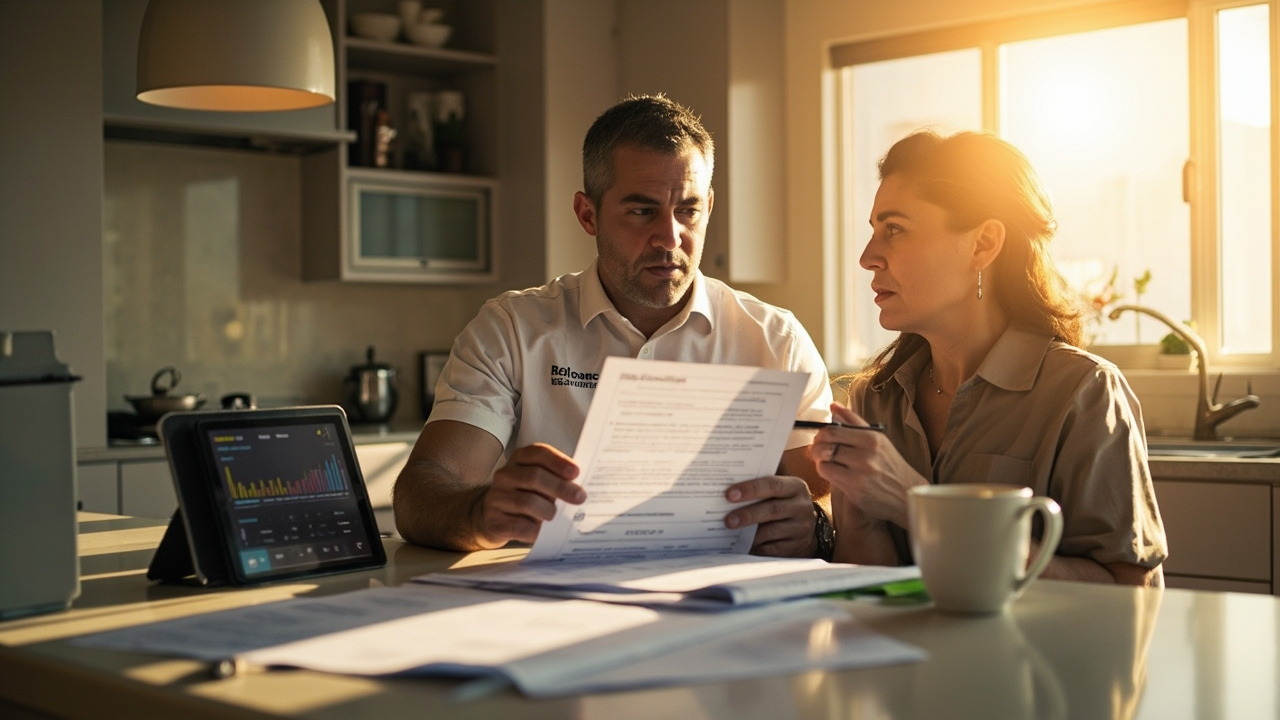
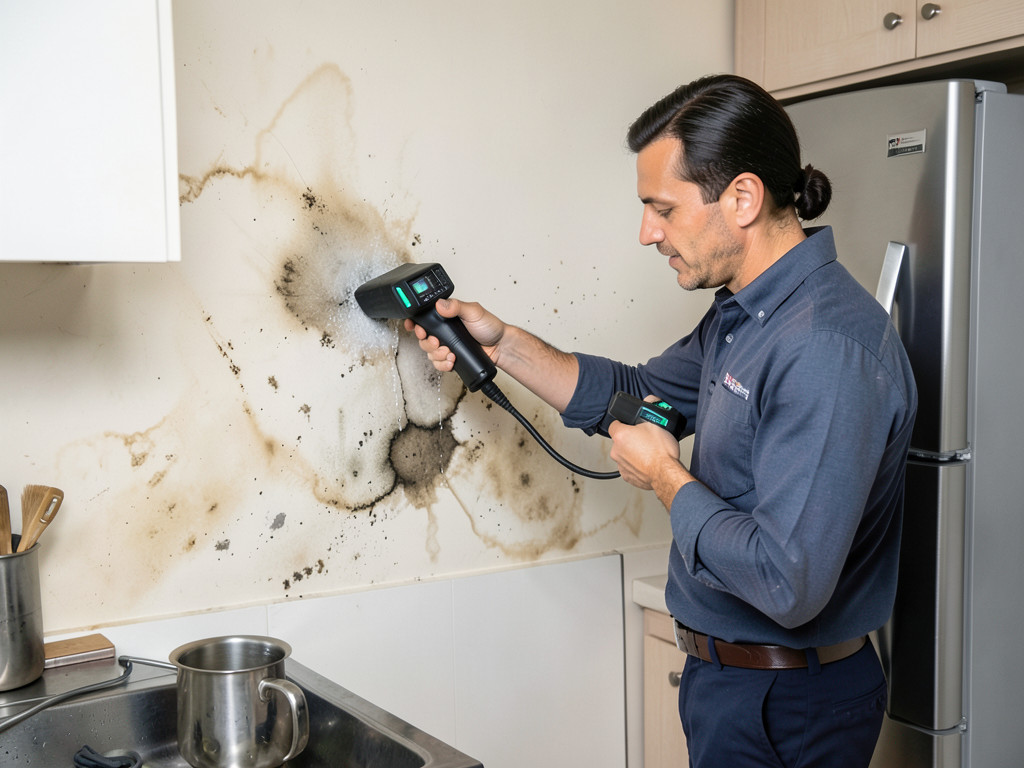
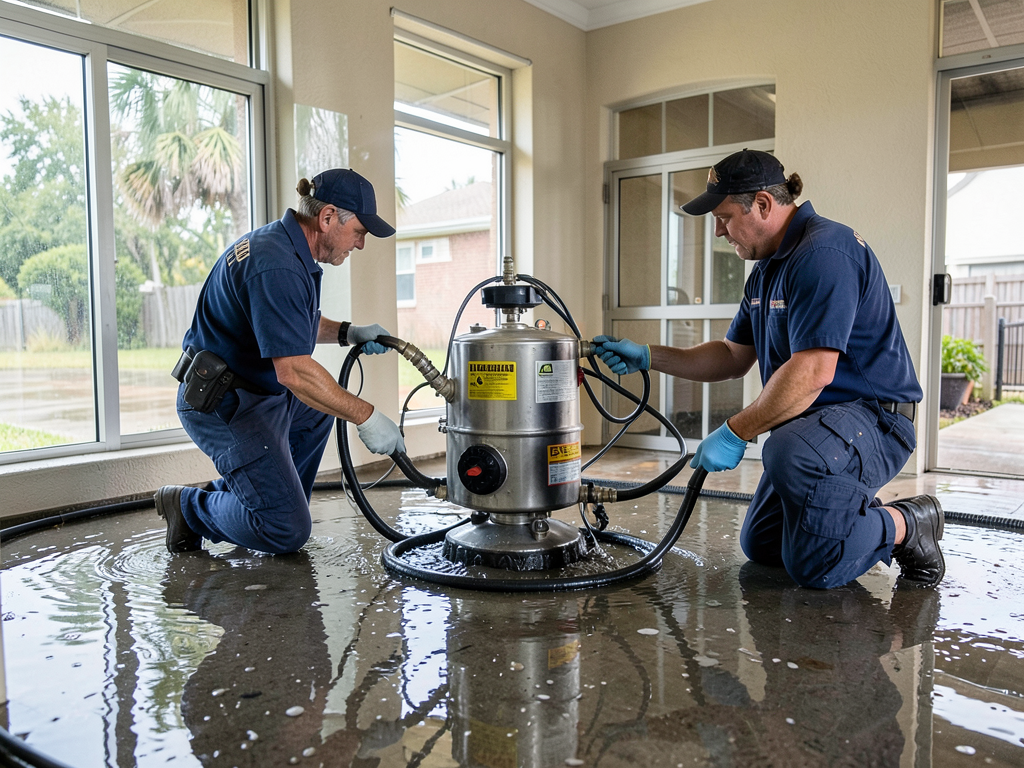
Managing water mitigation claims starts the second you call for help. Reliance Water Damage Restoration Orlando deploys with thermal imaging cameras, moisture meters, and detailed loss documentation protocols that insurance adjusters recognize and respect. We photograph every affected surface, log moisture content readings in real time, and create floor plans showing the water migration path. This is not for our benefit. It is for yours.

Adjusters rely on forensic evidence to determine cause and scope. If you cannot prove the water heater failed suddenly and flooded your home in minutes, they will argue it leaked slowly and your negligence caused the damage. We extract water, place drying equipment, and simultaneously build your evidence file. Psychrometric readings, daily moisture logs, and infrared scans create an unimpeachable timeline.

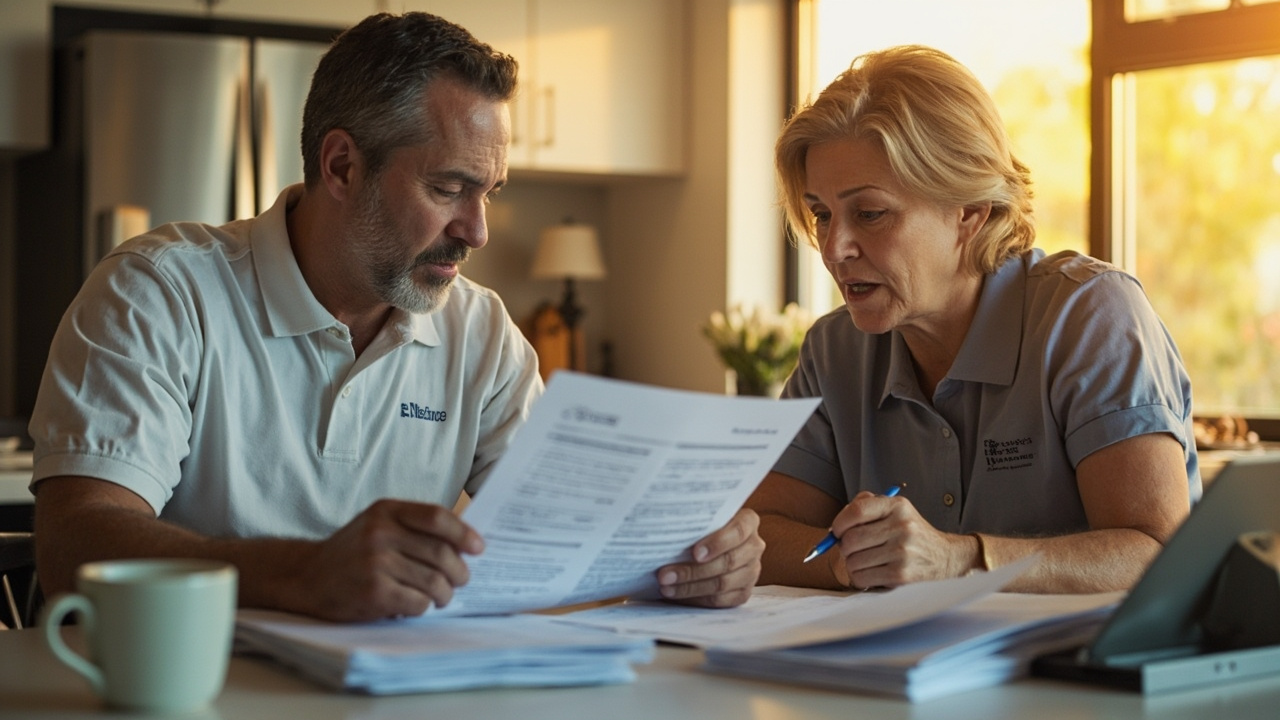
We communicate directly with your insurance carrier using Xactimate estimating software, the same platform adjusters use to value losses. This eliminates the discrepancies that often arise when contractors submit handwritten estimates. Our line-item breakdowns match insurance industry standards, reducing disputes over labor rates, material costs, and scope.

Tips for water damage insurance claims often miss the most important factor: immediate professional mitigation stops the loss from expanding. Insurers are obligated to cover reasonable mitigation costs even before approving the full claim. We invoice mitigation separately, ensuring you get paid for emergency services while the larger structural repairs move through underwriting. This approach keeps your out-of-pocket costs near zero and prevents claim abandonment due to cash flow problems.

Your Water Damage Claim Support Process

How to Handle Insurance Claims in Orlando – Expert Water Damage Claims Support That Gets You Paid Faster
01

Emergency Contact and Documentation

When you call, we dispatch immediately and notify your insurance carrier within the first hour. Our technicians photograph the loss scene before touching anything, capture moisture readings on all affected materials, and document the water source. This creates the evidence baseline your adjuster needs. We provide you with a detailed loss inventory and timeline summary before leaving the first day.
02

Mitigation and Adjuster Coordination

We execute water extraction, structural drying, and antimicrobial treatment while maintaining daily communication with your assigned adjuster. Our project managers provide moisture logs, equipment placement diagrams, and psychrometric data that prove we followed IICRC S500 standards. This documentation eliminates disputes over whether mitigation was necessary or excessive. You receive copies of everything we send to the carrier.
03

Estimate Reconciliation and Payment

After mitigation, we prepare a detailed Xactimate estimate for structural repairs and coordinate the scope review with your adjuster. If the initial settlement is too low, we provide supplemental documentation and reinspection requests. Our goal is full Replacement Cost Value payment, not Actual Cash Value. We walk you through depreciation recoverable amounts and ensure you understand every line item before signing any release.

Why Orlando Properties Need Local Claims Expertise

Orlando's construction styles and weather patterns create claim challenges that out-of-town restoration companies miss. Homes built before 1995 often have polybutylene piping, which insurers treat differently than PEX or copper failures. Properties in neighborhoods like College Park or Thornton Park feature plaster walls and hardwood floors that require specialized drying protocols. Generic restoration approaches damage these materials further and give adjusters ammunition to deny coverage for improper mitigation.

Central Florida's water table sits high. Groundwater intrusion during heavy summer storms can trigger flood exclusions if not properly documented as surface water runoff. We distinguish between rising groundwater and rainwater penetration through building envelope failures. This distinction determines whether your homeowners policy or a separate flood policy applies. Misclassifying the source kills your claim before it starts.

Reliance Water Damage Restoration Orlando understands how local adjusters interpret the Florida Building Code and how Orange County permitting requirements affect reconstruction timelines. When structural drying reveals hidden damage behind tile or under engineered flooring, we provide the technical documentation that justifies tear-out and replacement rather than spot repairs. Adjusters respect contractors who speak their language and back every recommendation with measurable data.

We have worked with every major insurance carrier operating in the Orlando metro. We know which adjusters demand psychrometric charts, which require daily photo uploads, and which approve mitigation costs without extensive documentation. This institutional knowledge accelerates your claim and prevents the delays that cause homeowners to accept lowball settlements out of frustration.

What to Expect During the Claims Process

Response Time and Initial Contact

We answer calls 24 hours a day and dispatch technicians to Orlando properties within 60 to 90 minutes of your call. Our first priority is stopping additional damage. We contact your insurance carrier immediately and provide the initial loss notice on your behalf if you have not already done so. You receive a written action plan and documentation checklist before we start equipment setup. Emergency mitigation begins the same day, and you get a preliminary scope summary within the first 24 hours.

Damage Assessment and Carrier Communication

Our certified technicians use moisture meters, thermal cameras, and hygrometers to map the full extent of water migration through walls, ceilings, and subfloors. We generate detailed reports with room-by-room moisture content percentages and equipment placement diagrams. These reports go directly to your adjuster with photographic evidence and material-specific drying goals. We schedule the adjuster walkthrough, attend the inspection, and provide technical explanations for all recommended work. You are never left to explain construction details you do not understand.

Final Restoration and Quality Verification

Once drying is complete and the claim is approved, we handle all reconstruction work, from drywall replacement to flooring installation. Every material we install meets or exceeds the quality of what was damaged. We do not downgrade finishes to fit the insurance estimate. If the settlement does not cover proper restoration, we request a supplement with supporting documentation. You receive a final walkthrough, written warranty information, and copies of all moisture verification readings that confirm your property is fully dry and safe.

Post-Claim Support and Follow-Up

After reconstruction, we provide you with a complete claim file that includes all correspondence with your carrier, every moisture log, and all paid invoices. This documentation protects you if the insurer later questions the work or if you sell the property. We offer a 30-day post-restoration moisture check at no charge to ensure no hidden moisture remains. If you have questions about depreciation recoverable payments or Replacement Cost Value endorsements, we walk you through the recovery process to ensure you collect every dollar you are owed.

Frequently Asked Questions

You Have Questions,
We Have Answers

What not to say during an insurance claim? +

Avoid admitting fault or speculating about damage causes when speaking with your insurer. Never say the damage is minor or exaggerate losses. Do not sign anything without reading it fully. Avoid guessing repair costs or timelines. Stick to facts you witnessed directly. Never say you are unsure about coverage or decline documentation offers. In Orlando, where storm damage and humidity-related issues are common, avoid downplaying mold or water intrusion. Let professionals assess the full scope. Your words become part of the claim record and can be used to reduce or deny your payout.

What is the insurance claims handling process? +

The claims handling process starts when you report the loss to your insurance carrier. An adjuster gets assigned to inspect the damage and document findings. You provide proof of loss, receipts, and any requested documentation. The adjuster evaluates coverage based on your policy terms and submits a damage estimate. The insurer reviews the claim and issues a settlement offer or denial. You can negotiate or dispute the decision. In Orlando, response times vary during hurricane season when claim volume spikes. Restoration work often begins once the insurer approves coverage and releases initial payment.

What are the 3 D's of insurance claims? +

The 3 D's of insurance claims are Duty, Deductible, and Damages. Duty means the insurer must investigate your claim fairly and determine if coverage applies under your policy. Deductible is the amount you pay out of pocket before insurance covers the rest. Damages refer to the actual loss amount, including repair costs and property value reduction. In Orlando, understanding these terms helps you navigate claims involving hurricane damage or water intrusion. Adjusters evaluate all three factors before approving payment. Knowing the 3 D's keeps you informed and prepared during the claims process.

What is the 80% rule in insurance? +

The 80% rule requires you to insure your property for at least 80% of its replacement cost to avoid penalties. If you underinsure, the carrier may reduce your claim payout proportionally, even for partial losses. For example, if your Orlando home requires $400,000 to rebuild but you only carry $250,000 in coverage, you will face a coinsurance penalty. This rule encourages adequate coverage levels. Many homeowners in Orlando undervalue their properties and face reduced settlements after storm damage. Review your policy limits annually to ensure you meet the 80% threshold and avoid claim shortfalls.

What are the three most common mistakes on a claim that will cause denials? +

The three most common claim mistakes are incomplete documentation, missed deadlines, and inaccurate damage descriptions. Failing to photograph damage or save receipts weakens your case. Missing your policy's reporting deadline can result in automatic denial. Providing vague or incorrect information about how damage occurred raises red flags. In Orlando, where water damage and mold claims are frequent, poor documentation of the initial moisture event leads to disputes. Adjusters need clear timelines and evidence. Submit thorough records, meet all deadlines, and describe damage accurately. These errors are preventable and cost homeowners thousands in denied claims.

What not to tell a claims adjuster? +

Never tell a claims adjuster you are unsure about damage extent or accept their first offer without review. Avoid admitting any negligence or saying you delayed maintenance. Do not speculate about causes or agree to recorded statements without preparation. Never say you do not need certain repairs or accept partial payments as final settlement. In Orlando, adjusters often downplay mold or structural damage from humidity and storms. Stick to documented facts and let restoration experts provide repair scopes. Your statements can be used to minimize payouts. Protect your claim by staying factual and consulting professionals before agreeing to terms.

What are the 7 rules of insurance? +

The 7 rules of insurance are insurable interest, utmost good faith, indemnity, subrogation, contribution, proximate cause, and loss minimization. Insurable interest means you must have a financial stake in the property. Utmost good faith requires honesty from both parties. Indemnity prevents you from profiting beyond actual loss. Subrogation allows insurers to recover costs from responsible third parties. Contribution applies when multiple policies cover the same loss. Proximate cause determines if the loss trigger is covered. Loss minimization requires you to prevent further damage. In Orlando, understanding these principles helps you navigate storm and water damage claims properly.

What are the 4 phases of the claim process? +

The four phases of the claim process are notification, investigation, evaluation, and resolution. Notification occurs when you report the loss to your insurer. Investigation involves the adjuster inspecting damage and gathering evidence. Evaluation means the carrier reviews your policy, determines coverage, and calculates the loss amount. Resolution is when the insurer issues payment or denies the claim. In Orlando, investigation timelines extend during hurricane season due to high claim volumes. Each phase requires your active participation. Provide requested documents promptly and follow up regularly. Understanding these phases helps you manage expectations and push your claim forward efficiently.

How do insurers determine who was at fault? +

Insurers determine fault by reviewing police reports, witness statements, photos, and physical evidence. They examine the sequence of events and apply state negligence laws. In Florida, fault can be shared between parties, affecting claim payouts. Adjusters assess damages, interview involved parties, and sometimes hire investigators or engineers. For property claims in Orlando, insurers evaluate whether damage resulted from a covered peril like wind or an excluded cause like flood. Fault determination impacts who pays and how much. Disputing fault findings requires evidence. Document everything at the scene and consult professionals if the insurer assigns fault incorrectly.

What is the most common claim denial? +

The most common claim denial is lack of coverage for the specific peril that caused damage. Policies exclude certain events like flooding, earth movement, or wear and tear. Delayed reporting, insufficient documentation, and policy lapses also trigger denials. In Orlando, insurers frequently deny mold claims by arguing the damage resulted from long-term neglect rather than a sudden covered event. Adjusters cite policy exclusions or question the timeline. Review your policy carefully to understand what is covered. Document damage immediately and report claims promptly. Many denials can be appealed with proper evidence and professional support.

How Orlando's Storm Patterns and Building Codes Impact Water Damage Claims

Orlando receives more than 50 inches of rain annually, concentrated in violent afternoon thunderstorms from June through September. These storms dump several inches of water in under an hour, overwhelming roof drainage systems and exposing weak points in building envelopes. Insurance adjusters know this pattern and often argue that water intrusion results from deferred maintenance rather than sudden storm damage. Proving that a roof leak or window failure occurred during a specific storm event requires timestamp documentation, weather data correlation, and moisture readings that establish sudden saturation. Without this evidence, carriers deny claims as gradual damage excluded under standard policies.

Orange County enforces strict building codes for water intrusion prevention, and insurers expect restoration work to meet or exceed these standards. Reliance Water Damage Restoration Orlando holds the certifications and local permit knowledge to ensure all reconstruction complies with current code. We understand how local adjusters interpret the Florida Building Code's requirements for moisture barriers, flashing details, and vapor retarders. This expertise prevents claim disputes over whether repairs were performed correctly and ensures you do not face code violations during final inspections. Local knowledge is not a convenience. It is a necessity when tens of thousands of dollars hang on proper documentation and code-compliant restoration.
Water Damage Restoration Services in The Orlanado Area

Looking for fast and reliable water damage restoration in your area? Reliance Water Damage Restoration Orlando proudly serves homes and businesses throughout Orlando and surrounding communities. Whether you're dealing with flood damage, burst pipes, or mold issues, our expert team is ready to respond 24/7. We use industry-leading equipment to extract water, dry structures, and restore your property to pre-loss condition. Check the map below to see if we service your neighborhood, or call now for immediate help.

Address:
Reliance Water Damage Restoration Orlando, 7380 W Sand Lake Rd Suite 500, Orlando, FL, 32819

Additional Services We Offer

Our news updates

Latest Articles & News from The Blogs

Lorem ipsum dolor sit amet. Aut expedita quaerat quo eligendi numquam et laudantium perspiciatis qui minima expedita rem consequatur ducimus.…

Test Blog 4

Lorem ipsum dolor sit amet. Aut expedita quaerat quo eligendi numquam et laudantium perspiciatis qui minima expedita rem consequatur ducimus.…

Test Blog 3

Lorem ipsum dolor sit amet. Aut expedita quaerat quo eligendi numquam et laudantium perspiciatis qui minima expedita rem consequatur ducimus.…

Test Blog 2

Lorem ipsum dolor sit amet. Aut expedita quaerat quo eligendi numquam et laudantium perspiciatis qui minima expedita rem consequatur ducimus.…

Contact Us

Do not let poor documentation cost you thousands in denied coverage. Call Reliance Water Damage Restoration Orlando at (689) 268-2233 for immediate claims support and professional mitigation that protects your settlement value from the first minute.