Menu

Steps to Take After a Flood in Orlando – Your 24-Hour Post-Flood Recovery Checklist

From water extraction to structural drying, follow this proven guide to handling flood damage in Orlando homes. Each hour you wait increases secondary damage, mold risk, and insurance claim complications.

Slider Image 1
Slider Image 2
Slider Image 3
Slider Image 4
Slider Image 5
Slider Image 7
Slider Image 8
Slider Image 9
Slider Image 10
Slider Image 11

Why Orlando Floods Create Hidden Damage You Can't See

Central Florida's tropical storms and flash flooding dump water into your home fast, but the real damage happens in the hours after. Orlando's humidity keeps drywall, insulation, and subflooring wet long after you've mopped the visible water. You're standing on carpet that feels damp, but underneath, the pad is soaked. Behind that wall, the cavity is holding moisture. You have 24 to 48 hours before mold spores colonize.

Most Orlando homeowners make the same mistake after a house flood. They focus on what they can see and miss what matters. Surface water is the symptom. Structural saturation is the problem. Your subflooring absorbs water through capillary action. Your baseboards wick moisture up into the drywall. Your HVAC ducts spread humid air into rooms that weren't even flooded.

The post-flood recovery checklist you follow in the first six hours determines whether you're dealing with a cleanup or a gut job. Immediate actions after flooding are not about throwing towels on the floor. They're about stopping secondary damage before it starts. Orlando's 75% average humidity means materials stay wet longer than in dry climates. You need airflow, dehumidification, and extraction within hours, not days.

Water damage clean up steps must follow a sequence. Extract standing water first. Remove wet contents second. Dry the structure third. Most people skip step two and wonder why their home smells like mildew three weeks later. Reliance Water Damage Restoration Orlando has pulled thousands of cubic feet of water from Orlando homes. We know what happens when you wait.

Why Orlando Floods Create Hidden Damage You Can't See
The First 24 Hours: What Professional Flood Recovery Looks Like

The First 24 Hours: What Professional Flood Recovery Looks Like

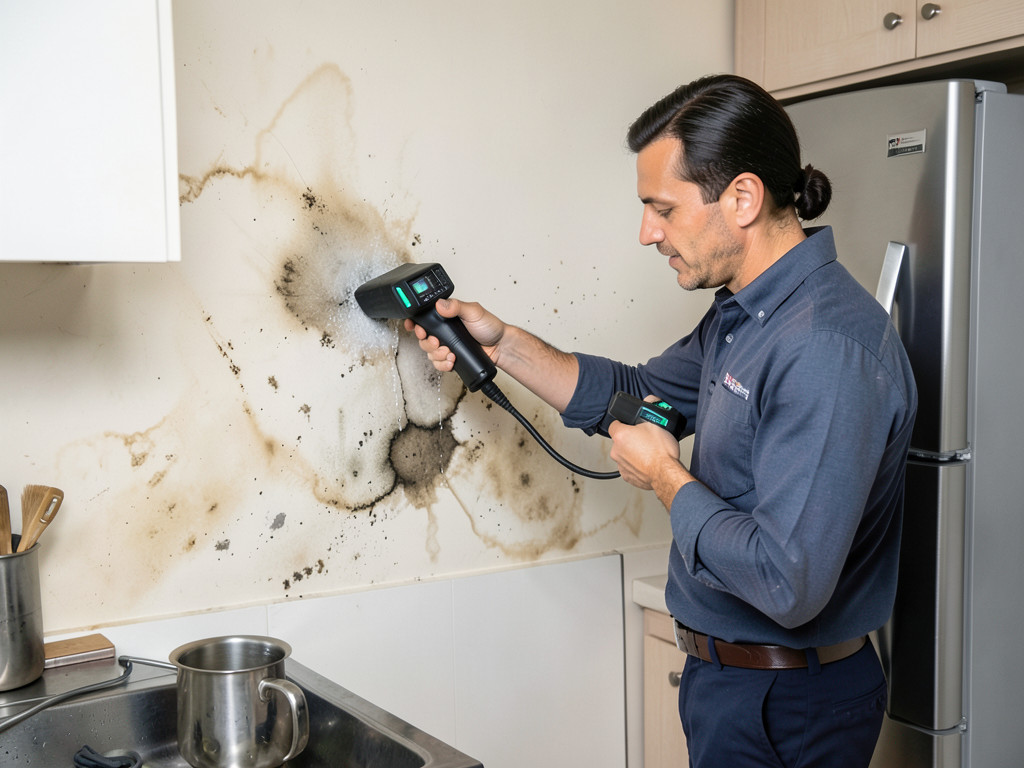
Professional water damage restoration is not about fans and hope. It's about controlling the drying environment. We start with a moisture map. Infrared cameras identify wet areas you can't see. Moisture meters measure saturation levels in wood, drywall, and concrete. We document baseline readings before extraction starts because your insurance adjuster will ask for them.

Step one is source control. If the water is still coming in, we stop it. That might mean tarping a roof, shutting off a supply line, or sandbagging a door threshold during active rain. Step two is classification. Category 1 water is clean supply line water. Category 2 is gray water from appliances or toilets without fecal matter. Category 3 is black water from sewage backups or storm surge. The category determines the cleaning protocol and what materials get saved versus discarded.

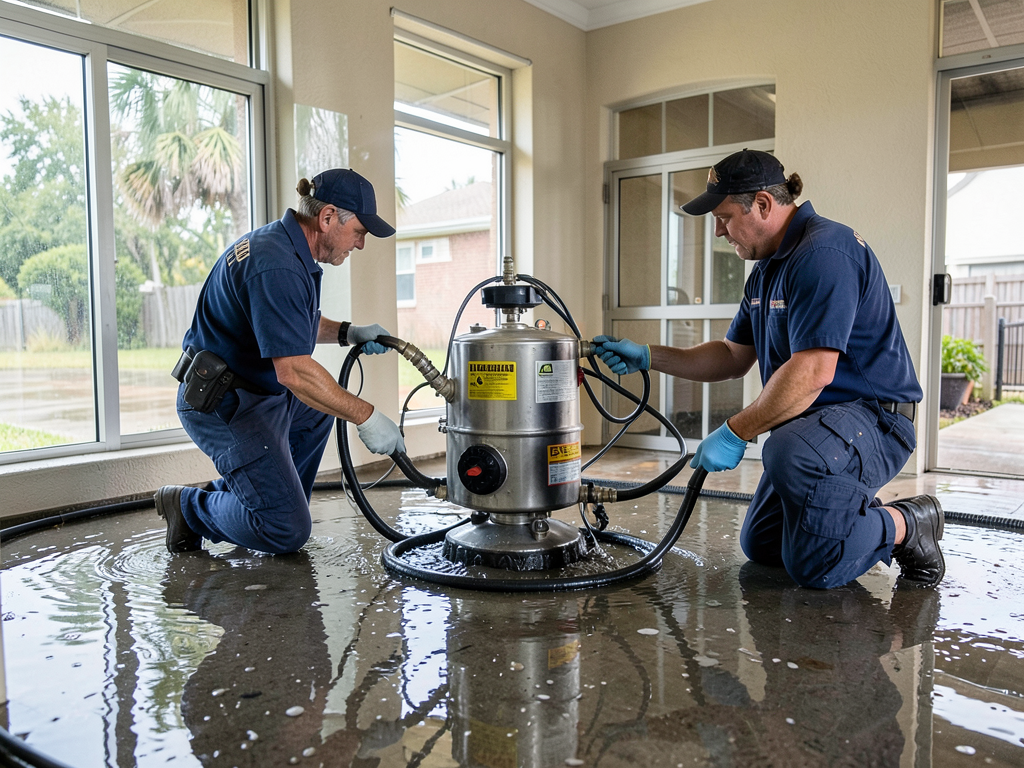
Extraction pulls the bulk water. Truck-mounted pumps or portable extractors remove standing water down to the subfloor. Then we pull the wet contents. Furniture, rugs, boxes, and soft goods come out so air can circulate. Baseboards get removed to vent the wall cavities. Carpet gets pulled if the pad is soaked. You cannot dry a structure with wet materials inside it.

Air movement and dehumidification run 24/7 for three to seven days depending on the saturation class. We measure daily moisture levels and adjust equipment placement. When wood moisture content drops below 15% and relative humidity stabilizes under 50%, the structure is dry. Only then do we start rebuild. Most Orlando homeowners try to skip to this phase on day two. The result is trapped moisture and mold growth within two weeks.

Your First Six Hours After Discovering Flood Damage

Steps to Take After a Flood in Orlando – Your 24-Hour Post-Flood Recovery Checklist
01

Stop the Water Source

Before you touch anything, identify where the water is coming from. If it's a burst pipe, shut off the main water supply. If it's rain intrusion, tarp the breach or stuff towels in the gap. If it's storm surge, sandbag the entry point if water is still rising. You cannot start cleanup while water is still entering. Document the source with photos for your insurance claim before you make temporary repairs.
02

Call Your Insurance Company

Report the loss immediately. Most Orlando homeowners policies require notification within 48 hours. Get your claim number and ask what immediate actions after flooding you're authorized to take before the adjuster arrives. Ask if emergency water extraction is covered and if there's a preferred vendor list. Take photos and videos of every affected room before you move anything. Your claim depends on documentation you create in the first few hours.
03

Remove Standing Water

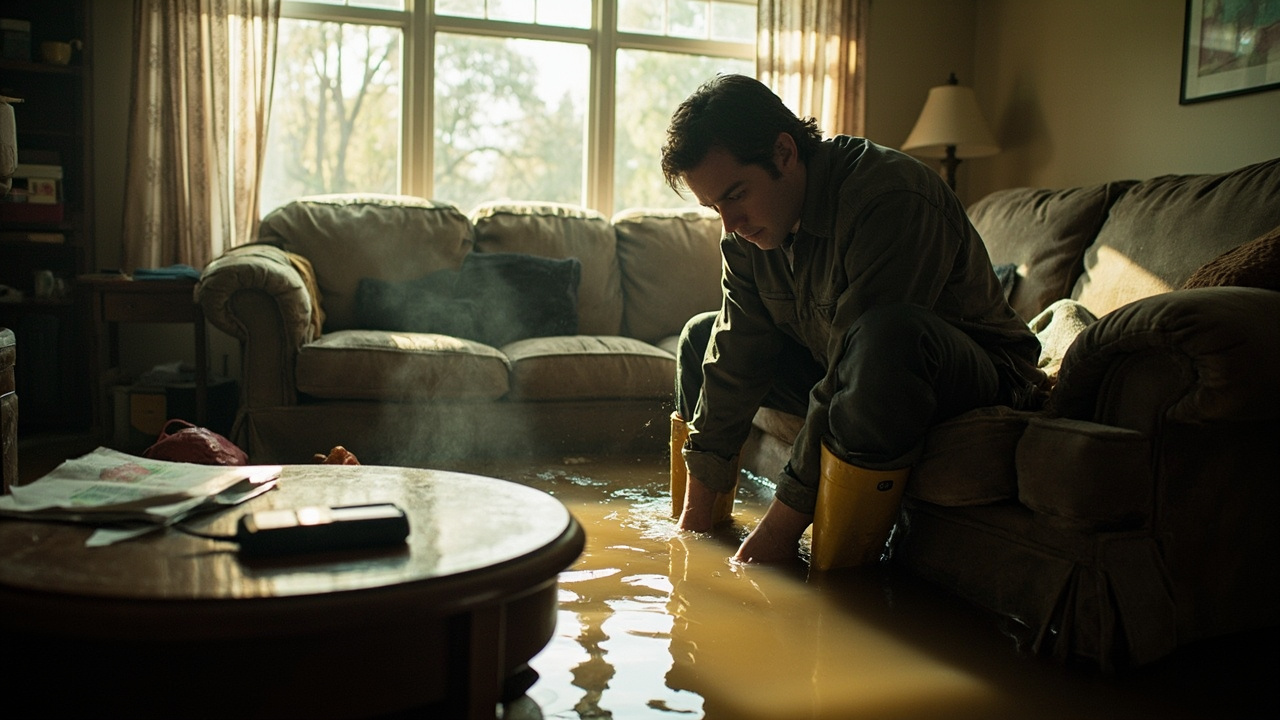
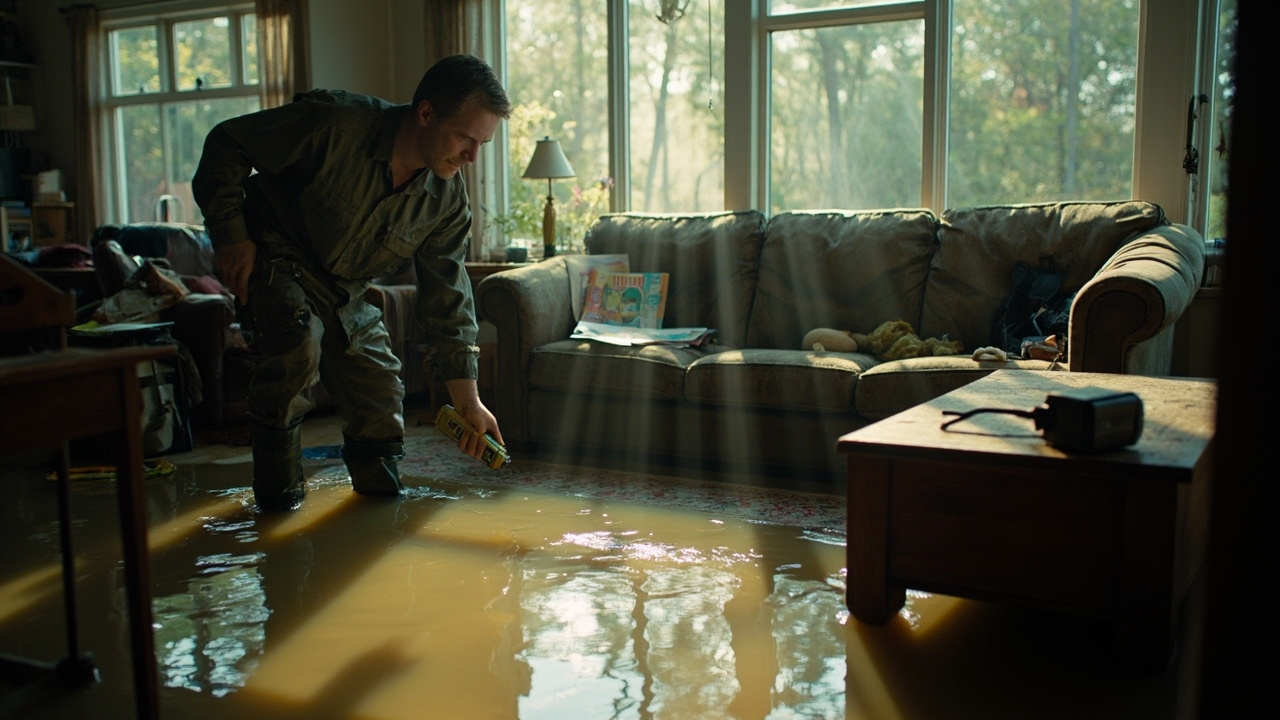
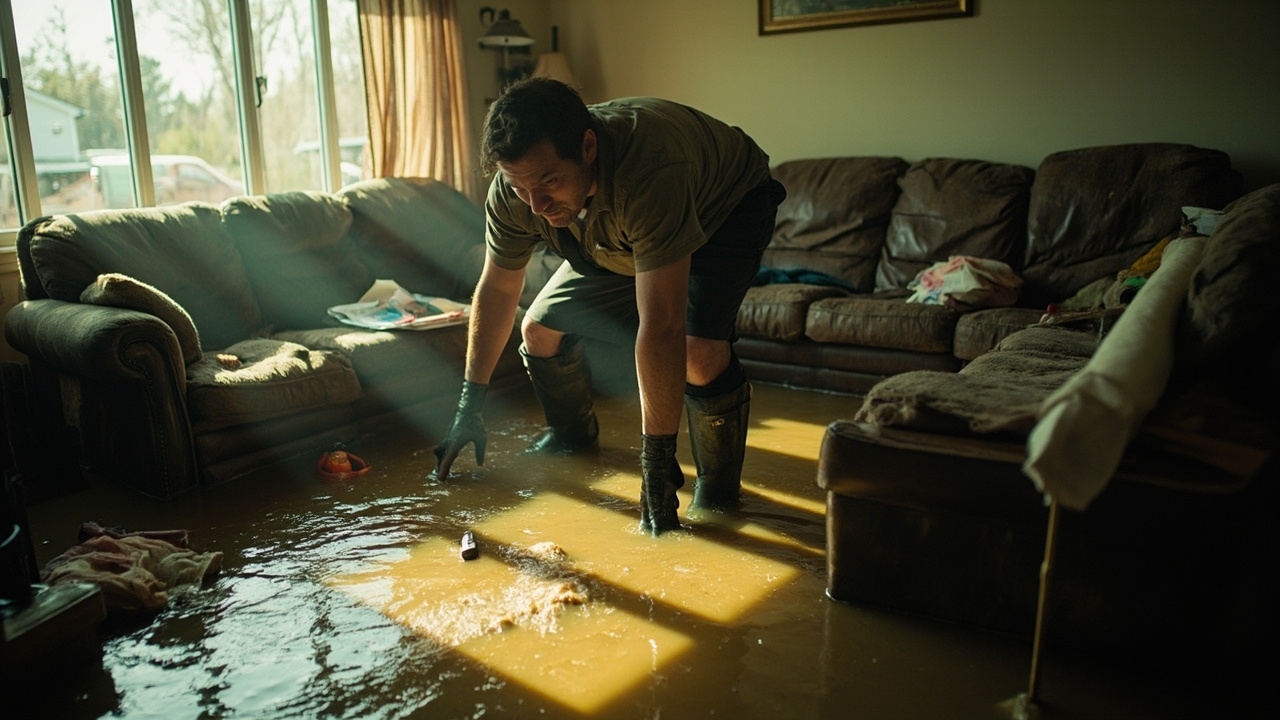
Extract bulk water as fast as possible. If you're waiting for a restoration company, use a wet-dry vacuum or pump to pull standing water. Mop and squeegee the rest. The longer water sits, the more it spreads through porous materials. Focus on getting water off the surface and out of the structure. Do not use a standard household vacuum. You'll destroy the motor and risk electrocution. Wear rubber boots and gloves.

Why Orlando Homeowners Choose Local Flood Restoration Experts

You need a team that understands Florida building codes and Orlando's flood patterns. Homes built before 1980 in areas like College Park or Colonialtown often have slab foundations with no crawl space. Water sits under flooring with no drainage path. Homes near Lake Eola or the Conway area flood from storm surge and retention pond overflow. Newer construction near Dr. Phillips uses engineered wood products that delaminate faster than solid lumber when wet. These details matter when you're deciding what to demo and what to dry.

Reliance Water Damage Restoration Orlando has worked in every Orlando neighborhood. We know which streets flood first during tropical storms. We know how Orange County code enforcement handles mold remediation permits. We know which insurance adjusters are reasonable and which ones lowball every claim. That local knowledge saves you time and money during the claims process.

Flood recovery is not a DIY project. You're dealing with electrical hazards, contaminated water, structural integrity questions, and insurance documentation requirements. The guide to handling flood damage that you find online doesn't account for Orlando's humidity, the specific construction methods used in your neighborhood, or the mold species that thrive in Central Florida. You need someone who has seen your exact scenario 500 times.

We respond within 90 minutes to Orlando addresses. Our trucks carry industrial dehumidifiers, air movers, moisture meters, and extraction equipment. We work directly with your insurance company to document damage and scope the loss. We don't leave your home until the moisture readings are back to normal and the structure is stabilized. Most national chains subcontract the work to local crews who may or may not show up. We're Orlando based and owner operated.

What to Expect During Professional Flood Restoration

Response Time and Availability

We answer the phone 24/7 because floods don't wait for business hours. When you call (689) 268-2233, you're talking to a dispatcher who can send a crew to your Orlando address within 90 minutes. Our trucks are staged throughout the metro area so we're never more than a few miles away. The initial response includes a visual inspection, moisture assessment, and emergency water extraction if needed. We start the drying process on day one because every hour of delay increases the damage severity and the final restoration cost.

Initial Inspection and Moisture Assessment

The first site visit involves mapping the affected area with moisture meters and infrared cameras. We measure humidity levels, check wall cavities for hidden saturation, and test subflooring and framing members. You'll get a written moisture map showing which areas are wet and how wet they are. This document becomes part of your insurance claim. We classify the water loss by category and determine which materials need immediate removal. This assessment takes 30 to 60 minutes and gives you a clear picture of the damage scope before work begins.

Structural Drying and Final Results

The drying phase runs three to seven days depending on saturation levels and affected materials. We monitor moisture readings daily and adjust equipment to maximize efficiency. When all readings hit dry standard, we pull the equipment and document final conditions. You'll receive a complete moisture log showing the drying curve from start to finish. Your home will be structurally dry, mold-free, and ready for repairs. The final result is a stabilized structure with no hidden moisture pockets and a full insurance documentation package ready for claim submission.

Post-Drying Support and Rebuild Coordination

After drying is complete, we coordinate with your contractor or provide rebuild services directly. We handle permit applications with Orange County if needed. We work with your insurance company to finalize the claim and get repair approvals. Many Orlando homeowners discover additional damage during the rebuild phase. We stay available for questions and can run additional moisture checks if you're concerned about a specific area. Our job is not done until your home is back to pre-loss condition and you've received your final insurance payout.

Frequently Asked Questions

You Have Questions,
We Have Answers

What steps to take after a flood? +

Stop water flow if safe, then shut off electricity at the breaker box. Move people and pets to dry areas. Document damage with photos and video before touching anything. Call your insurance company to report the loss. Remove standing water quickly to prevent mold growth, which starts in 24 to 48 hours in Orlando's humid climate. Contact a certified water damage restoration company to extract water and begin drying. Do not enter flooded rooms if water touches electrical outlets. Secure the property and avoid disturbing debris until your insurer documents the scene.

What should be done after the flood? +

After flood waters recede, ventilate the space by opening windows if humidity allows. Remove wet materials like carpets, drywall, and insulation that cannot be salvaged. Disinfect all hard surfaces with antimicrobial solutions to kill bacteria and prevent mold. Run commercial dehumidifiers and air movers to dry structural elements. Monitor moisture levels with meters to confirm complete drying. In Orlando, standing water and high humidity create perfect conditions for microbial growth, so professional drying equipment is critical. File your insurance claim promptly and keep all receipts for repairs and temporary housing expenses.

What step should be taken when there is a flood? +

Prioritize safety first. Never walk through moving floodwater. Turn off gas lines if you smell gas or suspect a leak. Wear protective gear like rubber boots and gloves when entering flooded areas. Pump out basements gradually to avoid structural collapse from pressure imbalances. Discard contaminated food, medications, and cosmetics. In Orlando, floodwater often contains sewage, lawn chemicals, and stormwater runoff, making it hazardous. Call professionals to assess structural damage before attempting repairs. Notify your mortgage company if damage is severe. Keep communication records with your insurer and restoration contractors for documentation.

What should I do immediately after water damage? +

Shut off the water source immediately if a burst pipe or appliance leak caused the damage. Turn off electricity to affected areas to prevent shock hazards. Call a 24/7 emergency water restoration service to begin extraction within the first hour. Remove portable items and elevate furniture on blocks to prevent further absorption. Blot standing water with towels, but do not use a standard vacuum. Orlando's heat and humidity accelerate mold growth, so speed matters. Contact your insurance agent right away to start the claims process. Do not delay or attempt full cleanup alone.

Why Orlando's Tropical Climate Makes Post-Flood Drying Critical

Orlando averages 51 inches of rain per year and maintains 75% relative humidity even on dry days. When floodwater enters your home, it doesn't just sit on the surface. The humid air slows evaporation and keeps building materials saturated longer than in arid climates. A wet drywall panel in Phoenix might air-dry in three days. The same panel in Orlando stays damp for a week without mechanical dehumidification. That extended moisture exposure gives mold spores time to colonize and gives wood time to start rotting. Central Florida's mold species are aggressive. Stachybotrys and Aspergillus thrive in the exact conditions your home creates after a flood.

Orange County building codes require mold remediation permits for contaminated areas over 10 square feet. Most flood losses exceed that threshold. Local restoration companies understand the permitting process and the inspection requirements. We know which materials Orange County allows you to clean and which ones must be removed. We know how to document pre-existing conditions so your insurance company doesn't deny coverage for old damage. National companies that fly in crews after a hurricane don't have that institutional knowledge. They treat Orlando like Houston or Tampa. The climate is different. The building stock is different. The insurance landscape is different. Local expertise matters when you're making decisions about your largest asset.
Water Damage Restoration Services in The Orlanado Area

Looking for fast and reliable water damage restoration in your area? Reliance Water Damage Restoration Orlando proudly serves homes and businesses throughout Orlando and surrounding communities. Whether you're dealing with flood damage, burst pipes, or mold issues, our expert team is ready to respond 24/7. We use industry-leading equipment to extract water, dry structures, and restore your property to pre-loss condition. Check the map below to see if we service your neighborhood, or call now for immediate help.

Address:
Reliance Water Damage Restoration Orlando, 7380 W Sand Lake Rd Suite 500, Orlando, FL, 32819

Additional Services We Offer

Our news updates

Latest Articles & News from The Blogs

Lorem ipsum dolor sit amet. Aut expedita quaerat quo eligendi numquam et laudantium perspiciatis qui minima expedita rem consequatur ducimus.…

Test Blog 4

Lorem ipsum dolor sit amet. Aut expedita quaerat quo eligendi numquam et laudantium perspiciatis qui minima expedita rem consequatur ducimus.…

Test Blog 3

Lorem ipsum dolor sit amet. Aut expedita quaerat quo eligendi numquam et laudantium perspiciatis qui minima expedita rem consequatur ducimus.…

Test Blog 2

Lorem ipsum dolor sit amet. Aut expedita quaerat quo eligendi numquam et laudantium perspiciatis qui minima expedita rem consequatur ducimus.…

Contact Us

Every hour counts after a flood. Call Reliance Water Damage Restoration Orlando now at (689) 268-2233 for immediate water extraction and structural drying. We're available 24/7 and respond to Orlando addresses within 90 minutes. Stop the damage before it spreads.