Menu

Signs of Hidden Mold in Orlando – Expert Detection and Health Risk Assessment

Reliance Water Damage Restoration Orlando uses thermal imaging and air quality testing to find symptoms of concealed mold in walls, ceilings, and crawl spaces before health problems escalate.

Slider Image 1
Slider Image 2
Slider Image 3
Slider Image 4
Slider Image 5
Slider Image 7
Slider Image 8
Slider Image 9
Slider Image 10
Slider Image 11

Why Hidden Mold Thrives in Orlando Homes and Buildings

Orlando's subtropical climate creates ideal conditions for mold growth you cannot see. The combination of year-round humidity above 60 percent, frequent afternoon thunderstorms, and temperatures that rarely drop below 50 degrees means concealed mold colonies can establish behind drywall, under flooring, and inside HVAC ductwork within 48 hours of water intrusion.

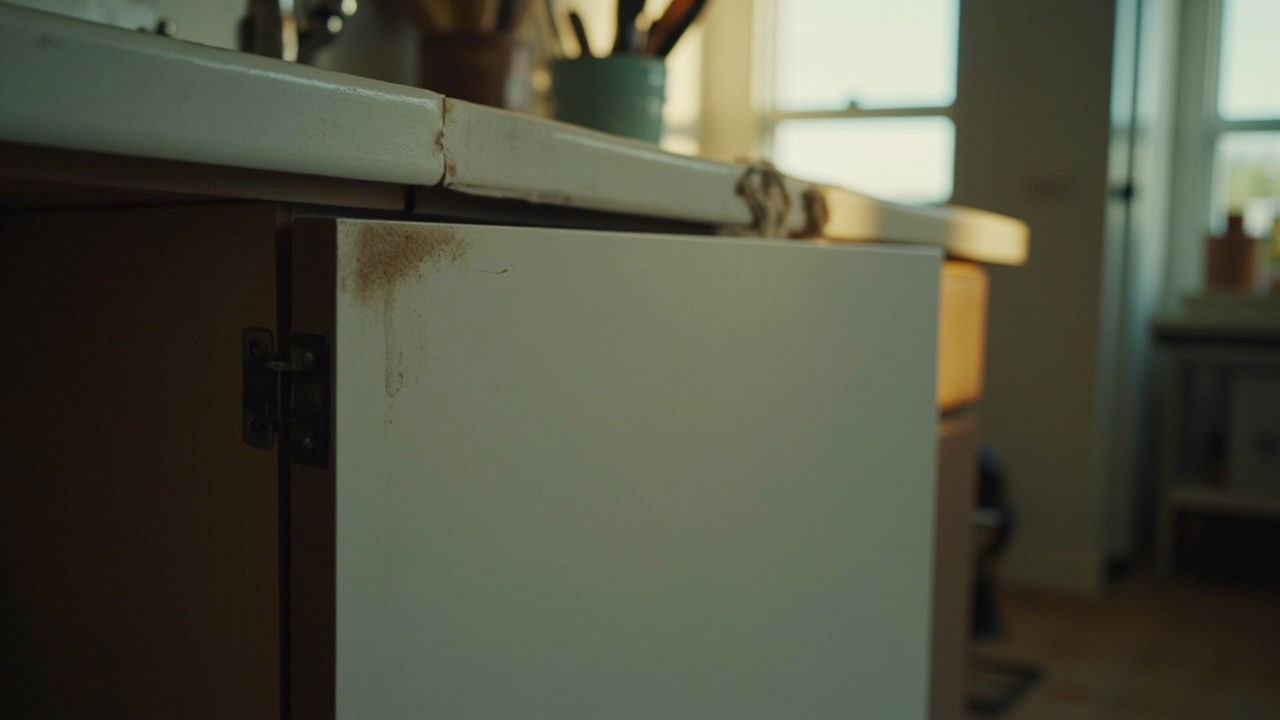
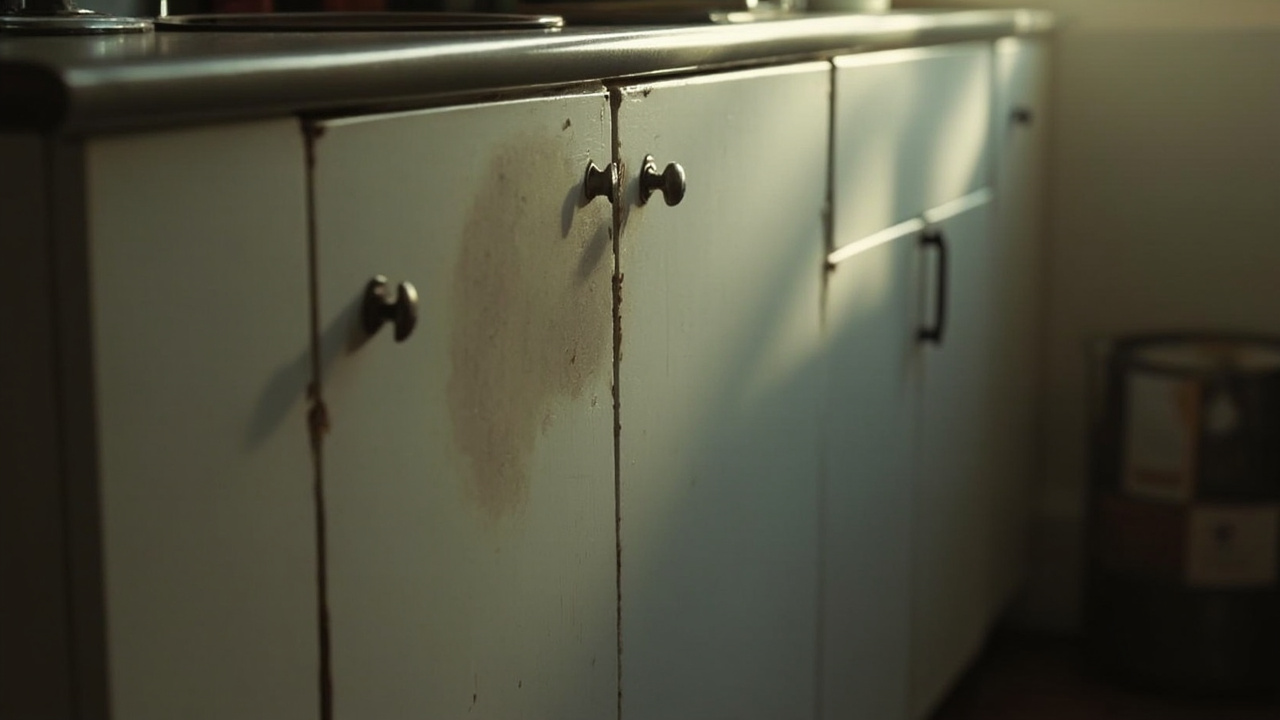
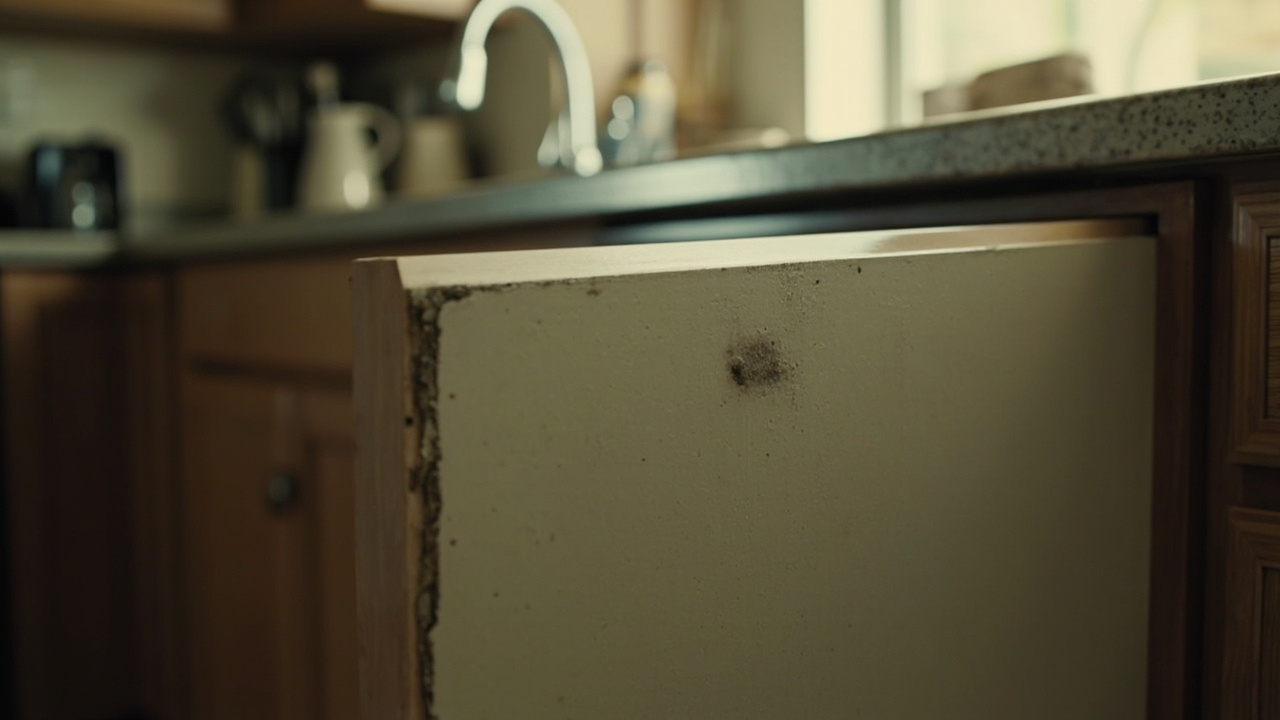
You might notice a musty odor in your Winter Park bungalow or College Park historic home but see no visible growth. That smell indicates evidence of unseen mold already colonizing porous materials. The high water table throughout Orange County means foundation moisture wicks upward into wall cavities, especially in older homes built before modern vapor barriers became standard.

Hurricane season brings another layer of risk. Even minor roof leaks from wind-driven rain can saturate attic insulation and ceiling joists without obvious interior staining. By the time you spot water marks, mold has already spread throughout the affected cavity.

Indicators of invisible mold include unexplained respiratory irritation, worsening allergies inside your home, or persistent condensation on windows and exterior walls. These symptoms of concealed mold require professional detection because surface cleaning does nothing to address the hidden contamination. The porous concrete block construction common in Central Florida absorbs moisture readily, creating perfect conditions for mold growth within wall assemblies where you cannot inspect without specialized equipment.

Detecting hidden mold requires understanding how Orlando's climate, construction methods, and weather patterns create unique vulnerability points in residential and commercial structures.

Why Hidden Mold Thrives in Orlando Homes and Buildings
How We Locate Mold Others Miss

How We Locate Mold Others Miss

Visual inspection alone cannot identify signs of mold behind walls or inside building cavities. We use a multi-layer detection process that combines moisture mapping, thermal imaging, and air quality sampling to pinpoint concealed growth.

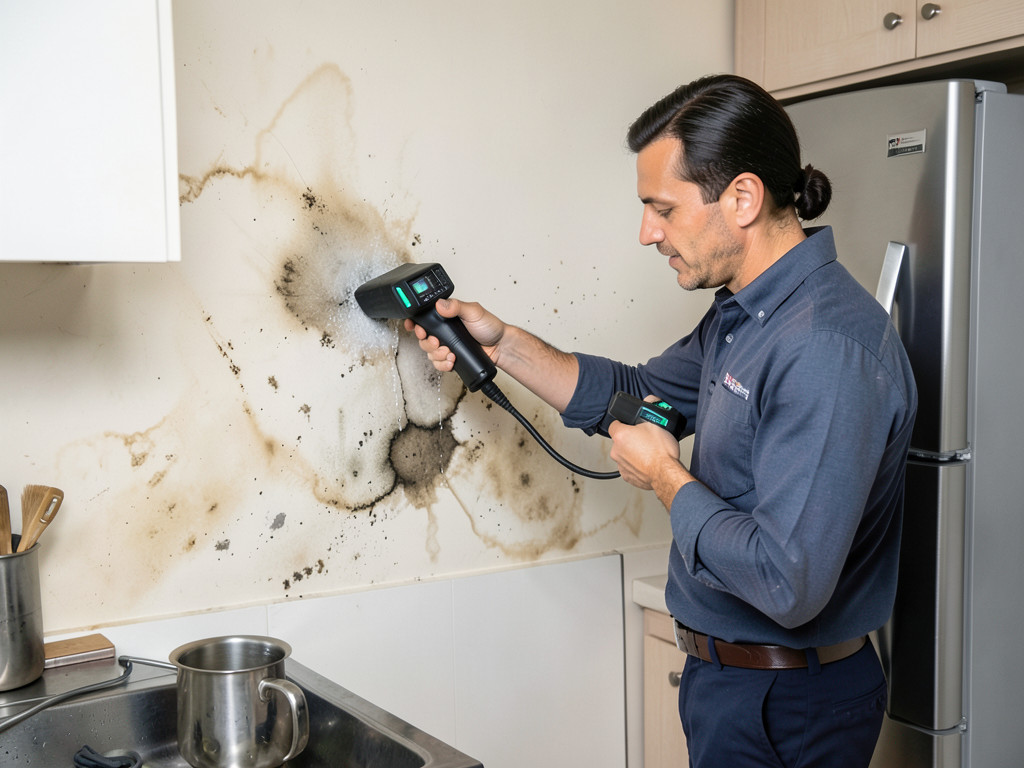
Our FLIR thermal cameras detect temperature differentials that indicate moisture retention within wall assemblies and ceiling planes. Wet building materials appear as cooler zones on thermal scans because evaporation draws heat from the surface. This allows us to map moisture migration patterns and identify likely contamination zones without destructive testing.

We measure relative humidity levels throughout your structure using calibrated hygrometers. Readings above 60 percent in interior spaces signal conditions that support active mold colonization. We also use non-invasive moisture meters that penetrate drywall and measure moisture content in studs, joists, and sheathing without creating holes.

Air sampling captures mold spore concentrations in different rooms and compares them to outdoor baseline readings. Elevated indoor spore counts of Aspergillus, Penicillium, or Stachybotrys species indicate hidden colonies releasing reproductive particles into your breathing zone.

For suspected contamination behind finished surfaces, we perform targeted inspection openings in strategic locations. These small access points allow borescope examination of wall and ceiling cavities. The camera feeds real-time video that reveals mold growth on framing members, insulation, and sheathing.

We document all findings with detailed moisture maps, thermal images, and lab-verified air sample results. This evidence package supports insurance claims and provides the diagnostic foundation for effective remediation. Our detection methodology follows IICRC S520 standards and identifies the full extent of contamination before any removal work begins.

What Happens During a Mold Detection Assessment

Signs of Hidden Mold in Orlando – Expert Detection and Health Risk Assessment
01

Initial Consultation and Inspection

We start with a phone consultation to understand your concerns, recent water events, and health symptoms you have noticed. During the on-site inspection, our technician evaluates visible moisture sources, checks HVAC systems for condensation issues, and inspects common problem areas like bathrooms, kitchens, and exterior walls. This initial walkthrough identifies obvious water intrusion points and guides where we deploy detection equipment to find concealed contamination.
02

Technical Detection and Sampling

We use thermal imaging to scan walls, ceilings, and floors for temperature anomalies that indicate trapped moisture. Moisture meters provide numerical readings of water content in building materials. Air samples collect spore concentrations from suspect areas and send them to an independent laboratory for species identification and quantification. This data reveals both the location and severity of hidden mold colonies throughout your structure.
03

Report and Remediation Plan

You receive a written report with thermal images, moisture readings, and laboratory analysis within 48 hours. The report maps all contaminated areas and explains the moisture source causing growth. We provide a detailed remediation scope that outlines containment procedures, removal methods, and material replacement requirements. This plan gives you a clear action path and documentation to submit to your insurance carrier for claim support.

Why Orlando Property Owners Choose Our Detection Services

Hidden mold detection requires local knowledge of how Central Florida's climate affects building materials and where moisture problems typically develop in regional construction types. We understand the specific vulnerabilities in Orlando's housing stock, from 1950s concrete block homes in Colonialtown to modern stucco construction in Lake Nona.

Our technicians recognize how the frequent afternoon thunderstorms from May through October create conditions for water intrusion around window flanges and through roof penetrations. We know that Orlando's sandy soil drains quickly, but the high water table means foundation moisture remains constant throughout the year. This expertise helps us identify the true source of moisture feeding concealed mold growth, not just the visible symptoms.

We maintain relationships with independent environmental testing laboratories that provide third-party verification of our findings. This separation between detection and lab analysis ensures you receive unbiased results that document actual contamination levels. The laboratory reports we provide meet insurance adjuster requirements and support claims processing.

Reliance Water Damage Restoration Orlando operates with a focus on accurate diagnosis. We do not exaggerate findings or recommend unnecessary services. If we find no evidence of hidden mold, we tell you that and explain what moisture management steps can prevent future problems.

Our detection work integrates with remediation services, but we keep these functions separate during assessment. You receive honest findings first, then a clear explanation of what work is actually required. This transparency matters when you face decisions about remediation scope and cost.

We respond to detection requests throughout Orange County, including downtown Orlando, Winter Park, Maitland, Altamonte Springs, and surrounding communities. Our local presence means we understand county building codes and can coordinate with local restoration contractors if remediation extends beyond mold removal into structural repairs.

What to Expect from Professional Mold Detection

Response Time and Scheduling

We schedule detection assessments within 24 to 48 hours of your call. The typical inspection takes two to three hours, depending on your structure's size and the number of suspect areas requiring investigation. We work around your schedule and provide same-day service for urgent situations where occupants experience respiratory symptoms or recent water damage has occurred. Air sample results return from the laboratory within three business days. You receive the full report with findings and recommendations immediately after lab results arrive.

Assessment and Testing Methods

The assessment includes visual inspection of all accessible areas, thermal imaging of walls and ceilings, moisture readings in building materials, and air quality sampling in affected rooms. We also inspect HVAC systems for contamination and check crawl spaces or attics where moisture accumulates. If we identify specific areas requiring closer examination, we recommend limited exploratory openings to visually confirm mold growth on concealed surfaces. All testing follows established protocols that produce legally defensible documentation for insurance claims or real estate transactions.

Documentation and Evidence Quality

You receive a comprehensive report that includes thermal images with temperature scales, moisture content readings with material-specific interpretations, and laboratory analysis of air samples showing spore types and concentrations. The report identifies moisture sources, maps affected areas, and explains how the contamination developed. This documentation supports insurance claims and provides contractors with accurate scope information for remediation bids. The evidence quality meets industry standards and gives you confidence in the findings before you authorize any removal work.

Follow-Up and Verification Testing

After remediation work completes, we offer post-remediation verification testing to confirm all mold contamination has been removed and moisture sources have been corrected. This clearance testing uses the same air sampling methods as initial detection and compares final spore counts to outdoor baseline levels. Passing clearance tests document successful remediation and provide assurance that indoor air quality has returned to normal conditions. We also recommend periodic moisture monitoring in structures with ongoing humidity control challenges or chronic condensation issues.

Frequently Asked Questions

You Have Questions,
We Have Answers

How can you tell if you have hidden mold in your house? +

Hidden mold often reveals itself through musty odors, even when you cannot see growth. Look for water stains on ceilings or walls, peeling paint, or warping baseboards. Orlando's high humidity makes hidden mold common behind wallpaper, under carpets, and inside HVAC ducts. You may notice allergy symptoms that worsen indoors or spot condensation on windows. Check crawl spaces and attics after summer storms. Discoloration on drywall or a constant damp feeling in certain rooms signals trouble. If you smell mold but cannot locate it, a professional inspection with moisture meters and thermal imaging can pinpoint hidden colonies.

What are signs of mold sickness? +

Mold sickness triggers respiratory issues like persistent coughing, wheezing, and sinus congestion. You may experience headaches, fatigue, and difficulty concentrating. Skin irritation, itchy eyes, and throat discomfort are common. Some people develop asthma-like symptoms or worsening allergies. In Orlando, where mold thrives year-round due to humidity, symptoms often intensify indoors. Watch for unexplained nausea or joint pain. Symptoms typically improve when you leave the affected space. Children, elderly residents, and those with compromised immune systems face higher risk. If multiple household members show similar symptoms without another clear cause, hidden mold may be responsible.

Can mold cause a baby to cough? +

Yes. Mold exposure can trigger coughing in babies and young children. Their developing respiratory systems are vulnerable to mold spores and mycotoxins. You may notice persistent dry cough, wheezing, or labored breathing. Orlando's humid climate allows mold to grow rapidly in homes, especially after water intrusion. Babies cannot communicate discomfort, so watch for increased fussiness, difficulty sleeping, or pulling at ears. Coughing that worsens at night or in specific rooms signals potential mold exposure. If your baby shows respiratory symptoms without fever or other illness signs, inspect your home for hidden mold and consult a pediatrician promptly.

Can mold cause twitching? +

Mold exposure can cause neurological symptoms, including muscle twitching. Certain mold species produce mycotoxins that affect the nervous system. You may experience involuntary muscle spasms, tremors, or numbness. These symptoms often accompany headaches, memory issues, and mood changes. In Orlando homes with chronic moisture problems, prolonged mold exposure increases risk. Twitching linked to mold typically occurs with other symptoms like respiratory issues or fatigue. Medical evaluation is essential to rule out other causes. If twitching started after moving into a new space or after water damage, hidden mold could be the culprit. Professional testing identifies the mold type and exposure level.

How do you get rid of mold that you can't see? +

You cannot safely eliminate hidden mold yourself. Professional remediation requires containment barriers, HEPA filtration, and antimicrobial treatments. Technicians remove affected materials like drywall, insulation, and subflooring where mold hides. Orlando's humidity means mold often spreads behind walls and under flooring. Professionals use moisture meters to map contamination, then dry structural cavities completely. They apply EPA-registered fungicides to remaining surfaces. Simply spraying bleach on visible areas pushes spores deeper and does not kill root structures. After removal, professionals address the moisture source to prevent regrowth. Attempting DIY remediation often spreads spores throughout your home and worsens contamination.

Is there a device that detects mold? +

Yes. Moisture meters detect elevated humidity levels where mold grows. Thermal imaging cameras reveal temperature differences indicating water intrusion and potential mold. Air quality monitors measure spore counts in your home. These devices help professionals locate hidden mold but cannot identify species or toxicity. In Orlando, where humidity stays high year-round, moisture meters are valuable tools. Professionals combine device readings with visual inspection and lab testing. Consumer-grade mold test kits provide limited information and often yield false results. Professional testing uses air samples, surface samples, and wall cavity checks to map contamination accurately. Devices guide investigation but require expert interpretation.

What kills mold spores instantly? +

Nothing kills mold spores instantly in practical application. High heat above 140 degrees, UV light, and EPA-registered fungicides eliminate spores, but complete eradication requires time and proper application. Products claiming instant results often only address surface mold while leaving root structures intact. In Orlando's humid environment, dead spores still trigger allergies and must be physically removed. Professional remediation combines antimicrobial treatments with HEPA vacuuming and material removal. Bleach kills surface mold on non-porous materials but cannot penetrate porous surfaces like drywall. Hydrogen peroxide and borax-based solutions work better but still require mechanical removal. Focus on complete remediation, not quick fixes.

How do I test my house for mold? +

Start with visual inspection of bathrooms, kitchens, attics, and crawl spaces. Check for water stains, musty odors, and condensation. In Orlando, inspect HVAC systems and ductwork where humidity causes growth. You can purchase home test kits, but professional testing provides accurate results. Certified inspectors use air sampling, surface sampling, and moisture mapping. They identify mold species and concentration levels. Thermal imaging reveals hidden moisture behind walls. Lab analysis determines if remediation is needed. Testing costs vary but prevents expensive mistakes. If you see visible mold larger than 10 square feet, skip testing and hire a remediation company immediately. Professional assessment protects your investment.

What are the three stages of mold toxicity? +

Stage one involves immediate reactions like sneezing, coughing, and eye irritation from acute exposure. Stage two develops with continued exposure, causing chronic respiratory issues, persistent headaches, and fatigue. Your immune system stays activated, leading to inflammation. Stage three represents severe toxicity with neurological symptoms, memory loss, mood disorders, and potential organ damage. In Orlando, where mold grows aggressively due to climate, progression can occur faster than in dry regions. Duration and mold species determine severity. Black mold and certain Aspergillus species produce stronger toxins. Medical testing confirms mold-related illness. Early detection and remediation prevent progression to advanced stages.

How do I tell if mold is in my lungs? +

Only a doctor can diagnose mold in your lungs through chest X-rays, CT scans, or bronchoscopy. Symptoms include persistent cough, shortness of breath, chest tightness, and wheezing that worsens over time. You may cough up discolored mucus or experience fever. Pulmonary aspergillosis, a fungal lung infection, requires immediate medical attention. In Orlando's humid climate, inhaling mold spores is common, but healthy immune systems typically clear them. Compromised immunity increases infection risk. Blood tests detect mold antibodies. If you suspect lung involvement after prolonged exposure, see a pulmonologist promptly. Treating the source requires professional mold remediation alongside medical care.

How Orlando's Humidity and Construction Create Hidden Mold Risks

Orlando averages 73 percent relative humidity throughout the year, with summer months regularly exceeding 80 percent. This constant moisture load means any water intrusion from roof leaks, plumbing failures, or HVAC condensation creates immediate mold growth conditions inside wall cavities and attic spaces. The concrete block construction common in older Orlando neighborhoods absorbs water readily and holds moisture against interior drywall for extended periods. Without adequate ventilation and dehumidification, this trapped moisture supports mold colonization within 24 to 48 hours. The challenge intensifies in historic districts like College Park and Thornton Park, where original construction lacked vapor barriers and used organic cellulose insulation that provides ideal food sources for mold growth.

Effective mold detection in Orlando requires understanding how local building practices and climate patterns create specific vulnerability points in residential and commercial structures. We have assessed hundreds of properties throughout Orange County and recognize the common failure points where moisture accumulates unnoticed. This local experience allows us to conduct focused inspections that find concealed contamination quickly and accurately. Our familiarity with Orlando's construction timeline means we know which building materials and methods were common in different decades, helping us predict where hidden mold problems likely exist before we deploy detection equipment.
Water Damage Restoration Services in The Orlanado Area

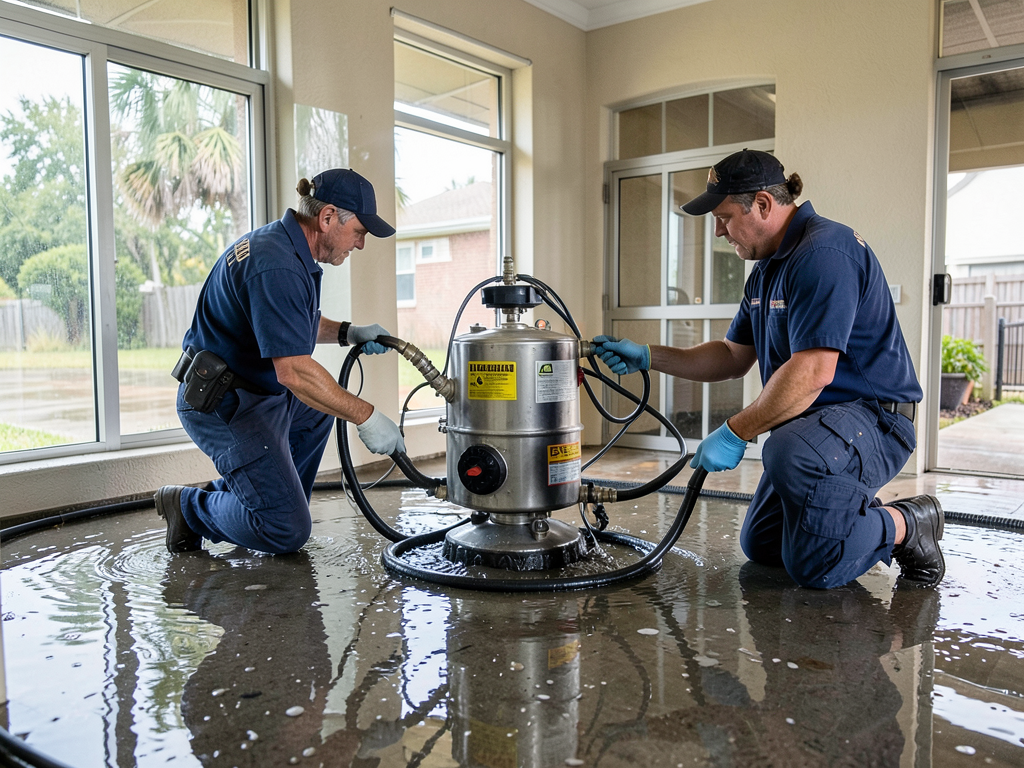
Looking for fast and reliable water damage restoration in your area? Reliance Water Damage Restoration Orlando proudly serves homes and businesses throughout Orlando and surrounding communities. Whether you're dealing with flood damage, burst pipes, or mold issues, our expert team is ready to respond 24/7. We use industry-leading equipment to extract water, dry structures, and restore your property to pre-loss condition. Check the map below to see if we service your neighborhood, or call now for immediate help.

Address:
Reliance Water Damage Restoration Orlando, 7380 W Sand Lake Rd Suite 500, Orlando, FL, 32819

Additional Services We Offer

Our news updates

Latest Articles & News from The Blogs

Lorem ipsum dolor sit amet. Aut expedita quaerat quo eligendi numquam et laudantium perspiciatis qui minima expedita rem consequatur ducimus.…

Test Blog 4

Lorem ipsum dolor sit amet. Aut expedita quaerat quo eligendi numquam et laudantium perspiciatis qui minima expedita rem consequatur ducimus.…

Test Blog 3

Lorem ipsum dolor sit amet. Aut expedita quaerat quo eligendi numquam et laudantium perspiciatis qui minima expedita rem consequatur ducimus.…

Test Blog 2

Lorem ipsum dolor sit amet. Aut expedita quaerat quo eligendi numquam et laudantium perspiciatis qui minima expedita rem consequatur ducimus.…

Contact Us

Do not ignore musty odors or unexplained health symptoms. Call Reliance Water Damage Restoration Orlando at (689) 268-2233 for expert hidden mold detection using thermal imaging and laboratory-verified air testing. We provide honest findings and clear remediation guidance.