Menu

Water Mitigation vs Restoration in Orlando – Understanding the Critical Difference Between Emergency Response and Full Recovery

Water damage evolves in stages, and knowing the difference between water mitigation and restoration determines whether you stop damage in hours or pay for reconstruction in weeks.

Slider Image 1
Slider Image 2
Slider Image 3
Slider Image 4
Slider Image 5
Slider Image 7
Slider Image 8
Slider Image 9
Slider Image 10
Slider Image 11

Why Orlando Property Owners Confuse Water Mitigation and Restoration

When water invades your property, you need to act fast. The problem is that most Orlando residents do not understand the difference between water mitigation and restoration. They assume one phone call fixes everything. It does not.

Orlando's subtropical climate creates a perfect breeding ground for mold. Humidity levels regularly exceed 70 percent. When a pipe bursts or a roof leak develops after a summer thunderstorm, you have 24 to 48 hours before secondary damage begins. Mitigation stops that clock. Restoration starts after the emergency ends.

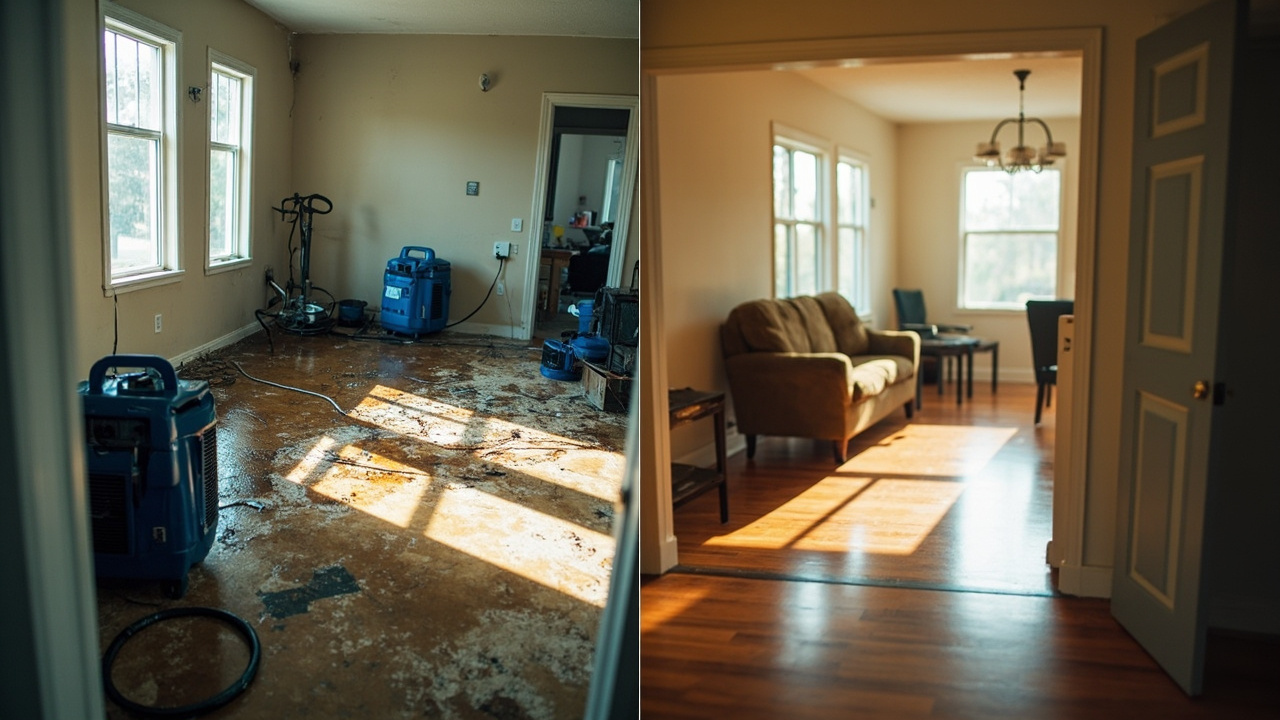
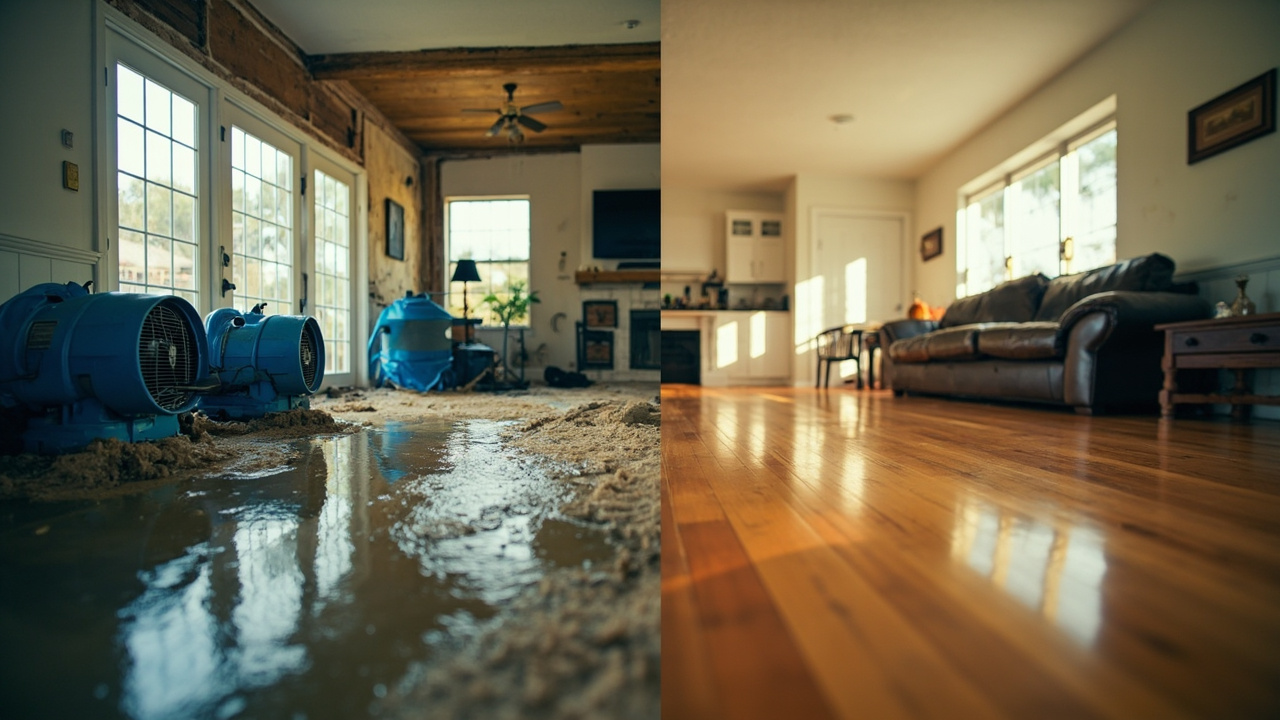
Water damage mitigation vs restoration is not a matter of preference. It is a matter of sequence. Mitigation is the immediate response. You extract standing water, set up industrial dehumidifiers, and prevent further loss. Restoration is the rebuild. You replace drywall, restore flooring, and return the property to pre-loss condition.

The confusion costs Orlando homeowners thousands. Someone calls a contractor for water cleanup vs water repair, and the contractor shows up to rebuild when the property is still saturated. Mold takes hold. Insurance adjusters document negligence. The claim gets denied.

Water remediation vs restoration clarifies intent. Remediation is another term for mitigation. It means you remove the hazard. Restoration means you fix what the hazard destroyed. Mitigation vs reconstruction highlights the gap. One is emergency response. The other is long-term repair.

If you do not mitigate first, you will pay for reconstruction twice.

Why Orlando Property Owners Confuse Water Mitigation and Restoration
How Water Mitigation and Restoration Work in Sequence

How Water Mitigation and Restoration Work in Sequence

Mitigation begins the moment we arrive. We assess the water category. Category 1 is clean water from a supply line. Category 2 is gray water from appliances. Category 3 is black water from sewage or flooding. The category determines the equipment and safety protocols.

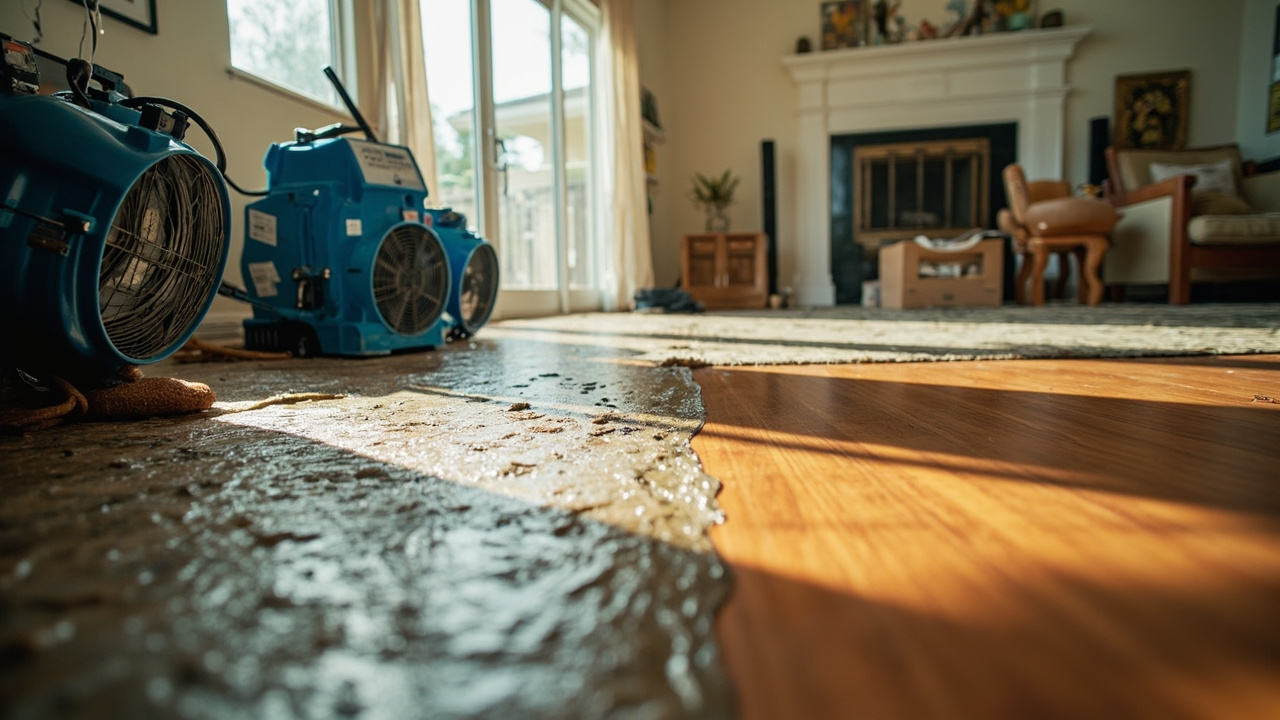
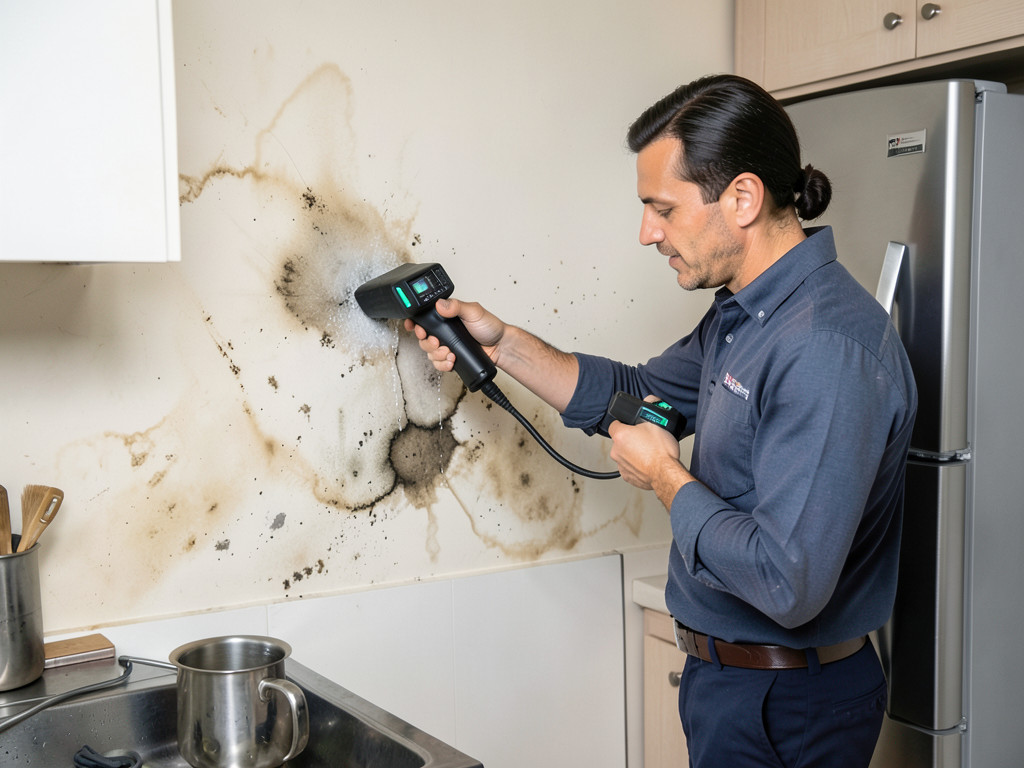
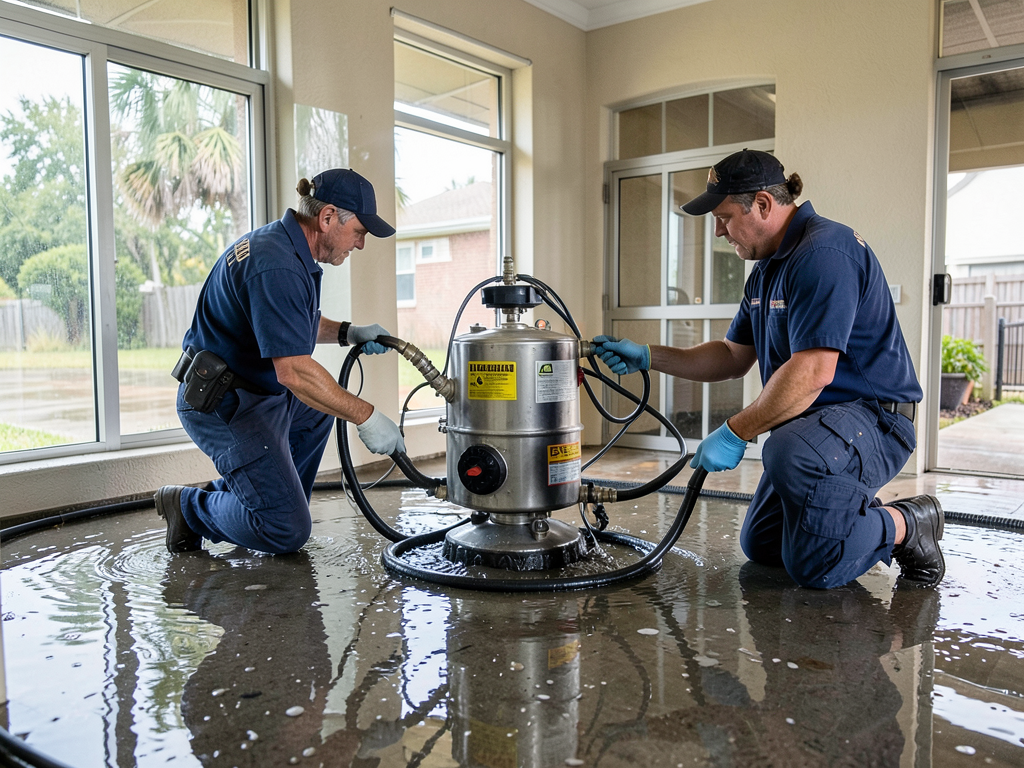
We extract standing water using truck-mounted pumps and portable extractors. We pull moisture from carpet padding, subfloors, and wall cavities. We set up axial fans to create airflow and commercial dehumidifiers to pull humidity from the air. We monitor moisture levels using thermal imaging cameras and pin-type moisture meters.

Mitigation ends when the structure reaches equilibrium moisture content. That is typically 12 to 15 percent for wood framing in Florida. We document readings. We photograph the equipment placement. We log daily progress reports for your insurance carrier.

Restoration begins after mitigation is complete and the insurance adjuster approves the scope of work. We remove unsalvageable materials like baseboards, drywall below the flood cut line, and insulation that wicked contaminated water. We treat framing with antimicrobial solutions. We rebuild using materials that match the original construction.

The difference between water mitigation and restoration is the difference between stopping a leak and repairing the damage it caused. Mitigation is rapid response. Restoration is skilled reconstruction. You cannot skip mitigation and jump to restoration. The structure will fail. Mold will colonize. The insurance company will document your failure to mitigate and reduce your payout.

Reliance Water Damage Restoration Orlando handles both phases because we understand the sequence matters.

What Happens When You Call for Water Damage Service

Water Mitigation vs Restoration in Orlando – Understanding the Critical Difference Between Emergency Response and Full Recovery
01

Emergency Mitigation Dispatch

We answer your call 24 hours a day. Our technician arrives within 60 to 90 minutes for Orlando metro addresses. We assess the water source, shut off the supply if needed, and begin extraction immediately. Mitigation does not wait for paperwork. We stop the damage first, then document for your insurer. Speed determines whether you save the flooring or replace it.
02

Controlled Drying and Monitoring

We place dehumidifiers and air movers strategically based on psychrometric calculations. Drying is not guesswork. We measure temperature, humidity, and material moisture content twice daily. We adjust equipment placement as readings change. This phase takes three to five days for most residential losses. We provide daily updates and moisture logs to your insurance adjuster so the claim moves forward.
03

Restoration and Rebuild

Once drying is complete and the adjuster approves the scope, we begin restoration. We remove damaged materials, treat exposed framing, and rebuild to code. We match textures, finishes, and materials to the existing structure. Restoration timelines vary based on the extent of damage, but most residential projects complete within two to three weeks. We provide a certificate of completion for your records.

Why Orlando Residents Trust Local Water Damage Experts

National franchises send technicians who have never worked in Florida's climate. They follow corporate checklists that do not account for Orlando's humidity, concrete slab foundations, or the way stucco exterior walls trap moisture. Local expertise matters.

Orlando homes built before 1990 often have terrazzo floors. You cannot use the same drying protocol on terrazzo that you use on hardwood. The adhesive breaks down if you over-dry. Homes near Lake Eola or the Conway area sit in high water table zones. Groundwater intrusion requires vapor barriers and sump pump installation, not just extraction and drying.

We know the difference between a summer afternoon downpour that overwhelms gutters and a Category 1 hurricane storm surge that contaminates everything it touches. We know that Orlando's building codes require flood cuts at 12 inches above the waterline for finished interiors. We know which insurance adjusters work in the Orlando territory and what documentation they expect.

You need someone who understands the difference between water damage mitigation vs restoration and can execute both phases without handing you off to a subcontractor. Reliance Water Damage Restoration Orlando operates as a single-source provider. We do not broker the work. We employ certified technicians who live in Orlando and respond from Orlando.

When your water heater fails at 2 a.m., you do not want a call center in another state. You want a truck that can reach your property in under 90 minutes. You want a crew that knows how Orlando's clay soil causes slab movement and foundation cracks. You want someone who has worked with your insurance carrier before.

That is what you get when you call a local company.

What to Expect When You Hire a Water Damage Professional

Immediate Response Time

Water damage does not wait for business hours. We dispatch a technician within 60 to 90 minutes for most Orlando addresses. Emergency mitigation begins the moment we arrive. We do not schedule appointments three days out. We respond the same day you call, regardless of the time. Our trucks carry extraction equipment, moisture meters, and temporary power generators so we can begin work immediately. Speed is not a marketing claim. It is the standard of care for water mitigation.

Detailed Damage Assessment

We do not guess. We measure moisture content in floors, walls, and ceilings using calibrated meters. We identify the water category and map the affected area using thermal imaging. We document everything with photos and written notes for your insurance claim. The assessment determines the mitigation scope and the restoration estimate. We explain the findings in plain language so you understand what needs to happen and why. The assessment is free. You receive a written summary before we begin any billable work.

Complete Drying and Restoration

Mitigation ends when moisture readings return to normal. Restoration begins when the insurance adjuster approves the scope. We handle both phases so you do not have to coordinate between multiple contractors. We remove damaged materials, treat framing, and rebuild to match the original finishes. We use subfloor adhesives rated for Florida humidity. We match paint sheens and texture patterns. The goal is to return your property to pre-loss condition, not just make it functional. You get one point of contact from start to finish.

Ongoing Communication and Documentation

We update you daily during the drying phase. We provide moisture logs, equipment inventories, and progress photos to your insurance carrier. We coordinate directly with adjusters to keep the claim moving. After restoration is complete, we provide a certificate of completion and copies of all documentation for your records. If you experience any issues after we finish, you call the same number you called on day one. We do not disappear after the final invoice. We stand behind the work.

Frequently Asked Questions

You Have Questions,
We Have Answers

What is the difference between water restoration and mitigation? +

Water mitigation is the immediate response to stop ongoing damage. You shut off water sources, extract standing water, and deploy drying equipment within hours. Water restoration is the rebuilding phase that comes after. You repair drywall, replace flooring, repaint, and return the property to pre-loss condition. Think of mitigation as emergency triage and restoration as surgery. In Orlando's humid climate, fast mitigation is critical because moisture fuels mold growth within 24 to 48 hours. You cannot skip mitigation and jump to restoration, or you risk structural damage and health hazards that insurance may not cover.

What is mitigation and restoration? +

Mitigation limits the spread of damage through immediate action. You remove water, dry affected areas, and stabilize the environment to prevent secondary issues like mold or warping. Restoration rebuilds what the water damaged. You replace materials, repair structures, and restore function. Mitigation happens first and focuses on damage control. Restoration follows and focuses on repair. In Orlando, where afternoon thunderstorms and high humidity are constant threats, mitigation often involves industrial dehumidifiers and air movers to combat moisture retention in concrete slab foundations and stucco exteriors. Both phases require different equipment, expertise, and timelines.

What is the difference between restoration and remediation? +

Restoration returns a property to its original condition after damage. You rebuild walls, install new flooring, and repaint. Remediation removes contamination or hazards. You eliminate mold colonies, dispose of sewage-affected materials, or neutralize chemical spills. Restoration is about rebuilding. Remediation is about safety and decontamination. Many Orlando properties require both after Category 3 water events, like sewage backups or storm surge flooding. Remediation happens first to remove biohazards, then restoration rebuilds the structure. Skipping proper remediation puts occupants at risk and can invalidate insurance claims if mold reappears later.

What is water mitigation? +

Water mitigation is the emergency response that stops water damage from worsening. You extract standing water, remove wet materials, and deploy drying equipment immediately. The goal is damage control, not repair. Mitigation prevents mold growth, structural rot, and electrical hazards. In Orlando, mitigation teams respond to burst pipes, roof leaks from tropical storms, and appliance failures. You need rapid extraction because Florida's humidity slows natural drying. Professionals use moisture meters, thermal imaging, and commercial-grade dehumidifiers to ensure complete drying behind walls and under flooring. Mitigation typically takes three to five days depending on severity.

Does homeowners insurance cover water mitigation? +

Most homeowners policies cover sudden and accidental water damage, which includes mitigation costs. You are covered for burst pipes, appliance malfunctions, and storm-related roof leaks. Insurance typically does not cover gradual damage from neglect, like a slow toilet leak you ignored for months. In Orlando, flood damage from storm surge or rising waterways requires separate flood insurance through NFIP or private carriers. Document everything immediately with photos and call your insurer before mitigation begins. Many Orlando restoration companies work directly with adjusters to streamline claims and ensure you receive full coverage for emergency services.

What are the three types of mitigation? +

The three types of mitigation in water damage are source control, water removal, and environmental stabilization. Source control stops the water at its origin. You shut off supply lines, tarp damaged roofs, or seal foundation cracks. Water removal extracts standing water using pumps and vacuums. Environmental stabilization dries the structure with dehumidifiers and air movers to prevent secondary damage. In Orlando, stabilization is critical because ambient humidity can reach 90 percent during summer months. Without controlled drying, moisture persists in porous materials like drywall and wood framing, creating ideal conditions for mold colonization within 48 hours.

Is water restoration worth it? +

Yes. Water restoration prevents catastrophic structural failure, protects property value, and stops health hazards. Unaddressed water damage leads to mold growth, wood rot, and compromised structural integrity. In Orlando, where homes often sit on concrete slabs with stucco exteriors, hidden moisture causes foundation settling and exterior cracking. Restoration costs far less than selling a damaged property at a loss or facing medical bills from mold exposure. Insurance covers most restoration expenses for covered perils. Attempting DIY restoration without proper drying equipment often fails because you cannot detect moisture hidden behind walls or under flooring.

What are 5 examples of mitigation? +

Five examples of water mitigation include extracting standing water with truck-mounted pumps, removing wet carpeting and padding, deploying industrial dehumidifiers, setting up air movers for structural drying, and applying antimicrobial treatments to prevent mold. In Orlando, mitigation also involves moisture mapping with thermal cameras to locate hidden water in wall cavities and beneath tile floors. You might need to remove baseboards for airflow or drill weep holes in walls to release trapped moisture. Emergency board-up services protect properties from further storm damage. Documentation through moisture readings and photos supports insurance claims and ensures thorough drying.

When to call a water restoration company? +

Call immediately when you discover active water intrusion or standing water. You need professional help within the first few hours to prevent mold and structural damage. In Orlando, call after pipe bursts, roof leaks from afternoon storms, appliance failures, or any Category 2 or 3 water event involving contaminants. Do not wait to see if it dries on its own. Florida's humidity guarantees it will not. Call if you notice wet drywall, buckled flooring, or musty odors. These signal hidden moisture. Restoration companies offer 24/7 emergency response because every hour of delay increases damage severity and restoration costs.

Are mitigation and remediation the same thing? +

No. Mitigation stops damage from spreading. Remediation removes existing hazards like mold, asbestos, or sewage contamination. Mitigation is damage control. Remediation is decontamination. In Orlando water damage scenarios, you perform mitigation first to dry the structure, then remediation if testing reveals mold growth or bacterial contamination. Category 3 water events always require remediation because the water contains pathogens. Remediation follows strict protocols, including containment barriers and HEPA filtration. Mitigation uses extraction and drying equipment. The terms overlap in conversation, but the processes, equipment, and safety requirements differ significantly in professional restoration work.

Why Orlando's Humidity Makes Water Mitigation vs Restoration a Time-Sensitive Decision

Orlando's average relative humidity exceeds 70 percent year-round. When water enters a structure, the ambient humidity slows evaporation. Drywall that would dry in three days in Phoenix takes five to seven days in Orlando. Mold spores germinate in 24 to 48 hours when moisture and humidity combine. The difference between water mitigation and restoration becomes critical because you have less time to act. Mitigation must begin immediately, or you will face mold remediation on top of water damage reconstruction. The clock does not pause for consultations or second opinions.

Orlando water damage professionals understand the local environment. We account for humidity when calculating drying times. We know that concrete slab foundations common in Central Florida retain moisture longer than pier-and-beam construction. We understand that homes near Lake Tohopekaliga or Doctor Phillips experience different water table pressures than homes in Baldwin Park. Local knowledge affects equipment selection, drying protocols, and restoration timelines. Reliance Water Damage Restoration Orlando operates exclusively in the Orlando metro. We do not franchise. We do not subcontract. We respond locally because we are local.
Water Damage Restoration Services in The Orlanado Area

Looking for fast and reliable water damage restoration in your area? Reliance Water Damage Restoration Orlando proudly serves homes and businesses throughout Orlando and surrounding communities. Whether you're dealing with flood damage, burst pipes, or mold issues, our expert team is ready to respond 24/7. We use industry-leading equipment to extract water, dry structures, and restore your property to pre-loss condition. Check the map below to see if we service your neighborhood, or call now for immediate help.

Address:
Reliance Water Damage Restoration Orlando, 7380 W Sand Lake Rd Suite 500, Orlando, FL, 32819

Additional Services We Offer

Our news updates

Latest Articles & News from The Blogs

Lorem ipsum dolor sit amet. Aut expedita quaerat quo eligendi numquam et laudantium perspiciatis qui minima expedita rem consequatur ducimus.…

Test Blog 4

Lorem ipsum dolor sit amet. Aut expedita quaerat quo eligendi numquam et laudantium perspiciatis qui minima expedita rem consequatur ducimus.…

Test Blog 3

Lorem ipsum dolor sit amet. Aut expedita quaerat quo eligendi numquam et laudantium perspiciatis qui minima expedita rem consequatur ducimus.…

Test Blog 2

Lorem ipsum dolor sit amet. Aut expedita quaerat quo eligendi numquam et laudantium perspiciatis qui minima expedita rem consequatur ducimus.…

Contact Us

Call Reliance Water Damage Restoration Orlando at (689) 268-2233 right now. We answer 24 hours a day and dispatch a certified technician to your property within 90 minutes. Do not wait for the damage to spread.