Menu

Preventative Waterproofing Tips in Orlando – Protect Your Home Before Water Damage Strikes

Master proactive water sealing methods and moisture control best practices specifically designed for Central Florida's humidity and rainfall patterns to avoid costly restoration bills.

Slider Image 1
Slider Image 2
Slider Image 3
Slider Image 4
Slider Image 5
Slider Image 7
Slider Image 8
Slider Image 9
Slider Image 10
Slider Image 11

Orlando's Climate Makes Prevention Critical

You live in one of the wettest cities in America. Orlando receives over 50 inches of rain annually, concentrated in afternoon thunderstorms that dump water faster than your gutters can handle. Add year-round humidity averaging 75 percent, and you have a perfect storm for moisture intrusion.

Water finds its way into homes through foundation cracks widened by Florida's sandy soil shifting, through aging window seals baked brittle by UV exposure, and through roof penetrations compromised by seasonal hurricanes. Once inside, that moisture feeds mold growth within 48 hours. The result is structural rot, indoor air quality problems, and restoration bills that climb into thousands.

A home waterproofing maintenance guide tailored to Central Florida conditions saves you money and stress. DIY waterproofing techniques address vulnerable areas before they fail. You catch small problems while they are still fixable with caulk and sealant instead of drywall replacement and mold remediation.

The homes near Lake Eola and Baldwin Park face unique challenges. Older structures in College Park have original plumbing and roofing that predate modern moisture barriers. Newer construction in Avalon Park and Waterford Lakes sits on fill dirt that settles unevenly, creating foundation stress points.

Preventative measures work because they address moisture at entry points. You stop water before it becomes an emergency. This water damage prevention checklist approach costs pennies compared to restoration work. You control the timeline instead of reacting to a burst pipe at midnight or discovering black mold behind your bathroom vanity.

Orlando's Climate Makes Prevention Critical
Proactive Water Sealing Methods That Work

Proactive Water Sealing Methods That Work

Moisture control best practices start with understanding how water moves. Gravity pulls it down. Capillary action draws it up through concrete. Vapor pressure pushes it through permeable surfaces. You need a defense strategy that addresses all three vectors.

Start with your building envelope. Walk your property after a heavy rain and look for pooling water near your foundation. Grade should slope away from your home at least six inches over ten feet. If water pools, you need to regrade or install a French drain to redirect flow. This prevents hydrostatic pressure from forcing water through foundation walls.

Inspect your roof twice yearly. Look for cracked or missing shingles, especially after hurricane season. Check flashing around chimneys, skylights, and vent pipes. These penetrations are failure points. Sealant degrades under Florida sun. Replace any cracked caulk with polyurethane sealant rated for exterior use.

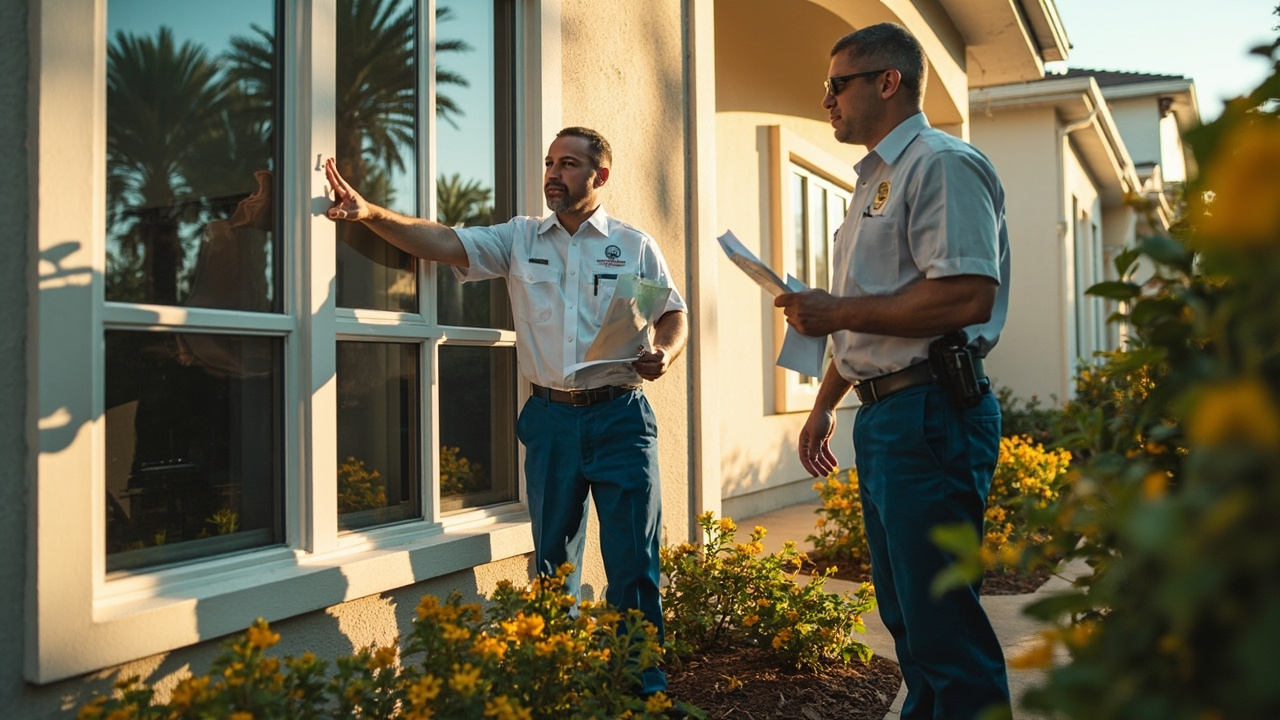
Your windows and doors need attention. Run your hand along frames during a rainstorm. Feel for drafts or moisture. Reapply exterior caulk where gaps appear. Check weep holes at the bottom of window frames. These drain moisture that gets past the first seal. If they are clogged with paint or debris, water backs up into your wall cavity.

Gutters and downspouts matter more than most homeowners realize. Clean them quarterly. Clogged gutters overflow and dump hundreds of gallons against your foundation during afternoon thunderstorms. Extend downspouts at least five feet from your foundation. Consider splash blocks or underground drainage pipes for better moisture management.

Interior prevention includes checking under sinks for slow leaks, inspecting washing machine hoses for bulges or cracks, and testing your water heater's pressure relief valve annually. Small leaks become big problems.

Your Seasonal Waterproofing Checklist

Preventative Waterproofing Tips in Orlando – Protect Your Home Before Water Damage Strikes
01

Spring Inspection Phase

After winter cold fronts pass, inspect all exterior caulking and sealants. Temperature fluctuations cause expansion and contraction that opens gaps. Check attic ventilation for proper airflow to prevent condensation buildup. Test your sump pump if you have one. Clear debris from roof valleys where water concentrates during spring storms. Document problem areas with photos to track degradation over time.
02

Hurricane Season Preparation

June through November demands heightened vigilance. Trim trees away from your roof to prevent impact damage during high winds. Stock emergency supplies including tarps, sandbags, and battery-powered pumps. Inspect your roof for loose shingles that could tear off in tropical storm winds. Clear all gutters and downspouts completely. Check window and door seals. Consider temporary flood barriers for low-lying areas if you live near water bodies.
03

Fall and Winter Maintenance

October through February brings less rain but creates different challenges. Falling leaves clog gutters and create dams. Cold snaps stress plumbing in exterior walls. Inspect weatherstripping on doors for gaps that allow moisture-laden air inside. Check crawl spaces and attics for signs of moisture intrusion like staining or musty odors. Test all bathroom and kitchen exhaust fans to ensure they vent outside properly.

Why Local Knowledge Prevents Water Damage

Reliance Water Damage Restoration Orlando understands prevention from the perspective of cleanup. We see what happens when waterproofing fails. That experience informs better preventative strategies.

Orlando homes face specific challenges that national guides miss. Your concrete block construction is porous. Without proper sealing, moisture wicks through and creates efflorescence on interior walls. Your stucco exterior develops hairline cracks from thermal cycling. Those cracks become water highways during driving rain.

Your irrigation system is another risk factor. Sprinkler heads aimed at your foundation or set to run too long saturate soil and create moisture problems. We see this constantly in newer developments where landscapers prioritize lawn coverage over building protection.

The local building codes in Orange County have evolved because of these challenges. Current code requires moisture barriers behind exterior finishes and proper flashing details. Older homes lack these protections. If your house was built before 2000, assume you need additional waterproofing measures.

We know which neighborhoods flood during heavy rain. Areas near Turkey Lake, Conway, and the Little Econ River deal with different water table issues than homes in Winter Park or Maitland. Your prevention strategy must account for your specific location.

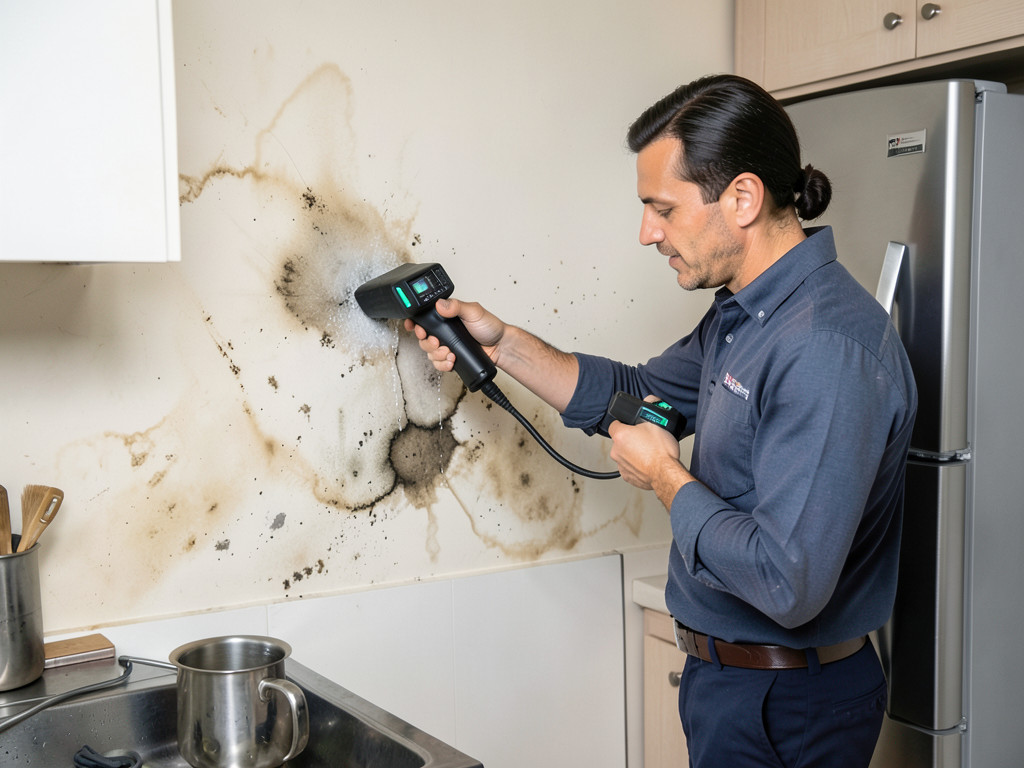
Our team provides free moisture assessments that identify vulnerable areas before they fail. We use thermal imaging to detect hidden moisture in walls and ceilings. This technology shows problems invisible to the naked eye. You get a prioritized list of repairs ranked by urgency and potential damage.

When you call us for an assessment, you gain access to professional-grade solutions. We source commercial sealants and moisture barriers that outperform retail products. Our relationships with local contractors mean we can recommend trusted specialists when repairs exceed DIY capabilities.

What Professional Prevention Looks Like

Response Time and Availability

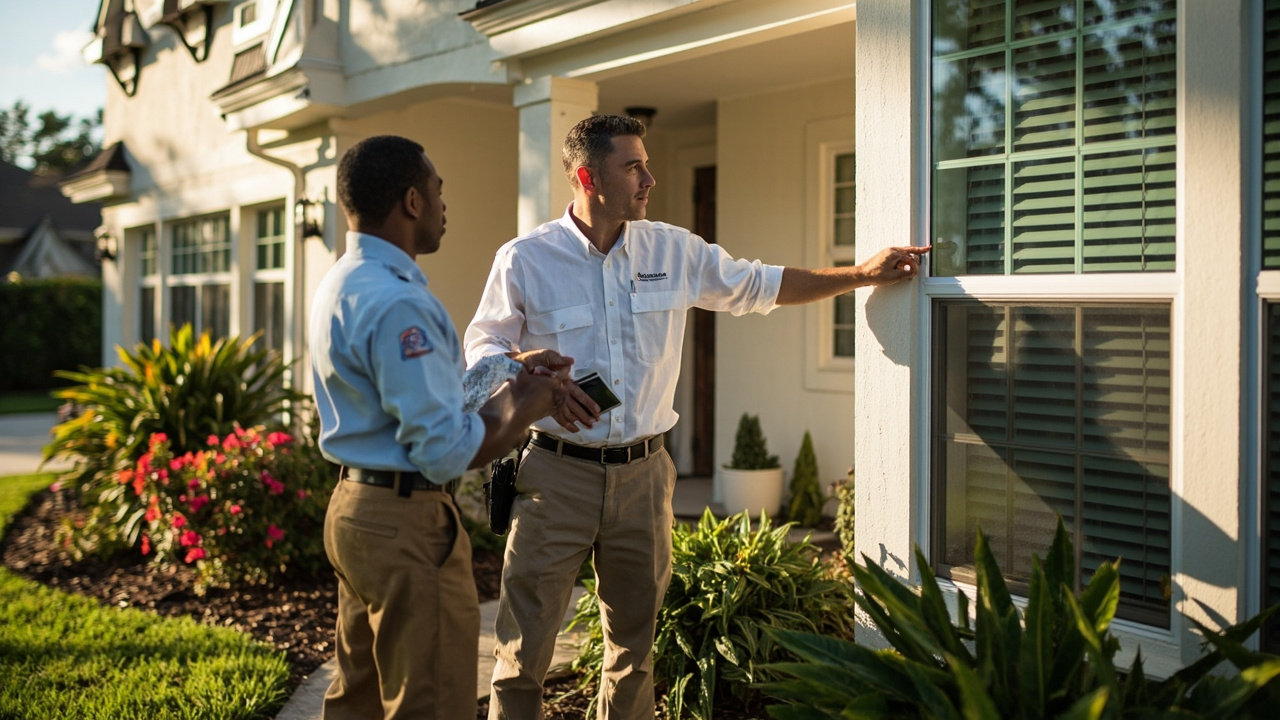
We schedule prevention assessments within 48 hours of your call. Most appointments take 60 to 90 minutes depending on your home's size and age. You walk the property with our technician who explains findings in real time. You receive a written report within 24 hours detailing every issue discovered, ranked by severity. Emergency consultations are available when you discover active leaks or moisture intrusion. We dispatch within two hours for urgent situations because small problems escalate quickly in Florida's climate.

Comprehensive Moisture Evaluation

Our assessment uses thermal imaging cameras that detect temperature differentials indicating moisture presence. We measure relative humidity in your attic, crawl space, and living areas. Moisture meters test wall cavities around windows, doors, and plumbing penetrations. We inspect your roof from ground level using high-resolution photography and document condition of flashing, valleys, and penetrations. Your foundation receives a thorough visual inspection for cracks, spalling, or signs of water intrusion. We check grading and drainage patterns around your entire perimeter.

Actionable Prevention Plan

You receive a customized prevention plan with specific DIY waterproofing techniques you can implement immediately. We separate quick fixes from projects requiring professional help. Each recommendation includes expected cost ranges and urgency ratings. High-priority items threaten immediate damage. Medium-priority issues need attention within six months. Low-priority items are maintenance tasks for your annual schedule. The plan includes product specifications so you purchase the right materials. We follow up quarterly to track progress and adjust recommendations based on seasonal changes or new findings.

Ongoing Monitoring Support

Prevention works best with consistent monitoring. We offer annual reassessments at reduced rates for existing clients. You get priority scheduling before hurricane season and after major storms. Our team provides phone support when you have questions about suspicious moisture or want guidance on a specific repair. We maintain records of your property's conditions over time, creating a historical baseline that helps identify new problems quickly. This documentation proves valuable for insurance claims if water damage does occur despite prevention efforts.

Frequently Asked Questions

You Have Questions,
We Have Answers

What to do before waterproofing? +

Inspect the area for active leaks, cracks, or structural damage. In Orlando, check for mold growth caused by high humidity and standing water after heavy rains. Remove all debris, efflorescence, and loose material from surfaces. Identify drainage issues around your foundation and gutters. Test moisture levels with a meter to confirm the substrate is dry enough for application. Fix any major structural problems first, as waterproofing over compromised materials fails quickly. Check grading to ensure water flows away from the building. Document problem areas with photos for reference and future monitoring.

What are common waterproofing mistakes? +

Applying waterproofing over wet or damp surfaces traps moisture and leads to failure. Skipping surface preparation like cleaning and patching creates weak bonds. Using the wrong product for your specific application, such as interior sealants on exterior foundations, wastes money. In Orlando, ignoring positive drainage and relying solely on waterproofing membranes invites trouble during tropical storms. Failing to address the root cause, like clogged gutters or cracked foundations, means the problem returns. Applying too thin a coat or skipping recommended layers reduces effectiveness. Not following manufacturer cure times before exposing surfaces to water compromises the seal.

Should you prime before waterproofing? +

Yes, priming improves adhesion and penetration on porous surfaces like concrete and masonry. Primers seal the substrate and create a uniform base for waterproofing membranes or coatings. In Orlando, where concrete block construction is common, primers prevent uneven absorption that causes weak spots. They also block contaminants like oils or salts that interfere with bonding. Always match the primer to your waterproofing system. Some products include built-in primers, but separate priming is better for heavily weathered or patched surfaces. Let the primer cure fully before applying the waterproofing layer. Skip this step and you risk delamination and early failure.

How much does it cost to waterproof a 1000 sq ft basement? +

Cost factors include the waterproofing method, extent of drainage work, and existing damage. Exterior excavation and membrane systems run higher than interior sealants but offer better protection. In Orlando, you also pay for water table management and addressing sandy soil issues. Expect costs to vary based on crack repairs, sump pump installation, and dehumidification needs. Interior coatings are cheaper upfront but may not solve exterior hydrostatic pressure problems common after heavy rains. Always get multiple estimates and ask about warranties. Investing in proper exterior waterproofing now prevents costly water damage repairs and mold remediation later. Quality work protects your investment.

What are the four steps to waterproofing? +

First, identify and fix the water source, whether groundwater, surface runoff, or plumbing leaks. Second, prepare the surface by cleaning, repairing cracks, and ensuring it is dry. Third, apply the waterproofing system, whether membrane, coating, or crystalline treatment, following manufacturer guidelines for thickness and coverage. Fourth, install drainage improvements like French drains, gutters, or sump pumps to move water away from the structure. In Orlando, address grading issues so water flows away from your foundation during afternoon thunderstorms. Each step builds on the previous one. Skipping any step compromises the entire system and invites future water intrusion problems.

What is the negative side of waterproofing? +

Waterproofing can trap interior moisture if applied incorrectly, causing mold growth inside walls. In Orlando, sealing a structure too tightly without proper ventilation creates humidity problems year-round. Some waterproofing chemicals release fumes during application and curing. Exterior membranes require excavation, which is disruptive and expensive. Waterproofing hides underlying structural issues temporarily, delaying necessary repairs. Poor application or wrong product choice leads to delamination and wasted money. Over-reliance on interior sealants ignores exterior hydrostatic pressure, which eventually breaks through. Waterproofing is not a permanent fix without addressing drainage. Regular inspection and maintenance are still required to catch problems early.

How many coats of waterproofing should I do? +

Most waterproofing systems require two coats minimum for proper mil thickness and coverage. The first coat seals the substrate and fills minor imperfections. The second coat provides uniform protection and catches any missed spots. In Orlando, where UV exposure and humidity stress coatings, a third coat on exposed surfaces extends lifespan. Always follow manufacturer specifications for dry time between coats, which varies by temperature and humidity. Applying coats too quickly traps solvents and weakens the membrane. For high-risk areas like below-grade walls or areas with hydrostatic pressure, additional coats provide extra insurance. Thickness matters more than coat count in some systems.

How to prepare a surface for waterproofing? +

Remove all dirt, grease, efflorescence, and loose material with a wire brush or pressure washer. Repair cracks wider than hairline with hydraulic cement or polyurethane sealant. In Orlando, check for mold and treat with appropriate cleaners before waterproofing. Grind down high spots and fill low areas to create a smooth, even surface. Let concrete cure at least 28 days before waterproofing new construction. Test moisture levels to confirm the surface is dry, as trapped moisture causes adhesion failure. Etch glossy surfaces with acid wash to improve bonding. Remove any previous coatings that are peeling or incompatible with your new system.

What is the best waterproofing method? +

The best method depends on your specific situation. Exterior waterproofing with rubberized membranes and drainage boards offers the most protection against hydrostatic pressure. Interior systems like crystalline treatments work for occupied buildings where excavation is impossible. In Orlando, where water tables rise during rainy season, exterior French drains paired with sump pumps handle high groundwater effectively. Bentonite clay systems self-seal but require specific soil conditions. Cementitious coatings work for water tanks and basements. Liquid membranes conform to complex shapes. Combine methods for comprehensive protection. Exterior drainage always beats interior sealants alone. Consult a professional to match the system to your building and soil conditions.

What is the best time to do water waterproofing? +

Schedule waterproofing during Orlando's dry season, typically October through May, when humidity is lower and rain is less frequent. Avoid summer months when afternoon thunderstorms disrupt curing and high humidity extends dry times. Most waterproofing products require 24 to 72 hours of dry conditions to cure properly. Temperature matters too. Apply when temperatures stay between 50 and 90 degrees for optimal adhesion. Cold snaps, rare in Orlando, can slow curing. Plan exterior work when you can protect fresh applications from sudden rain. Interior waterproofing offers more flexibility but still benefits from stable conditions. Always check the forecast before starting any waterproofing project.

How Orlando's Groundwater and Rainfall Patterns Demand Year-Round Waterproofing Vigilance

Orlando sits on the Floridan Aquifer, one of the most productive groundwater systems in the world. Your water table ranges from two feet to twenty feet below ground depending on season and location. During summer wet season, that table rises significantly. Homes in low-lying areas near Lake Underhill, Lake Conway, or along Shingle Creek experience hydrostatic pressure that forces moisture through foundation floors and walls. This groundwater pressure requires different prevention strategies than surface water management. You need properly installed vapor barriers under slab foundations and perimeter drainage systems that relieve pressure before it damages your structure.

Central Florida building codes reflect our unique moisture challenges, but enforcement varies by permit year and jurisdiction. Homes built before Florida Building Code adoption in 2002 often lack adequate moisture protection. Properties in historic districts like Colonialtown or Thornton Park may have restrictions on exterior modifications that complicate waterproofing improvements. We work within these constraints to find code-compliant solutions. Our familiarity with Orange County permitting requirements means we guide you toward prevention methods that satisfy both preservation standards and moisture control needs. Local expertise matters because generic waterproofing advice fails under Florida conditions.
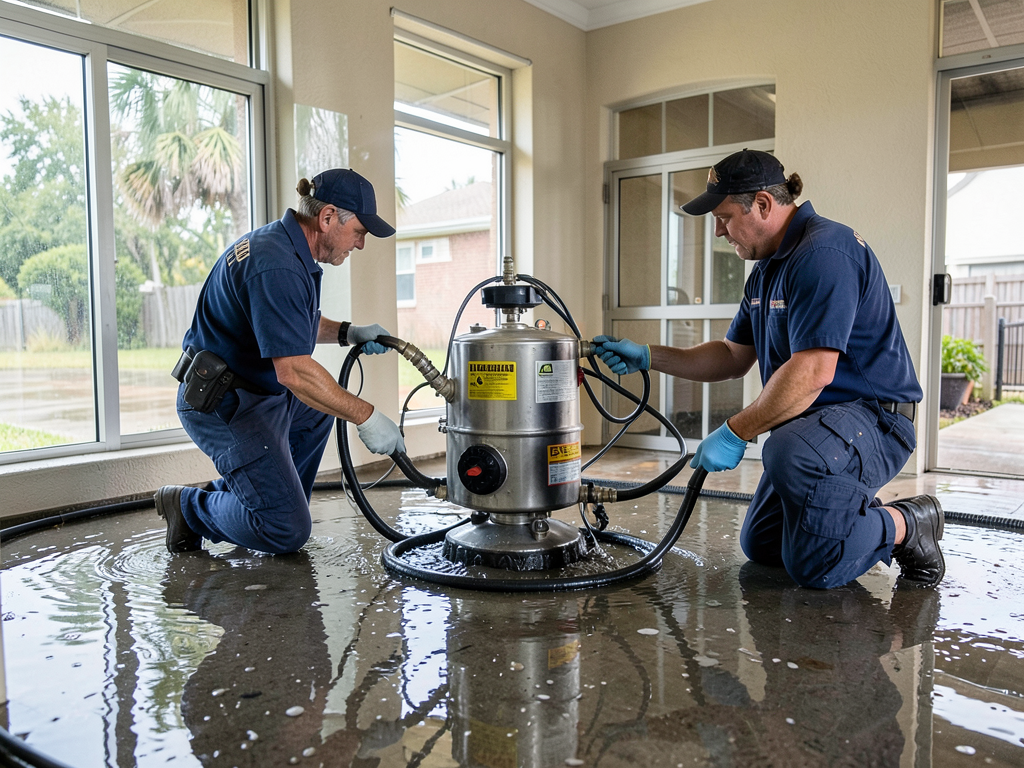
Water Damage Restoration Services in The Orlanado Area

Looking for fast and reliable water damage restoration in your area? Reliance Water Damage Restoration Orlando proudly serves homes and businesses throughout Orlando and surrounding communities. Whether you're dealing with flood damage, burst pipes, or mold issues, our expert team is ready to respond 24/7. We use industry-leading equipment to extract water, dry structures, and restore your property to pre-loss condition. Check the map below to see if we service your neighborhood, or call now for immediate help.

Address:
Reliance Water Damage Restoration Orlando, 7380 W Sand Lake Rd Suite 500, Orlando, FL, 32819

Additional Services We Offer

Our news updates

Latest Articles & News from The Blogs

Lorem ipsum dolor sit amet. Aut expedita quaerat quo eligendi numquam et laudantium perspiciatis qui minima expedita rem consequatur ducimus.…

Test Blog 4

Lorem ipsum dolor sit amet. Aut expedita quaerat quo eligendi numquam et laudantium perspiciatis qui minima expedita rem consequatur ducimus.…

Test Blog 3

Lorem ipsum dolor sit amet. Aut expedita quaerat quo eligendi numquam et laudantium perspiciatis qui minima expedita rem consequatur ducimus.…

Test Blog 2

Lorem ipsum dolor sit amet. Aut expedita quaerat quo eligendi numquam et laudantium perspiciatis qui minima expedita rem consequatur ducimus.…

Contact Us

Get your free moisture assessment today. Call Reliance Water Damage Restoration Orlando at (689) 268-2233. We identify vulnerable areas and provide a custom prevention plan. Available seven days a week.