
Menu

Does Insurance Cover Mold in Orlando? Understanding Your Policy Before Water Damage Becomes a Claim Nightmare

Get clarity on homeowners insurance mold coverage in Central Florida, where humidity and water intrusion make mold a constant threat to your property and your wallet.

Slider Image 1
Slider Image 2
Slider Image 3
Slider Image 4
Slider Image 5
Slider Image 7
Slider Image 8
Slider Image 9
Slider Image 10
Slider Image 11

Orlando's Humidity Creates Mold Fast, But Your Policy May Not Cover It

Orlando's subtropical climate keeps relative humidity above 70 percent most of the year. Combine that with summer thunderstorms dropping three inches of rain in an afternoon, and you have perfect conditions for mold growth within 24 to 48 hours of water intrusion.

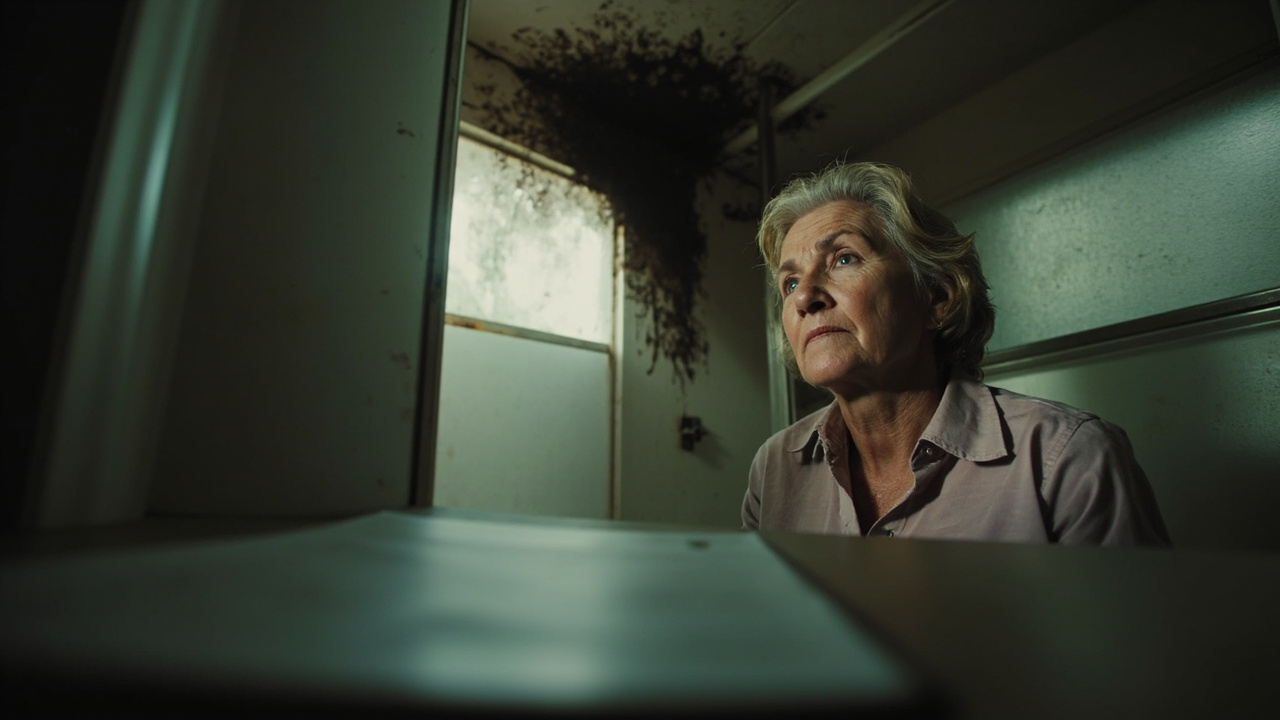
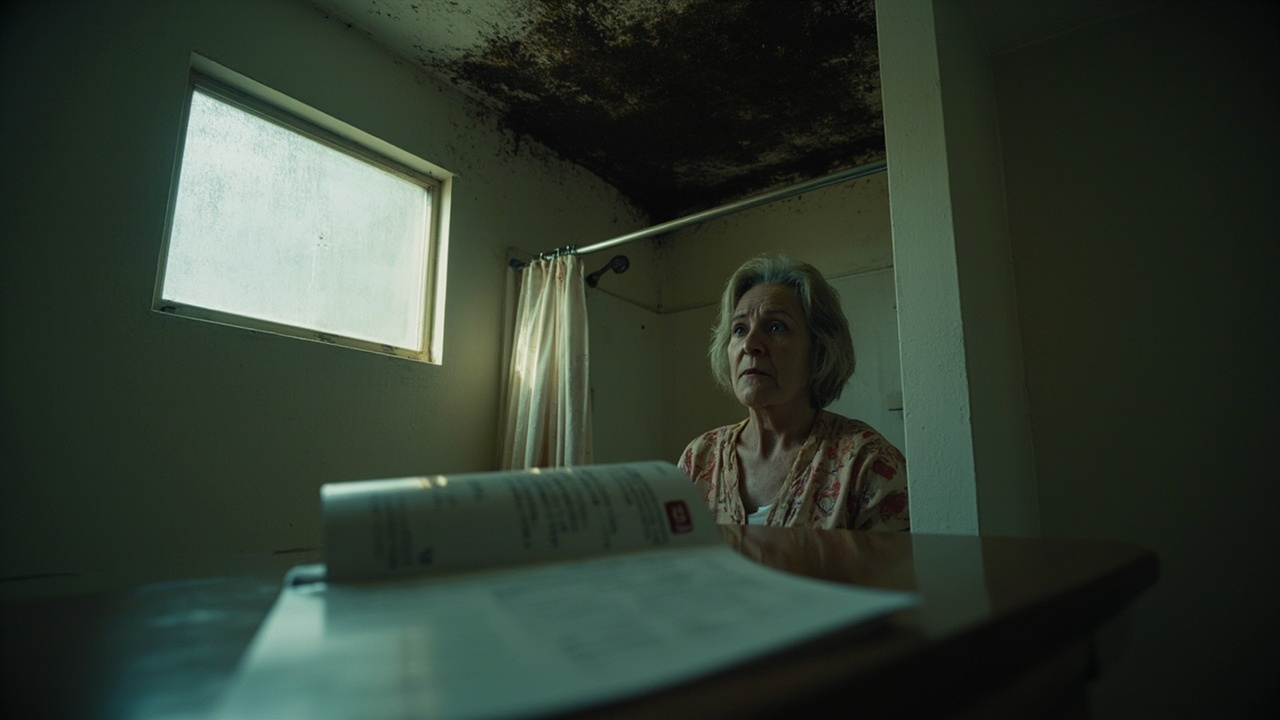
Here is the problem most Orlando homeowners face. You discover black mold spreading behind your drywall after a slow leak from your AC condensate line. You call your insurance agent expecting coverage. Then you hear the words that drain the color from your face: "Mold damage is excluded unless it resulted from a covered peril."

Is mold damage covered by insurance? The answer depends entirely on how the water got there in the first place. If a hurricane tears off your roof and rain soaks your attic, leading to mold growth, property insurance mold coverage typically applies because the initial cause was a covered weather event. If your toilet supply line bursts while you are at work and mold appears three days later, most policies will cover the water damage and resulting mold remediation.

But if that same mold grew because of long-term condensation from poor attic ventilation, a slow drip under your kitchen sink you ignored for months, or groundwater seeping through your foundation, homeowners insurance mold coverage does not apply. Insurance companies view these scenarios as maintenance failures, not sudden accidents.

Orlando's older homes in neighborhoods like College Park and Thornton Park often have hidden moisture issues. Concrete block construction can wick moisture from the ground. Single-pane jalousie windows create condensation. Flat roofs on mid-century homes in Conway and Pine Hills trap water. These conditions create mold, but they also create claim denials.

Understanding whether does home insurance pay for mold removal starts with knowing what caused the moisture problem. The timeline, the source, and your maintenance records all determine whether you get a check or a rejection letter.

Orlando's Humidity Creates Mold Fast, But Your Policy May Not Cover It
How Mold Remediation Insurance Claims Actually Work in Central Florida

How Mold Remediation Insurance Claims Actually Work in Central Florida

Mold remediation insurance claims hinge on one critical factor: causation. Adjusters do not just look at the mold. They investigate how water entered your property, how long it was present, and whether you took reasonable steps to prevent damage.

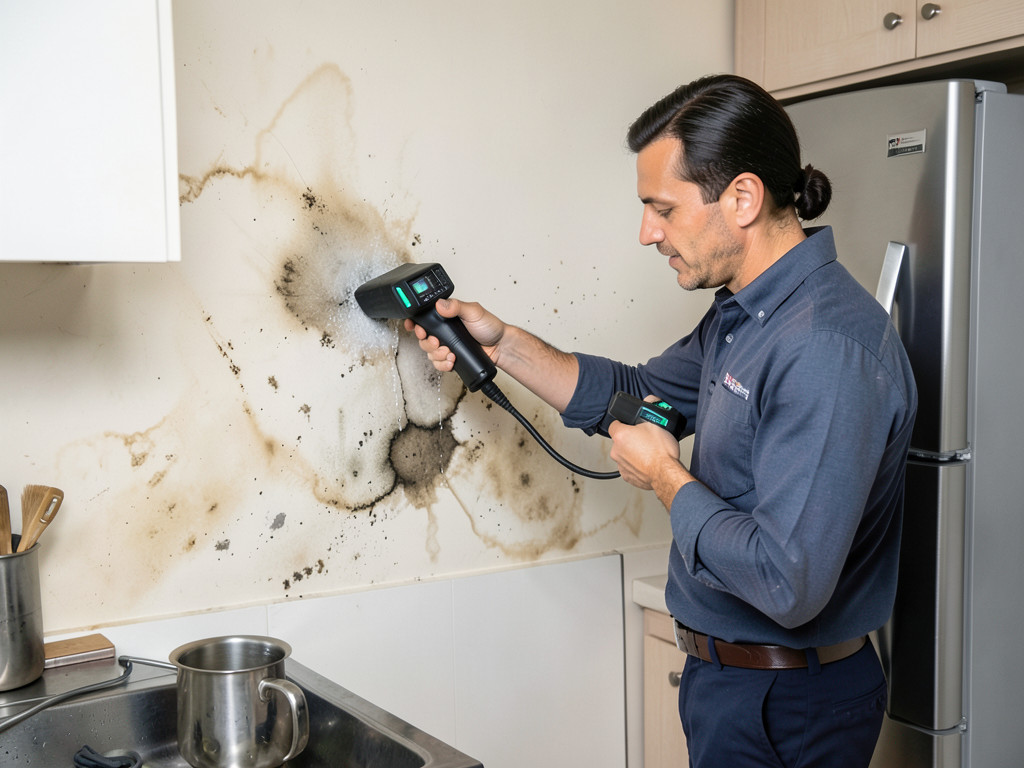
When you file a claim, your insurance company dispatches an adjuster within 24 to 72 hours. That adjuster examines the affected area, takes moisture readings with infrared cameras and hygrometers, photographs the damage, and interviews you about the timeline. They look for evidence of sudden water intrusion versus chronic moisture problems.

If the water source qualifies as a covered peril, such as a burst pipe, appliance malfunction, or storm damage, the adjuster documents the extent of water damage and any secondary mold growth. Florida Statute 627.7073 requires insurers to cover mold remediation costs up to the policy limit when mold results from a covered water loss, but only if you mitigated the damage promptly.

This is where most claims fall apart. If the adjuster finds evidence you knew about the leak for weeks, ignored standing water, or failed to run dehumidifiers, the insurance company can reduce or deny the claim based on your failure to mitigate. Orlando's humidity makes this particularly tricky because mold can appear in 24 hours, but adjusters expect you to act within hours of discovering water intrusion.

Professional documentation matters. When Reliance Water Damage Restoration Orlando arrives after a water event, we photograph conditions, measure moisture levels, document containment procedures, and create a timeline that supports your claim. We provide the technical data adjusters need to approve mold remediation insurance claims.

We also extract water immediately, set up air movers and dehumidifiers to dry structural materials below 15 percent moisture content, and apply antimicrobial treatments to prevent mold colonization. These steps prove you took reasonable action to protect your property, which satisfies your policy's mitigation requirements.

Insurance companies cannot deny a claim simply because mold appeared. They can only deny it if the underlying water damage was not covered or if you failed to act responsibly once you discovered it.

What Happens During Your Mold Insurance Claim Evaluation

Does Insurance Cover Mold in Orlando? Understanding Your Policy Before Water Damage Becomes a Claim Nightmare
01

Documentation and Assessment

We arrive with moisture meters, thermal imaging cameras, and hygrometers to measure humidity levels and moisture content in walls, floors, and ceilings. Every reading gets documented with timestamps and photographs. We identify the water source, map the affected area, and create a detailed report your adjuster needs to process your claim. This documentation proves the scope of damage and establishes a baseline for remediation work.
02

Adjuster Coordination

We work directly with your insurance adjuster, providing technical reports that explain moisture migration patterns, microbial growth rates in Orlando's climate, and industry-standard remediation protocols per IICRC S520 guidelines. We answer technical questions about containment barriers, HEPA filtration, and disposal procedures. Our goal is to translate the science of mold remediation into language adjusters understand, removing obstacles that delay claim approval.
03

Claim Submission Support

After remediation, we provide itemized invoices, before-and-after photos, air quality test results, and certificates of completion. You receive a full documentation package that satisfies your insurance company's requirements for final payment. We explain which costs fall under your policy coverage and which may require separate billing. This transparency prevents surprise bills and gives you leverage if your insurer disputes any line items on the estimate.

Why Orlando Property Owners Trust Local Expertise for Insurance Mold Claims

National restoration chains send technicians who learned about mold in Arizona or Michigan. They do not understand how Orlando's climate accelerates microbial growth or how Florida building codes affect remediation scope. They do not know which local insurers pay claims quickly and which ones fight every line item.

Reliance Water Damage Restoration Orlando has worked with every major insurance carrier operating in Central Florida. We know which adjusters require air quality testing before approving remediation. We know which companies accept thermal imaging as proof of hidden moisture and which demand invasive testing. We know how to document claims so they get approved the first time, not after three rounds of appeals.

Orlando's concrete block construction creates unique challenges for mold claims. Water can travel horizontally through porous block for days before surfacing as visible damage. Adjusters unfamiliar with this construction type often underestimate the scope of hidden moisture, leading to low settlement offers. We use moisture mapping techniques specific to block construction to prove the full extent of damage, ensuring you receive adequate compensation.

We also understand local soil conditions. Orlando sits on limestone bedrock with a high water table. Properties in low-lying areas near Lake Underhill, Lake Conway, and the Little Econ River experience seasonal groundwater intrusion. If your basement or crawl space floods during summer storms, we document whether the water entered through storm surge, surface runoff, or groundwater seepage, because each scenario triggers different policy provisions.

Florida Statute 627.70132 requires insurers to respond to claims within strict timelines. We track those deadlines and hold carriers accountable when they delay inspections, request unnecessary documentation, or fail to issue payment within the statutory period. You have legal rights during the claims process, and we make sure insurers respect them.

Our technicians carry IICRC certifications in water damage restoration and applied microbial remediation. We follow EPA and OSHA protocols for containment, removal, and disposal. We pull permits when required by Orange County building codes. This professionalism gives adjusters confidence in our work, which translates to faster claim approvals and full payment.

What to Expect When Filing a Mold Insurance Claim in Orlando

Immediate Response Time

You must report water damage to your insurance company within 24 hours to preserve coverage. We arrive within two hours of your call to begin emergency water extraction and drying. This rapid response prevents mold colonization and satisfies your policy's requirement to mitigate damage. We document our arrival time, initial moisture readings, and every action taken during the first 48 hours. This creates a timeline that proves you acted reasonably to protect your property, which is critical for claim approval.

Detailed Damage Assessment

Your adjuster wants facts, not estimates. We provide both. Our assessment includes moisture content readings for every affected material, thermal images showing hidden water migration, and a written protocol for containment, removal, and reconstruction. We identify whether mold growth is surface level or requires invasive demolition. We test air quality to quantify spore counts before and after remediation. This data gives adjusters the technical justification they need to approve comprehensive remediation rather than minimal surface cleaning.

Proper Remediation Standards

Insurance companies only pay for work performed to industry standards. We follow IICRC S520 protocols, which specify containment barriers, negative air pressure, HEPA filtration, antimicrobial treatments, and proper disposal of contaminated materials. We seal off work areas with polyethylene sheeting and maintain negative pressure to prevent spore migration. We remove porous materials like drywall and insulation that cannot be salvaged. We treat structural framing with antimicrobial solutions. The result is a property restored to preloss condition with documented proof of proper remediation.

Post-Remediation Verification

Claim approval often requires independent verification that mold has been successfully removed. We coordinate post-remediation air quality testing through certified third-party labs. These tests measure airborne spore counts and compare them to outdoor baseline levels. When results show your indoor air quality meets or exceeds normal conditions, your insurance company releases final payment. We provide a certificate of completion and a written guarantee that remediation was performed correctly. This documentation protects you if your insurer questions the work months or years later.

Frequently Asked Questions

You Have Questions,
We Have Answers

Should I tell my insurance company about mold? +

Yes, you should report mold to your insurance company if it resulted from a covered peril like a burst pipe or storm damage. Orlando's high humidity makes mold grow fast after water events. Document the damage with photos and timestamped notes before calling your insurer. Be honest about the timeline and cause. Do not attempt major cleanup before the adjuster inspects, as this can hurt your claim. If mold developed from long-term neglect or lack of maintenance, your policy likely will not cover it. Report quickly to preserve your rights.

Can you claim for mold on house insurance? +

You can claim mold damage if it resulted from a covered peril like sudden water damage from plumbing failures, roof leaks after storms, or HVAC malfunctions. Orlando homeowners face frequent thunderstorms and hurricanes that can cause roof leaks leading to mold. Your policy must show the mold grew from a recent, accidental event, not gradual neglect. Most policies exclude mold from maintenance issues or humidity alone. Read your declarations page for mold coverage limits, which often cap at $10,000 unless you purchased additional endorsements.

What types of mold does insurance cover? +

Insurance does not cover mold by type. Coverage depends on the cause, not the species. If black mold, Aspergillus, or any other strain grew from a covered water loss like a storm-damaged roof or burst pipe, it may be covered. If mold resulted from poor ventilation, deferred maintenance, or chronic humidity, your insurer will deny the claim. Orlando's subtropical climate creates mold-friendly conditions year-round, so carriers scrutinize causation closely. The key question is always whether the underlying water event was sudden and accidental.

What is an example of a mold claim? +

A common mold claim in Orlando involves a homeowner returning from vacation to find a supply line burst under the kitchen sink. Water flooded the cabinets and adjacent drywall for days. Within 72 hours, visible mold appeared on the baseboards and wall cavities. The homeowner documented the damage, filed a claim immediately, and hired a licensed remediator. The insurance adjuster confirmed the burst pipe was sudden and accidental. The policy covered water extraction, drywall replacement, and mold remediation up to the policy limit.

How expensive is mold removal? +

Mold removal costs vary widely based on the extent of contamination and materials affected. Small areas under 10 square feet may cost a few hundred dollars. Larger infestations requiring drywall removal, HVAC cleaning, and containment barriers can run several thousand dollars. Orlando's humidity accelerates mold spread, increasing costs if you delay. Professional remediation includes containment, air scrubbing, material removal, antimicrobial treatment, and post-clearance testing. Never rely on dollar figures alone. Get a detailed scope of work from a licensed contractor before proceeding. Insurance may cover part or all of it.

Will my rates go up if I file a mold claim? +

Filing a mold claim can increase your premiums or lead to non-renewal, especially if your insurer views the loss as preventable. Florida's competitive insurance market means carriers closely track claim frequency. A single mold claim from a covered peril like storm damage may not spike rates significantly. However, multiple claims or mold from neglect signal risk. Orlando homeowners already face high premiums due to hurricane exposure. Weigh the claim payout against potential rate increases and policy changes. Consult your agent before filing if the amount is borderline.

How to get homeowners insurance to pay for mold? +

To get your insurer to pay for mold, you must prove the mold resulted from a covered peril like a sudden plumbing failure or storm damage. Document everything with photos, videos, and written timelines. Hire a licensed water damage restoration company to assess the cause and scope. Submit a detailed claim with contractor estimates, moisture readings, and evidence linking the mold to the covered event. In Orlando, adjusters often dispute causation due to high ambient humidity. Be prepared to challenge lowball offers or denials with professional documentation and persistence.

What are the signs of mold in a house? +

Signs of mold include visible black, green, or white patches on walls, ceilings, or grout. You may notice a musty, earthy odor in closets, bathrooms, or crawl spaces. Discoloration on drywall, peeling paint, or warped baseboards signal moisture intrusion. Orlando's humidity and frequent storms create ideal mold conditions, especially in poorly ventilated areas. You may experience increased allergies, coughing, or respiratory irritation when indoors. Water stains, condensation on windows, or damp carpet are red flags. If you suspect mold, address the moisture source immediately to prevent spread.

How much compensation can I get for mold? +

Compensation depends on your policy limits, the cause of mold, and the extent of damage. Many Orlando homeowners have mold sub-limits capping coverage at $10,000 or less. If mold resulted from a covered peril like storm damage, you may recover costs for remediation, material replacement, and temporary housing if the home is uninhabitable. Compensation does not include punitive amounts or pain and suffering in property claims. If your insurer denies or undervalues the claim, you can dispute through appraisal or hire a public adjuster to negotiate.

What if my insurance denies my mold claim? +

If your insurer denies your mold claim, review the denial letter carefully for the stated reason. Common denials cite maintenance issues, gradual damage, or lack of a covered peril. Gather evidence proving the mold resulted from a sudden, accidental event like a plumbing failure or storm damage. Hire a licensed water damage professional to provide a written causation report. In Orlando, you can request an appraisal or file a complaint with the Florida Department of Financial Services. Consider hiring a public adjuster or attorney to challenge the denial and negotiate a settlement.

Why Orlando's Insurance Market Treats Mold Claims Differently Than Other States

Florida leads the nation in homeowners insurance disputes, and mold claims account for a significant portion of that litigation. After Hurricane Ian and Nicole, Central Florida insurers tightened mold coverage language, added sub-limits as low as 10,000 dollars, and increased scrutiny of causation. Some carriers now require separate mold endorsements. Others exclude mold entirely unless it results from a named peril like fire or lightning. Orlando homeowners face a more restrictive claims environment than property owners in most other states, making professional documentation critical to securing coverage for mold remediation.

Reliance Water Damage Restoration Orlando has navigated this evolving insurance landscape for years. We understand which policy provisions favor homeowners and which favor carriers. We know how to frame claims to maximize coverage under Florida law. We know when to push back against lowball settlements and when to accept reasonable offers. Our relationship with local adjusters, public adjusters, and insurance attorneys gives you leverage during negotiations. When your claim gets denied, we provide the technical evidence your attorney needs to challenge that denial in court.
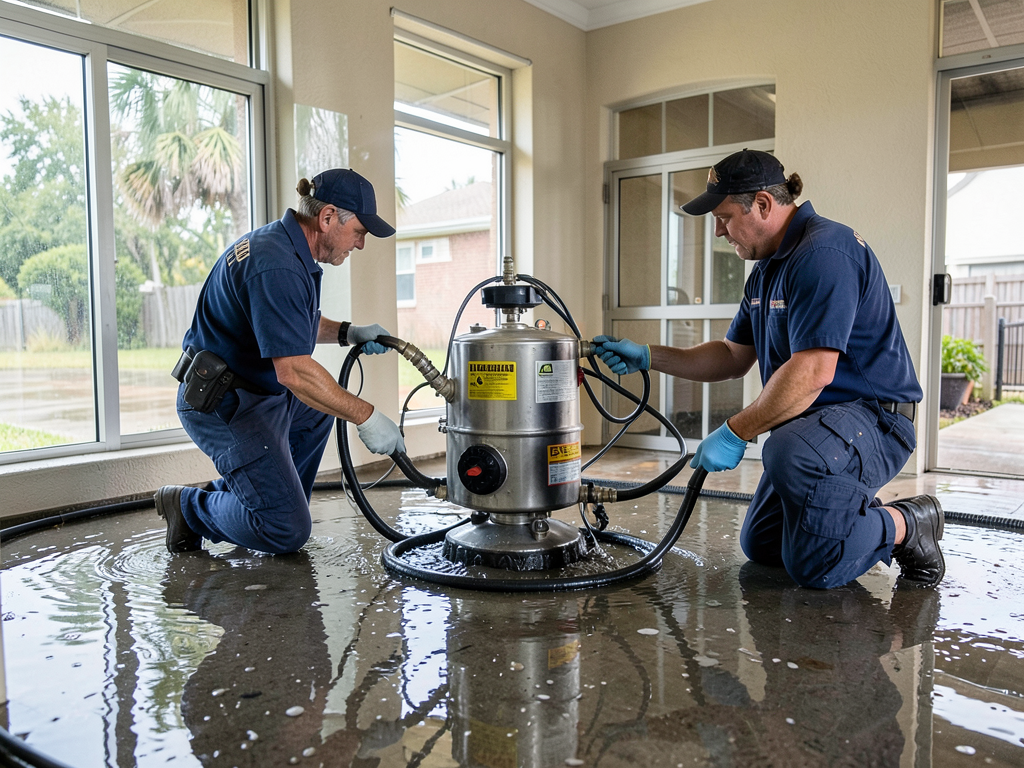
Water Damage Restoration Services in The Orlanado Area

Looking for fast and reliable water damage restoration in your area? Reliance Water Damage Restoration Orlando proudly serves homes and businesses throughout Orlando and surrounding communities. Whether you're dealing with flood damage, burst pipes, or mold issues, our expert team is ready to respond 24/7. We use industry-leading equipment to extract water, dry structures, and restore your property to pre-loss condition. Check the map below to see if we service your neighborhood, or call now for immediate help.

Address:
Reliance Water Damage Restoration Orlando, 7380 W Sand Lake Rd Suite 500, Orlando, FL, 32819

Additional Services We Offer

Our news updates

Latest Articles & News from The Blogs

Lorem ipsum dolor sit amet. Aut expedita quaerat quo eligendi numquam et laudantium perspiciatis qui minima expedita rem consequatur ducimus.…

Test Blog 4

Lorem ipsum dolor sit amet. Aut expedita quaerat quo eligendi numquam et laudantium perspiciatis qui minima expedita rem consequatur ducimus.…

Test Blog 3

Lorem ipsum dolor sit amet. Aut expedita quaerat quo eligendi numquam et laudantium perspiciatis qui minima expedita rem consequatur ducimus.…

Test Blog 2

Lorem ipsum dolor sit amet. Aut expedita quaerat quo eligendi numquam et laudantium perspiciatis qui minima expedita rem consequatur ducimus.…

Contact Us

Do not let your insurance company deny coverage because of incomplete documentation or missed deadlines. Call Reliance Water Damage Restoration Orlando at (689) 268-2233 right now. We start protecting your claim the moment we arrive.