Menu

Risks of DIY Water Cleanup in Orlando – Protect Your Home from Hidden Structural Damage and Mold Growth

Understanding the dangers of DIY water damage restoration helps Orlando homeowners avoid costly mistakes that lead to long-term structural deterioration, persistent mold infestations, and rejected insurance claims.

Slider Image 1
Slider Image 2
Slider Image 3
Slider Image 4
Slider Image 5
Slider Image 7
Slider Image 8
Slider Image 9
Slider Image 10
Slider Image 11

Why DIY Water Cleanup Fails in Orlando's High-Humidity Climate

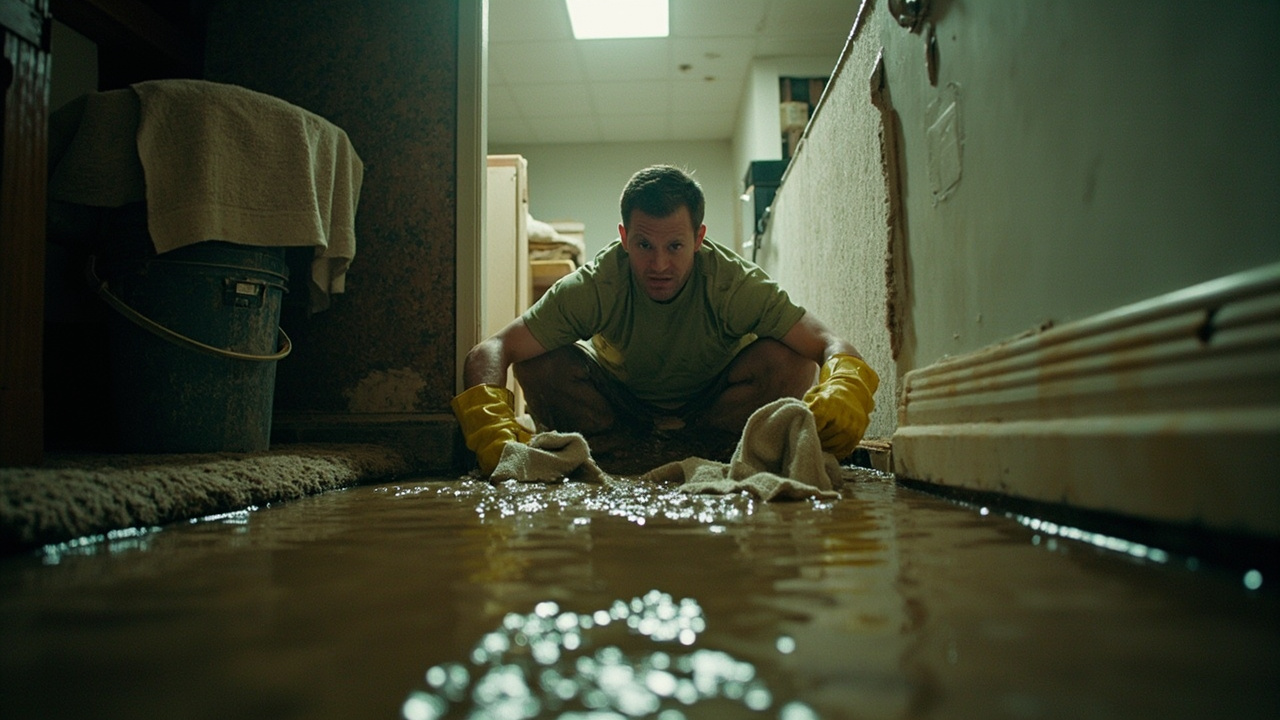
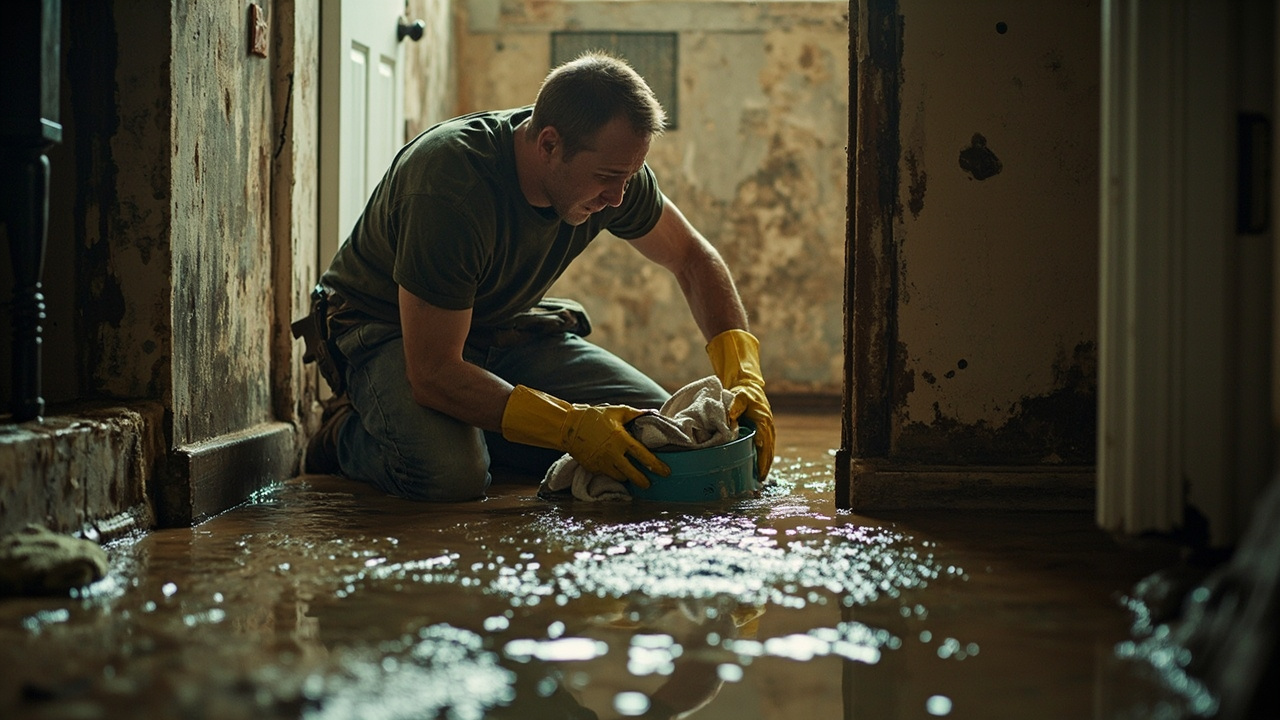
Orlando's subtropical climate creates the worst possible environment for amateur water cleanup attempts. With average humidity levels hovering between 70 and 90 percent year-round, moisture penetrates deeper and faster than in drier regions. When you extract surface water with a shop-vac or run a box fan, you address only what you can see. The hidden moisture trapped in wall cavities, subfloors, and insulation becomes a breeding ground for mold within 24 to 48 hours.

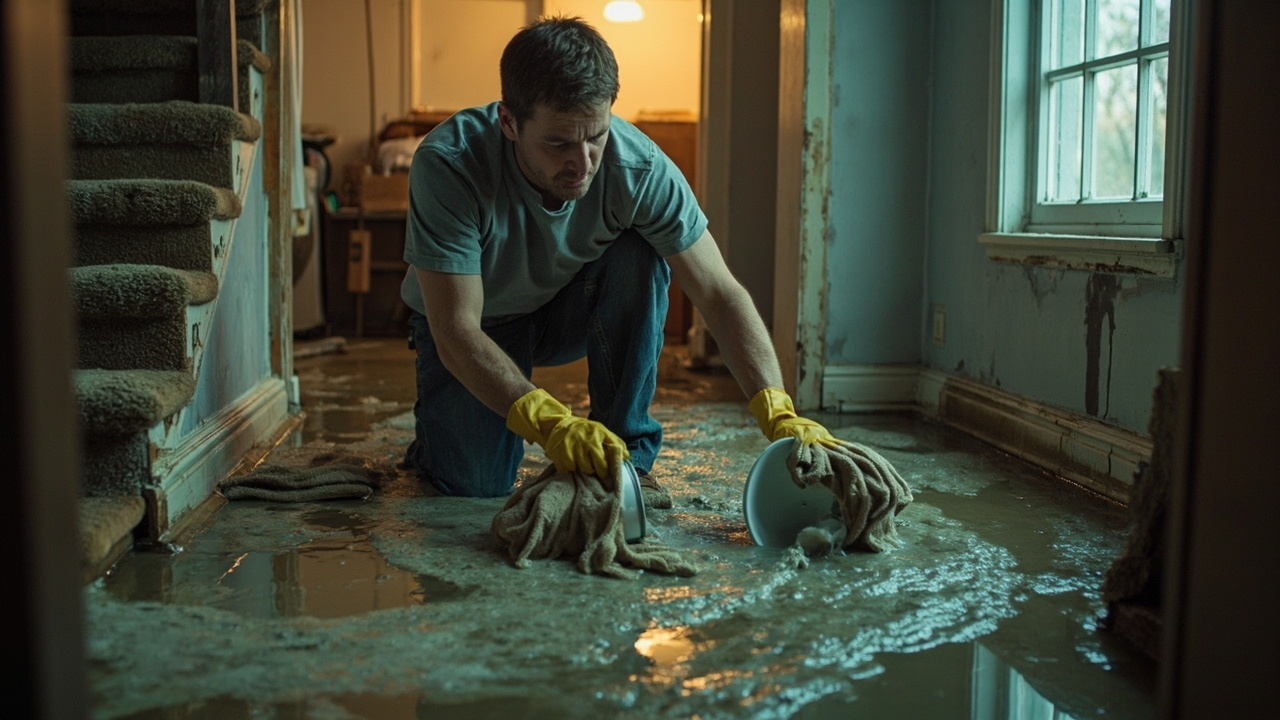
The consequences of amateur water cleanup extend beyond mold. Orlando homes built on sandy soil experience rapid moisture wicking through concrete slabs and block foundations. Water travels laterally through porous materials, saturating areas far from the original leak source. You might dry the visible carpet, but moisture remains in the pad, tack strips, and baseboards.

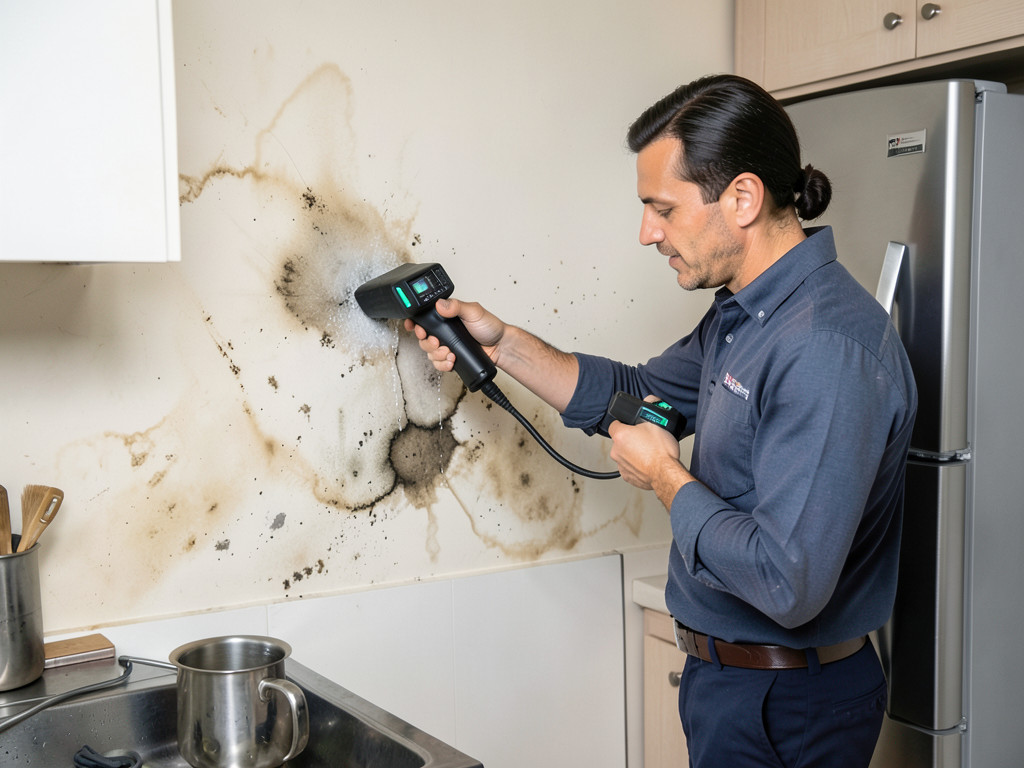
The hazards of do-it-yourself water removal include electrical risks that most homeowners overlook. Water seeps into outlets, breaker panels, and wiring conduits. Walking through standing water or operating equipment near wet electrical systems creates electrocution risks. Professional restoration technicians use thermal imaging cameras and moisture meters to detect hidden water pockets and verify complete drying. These tools cost thousands of dollars and require training to interpret correctly.

The pitfalls of DIY water extraction include equipment limitations. Residential wet-dry vacuums lack the suction power needed for deep water extraction from carpets and padding. Box fans simply move humid air around rather than reducing moisture content. Professional air movers create focused, high-velocity airflow that actually promotes evaporation, while commercial dehumidifiers remove gallons of moisture per day rather than pints.

Why DIY Water Cleanup Fails in Orlando's High-Humidity Climate
The Professional Approach to Water Damage Mitigation

The Professional Approach to Water Damage Mitigation

Professional water damage restoration follows the IICRC S500 Standard, which establishes protocols for water damage assessment, categorization, and remediation. The process begins with moisture mapping using penetrating and non-penetrating meters to document the full extent of water migration. This documentation proves critical for insurance claims and ensures complete drying.

Water categorization determines the appropriate safety protocols and disposal requirements. Category 1 water from clean supply lines requires different handling than Category 2 gray water from dishwashers or washing machines. Category 3 black water from sewage backups or storm flooding contains pathogens and requires biohazard protocols. DIY attempts often cross-contaminate clean areas by using contaminated equipment or failing to contain affected zones.

The hidden risks of self-managed water mitigation include structural damage assessment failures. Professionals use moisture meters to test wall studs, floor joists, and ceiling materials for saturation levels. When wood moisture content exceeds 20 percent, structural integrity becomes compromised. Drywall loses its fire rating when saturated. These conditions require removal and replacement, not just drying.

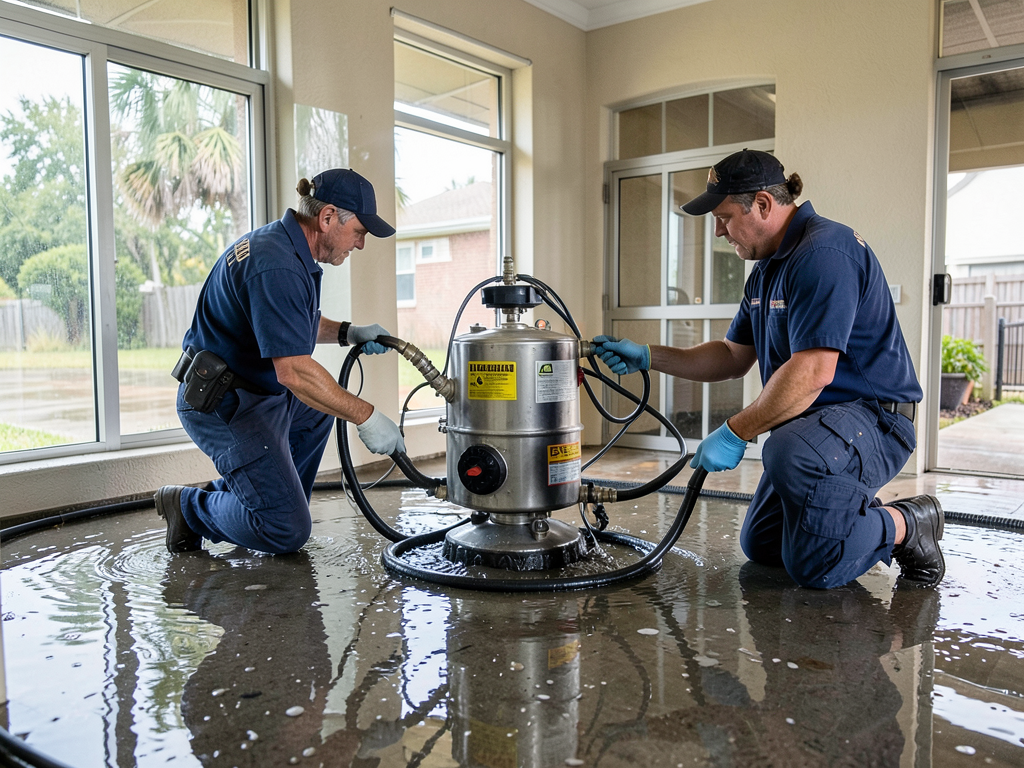
Reliance Water Damage Restoration Orlando deploys truck-mounted extraction units that pull hundreds of gallons per hour from flooring systems. We position commercial dehumidifiers based on psychrometric calculations that account for temperature, humidity, and air movement. Our thermal imaging cameras detect moisture in ceiling cavities and behind walls without destructive testing. We document moisture readings daily to track drying progress and adjust equipment placement.

The dangers of DIY water damage restoration include inadequate antimicrobial treatment. Surface cleaning does not address contamination in porous materials. Professional restoration includes EPA-registered antimicrobials applied at manufacturer-specified dilution rates to affected structural materials before reconstruction begins.

What Happens When You Choose Professional Water Restoration

Risks of DIY Water Cleanup in Orlando – Protect Your Home from Hidden Structural Damage and Mold Growth
01

Emergency Assessment

Technicians arrive within hours to stop active water intrusion and document pre-loss conditions. We photograph all affected areas, test moisture levels in structural materials, and categorize water contamination levels. This initial assessment identifies safety hazards like compromised electrical systems or structural instability. We extract standing water immediately using truck-mounted equipment to prevent further migration into unaffected areas.
02

Controlled Drying Environment

We create negative air pressure containment to prevent moisture and contaminants from spreading to dry areas. Commercial air movers position based on airflow patterns to maximize evaporation rates. Low-grain refrigerant dehumidifiers extract moisture from the air continuously. We monitor temperature and humidity every 12 hours, adjusting equipment based on psychrometric readings. Most structures reach dry standards within three to five days when properly managed.
03

Verification and Clearance

Final moisture readings confirm all affected materials have returned to dry standards before reconstruction begins. We provide detailed documentation showing moisture content in all tested materials dropped below 15 percent for wood and 1 percent for concrete. This verification protects you from future mold claims and provides insurance companies with proof of proper mitigation. You receive a complete loss report with thermal images and moisture logs.

Why Orlando Homeowners Trust Local Water Restoration Experts

Orlando's building stock presents unique restoration challenges that out-of-town companies often mishandle. Homes built before 2002 used different vapor barrier installation methods than newer construction. Block construction common in Central Florida requires different drying strategies than wood-frame structures. Professionals familiar with local building practices know where moisture hides and how to access it without causing unnecessary demolition.

The consequences of amateur water cleanup include insurance claim denials. Insurance adjusters require documentation proving proper mitigation protocols. They need moisture logs, equipment placement diagrams, and daily progress reports. Without this documentation, carriers deny claims for secondary damage like mold growth or structural deterioration. Professional restoration companies provide the documentation insurance companies require for full claim approval.

Reliance Water Damage Restoration Orlando maintains relationships with local insurance adjusters who trust our assessment accuracy and mitigation protocols. We handle claims documentation, coordinate with adjusters for inspection appointments, and advocate for complete coverage of necessary services. This takes the administrative burden off homeowners dealing with the stress of property damage.

Local expertise matters when dealing with Orlando-specific water sources. Summer afternoon thunderstorms dump inches of rain in minutes, overwhelming gutters and causing foundation seepage. Aging cast-iron drain lines under concrete slabs corrode and leak gradually. Pool equipment failures flood lanais and seep into adjacent living spaces. Each water source requires different extraction methods and drying strategies based on contamination level and affected materials.

The pitfalls of DIY water extraction include missing hidden damage that becomes catastrophic later. Water travels along electrical conduits, through HVAC ductwork, and between flooring layers. By the time mold growth becomes visible or odors develop, contamination has spread extensively. Professional thermal imaging detects these hidden moisture pockets before secondary damage occurs.

What to Expect from Professional Water Damage Restoration

Rapid Emergency Response

Water damage worsens exponentially with each passing hour. We dispatch technicians 24 hours a day, 365 days a year, with arrival times typically within 60 to 90 minutes of your call to (689) 268-2233. Our trucks carry extraction equipment, air movers, and dehumidifiers to begin mitigation immediately. We never wait until morning or until after the weekend to start drying your property. Every hour of delay increases structural damage, mold growth potential, and restoration expenses. Emergency response includes water source identification and shut-off, power safety assessment, and immediate extraction of standing water to stop ongoing damage.

Comprehensive Damage Assessment

Initial assessment includes moisture mapping of all affected and potentially affected areas using calibrated meters and thermal imaging cameras. We test moisture content in flooring, walls, ceilings, and contents. Water categorization determines safety protocols and disposal requirements for contaminated materials. We document pre-loss conditions with photographs and detailed notes for insurance purposes. This assessment identifies structural concerns like compromised floor systems or ceiling materials that pose safety risks. You receive a detailed scope of work explaining what materials require drying, removal, or specialized treatment before reconstruction begins.

Complete Structural Drying

Professional drying achieves complete moisture removal from all structural materials, not just surface drying. We position commercial air movers to create optimal airflow patterns across wet surfaces. Low-grain refrigerant dehumidifiers extract moisture from the air continuously, reducing ambient humidity to levels that promote rapid evaporation. Daily moisture readings track drying progress in floors, walls, and ceilings. Most residential structures reach dry standards within three to five days when proper equipment density and monitoring protocols are followed. You receive documentation showing moisture content dropped to safe levels before any reconstruction begins.

Ongoing Monitoring and Documentation

Moisture levels fluctuate based on temperature, humidity, and material density. We monitor conditions every 12 hours, recording moisture content in multiple locations throughout affected areas. Equipment repositioning occurs based on drying progress to maximize efficiency. You receive daily updates on drying status and projected completion timelines. Final documentation includes moisture logs, thermal images, equipment placement diagrams, and photographs showing the complete restoration process. This comprehensive documentation protects you from future liability claims and provides insurance carriers with proof that proper mitigation protocols were followed. Many insurance policies require this level of documentation for full claim approval.

Frequently Asked Questions

You Have Questions,
We Have Answers

How Orlando's Humidity and Storm Patterns Amplify Water Damage Risks

Orlando experiences some of the highest humidity levels in the continental United States, with summer dew points regularly exceeding 75 degrees. This moisture-saturated air slows evaporation rates dramatically, meaning wet building materials stay wet longer. The hazards of do-it-yourself water removal multiply in this climate because standard residential equipment cannot overcome the ambient humidity enough to actually dry structural materials. Summer thunderstorms deliver intense rainfall that overwhelms drainage systems and drives water through building envelope penetrations. Hurricane season brings storm surge concerns for properties near the region's numerous lakes and retention ponds. These conditions require commercial-grade dehumidification capacity that removes 10 to 20 times more moisture per day than residential units.

Orlando's construction industry follows Florida Building Code requirements that mandate specific moisture barrier installation and drainage protocols. Professional restoration technicians understand how local building methods affect water migration patterns and drying strategies. We know that concrete block construction requires flood cuts at different heights than drywall systems. We understand that Orlando's sandy soil creates rapid subsurface water movement during rain events. This local knowledge prevents the common mistakes that lead to incomplete drying and secondary mold growth. Reliance Water Damage Restoration Orlando maintains relationships with local building inspectors, insurance adjusters, and contractors who trust our adherence to proper protocols. When you choose local expertise, you get professionals who understand the specific challenges of water damage restoration in Central Florida's unique climate.
Water Damage Restoration Services in The Orlanado Area

Looking for fast and reliable water damage restoration in your area? Reliance Water Damage Restoration Orlando proudly serves homes and businesses throughout Orlando and surrounding communities. Whether you're dealing with flood damage, burst pipes, or mold issues, our expert team is ready to respond 24/7. We use industry-leading equipment to extract water, dry structures, and restore your property to pre-loss condition. Check the map below to see if we service your neighborhood, or call now for immediate help.

Address:
Reliance Water Damage Restoration Orlando, 7380 W Sand Lake Rd Suite 500, Orlando, FL, 32819

Additional Services We Offer

Our news updates

Latest Articles & News from The Blogs

Lorem ipsum dolor sit amet. Aut expedita quaerat quo eligendi numquam et laudantium perspiciatis qui minima expedita rem consequatur ducimus.…

Test Blog 4

Lorem ipsum dolor sit amet. Aut expedita quaerat quo eligendi numquam et laudantium perspiciatis qui minima expedita rem consequatur ducimus.…

Test Blog 3

Lorem ipsum dolor sit amet. Aut expedita quaerat quo eligendi numquam et laudantium perspiciatis qui minima expedita rem consequatur ducimus.…

Test Blog 2

Lorem ipsum dolor sit amet. Aut expedita quaerat quo eligendi numquam et laudantium perspiciatis qui minima expedita rem consequatur ducimus.…

Contact Us

Do not risk your health and property value by attempting water cleanup without professional equipment and training. Call Reliance Water Damage Restoration Orlando now at (689) 268-2233 for immediate assessment. We respond 24 hours a day with the tools and expertise to protect your home from permanent damage.