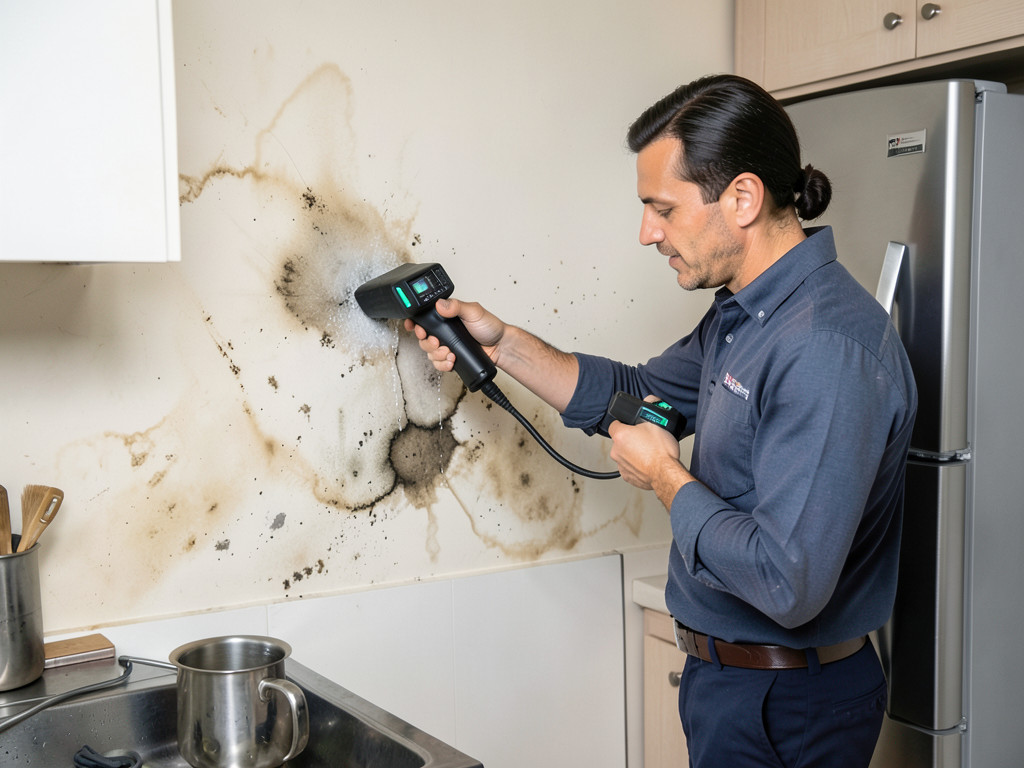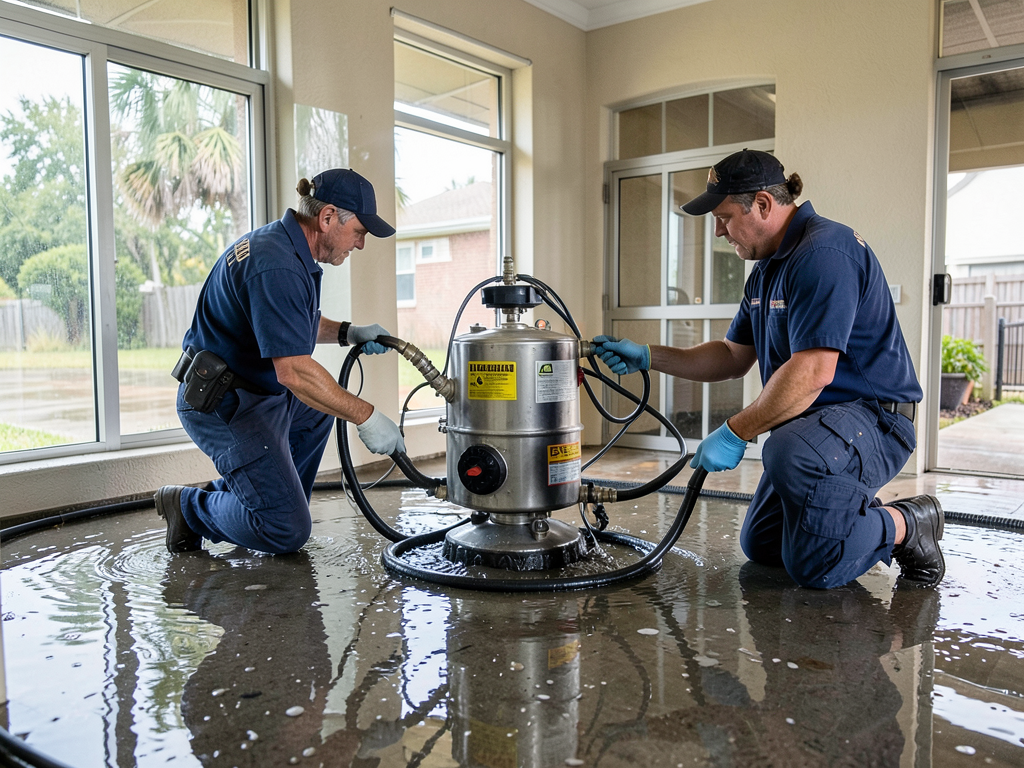


Orlando's average humidity above 70% creates ideal conditions for mold colonization in materials saturated by firefighting water. Mold spores germinate within 48 hours on wet drywall, insulation, and wood framing. Summer temperatures above 90 degrees accelerate off-gassing from burned plastics and synthetic materials, releasing toxic compounds into air trapped inside closed structures. Your post-fire safety steps must account for these environmental factors that turn manageable damage into health hazards. Properties in low-lying areas near Lake Conway or the St. Johns River basin face higher moisture intrusion risks that complicate fire recovery efforts.
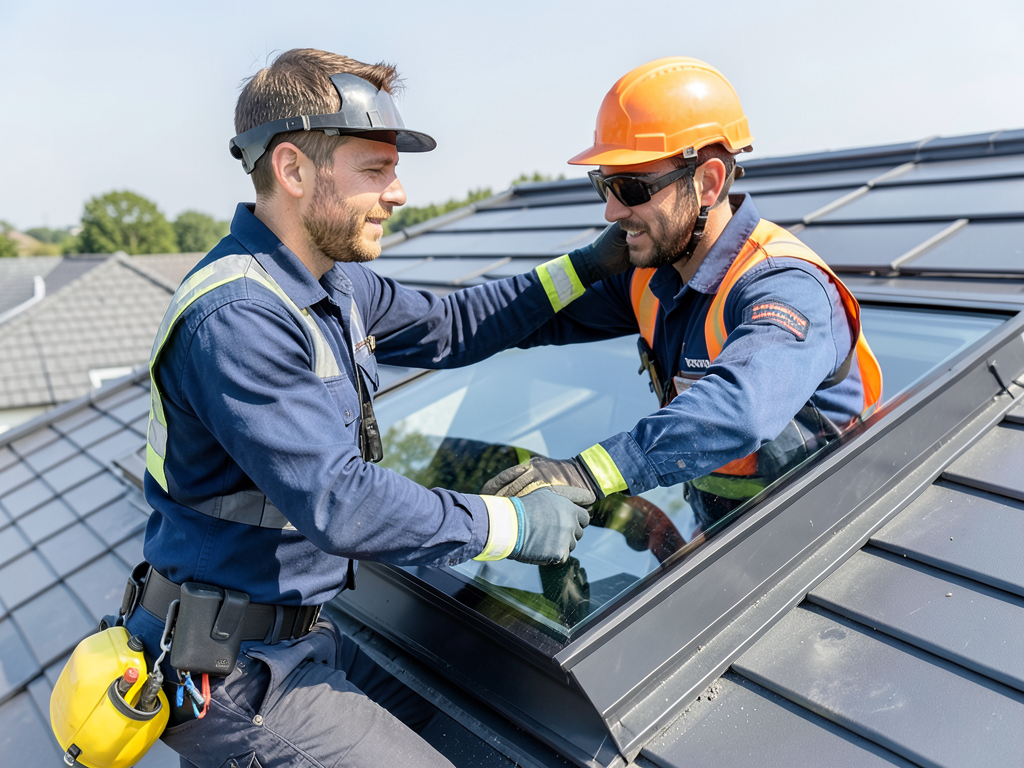
Orlando's mix of construction types requires specialized knowledge for accurate safety assessment. Historic homes in Delaney Park feature wood siding and crawl spaces that trap smoke residue differently than concrete block homes with slab foundations common in newer subdivisions. Commercial properties in the International Drive corridor often have complex HVAC systems that spread contamination throughout entire buildings if not properly sealed during remediation. Local restoration expertise matters because generic approaches miss region-specific risks. We understand Orange County building department requirements and maintain working relationships with city inspectors who review fire damage repairs.