
What to Do About Water Damage in Your Historic Thornton Park Bungalow
Water damage in a historic Thornton Park bungalow requires a preservation-first approach that balances rapid structural drying with protecting irreplaceable architectural details. These homes built before 1950 feature materials and construction methods that demand specialized expertise. When moisture intrudes into your vintage property you need technicians who understand lath and plaster walls heart pine flooring and the delicate balance between modern restoration and historical integrity.
Thornton Park’s historic district contains some of Orlando’s most architecturally significant homes. Many were constructed during Florida’s land boom of the 1920s using techniques and materials no longer common in modern construction. A burst pipe or roof leak in these structures creates unique challenges that extend far beyond simple water extraction. The moisture can compromise original plaster crown molding and built-in cabinetry while potentially disturbing hazardous materials like lead-based paint and asbestos commonly found in pre-1978 construction.
The humid Central Florida climate accelerates mold growth and wood deterioration making rapid response critical. However aggressive drying methods that work well in modern homes can cause irreparable damage to historic materials. Heart pine floors can split when dried too quickly lath and plaster walls can crumble under excessive air movement and original millwork can warp beyond repair. Your restoration approach must respect both the urgency of water mitigation and the irreplaceable nature of your home’s historic fabric.
Understanding Your Historic Thornton Park Home’s Vulnerabilities
Historic Thornton Park bungalows share common vulnerabilities that modern homes do not face. The original construction often includes single-layer wood siding without modern vapor barriers clay tile roofs that can hide slow leaks for months and pier-and-beam foundations that create crawl spaces prone to moisture accumulation. These features require specialized inspection techniques and restoration methods.
Many Thornton Park homes retain their original plaster walls which present unique drying challenges. Unlike modern drywall plaster cannot simply be cut out and replaced. The material requires careful moisture mapping and controlled dehumidification to prevent cracking and separation from the lath substrate. Original wood windows and doors often contain lead paint requiring lead-safe work practices during any restoration work.
The neighborhood’s mature tree canopy while beautiful can contribute to water damage through clogged gutters and overhanging branches that damage roofing materials during storms. The area’s high water table combined with Orlando’s intense rainfall patterns creates hydrostatic pressure that can force moisture through foundation walls and crawl space vents. Understanding these specific vulnerabilities helps technicians develop targeted restoration strategies that protect your home’s historic character.
Preservation-First Water Damage Restoration Process
Historic home restoration follows a methodical process that prioritizes preservation while ensuring complete moisture removal. The first step involves comprehensive moisture mapping using non-invasive detection equipment to identify all affected areas without destructive testing. This approach prevents unnecessary damage to original materials while ensuring no hidden moisture pockets remain.
Controlled dehumidification forms the core of historic restoration. Unlike standard water damage jobs where high-velocity air movers blast moisture from materials historic restoration uses desiccant dehumidifiers and low-profile air circulation to gradually reduce moisture content. This prevents wood splitting plaster cracking and paint delamination that aggressive drying can cause.
Lead-safe work practices become mandatory when dealing with pre-1978 construction. Technicians must follow EPA Renovation Repair and Painting (RRP) Rule protocols including containment barriers HEPA filtration and proper disposal of contaminated materials. This protects both the historic materials and the health of workers and occupants.
Mold remediation in historic homes requires specialized approaches. The goal is eliminating mold while preserving original surfaces. This often involves antimicrobial treatments that can penetrate porous materials without requiring demolition. The process must also address the underlying moisture source to prevent recurrence.
Navigating Orlando Historic District Regulations
Thornton Park falls under Orlando’s Historic Preservation Board jurisdiction. Any restoration work visible from public right-of-way requires approval. This includes exterior repairs window replacements and even certain interior modifications visible through windows. Understanding these requirements before beginning restoration prevents costly delays and potential fines.
The City of Orlando requires that all work in historic districts maintain the property’s historic character. This means using materials that match the original construction when possible and employing restoration techniques that preserve rather than replace historic features. The Historic Preservation Office provides guidance on acceptable materials and methods.
Permitting requirements for historic properties often exceed those for modern construction. You may need additional approvals for work that would be routine in a newer home. Working with restoration specialists familiar with local historic district requirements streamlines this process and ensures compliance.
Insurance considerations for historic homes differ from standard properties. Many policies include specific riders for historic structures that cover restoration of original materials. Understanding your coverage and working with restoration companies experienced in historic claims can significantly impact the quality and completeness of your restoration.
Specialized Equipment for Historic Restoration
Historic restoration requires equipment that provides precise control over environmental conditions. Desiccant dehumidifiers offer superior moisture removal without the high air velocities that can damage fragile materials. These units can maintain specific humidity levels while gradually reducing overall moisture content.
Infrared cameras and moisture meters with extended probe capabilities allow technicians to assess moisture levels without destructive testing. This non-invasive approach preserves original materials while ensuring complete drying. The equipment can detect moisture behind plaster walls under hardwood floors and within ceiling cavities.
HEPA filtration systems become essential when dealing with potential lead or asbestos contamination. These units create negative pressure containment areas that prevent the spread of hazardous particles during restoration work. The filtration systems must meet specific standards for historic restoration applications.
Specialized drying chambers can be constructed around particularly vulnerable areas like original hardwood floors or built-in cabinetry. These chambers allow technicians to control temperature humidity and air movement with precision protecting delicate materials while ensuring complete moisture removal.
Common Water Damage Scenarios in Historic Homes
Roof leaks represent one of the most common water damage scenarios in historic Thornton Park homes. The original clay tile or wood shake roofing materials can develop slow leaks that go unnoticed for months. Water can travel along rafters and joists before appearing as stains on ceilings or walls. The slow nature of these leaks often results in extensive mold growth before detection.. Read more about How to Restore Your Home After a Major Water Leak in Lake Eola Heights.
Plumbing failures in historic homes often involve original galvanized steel pipes that corrode from the inside out. These failures can release large volumes of water quickly overwhelming the home’s drainage systems. The water can penetrate original wood floors and subfloors causing warping and deterioration that requires specialized drying techniques.
Hurricane-driven rain can exploit weaknesses in historic construction. Wind-driven water can penetrate around windows and doors that lack modern weatherstripping. The intense rainfall can overwhelm original gutter systems designed for less severe weather patterns. The combination of wind and water creates complex damage patterns that require comprehensive assessment.
Foundation moisture issues plague many historic homes in Central Florida’s high water table environment. Hydrostatic pressure can force moisture through crawl space vents and foundation walls. This creates conditions conducive to mold growth and wood rot in crawl spaces and basements that were not designed with modern moisture control in mind.
Restoration vs. Replacement Decision Framework
Historic restoration decisions follow a hierarchy that prioritizes preservation. The first consideration is whether original materials can be successfully restored. Many historic materials like heart pine flooring and plaster walls can be salvaged with proper techniques even when severely damaged. The cost of restoration versus replacement must be weighed against the historical and aesthetic value of the original materials.
Structural integrity assessments determine whether damaged materials can continue to provide adequate support. Some historic materials may appear damaged but retain sufficient structural capacity for continued use. Modern engineering analysis can often validate the continued use of materials that might otherwise be replaced.
Matching replacement materials to original construction presents significant challenges. Modern materials often differ in dimension color and texture from historic equivalents. When replacement becomes necessary sourcing salvaged materials or custom-milled lumber that matches the original specifications becomes essential to maintain the home’s historic character.
Cost considerations in historic restoration extend beyond immediate repair expenses. The long-term value of preserving original materials often exceeds the short-term savings of replacement. Historic properties with original materials intact typically command premium prices and maintain better appreciation rates than those with extensive modern replacements.
Insurance Claims for Historic Properties
Insurance claims for historic Thornton Park homes require specialized documentation and expertise. Standard water damage claims may not adequately address the unique aspects of historic restoration. Working with restoration companies experienced in historic claims ensures proper documentation of original materials and restoration techniques required for full compensation.
Policy riders for historic properties often include specific provisions for restoration of original materials. These riders may cover custom millwork specialized plaster restoration and matching replacement materials. Understanding these provisions before damage occurs helps ensure adequate coverage when restoration becomes necessary.
Documentation requirements for historic claims exceed those for standard properties. Before-and-after photography detailed material specifications and restoration methodology documentation become essential for claim approval. The documentation must demonstrate that restoration work maintains the property’s historic character and complies with local preservation requirements.
Claim timelines for historic restoration often extend beyond standard water damage claims. The specialized nature of the work and the need for custom materials can extend restoration timelines significantly. Working with insurance companies that understand historic restoration timelines prevents unnecessary claim denials based on extended completion times.
Preventing Future Water Damage in Historic Homes
Preventive maintenance becomes critical for historic Thornton Park homes. Regular inspection of roofing systems gutter networks and foundation drainage prevents many common water damage scenarios. The mature tree canopy in Thornton Park requires frequent gutter cleaning to prevent overflow and water intrusion.
Plumbing system assessment helps identify potential failure points before catastrophic leaks occur. Many historic homes still contain original plumbing that has exceeded its expected service life. Proactive replacement of vulnerable sections prevents water damage while maintaining the home’s historic character through careful material selection and installation methods.
Moisture monitoring systems provide early warning of developing problems. These systems can detect abnormal humidity levels in crawl spaces and basements before visible damage occurs. Early detection allows for targeted intervention that prevents extensive damage and costly restoration.
Landscaping modifications can reduce moisture problems around historic foundations. Proper grading ensures water flows away from the foundation rather than toward it. French drains and other moisture management systems can be installed with minimal visual impact on the historic character of the property.
Case Study: Successful Thornton Park Restoration
A 1925 Craftsman bungalow in Thornton Park experienced extensive water damage from a failed second-floor bathroom supply line. The leak went undetected for several days allowing water to penetrate original heart pine floors plaster walls and cypress trim throughout the first floor. The restoration required a preservation-first approach that balanced rapid moisture removal with protection of irreplaceable materials.
The restoration team began with comprehensive moisture mapping using infrared cameras and penetrating moisture meters. This non-destructive assessment identified all affected areas without damaging original plaster or millwork. The mapping revealed moisture had penetrated wall cavities through original lath and plaster construction requiring specialized drying techniques.
Controlled dehumidification using desiccant equipment provided the core drying strategy. Low-profile air movers created gentle air circulation while maintaining specific humidity levels that prevented wood splitting and plaster cracking. The process took seven days compared to the three days typically required for modern construction but preserved all original materials.
Lead-safe work practices became essential during the restoration. The home contained lead-based paint on original windows and trim. The restoration team established containment barriers with HEPA filtration preventing lead particle spread during drying and cleaning operations. All contaminated materials were properly disposed according to EPA RRP Rule requirements.
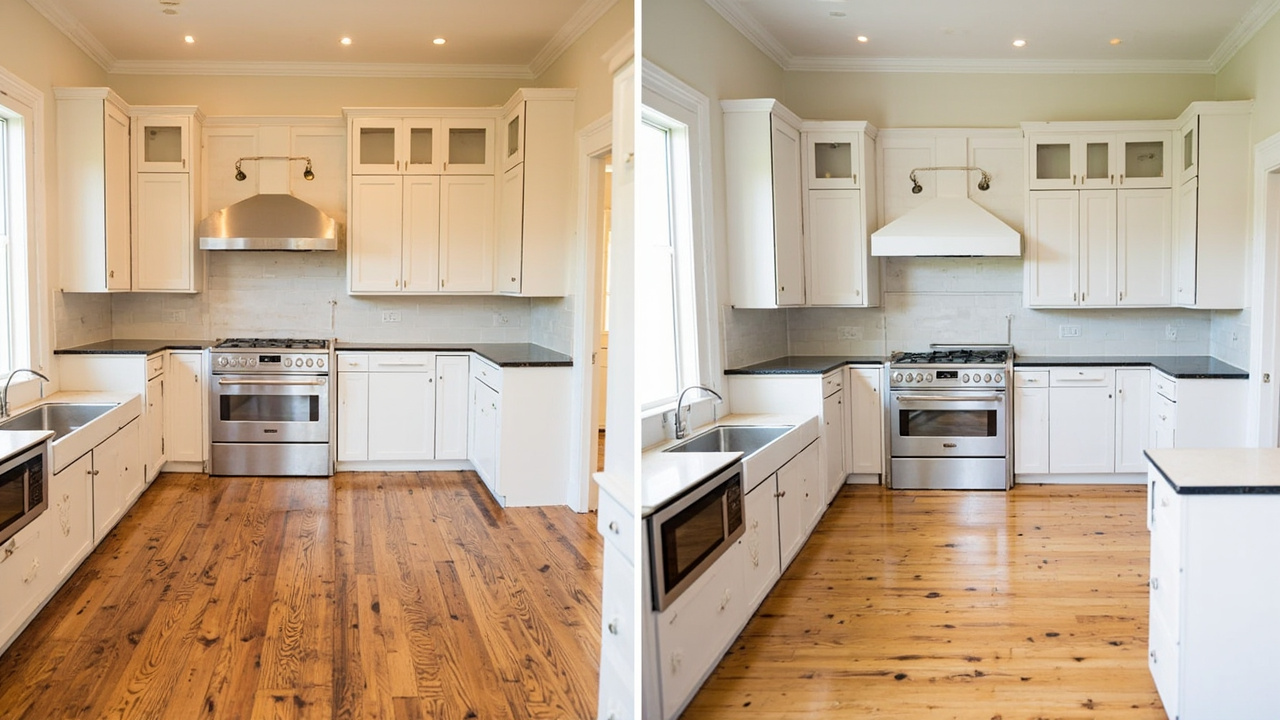
The final restoration returned the home to its pre-loss condition while preserving all original materials. The heart pine floors required specialized drying but retained their original patina and character. The plaster walls were salvaged through careful moisture management preventing the need for extensive replacement. The project demonstrated how preservation-first restoration can successfully address severe water damage in historic properties.
Frequently Asked Questions
How long does water damage restoration take in a historic home?
Historic restoration typically takes longer than modern water damage repair. While standard water damage might require three to five days historic restoration often needs seven to fourteen days. The extended timeline allows for controlled drying that prevents damage to original materials like plaster and hardwood flooring.
Can I stay in my home during restoration?
Occupancy during historic restoration depends on the extent of damage and the areas affected. For minor damage you might remain in unaffected portions of the home. However extensive restoration often requires temporary relocation to allow proper containment and drying procedures. Your restoration team will assess your specific situation and provide recommendations.
Will my insurance cover historic restoration?
Coverage depends on your specific policy and any historic property riders you carry. Standard policies may not fully cover restoration of original materials or specialized techniques required for historic properties. Review your policy with your insurance agent and consider adding historic property coverage if you don’t already have it.
How can I find contractors experienced in historic restoration?
Look for contractors with specific experience in historic properties and knowledge of local preservation requirements. Ask about their experience with lead-safe practices lath and plaster restoration and Orlando Historic District regulations. Request references from other historic property owners and verify their understanding of preservation principles.
What makes historic restoration more expensive than standard repair?
Historic restoration costs more due to specialized labor requirements custom material sourcing and extended restoration timelines. The need for lead-safe practices controlled drying techniques and compliance with preservation regulations all contribute to higher costs. However these expenses often prove worthwhile when preserving irreplaceable original materials and maintaining property value.

Protecting Your Historic Investment
Your Thornton Park bungalow represents more than just a home it embodies Orlando’s architectural heritage and your personal investment in historic preservation. When water damage threatens this investment you need restoration partners who understand both the urgency of moisture removal and the irreplaceable nature of historic materials.
Don’t trust your historic home to general contractors unfamiliar with the unique requirements of vintage construction. The specialized knowledge required for successful historic restoration extends beyond standard water damage techniques to include understanding of preservation principles lead-safe practices and local historic district regulations.
Call Reliance Water Damage Restoration Orlando at (689) 268-2233 for 24/7 emergency response from technicians experienced in historic Thornton Park properties. Our preservation-first approach ensures your home receives the specialized care it deserves while addressing water damage quickly and effectively. We understand the delicate balance between rapid restoration and historical preservation that your unique home requires.
Don’t wait for water damage to become structural deterioration or mold infestation. Early intervention by historic restoration specialists can save original materials prevent code violations and protect your home’s value. Contact us today for emergency response or preventive assessment of your historic Thornton Park property.
{
“@context”: “https://schema.org”,
“@type”: “BlogPosting”,
“headline”: “What to Do About Water Damage in Your Historic Thornton Park Bungalow”,
“description”: “Expert water damage restoration for historic Thornton Park bungalows. Learn preservation techniques, lead-safe practices, and Orlando Historic District compliance.”,
“wordCount”: 2481,
“datePublished”: “2026-02-25T10:00:00.000Z”,
“dateModified”: “2026-02-25T10:00:00.000Z”,
“inLanguage”: “en-US”,
“mainEntityOfPage”: {
“@type”: “WebPage”,
“@id”: “https://reliancewaterdamagerestorationorlando.com”
},
“publisher”: {
“@type”: “LocalBusiness”,
“name”: “Reliance Water Damage Restoration Orlando”,
“url”: “https://reliancewaterdamagerestorationorlando.com”
},
“author”: {
“@type”: “Organization”,
“name”: “Reliance Water Damage Restoration Orlando”,
“url”: “https://reliancewaterdamagerestorationorlando.com”
},
“image”: {
“@type”: “ImageObject”,
“url”: “https://reliancewaterdamagerestorationorlando.com/wp-content/uploads/2026/03/what-to-do-about-water-damage-in-your-historic-tho-1.jpg”
}
}
{
“@context”: “https://schema.org”,
“@type”: “LocalBusiness”,
“name”: “Reliance Water Damage Restoration Orlando”,
“url”: “https://reliancewaterdamagerestorationorlando.com”,
“address”: {
“@type”: “PostalAddress”,
“addressLocality”: “Orlando”
},
“areaServed”: {
“@type”: “City”,
“name”: “Orlando”
}
}
{
“@context”: “https://schema.org”,
“@type”: “FAQPage”,
“mainEntity”: [
{
“@type”: “Question”,
“name”: “How long does water damage restoration take in a historic home?”,
“acceptedAnswer”: {
“@type”: “Answer”,
“text”: “Historic restoration typically takes longer than modern water damage repair. While standard water damage might require three to five days historic restoration often needs seven to fourteen days. The extended timeline allows for controlled drying that prevents damage to original materials like plaster and hardwood flooring.”
}
},
{
“@type”: “Question”,
“name”: “Can I stay in my home during restoration?”,
“acceptedAnswer”: {
“@type”: “Answer”,
“text”: “Occupancy during historic restoration depends on the extent of damage and the areas affected. For minor damage you might remain in unaffected portions of the home. However extensive restoration often requires temporary relocation to allow proper containment and drying procedures. Your restoration team will assess your specific situation and provide recommendations.”
}
},
{
“@type”: “Question”,
“name”: “Will my insurance cover historic restoration?”,
“acceptedAnswer”: {
“@type”: “Answer”,
“text”: “Coverage depends on your specific policy and any historic property riders you carry. Standard policies may not fully cover restoration of original materials or specialized techniques required for historic properties. Review your policy with your insurance agent and consider adding historic property coverage if you don’t already have it.”
}
},
{
“@type”: “Question”,
“name”: “How can I find contractors experienced in historic restoration?”,
“acceptedAnswer”: {
“@type”: “Answer”,
“text”: “Look for contractors with specific experience in historic properties and knowledge of local preservation requirements. Ask about their experience with lead-safe practices lath and plaster restoration and Orlando Historic District regulations. Request references from other historic property owners and verify their understanding of preservation principles.”
}
},
{
“@type”: “Question”,
“name”: “What makes historic restoration more expensive than standard repair?”,
“acceptedAnswer”: {
“@type”: “Answer”,
“text”: “Historic restoration costs more due to specialized labor requirements custom material sourcing and extended restoration timelines. The need for lead-safe practices controlled drying techniques and compliance with preservation regulations all contribute to higher costs. However these expenses often prove worthwhile when preserving irreplaceable original materials and maintaining property value.”
}
}
]
}
{
“@context”: “https://schema.org”,
“@type”: “BreadcrumbList”,
“itemListElement”: [
{
“@type”: “ListItem”,
“position”: 1,
“name”: “Home”,
“item”: “https://reliancewaterdamagerestorationorlando.com”
},
{
“@type”: “ListItem”,
“position”: 2,
“name”: “Blog”,
“item”: “https://reliancewaterdamagerestorationorlando.com/blog”
},
{
“@type”: “ListItem”,
“position”: 3,
“name”: “What to Do About Water Damage in Your Historic Thornton Park Bungalow”
}
]
}
{
“@context”: “https://schema.org”,
“@type”: “Service”,
“serviceType”: “Water Damage Restoration”,
“provider”: {
“@type”: “LocalBusiness”,
“name”: “Reliance Water Damage Restoration Orlando”,
“url”: “https://reliancewaterdamagerestorationorlando.com”
},
“areaServed”: {
“@type”: “City”,
“name”: “Orlando”
},
“description”: “Expert water damage restoration for historic Thornton Park bungalows. Learn preservation techniques, lead-safe practices, and Orlando Historic District compliance.”
}