How to Restore Your Home After a Major Water Leak in Lake Eola Heights
A major water leak can devastate your home in minutes. In Lake Eola Heights, where historic homes feature plaster walls, hardwood floors, and vintage plumbing, the damage can be even more complex. This guide walks you through the exact steps to restore your property safely and effectively. Hardwood Floor Water Damage Restoration in Winter Garden.
Immediate Actions When You Discover a Major Leak
Time is critical when water floods your Lake Eola Heights home. The first 24-48 hours determine whether you save your historic features or face extensive reconstruction. Emergency Water Damage Restoration for Windermere Homeowners.
Start by shutting off your main water valve. Most Lake Eola Heights homes have the valve near the front of the house or in the garage. Once the water stops flowing, call for emergency help immediately. The humid Orlando climate means mold can begin growing within 24-48 hours.
Move valuable items to dry areas. Historic homes often contain irreplaceable artwork, antiques, and documents. Elevate furniture on blocks if possible. Document everything with photos for insurance purposes before moving items.
Open windows and doors to start air circulation, but only if outdoor humidity is lower than indoor levels. In Orlando’s typical summer conditions, this might not help much. Professional-grade dehumidifiers work better than natural ventilation. Professional Mold Removal and Remediation Services in Lake Nona.
Understanding Lake Eola Heights Water Damage Challenges
Lake Eola Heights presents unique restoration challenges. Many homes here were built between 1900 and 1940, featuring materials and construction methods that require specialized knowledge.
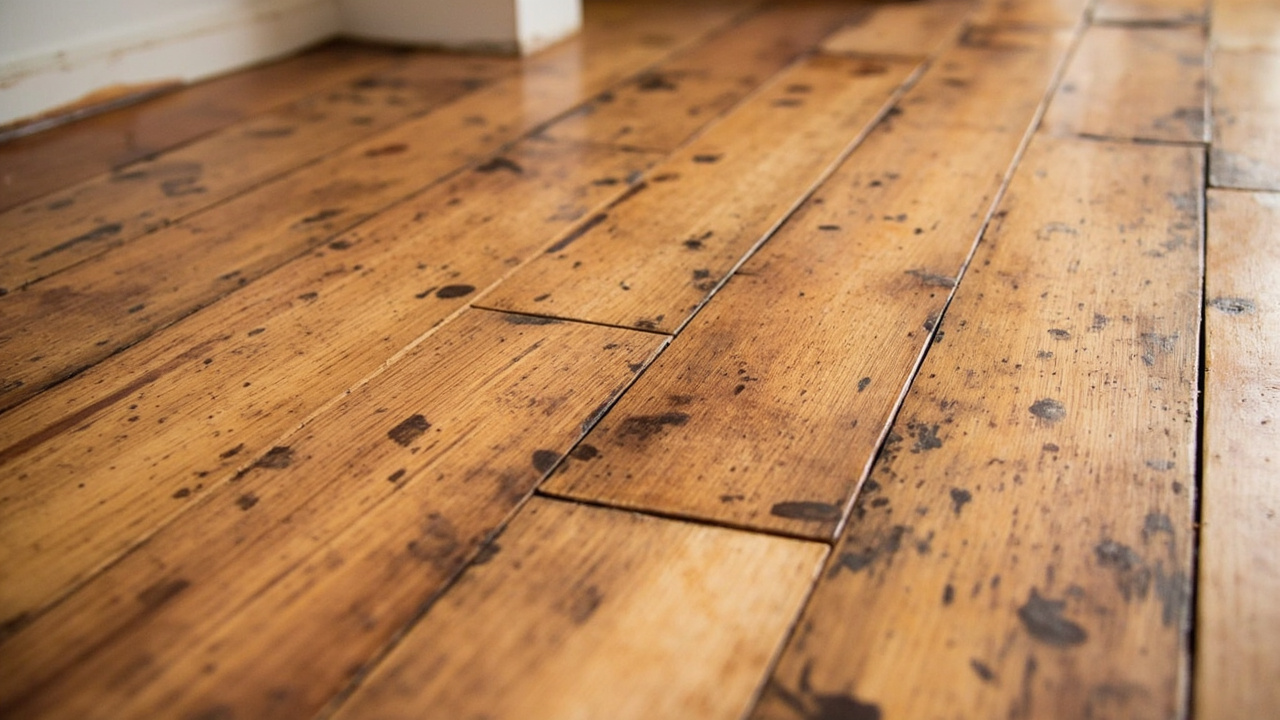
Vintage hardwood floors can warp dramatically when exposed to water. Unlike modern engineered wood, original pine and oak flooring expands and contracts differently. Quick drying prevents permanent cupping and buckling.
Plaster walls absorb water like sponges. The lath-and-plaster construction common in historic Orlando homes traps moisture behind the surface. Standard drywall drying techniques won’t work here.
Cast iron and galvanized plumbing, still present in many Lake Eola Heights homes, corrodes from the inside out. A leak often signals that other pipes are near failure. The entire plumbing system might need evaluation.
Many homes sit on crawl spaces rather than concrete slabs. These spaces trap moisture and become breeding grounds for mold and pests after a leak. Proper ventilation and moisture barriers are essential.
The Professional Restoration Process
Professional water damage restoration follows a systematic approach. Each step builds on the previous one to ensure complete recovery.
Step 1: Emergency Water Extraction
Industrial pumps and vacuums remove standing water within hours. Truck-mounted extraction units can remove thousands of gallons per hour. The goal is to eliminate all visible water before it seeps deeper into materials.
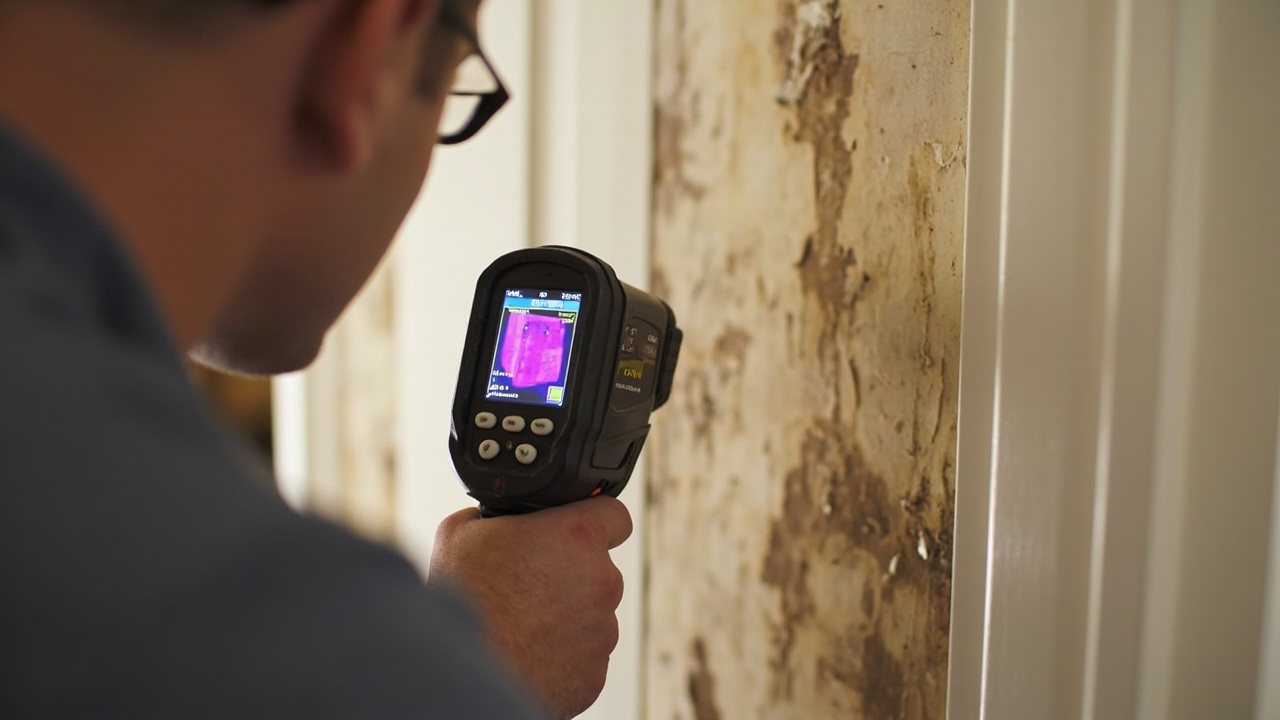
Technicians use moisture meters to detect hidden water in walls, under floors, and in ceiling cavities. Infrared cameras identify temperature differences that reveal moisture pockets behind surfaces. What to Do When Your Ceiling Starts Leaking in Baldwin Park.
Step 2: Demolition and Removal
Damaged materials that cannot be saved must be removed. This includes soaked carpet, padding, and sometimes sections of drywall or plaster. In historic homes, the goal is always to preserve original materials when possible.
Salvageable hardwood flooring gets carefully removed, dried, and reinstalled. Original trim and molding are labeled and stored for later restoration. Anything with sentimental or historic value receives special handling.
Step 3: Structural Drying
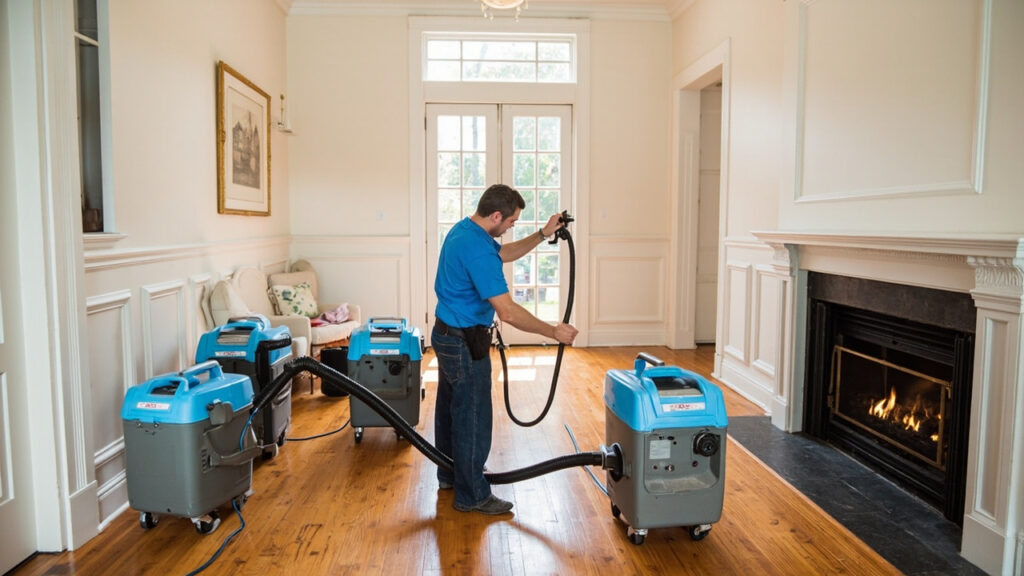
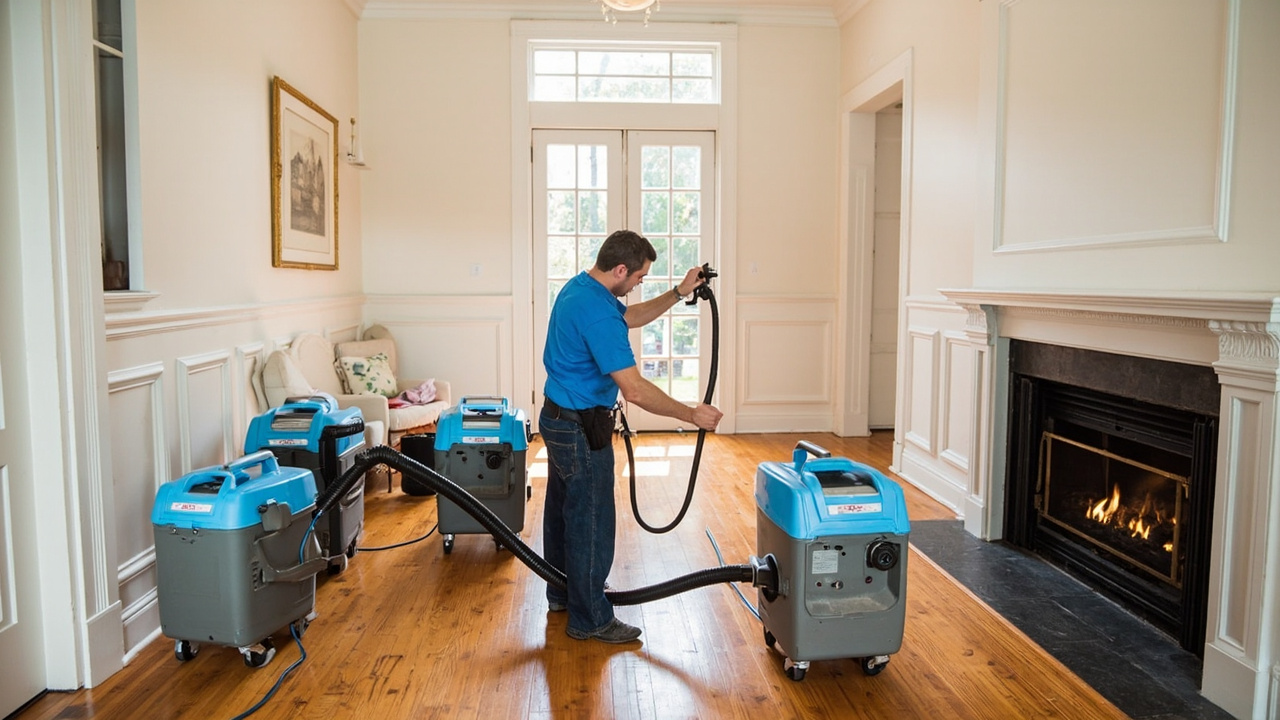
Professional drying uses industrial dehumidifiers, air movers, and specialized equipment. The process can take 3-7 days depending on the extent of damage and building materials.
Dehumidifiers pull moisture from the air, while air movers create airflow across wet surfaces. This combination accelerates evaporation. Moisture levels are monitored daily to ensure complete drying.
Concrete and masonry take longer to dry than wood. In Lake Eola Heights, many homes have concrete block construction that requires extended drying times.
Step 4: Cleaning and Sanitization
Water from clean sources like supply lines requires less intensive cleaning than water from sewage backups or flooding. All water damage creates conditions for mold growth, so antimicrobial treatments are standard. The Best Way to Handle Sewage Backup Cleanup in College Park.
Hard surfaces get cleaned with hospital-grade disinfectants. Porous materials like insulation that got wet often need replacement. The goal is eliminating all biological contaminants.
Step 5: Restoration and Reconstruction
The final phase rebuilds your home to its pre-loss condition. In historic Lake Eola Heights properties, this often means matching original materials and craftsmanship.
Plaster repair requires skilled artisans who can match textures and finishes. Hardwood floor restoration involves sanding, staining, and refinishing to blend repaired areas with existing flooring. EPA Mold Information.
Painting in historic homes often uses period-appropriate colors and techniques. Some homeowners choose to update while maintaining the home’s character.
Common Water Leak Sources in Lake Eola Heights
Understanding common leak sources helps prevent future damage. Lake Eola Heights homes face specific risks based on their age and construction.
Plumbing failures top the list. Galvanized steel pipes installed before 1960 corrode internally. The corrosion creates weak spots that eventually fail. Water pressure fluctuations accelerate this process.
Roof leaks become more common as homes age. Original roofing materials may have exceeded their lifespan. Damaged flashing around chimneys and vents allows water intrusion during Orlando’s frequent thunderstorms.
Air conditioning condensate lines clog with algae and debris. When these lines back up, water overflows into walls and ceilings. This happens most often during peak summer cooling months.
Appliance failures cause significant damage. Washing machine hoses burst under pressure. Water heaters leak when internal tanks corrode. Dishwashers and ice makers develop supply line leaks.
Foundation issues affect homes with crawl spaces. Poor drainage or hydrostatic pressure forces water through foundation walls. Orlando’s high water table contributes to this problem.
Insurance Considerations for Historic Home Restoration
Insurance claims for water damage in historic homes require special attention. Standard policies may not cover all aspects of restoring original features.
Document the damage thoroughly with photos and videos before cleanup begins. Insurance adjusters need to see the extent of damage to process claims properly.
Keep all receipts for emergency services, temporary housing, and restoration work. Many policies cover additional living expenses while your home is uninhabitable.
Historic district requirements may affect your restoration choices. Some insurance companies require documentation showing that repairs meet local preservation guidelines.
Review your policy’s water damage coverage limits. Some policies exclude certain types of water damage or have separate deductibles for different causes.
Consider hiring a public adjuster if your claim is complex or the insurance company disputes coverage. Public adjusters work for you, not the insurance company.
Preventing Future Water Damage
After restoration, take steps to prevent future leaks. Regular maintenance costs far less than emergency repairs.
Inspect plumbing annually for signs of corrosion, leaks, or water pressure issues. Replace old supply lines with braided stainless steel hoses. Install water leak detection systems that shut off water automatically.
Maintain your roof by replacing damaged shingles and keeping gutters clean. Check flashing around penetrations annually. Consider a professional roof inspection every few years.
Service your air conditioning system twice yearly. Clean condensate lines with vinegar solution to prevent algae buildup. Install overflow shutoff switches on condensate pans.
Grade your property so water flows away from the foundation. Extend downspouts at least 5 feet from the house. Consider French drains if you have persistent drainage issues.
Install a whole-house water pressure regulator if your pressure exceeds 80 psi. High water pressure stresses pipes and fixtures, leading to premature failures.
Timeline Expectations for Complete Restoration
Understanding the restoration timeline helps manage expectations. The process typically follows this pattern:
| Phase | Typical Duration | Key Activities |
|---|---|---|
| Emergency Response | 1-24 hours | Water extraction, initial assessment |
| Drying Period | 3-7 days | Structural drying, moisture monitoring |
| Cleaning & Sanitization | 1-3 days | Antimicrobial treatment, debris removal |
| Reconstruction | 2-8 weeks | Material replacement, finishing work |
| Final Inspection | 1-2 days | Quality check, documentation |
Complex historic restorations often take longer than modern home repairs. Finding matching materials and skilled craftsmen adds time to the process.
Health and Safety Considerations
Water damage creates health hazards that require professional handling. Mold growth poses the most significant risk in Orlando’s humid climate.
Category 1 water from clean sources becomes Category 2 or 3 water within 48-72 hours as bacteria multiply. The classification determines cleanup procedures and safety requirements.
Black water from sewage backups or flooding contains dangerous pathogens. Professional remediation with proper protective equipment is mandatory for these situations.
Lead paint may be present in homes built before 1978. Water damage can create lead dust hazards. Certified lead-safe practices must be followed during restoration.
Asbestos was used in building materials until the 1980s. Older homes may contain asbestos in insulation, flooring, or pipe wrap. Professional testing and abatement may be necessary.
Structural integrity can be compromised by water damage. Sagging ceilings, warped floors, and weakened walls create safety hazards. Professional assessment ensures your home is safe before occupancy.
Choosing the Right Restoration Company
Not all restoration companies have experience with historic homes. Lake Eola Heights requires specialists who understand vintage construction methods.
Look for IICRC certification in water damage restoration. This certification ensures technicians follow industry standards and best practices.
Ask about experience with historic properties in the Orlando area. Companies familiar with local building styles and materials handle restoration more effectively.
Verify licensing and insurance. Florida requires specific licenses for mold remediation and general contracting. Proper insurance protects you from liability.
Request references from similar projects. Speaking with past clients helps gauge quality and reliability. Look for reviews mentioning historic home restoration experience.
Ensure 24/7 emergency availability. Water damage requires immediate response to prevent secondary damage. Companies without emergency services may not respond quickly enough.
Cost Factors in Historic Home Restoration
Restoration costs vary based on damage extent, materials, and labor requirements. Historic homes often cost more to restore than modern construction.
Material matching drives up costs. Finding period-appropriate lumber, hardware, and finishes takes time and money. Custom fabrication may be necessary for unique features.
Skilled labor commands premium rates. Craftsmen who can repair plaster, match woodwork, and preserve historic details charge more than general contractors.
Permit requirements may add costs. Historic district restorations often need additional approvals and inspections. Some work requires licensed specialists.
Hidden damage discovered during restoration extends timelines and increases costs. Water can damage structural elements not visible initially. Budget contingencies help manage these surprises.
Insurance coverage affects out-of-pocket expenses. Review your policy’s coverage limits, deductibles, and exclusions before restoration begins.
Frequently Asked Questions
How long does it take for mold to grow after water damage?
Mold can begin growing within 24-48 hours in Orlando’s humid climate. The combination of moisture and warmth creates ideal conditions for rapid mold growth. Professional drying within this timeframe prevents most mold problems.
Can I stay in my home during restoration?
This depends on damage extent and affected areas. If water damage is confined to one area, you might stay in unaffected parts of your home. Major damage or health hazards like mold often require temporary relocation.
Will my insurance cover all restoration costs?
Coverage varies by policy and damage cause. Sudden, accidental damage like burst pipes is typically covered. Gradual damage from maintenance issues or flooding may have limited coverage. Review your policy details with your agent.
How do I know if materials can be saved?
Professionals use moisture meters and visual inspection to determine salvageability. Hardwoods, plaster, and masonry can often be dried and restored. Porous materials like drywall and insulation usually need replacement when saturated.
What should I do if I find mold during restoration?
Stop work immediately and contact a certified mold remediation specialist. Mold remediation requires specific containment procedures to prevent spreading spores throughout your home. Never attempt large-scale mold removal yourself.
Getting Professional Help in Lake Eola Heights
When disaster strikes your Lake Eola Heights home, you need experienced professionals who understand historic restoration. The right company combines emergency response capabilities with preservation expertise.
Local knowledge matters. Companies familiar with Lake Eola Heights understand the unique challenges of restoring vintage Orlando homes. They know where to source matching materials and how to work within historic district guidelines.
Don’t wait to call for help. Every hour of delay increases damage and restoration costs. Professional emergency response can save thousands in repairs and preserve irreplaceable historic features.
Ready to restore your Lake Eola Heights home after water damage? Call Reliance Water Damage Restoration Orlando at (689) 268-2233 for 24/7 emergency service. Our certified technicians specialize in historic home restoration and will respond within 60 minutes to begin protecting your property. For more information, visit FEMA Water Damage Protection.
{
“@context”: “https://schema.org”,
“@type”: “BlogPosting”,
“headline”: “How to Restore Your Home After a Major Water Leak in Lake Eola Heights”,
“description”: “Learn the essential steps to restore your Lake Eola Heights home after a major water leak. Expert advice on emergency response, historic restoration, and insurance claims.”,
“wordCount”: 2095,
“datePublished”: “2026-03-11T15:47:00.000Z”,
“dateModified”: “2026-03-11T15:47:00.000Z”,
“inLanguage”: “en-US”,
“mainEntityOfPage”: {
“@type”: “WebPage”,
“@id”: “https://reliancewaterdamagerestorationorlando.com”
},
“publisher”: {
“@type”: “LocalBusiness”,
“name”: “Reliance Water Damage Restoration Orlando”,
“url”: “https://reliancewaterdamagerestorationorlando.com”
},
“author”: {
“@type”: “Organization”,
“name”: “Reliance Water Damage Restoration Orlando”,
“url”: “https://reliancewaterdamagerestorationorlando.com”
},
“image”: {
“@type”: “ImageObject”,
“url”: “https://reliancewaterdamagerestorationorlando.com/wp-content/uploads/2026/03/how-to-restore-your-home-after-a-major-water-leak-1.jpg”
}
}
{
“@context”: “https://schema.org”,
“@type”: “LocalBusiness”,
“name”: “Reliance Water Damage Restoration Orlando”,
“url”: “https://reliancewaterdamagerestorationorlando.com”,
“address”: {
“@type”: “PostalAddress”,
“addressLocality”: “Orlando”
},
“areaServed”: {
“@type”: “City”,
“name”: “Orlando”
}
}
{
“@context”: “https://schema.org”,
“@type”: “FAQPage”,
“mainEntity”: [
{
“@type”: “Question”,
“name”: “How long does it take for mold to grow after water damage?”,
“acceptedAnswer”: {
“@type”: “Answer”,
“text”: “Mold can begin growing within 24-48 hours in Orlando’s humid climate. The combination of moisture and warmth creates ideal conditions for rapid mold growth. Professional drying within this timeframe prevents most mold problems.”
}
},
{
“@type”: “Question”,
“name”: “Can I stay in my home during restoration?”,
“acceptedAnswer”: {
“@type”: “Answer”,
“text”: “This depends on damage extent and affected areas. If water damage is confined to one area, you might stay in unaffected parts of your home. Major damage or health hazards like mold often require temporary relocation.”
}
},
{
“@type”: “Question”,
“name”: “Will my insurance cover all restoration costs?”,
“acceptedAnswer”: {
“@type”: “Answer”,
“text”: “Coverage varies by policy and damage cause. Sudden, accidental damage like burst pipes is typically covered. Gradual damage from maintenance issues or flooding may have limited coverage. Review your policy details with your agent.”
}
},
{
“@type”: “Question”,
“name”: “How do I know if materials can be saved?”,
“acceptedAnswer”: {
“@type”: “Answer”,
“text”: “Professionals use moisture meters and visual inspection to determine salvageability. Hardwoods, plaster, and masonry can often be dried and restored. Porous materials like drywall and insulation usually need replacement when saturated.”
}
},
{
“@type”: “Question”,
“name”: “What should I do if I find mold during restoration?”,
“acceptedAnswer”: {
“@type”: “Answer”,
“text”: “Stop work immediately and contact a certified mold remediation specialist. Mold remediation requires specific containment procedures to prevent spreading spores throughout your home. Never attempt large-scale mold removal yourself.”
}
}
]
}
{
“@context”: “https://schema.org”,
“@type”: “BreadcrumbList”,
“itemListElement”: [
{
“@type”: “ListItem”,
“position”: 1,
“name”: “Home”,
“item”: “https://reliancewaterdamagerestorationorlando.com”
},
{
“@type”: “ListItem”,
“position”: 2,
“name”: “Blog”,
“item”: “https://reliancewaterdamagerestorationorlando.com/blog”
},
{
“@type”: “ListItem”,
“position”: 3,
“name”: “How to Restore Your Home After a Major Water Leak in Lake Eola Heights”
}
]
}
{
“@context”: “https://schema.org”,
“@type”: “Service”,
“serviceType”: “Water Damage Restoration”,
“provider”: {
“@type”: “LocalBusiness”,
“name”: “Reliance Water Damage Restoration Orlando”,
“url”: “https://reliancewaterdamagerestorationorlando.com”
},
“areaServed”: {
“@type”: “City”,
“name”: “Orlando”
},
“description”: “Learn the essential steps to restore your Lake Eola Heights home after a major water leak. Expert advice on emergency response, historic restoration, and insurance claims.”
}