The Difference Between Water Mitigation and Restoration (And Why it Matters for Your Wallet)
Water damage hits Orlando homes fast. One minute your ceiling drips. The next minute your floors warp. The damage spreads. The costs climb. Most homeowners don’t realize there’s a critical difference between stopping the damage and fixing it. That difference can save you thousands of dollars. What to Do When Your Ceiling Starts Leaking in Baldwin Park.
Water mitigation is the emergency response. Restoration is the rebuild. Both are essential. Both follow different timelines. Both affect your insurance claim in different ways. Understanding this split helps you act faster and spend smarter when disaster strikes. Emergency Water Damage Restoration for Windermere Homeowners.
What is Water Mitigation?
Water mitigation is the first 24 to 48 hours after a water event. This is the emergency phase. The goal is to stop water from spreading and prevent secondary damage like mold growth. Orlando’s high humidity makes this window even shorter. Mold can begin growing in 24 to 48 hours in Florida’s climate. Florida Division of Emergency Management.
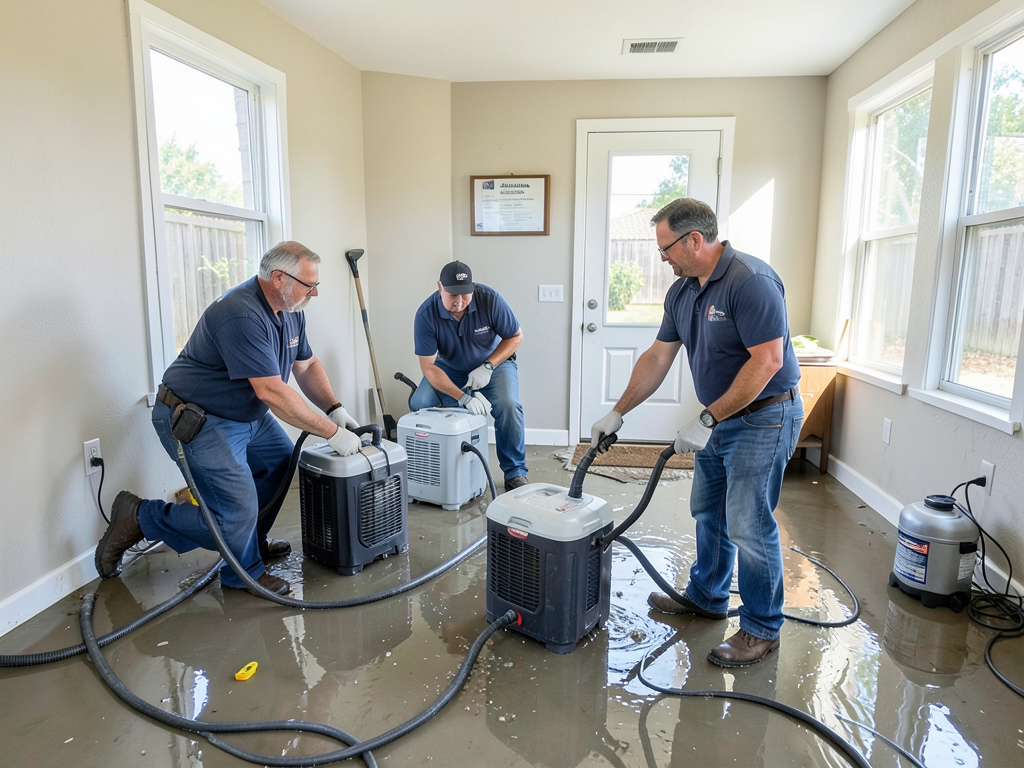
Mitigation teams arrive with industrial equipment. They extract standing water using truck-mounted vacuums. They set up high-velocity air movers and commercial dehumidifiers. They monitor moisture levels with specialized meters. The process follows the IICRC S500 Standard for Professional Water Damage Restoration. IICRC S500 Standard for Professional Water Damage Restoration.
Key steps in mitigation include:
- Water extraction from carpets, floors, and cavities
- Demolition of unsalvageable materials like wet drywall
- Structural drying using psychrometric science
- Antimicrobial treatment to prevent mold growth
- Daily moisture monitoring and documentation
Equipment used includes:
- Low-grain refrigerant (LGR) dehumidifiers
- Air movers and axial fans
- Submersible and truck-mounted extractors
- Moisture meters and thermal imaging cameras
What is Water Restoration?
Water restoration is the rebuild phase. This begins after the property passes a final moisture inspection. The goal is to return your home to pre-loss condition. This phase involves reconstruction, not just drying.. Read more about How to Vet a Restoration Contractor Before They Start Work in Golden Oak.
Restoration work includes replacing drywall, installing new flooring, painting, and rebuilding cabinets. If your home had Category 3 water damage from a sewage backup or flood, restoration also includes replacing insulation and sanitizing the entire area. The Best Way to Handle Sewage Backup Cleanup in College Park.
Common restoration tasks:
- Removing and replacing damaged drywall and baseboards
- Installing new carpet, hardwood, or tile flooring
- Painting walls and ceilings
- Rebuilding kitchen and bathroom cabinets
- Repairing or replacing damaged electrical and plumbing
Restoration follows local building codes. In Orlando, that means compliance with the Florida Building Code High-Velocity Hurricane Zone standards. If your home is in a flood zone, additional permits may be required.. Read more about Does Your Orlando Homeowners Insurance Actually Cover Mold Remediation? (What You Need to Know).
Timeline Comparison: Mitigation vs. Restoration
| Phase | Timeline | Goal | Equipment Used |
|---|---|---|---|
| Mitigation | 0-48 hours | Stop damage, prevent mold | Extractors, dehumidifiers, air movers |
| Restoration | Days to weeks | Rebuild to pre-loss condition | Saws, drills, paint sprayers, flooring tools |
The Orlando Factor: How Humidity Impacts the Mitigation Timeline
Orlando’s subtropical climate changes everything about water damage recovery. The average humidity sits at 74%. That means the air is already full of moisture. When water intrudes, it has nowhere to go. This slows the drying process.. Read more about How Past Water Damage Might Impact the Resale Value of Your College Park Property.
National restoration companies often underestimate Orlando’s drying times. They might quote 3 days for a standard job. In Orlando, that same job might take 5 to 7 days. The extra time prevents hidden moisture that leads to mold.. Read more about Should You Rent Professional Drying Equipment or Buy Your Own in Altamonte Springs?.
Orlando’s afternoon thunderstorms add another layer of complexity. If your home is drying during storm season, the outdoor humidity can push back against your indoor drying efforts. Professional teams use desiccant dehumidifiers and create negative air pressure to overcome this. Professional Mold Removal and Remediation Services in Lake Nona.
Neighborhoods like Winter Park and Maitland have older homes with plaster walls. Plaster holds moisture longer than modern drywall. This extends the mitigation timeline. Newer developments in Kissimmee might have PEX plumbing that resists bursting but can still leak slowly for weeks.
Insurance Claims: Do You File One Claim or Two?
Most Orlando homeowners file a single insurance claim that covers both mitigation and restoration. However, the way these services are billed can affect your out-of-pocket costs.. Read more about What to Ask Your Insurance Agent After a Flood in Parramore.
Mitigation is usually covered as emergency service. Insurance companies understand the need to prevent further damage. Restoration is covered based on your policy’s replacement cost value. If you have an older home, your policy might only cover actual cash value, which factors in depreciation.
Some insurance companies use Assignment of Benefits (AOB) agreements. This lets the restoration company bill the insurance directly. While convenient, AOBs have been controversial in Florida. Some policies limit or prohibit them. Always read your AOB before signing.
The key is documentation. Mitigation teams should provide daily moisture readings and photos. Restoration companies should provide detailed scopes of work. This documentation speeds up claim approval and reduces disputes.
Category 1 vs. Category 3 Water: Why It Changes Everything
Not all water damage is the same. The Institute of Inspection Cleaning and Restoration Certification (IICRC) defines three categories of water:. Read more about How to Clean and Sanitize Your Belongings After a Sewage Backup.
| Category | Source | Risk Level | Restoration Impact |
|---|---|---|---|
| Category 1 | Clean water from pipes | Low | Often salvageable |
| Category 2 | Gray water from appliances | Medium | May require disinfection |
| Category 3 | Black water from sewage | High | Almost always requires removal |
Category 3 water damage dramatically increases restoration costs. If your home floods from a sewage backup or storm surge, everything the water touches becomes contaminated. This includes carpet, padding, drywall, and even insulation behind walls.
Orlando’s proximity to lakes and retention ponds increases Category 3 risks during hurricanes. Storm surge can push contaminated water into homes. This turns a simple drying job into a full gut-and-rebuild project.
The First 24 Hours: Orlando’s Emergency Checklist
When water hits your Orlando home, every minute counts. Here’s what to do in the first 24 hours:
- Stop the Water Source
Turn off the main water valve if it’s a plumbing leak. If it’s from outside, wait for professionals to assess safety.
- Document Everything
Take photos and videos of all damage before anything is moved. This is crucial for insurance claims.
- Remove Valuables
Move electronics, documents, and irreplaceable items to a dry area. Don’t waste time on furniture that’s already wet.
- Call for Help
Contact a licensed water damage restoration company. Look for IICRC certification and Florida state licensing.
- Start Drying Safely
Open windows if humidity is low. Use fans to circulate air. Don’t use your home’s HVAC system if water might have entered ducts.
Cost Factors: What Affects Your Bottom Line
Water mitigation costs depend on the affected area size, water category, and required equipment. A small clean water leak in a bathroom might cost $1,000 to $2,000 to mitigate. A whole-house flood from a burst pipe could cost $5,000 to $10,000.
Restoration costs vary more widely. Replacing drywall and flooring in one room might cost $3,000 to $5,000. A full home rebuild after Category 3 damage could exceed $50,000. Hardwood Floor Water Damage Restoration in Winter Garden.
Factors that increase costs:
- Extended exposure time (more than 48 hours)
- Category 3 water contamination
- Structural damage to load-bearing elements
- Custom materials or historic home requirements
- Permit and inspection fees in Orlando
Factors that reduce costs:
- Quick response within the first 24 hours
- Category 1 clean water
- Minimal material damage
- Standard building materials
- No permit requirements
Why Professional Certification Matters in Orlando
Florida requires specific licensing for mold remediation and water damage restoration. The Florida Department of Business and Professional Regulation issues a Mold Remediator license (MRSR). This ensures technicians understand Florida’s unique climate challenges.
Look for IICRC certification when hiring a restoration company. This certification means the company follows industry standards for water damage restoration. It also means they understand psychrometrics and proper drying techniques for Florida’s humidity.
Professional certification affects your insurance claim. Many insurance companies require work to be done by licensed, certified professionals. DIY drying or hiring uncertified contractors can lead to claim denials.
The Handoff: When Mitigation Becomes Restoration
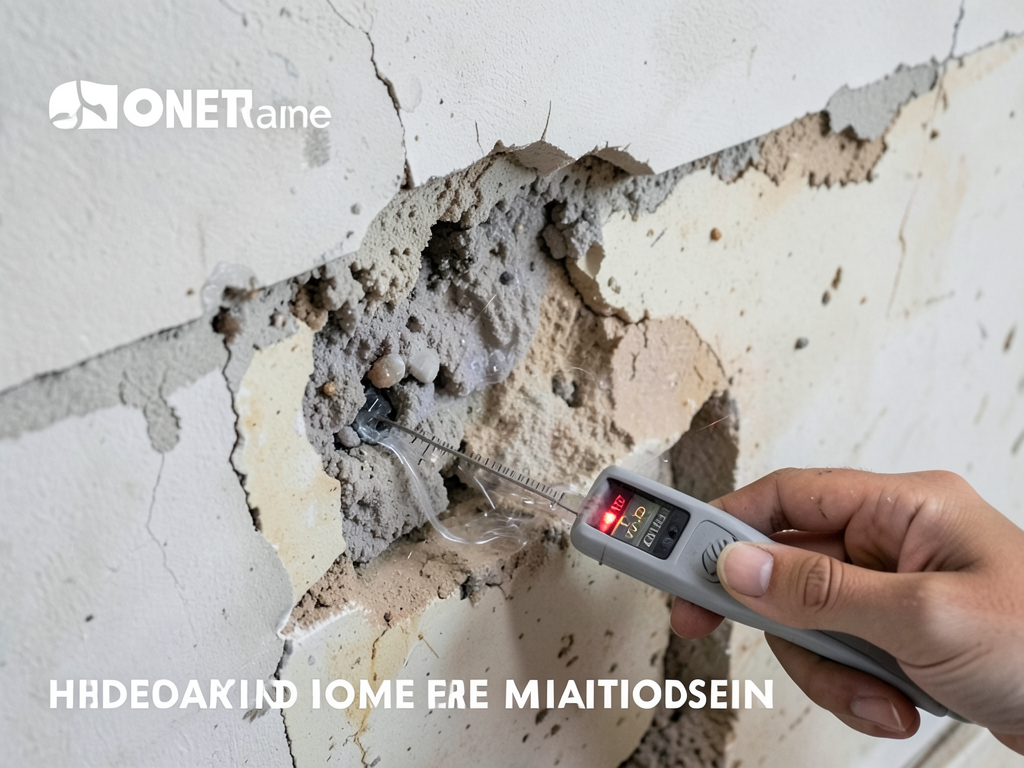
The transition from mitigation to restoration is critical. It happens when moisture readings show the structure is dry. This typically takes 3 to 7 days in Orlando, depending on the extent of damage and humidity levels.
During the handoff, the mitigation team provides documentation to the restoration company. This includes moisture maps, photos of damage, and notes about structural issues. The restoration team uses this information to create a detailed scope of work.
Sometimes the same company handles both phases. This ensures continuity and can speed up the process. However, some insurance companies prefer separate companies for mitigation and restoration to avoid conflicts of interest.
The handoff meeting should include the homeowner, the mitigation project manager, and the restoration estimator. This ensures everyone understands the scope, timeline, and costs before work begins.
Secondary Damage Prevention: The Hidden Cost of Delay
Waiting to address water damage multiplies your costs. Within 24 to 48 hours, mold begins growing. Within 72 hours, wood floors start warping. Within a week, drywall becomes structurally compromised.
Orlando’s climate accelerates these timelines. The combination of heat and humidity creates perfect conditions for mold growth. A small leak that might take a week to cause problems in a dry climate can cause mold in 48 hours in Orlando.
Secondary damage includes:
- Mold remediation ($2,000 to $6,000)
- Structural repairs to warped framing ($5,000 to $15,000)
- Electrical system replacement ($3,000 to $8,000)
- Health issues from mold exposure (medical costs)
The cost of waiting often exceeds the cost of immediate professional mitigation. This is why emergency response is so critical.
Frequently Asked Questions
How long does water mitigation take in Orlando?
Most water mitigation jobs in Orlando take 3 to 7 days. The exact timeline depends on the extent of damage, water category, and Orlando’s humidity levels. Category 1 clean water in a small area might dry in 3 days. Category 3 contamination in a whole house could take 7 days or more.
Will my insurance cover both mitigation and restoration?
Most homeowners insurance policies cover both phases if the damage is sudden and accidental. However, coverage limits and deductibles apply. Flood damage from storms requires separate flood insurance. Always check your policy and document everything.
Can I do water mitigation myself to save money?
DIY mitigation often leads to bigger problems. Professional equipment detects hidden moisture that homeowners miss. Without proper drying, mold grows within 24 to 48 hours in Orlando’s climate. This can void your insurance coverage and create health hazards.
What’s the difference between mitigation and remediation?
Mitigation stops water damage from spreading. Remediation removes existing mold or contamination. Both are often needed together. Mitigation prevents new mold growth while remediation removes existing mold colonies.
How do I know when my home is dry enough for restoration?
Professional moisture readings should show readings below 16% moisture content in wood materials. Drywall should read below 12%. The mitigation company should provide documentation showing all areas pass inspection before restoration begins.
Take Action Before Costs Multiply
Water damage in Orlando moves fast. The difference between mitigation and restoration isn’t just technical jargon. It’s the difference between a $2,000 emergency response and a $20,000 rebuild. It’s the difference between saving your floors and replacing them. It’s the difference between a quick insurance claim and a months-long dispute.
When water hits your home, call a licensed, certified professional immediately. Don’t wait for the damage to spread. Don’t try to handle it yourself. The first 24 hours determine whether you’re spending on mitigation or restoration.
Reliance Water Damage Restoration Orlando serves homeowners throughout the greater Orlando metro area. We respond 24/7 with certified technicians who understand Orlando’s unique climate challenges. Our teams carry the proper Florida licenses and insurance to handle both emergency mitigation and complete restoration.
Don’t let water damage multiply your costs. Call (689) 268-2233 now for immediate emergency response. We’ll stop the damage, prevent mold growth, and guide you through the insurance process. Your home and your wallet will thank you.
Act now. Every hour of delay costs you more.
You may also find this helpful. Managing a Large Scale Water Loss at Your Ivanhoe Village Boutique.
{
“@context”: “https://schema.org”,
“@type”: “BlogPosting”,
“headline”: “The Difference Between Water Mitigation and Restoration (And Why it Matters for Your Wallet)”,
“description”: “Learn the key differences between water mitigation and restoration in Orlando. Understand the costs, timelines, and insurance implications to protect your home and budget.”,
“wordCount”: 1982,
“datePublished”: “2026-03-29T05:15:00.000Z”,
“dateModified”: “2026-03-29T05:15:00.000Z”,
“inLanguage”: “en-US”,
“mainEntityOfPage”: {
“@type”: “WebPage”,
“@id”: “https://reliancewaterdamagerestorationorlando.com”
},
“publisher”: {
“@type”: “LocalBusiness”,
“name”: “Reliance Water Damage Restoration Orlando”,
“url”: “https://reliancewaterdamagerestorationorlando.com”
},
“author”: {
“@type”: “Organization”,
“name”: “Reliance Water Damage Restoration Orlando”,
“url”: “https://reliancewaterdamagerestorationorlando.com”
},
“image”: {
“@type”: “ImageObject”,
“url”: “https://reliancewaterdamagerestorationorlando.com/wp-content/uploads/2026/03/the-difference-between-water-mitigation-and-restor-1.png”
}
}
{
“@context”: “https://schema.org”,
“@type”: “LocalBusiness”,
“name”: “Reliance Water Damage Restoration Orlando”,
“url”: “https://reliancewaterdamagerestorationorlando.com”,
“address”: {
“@type”: “PostalAddress”,
“addressLocality”: “Orlando”
},
“areaServed”: {
“@type”: “City”,
“name”: “Orlando”
}
}
{
“@context”: “https://schema.org”,
“@type”: “FAQPage”,
“mainEntity”: [
{
“@type”: “Question”,
“name”: “What is Water Mitigation?”,
“acceptedAnswer”: {
“@type”: “Answer”,
“text”: “Water mitigation is the first 24 to 48 hours after a water event. This is the emergency phase. The goal is to stop water from spreading and prevent secondary damage like mold growth. Orlando’s high humidity makes this window even shorter. Mold can begin growing in 24 to 48 hours in Florida’s climate. Florida Division of Emergency Management.”
}
},
{
“@type”: “Question”,
“name”: “What is Water Restoration?”,
“acceptedAnswer”: {
“@type”: “Answer”,
“text”: “Water restoration is the rebuild phase. This begins after the property passes a final moisture inspection. The goal is to return your home to pre-loss condition. This phase involves reconstruction, not just drying.”
}
},
{
“@type”: “Question”,
“name”: “Insurance Claims: Do You File One Claim or Two?”,
“acceptedAnswer”: {
“@type”: “Answer”,
“text”: “Most Orlando homeowners file a single insurance claim that covers both mitigation and restoration. However, the way these services are billed can affect your out-of-pocket costs.”
}
},
{
“@type”: “Question”,
“name”: “How long does water mitigation take in Orlando?”,
“acceptedAnswer”: {
“@type”: “Answer”,
“text”: “Most water mitigation jobs in Orlando take 3 to 7 days. The exact timeline depends on the extent of damage, water category, and Orlando’s humidity levels. Category 1 clean water in a small area might dry in 3 days. Category 3 contamination in a whole house could take 7 days or more.”
}
},
{
“@type”: “Question”,
“name”: “Will my insurance cover both mitigation and restoration?”,
“acceptedAnswer”: {
“@type”: “Answer”,
“text”: “Most homeowners insurance policies cover both phases if the damage is sudden and accidental. However, coverage limits and deductibles apply. Flood damage from storms requires separate flood insurance. Always check your policy and document everything.”
}
},
{
“@type”: “Question”,
“name”: “Can I do water mitigation myself to save money?”,
“acceptedAnswer”: {
“@type”: “Answer”,
“text”: “DIY mitigation often leads to bigger problems. Professional equipment detects hidden moisture that homeowners miss. Without proper drying, mold grows within 24 to 48 hours in Orlando’s climate. This can void your insurance coverage and create health hazards.”
}
},
{
“@type”: “Question”,
“name”: “What’s the difference between mitigation and remediation?”,
“acceptedAnswer”: {
“@type”: “Answer”,
“text”: “Mitigation stops water damage from spreading. Remediation removes existing mold or contamination. Both are often needed together. Mitigation prevents new mold growth while remediation removes existing mold colonies.”
}
},
{
“@type”: “Question”,
“name”: “How do I know when my home is dry enough for restoration?”,
“acceptedAnswer”: {
“@type”: “Answer”,
“text”: “Professional moisture readings should show readings below 16% moisture content in wood materials. Drywall should read below 12%. The mitigation company should provide documentation showing all areas pass inspection before restoration begins.”
}
}
]
}
{
“@context”: “https://schema.org”,
“@type”: “HowTo”,
“name”: “Emergency Water Damage Response”,
“step”: [
{
“@type”: “HowToStep”,
“position”: 1,
“name”: “Stop the Water Source”,
“text”: “Turn off the main water valve if it’s a plumbing leak. If it’s from outside, wait for professionals to assess safety.”
},
{
“@type”: “HowToStep”,
“position”: 2,
“name”: “Document Everything”,
“text”: “Take photos and videos of all damage before anything is moved. This is crucial for insurance claims.”
},
{
“@type”: “HowToStep”,
“position”: 3,
“name”: “Remove Valuables”,
“text”: “Move electronics, documents, and irreplaceable items to a dry area. Don’t waste time on furniture that’s already wet.”
},
{
“@type”: “HowToStep”,
“position”: 4,
“name”: “Call for Help”,
“text”: “Contact a licensed water damage restoration company. Look for IICRC certification and Florida state licensing.”
},
{
“@type”: “HowToStep”,
“position”: 5,
“name”: “Start Drying Safely”,
“text”: “Open windows if humidity is low. Use fans to circulate air. Don’t use your home’s HVAC system if water might have entered ducts.”
}
],
“image”: “https://reliancewaterdamagerestorationorlando.com/wp-content/uploads/2026/03/the-difference-between-water-mitigation-and-restor-1.png”
}
{
“@context”: “https://schema.org”,
“@type”: “BreadcrumbList”,
“itemListElement”: [
{
“@type”: “ListItem”,
“position”: 1,
“name”: “Home”,
“item”: “https://reliancewaterdamagerestorationorlando.com”
},
{
“@type”: “ListItem”,
“position”: 2,
“name”: “Blog”,
“item”: “https://reliancewaterdamagerestorationorlando.com/blog”
},
{
“@type”: “ListItem”,
“position”: 3,
“name”: “The Difference Between Water Mitigation and Restoration (And Why it Matters for Your Wallet)”
}
]
}
{
“@context”: “https://schema.org”,
“@type”: “Service”,
“serviceType”: “Water Damage Restoration”,
“provider”: {
“@type”: “LocalBusiness”,
“name”: “Reliance Water Damage Restoration Orlando”,
“url”: “https://reliancewaterdamagerestorationorlando.com”
},
“areaServed”: {
“@type”: “City”,
“name”: “Orlando”
},
“description”: “Learn the key differences between water mitigation and restoration in Orlando. Understand the costs, timelines, and insurance implications to protect your home and budget.”
}