Is Your Air Conditioner Making You Sick? (Hidden Mold in the Vents of Your Lake Mary Home)
You walk into your Lake Mary living room and catch that familiar musty smell the moment your AC kicks on. Your throat feels scratchy. Your eyes water. You wonder if it’s just seasonal allergies or something worse hiding in your vents. Emergency Water Damage Restoration for Windermere Homeowners.
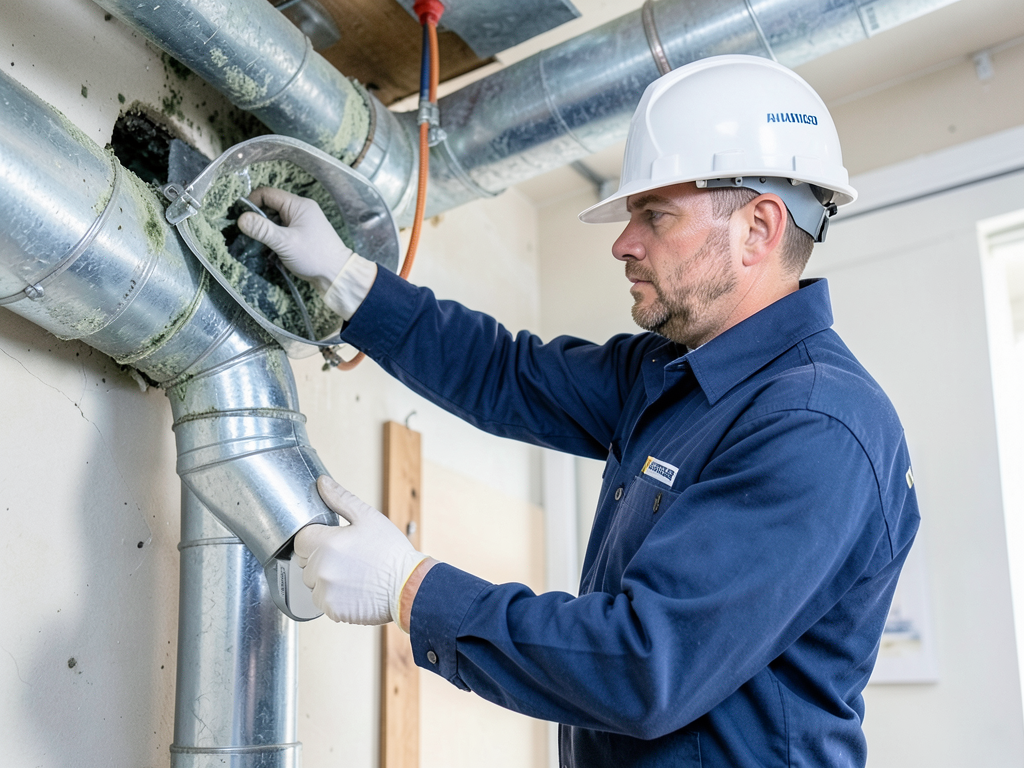
The truth is that Central Florida’s relentless humidity creates the perfect breeding ground for mold inside your HVAC system. What you smell could be microscopic spores circulating through your home right now.
Orlando homeowners face unique challenges with indoor air quality. Our average humidity sits around 74%, well above the 60% threshold where mold begins to thrive. When your AC runs, it creates condensation on evaporator coils and in ductwork. If that moisture doesn’t drain properly or if your system cycles on and off frequently, you have ideal conditions for mold colonies to establish themselves.
Common Physical Symptoms of Mold Exposure
Your body often reacts before you see any visible signs. Pay attention to these warning signals:
- Persistent coughing or throat irritation that improves when you leave home
- Watery, itchy eyes or unexplained sinus congestion
- Skin rashes or hives that appear without clear triggers
- Headaches that worsen when your AC runs
- Fatigue or brain fog that seems to come and go
People with asthma or compromised immune systems often experience more severe reactions. Children and elderly residents typically show symptoms first because their respiratory systems are more sensitive.
Signs Your AC System Has a Mold Problem
Before you see mold, you’ll likely smell it. That musty, earthy odor when your AC starts up is often called “Dirty Sock Syndrome” by HVAC professionals. It happens when mold and bacteria colonies grow on evaporator coils. Professional Mold Removal and Remediation Services in Lake Nona.
Look for these physical indicators around your vents:
| Sign | What You’ll See/Smell | What It Means |
|---|---|---|
| Musty odor | Damp, earthy smell when AC runs | Active mold growth somewhere in system |
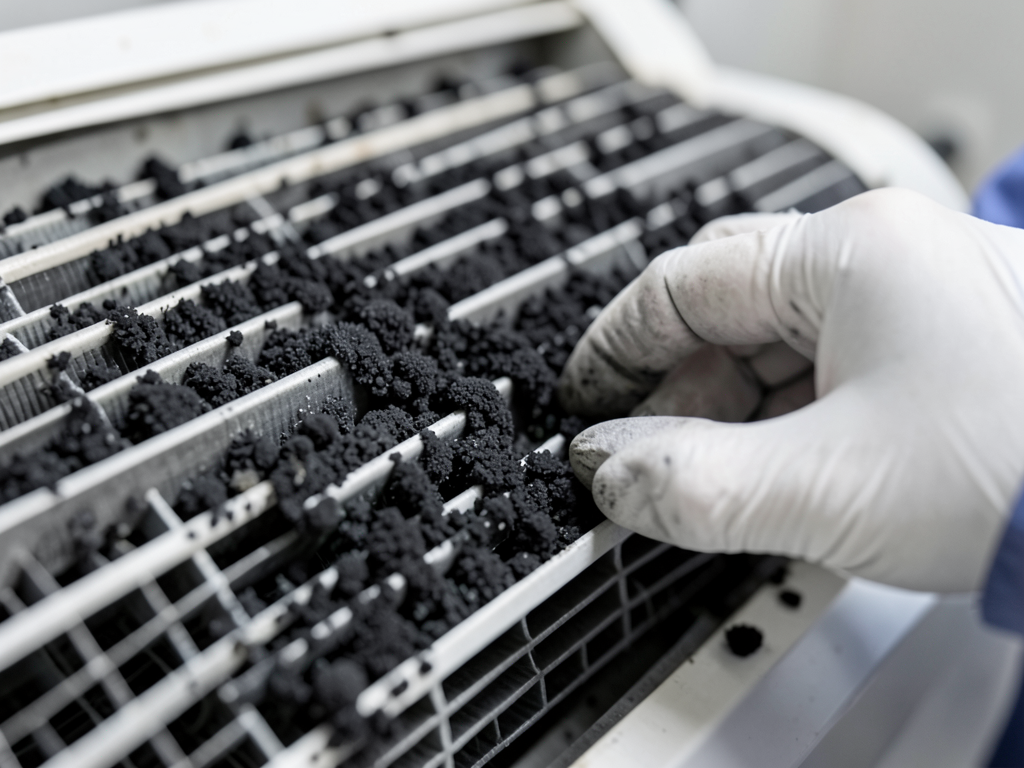
| Black dust | Dark particles around vent registers | Spores being distributed through ducts |
| Condensation | Water droplets on vent covers | Excess moisture in ductwork |
| Visible spots | Black, green, or white patches | Established mold colonies |
The black dust you see might be Stachybotrys chartarum, commonly called black mold. This toxic variety produces mycotoxins that can cause serious health issues. But don’t assume all black growth is toxic. Many harmless molds also appear dark.. Read more about Why Your Winter Park Attic Might Be Growing Mold Even Without a Roof Leak.
Why Orlando Homes Are High-Risk
Central Florida’s climate creates conditions that accelerate mold growth in ways other regions don’t experience. Our summer heat indices regularly exceed 100°F, causing AC systems to work overtime. This constant cycling creates temperature differentials that produce condensation.
Consider these Orlando-specific factors:
- Our humidity rarely drops below 60% even in winter months
- Afternoon thunderstorms add moisture that seeps into building envelopes
- Many homes use attic ductwork where temperatures fluctuate dramatically
- Slab-on-grade construction common in newer Lake Mary homes can allow moisture wicking from the ground
The combination of heat, humidity, and frequent AC use means Orlando homes need more frequent HVAC maintenance than homes in drier climates. What works in Arizona or Colorado won’t cut it here.
The Difference Between Dust and Black Mold
Seeing dark particles around your vents doesn’t automatically mean you have toxic mold. Here’s how to tell the difference:
| Characteristic | Dust | Black Mold |
|---|---|---|
| Texture | Dry, powdery | Velvety or slimy |
| Color | Gray or light brown | Deep black or dark green |
| Growth pattern | Scattered, random | Clustered, spreading |
| Smell | None or dusty | Musty, earthy |
| Removal | Wipes away easily | Grows back quickly |
If you’re unsure, don’t disturb the material. Scrubbing mold can release millions of spores into the air. Professional testing can identify exactly what you’re dealing with.
Professional Remediation vs. DIY
Many homeowners grab bleach and start spraying vents when they spot mold. This approach often makes problems worse. Bleach can’t penetrate porous surfaces where mold roots grow. It also adds moisture that feeds remaining spores.
Professional remediation follows strict protocols established by the IICRC S520 standard for mold remediation:
- Containment of affected areas using negative air pressure
- HEPA filtration to capture airborne spores
- Removal of contaminated materials when necessary
- Antimicrobial treatment of remaining surfaces
- Verification testing to ensure complete removal
In Florida, mold remediation requires specific licensing. Technicians must hold a Mold Remediator license from the state and follow Florida’s mold assessment and remediation rules. This isn’t optional work you can trust to just any contractor.
Preventing Future Mold Growth
Once you’ve addressed existing mold, prevention becomes your best defense. Here’s what works in Orlando’s climate:
- Maintain indoor humidity between 30-50% using dehumidifiers
- Schedule bi-annual HVAC maintenance to clean coils and check drainage
- Replace air filters every 30-60 days instead of every 90
- Ensure condensate drain lines flow freely and have proper traps
- Consider UV light systems that kill mold on coils
Your AC system should maintain proper air exchange rates. If your home feels stuffy even when the AC runs, you might need better ventilation to prevent moisture buildup.
When to Call for Help
Some situations demand immediate professional attention:
- Visible mold covering more than 10 square feet
- Strong musty odors that persist after cleaning
- Water damage from leaks or flooding within the past 48 hours
- Residents experiencing severe allergic reactions
- Recent roof leaks or plumbing failures
Quick action prevents mold from spreading through your entire HVAC system. The longer you wait, the more expensive remediation becomes.
Understanding Your Rights as a Florida Homeowner
Florida law requires mold assessors and remediators to be licensed separately. The same company cannot both test for mold and perform remediation on the same property. This prevents conflicts of interest. EPA Mold Resources.
Insurance coverage varies. Many policies cover sudden water damage but exclude long-term moisture problems. Document everything with photos and keep receipts for any repairs. Water Bug & Pest Infestations.
If you’re renting, Florida law requires landlords to address mold issues that affect habitability. Document problems in writing and give reasonable time for repairs.
Local Resources for Lake Mary Residents
Lake Mary homeowners can access several local resources:
- Seminole County Health Department for air quality concerns
- Florida Department of Business and Professional Regulation for license verification
- Local HVAC contractors familiar with Orlando’s specific challenges
- Environmental testing laboratories for mold analysis
Living in Central Florida means accepting certain climate realities. But you don’t have to accept poor indoor air quality or health risks from mold.
Your home should be a safe haven, not a source of illness. When you notice those warning signs, take action. Your health and your family’s wellbeing depend on it.
Frequently Asked Questions
How can I tell if my AC vents have mold?
Look for musty odors when your AC runs, black or green spots around vent registers, and excessive condensation on vent covers. Health symptoms like persistent coughing or eye irritation that improve when you leave home also suggest mold contamination.
Is mold in AC vents dangerous?
Yes. Mold spores circulated through your HVAC system can cause respiratory issues, allergic reactions, and in some cases produce mycotoxins. People with asthma, allergies, or compromised immune systems face higher risks from exposure.
How much does professional mold remediation cost in Orlando?
Costs vary based on the extent of contamination. Small areas might cost $500-1500, while whole-house remediation can range from $2000-6000. Florida licensing requirements ensure work meets safety standards regardless of price.
Can I clean mold from AC vents myself?
DIY cleaning often spreads spores and doesn’t address the root cause. Small visible spots might be wiped with proper safety gear, but professional assessment is recommended to determine if deeper contamination exists in ductwork or coils.
How long does mold remediation take?
Most residential projects complete in 1-3 days. The process includes containment, removal, treatment, and verification testing. Larger or more complex jobs may require additional time to ensure complete elimination.
Will my insurance cover mold remediation?
Coverage depends on your policy and the cause. Sudden water damage from covered perils often includes mold remediation, but long-term moisture problems typically aren’t covered. Check your policy or contact your agent for specifics. Water Damage Restoration Saint Cloud.
How can I prevent mold from coming back?
Maintain indoor humidity below 50%, schedule regular HVAC maintenance, replace filters frequently, ensure proper drainage, and consider UV light systems. Annual professional inspections help catch problems before they become severe.
What’s the difference between mold testing and mold remediation?
Mold testing identifies what types of mold are present and their concentrations. Remediation removes the mold and addresses moisture sources. In Florida, these must be performed by different licensed professionals to prevent conflicts of interest.
Should I leave my house during mold remediation?
For small projects, staying home is often fine with proper containment. Larger jobs or cases involving toxic mold species may require temporary relocation. Your remediation company will advise based on the specific situation.
How do I find a reputable mold remediation company in Lake Mary?
Verify state licensing through Florida’s DBPR website, check for IICRC certification, read recent customer reviews, and ask about their specific experience with Orlando’s humidity challenges. Local companies understand regional building practices and climate factors. For more information, visit CDC Mold Information.
{
“@context”: “https://schema.org”,
“@type”: “BlogPosting”,
“headline”: “Is Your Air Conditioner Making You Sick? (Hidden Mold in the Vents of Your Lake Mary Home)”,
“description”: “Musty odors and allergy symptoms? Discover how Orlando’s humidity fuels hidden mold in your AC vents and what Lake Mary homeowners can do about it.”,
“wordCount”: 1530,
“datePublished”: “2026-05-02T06:14:00.000Z”,
“dateModified”: “2026-05-02T06:14:00.000Z”,
“inLanguage”: “en-US”,
“mainEntityOfPage”: {
“@type”: “WebPage”,
“@id”: “https://reliancewaterdamagerestorationorlando.com”
},
“publisher”: {
“@type”: “LocalBusiness”,
“name”: “Reliance Water Damage Restoration Orlando”,
“url”: “https://reliancewaterdamagerestorationorlando.com”
},
“author”: {
“@type”: “Organization”,
“name”: “Reliance Water Damage Restoration Orlando”,
“url”: “https://reliancewaterdamagerestorationorlando.com”
},
“image”: {
“@type”: “ImageObject”,
“url”: “https://reliancewaterdamagerestorationorlando.com/wp-content/uploads/2026/03/is-your-air-conditioner-making-you-sick-hidden-mol-1.png”
}
}
{
“@context”: “https://schema.org”,
“@type”: “LocalBusiness”,
“name”: “Reliance Water Damage Restoration Orlando”,
“url”: “https://reliancewaterdamagerestorationorlando.com”,
“address”: {
“@type”: “PostalAddress”,
“addressLocality”: “Orlando”
},
“areaServed”: {
“@type”: “City”,
“name”: “Orlando”
}
}
{
“@context”: “https://schema.org”,
“@type”: “FAQPage”,
“mainEntity”: [
{
“@type”: “Question”,
“name”: “How can I tell if my AC vents have mold?”,
“acceptedAnswer”: {
“@type”: “Answer”,
“text”: “Look for musty odors when your AC runs, black or green spots around vent registers, and excessive condensation on vent covers. Health symptoms like persistent coughing or eye irritation that improve when you leave home also suggest mold contamination.”
}
},
{
“@type”: “Question”,
“name”: “Is mold in AC vents dangerous?”,
“acceptedAnswer”: {
“@type”: “Answer”,
“text”: “Yes. Mold spores circulated through your HVAC system can cause respiratory issues, allergic reactions, and in some cases produce mycotoxins. People with asthma, allergies, or compromised immune systems face higher risks from exposure.”
}
},
{
“@type”: “Question”,
“name”: “How much does professional mold remediation cost in Orlando?”,
“acceptedAnswer”: {
“@type”: “Answer”,
“text”: “Costs vary based on the extent of contamination. Small areas might cost $500-1500, while whole-house remediation can range from $2000-6000. Florida licensing requirements ensure work meets safety standards regardless of price.”
}
},
{
“@type”: “Question”,
“name”: “Can I clean mold from AC vents myself?”,
“acceptedAnswer”: {
“@type”: “Answer”,
“text”: “DIY cleaning often spreads spores and doesn’t address the root cause. Small visible spots might be wiped with proper safety gear, but professional assessment is recommended to determine if deeper contamination exists in ductwork or coils.”
}
},
{
“@type”: “Question”,
“name”: “How long does mold remediation take?”,
“acceptedAnswer”: {
“@type”: “Answer”,
“text”: “Most residential projects complete in 1-3 days. The process includes containment, removal, treatment, and verification testing. Larger or more complex jobs may require additional time to ensure complete elimination.”
}
},
{
“@type”: “Question”,
“name”: “Will my insurance cover mold remediation?”,
“acceptedAnswer”: {
“@type”: “Answer”,
“text”: “Coverage depends on your policy and the cause. Sudden water damage from covered perils often includes mold remediation, but long-term moisture problems typically aren’t covered. Check your policy or contact your agent for specifics. Water Damage Restoration Saint Cloud.”
}
},
{
“@type”: “Question”,
“name”: “How can I prevent mold from coming back?”,
“acceptedAnswer”: {
“@type”: “Answer”,
“text”: “Maintain indoor humidity below 50%, schedule regular HVAC maintenance, replace filters frequently, ensure proper drainage, and consider UV light systems. Annual professional inspections help catch problems before they become severe.”
}
},
{
“@type”: “Question”,
“name”: “What’s the difference between mold testing and mold remediation?”,
“acceptedAnswer”: {
“@type”: “Answer”,
“text”: “Mold testing identifies what types of mold are present and their concentrations. Remediation removes the mold and addresses moisture sources. In Florida, these must be performed by different licensed professionals to prevent conflicts of interest.”
}
},
{
“@type”: “Question”,
“name”: “Should I leave my house during mold remediation?”,
“acceptedAnswer”: {
“@type”: “Answer”,
“text”: “For small projects, staying home is often fine with proper containment. Larger jobs or cases involving toxic mold species may require temporary relocation. Your remediation company will advise based on the specific situation.”
}
}
]
}
{
“@context”: “https://schema.org”,
“@type”: “BreadcrumbList”,
“itemListElement”: [
{
“@type”: “ListItem”,
“position”: 1,
“name”: “Home”,
“item”: “https://reliancewaterdamagerestorationorlando.com”
},
{
“@type”: “ListItem”,
“position”: 2,
“name”: “Blog”,
“item”: “https://reliancewaterdamagerestorationorlando.com/blog”
},
{
“@type”: “ListItem”,
“position”: 3,
“name”: “Is Your Air Conditioner Making You Sick? (Hidden Mold in the Vents of Your Lake Mary Home)”
}
]
}
{
“@context”: “https://schema.org”,
“@type”: “Service”,
“serviceType”: “Water Damage Restoration”,
“provider”: {
“@type”: “LocalBusiness”,
“name”: “Reliance Water Damage Restoration Orlando”,
“url”: “https://reliancewaterdamagerestorationorlando.com”
},
“areaServed”: {
“@type”: “City”,
“name”: “Orlando”
},
“description”: “Musty odors and allergy symptoms? Discover how Orlando’s humidity fuels hidden mold in your AC vents and what Lake Mary homeowners can do about it.”
}