Identifying the Difference Between a Termite Problem and Water Damage in College Park
Homeowners in College Park often find themselves staring at damaged wood wondering whether they have a termite infestation or water damage. Both issues create similar visual symptoms in Orlando’s humid climate but require completely different treatment approaches. Understanding the key differences can save you time money and prevent further structural damage to your home. Emergency Water Damage Restoration for Windermere Homeowners.
Visual Indicators: What You See Matters
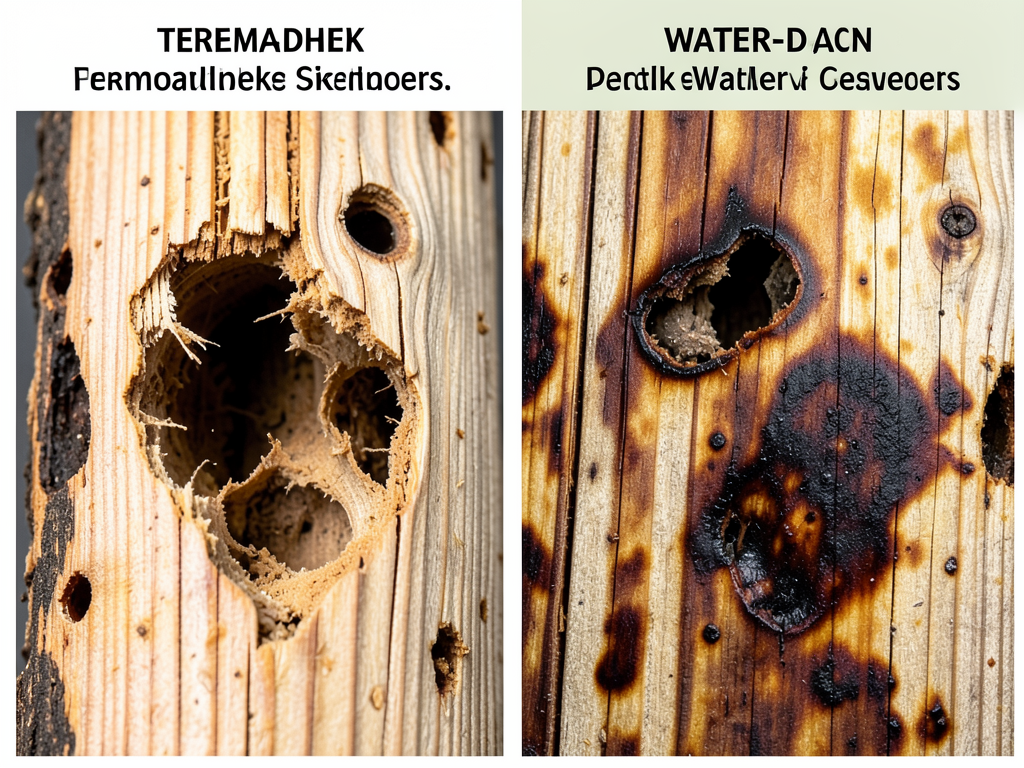
Termite damage and water damage create distinct patterns in wood that trained eyes can spot immediately. Subterranean termites in Central Florida leave behind hollowed-out galleries that follow the grain of the wood. The surface may appear intact while the interior structure crumbles when touched. Water Bug & Pest Infestations.
Water damage creates a different signature. Wood affected by moisture often shows dark staining warping or soft spongy areas that feel damp to the touch. The damage typically spreads outward from the moisture source rather than following wood grain patterns.
The Odor Test: Your Nose Knows
Your sense of smell provides immediate clues about the underlying problem. Water-damaged areas in College Park homes often emit a musty mildew odor especially in our humid climate. This smell intensifies in poorly ventilated spaces like crawl spaces or behind walls where moisture lingers.
Termite infestations produce minimal odor. Some homeowners report a faint earthy scent from active colonies but this is not consistent. The absence of musty smells combined with visible wood damage suggests termites rather than water issues.
Diagnostic Tools Professionals Use
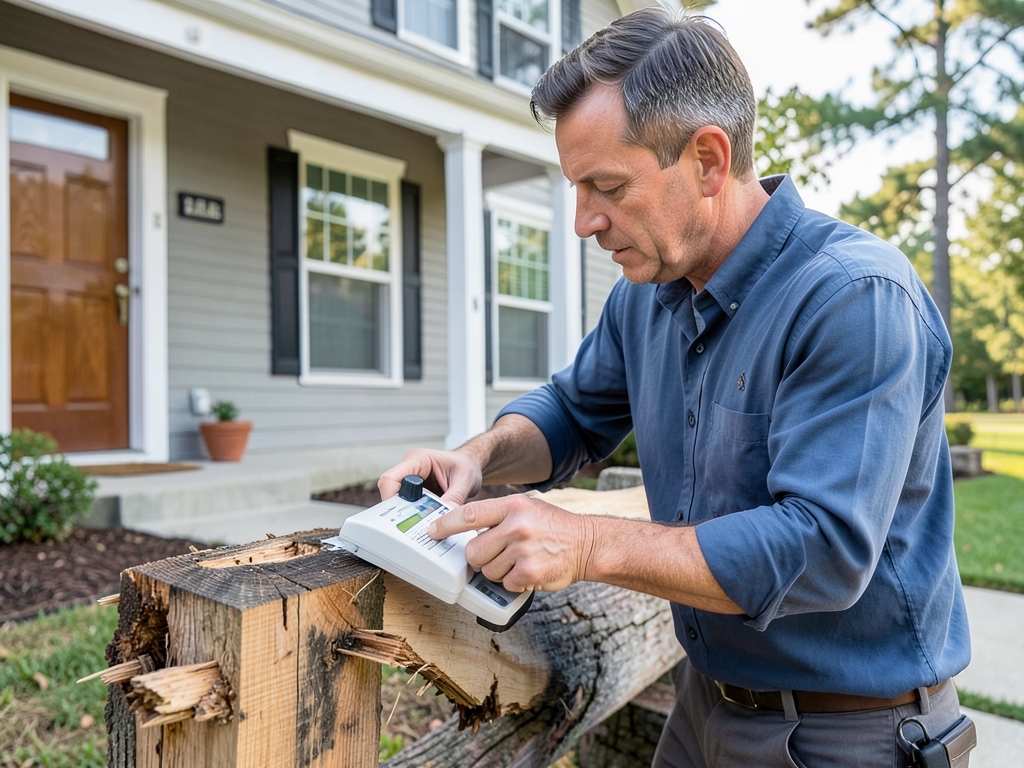
Restoration professionals rely on specialized equipment to accurately diagnose the problem. Moisture meters measure the water content in wood and building materials. Readings above 20% indicate active moisture problems that could support both mold growth and termite activity. Professional Mold Removal and Remediation Services in Lake Nona.
Thermal imaging cameras detect temperature variations behind walls revealing hidden moisture sources or active termite colonies. These tools eliminate guesswork and prevent costly misdiagnosis.
Borescope cameras allow technicians to inspect inside wall cavities without destructive testing. This technology proves invaluable in College Park’s older homes where plaster walls make invasive inspection difficult.
The Orlando Factor: Climate’s Role
Central Florida’s subtropical climate creates unique challenges for homeowners. Our average humidity levels around 74% provide ideal conditions for both wood rot and termite colonies. The combination of heat and moisture accelerates deterioration in ways not seen in other regions.
Formosan subterranean termites thrive in Orlando’s climate. These aggressive insects build extensive underground colonies and create mud tubes to access above-ground food sources. They particularly target homes in College Park where mature trees and landscaping provide ample foraging opportunities.
Structural Differences: How Damage Progresses
Water damage typically begins at the moisture source and spreads outward. A leaking pipe might damage drywall ceiling materials and flooring in a predictable pattern. The damage often worsens over time as materials absorb more moisture. What to Do When Your Ceiling Starts Leaking in Baldwin Park.
Termite damage appears more random and follows the path of least resistance through wood structures. These insects create extensive tunnel systems that can compromise structural integrity before visible signs appear. By the time homeowners notice damage termites have often been active for months or years.
The Sound Test: Tap and Listen
Experienced technicians use sound to differentiate between damage types. Water-damaged wood produces a dull thud when tapped due to moisture saturation. The wood feels heavy and dense from absorbed water.
Termite-damaged wood creates a hollow sound when tapped because the interior structure has been consumed. The remaining wood feels light and brittle breaking apart easily under pressure.
Common Locations in College Park Homes
Water damage frequently appears in bathrooms kitchens and areas near plumbing fixtures. College Park’s older homes often have hidden leaks in wall cavities or under slab foundations. Look for staining around windows doors and roof penetrations where water intrusion occurs.
Termites target ground-level wood framing foundation sills and areas where wood contacts soil. They commonly infest crawl spaces attics and wall voids. College Park’s mature landscaping provides ideal conditions for termite colonies to establish near homes.
The Mold Connection
Water damage almost always leads to mold growth in Orlando’s climate. Within 24-48 hours of moisture exposure mold spores begin colonizing damp materials. This biological growth creates additional health hazards beyond structural concerns.
Termite damage does not produce mold since the wood remains dry inside the galleries. The absence of visible mold despite obvious wood damage suggests termite activity rather than water issues.
Insurance Coverage Differences
Homeowners insurance typically covers sudden water damage from burst pipes or storm intrusion. However gradual leaks or maintenance-related water damage may not be covered. Termite damage is generally excluded from standard policies since it results from preventable infestations.
Understanding these coverage differences helps homeowners make informed decisions about which professional to contact first. Water damage restoration companies work directly with insurance providers while pest control services require out-of-pocket payment for termite treatments.
Treatment Approaches: Different Solutions
Water damage restoration focuses on moisture removal structural drying and preventing mold growth. Technicians use industrial-grade dehumidifiers air movers and antimicrobial treatments to restore affected areas.
Termite treatment involves chemical barriers baiting systems or localized treatments to eliminate colonies. Pest control professionals may need to access crawl spaces attics or wall voids to apply treatments effectively.
Prevention Strategies for College Park
Preventing water damage starts with regular maintenance. Check roof flashing gutters and downspouts annually. Address plumbing leaks immediately and ensure proper grading around your home’s foundation to prevent water pooling.
Termite prevention requires reducing wood-to-soil contact maintaining proper ventilation in crawl spaces and eliminating moisture sources that attract colonies. Annual professional inspections help catch problems early.
When to Call Which Professional
Suspect water damage if you notice: musty odors visible moisture staining warped materials or recent plumbing issues. Contact a water damage restoration company immediately for assessment and mitigation.
Suspect termites if you observe: hollow-sounding wood mud tubes on foundation walls swarmers or frass (termite droppings). Contact a licensed pest control professional for inspection and treatment options.
When in doubt start with a water damage inspection. Restoration professionals can identify moisture sources and determine if secondary issues like mold or pest attraction are present.
Cost Implications of Misdiagnosis
Misidentifying the problem leads to wasted money and continued damage. Treating for termites when water damage exists only addresses symptoms while the underlying moisture problem persists. Conversely pest control treatments cannot fix structural damage from water rot.
Professional diagnosis typically costs less than treating the wrong problem. Most reputable companies offer free inspections to help homeowners determine the appropriate course of action.
Local Building Considerations
College Park’s mix of historic and newer construction presents unique challenges. Older homes may have hidden plumbing issues while newer builds might have construction defects allowing water intrusion. The area’s mature trees and landscaping create ideal conditions for both moisture problems and termite activity.
Understanding your home’s construction era helps predict potential problem areas. Homes built before 1970 often used materials and building practices that differ significantly from modern standards.
Seasonal Factors to Consider
Orlando’s rainy season from June through September increases water damage risks. Hurricane season brings additional threats from wind-driven rain and potential flooding. These seasonal factors make certain times of year more critical for preventive maintenance.
Termite swarm seasons typically occur in spring but activity continues year-round in our warm climate. Increased vigilance during transition seasons helps catch problems early.
DIY Assessment Limitations
While homeowners can identify obvious signs of damage professional assessment reveals hidden problems. Surface symptoms often mask more extensive damage behind walls or under flooring. Professional tools and experience provide accurate diagnosis that DIY methods cannot match. Hardwood Floor Water Damage Restoration in Winter Garden.
Attempting DIY treatment often spreads problems or creates new ones. Water damage requires proper drying techniques to prevent mold while termite treatment needs specific application methods for effectiveness.
Health and Safety Considerations
Water damage creates immediate health risks through mold growth and potential bacterial contamination. Black mold exposure can cause respiratory issues allergic reactions and other health problems especially in vulnerable individuals.
Termites pose minimal direct health risks but their damage can create safety hazards. Compromised structural elements may fail unexpectedly creating injury risks.
Long-Term Property Value Impact
Unresolved water damage or termite infestations significantly reduce property values. Buyers and inspectors look for signs of past or active problems. Proper documentation of professional remediation helps maintain property value.
Regular professional inspections and prompt treatment protect your investment. College Park’s competitive real estate market makes property condition particularly important.
Making the Right Call
When you discover suspicious damage in your College Park home don’t guess about the cause. Contact a professional who can accurately diagnose the problem and recommend appropriate solutions. The cost of professional assessment pales compared to treating the wrong issue or allowing damage to worsen.
Remember that moisture problems often attract termites creating situations where both issues exist simultaneously. Comprehensive assessment by qualified professionals ensures all problems receive proper treatment.
Frequently Asked Questions
How can I tell if I have termites or water damage in my College Park home?
Look for hollow-sounding wood mud tubes on foundation walls musty odors and visible moisture. Termite damage creates hollow galleries while water damage causes warping and staining. Professional inspection provides definitive diagnosis.
Does homeowners insurance cover termite damage in Orlando?
Standard homeowners insurance policies typically exclude termite damage since it results from preventable infestations. Water damage from sudden events like burst pipes is usually covered but gradual leaks may not be. Check your specific policy details.
How quickly should I address suspected water damage?
Contact a professional immediately. Water damage worsens rapidly and mold can begin growing within 24-48 hours. Quick response minimizes structural damage and prevents secondary issues like mold growth.
Can moisture attract termites to my home?
Yes moisture problems create ideal conditions for termite colonies. Subterranean termites require moisture to survive and are attracted to damp wood and soil near homes. Addressing moisture issues helps prevent termite infestations.
What areas of College Park homes are most vulnerable?
Bathrooms kitchens and areas near plumbing fixtures face high water damage risk. Termite activity concentrates in ground-level wood framing crawl spaces and areas where wood contacts soil. Older homes may have hidden vulnerabilities in wall cavities.
Don’t let unidentified damage compromise your College Park home’s safety and value. If you’re seeing suspicious wood damage or moisture issues call our Orlando restoration experts today at (689) 268-2233 for a comprehensive inspection. We’ll identify the problem and recommend the right solution to protect your home. For more information, visit EPA mold information. For more information, visit CDC mold facts.
{
“@context”: “https://schema.org”,
“@type”: “BlogPosting”,
“headline”: “Identifying the Difference Between a Termite Problem and Water Damage in College Park”,
“description”: “Learn to spot the key differences between termite damage and water damage in College Park. Our Orlando restoration experts explain how to identify each issue.”,
“wordCount”: 1778,
“datePublished”: “2026-05-14T13:42:00.000Z”,
“dateModified”: “2026-05-14T13:42:00.000Z”,
“inLanguage”: “en-US”,
“mainEntityOfPage”: {
“@type”: “WebPage”,
“@id”: “https://reliancewaterdamagerestorationorlando.com”
},
“publisher”: {
“@type”: “LocalBusiness”,
“name”: “Reliance Water Damage Restoration Orlando”,
“url”: “https://reliancewaterdamagerestorationorlando.com”
},
“author”: {
“@type”: “Organization”,
“name”: “Reliance Water Damage Restoration Orlando”,
“url”: “https://reliancewaterdamagerestorationorlando.com”
},
“image”: {
“@type”: “ImageObject”,
“url”: “https://reliancewaterdamagerestorationorlando.com/wp-content/uploads/2026/03/identifying-the-difference-between-a-termite-probl-1.png”
}
}
{
“@context”: “https://schema.org”,
“@type”: “LocalBusiness”,
“name”: “Reliance Water Damage Restoration Orlando”,
“url”: “https://reliancewaterdamagerestorationorlando.com”,
“address”: {
“@type”: “PostalAddress”,
“addressLocality”: “Orlando”
},
“areaServed”: {
“@type”: “City”,
“name”: “Orlando”
}
}
{
“@context”: “https://schema.org”,
“@type”: “FAQPage”,
“mainEntity”: [
{
“@type”: “Question”,
“name”: “How can I tell if I have termites or water damage in my College Park home?”,
“acceptedAnswer”: {
“@type”: “Answer”,
“text”: “Look for hollow-sounding wood mud tubes on foundation walls musty odors and visible moisture. Termite damage creates hollow galleries while water damage causes warping and staining. Professional inspection provides definitive diagnosis.”
}
},
{
“@type”: “Question”,
“name”: “Does homeowners insurance cover termite damage in Orlando?”,
“acceptedAnswer”: {
“@type”: “Answer”,
“text”: “Standard homeowners insurance policies typically exclude termite damage since it results from preventable infestations. Water damage from sudden events like burst pipes is usually covered but gradual leaks may not be. Check your specific policy details.”
}
},
{
“@type”: “Question”,
“name”: “How quickly should I address suspected water damage?”,
“acceptedAnswer”: {
“@type”: “Answer”,
“text”: “Contact a professional immediately. Water damage worsens rapidly and mold can begin growing within 24-48 hours. Quick response minimizes structural damage and prevents secondary issues like mold growth.”
}
},
{
“@type”: “Question”,
“name”: “Can moisture attract termites to my home?”,
“acceptedAnswer”: {
“@type”: “Answer”,
“text”: “Yes moisture problems create ideal conditions for termite colonies. Subterranean termites require moisture to survive and are attracted to damp wood and soil near homes. Addressing moisture issues helps prevent termite infestations.”
}
},
{
“@type”: “Question”,
“name”: “What areas of College Park homes are most vulnerable?”,
“acceptedAnswer”: {
“@type”: “Answer”,
“text”: “Bathrooms kitchens and areas near plumbing fixtures face high water damage risk. Termite activity concentrates in ground-level wood framing crawl spaces and areas where wood contacts soil. Older homes may have hidden vulnerabilities in wall cavities.”
}
}
]
}
{
“@context”: “https://schema.org”,
“@type”: “BreadcrumbList”,
“itemListElement”: [
{
“@type”: “ListItem”,
“position”: 1,
“name”: “Home”,
“item”: “https://reliancewaterdamagerestorationorlando.com”
},
{
“@type”: “ListItem”,
“position”: 2,
“name”: “Blog”,
“item”: “https://reliancewaterdamagerestorationorlando.com/blog”
},
{
“@type”: “ListItem”,
“position”: 3,
“name”: “Identifying the Difference Between a Termite Problem and Water Damage in College Park”
}
]
}
{
“@context”: “https://schema.org”,
“@type”: “Service”,
“serviceType”: “Water Damage Restoration”,
“provider”: {
“@type”: “LocalBusiness”,
“name”: “Reliance Water Damage Restoration Orlando”,
“url”: “https://reliancewaterdamagerestorationorlando.com”
},
“areaServed”: {
“@type”: “City”,
“name”: “Orlando”
},
“description”: “Learn to spot the key differences between termite damage and water damage in College Park. Our Orlando restoration experts explain how to identify each issue.”
}