Understanding Water Damage Categories (White, Gray, and Black Water Explained)
Water damage in your Orlando home goes beyond wet floors and soggy carpets. The type of water causing damage determines health risks cleanup methods and whether you need professional help. The Institute of Inspection Cleaning and Restoration Certification created a standard classification system that divides water damage into three distinct categories based on contamination levels. Professional Mold Removal and Remediation Services in Lake Nona.
Knowing these categories helps you make quick decisions that protect your family’s health and your property’s value. A burst pipe in your Winter Park kitchen might need simple DIY cleanup while the same amount of water from a sewage backup in College Park requires immediate professional intervention with specialized equipment and safety protocols. The Best Way to Handle Sewage Backup Cleanup in College Park.
Category 1: Clean Water
Category 1 water originates from a sanitary source and poses minimal risk to human health. This includes broken water supply lines melting ice or snow rainwater from intact roofs and toilet tanks without contaminants. The water looks clear and does not contain harmful microorganisms or chemicals. Emergency Water Damage Restoration for Windermere Homeowners.
Common sources of clean water in Orlando homes include:. Read more about Managing Water Damage in Commercial Kitchens Near the International Drive Tourist District.
- Broken fresh water supply pipes
- Overflowing sinks or bathtubs
- Water heater ruptures
- Appliance malfunctions dishwasher or washing machine supply lines
- Rainwater entering through intact windows or doors
Clean water becomes more dangerous the longer it sits. In Orlando’s 74 percent average humidity Category 1 water can start degrading within 24 to 48 hours as it absorbs contaminants from building materials and the surrounding environment. What begins as clean water from a broken pipe can transform into Category 2 gray water if not addressed quickly.. Read more about Why Your Reusable Building Materials Might Need to be Replaced After a Flood.
Category 2: Gray Water
Category 2 water contains significant contamination and can cause discomfort or illness if contacted or consumed. This water may contain bacteria viruses or chemicals that were not present in Category 1 water. The contamination level is not severe enough to be considered grossly unsanitary but it is definitely not safe for direct contact.
Common gray water sources in Central Florida include:
- Dishwasher or washing machine discharge
- Shower or bathtub overflow with soap residue
- Sump pump failures
- Water from aquariums
- Toilet overflow with urine but no feces
Gray water requires more careful handling than clean water. You will need to wear rubber gloves and boots when cleaning up gray water spills. The water can stain surfaces and damage materials that clean water would not affect. In Orlando’s humid climate gray water promotes faster mold growth than clean water often showing visible mold within 48 to 72 hours.. Read more about Why You Should Swap Your Rubber Washing Machine Hoses Before They Flood Your Bithlo Home.
Category 3: Black Water
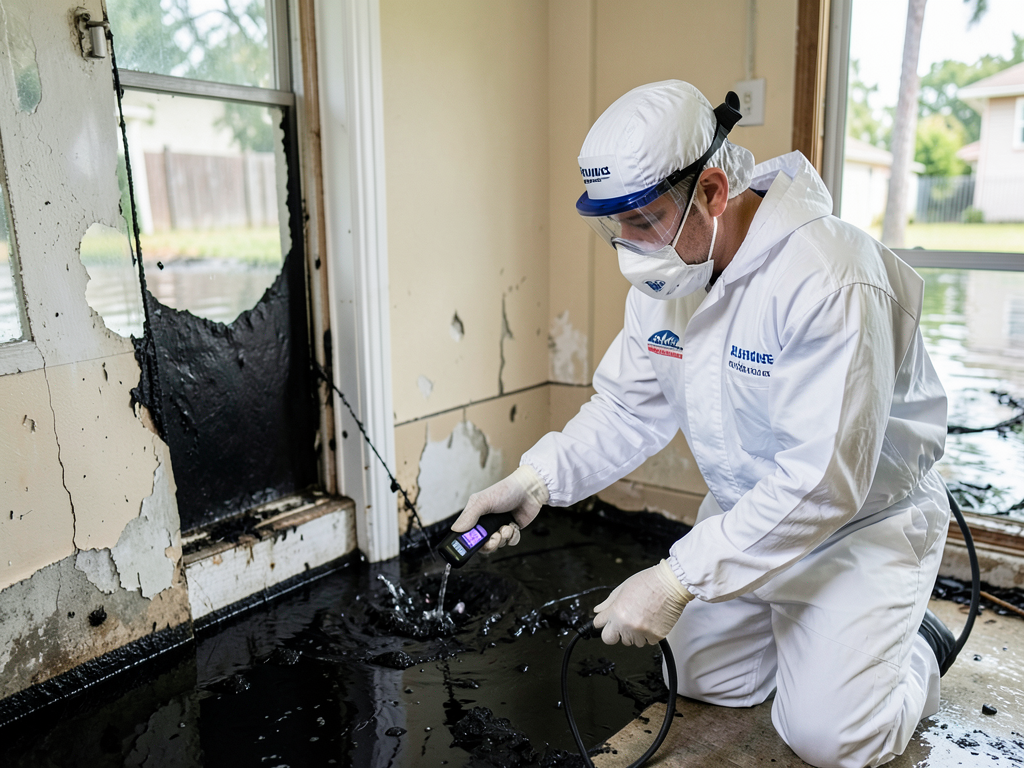
Category 3 water is grossly contaminated and can cause severe illness or death if ingested. This water contains pathogenic toxigenic or other harmful agents that pose serious health risks. Black water situations always require professional remediation with proper personal protective equipment and specialized cleaning protocols.. Read more about The Hidden Risks of Buying a Foreclosed Home with Unaddressed Water Issues in Pine Hills.
Black water sources commonly found in Orlando include:
- Sewer backups and toilet overflows with feces
- Flooding from rivers streams or coastal waters
- Ground surface water entering buildings
- Water from hurricanes or tropical storms that picks up contaminants
- Water from beyond the toilet trap
- Water from hydrostatic pressure failures
Black water requires immediate evacuation of the affected area. The water contains bacteria viruses parasites and potentially toxic chemicals. Professional restoration teams use full PPE including respirators chemical-resistant suits and specialized cleaning agents. All porous materials that contacted black water must be removed and properly disposed of according to Florida environmental regulations.
How Categories Change Over Time
Water damage categories are not static. Clean water can degrade into gray water within 24 to 48 hours and gray water can become black water in as little as 72 hours. Orlando’s high humidity and temperatures accelerate this degradation process compared to drier climates.
The degradation timeline depends on several factors:
- Temperature and humidity levels
- Duration of water exposure
- Contact with building materials
- Presence of organic matter
- Airflow and ventilation
In a typical Maitland home during summer Category 1 water from a broken pipe can start showing Category 2 characteristics within 24 hours. The water begins absorbing contaminants from drywall wood and carpet padding. By 48 to 72 hours the same water source may contain enough bacteria and organic matter to be classified as Category 3 especially if it contacted soil or entered wall cavities where mold can grow undetected.
Orlando’s Unique Water Damage Challenges
Central Florida’s climate creates specific challenges for water damage restoration. The combination of high humidity frequent storms and unique building characteristics affects how water damage progresses and what restoration methods work best.
During hurricane season storm surge and rising groundwater create Category 3 situations that require immediate professional intervention. The water picks up contaminants from streets lawns and underground utilities before entering homes. Even if your home appears structurally sound after a storm Category 3 water can hide in wall cavities and under flooring creating long-term health hazards. Hardwood Floor Water Damage Restoration in Winter Garden.
Orlando’s sandy soil and high water table create hydrostatic pressure issues that can force water through foundation cracks. This water often contains minerals and organic matter from the soil making it Category 2 or 3 even if it originates from a relatively clean source. Homes in Kissimmee and St. Cloud face similar challenges due to their proximity to lakes and wetlands.
The region’s concrete block construction common in older Orlando neighborhoods affects how water moves through buildings. Water can travel horizontally through concrete blocks creating damage in areas far from the original leak source. This hidden water movement makes professional moisture mapping essential for proper restoration.
Professional Assessment and Restoration Process
Professional water damage restoration follows a systematic approach based on the water category. The process begins with a thorough assessment using moisture meters thermal imaging cameras and sometimes invasive testing to determine the full extent of damage.
For Category 1 water damage the restoration process typically includes:
- Water extraction using truck-mounted or portable extractors
- Removal of damaged materials that cannot be salvaged
- Structural drying with commercial air movers and dehumidifiers
- Monitoring moisture levels until materials return to normal content
- Antimicrobial treatment to prevent mold growth
Category 2 water damage requires additional steps:
- Enhanced personal protective equipment for technicians
- More aggressive cleaning agents and disinfectants
- Removal of more porous materials that absorbed contaminants
- Extended drying times due to higher contamination levels
- Air quality testing to ensure proper sanitization
Category 3 water damage involves the most extensive procedures:
- Complete PPE for all workers including respirators
- Containment barriers to prevent cross-contamination
- Removal and disposal of all porous materials in affected areas
- Pressure washing and chemical disinfection of structural elements
- Multiple cleaning and verification steps
- Third-party testing to confirm safety before rebuilding
Insurance Considerations for Different Water Categories
Insurance coverage varies significantly based on water category and source. Most standard homeowners policies cover sudden and accidental water damage from internal sources but exclude flooding and gradual damage.
Category 1 water damage from a burst pipe is typically covered under standard policies minus your deductible. The insurance company expects you to mitigate further damage by stopping the water source and beginning cleanup promptly. Category 2 water damage from appliance malfunctions usually receives similar coverage.
Category 3 water damage coverage depends heavily on the source. Sewer backups often require separate riders or endorsements. Flood damage from hurricanes or heavy rains requires separate flood insurance through the National Flood Insurance Program or private carriers. Without specific coverage Category 3 damage from flooding can result in tens of thousands of dollars in uncovered losses. EPA Mold Information.
Documentation becomes crucial for insurance claims. Professional restoration companies provide detailed reports that categorize the water type document damage extent and outline restoration procedures. These reports help insurance adjusters understand the scope of work and approve appropriate coverage.
Health and Safety Considerations
The health risks associated with different water categories vary dramatically. Category 1 water poses minimal immediate health risks though prolonged exposure can lead to mold growth that affects people with allergies or respiratory conditions.
Category 2 water exposure can cause gastrointestinal illness skin infections and allergic reactions. The water contains enough contamination to irritate skin and mucous membranes. People with compromised immune systems young children and elderly individuals face higher risks from Category 2 exposure.
Category 3 water exposure can cause serious illness including hepatitis tetanus and severe gastrointestinal infections. The water contains pathogenic organisms that can survive in the environment for extended periods. Even brief skin contact with Category 3 water requires immediate washing with soap and clean water.
Professional restoration teams follow strict safety protocols based on water category. Category 1 might only require gloves and boots while Category 3 requires full hazmat suits respirators and decontamination procedures. The safety equipment protects both workers and prevents cross-contamination to unaffected areas of your home.
Prevention and Early Detection
Preventing water damage starts with understanding your home’s vulnerabilities. Orlando homes face specific risks from the local climate and building practices. Regular maintenance can prevent many water damage situations before they start. What to Do When Your Ceiling Starts Leaking in Baldwin Park.
Key prevention steps include:
- Checking appliance supply lines annually for wear or corrosion
- Cleaning gutters and downspouts before hurricane season
- Inspecting roof condition after severe storms
- Testing sump pumps quarterly especially before rainy season
- Checking for signs of foundation movement or cracks
- Installing water leak detection systems in high-risk areas
Early detection saves thousands in restoration costs. Watch for warning signs like water stains on ceilings or walls musty odors peeling paint or wallpaper warped flooring and unexpected increases in water bills. In Orlando’s humid climate mold can begin growing within 24 to 48 hours of water exposure making quick response essential.
Smart home technology offers new prevention tools. Water leak detectors can alert you to problems through smartphone apps often before visible damage occurs. Some systems can automatically shut off water supply when leaks are detected preventing extensive damage even when you are away from home.
When to Call Professionals
Knowing when to handle water damage yourself versus calling professionals can save you money and protect your health. Small Category 1 spills under 10 square feet might be manageable with DIY methods but larger areas or any Category 2 or 3 situations require professional help.
Call professionals immediately if you encounter:
- Any Category 3 water situation
- Water damage affecting electrical systems
- Water that has been standing for more than 24 hours
- Suspected mold growth
- Water damage in areas with asbestos or lead paint
- Structural damage or sagging ceilings
- Flooding from natural disasters
Professional restoration companies have the equipment training and experience to handle all water categories safely. They use industrial-grade extractors dehumidifiers and air movers that remove water much faster than consumer-grade equipment. More importantly they understand how to prevent secondary damage like mold growth and structural weakening.
In Orlando’s climate the 24 to 48 hour window for addressing water damage is critical. What might be a simple cleanup job can become a major restoration project if not addressed promptly. Professional assessment can identify hidden damage that DIY methods miss preventing costly surprises later.
Understanding Your Local Building Environment
Orlando’s building environment creates specific water damage patterns. The city’s rapid growth has resulted in a mix of construction styles and ages each with unique vulnerabilities. Understanding these patterns helps you recognize potential problems before they cause extensive damage.
Older neighborhoods like College Park feature homes built before modern building codes with less effective moisture barriers and drainage systems. These homes often have crawl spaces or basements that can trap moisture creating ideal conditions for mold growth. The clay soil in some areas expands when wet potentially causing foundation cracks that allow water intrusion.
Newer developments in areas like Lake Nona often use modern building techniques but face different challenges. The rapid construction can sometimes result in improper grading or drainage issues that cause water to pool around foundations. PEX plumbing while generally reliable can have specific failure modes that lead to hidden leaks within walls.
Commercial areas along major corridors like International Drive present different challenges. Multi-story buildings require specialized equipment to reach upper floors and water can travel between units affecting multiple businesses. The concrete and steel construction common in these buildings can hide water damage until it becomes severe.
Understanding these local patterns helps you make informed decisions about prevention and response. A water stain on a ceiling in a 1950s bungalow in Audubon Park might indicate a different problem than the same stain in a 2020s townhome in Waterford Lakes. Local knowledge makes the difference between effective restoration and ongoing problems.
Frequently Asked Questions
What is the difference between water damage categories and classes?
Water categories describe contamination levels (clean gray black) while classes describe evaporation rates and affected materials (Class 1 to 4). A Category 1 Class 4 situation involves clean water that has deeply penetrated materials like hardwood or concrete requiring specialized drying equipment.
How quickly does clean water become contaminated?
In Orlando’s climate clean water can start degrading within 24 to 48 hours. The process accelerates with higher temperatures and humidity. Water sitting on organic materials like wood or carpet padding degrades faster than water on non-porous surfaces.
Can I clean up Category 2 water myself?
Small Category 2 spills under 10 square feet might be manageable with proper protective equipment and cleaning agents. However larger areas or water that has contacted porous materials should be handled by professionals to ensure proper sanitization and prevent mold growth.
Does homeowners insurance cover all water damage?
No. Standard policies typically cover sudden and accidental internal water damage but exclude flooding and gradual damage. Category 3 water from flooding requires separate flood insurance. Always check your specific policy details and consider additional coverage for your area’s risks.
How do I know if water damage is Category 3?
Category 3 water often has a strong odor visible discoloration and may contain solid waste or debris. However some Category 3 water looks clear. When in doubt treat all flood water and sewage backups as Category 3 and call professionals immediately.
How long does professional water damage restoration take?
Timeline varies by category and extent. Category 1 damage might take 3 to 5 days Category 2 typically takes 5 to 7 days and Category 3 can require 7 to 14 days or longer. The process includes water removal drying cleaning and verification testing before repairs begin. For more information, visit IICRC Standards.
{
“@context”: “https://schema.org”,
“@type”: “BlogPosting”,
“headline”: “Understanding Water Damage Categories (White, Gray, and Black Water Explained)”,
“description”: “Learn the differences between clean water, gray water, and black water damage. Discover when to call professionals and how Orlando’s climate affects restoration.”,
“wordCount”: 2417,
“datePublished”: “2026-05-21T06:11:00.000Z”,
“dateModified”: “2026-05-21T06:11:00.000Z”,
“inLanguage”: “en-US”,
“mainEntityOfPage”: {
“@type”: “WebPage”,
“@id”: “https://reliancewaterdamagerestorationorlando.com”
},
“publisher”: {
“@type”: “LocalBusiness”,
“name”: “Reliance Water Damage Restoration Orlando”,
“url”: “https://reliancewaterdamagerestorationorlando.com”
},
“author”: {
“@type”: “Organization”,
“name”: “Reliance Water Damage Restoration Orlando”,
“url”: “https://reliancewaterdamagerestorationorlando.com”
},
“image”: {
“@type”: “ImageObject”,
“url”: “https://reliancewaterdamagerestorationorlando.com/wp-content/uploads/2026/03/understanding-water-damage-categories-white-gray-a-1.png”
}
}
{
“@context”: “https://schema.org”,
“@type”: “LocalBusiness”,
“name”: “Reliance Water Damage Restoration Orlando”,
“url”: “https://reliancewaterdamagerestorationorlando.com”,
“address”: {
“@type”: “PostalAddress”,
“addressLocality”: “Orlando”
},
“areaServed”: {
“@type”: “City”,
“name”: “Orlando”
}
}
{
“@context”: “https://schema.org”,
“@type”: “FAQPage”,
“mainEntity”: [
{
“@type”: “Question”,
“name”: “What is the difference between water damage categories and classes?”,
“acceptedAnswer”: {
“@type”: “Answer”,
“text”: “Water categories describe contamination levels (clean gray black) while classes describe evaporation rates and affected materials (Class 1 to 4). A Category 1 Class 4 situation involves clean water that has deeply penetrated materials like hardwood or concrete requiring specialized drying equipment.”
}
},
{
“@type”: “Question”,
“name”: “How quickly does clean water become contaminated?”,
“acceptedAnswer”: {
“@type”: “Answer”,
“text”: “In Orlando’s climate clean water can start degrading within 24 to 48 hours. The process accelerates with higher temperatures and humidity. Water sitting on organic materials like wood or carpet padding degrades faster than water on non-porous surfaces.”
}
},
{
“@type”: “Question”,
“name”: “Can I clean up Category 2 water myself?”,
“acceptedAnswer”: {
“@type”: “Answer”,
“text”: “Small Category 2 spills under 10 square feet might be manageable with proper protective equipment and cleaning agents. However larger areas or water that has contacted porous materials should be handled by professionals to ensure proper sanitization and prevent mold growth.”
}
},
{
“@type”: “Question”,
“name”: “Does homeowners insurance cover all water damage?”,
“acceptedAnswer”: {
“@type”: “Answer”,
“text”: “No. Standard policies typically cover sudden and accidental internal water damage but exclude flooding and gradual damage. Category 3 water from flooding requires separate flood insurance. Always check your specific policy details and consider additional coverage for your area’s risks.”
}
},
{
“@type”: “Question”,
“name”: “How do I know if water damage is Category 3?”,
“acceptedAnswer”: {
“@type”: “Answer”,
“text”: “Category 3 water often has a strong odor visible discoloration and may contain solid waste or debris. However some Category 3 water looks clear. When in doubt treat all flood water and sewage backups as Category 3 and call professionals immediately.”
}
},
{
“@type”: “Question”,
“name”: “How long does professional water damage restoration take?”,
“acceptedAnswer”: {
“@type”: “Answer”,
“text”: “Timeline varies by category and extent. Category 1 damage might take 3 to 5 days Category 2 typically takes 5 to 7 days and Category 3 can require 7 to 14 days or longer. The process includes water removal drying cleaning and verification testing before repairs begin. For more information, visit IICRC Standards.”
}
}
]
}
{
“@context”: “https://schema.org”,
“@type”: “BreadcrumbList”,
“itemListElement”: [
{
“@type”: “ListItem”,
“position”: 1,
“name”: “Home”,
“item”: “https://reliancewaterdamagerestorationorlando.com”
},
{
“@type”: “ListItem”,
“position”: 2,
“name”: “Blog”,
“item”: “https://reliancewaterdamagerestorationorlando.com/blog”
},
{
“@type”: “ListItem”,
“position”: 3,
“name”: “Understanding Water Damage Categories (White, Gray, and Black Water Explained)”
}
]
}
{
“@context”: “https://schema.org”,
“@type”: “Service”,
“serviceType”: “Water Damage Restoration”,
“provider”: {
“@type”: “LocalBusiness”,
“name”: “Reliance Water Damage Restoration Orlando”,
“url”: “https://reliancewaterdamagerestorationorlando.com”
},
“areaServed”: {
“@type”: “City”,
“name”: “Orlando”
},
“description”: “Learn the differences between clean water, gray water, and black water damage. Discover when to call professionals and how Orlando’s climate affects restoration.”
}