Why You Should Worry About the Secondary Damage Caused by Central Florida Humidity
Central Florida humidity creates the perfect storm for secondary water damage. When moisture lingers in your home after a leak Orlando’s 74% average relative humidity pulls that water deeper into building materials. This process happens faster than most homeowners realize turning what seemed like a small problem into thousands of dollars in structural damage. Florida Building Code Information.
How Orlando’s Climate Makes Secondary Damage Worse
The Orlando area faces unique challenges that accelerate secondary water damage. Summer thunderstorms dump heavy rain in short periods overwhelming drainage systems. When that water enters your home the combination of heat and humidity creates ideal conditions for moisture migration. Emergency Water Damage Restoration for Windermere Homeowners.
Orlando’s dew point typically stays above 65°F for six months each year. This means the air holds so much moisture that it constantly pulls water from wet materials. A carpet that feels dry to touch may still contain 20% moisture content enough to feed mold colonies and warp wood subfloors. Hardwood Floor Water Damage Restoration in Winter Garden.
The Science Behind Secondary Water Damage
Secondary damage occurs when moisture migrates from initially wet areas to previously dry materials. This happens through several mechanisms that Orlando’s climate accelerates.
Hygroscopic materials like drywall wood and insulation act like sponges. They absorb moisture directly from humid air. When indoor relative humidity exceeds 60% these materials can gain 5-10% of their weight in water within 48 hours.. Read more about Why Formosan Termites Love Water Damaged Wood and How to Stop Them in Lockhart.
Vapor pressure differentials drive moisture movement. Warm humid Orlando air creates high vapor pressure that pushes moisture through walls ceilings and floors. This process can move water 10-15 feet from the original leak source within days. What to Do When Your Ceiling Starts Leaking in Baldwin Park.
Common Secondary Damage Scenarios in Orlando Homes
| Material | Secondary Damage Timeline | Orlando-Specific Factors |
|---|---|---|
| Wood Subflooring | 24-72 hours | High humidity prevents natural evaporation |
| Gypsum Drywall | 12-48 hours | Moisture wicks upward 1-2 inches per hour |
| Carpet Padding | 8-24 hours | Trapped moisture creates mold breeding ground |
| Insulation | 24-96 hours | Fiberglass loses R-value when wet |
| Concrete Slabs | 72+ hours | Hydrostatic pressure forces moisture upward |
Mold Growth Timeline in Central Florida
Orlando’s heat and humidity create the perfect breeding ground for mold. The timeline from water exposure to visible mold growth compresses significantly in our climate.
Under normal conditions mold can begin growing within 24-48 hours of water exposure. In Orlando’s summer months this timeline shrinks to 12-36 hours. The combination of temperatures above 80°F and humidity over 70% accelerates spore germination and colony establishment.
Common Orlando mold species include Stachybotrys (black mold) Penicillium and Aspergillus. These species thrive in the 70-90°F temperature range that characterizes Orlando summers. Once established mold colonies can spread across surfaces at rates of 1-3 square feet per day.
Structural Damage Progression
Secondary water damage affects more than just visible surfaces. Orlando’s construction methods and materials react differently to prolonged moisture exposure.
Wood framing in Orlando homes typically swells when moisture content exceeds 15%. This swelling causes nails to pop joints to separate and walls to bow. In slab-on-grade construction common throughout Central Florida moisture rising from concrete can cause hardwood floors to cup within 72 hours.
Metal components face accelerated corrosion in Orlando’s salty humid air. Drywall screws rust within 30 days of consistent moisture exposure. This rust creates staining that appears through paint and weakens structural connections.
The HVAC System Connection
Orlando’s air conditioning systems play a surprising role in secondary water damage. When humidity levels stay high AC units run constantly creating condensation that can overwhelm drain pans.
Blocked condensate drains cause water to back up into air handlers. This moisture then distributes throughout duct systems spreading mold spores to previously unaffected areas. The constant air circulation also prevents some areas from drying naturally. The Best Way to Handle Sewage Backup Cleanup in College Park.
Many Orlando homes use attic-mounted air handlers. These units can develop condensation on supply plenums when cold air meets hot attic temperatures. This creates hidden moisture sources that feed secondary damage for months.
Why DIY Drying Often Fails in Orlando
- Household fans cannot achieve the air exchange rates needed for proper drying
- Consumer dehumidifiers lack the capacity to handle Orlando’s moisture load
- Hidden moisture in wall cavities remains undetected without proper equipment
- High outdoor humidity prevents effective open-air drying
- Delayed professional assessment allows damage to compound
Professional Secondary Damage Prevention
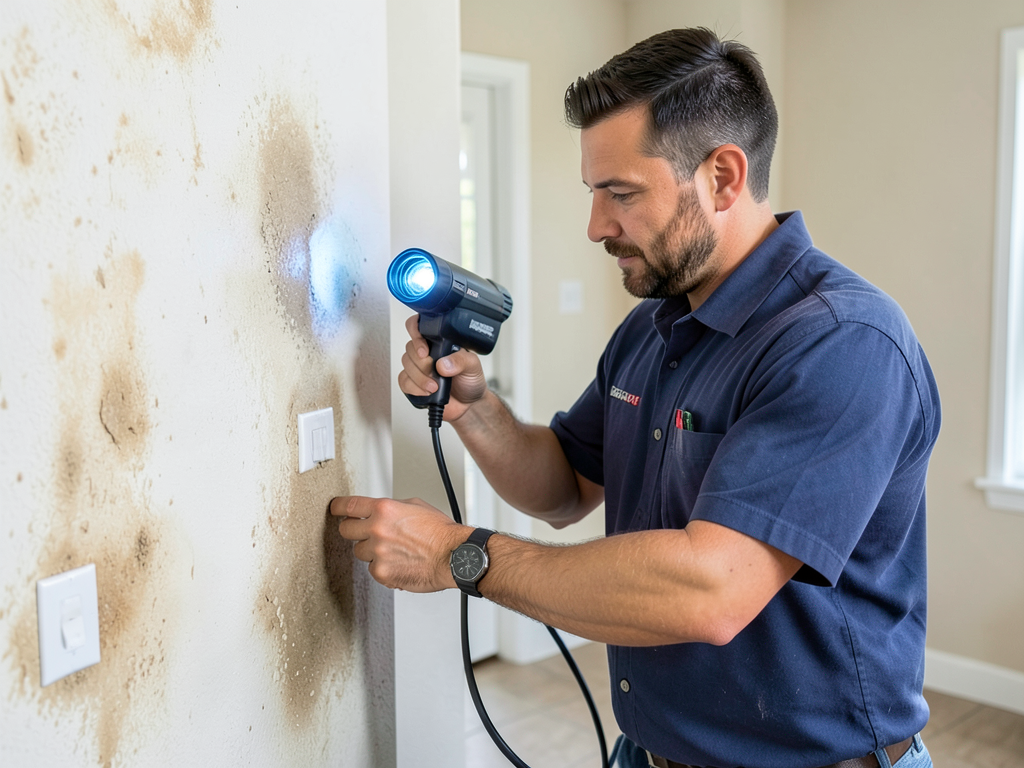
Professional water damage restoration follows specific protocols that address Orlando’s unique challenges. The process begins with moisture mapping using infrared cameras and penetrating moisture meters. Professional Mold Removal and Remediation Services in Lake Nona.
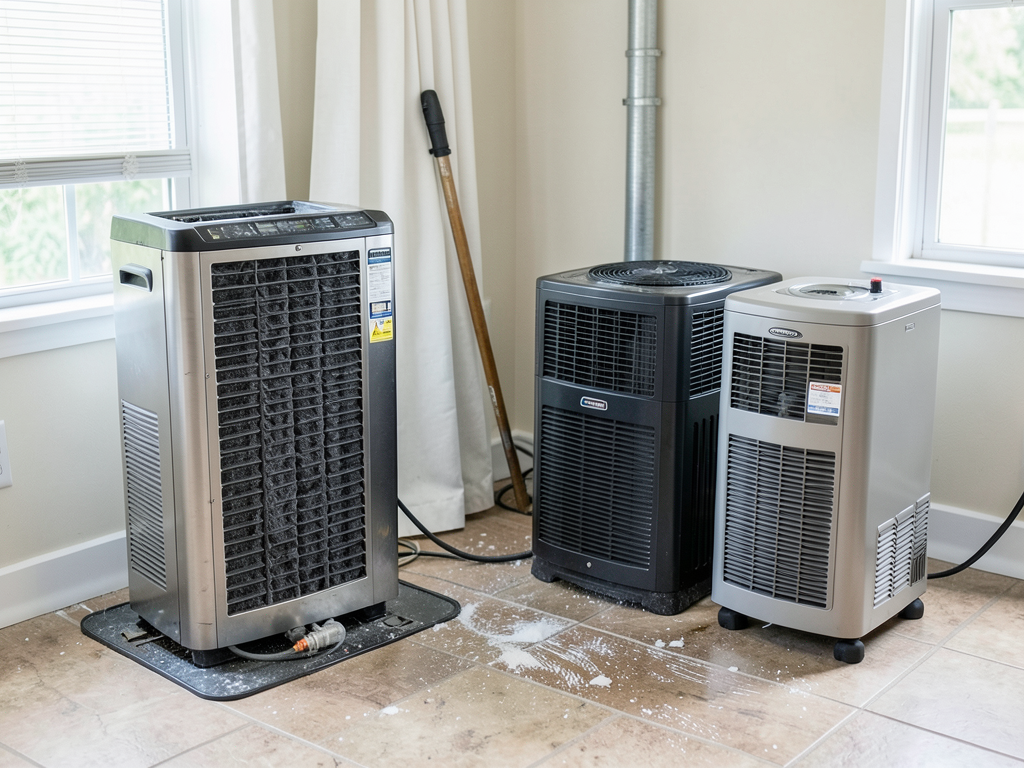
Technicians establish drying chambers to create controlled environments. This involves sealing off affected areas and using industrial dehumidifiers that can remove 20-30 gallons of water per day. These units achieve grain depression levels that consumer equipment cannot match.
Air movers create directional airflow patterns that force moisture out of materials. The combination of heat airflow and low relative humidity can reduce drying times by 60-70% compared to natural evaporation.
Building Code Considerations for Orlando
Florida Building Code requirements affect how secondary damage develops and should be addressed. Section 422 addresses moisture control in residential construction requiring specific vapor barriers and drainage planes.
Orlando’s high water table means many homes sit on concrete slabs with minimal crawl space ventilation. This construction method traps moisture beneath flooring materials. Proper mitigation requires understanding these structural constraints.
Recent code updates require moisture meters for final inspections in flood-prone zones. This change reflects growing awareness of secondary damage risks in Central Florida’s climate.
Insurance Implications
Insurance companies scrutinize secondary damage claims closely. Most policies cover sudden water damage but may deny claims if mitigation efforts appear inadequate.
Documentation becomes critical. Professional moisture readings drying logs and photographic evidence support claims. Insurance adjusters look for proof that homeowners took reasonable steps to prevent secondary damage.
Some policies now include specific endorsements for secondary damage caused by humidity. These endorsements often require professional monitoring and documentation of drying processes.
Prevention Strategies for Orlando Homeowners
| Prevention Method | Effectiveness Rating | Orlando Implementation Notes |
|---|---|---|
| Relative Humidity Monitoring | 9/10 | Target 45-55% RH year-round |
| Smart Water Sensors | 8/10 | Place near water heaters and under sinks |
| Annual HVAC Maintenance | 7/10 | Check condensate drains and pans |
| Proper Grading | 8/10 | Ensure 6-inch slope away from foundation |
| Dehumidifier Installation | 9/10 | Whole-house units work best in Orlando |
Health Risks Beyond Mold
Secondary water damage creates conditions that affect indoor air quality. When materials stay wet for extended periods they release volatile organic compounds and support dust mite populations.
Orlando’s already high pollen counts combine with moisture problems to create respiratory stress. People with asthma or allergies often experience worsening symptoms in homes with unresolved water damage.
Bacterial growth accelerates in Orlando’s heat. Within 72 hours of water exposure bacterial colonies can produce odors and potentially harmful byproducts. These microorganisms thrive in the 80-100°F temperature range common during Orlando summers.
Cost Comparison: Early vs. Delayed Response
| Response Time | Average Repair Cost | Secondary Damage Risk |
|---|---|---|
| 0-24 hours | $1,500-3,000 | Low (10-20%) |
| 24-72 hours | $3,000-8,000 | Medium (30-50%) |
| 72+ hours | $8,000-20,000+ | High (60-90%) |
Case Study: Winter Park Home
A Winter Park homeowner discovered a slow leak from their refrigerator supply line. They mopped up visible water and assumed the problem was solved. Three weeks later they noticed a musty smell and found extensive damage.
Moisture had migrated through the hardwood floor into the subfloor and wall cavities. By the time professionals were called the repair cost had increased from an estimated $800 for initial drying to $12,000 for mold remediation and structural repairs.
The homeowner’s insurance covered the sudden damage but denied the secondary mold damage claim citing inadequate mitigation efforts. This scenario plays out frequently in Orlando’s older neighborhoods where homes have unique construction challenges.
Professional Assessment Tools
Modern water damage restoration relies on sophisticated diagnostic equipment. Thermal imaging cameras detect temperature variations that indicate moisture presence behind walls and under floors.
Moisture meters use electrical resistance or radio frequency to measure water content in materials. These devices can detect moisture in concrete to depths of 1.5 inches and in wood to accuracy within 0.1%.
Hygrometers measure relative humidity dew point and temperature. Professional restoration requires maintaining specific environmental conditions during the drying process typically 70-80°F with relative humidity below 40%.
When to Call Professionals
Certain situations demand immediate professional intervention. If water has been present for more than 24 hours or if you notice musty odors visible mold or warping materials professional assessment becomes critical.
Category 3 water damage (sewage flooding from rivers water from beyond the toilet trap) requires specialized handling regardless of exposure time. This water contains harmful pathogens and requires specific safety protocols.
Insurance companies often require professional assessment for claims exceeding certain thresholds. Having documentation from certified technicians strengthens your position during the claims process.
Local Resources and Support
Orlando homeowners have access to specific resources for water damage situations. The Orange County Environmental Protection Division provides guidance on mold and moisture issues. The University of Central Florida’s Environmental Health and Safety office offers educational materials on indoor air quality. University of Central Florida’s Environmental Health and Safety.
Local building departments can provide information on code requirements for moisture mitigation. Many Orlando neighborhoods have specific construction considerations that affect how water damage should be addressed.
Professional restoration companies maintain relationships with insurance providers familiar with Orlando’s unique climate challenges. This local knowledge can streamline the claims process.
Frequently Asked Questions
How long does it take for secondary water damage to occur in Orlando’s climate?
Secondary water damage can begin within 12-24 hours in Orlando’s hot humid conditions. Mold growth accelerates in temperatures above 80°F with humidity over 70% potentially starting in as little as 12 hours during summer months.
Can I dry water damage myself in Orlando?
DIY drying often fails in Orlando due to high outdoor humidity preventing effective evaporation. Professional equipment can achieve moisture levels that household fans and dehumidifiers cannot reach especially in hidden areas like wall cavities and under flooring.
What are the signs of secondary water damage?
Signs include musty odors visible mold growth warping or buckling of materials peeling paint or wallpaper and increased allergy symptoms. By the time these signs appear secondary damage has often progressed significantly.
How does Orlando’s humidity affect water damage restoration?
Orlando’s 74% average humidity requires specialized equipment and techniques. Standard drying methods that work in drier climates often prove insufficient here necessitating industrial-grade dehumidifiers and controlled drying environments.
Will my insurance cover secondary water damage in Orlando?
Coverage varies by policy. Most cover sudden water damage but may deny secondary damage claims if mitigation appears inadequate. Professional documentation of drying efforts strengthens claims and demonstrates reasonable care.
Take Action Before Secondary Damage Costs You Thousands
Secondary water damage in Orlando’s humid climate can transform a manageable repair into a major renovation within days. The combination of heat moisture and time creates conditions where small leaks become major structural problems.
Don’t wait until you see visible damage or smell musty odors. Professional assessment can identify moisture problems before they escalate into costly repairs. Our team understands Orlando’s unique climate challenges and uses equipment specifically designed for our humidity levels.
If you’ve experienced any water intrusion call us now at (689) 268-2233 for 24/7 emergency response. We’ll assess your situation create a customized drying plan and prevent secondary damage from costing you thousands in unnecessary repairs. Your home deserves expert care from professionals who understand Central Florida’s specific challenges.
Remember what feels dry to touch may still contain enough moisture to cause serious damage. Trust your home to technicians who understand the science of drying in Orlando’s unique climate. Call today and protect your investment from secondary water damage. For more information, visit Orange County Environmental Protection Division.
You may also find this helpful. Saving Your Home Office Electronics After a Major Water Leak in Union Park.
{
“@context”: “https://schema.org”,
“@type”: “BlogPosting”,
“headline”: “Why You Should Worry About the Secondary Damage Caused by Central Florida Humidity”,
“description”: “Central Florida’s humidity accelerates water damage. Learn how Orlando’s climate creates hidden structural problems and what homeowners can do to prevent costly repairs.”,
“wordCount”: 1968,
“datePublished”: “2026-05-18T06:10:00.000Z”,
“dateModified”: “2026-05-18T06:10:00.000Z”,
“inLanguage”: “en-US”,
“mainEntityOfPage”: {
“@type”: “WebPage”,
“@id”: “https://reliancewaterdamagerestorationorlando.com”
},
“publisher”: {
“@type”: “LocalBusiness”,
“name”: “Reliance Water Damage Restoration Orlando”,
“url”: “https://reliancewaterdamagerestorationorlando.com”
},
“author”: {
“@type”: “Organization”,
“name”: “Reliance Water Damage Restoration Orlando”,
“url”: “https://reliancewaterdamagerestorationorlando.com”
},
“image”: {
“@type”: “ImageObject”,
“url”: “https://reliancewaterdamagerestorationorlando.com/wp-content/uploads/2026/03/why-you-should-worry-about-the-secondary-damage-ca-1.png”
}
}
{
“@context”: “https://schema.org”,
“@type”: “LocalBusiness”,
“name”: “Reliance Water Damage Restoration Orlando”,
“url”: “https://reliancewaterdamagerestorationorlando.com”,
“address”: {
“@type”: “PostalAddress”,
“addressLocality”: “Orlando”
},
“areaServed”: {
“@type”: “City”,
“name”: “Orlando”
}
}
{
“@context”: “https://schema.org”,
“@type”: “FAQPage”,
“mainEntity”: [
{
“@type”: “Question”,
“name”: “How long does it take for secondary water damage to occur in Orlando’s climate?”,
“acceptedAnswer”: {
“@type”: “Answer”,
“text”: “Secondary water damage can begin within 12-24 hours in Orlando’s hot humid conditions. Mold growth accelerates in temperatures above 80°F with humidity over 70% potentially starting in as little as 12 hours during summer months.”
}
},
{
“@type”: “Question”,
“name”: “Can I dry water damage myself in Orlando?”,
“acceptedAnswer”: {
“@type”: “Answer”,
“text”: “DIY drying often fails in Orlando due to high outdoor humidity preventing effective evaporation. Professional equipment can achieve moisture levels that household fans and dehumidifiers cannot reach especially in hidden areas like wall cavities and under flooring.”
}
},
{
“@type”: “Question”,
“name”: “What are the signs of secondary water damage?”,
“acceptedAnswer”: {
“@type”: “Answer”,
“text”: “Signs include musty odors visible mold growth warping or buckling of materials peeling paint or wallpaper and increased allergy symptoms. By the time these signs appear secondary damage has often progressed significantly.”
}
},
{
“@type”: “Question”,
“name”: “How does Orlando’s humidity affect water damage restoration?”,
“acceptedAnswer”: {
“@type”: “Answer”,
“text”: “Orlando’s 74% average humidity requires specialized equipment and techniques. Standard drying methods that work in drier climates often prove insufficient here necessitating industrial-grade dehumidifiers and controlled drying environments.”
}
},
{
“@type”: “Question”,
“name”: “Will my insurance cover secondary water damage in Orlando?”,
“acceptedAnswer”: {
“@type”: “Answer”,
“text”: “Coverage varies by policy. Most cover sudden water damage but may deny secondary damage claims if mitigation appears inadequate. Professional documentation of drying efforts strengthens claims and demonstrates reasonable care.”
}
}
]
}
{
“@context”: “https://schema.org”,
“@type”: “BreadcrumbList”,
“itemListElement”: [
{
“@type”: “ListItem”,
“position”: 1,
“name”: “Home”,
“item”: “https://reliancewaterdamagerestorationorlando.com”
},
{
“@type”: “ListItem”,
“position”: 2,
“name”: “Blog”,
“item”: “https://reliancewaterdamagerestorationorlando.com/blog”
},
{
“@type”: “ListItem”,
“position”: 3,
“name”: “Why You Should Worry About the Secondary Damage Caused by Central Florida Humidity”
}
]
}
{
“@context”: “https://schema.org”,
“@type”: “Service”,
“serviceType”: “Water Damage Restoration”,
“provider”: {
“@type”: “LocalBusiness”,
“name”: “Reliance Water Damage Restoration Orlando”,
“url”: “https://reliancewaterdamagerestorationorlando.com”
},
“areaServed”: {
“@type”: “City”,
“name”: “Orlando”
},
“description”: “Central Florida’s humidity accelerates water damage. Learn how Orlando’s climate creates hidden structural problems and what homeowners can do to prevent costly repairs.”
}