Why Florida High Humidity Makes DIY Water Cleanup Almost Impossible
Orlando’s subtropical climate creates a unique challenge for homeowners dealing with water damage. When humidity levels consistently hover around 74% and afternoon thunderstorms dump inches of rain, the battle against moisture becomes a full-time job. The science behind humidity and water damage reveals why professional restoration services are not just helpful but essential for Central Florida properties. Florida Building Code.
The Science Behind Orlando’s Humidity Problem
Relative humidity measures the amount of water vapor in the air compared to what the air can hold at that temperature. When indoor humidity exceeds 60%, water damage accelerates dramatically. Orlando’s climate creates conditions where moisture from the air continuously feeds into wet materials, preventing proper drying. Emergency Water Damage Restoration for Windermere Homeowners.
The psychrometric process explains why DIY cleanup fails. As water evaporates from wet surfaces, it increases the humidity in the surrounding air. In a typical Orlando home during summer, the air is already saturated with moisture. This means evaporated water has nowhere to go, creating a cycle where materials stay wet indefinitely.
Temperature plays a critical role. Orlando’s summer heat accelerates evaporation but also increases the air’s moisture-holding capacity. A room at 90 degrees Fahrenheit can hold significantly more water vapor than a room at 70 degrees. This creates a dangerous scenario where water evaporates quickly but the air cannot absorb it, leading to condensation on cooler surfaces like windows, walls, and ceilings. What to Do When Your Ceiling Starts Leaking in Baldwin Park.
Secondary Water Damage in High Humidity
Secondary water damage occurs when humidity levels remain elevated after the initial water source is removed. This type of damage often goes unnoticed until significant structural problems develop. In Orlando’s climate, secondary damage can be more destructive than the original water intrusion.
Wood materials in Central Florida homes absorb moisture from the air when humidity exceeds 55%. This causes dimensional changes, warping, and swelling. Baseboards pull away from walls, hardwood floors cup and buckle, and door frames become difficult to close. These problems compound over time as moisture cycles continue. Hardwood Floor Water Damage Restoration in Winter Garden.
Building materials in Orlando face unique challenges due to the local climate. Concrete block construction, common throughout Central Florida, absorbs moisture through capillary action. When humidity remains high, water migrates through the blocks, creating damp conditions inside walls. This process continues indefinitely without proper dehumidification.
Insulation becomes compromised when exposed to sustained high humidity. Fiberglass insulation loses its thermal resistance when damp, and paper-backed insulation can become a food source for mold growth. The closed nature of many Orlando homes, designed to keep conditioned air inside, also traps moisture, creating ideal conditions for secondary damage.
Mold Growth Timeline in Orlando’s Climate
Mold spores require specific conditions to germinate and grow. In Orlando’s humid environment, these conditions are often met within 24 to 48 hours of water exposure. The timeline accelerates significantly when temperatures exceed 80 degrees Fahrenheit, which is common from May through October.
The germination process begins when spores encounter moisture and organic material. In a typical Orlando home, this could be wood framing, drywall paper, or dust on surfaces. Once germination starts, visible mold colonies can form within 72 hours. By day five to seven, extensive mold growth may be present throughout affected areas.
Different mold species thrive at various humidity levels. Aspergillus and Penicillium prefer humidity between 65% and 85%, while Stachybotrys chartarum (black mold) requires sustained humidity above 90%. Orlando’s climate often provides these conditions naturally, especially in poorly ventilated areas like attics, crawl spaces, and behind walls.
The health implications extend beyond property damage. Mold releases mycotoxins and spores that can cause respiratory issues, allergic reactions, and other health problems. In Orlando’s climate, where windows often remain closed and air conditioning runs continuously, these contaminants can circulate throughout the home.
Orlando’s Unique Building Challenges
Central Florida’s building practices create specific vulnerabilities to humidity-related water damage. Many Orlando homes feature concrete block construction with stucco exteriors. While this provides hurricane resistance, it also creates moisture management challenges. Water can penetrate stucco through hairline cracks, and the concrete blocks absorb this moisture like sponges.
Slab-on-grade construction, common throughout Orlando and surrounding areas like Winter Park and Maitland, places homes in direct contact with the ground. The high water table in many Central Florida locations means moisture constantly migrates upward through the slab. When humidity levels are high, this process accelerates, creating damp conditions inside the home.
Roofing systems in Orlando face different challenges than in other regions. The combination of high heat and humidity causes roofing materials to expand and contract more dramatically. This creates gaps in flashing and seals, allowing water intrusion during afternoon thunderstorms. Once inside, this water evaporates into the humid air, creating the perfect conditions for secondary damage.
Older neighborhoods like College Park and Thornton Park often feature historic homes with plaster walls and wood framing. These materials are particularly susceptible to humidity damage. Plaster can develop hairline cracks that allow moisture penetration, while aged wood framing absorbs moisture more readily than modern treated lumber.
Professional Equipment vs. DIY Solutions
Professional water damage restoration companies use industrial-grade equipment that far exceeds the capabilities of consumer-grade dehumidifiers and fans. The difference in performance is not incremental but exponential. A typical home dehumidifier might remove 30 to 70 pints of water per day, while professional units can extract 150 to 300 pints daily. Professional Mold Removal and Remediation Services in Lake Nona.
Air movers used by professionals create high-velocity airflow that accelerates evaporation. These units move air at speeds up to 3,000 cubic feet per minute, compared to household fans that might move 100 to 200 cubic feet per minute. This difference in airflow dramatically impacts drying times and effectiveness.
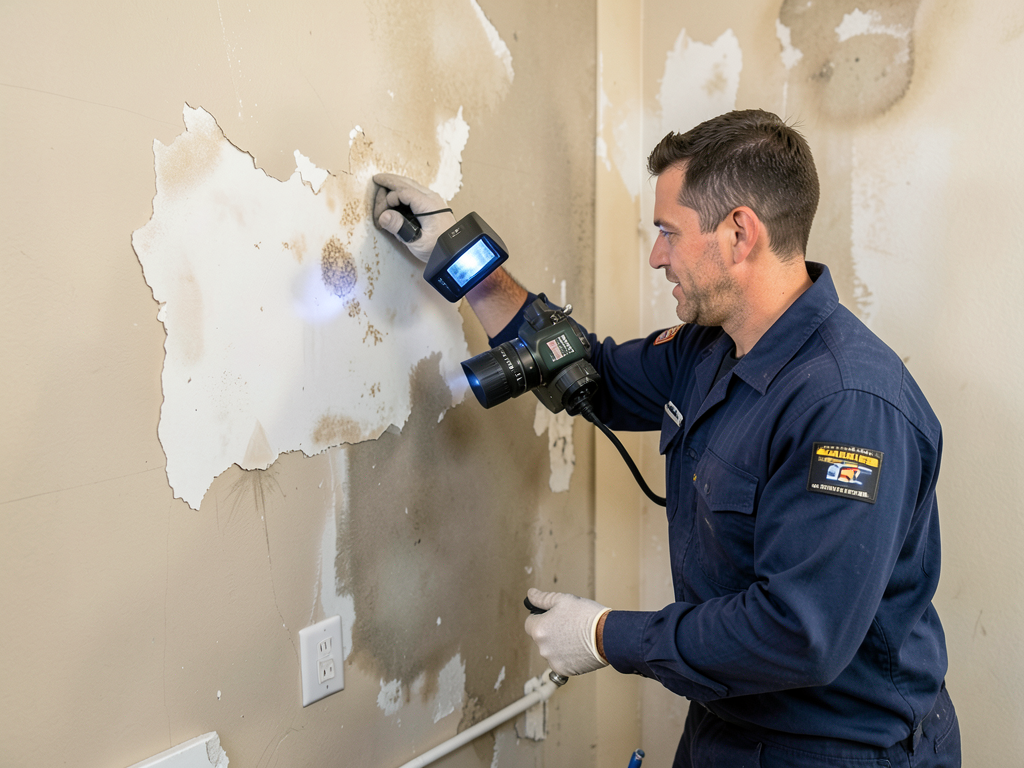
Moisture detection equipment represents another critical advantage. Professional technicians use thermal imaging cameras and moisture meters to identify hidden water pockets behind walls and under floors. These tools can detect moisture in materials that appear dry to the touch, preventing secondary damage that DIY approaches often miss.
Dehumidification capacity matters more than many homeowners realize. In Orlando’s climate, removing moisture from the air requires equipment that can handle the high vapor pressure. Professional-grade dehumidifiers use refrigeration technology similar to air conditioners but optimized for moisture removal rather than temperature control. The Best Way to Handle Sewage Backup Cleanup in College Park.
The Cost of DIY Failure
Attempting DIY water cleanup in Orlando’s humid climate often leads to costs that far exceed professional restoration services. When water damage is not properly addressed, the resulting problems multiply. What might have been a simple drying job becomes a full-scale mold remediation project requiring demolition and reconstruction.
Structural damage represents one of the most significant hidden costs. When wood framing remains damp, it loses structural integrity. Floor joists can rot, wall studs can weaken, and roof trusses can fail. These problems often develop slowly over months or years, making them difficult to attribute to the original water damage.
Property value impacts extend beyond immediate repair costs. Homes with a history of water damage or mold issues typically sell for 10% to 30% less than comparable properties. Insurance companies may increase premiums or deny coverage for homes with repeated water damage claims, creating long-term financial burdens. EPA mold information.
Health costs represent another consideration many homeowners overlook. Mold exposure can trigger asthma attacks, cause respiratory infections, and lead to chronic sinus problems. The cost of medical treatment for these conditions, combined with lost work time, often exceeds the price of professional restoration services.
Prevention Strategies for Orlando Homeowners
Preventing water damage in Orlando’s climate requires a comprehensive approach that addresses both active water intrusion and humidity control. The most effective strategy combines proper home maintenance with professional monitoring systems.
Regular HVAC maintenance proves crucial in Orlando’s climate. Air conditioning systems do more than cool air; they also remove moisture. However, when HVAC systems are improperly sized or maintained, they can contribute to humidity problems. Units that are too large cool spaces quickly but cycle off before adequately removing moisture, a phenomenon called short-cycling.
Dehumidification systems designed for Florida homes operate differently than standard units. These systems maintain relative humidity between 45% and 55%, the optimal range for preventing mold growth while maintaining comfort. Professional installation ensures these systems integrate properly with existing HVAC equipment.
Ventilation improvements can significantly reduce humidity-related problems. This includes installing proper bathroom exhaust fans, ensuring kitchen range hoods vent to the exterior, and maintaining attic ventilation. In Orlando’s climate, these systems must move more air than in cooler regions to achieve the same moisture removal.
Moisture barriers and proper sealing prevent water migration through building materials. This includes vapor barriers in crawl spaces, proper sealing around windows and doors, and waterproof coatings on concrete surfaces. Professional assessment can identify vulnerabilities specific to each home’s construction and location.
When to Call Professionals
Certain water damage scenarios in Orlando’s climate demand immediate professional intervention. Understanding these situations helps homeowners make informed decisions about when DIY approaches become dangerous or ineffective.
Category 3 water damage, which involves contaminated water from sewage backups, flooding, or standing water, requires professional handling due to health risks. In Orlando’s warm climate, these contaminants multiply rapidly, creating biohazard conditions within hours.
Water damage affecting multiple rooms or levels of a home exceeds the capabilities of DIY approaches. The interconnected nature of building systems means water travels through walls, under floors, and into ceiling cavities. Professional moisture mapping identifies all affected areas, preventing missed spots that lead to secondary damage.
Situations involving valuable or irreplaceable items require professional expertise. Water damage restoration technicians understand how to salvage different materials and can often save items homeowners might consider lost. This includes documents, photographs, electronics, and heirloom furniture.
Time sensitivity matters significantly in Orlando’s climate. The 24 to 48-hour window for preventing mold growth means delays can transform a simple drying job into a complex remediation project. Professional services offer 24/7 emergency response, ensuring rapid intervention when minutes count.
Professional Restoration Process
Professional water damage restoration follows established protocols that ensure thorough and effective treatment. The Institute of Inspection Cleaning and Restoration Certification (IICRC) S500 standard guides these procedures, providing a framework for consistent, high-quality results. IICRC S500 standard.
Initial assessment includes moisture mapping using thermal imaging and penetrating moisture meters. This process identifies all affected areas, including those not visible to the naked eye. In Orlando’s climate, this comprehensive approach prevents the secondary damage that often follows incomplete DIY cleanup.
Water extraction uses specialized equipment designed for different materials and situations. Truck-mounted extraction units provide the power needed for large-scale water removal, while specialized tools address water in carpets, padding, and hard-to-reach areas. The goal is removing as much water as possible before the drying process begins.
Drying involves a calculated approach using psychrometric principles. Professionals place air movers and dehumidifiers strategically based on the specific conditions of each job. They monitor progress using moisture meters, adjusting equipment placement and operation to achieve optimal results efficiently.
Final verification ensures the drying process achieved its goals. This includes moisture content readings in structural materials, relative humidity measurements in affected areas, and documentation for insurance purposes. In Orlando’s climate, this verification step prevents the callbacks and additional damage common with incomplete DIY efforts.
Local Building Codes and Requirements
Florida’s building codes address water damage and moisture control more comprehensively than many other states. The Florida Building Code includes specific requirements for moisture barriers, ventilation, and water-resistant materials in areas prone to humidity and flooding.
Orlando and surrounding areas must comply with High-Velocity Hurricane Zone (HVHZ) requirements, which include enhanced moisture protection measures. These requirements address the unique challenges of Central Florida’s climate, where high humidity combines with the potential for wind-driven rain during hurricanes and tropical storms.
Professional restoration companies must maintain specific licenses and certifications. The Florida Department of Business and Professional Regulation requires mold remediation contractors to hold valid licenses, ensuring they understand the unique challenges of Orlando’s climate and building practices.
Insurance requirements often mandate professional restoration for water damage claims. Many policies specify that damage must be mitigated according to industry standards to maintain coverage. DIY approaches that fail to meet these standards can result in denied claims, leaving homeowners responsible for all repair costs.
Economic Impact of Professional Services
The economic benefits of professional water damage restoration extend beyond immediate repair costs. When properly executed, professional services can prevent the cascade of problems that often follow inadequate DIY cleanup.
Insurance claim processing becomes more straightforward with professional documentation and adherence to industry standards. Insurance adjusters recognize the quality of professional work and often process claims more quickly when proper protocols are followed. This can mean faster payment and earlier project completion.
Property value preservation represents another economic benefit. Homes with documented professional restoration maintain their market value better than those with a history of DIY repairs or unresolved water damage. This becomes particularly important in Orlando’s competitive real estate market.
Long-term maintenance costs decrease when water damage is properly addressed initially. Professional restoration prevents the recurring problems that often plague DIY repairs, eliminating the need for repeated interventions and the associated costs.
Business interruption costs for commercial properties can be substantial. Professional restoration services often work after hours or in phases to minimize operational disruption. This approach can save thousands of dollars in lost revenue compared to extended DIY cleanup efforts that interfere with normal business operations.
Environmental Considerations
Professional water damage restoration includes environmental considerations that DIY approaches often overlook. Proper disposal of contaminated materials, use of environmentally friendly cleaning products, and energy-efficient drying equipment all contribute to responsible restoration practices.
Water conservation plays a role in restoration processes. Professional equipment often recycles and filters water used in cleaning processes, reducing overall consumption. This becomes particularly important in Florida, where water resources face increasing pressure from population growth and climate change.
Energy efficiency matters in Orlando’s climate, where air conditioning runs for much of the year. Professional restoration includes sealing and insulation improvements that can reduce energy consumption. These improvements often pay for themselves through reduced utility bills over time.
Indoor air quality improvements result from professional restoration. Beyond removing visible water, professionals address airborne contaminants, improve ventilation, and ensure proper humidity levels. These improvements create healthier living environments, particularly important for families with respiratory issues or allergies.
Future-Proofing Your Home
Professional water damage restoration includes recommendations for preventing future problems. This forward-thinking approach addresses vulnerabilities specific to each home’s construction, location, and the unique challenges of Orlando’s climate.
Smart home technology integration represents one area of focus. Water leak detection systems, humidity monitors, and automated shut-off valves can prevent minor issues from becoming major disasters. Professional installation ensures these systems integrate properly with existing home systems.
Building envelope improvements strengthen a home’s resistance to moisture intrusion. This might include upgraded roofing materials, improved window seals, or enhanced drainage systems. These improvements become particularly important as climate change potentially increases the frequency and intensity of severe weather events.
Regular monitoring programs help homeowners stay ahead of potential problems. Professional services often include periodic inspections that can identify developing issues before they require major intervention. This proactive approach typically costs less than emergency response to major water damage events.
Education plays a crucial role in prevention. Professional restoration companies often provide homeowners with information about maintaining proper humidity levels, recognizing early signs of water damage, and understanding when DIY approaches are appropriate versus when professional help is needed.
Conclusion
Orlando’s unique climate creates conditions where DIY water cleanup becomes not just difficult but potentially dangerous. The combination of high humidity, frequent storms, and building practices specific to Central Florida means water damage requires professional expertise for proper resolution.
The science behind humidity and water damage reveals why professional equipment and knowledge matter. From the psychrometric principles that govern drying to the specialized tools that detect hidden moisture, professional restoration services provide capabilities that far exceed DIY approaches.
Beyond the immediate restoration, professional services offer long-term benefits including proper documentation for insurance, prevention of secondary damage, and recommendations for future protection. These benefits often save homeowners significant money and stress compared to the costs of DIY failure.
For Orlando homeowners facing water damage, the question is not whether to call professionals, but when to make that call. In a climate where humidity works against drying efforts 24/7, professional intervention often means the difference between a quick recovery and a prolonged battle with moisture-related problems.
Frequently Asked Questions
How quickly does mold grow in Orlando’s humid climate?
Mold can begin growing within 24 to 48 hours in Orlando’s warm, humid conditions. The combination of temperatures above 80 degrees Fahrenheit and relative humidity exceeding 60% creates ideal conditions for rapid mold development. Professional intervention within the first 24 hours significantly reduces the risk of mold growth.
Can a regular dehumidifier handle water damage in my Orlando home?
Standard household dehumidifiers are not designed for water damage restoration. They typically remove 30 to 70 pints of water per day, while professional units can extract 150 to 300 pints daily. In Orlando’s high humidity, consumer-grade equipment cannot keep pace with evaporation rates, leading to incomplete drying and potential secondary damage.
What makes Orlando’s humidity different from other humid climates?
Orlando’s humidity combines high relative humidity levels (averaging 74%) with consistently high temperatures. This creates a vapor pressure that exceeds many other humid regions. Additionally, Orlando experiences frequent afternoon thunderstorms and hurricane threats, creating sudden moisture introduction that compounds the baseline humidity challenges.
How much does professional water damage restoration cost in Orlando?
Costs vary based on damage extent, affected materials, and required services. Small residential jobs might start around $1,500, while extensive damage affecting multiple rooms can exceed $10,000. Insurance often covers water damage when professionally addressed, making the actual out-of-pocket cost lower than many homeowners expect.
Should I turn off my air conditioner during water damage cleanup?
No, you should not turn off your air conditioner during water damage cleanup in Orlando. While it might seem logical to stop cooling to save energy, your AC system helps remove moisture from the air. Professional restoration companies often use your existing HVAC system as part of the drying strategy, coordinating with their equipment for optimal results.
{
“@context”: “https://schema.org”,
“@type”: “BlogPosting”,
“headline”: “Why Florida High Humidity Makes DIY Water Cleanup Almost Impossible”,
“description”: “Discover why Orlando’s 74% average humidity makes DIY water cleanup dangerous. Learn the science, risks, and why professional restoration is essential for Central Florida homes.”,
“wordCount”: 3053,
“datePublished”: “2026-04-07T07:38:00.000Z”,
“dateModified”: “2026-04-07T07:38:00.000Z”,
“inLanguage”: “en-US”,
“mainEntityOfPage”: {
“@type”: “WebPage”,
“@id”: “https://reliancewaterdamagerestorationorlando.com”
},
“publisher”: {
“@type”: “LocalBusiness”,
“name”: “Reliance Water Damage Restoration Orlando”,
“url”: “https://reliancewaterdamagerestorationorlando.com”
},
“author”: {
“@type”: “Organization”,
“name”: “Reliance Water Damage Restoration Orlando”,
“url”: “https://reliancewaterdamagerestorationorlando.com”
},
“image”: {
“@type”: “ImageObject”,
“url”: “https://reliancewaterdamagerestorationorlando.com/wp-content/uploads/2026/03/why-florida-high-humidity-makes-diy-water-cleanup-1.png”
}
}
{
“@context”: “https://schema.org”,
“@type”: “LocalBusiness”,
“name”: “Reliance Water Damage Restoration Orlando”,
“url”: “https://reliancewaterdamagerestorationorlando.com”,
“address”: {
“@type”: “PostalAddress”,
“addressLocality”: “Orlando”
},
“areaServed”: {
“@type”: “City”,
“name”: “Orlando”
}
}
{
“@context”: “https://schema.org”,
“@type”: “FAQPage”,
“mainEntity”: [
{
“@type”: “Question”,
“name”: “How quickly does mold grow in Orlando’s humid climate?”,
“acceptedAnswer”: {
“@type”: “Answer”,
“text”: “Mold can begin growing within 24 to 48 hours in Orlando’s warm, humid conditions. The combination of temperatures above 80 degrees Fahrenheit and relative humidity exceeding 60% creates ideal conditions for rapid mold development. Professional intervention within the first 24 hours significantly reduces the risk of mold growth.”
}
},
{
“@type”: “Question”,
“name”: “Can a regular dehumidifier handle water damage in my Orlando home?”,
“acceptedAnswer”: {
“@type”: “Answer”,
“text”: “Standard household dehumidifiers are not designed for water damage restoration. They typically remove 30 to 70 pints of water per day, while professional units can extract 150 to 300 pints daily. In Orlando’s high humidity, consumer-grade equipment cannot keep pace with evaporation rates, leading to incomplete drying and potential secondary damage.”
}
},
{
“@type”: “Question”,
“name”: “What makes Orlando’s humidity different from other humid climates?”,
“acceptedAnswer”: {
“@type”: “Answer”,
“text”: “Orlando’s humidity combines high relative humidity levels (averaging 74%) with consistently high temperatures. This creates a vapor pressure that exceeds many other humid regions. Additionally, Orlando experiences frequent afternoon thunderstorms and hurricane threats, creating sudden moisture introduction that compounds the baseline humidity challenges.”
}
},
{
“@type”: “Question”,
“name”: “How much does professional water damage restoration cost in Orlando?”,
“acceptedAnswer”: {
“@type”: “Answer”,
“text”: “Costs vary based on damage extent, affected materials, and required services. Small residential jobs might start around $1,500, while extensive damage affecting multiple rooms can exceed $10,000. Insurance often covers water damage when professionally addressed, making the actual out-of-pocket cost lower than many homeowners expect.”
}
},
{
“@type”: “Question”,
“name”: “Should I turn off my air conditioner during water damage cleanup?”,
“acceptedAnswer”: {
“@type”: “Answer”,
“text”: “No, you should not turn off your air conditioner during water damage cleanup in Orlando. While it might seem logical to stop cooling to save energy, your AC system helps remove moisture from the air. Professional restoration companies often use your existing HVAC system as part of the drying strategy, coordinating with their equipment for optimal results.”
}
}
]
}
{
“@context”: “https://schema.org”,
“@type”: “BreadcrumbList”,
“itemListElement”: [
{
“@type”: “ListItem”,
“position”: 1,
“name”: “Home”,
“item”: “https://reliancewaterdamagerestorationorlando.com”
},
{
“@type”: “ListItem”,
“position”: 2,
“name”: “Blog”,
“item”: “https://reliancewaterdamagerestorationorlando.com/blog”
},
{
“@type”: “ListItem”,
“position”: 3,
“name”: “Why Florida High Humidity Makes DIY Water Cleanup Almost Impossible”
}
]
}
{
“@context”: “https://schema.org”,
“@type”: “Service”,
“serviceType”: “Water Damage Restoration”,
“provider”: {
“@type”: “LocalBusiness”,
“name”: “Reliance Water Damage Restoration Orlando”,
“url”: “https://reliancewaterdamagerestorationorlando.com”
},
“areaServed”: {
“@type”: “City”,
“name”: “Orlando”
},
“description”: “Discover why Orlando’s 74% average humidity makes DIY water cleanup dangerous. Learn the science, risks, and why professional restoration is essential for Central Florida homes.”
}