Menu

Attic Water Damage Cleanup in Orlando – Fast Response Before Mold Takes Hold

Central Florida's humidity accelerates attic mold growth after water intrusion. Our certified attic water damage cleanup team deploys rapid extraction and drying protocols to protect your Orlando property from structural decay and health hazards.

Slider Image 1
Slider Image 2
Slider Image 3
Slider Image 4
Slider Image 5
Slider Image 7
Slider Image 8
Slider Image 9
Slider Image 10
Slider Image 11

Why Orlando Attics Are High-Risk Zones for Water Damage

Orlando's combination of afternoon thunderstorms, roof-penetrating humidity, and aging HVAC condensate lines creates perfect conditions for attic water damage. When your attic floods, you face a 24 to 48 hour window before mold colonies establish themselves in insulation, wood decking, and drywall.

The problem starts innocuously. A small roof leak during a summer squall. A disconnected AC drain line dripping onto fiberglass batts. A burst pipe in the attic space during a rare freeze. What homeowners in Baldwin Park, College Park, and Thornton Park often miss is how fast water migrates. It saturates insulation, seeps into ceiling joists, and travels along rafters until it finds the path of least resistance, usually your ceiling or interior walls.

Orlando's 90 percent humidity means wet building materials never fully dry on their own. The moisture sits, trapped in cellulose and wood fibers, creating the ideal breeding ground for Stachybotrys and Aspergillus mold species. These aren't cosmetic problems. They compromise structural integrity and release airborne spores that aggravate respiratory conditions.

Attic water damage restoration requires more than fans and hope. You need immediate water removal services, thermal imaging to find hidden moisture pockets, antimicrobial treatment, and controlled drying with commercial dehumidifiers. The longer you wait, the more extensive the attic flood restoration becomes. Ceiling replacement, rafter sistering, and insulation removal quickly turn a manageable attic leak cleanup into a five-figure insurance claim.

If you see water stains on your ceiling, smell mustiness near vents, or notice sagging drywall, your attic has already absorbed significant moisture. The question is not whether you have damage, but how far it has spread.

Why Orlando Attics Are High-Risk Zones for Water Damage
Our Attic Water Damage Repair Methodology

Our Attic Water Damage Repair Methodology

Reliance Water Damage Restoration Orlando uses a scientific approach to attic water damage cleanup that goes beyond surface-level drying. We start with infrared thermography to map moisture distribution across your attic deck, insulation, and framing members. This technology reveals saturation you cannot see with the naked eye, including moisture trapped between layers of roofing underlayment or behind knee walls.

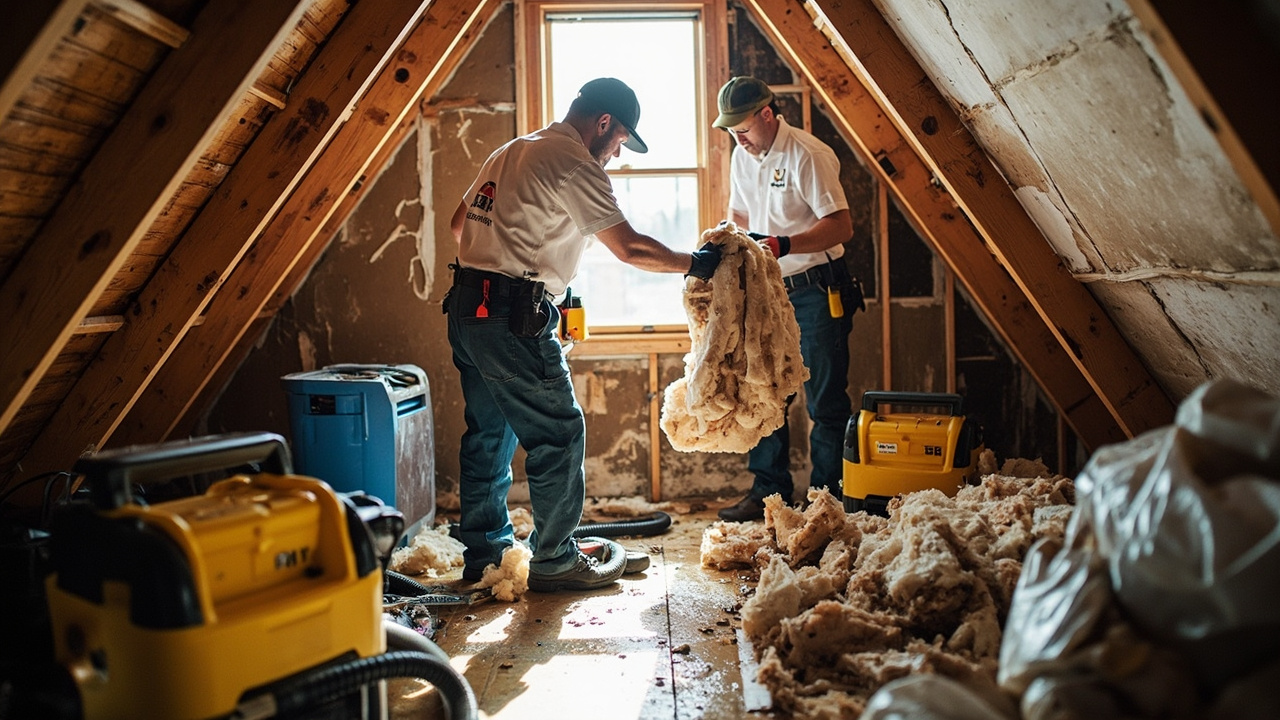
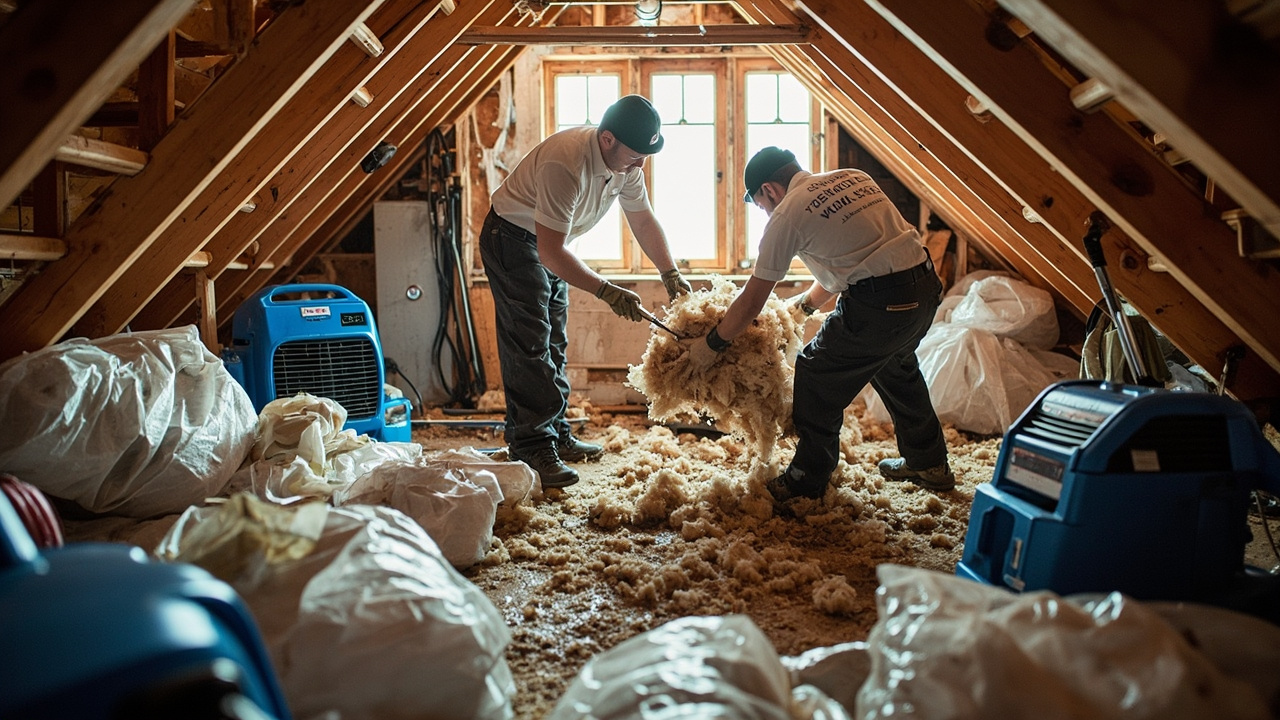
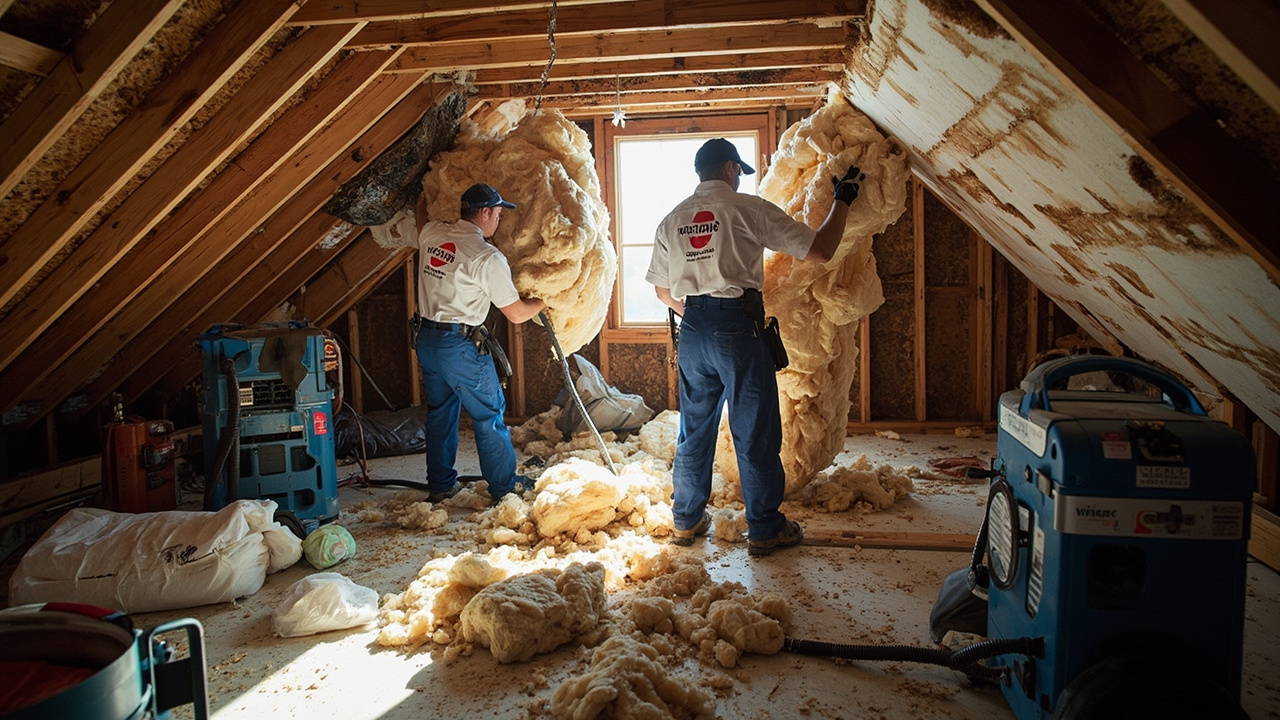
Water extraction begins immediately. We use truck-mounted pumps for standing water and low-grain refrigerant dehumidifiers to pull moisture from the air and building materials simultaneously. For insulation, we make calculated decisions. Fiberglass batts that have been saturated lose their R-value permanently and harbor mold spores. We remove compromised insulation, bag it, and dispose of it according to EPA guidelines. Blown-in cellulose often requires complete removal if water contact was direct.

Wood framing gets individual attention. We measure moisture content in rafters, joists, and decking with pin-type and pinless meters. Readings above 19 percent require targeted drying with air movers positioned to create laminar airflow across wet surfaces. We monitor daily until readings drop below 15 percent, the threshold where microbial growth becomes unlikely.

Attic water removal services include sanitization. After drying, we apply EPA-registered antimicrobial solutions to all affected wood and sheathing. This step kills existing mold spores and creates a hostile environment for future growth. For severe contamination, we use HEPA air scrubbers during the entire restoration to capture airborne particulates.

The process concludes with verification. We document pre- and post-moisture readings, photograph affected areas, and provide detailed reports for insurance claims. You get a dry, sanitized attic and the documentation to prove it. This is not a hope-and-pray operation. It is engineering-based water damage repair with measurable outcomes.

What Happens During Your Attic Cleanup

Attic Water Damage Cleanup in Orlando – Fast Response Before Mold Takes Hold
01

Emergency Assessment

We arrive within two hours of your call to inspect your attic space. Our technicians identify the water source, measure the extent of saturation using moisture meters and thermal cameras, and determine which materials can be saved versus replaced. You receive an immediate action plan with timeline and scope before any work begins. This inspection includes checking for electrical hazards and structural compromise to ensure safe working conditions.
02

Water Extraction and Drying

Portable extractors remove standing water while industrial air movers and dehumidifiers begin the controlled drying process. We position equipment based on airflow dynamics and material density to maximize evaporation rates. Compromised insulation is removed and disposed of properly. Moisture readings are taken twice daily to track progress. This phase typically runs three to five days depending on saturation levels and affected square footage. HEPA filtration runs continuously to manage airborne contaminants.
03

Restoration and Prevention

Once moisture levels normalize, we apply antimicrobial treatments to all exposed wood and apply mold-resistant coatings where appropriate. New insulation is installed to match or exceed your original R-value. We inspect and address the root cause, whether that is roof penetration sealing, HVAC condensate line rerouting, or attic ventilation improvements. You receive a detailed completion report with before and after photos, moisture logs, and maintenance recommendations to prevent recurrence.

Why Orlando Properties Require Local Water Damage Expertise

Orlando's unique climate and construction methods demand specialized knowledge that national franchises and out-of-area contractors often lack. Homes in Delaney Park, Audubon Park, and Lake Eola Heights were built in different eras with varying attic ventilation strategies. A 1920s bungalow has different moisture dynamics than a 1980s tract home or a 2010 new build. We understand these differences because we work in these neighborhoods daily.

Central Florida's building codes have evolved in response to hurricane exposure and moisture management. Modern homes require specific ventilation ratios and vapor barrier installations that affect how we approach attic water damage repair. We know when to use vapor-permeable membranes versus impermeable barriers. We understand how ridge vents, soffit vents, and gable vents interact with Orlando's prevailing wind patterns and humidity levels.

Insurance claims are another area where local expertise matters. We work with every major carrier operating in Orange County. We know what documentation Allstate, State Farm, and Citizens Property Insurance require for attic flood restoration claims. We photograph everything, log moisture readings with timestamps, and provide detailed scope sheets that adjusters can approve quickly. This prevents the back-and-forth that delays your restoration and leaves your home vulnerable.

Reliance Water Damage Restoration Orlando maintains relationships with local roofers, electricians, and HVAC contractors for those situations where attic water damage reveals underlying system failures. When we find deteriorated roof decking or corroded electrical junctions, we can coordinate repairs with trusted local professionals who understand Orlando construction standards. You get a single point of contact instead of juggling multiple vendors.

We are not a call center routing your emergency to the lowest bidder. We are Orlando technicians who live in these neighborhoods, understand these homes, and take personal responsibility for the quality of every attic leak cleanup we perform.

What to Expect During Your Attic Water Damage Cleanup

Response Time and Availability

We operate 24 hours a day, seven days a week, including holidays. When you call our emergency line at (689) 268-2233, you reach a trained dispatcher who deploys a crew immediately. Our two-hour response time applies to all Orlando service areas from downtown to the Airport North district. We arrive with truck-mounted extraction equipment, not a clipboard and an estimate. Initial water removal and damage mitigation begin the same day you call. For after-hours emergencies, we provide temporary containment and moisture barriers to prevent further damage until full restoration can begin the following morning. You will never wait days for an inspection appointment while water continues to spread through your attic space.

Inspection and Damage Assessment

The first hour onsite is dedicated to comprehensive assessment. Our technicians enter your attic with moisture meters, infrared cameras, and borescopes to inspect areas hidden behind kneewalls or HVAC ductwork. We measure humidity levels, check for electrical hazards, and assess structural stability before beginning extraction. You receive a written scope of work that identifies affected areas, necessary repairs, and projected timeline. This assessment includes documentation required by insurance carriers, including annotated photos and moisture mapping. We explain our findings in clear terms and answer questions about the restoration process. There are no surprise costs or scope changes unless we discover additional damage during demolition, and we notify you immediately if that occurs.

Quality of Final Restoration

Attic water damage repair is complete when moisture readings match unaffected areas and all contaminated materials have been removed or treated. We replace insulation with products that meet or exceed current Florida energy code requirements. Wood framing receives antimicrobial treatment even if moisture readings are acceptable, providing an extra layer of protection. All work areas are left clean, with debris removed and attic access sealed. You receive a final walkthrough where we demonstrate that moisture levels have normalized and explain what was done at each phase. The completed job includes documentation suitable for insurance claims, property disclosure if you are selling, or your own records. Your attic will be dry, clean, and restored to pre-loss condition or better.

Post-Restoration Support and Prevention

After attic water damage cleanup is complete, we provide a detailed report outlining the moisture source and recommendations to prevent recurrence. This might include HVAC maintenance schedules, roof inspection intervals, or ventilation improvements. We offer follow-up moisture checks at 30 and 90 days to verify that no hidden moisture has returned. If you discover new issues within the first 30 days related to the original water intrusion, we return to reassess at no charge. While we cannot warranty against new water events, we stand behind the thoroughness of our drying and restoration work. Many Orlando clients add us to their annual maintenance schedule for attic inspections after storm seasons, giving them peace of mind that small issues get caught before they become expensive problems.

Frequently Asked Questions

You Have Questions,
We Have Answers

How to fix water damage in an attic? +

First, stop the water source. Check for roof leaks, plumbing failures, or condensation issues. Remove standing water immediately using wet vacuums or pumps. Pull out soaked insulation because it traps moisture and breeds mold. Set up commercial dehumidifiers and air movers to dry structural wood within 48 hours. In Orlando's humid climate, natural drying takes too long and invites microbial growth. Inspect roof decking, trusses, and joists for warping or rot. Sanitize all affected surfaces with antimicrobial treatments. Replace damaged materials before reinstalling insulation. Professional restoration ensures thorough moisture detection using thermal imaging and prevents hidden mold colonies that thrive in Florida's heat.

How much does it cost to repair water damage in the attic? +

Attic water damage repair varies widely based on damage extent, insulation replacement needs, and structural repairs. Minor leak cleanup with insulation replacement may cost less than severe cases requiring roof decking, truss repair, or mold remediation. Orlando homes with older roofs or hurricane damage face higher costs. Factors include water volume, exposure time, square footage, and accessibility. Insurance often covers sudden incidents like storm damage or burst pipes but excludes long-term neglect. Get a detailed inspection before quoting. Professional assessment identifies hidden damage behind drywall or within structural cavities. Request itemized estimates comparing emergency mitigation versus full restoration to understand your financial scope.

Will homeowners insurance cover water damage from a roof leak? +

Homeowners insurance typically covers sudden, accidental roof leaks from storms, falling trees, or wind damage. Orlando's hurricane season makes storm-related claims common. However, policies exclude damage from poor maintenance, worn shingles, or gradual deterioration. If your roof leaked because you ignored missing tiles or cracked flashing, insurers may deny the claim. Document everything immediately. Take photos, save receipts, and contact your adjuster within 24 hours. Insurance covers water damage to ceilings, walls, and belongings but may cap coverage for mold if you delayed mitigation. Review your policy's exclusions. Proper roof maintenance protects both your home and your coverage eligibility.

How likely is mold after water damage? +

Mold grows within 24 to 48 hours after water exposure in Orlando's humid climate. Attics stay warm and dark, creating ideal conditions for spore colonization. If water sits longer than two days or you miss hidden moisture pockets, mold becomes highly likely. Soaked insulation, roof decking, and cardboard storage boxes act as food sources. Black mold and other toxic species thrive unnoticed until you smell musty odors or see visible colonies. Professional restoration uses moisture meters and thermal imaging to find trapped water behind surfaces. Proper drying and antimicrobial treatments reduce mold risk dramatically. Speed matters. Delayed cleanup almost guarantees fungal growth requiring separate remediation protocols.

What is the 7 and 7 rule for attic? +

The 7 and 7 rule states attics need 1 square foot of ventilation for every 150 square feet of attic space, split evenly between intake (soffit vents) and exhaust (ridge or gable vents). This prevents moisture buildup and heat accumulation. In Orlando's humid climate, poor ventilation traps condensation, leading to mold, wood rot, and insulation failure. Proper airflow reduces attic temperatures by 20 degrees, lowering cooling costs. Check that soffit vents stay clear of insulation blockages. Balanced ventilation protects your roof decking from premature aging. If your attic feels stuffy or shows moisture stains, you likely have ventilation deficiencies requiring immediate correction.

Will wet attic insulation dry out? +

Wet attic insulation rarely dries properly, especially in Orlando's humidity. Fiberglass and cellulose insulation absorb water like sponges, losing R-value and promoting mold growth. Even if surfaces feel dry, trapped moisture remains deep within batts or blown material. Compressed wet insulation never regains its insulating properties. Microbial colonies colonize damp fibers within 48 hours, releasing spores into your home's air supply. Remove and replace soaked insulation immediately. Professionals use moisture meters to confirm complete drying of structural wood before reinstalling new material. Attempting to salvage wet insulation risks health hazards and long-term structural damage. Replacement costs less than mold remediation and medical bills.

How much does insurance pay for water damage? +

Insurance payouts depend on your policy limits, deductible, and damage cause. Covered claims typically reimburse actual repair costs minus your deductible. Policies cap mold remediation, often limiting coverage to a few thousand dollars. Orlando homeowners with hurricane riders may receive higher payouts for storm-related attic damage. Insurers send adjusters to assess structural damage, insulation replacement, and contents loss. Depreciation affects payout amounts. Replacement cost policies pay full repair costs, while actual cash value policies deduct depreciation. Document everything with photos and receipts. Disputes require detailed estimates from licensed contractors. Underpayment happens frequently. Know your policy terms and appeal lowball settlements immediately.

Is water damage restoration worth it? +

Water damage restoration prevents catastrophic long-term problems. Ignoring attic leaks leads to structural rot, mold infestations, ceiling collapses, and ruined belongings. Orlando's humidity accelerates wood decay and microbial growth. Professional restoration removes hidden moisture, treats affected materials, and prevents secondary damage. The cost of proper cleanup is far less than replacing roof trusses, remediating toxic mold, or treating respiratory illnesses. Insurance often covers restoration but excludes damage from delayed mitigation. Quick action preserves your home's value and protects your family's health. Restoration pays for itself by preventing compounding damage. Skipping professional service turns minor leaks into major financial disasters requiring tens of thousands in repairs.

How to dry out an attic after a leak? +

Remove standing water immediately using wet vacuums or extractors. Pull out soaked insulation and contaminated materials. Open attic vents and windows to increase airflow. Place commercial dehumidifiers and air movers strategically to target wet zones. In Orlando's humid climate, passive drying fails. Run equipment continuously for 48 to 72 hours while monitoring moisture levels with meters. Check roof decking, trusses, and joists for hidden moisture pockets using thermal imaging. Treat all surfaces with antimicrobial solutions to prevent mold. Avoid closing up the attic until moisture readings reach safe levels below 15 percent. Professional equipment dries structural wood faster and more completely than fans alone.

What kind of water damage is not covered by insurance? +

Insurance excludes water damage from maintenance neglect, gradual leaks, flooding, sewer backups without riders, and intentional acts. If your roof deteriorated over years or you ignored visible leaks, claims get denied. Ground water seepage and rising flood water require separate flood insurance policies. Orlando homeowners near lakes or low-lying areas need flood coverage because standard policies exclude it. Mold damage from delayed mitigation often faces coverage caps or denials. Pipe leaks from corrosion or age may be challenged. Read your policy exclusions carefully. Document maintenance records and address leaks immediately. Preventable damage voids coverage. Know what your policy actually protects before disaster strikes.

How Orlando's Storm Patterns Make Fast Attic Water Damage Cleanup Critical

Central Florida receives 50 inches of rain annually, with the majority falling between June and September in intense afternoon thunderstorms. These storms drop two to three inches in under an hour, overwhelming roof drainage systems and finding every vulnerable penetration in your roofing envelope. Unlike gradual leaks that give homeowners warning signs, storm-driven rain can saturate an attic in minutes. The wind-driven rain common during tropical systems forces water under shingles, through soffit vents, and around improperly sealed roof boots. This combination of high-volume water and elevated humidity means Orlando attics never get a chance to dry naturally between events. Mold growth begins within 48 hours, and the next storm often arrives before the previous damage has been addressed. Fast response for attic water removal services is not a convenience in Orlando. It is a requirement.

Orlando's water damage restoration industry operates under Florida Statute 489 and must comply with both state contractor licensing and local building codes specific to Orange County. Technicians performing attic flood restoration must understand Florida Building Code requirements for ventilation ratios, vapor retarder placement, and insulation R-values that differ from northern climates. Working with a local provider like Reliance Water Damage Restoration Orlando means you get professionals who have completed hurricane preparedness training and understand how Central Florida's clay-based soil affects foundation settlement and resultant roof movement. We have established relationships with local building inspectors, which matters when attic water damage repair requires permits for structural work. Our familiarity with Orlando's specific moisture challenges means we anticipate problems that generic restoration companies miss until they become expensive change orders.

Water Damage Restoration Services in The Orlanado Area

Looking for fast and reliable water damage restoration in your area? Reliance Water Damage Restoration Orlando proudly serves homes and businesses throughout Orlando and surrounding communities. Whether you're dealing with flood damage, burst pipes, or mold issues, our expert team is ready to respond 24/7. We use industry-leading equipment to extract water, dry structures, and restore your property to pre-loss condition. Check the map below to see if we service your neighborhood, or call now for immediate help.

Address:
Reliance Water Damage Restoration Orlando, 7380 W Sand Lake Rd Suite 500, Orlando, FL, 32819

Additional Services We Offer

Our news updates

Latest Articles & News from The Blogs

Lorem ipsum dolor sit amet. Aut expedita quaerat quo eligendi numquam et laudantium perspiciatis qui minima expedita rem consequatur ducimus.…

Test Blog 4

Lorem ipsum dolor sit amet. Aut expedita quaerat quo eligendi numquam et laudantium perspiciatis qui minima expedita rem consequatur ducimus.…

Test Blog 3

Lorem ipsum dolor sit amet. Aut expedita quaerat quo eligendi numquam et laudantium perspiciatis qui minima expedita rem consequatur ducimus.…

Test Blog 2

Lorem ipsum dolor sit amet. Aut expedita quaerat quo eligendi numquam et laudantium perspiciatis qui minima expedita rem consequatur ducimus.…

Contact Us

Every hour of delay allows moisture to penetrate deeper into your home's structure. Call Reliance Water Damage Restoration Orlando now at (689) 268-2233 for immediate attic water damage cleanup. Our crews are standing by 24/7 with the equipment and expertise to stop the damage today.