Comparing How Different Modern Flooring Materials Handle Water Damage in Lake Nona
Living in Lake Nona means dealing with Florida’s unique climate challenges. When water damage strikes your home, the flooring material you choose makes a huge difference in how much damage occurs and how much restoration costs. Let me walk you through what happens when different flooring types face water damage in our Central Florida environment. Florida climate data.
The Orlando Water Damage Reality
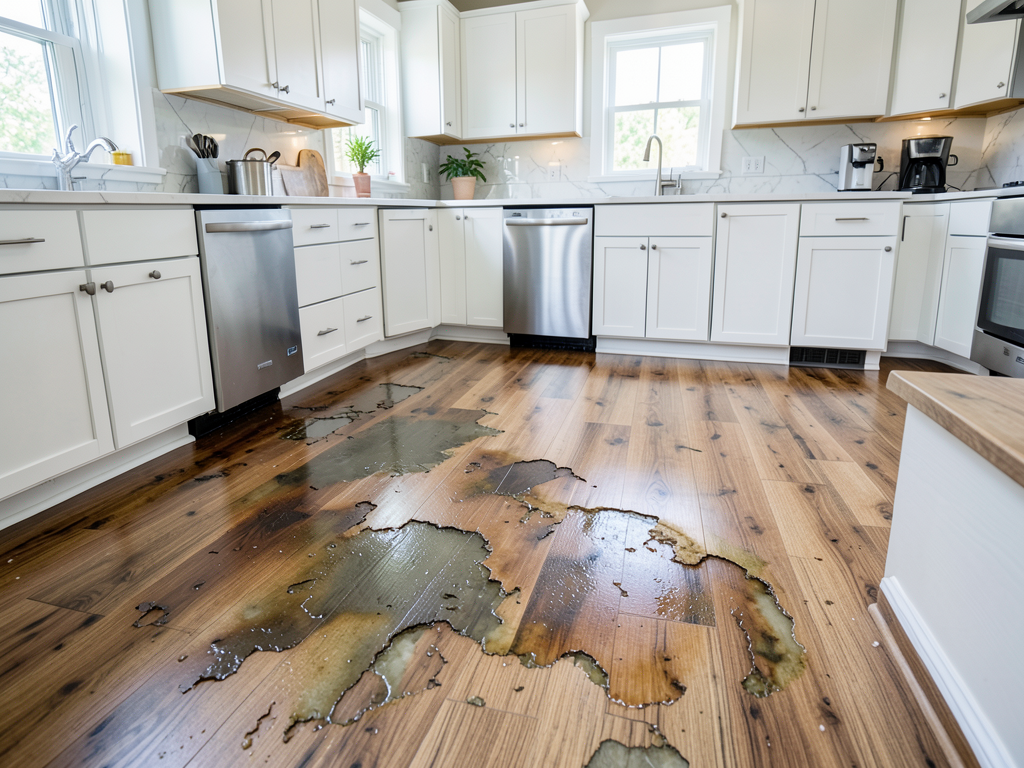
Lake Nona’s location in Central Florida exposes homes to specific moisture challenges. Our average humidity stays around 74% year-round, and hurricane season runs from June through November. These conditions create a perfect storm for flooring problems when water intrusion occurs. Florida building codes.
Many Lake Nona homeowners discover too late that their beautiful new floors can’t handle the moisture our region produces. The concrete slab foundations common in Florida homes add another layer of complexity. Moisture from the ground can wick up through concrete, creating problems that start from below rather than from spills or leaks above. The Best Way to Handle Sewage Backup Cleanup in College Park.
Understanding Water Resistance vs. Waterproof Claims
Before diving into specific materials, let’s clear up a major source of confusion. Water-resistant flooring can handle moisture for a limited time, while waterproof flooring should theoretically handle unlimited exposure. But here’s the catch that many Lake Nona homeowners learn the hard way: these terms often refer only to the top surface. Hardwood Floor Water Damage Restoration in Winter Garden.
A floor labeled “waterproof” might still allow water to seep through seams, under baseboards, or through the subfloor. In Florida’s humid environment, this distinction becomes critical. What good is a waterproof surface if moisture from our 74% humidity gets trapped underneath and creates mold problems? Emergency Water Damage Restoration for Windermere Homeowners.
What Water-Resistant Actually Means
Water-resistant flooring typically gives you 24 to 72 hours to clean up spills before damage occurs. This sounds like plenty of time, but consider what happens during a hurricane or when a pipe bursts while you’re at work. Those timeframes can disappear quickly.. Read more about What Happens to Your Luxury Vinyl Plank Flooring After a Flood in Lake Nona.
Materials like water-resistant laminate or engineered hardwood might survive a small spill if cleaned immediately. But they often fail when facing the hydrostatic pressure common in Florida homes. This pressure forces water through concrete slabs and into flooring from below.
The Truth About 100% Waterproof Labels
Many luxury vinyl plank products claim to be 100% waterproof. While the vinyl itself won’t absorb water, the installation method and subfloor preparation matter enormously. In Lake Nona’s slab-on-grade construction, even “waterproof” floors can trap moisture underneath. EPA mold prevention guidelines.
During my years restoring water-damaged homes in Orlando, I’ve seen countless cases where “waterproof” flooring had to be completely removed. The vinyl surface looked fine, but the subfloor underneath was rotting and covered in mold. The waterproof claim only applied to the visible surface, not the system as a whole.
Material Comparison: How Each Type Actually Performs
| Material Type | Water Resistance Level | Typical Lifespan After Water Exposure | Restoration Potential |
|---|---|---|---|
| Luxury Vinyl Plank (LVP) | Waterproof surface, vulnerable seams | 24-72 hours before subfloor damage | Often replaceable in sections |
| Ceramic/Porcelain Tile | Truly waterproof surface | Indefinite surface protection | Grout and underlayment may need replacement |
| Water-Resistant Laminate | Water-resistant top layer | 2-6 hours before swelling | Usually requires full replacement |
| Engineered Hardwood | Water-resistant finish | 2-4 hours before damage | May be sanded and refinished if caught early |
Luxury Vinyl Plank: The Popular Choice
LVP has become incredibly popular in Lake Nona’s new construction homes. The material handles surface water well and comes in styles that mimic hardwood beautifully. However, the click-lock installation creates seams where water can penetrate.
During a recent restoration job in the Lake Nona Town Center area, we found that water had traveled through LVP seams and pooled underneath. The vinyl looked perfect on top, but the OSB subfloor had developed significant mold growth. This happens because LVP doesn’t breathe, trapping moisture underneath.
The core material matters too. SPC (Stone Plastic Composite) cores handle moisture better than WPC (Wood Plastic Composite) cores. SPC contains limestone powder, making it more dimensionally stable when humidity fluctuates. This matters in Orlando’s climate where humidity swings can be dramatic.
Ceramic and Porcelain Tile: The True Waterproof Option
Tile offers genuine waterproof protection since the surface won’t absorb water. In my restoration experience, tile floors survive water damage events better than any other material. The key vulnerability lies in the grout lines and what’s underneath.
Many Lake Nona homes use tile over concrete slabs without proper moisture barriers. When water pools on tile surfaces, it can seep through grout and into the concrete below. From there, hydrostatic pressure can push moisture up through the slab, creating problems that seem to appear from nowhere.
The good news about tile is that the surface itself rarely needs replacement after water damage. We typically only need to replace compromised underlayment or repair grout. This makes tile the most cost-effective option for water damage resistance in the long run.
Laminate Flooring: The Riskiest Choice
Water-resistant laminate sounds appealing for its hardwood look at a lower price point. But in my restoration work across Orlando, laminate consistently proves the most vulnerable to water damage. The fiberboard core swells when exposed to moisture, and once that happens, the damage is irreversible.
I recently worked on a home near Lake Nona High School where a small refrigerator leak damaged laminate flooring in the kitchen. The homeowners had no idea the leak existed for several days. By the time we arrived, the laminate had swollen to nearly twice its original thickness, and the entire kitchen floor needed replacement.
The rapid deterioration of laminate makes it problematic for Lake Nona’s environment. Our afternoon thunderstorms can cause sudden leaks, and the high humidity means moisture problems can develop even without obvious water events.
Engineered Hardwood: Beauty with Limitations
Engineered hardwood offers the warmth of real wood with better moisture resistance than solid hardwood. The plywood or HDF core handles humidity swings better than solid wood. However, engineered hardwood still has significant limitations in water damage scenarios.
The top veneer layer can only withstand so much moisture before delamination occurs. In a restoration project in the Lake Nona Golf & Country Club area, we found that engineered hardwood exposed to Category 2 water (clean water with some contamination) for over 48 hours had begun separating at the seams.
Engineered hardwood might be restorable if caught within the first 24-36 hours, but the restoration process is expensive and doesn’t always succeed. Many homeowners find it more cost-effective to replace rather than attempt restoration.
The Orlando Factor: Why Local Humidity Matters
Lake Nona’s climate creates unique challenges that national flooring guides often overlook. Our average 74% relative humidity means materials are constantly expanding and contracting. This movement stresses seams and joints, creating pathways for moisture intrusion.
During Orlando’s summer months, humidity can spike above 90% for days at a time. These conditions test the dimensional stability of flooring materials. Materials that perform well in controlled environments often fail when facing Central Florida’s humidity swings.
Concrete slab foundations, standard in Florida construction, add another complication. These slabs continuously release moisture vapor, especially during our rainy season. Without proper vapor barriers, this moisture migrates upward and affects whatever flooring sits on top.
Slab-on-Grade Construction Challenges
Most Lake Nona homes sit on concrete slabs poured directly on grade. This construction method works well for our climate but creates moisture management challenges. The water table in Central Florida often sits close to the surface, especially during rainy season.
Hydrostatic pressure builds when the ground becomes saturated. This pressure forces moisture through concrete slabs and into flooring materials. Even materials with waterproof surfaces can fail when facing this upward moisture drive.
Proper moisture testing before flooring installation becomes crucial in our region. Many flooring failures I’ve seen in Lake Nona could have been prevented with better subfloor preparation and moisture mitigation.
Seasonal Hurricane Threats
Living in Lake Nona means preparing for hurricane season every year. These storms bring not just wind and rain, but also flooding and power outages that can last for days. When air conditioning stops working during humid summer months, indoor humidity levels can skyrocket.
I’ve restored numerous homes where the combination of storm damage and subsequent humidity caused flooring failures. Wood floors cupped and buckled as indoor humidity levels rose above 80%. Even “waterproof” vinyl floors trapped moisture underneath, leading to mold growth within 48-72 hours.
Understanding these seasonal risks helps homeowners make better flooring choices. Some materials handle the stress of rapid humidity changes better than others.
From the Restoration Expert: What Happens When Floors Fail
After 15 years restoring water-damaged homes in Orlando, I’ve seen every flooring failure scenario imaginable. Here’s what actually happens when different materials face water damage in our climate.
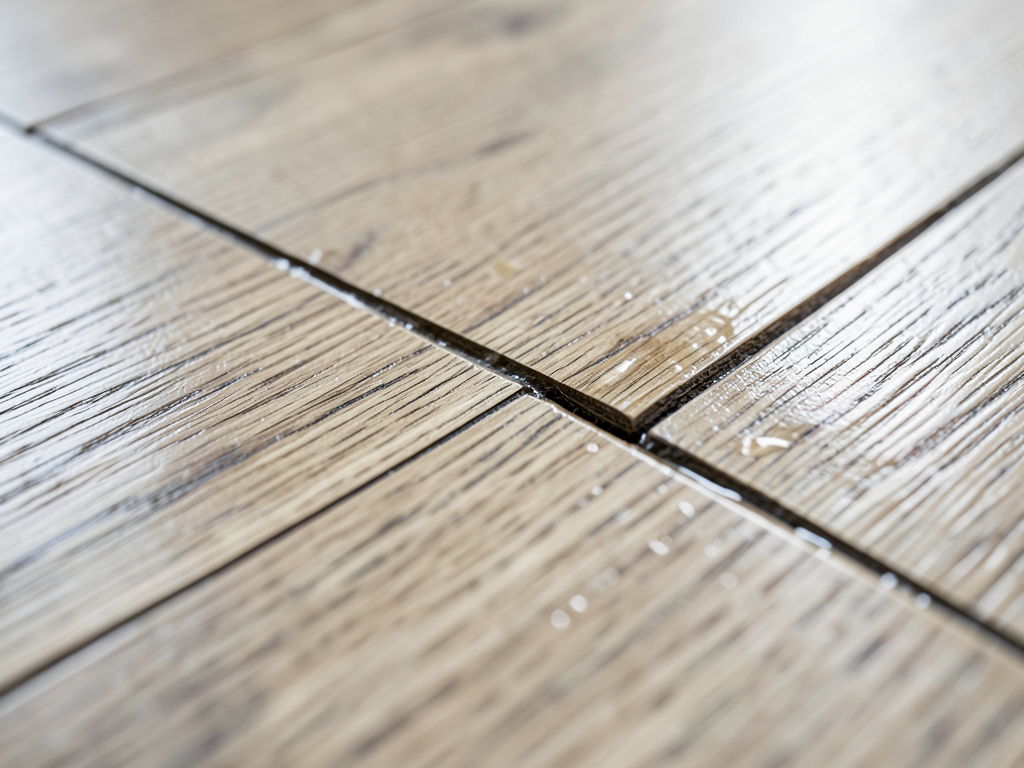
Within the first 24 hours of water exposure, most flooring materials begin showing signs of distress. Laminate swells and warps. Engineered hardwood starts delaminating at the seams. Even luxury vinyl may show edge curling as moisture penetrates the joints. What to Do When Your Ceiling Starts Leaking in Baldwin Park.
By 48-72 hours, mold growth becomes a serious concern. Our warm, humid climate accelerates mold development. What might take a week in cooler climates can happen in 48 hours here. This timeline makes quick response critical.
After 72 hours, structural damage often begins. Subfloors made of OSB or particleboard start breaking down. The cost of restoration increases exponentially with each passing day. What might have been a simple drying job becomes a major reconstruction project.
The Mold Growth Timeline
In Orlando’s climate, mold can begin growing on water-damaged materials within 24-48 hours. This timeline varies based on temperature, humidity, and the material’s organic content. Materials with cellulose (like wood or paper backing) support mold growth most readily.
I’ve tested countless water-damaged homes and consistently found mold growth beginning within 48 hours when indoor temperatures stay above 75°F and humidity remains high. This makes our climate particularly challenging for water damage restoration.
The type of water contamination also affects mold growth. Clean water from a supply line break supports less aggressive mold growth than contaminated water from a dishwasher or washing machine overflow. In either case, the 48-hour window for action remains critical.
Restoration Success Rates by Material
Based on restoration projects across Lake Nona and surrounding areas, success rates vary dramatically by flooring type:
- Ceramic and porcelain tile: 85-90% restoration success when addressed within 72 hours
- Luxury vinyl plank: 60-70% restoration success, but often requires seam sealing
- Engineered hardwood: 40-50% restoration success if caught very early
- Water-resistant laminate: Less than 20% restoration success once water contacts the core
These numbers reflect real-world conditions in Orlando’s climate. They also highlight why material choice matters so much for long-term durability.
Which Flooring Should You Choose for Your Lake Nona Home?
The best flooring choice depends on your specific situation, budget, and risk tolerance. Here’s my professional recommendation based on years of restoration experience in the Orlando area. Professional Mold Removal and Remediation Services in Lake Nona.
For New Construction in Lake Nona
If you’re building a new home in Lake Nona’s growing communities, consider these priorities:
First, invest in proper moisture testing and vapor barriers before any flooring installation. This step costs relatively little but prevents countless problems. Test concrete slabs for moisture vapor emissions and install appropriate barriers based on the results.
Second, choose materials with proven track records in humid climates. SPC luxury vinyl offers good water resistance at reasonable prices. Porcelain tile provides the best long-term protection but costs more upfront.
Third, consider the specific room and its risk factors. Bathrooms, kitchens, and laundry rooms need the highest water resistance. Living areas might allow for more flexibility in material choice.
For Existing Homes Needing Replacement
If you’re replacing flooring in an existing Lake Nona home, assess your current moisture situation first. Have you had water damage before? Do you notice musty odors or see any signs of previous moisture problems?
Many homes in established Lake Nona neighborhoods have hidden moisture issues that become apparent only after removing old flooring. Testing before installation can reveal problems that need addressing first.
For replacement projects, SPC vinyl often provides the best balance of water resistance, comfort, and cost. It handles our humidity well and offers good scratch resistance for homes with pets or children.
Budget Considerations
While premium waterproof flooring costs more upfront, consider the long-term economics. A $5 per square foot difference might seem significant, but compare it to the cost of water damage restoration, which often runs $3-5 per square foot just for drying and cleanup.
If a water event damages $10,000 worth of flooring, the initial savings on cheaper materials disappears quickly. Premium materials often pay for themselves through better durability and lower restoration costs when problems occur.
Preventing Water Damage: Beyond Material Choice
While choosing the right flooring matters, prevention remains the best strategy. Here are practical steps Lake Nona homeowners can take to reduce water damage risk:
Install water leak detection systems that can shut off supply lines automatically. These devices have become much more affordable and can prevent catastrophic damage from burst pipes or failed appliances.
Maintain your HVAC system properly. In our humid climate, condensate drains can clog and cause water overflow. Regular maintenance prevents these common failures.
Check your water pressure. Excessive pressure stresses plumbing joints and increases failure risk. A simple pressure gauge can help you monitor this often-overlooked factor.
Consider the grade around your home. Even small grading improvements can direct water away from your foundation, reducing hydrostatic pressure on your slab.
Insurance Implications
Your flooring choice can affect insurance claims after water damage. Some insurance companies offer premium discounts for homes with flood-resistant materials in flood-prone areas.
Document your flooring installation and any moisture mitigation steps you take. This documentation can support claims if water damage occurs. Many successful claims include proof that homeowners took reasonable prevention steps.
Review your policy to understand what water damage scenarios are covered. Many policies exclude certain types of water damage or have specific requirements for coverage.
Frequently Asked Questions
How long does water-resistant flooring really last when exposed to moisture?
Water-resistant flooring typically withstands moisture exposure for 24 to 72 hours before showing damage. However, this timeline assumes the water stays on the surface. If water seeps underneath or hydrostatic pressure forces moisture upward, damage can occur much faster, sometimes within hours.
Can I install waterproof flooring myself to save money?
While DIY installation is possible for many flooring types, professional installation ensures proper moisture barriers and sealing. In Lake Nona’s humid climate, small installation errors can lead to big problems. Professional installers also test for moisture issues that DIYers might miss.
What’s the best flooring for a rental property in Lake Nona?
For rental properties, I recommend SPC luxury vinyl or porcelain tile. These materials handle tenant use and potential water issues best. They also offer good scratch resistance and require minimal maintenance between tenants.
How can I tell if my concrete slab has moisture problems before installing new flooring?
A moisture vapor emission test can reveal slab moisture levels. Look for signs like efflorescence (white mineral deposits), damp spots, or musty odors. If you’re unsure, a professional moisture test costs around $150-300 but can prevent thousands in future damage.
Does waterproof flooring prevent mold growth completely?
No flooring material can completely prevent mold if moisture gets trapped underneath. Waterproof surfaces might keep water from penetrating the flooring itself, but if humidity gets trapped in the space between your floor and subfloor, mold can still grow. Proper ventilation and moisture barriers remain essential.
Making Your Flooring Decision
Choosing flooring for your Lake Nona home means balancing beauty, budget, and practical water resistance. While no material offers perfect protection in our challenging climate, informed choices can significantly reduce your risk of water damage.
Consider your specific situation. Do you have children or pets who might cause spills? Is your home in a low-lying area prone to flooding during heavy rains? How important is the authentic look of hardwood versus the practical benefits of vinyl or tile?
Remember that even the best flooring materials need proper installation and maintenance. A high-quality material installed poorly will fail faster than a mid-range material installed correctly with proper moisture mitigation.
Finally, think about your tolerance for risk and restoration costs. If the thought of replacing all your flooring after a water event would be financially devastating, invest in the most water-resistant options you can afford. The peace of mind often justifies the initial cost difference.
Have you experienced water damage to your flooring? Are you considering replacement options after a recent flood or leak? Understanding how different materials perform in our unique Orlando climate can save you thousands in restoration costs and protect your home investment for years to come.
For professional assessment of your water damage situation or guidance on the best flooring choices for your specific home, call Reliance Water Damage Restoration Orlando at (689) 268-2233. Our team understands Lake Nona’s unique climate challenges and can help you make informed decisions about protecting your home from water damage.
{
“@context”: “https://schema.org”,
“@type”: “BlogPosting”,
“headline”: “Comparing How Different Modern Flooring Materials Handle Water Damage in Lake Nona”,
“description”: “Discover which flooring materials best resist water damage in Lake Nona’s humid climate. Learn from restoration expert insights on LVP, tile, laminate, and engineered hardwood performance.”,
“wordCount”: 2866,
“datePublished”: “2026-04-18T08:54:00.000Z”,
“dateModified”: “2026-04-18T08:54:00.000Z”,
“inLanguage”: “en-US”,
“mainEntityOfPage”: {
“@type”: “WebPage”,
“@id”: “https://reliancewaterdamagerestorationorlando.com”
},
“publisher”: {
“@type”: “LocalBusiness”,
“name”: “Reliance Water Damage Restoration Orlando”,
“url”: “https://reliancewaterdamagerestorationorlando.com”
},
“author”: {
“@type”: “Organization”,
“name”: “Reliance Water Damage Restoration Orlando”,
“url”: “https://reliancewaterdamagerestorationorlando.com”
},
“image”: {
“@type”: “ImageObject”,
“url”: “https://reliancewaterdamagerestorationorlando.com/wp-content/uploads/2026/03/comparing-how-different-modern-flooring-materials-1.png”
}
}
{
“@context”: “https://schema.org”,
“@type”: “LocalBusiness”,
“name”: “Reliance Water Damage Restoration Orlando”,
“url”: “https://reliancewaterdamagerestorationorlando.com”,
“address”: {
“@type”: “PostalAddress”,
“addressLocality”: “Orlando”
},
“areaServed”: {
“@type”: “City”,
“name”: “Orlando”
}
}
{
“@context”: “https://schema.org”,
“@type”: “FAQPage”,
“mainEntity”: [
{
“@type”: “Question”,
“name”: “Which Flooring Should You Choose for Your Lake Nona Home?”,
“acceptedAnswer”: {
“@type”: “Answer”,
“text”: “The best flooring choice depends on your specific situation, budget, and risk tolerance. Here’s my professional recommendation based on years of restoration experience in the Orlando area. Professional Mold Removal and Remediation Services in Lake Nona.”
}
},
{
“@type”: “Question”,
“name”: “How long does water-resistant flooring really last when exposed to moisture?”,
“acceptedAnswer”: {
“@type”: “Answer”,
“text”: “Water-resistant flooring typically withstands moisture exposure for 24 to 72 hours before showing damage. However, this timeline assumes the water stays on the surface. If water seeps underneath or hydrostatic pressure forces moisture upward, damage can occur much faster, sometimes within hours.”
}
},
{
“@type”: “Question”,
“name”: “Can I install waterproof flooring myself to save money?”,
“acceptedAnswer”: {
“@type”: “Answer”,
“text”: “While DIY installation is possible for many flooring types, professional installation ensures proper moisture barriers and sealing. In Lake Nona’s humid climate, small installation errors can lead to big problems. Professional installers also test for moisture issues that DIYers might miss.”
}
},
{
“@type”: “Question”,
“name”: “What’s the best flooring for a rental property in Lake Nona?”,
“acceptedAnswer”: {
“@type”: “Answer”,
“text”: “For rental properties, I recommend SPC luxury vinyl or porcelain tile. These materials handle tenant use and potential water issues best. They also offer good scratch resistance and require minimal maintenance between tenants.”
}
},
{
“@type”: “Question”,
“name”: “How can I tell if my concrete slab has moisture problems before installing new flooring?”,
“acceptedAnswer”: {
“@type”: “Answer”,
“text”: “A moisture vapor emission test can reveal slab moisture levels. Look for signs like efflorescence (white mineral deposits), damp spots, or musty odors. If you’re unsure, a professional moisture test costs around $150-300 but can prevent thousands in future damage.”
}
},
{
“@type”: “Question”,
“name”: “Does waterproof flooring prevent mold growth completely?”,
“acceptedAnswer”: {
“@type”: “Answer”,
“text”: “No flooring material can completely prevent mold if moisture gets trapped underneath. Waterproof surfaces might keep water from penetrating the flooring itself, but if humidity gets trapped in the space between your floor and subfloor, mold can still grow. Proper ventilation and moisture barriers remain essential.”
}
}
]
}
{
“@context”: “https://schema.org”,
“@type”: “BreadcrumbList”,
“itemListElement”: [
{
“@type”: “ListItem”,
“position”: 1,
“name”: “Home”,
“item”: “https://reliancewaterdamagerestorationorlando.com”
},
{
“@type”: “ListItem”,
“position”: 2,
“name”: “Blog”,
“item”: “https://reliancewaterdamagerestorationorlando.com/blog”
},
{
“@type”: “ListItem”,
“position”: 3,
“name”: “Comparing How Different Modern Flooring Materials Handle Water Damage in Lake Nona”
}
]
}
{
“@context”: “https://schema.org”,
“@type”: “Service”,
“serviceType”: “Water Damage Restoration”,
“provider”: {
“@type”: “LocalBusiness”,
“name”: “Reliance Water Damage Restoration Orlando”,
“url”: “https://reliancewaterdamagerestorationorlando.com”
},
“areaServed”: {
“@type”: “City”,
“name”: “Orlando”
},
“description”: “Discover which flooring materials best resist water damage in Lake Nona’s humid climate. Learn from restoration expert insights on LVP, tile, laminate, and engineered hardwood performance.”
}