
Menu

Condensation on Windows & Walls in Orlando – Expert Diagnosis Stops Moisture Damage Before It Spreads

Our water damage restoration specialists identify the root cause of condensation on windows and walls, preventing mold growth and structural decay common in Orlando's humid subtropical climate.

Slider Image 1
Slider Image 2
Slider Image 3
Slider Image 4
Slider Image 5
Slider Image 7
Slider Image 8
Slider Image 9
Slider Image 10
Slider Image 11

Why Your Orlando Home Shows Moisture Buildup Inside

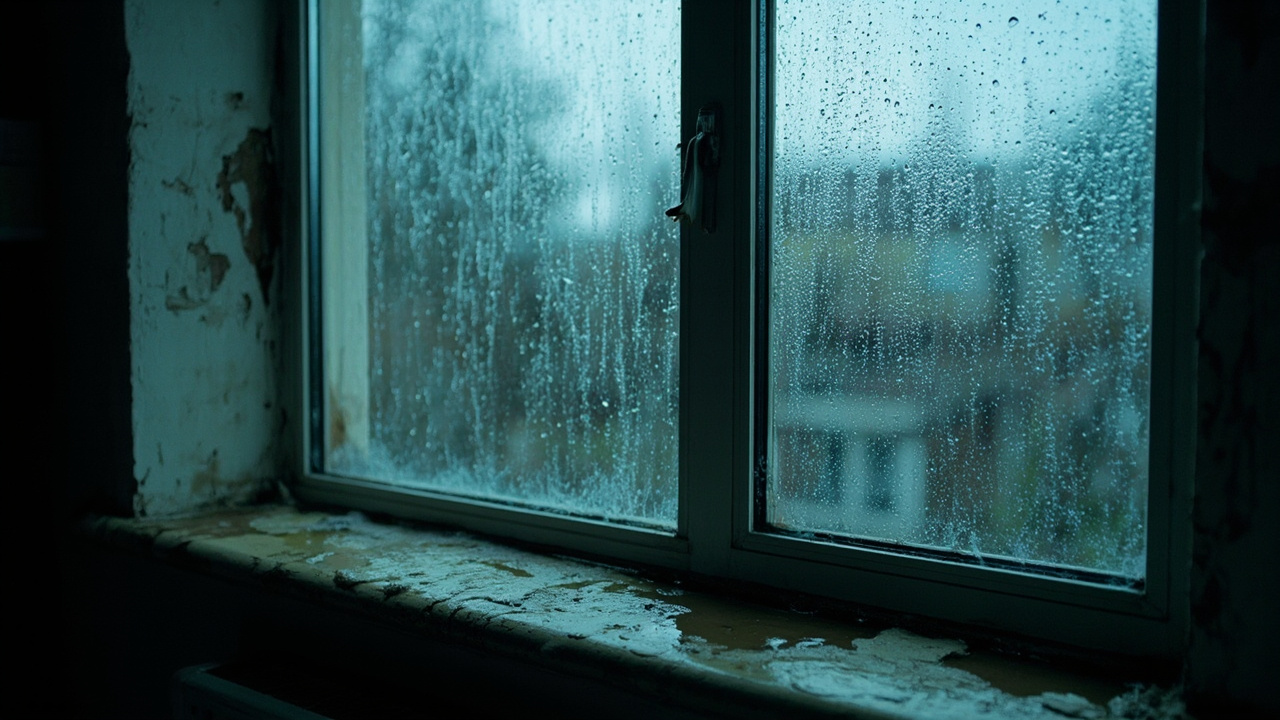
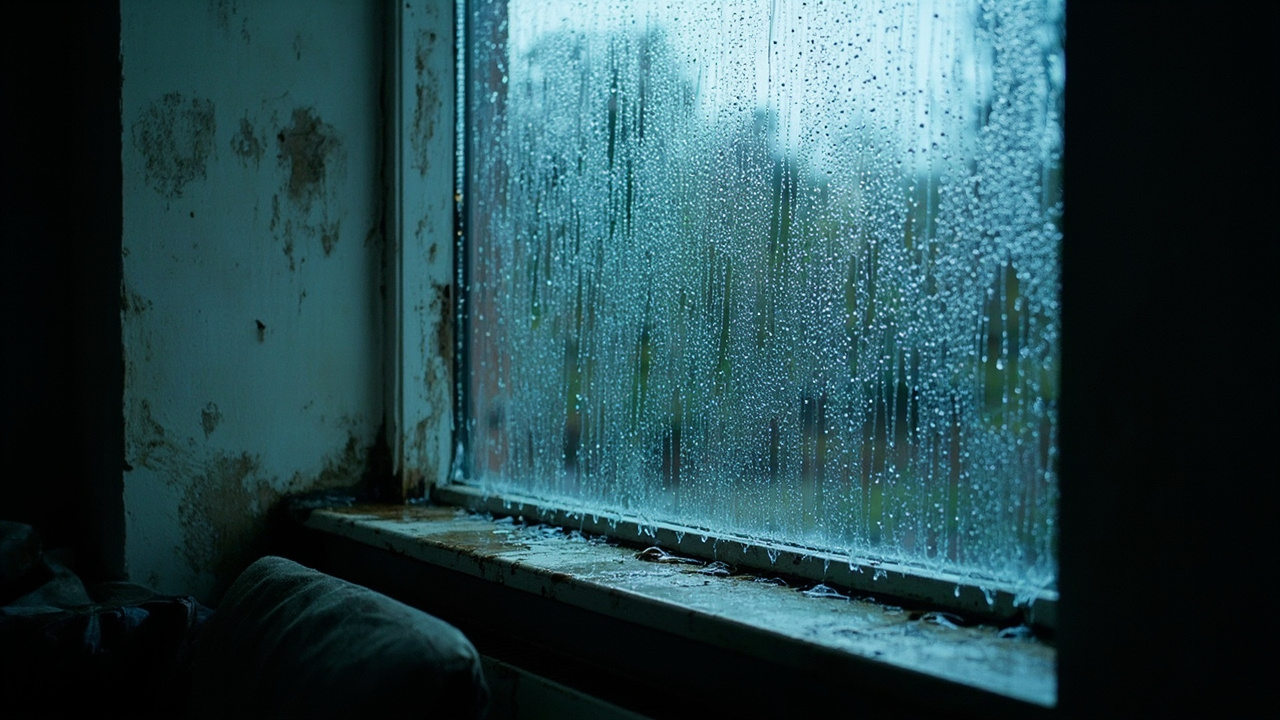
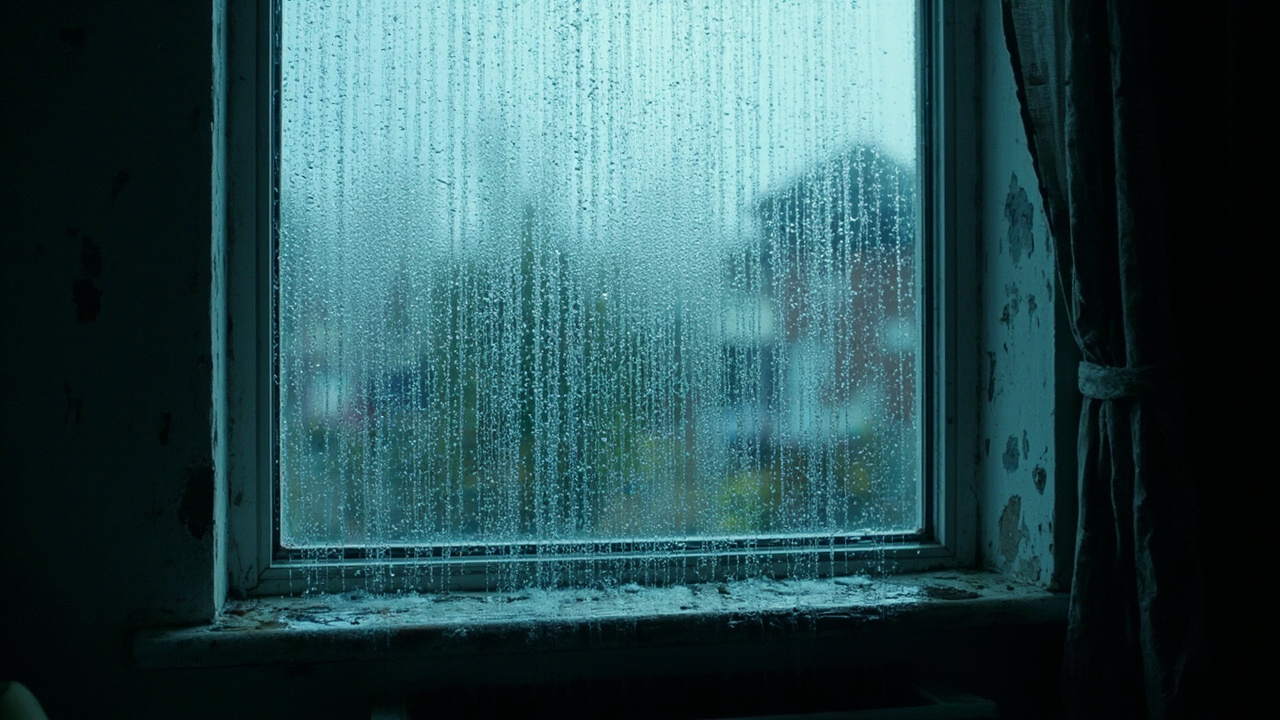
You notice weeping window panes every morning. Damp drywall patches appear near your baseboards. Interior glass condensation fogs up your sliding doors. This window sweating is not just annoying. It signals a serious moisture imbalance that can lead to mold, wood rot, and drywall failure.

Orlando's humid subtropical climate creates perfect conditions for moisture buildup on walls and windows. Our average relative humidity hovers between 70 and 75 percent year-round. When your air conditioning cools interior surfaces below the dew point, water vapor in the air condenses on cold glass and walls. This is basic physics, but the consequences are not basic.

The problem intensifies in homes near Lake Eola, Conway, or Baldwin Park where groundwater tables sit high. Moisture infiltration through concrete slabs adds to interior humidity loads. Poor ventilation in bathrooms and kitchens compounds the issue. Many Orlando homes built in the 1970s and 1980s lack proper vapor barriers, making them particularly vulnerable.

Interior glass condensation points to one of three root causes: inadequate ventilation, air leaks drawing humid outdoor air inside, or HVAC systems failing to control humidity. Each requires a different fix. Ignoring the weeping window panes and damp drywall patches allows mold spores to colonize within 48 hours. The organic materials in your drywall and wood framing become a food source. Within weeks, you face a full mold remediation project that could have been prevented.

Condensation is a symptom. The disease is moisture intrusion. You need someone who understands building science to diagnose the actual problem.

Why Your Orlando Home Shows Moisture Buildup Inside
How We Diagnose and Fix Moisture Imbalances

How We Diagnose and Fix Moisture Imbalances

We do not just wipe down your windows and leave. Reliance Water Damage Restoration Orlando uses moisture meters, thermal imaging cameras, and hygrometers to map the moisture distribution throughout your home. This diagnostic phase is non-negotiable. Without accurate data, we are guessing.

Our technicians measure relative humidity in each room and compare it to outdoor conditions. We inspect your HVAC system to verify proper sizing and drainage. An oversized air conditioner short-cycles, failing to remove humidity even while it cools the air. We check condensate drain lines for clogs that force moisture back into your ductwork.

We use thermal imaging to identify cold spots on interior walls where condensation forms. These cold zones often indicate missing insulation or air leaks behind the drywall. In Orlando homes with concrete block construction, we look for efflorescence, the white mineral deposits that signal water wicking through the masonry. This type of moisture buildup on walls requires a different approach than condensation from interior humidity.

We test window seals and check for failed insulated glass units. Double-pane windows lose their seal over time, allowing humid air to penetrate between the panes. This creates interior glass condensation that cannot be wiped away because it forms inside the sealed unit.

Once we identify the source, we implement targeted fixes. This might include sealing air leaks, improving ventilation with ERV systems, upgrading insulation, or adjusting HVAC operation. We also remove any water-damaged materials and treat affected areas with antimicrobial solutions to prevent mold establishment.

The goal is not just to dry your windows. The goal is to create a building envelope that controls moisture flow and maintains stable indoor humidity levels between 30 and 50 percent.

What Happens When You Call About Window Sweating

Condensation on Windows & Walls in Orlando – Expert Diagnosis Stops Moisture Damage Before It Spreads
01

On-Site Moisture Assessment

We arrive with diagnostic equipment to measure moisture content in your walls, relative humidity levels, and temperature differentials across surfaces. Our technicians document the extent of condensation using moisture meters calibrated for drywall, wood, and concrete. We map every weeping window pane and damp drywall patch to identify patterns. This data-driven assessment takes 45 to 90 minutes depending on your home's size.
02

Root Cause Identification

We analyze the collected data to pinpoint whether your moisture buildup on walls stems from inadequate ventilation, HVAC failure, air infiltration, or thermal bridging. Our team checks your attic insulation, crawl space conditions, and ductwork integrity. We inspect window frames for seal failure and walls for vapor barrier breaches. This diagnostic phase separates surface symptoms from underlying building science failures that cause recurring condensation problems.
03

Remediation and Prevention

We remove water-damaged materials, dry structural components, and treat affected areas to prevent mold growth. Then we implement the specific fix your home needs, whether that involves sealing air leaks, upgrading ventilation, or adjusting HVAC settings. We retest humidity levels and moisture content to verify the solution works. You receive documentation showing before and after measurements, plus specific maintenance recommendations to prevent future interior glass condensation.

Why Orlando Homeowners Choose Local Moisture Experts

National franchise operations follow generic protocols designed for average climates. Orlando is not average. Our subtropical weather patterns, afternoon thunderstorms, and proximity to multiple lakes create moisture challenges that require local expertise.

Reliance Water Damage Restoration Orlando understands how the daily temperature swings in neighborhoods like Avalon Park and Lake Nona affect dew point calculations. We know that homes in historic districts like Colonialtown use different construction methods than newer developments in Waterford Lakes. This matters when diagnosing why moisture buildup on walls appears in specific locations.

We work with Orlando's building codes and permitting requirements. When structural repairs become necessary to fix condensation sources, we navigate Orange County's inspection process efficiently. Our relationships with local HVAC contractors, insulation specialists, and mold remediation experts mean we can coordinate multi-trade solutions when your moisture problem requires more than just water damage restoration.

Central Florida's real estate market moves fast. When you sell a home with a history of window sweating or damp drywall patches, buyers request moisture inspections. Our documentation provides the proof that the problem was properly diagnosed and corrected. This protects your property value and prevents deal-killing surprises during home inspections.

We respond to service calls throughout Orlando, from downtown condos to Winter Park bungalows to Hunters Creek subdivisions. Our technicians carry equipment in their vehicles, not in some distant warehouse. When you call about weeping window panes on a Saturday morning, we can often arrive that afternoon.

Local expertise means we recognize the difference between condensation from poor ventilation and moisture intrusion from Orlando's frequent heavy rains. We do not waste your time chasing the wrong solution.

What to Expect When We Address Your Condensation Problem

Response Time and Scheduling

We typically schedule moisture assessments within 24 to 48 hours of your call. For active water intrusion causing damp drywall patches, we offer same-day emergency response. The initial diagnostic visit takes 60 to 90 minutes. If we identify mold growth or structural damage requiring immediate attention, we can often begin remediation the same day. Non-emergency work, like sealing air leaks or upgrading ventilation, gets scheduled based on material availability and your preferences. We work around your schedule for interior work and provide clear timeframes for each phase of the project.

Comprehensive Moisture Evaluation

Our assessment goes beyond visible condensation. We use pin-type and pinless moisture meters to measure water content deep within wall cavities and subflooring. Thermal imaging cameras reveal temperature patterns that indicate insulation gaps or air leaks. We test relative humidity in multiple rooms and compare readings to outdoor conditions. This multi-tool approach identifies hidden moisture sources that simple visual inspection misses. You receive a written report detailing moisture readings, problem areas photographed with thermal images, and specific recommendations ranked by priority. This documentation helps you understand what needs immediate attention versus what can wait.

Permanent Moisture Control

We focus on fixing the root cause, not just the symptom. If your HVAC system cannot control humidity, we coordinate with qualified contractors to right-size equipment or add dehumidification capacity. When air leaks allow humid outdoor air to infiltrate, we seal penetrations around windows, doors, and utility entries using appropriate caulks and weatherstripping. For homes with inadequate ventilation, we install or upgrade exhaust fans in bathrooms and kitchens. The result is stable indoor humidity between 30 and 50 percent, eliminating the conditions that cause interior glass condensation and window sweating. Your windows stay clear, your walls stay dry.

Documentation and Prevention Guidance

We provide detailed records of all moisture readings, remediation work performed, and materials used. This documentation is valuable during home sales or insurance claims. You also receive specific maintenance recommendations tailored to your home's construction and Orlando's climate. This includes optimal thermostat settings for humidity control, ventilation best practices, and seasonal inspection reminders. We do not offer open-ended warranties because moisture control depends partly on homeowner maintenance, like cleaning HVAC filters and running exhaust fans. However, we stand behind our workmanship. If our repairs fail due to installation error, we return to correct the issue at no charge.

Frequently Asked Questions

You Have Questions,
We Have Answers

How to stop condensation on windows and walls? +

Stop condensation by controlling indoor humidity and improving airflow. In Orlando's humid climate, run your air conditioner regularly to remove moisture from the air. Use exhaust fans in bathrooms and kitchens during and after water use. Open windows when outdoor humidity is lower than indoor levels. Seal air leaks around windows and doors to prevent warm, moist air from hitting cold surfaces. Install a dehumidifier to maintain indoor humidity between 30-50%. Check that your HVAC system drains properly. If condensation persists or you see water damage, call a professional to inspect for hidden moisture problems or ventilation issues.

Does condensation on windows mean the house is too cold? +

Not necessarily. Condensation happens when warm, humid air contacts a cold surface. In Orlando, condensation usually means your indoor air holds too much moisture, not that your house is too cold. During summer months when air conditioning runs constantly, cold window glass chills the humid indoor air and causes water droplets to form. Poor ventilation traps moisture inside from cooking, showering, and breathing. Single-pane windows or poorly insulated walls create cold spots where condensation collects. If you see persistent condensation, focus on reducing indoor humidity through ventilation and dehumidification rather than raising your thermostat.

Should you wipe condensation off windows? +

Yes, wipe condensation off immediately to prevent damage. Standing water on windowsills can rot wood frames, stain walls, and create breeding grounds for mold. Use an absorbent cloth or squeegee to remove moisture every morning if needed. In Orlando's climate, mold grows fast on damp surfaces. After wiping, run a fan or open windows to dry the area completely. Wiping treats the symptom but does not fix the cause. Track where and when condensation appears. If you wipe daily and still see water stains, peeling paint, or musty odors, you need professional help to identify moisture sources and prevent structural damage.

Why am I getting condensation on my walls? +

Wall condensation signals high indoor humidity meeting cold surfaces. In Orlando homes, this happens when air conditioning overcools exterior walls or poor insulation creates thermal bridges. Moisture from daily activities like cooking, showering, and laundry saturates indoor air. When humid air contacts a cold wall section, water vapor turns to liquid. You may also have a hidden leak inside the wall cavity, especially if condensation appears in one spot consistently. Check for plumbing leaks, roof leaks after storms, or foundation moisture wicking up through concrete block walls common in Florida construction. Wall condensation can lead to hidden mold growth and drywall damage.

What to put on walls to stop condensation? +

You cannot put a product on walls to stop condensation. You must fix the moisture imbalance causing it. Lower indoor humidity using dehumidifiers and exhaust fans. Improve wall insulation to prevent cold spots where moisture collects. Ensure your HVAC system cycles properly to remove humidity. Repair any water leaks or drainage problems. Apply mold-resistant paint only after solving the humidity issue to prevent future growth on affected areas. In Orlando, vapor barriers installed incorrectly can trap moisture inside walls and worsen problems. If you see persistent wall condensation, contact a water damage professional to diagnose the root cause before cosmetic fixes.

What are signs of excessive condensation? +

Excessive condensation shows as water pooling on windowsills, wet walls, or dripping from ceiling corners. You may notice a musty smell, visible mold spots on walls or window frames, or peeling paint and wallpaper. Wood trim feels damp or starts to rot. In Orlando homes, foggy windows that stay wet most of the day indicate serious humidity problems. You might see water stains spreading on drywall or ceiling tiles sagging from absorbed moisture. Allergy symptoms worsening indoors suggest mold growth from chronic dampness. If multiple windows drip daily or walls feel cold and wet, you need immediate professional assessment to prevent structural damage.

Does condensation on windows mean they are bad? +

Not always. Condensation on windows usually means high indoor humidity, not defective windows. However, single-pane windows or failed double-pane seals do condensate more easily because glass surfaces stay colder. In Orlando, even quality windows show some condensation during heavy air conditioning use if indoor humidity runs high. Check if condensation forms between glass panes. That indicates a broken seal requiring window replacement. Condensation only on the interior surface means you need better humidity control. Exterior condensation on summer mornings is normal and harmless. If only certain windows condensate heavily, inspect those frames for air leaks or insulation gaps.

How often should I wipe condensation off? +

Wipe condensation whenever it appears to prevent damage. In Orlando's humid climate, this might mean daily during summer months when air conditioning runs constantly. Morning condensation should be removed before water runs down walls or pools on sills. If you wipe more than once daily or condensation reappears within hours, you have a ventilation or humidity problem requiring professional attention. Constant wiping treats the symptom but allows hidden damage to progress. Track the pattern for a week. If condensation persists despite daily removal and running dehumidifiers, call a water damage specialist to inspect for underlying moisture sources or HVAC issues.

Does a dehumidifier help with condensation? +

Yes, dehumidifiers effectively reduce condensation by removing moisture from indoor air. In Orlando homes, maintain indoor humidity between 30-50% to prevent condensation on windows and walls. Place dehumidifiers in problem areas like bathrooms, laundry rooms, or bedrooms where condensation appears. Empty collection tanks daily or use continuous drain hoses. Dehumidifiers work best alongside proper ventilation and air conditioning. If a dehumidifier runs constantly but condensation persists, you may have a hidden water source like a plumbing leak or foundation moisture intrusion. Whole-house dehumidifiers integrated with HVAC systems provide better control than portable units for chronic humidity problems.

Does a bowl of salt stop condensation on windows? +

No, a bowl of salt does not meaningfully stop window condensation. Salt absorbs minimal moisture compared to the gallons of water vapor in indoor air. This folk remedy wastes time while condensation damages your home. In Orlando's humid climate, you need mechanical dehumidification and proper ventilation to control moisture. A small bowl of salt might collect a few tablespoons of water but does nothing to address the humidity causing condensation. Focus on proven solutions like exhaust fans, dehumidifiers, and air conditioning. If you see persistent condensation despite these efforts, contact a professional to identify hidden moisture sources or ventilation failures causing the problem.

Why Orlando's Humidity Makes Condensation Problems More Severe

Orlando averages 51 inches of rain annually, concentrated in summer months when afternoon thunderstorms deliver sudden humidity spikes. Our outdoor dew point regularly exceeds 70 degrees Fahrenheit from June through September. When your air conditioner cools interior surfaces below this dew point, water vapor condenses instantly. Homes near Lake Conway, Lake Underhill, or the Butler Chain of Lakes face additional moisture pressure from high groundwater tables and evaporation from nearby water bodies. This combination makes condensation on windows and walls a persistent issue that requires proper diagnosis and targeted fixes, not generic advice about running exhaust fans.

Reliance Water Damage Restoration Orlando has served Central Florida homeowners for years, building expertise in moisture control specific to our subtropical climate and local construction methods. We understand how Orlando's concrete block homes behave differently than wood-frame construction common in newer developments. Our familiarity with Orange County building codes streamlines any repair work requiring permits. We have established relationships with local specialists when your condensation problem reveals larger issues with HVAC sizing, insulation, or ventilation. Choosing local experts means you get solutions designed for Orlando's specific climate challenges, not generic national protocols that fail in high-humidity environments.

Water Damage Restoration Services in The Orlanado Area

Looking for fast and reliable water damage restoration in your area? Reliance Water Damage Restoration Orlando proudly serves homes and businesses throughout Orlando and surrounding communities. Whether you're dealing with flood damage, burst pipes, or mold issues, our expert team is ready to respond 24/7. We use industry-leading equipment to extract water, dry structures, and restore your property to pre-loss condition. Check the map below to see if we service your neighborhood, or call now for immediate help.

Address:
Reliance Water Damage Restoration Orlando, 7380 W Sand Lake Rd Suite 500, Orlando, FL, 32819

Additional Services We Offer

Our news updates

Latest Articles & News from The Blogs

Lorem ipsum dolor sit amet. Aut expedita quaerat quo eligendi numquam et laudantium perspiciatis qui minima expedita rem consequatur ducimus.…

Test Blog 4

Lorem ipsum dolor sit amet. Aut expedita quaerat quo eligendi numquam et laudantium perspiciatis qui minima expedita rem consequatur ducimus.…

Test Blog 3

Lorem ipsum dolor sit amet. Aut expedita quaerat quo eligendi numquam et laudantium perspiciatis qui minima expedita rem consequatur ducimus.…

Test Blog 2

Lorem ipsum dolor sit amet. Aut expedita quaerat quo eligendi numquam et laudantium perspiciatis qui minima expedita rem consequatur ducimus.…

Contact Us

Call Reliance Water Damage Restoration Orlando at (689) 268-2233 right now for a professional moisture assessment. We identify the root cause of your condensation issues and implement permanent solutions that protect your home and your health.