Menu

Emergency Roof Leak Tarping in Orlando – 24/7 Response to Stop Water Damage Now

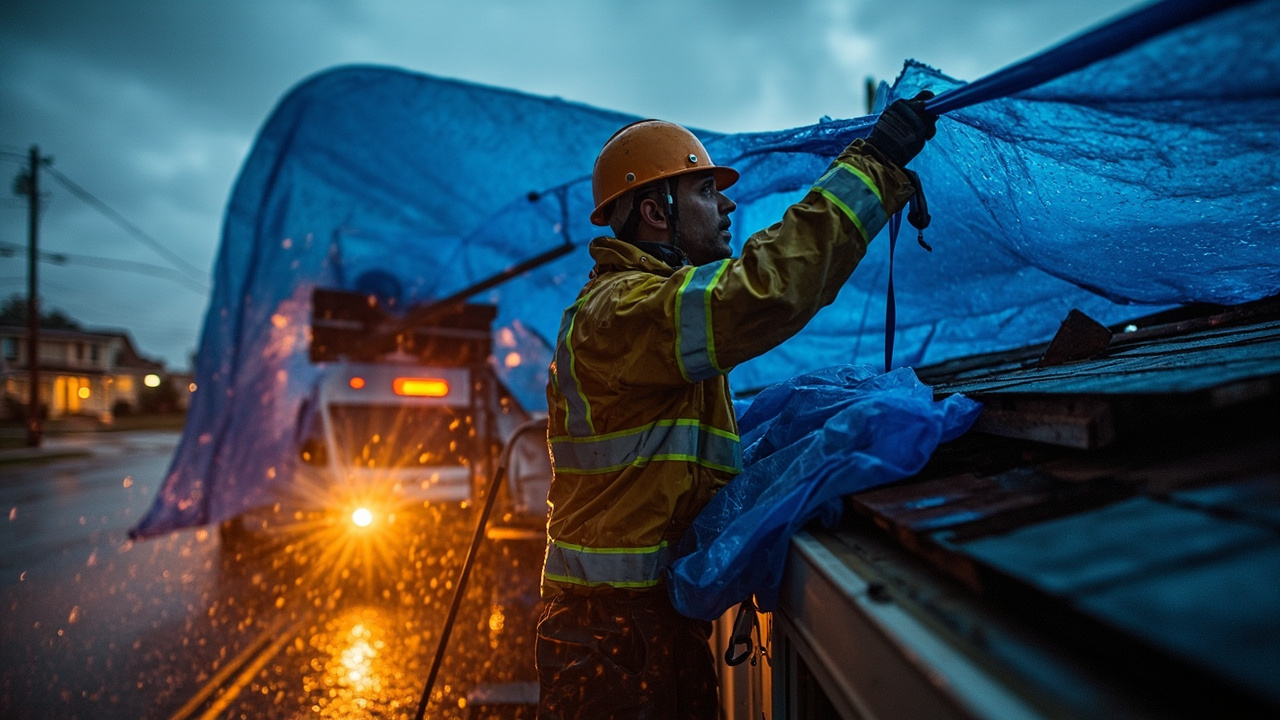
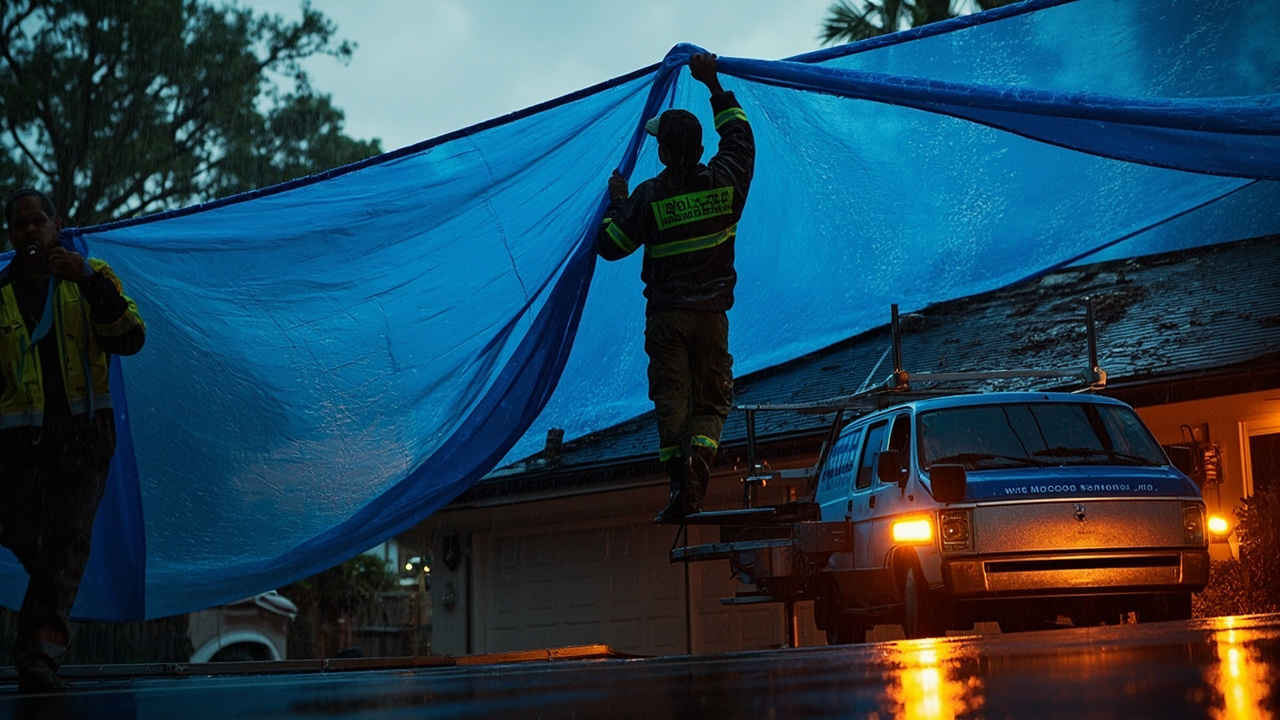
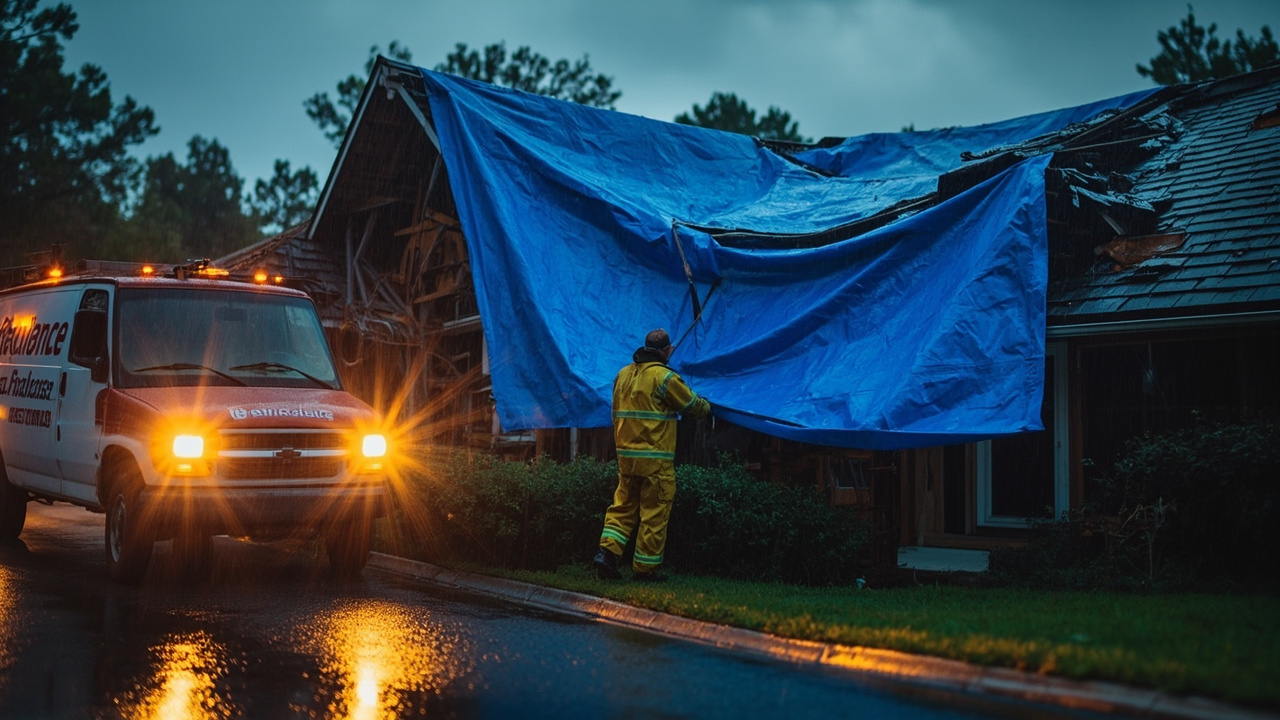
When your roof fails during a storm, every minute counts. Our emergency roof tarping crews arrive fast across the greater Orlando metro, secure your property against further water intrusion, and help you document damage for insurance claims before secondary damage spreads.

Slider Image 1
Slider Image 2
Slider Image 3
Slider Image 4
Slider Image 5
Slider Image 7
Slider Image 8
Slider Image 9
Slider Image 10
Slider Image 11

Why Orlando Roofs Fail When You Need Them Most

You just heard the crack. Wind lifted a section of shingles. Rain is pouring into your attic. Water is spreading across your ceiling. You are watching damage happen in real time.

Orlando's storm season creates perfect conditions for catastrophic roof failure. Afternoon thunderstorms generate wind gusts exceeding 60 mph. Hurricane season brings sustained winds that peel back aging shingles and compromise flashing around vents and chimneys. The combination of high humidity and sudden temperature drops causes expansion and contraction that weakens roof decking over time.

When your roof fails at 2 AM during a thunderstorm, you cannot wait until morning. Water travels fast. It soaks insulation, saturates drywall, and spreads across ceilings. Within hours, what started as a small leak becomes a multi-room water damage event. Mold spores begin colonizing wet surfaces within 24 to 48 hours.

Emergency roof tarp installation stops the bleeding. A proper temporary roof covering creates a watertight barrier that prevents additional water intrusion while you arrange permanent repairs. This is not about cosmetics. This is about stopping an active emergency before your insurance claim doubles.

Residents in College Park, Baldwin Park, and downtown Orlando neighborhoods with older homes face particular risk. Many properties feature original clay tile or aging architectural shingles that fail during severe weather. When wind compromises your roofline, urgent roof tarping services protect your investment and give you time to make informed repair decisions instead of panic decisions.

Why Orlando Roofs Fail When You Need Them Most
How Professional Emergency Roof Tarping Protects Your Property

How Professional Emergency Roof Tarping Protects Your Property

Emergency temporary roof covering requires more than throwing a tarp over a hole. Improper tarping creates new problems. Wind gets under loose tarps and causes additional damage. Water pools on sagging sections and leaks through inadequate overlap. Amateur installations fail within hours.

Professional 24 hour roof tarping follows structural principles. We anchor tarps to solid decking, not compromised areas. We extend coverage beyond the visible damage zone because water travels laterally under shingles before dropping through decking. We create positive drainage so water sheds off the tarp instead of pooling. We use commercial-grade reinforced poly tarps that resist UV degradation and wind stress.

The process starts with damage assessment. We identify the primary failure point and trace the water path. We inspect surrounding areas for hidden damage. We photograph everything for your insurance documentation. We then secure the area using wood battens screwed directly into solid roof framing, not surface-mounted with adhesive that fails in heat.

Reliance Water Damage Restoration Orlando uses a sandwich method for maximum hold. We lay the tarp, add 2x4 battens along stress points, and secure through both layers into rafters. We overlap sections by at least three feet and seal seams. We extend tarps at least four feet beyond damaged areas in all directions. This creates a redundant weather barrier that holds through multiple storm cycles.

After tarping, we deploy interior water extraction if your property already sustained water intrusion. We set up dehumidifiers to prevent secondary damage. We document moisture levels in walls and ceilings. This gives you baseline data for insurance claims and helps identify hidden moisture pockets that need attention before mold develops.

What Happens When You Call for Emergency Roof Leak Tarping

Emergency Roof Leak Tarping in Orlando – 24/7 Response to Stop Water Damage Now
01

Immediate Dispatch and Assessment

Within minutes of your call, we dispatch the nearest crew with tarping equipment and safety gear. During the call, we ask specific questions about damage location, active water intrusion, and accessibility. We notify your insurance carrier if you authorize contact. Our crew arrives with industrial tarps, fasteners, safety harnesses, and moisture detection equipment. We perform an exterior safety assessment before roof access to identify structural hazards and determine safe anchor points for fall protection systems.
02

Secure Installation and Water Control

We establish roof access and deploy safety equipment. The crew removes debris and smooths the damaged area to create proper tarp contact with decking. We position reinforced poly tarps to extend well beyond damaged zones, securing them with battens screwed into solid roof framing at 18-inch intervals. While exterior work progresses, interior teams extract standing water, move furniture from affected areas, and set up air movers to begin drying structural materials. We document everything with photos and moisture readings for your claim file.
03

Documentation and Damage Mitigation

After securing the tarp, we conduct a comprehensive moisture survey using thermal imaging and pin meters. We identify wet insulation, saturated drywall, and moisture in framing members. We provide you with a detailed damage report, moisture map, and photographic documentation. If secondary damage is present, we establish a drying plan with dehumidifiers and air movers. We explain insurance procedures, help you understand your policy coverage, and coordinate with adjusters. You receive a written scope of emergency services and next steps for permanent roof repair.

Why Orlando Property Owners Choose Local Emergency Response Teams

When your roof fails during a storm, response time determines total damage. National chains dispatch from regional hubs. They arrive hours later, after water has spread throughout your property. Local teams know Orlando's street grid, understand which neighborhoods flood during heavy rain, and keep equipment staged for rapid deployment across downtown, Winter Park, and surrounding communities.

Orlando building codes require specific wind ratings for roof systems. We understand these requirements because we work with local roofers and insurance adjusters daily. We know that properties in historic districts have different repair standards. We know that older homes in College Park often have outdated roof decking that needs special attention during temporary repairs. This local knowledge prevents problems during permanent repair bids.

Insurance claims move faster when documentation is thorough. We photograph damage patterns that adjusters look for. We use moisture meters calibrated to Florida humidity levels. We understand how Orlando's high water table affects drying strategies. We speak the same language as your insurance carrier because we handle these emergencies every week.

Reliance Water Damage Restoration Orlando maintains relationships with licensed roofing contractors who can provide permanent repair estimates within 24 hours. We do not perform roof replacement, but we connect you with qualified contractors who understand insurance restoration work. This coordination speeds your recovery and prevents gaps in coverage.

We also understand Orlando's weather patterns. We know that afternoon thunderstorms arrive like clockwork during summer months. We monitor tropical systems during hurricane season and pre-stage equipment when storms approach. This preparation means we have crews available when others are overwhelmed. When Hurricane Ian skirted the area, we responded to 40 emergency tarping calls in 72 hours because we planned ahead.

What to Expect During Emergency Roof Tarping Service

Rapid Response Times That Matter

We dispatch crews within 30 minutes of your call, 24 hours a day. During active storms, we prioritize calls based on severity and coordinate multiple teams to handle high call volumes. Average arrival time is 60 to 90 minutes across the greater Orlando metro, including downtown, Winter Park, and College Park. During widespread storm events, we communicate realistic timeframes and provide interim guidance on containing interior water damage until crews arrive. We do not make promises we cannot keep. You receive real-time updates via text message with crew status and estimated arrival windows.

Thorough Damage Assessment and Documentation

Before installing tarps, we conduct a complete roof inspection to identify all compromised areas, not just the obvious damage. We use thermal imaging cameras to detect hidden moisture intrusion in attic spaces and wall cavities. We photograph damage from multiple angles and document measurements for insurance claims. We provide you with a written assessment that includes moisture readings, damage extent, and recommended next steps for permanent repairs. This documentation package gives your insurance adjuster everything needed to process your claim efficiently. We also identify safety hazards like compromised decking or electrical risks.

Professional-Grade Materials and Installation

We use heavy-duty reinforced poly tarps rated for commercial applications, not residential-grade tarps that fail in Orlando's heat and UV exposure. Our installation method involves wood battens screwed directly into roof framing at proper intervals to create wind-resistant attachment. We overlap tarp sections extensively and seal penetrations. The result is a weather barrier that holds through multiple storm cycles, giving you time to obtain repair estimates and work with insurance without rushing. Our tarps typically remain effective for 90 days or more when properly maintained. We inspect installations after major weather events and make adjustments if needed.

Comprehensive Interior Drying and Monitoring

Emergency roof leak tarp service includes interior water damage assessment and mitigation. If water entered your property, we extract standing water, move furniture to dry areas, and deploy dehumidifiers and air movers. We monitor moisture levels daily and adjust drying equipment based on readings. This prevents mold growth while you arrange permanent roof repairs. We coordinate with your insurance adjuster and provide documentation of drying progress. Our goal is to stabilize your property and prevent secondary damage that inflates your claim. We explain the drying process, answer questions about timelines, and help you understand what to expect during restoration.

Frequently Asked Questions

You Have Questions,
We Have Answers

Can I put a tarp on my roof to stop leaks? +

Yes, you can tarp your roof to stop leaks temporarily, but do it safely. In Orlando's high winds and afternoon thunderstorms, a poorly secured tarp can blow off or cause more damage. Use heavy-duty polyethylene tarps, anchor them with wood boards nailed to the roof deck, and extend coverage at least 4 feet past the leak source. If you are uncomfortable climbing on a wet roof or the leak is spreading fast, call a professional immediately. A proper tarp prevents water intrusion, mold growth, and secondary damage until permanent repairs happen.

How to emergency tarp a roof? +

First, locate the leak source from inside your attic. Mark it and measure from fixed points like chimneys or vents. Use a heavy-duty tarp at least 6 mil thick. Extend it 4 feet beyond the damaged area toward the ridge. Sandwich the tarp edges between wood boards and secure with roofing nails or screws into solid decking. Do not walk on wet shingles. Orlando's sudden storms and high humidity make speed critical, but safety comes first. If the roof is steep or damaged extensively, call an emergency tarping service to avoid injury or insurance claim complications.

How much does emergency roof tarping cost? +

Emergency roof tarping in Orlando typically costs between $200 and $1,500, depending on roof size, pitch, accessibility, and damage extent. A small leak on a single-story home may cost less, while multi-story properties or storm-damaged roofs with debris removal run higher. Most insurance policies cover emergency tarping under dwelling protection if storm-related. Get a written estimate and document everything with photos. Avoid contractors demanding large upfront payments. Reputable services charge fairly and work directly with your adjuster to streamline the claim process and prevent secondary water damage.

How to temporarily cover a leaking roof? +

Use a heavy-duty polyethylene tarp, securing it with 2x4 boards and galvanized nails. Identify the leak from inside your attic, then cover the damaged section plus 4 feet in all directions. Anchor the tarp on the ridge side first, then work downward. Weigh down edges with sandbags if you cannot nail into decking. In Orlando, afternoon storms develop fast, so act quickly but carefully. If the roof is steep, wet, or you lack experience, call a professional. Temporary tarps buy time but are not permanent fixes. Schedule a full inspection once conditions allow.

Why are people putting blue tarps on roofs? +

Blue tarps are a common emergency response to storm damage, leaks, or structural failures. The blue color comes from standard polyethylene tarps available at hardware stores. In Orlando, you see them after hurricanes, tropical storms, or severe thunderstorms when roofs suffer shingle blow-offs, tree strikes, or wind uplift. Tarps prevent additional water intrusion while homeowners wait for insurance adjusters, contractor availability, or repair materials. They are a visible signal that emergency mitigation is underway. Tarps should be temporary. Prolonged exposure to Florida sun and wind degrades them, leading to further damage.

How do you stop a leaking roof during heavy rain? +

If your roof is leaking during heavy rain, place buckets under active drips inside your home. Move furniture and electronics away from the leak zone. If safe, go into the attic and push a nail or screwdriver through the leak point to create a controlled drip, preventing water from spreading across the ceiling. Do not go on the roof during active storms. Orlando's lightning risk and slick surfaces are deadly. Once rain stops, tarp the damaged area immediately. Call an emergency roofing service if the leak is large or spreading. Document everything with photos for your insurance claim.

Will Fema put a tarp on my roof? +

FEMA may provide tarps through the Blue Roof Program after a federally declared disaster, but only if your county qualifies and you register. The program is free, covering temporary tarp installation on eligible homes. In Orlando, activation depends on hurricane or major storm impact. FEMA does not tarp for routine leaks or non-disaster damage. Registration happens online or by phone after the disaster declaration. Private contractors perform the work under FEMA supervision. If your situation does not qualify or you need immediate help, hire a local emergency tarping service and file an insurance claim instead.

Can I apply roof Maxx myself? +

Roof Maxx is a soy-based roof rejuvenation product, not an emergency leak solution. It is designed to extend shingle life by restoring flexibility, not to stop active water intrusion. You can apply it yourself, but it requires specific weather conditions, proper roof preparation, and even coverage. In Orlando's humidity and heat, application timing matters. If you have an active leak, tarp the roof first and address the structural damage. Roof Maxx works for maintenance on aging but intact roofs, not emergency repairs. Consult a professional roofer to assess if it fits your situation after you stop the leak.

What can I use instead of tarping my roof? +

Alternatives to tarping include roofing cement for small cracks, self-adhesive flashing tape for seams, or temporary peel-and-stick roofing patches. These work for minor, localized leaks but fail in heavy rain or large damage areas. In Orlando, where storms are frequent and intense, tarps provide broader coverage and hold up better. Avoid using plastic sheeting or canvas, which tear easily in wind. For emergency situations, nothing beats a properly secured polyethylene tarp. Permanent fixes require professional repair or replacement. Temporary patches are stopgaps, not solutions. Act fast to prevent interior water damage and mold growth.

How much does insurance pay for tarping? +

Most homeowners insurance policies in Florida cover emergency tarping costs under dwelling protection if the damage results from a covered peril like wind, hail, or falling trees. Expect reimbursement between $200 and $1,500 depending on roof size and damage extent. Keep all receipts, photos, and written estimates. Submit your claim immediately and document the tarping date. Some policies include a specific mitigation expense limit, often around $5,000. If you delay tarping and secondary water damage occurs, your insurer may reduce or deny the claim. Emergency tarping is reasonable and necessary mitigation. File promptly and follow up.

How Orlando's Storm Patterns Make Emergency Roof Tarping Critical

Orlando sits in a unique weather corridor where afternoon thunderstorms form almost daily during summer months. These storms generate intense rainfall rates exceeding two inches per hour and wind gusts that spike above 50 mph with little warning. This combination overwhelms aging roof systems. Clay tile roofs common in older neighborhoods crack under thermal stress and lift in high winds. Architectural shingles past their 15-year lifespan lose granule protection and become brittle. When these roofs fail during a storm, water intrusion happens fast. Emergency temporary roof covering stops active leaks before interior damage spreads across multiple rooms. Properties near Lake Eola and the downtown corridor face additional risk from wind tunneling between buildings.

Reliance Water Damage Restoration Orlando maintains close relationships with Orange County building inspectors and local roofing contractors. We understand municipal code requirements for temporary roof repairs and proper installation methods that protect your property without creating liability. Our crews carry proper insurance and follow OSHA fall protection standards. This matters because improper emergency repairs can void insurance coverage or create code violations that delay permanent repairs. We also understand Florida's strict insurance claim timelines. Prompt tarping and documentation help you meet notification requirements and prevent claim denials. Our familiarity with local insurance adjusters and their documentation preferences speeds claim processing and prevents common issues that delay settlements.
Water Damage Restoration Services in The Orlanado Area

Looking for fast and reliable water damage restoration in your area? Reliance Water Damage Restoration Orlando proudly serves homes and businesses throughout Orlando and surrounding communities. Whether you're dealing with flood damage, burst pipes, or mold issues, our expert team is ready to respond 24/7. We use industry-leading equipment to extract water, dry structures, and restore your property to pre-loss condition. Check the map below to see if we service your neighborhood, or call now for immediate help.

Address:
Reliance Water Damage Restoration Orlando, 7380 W Sand Lake Rd Suite 500, Orlando, FL, 32819

Additional Services We Offer

Our news updates

Latest Articles & News from The Blogs

Lorem ipsum dolor sit amet. Aut expedita quaerat quo eligendi numquam et laudantium perspiciatis qui minima expedita rem consequatur ducimus.…

Test Blog 4

Lorem ipsum dolor sit amet. Aut expedita quaerat quo eligendi numquam et laudantium perspiciatis qui minima expedita rem consequatur ducimus.…

Test Blog 3

Lorem ipsum dolor sit amet. Aut expedita quaerat quo eligendi numquam et laudantium perspiciatis qui minima expedita rem consequatur ducimus.…

Test Blog 2

Lorem ipsum dolor sit amet. Aut expedita quaerat quo eligendi numquam et laudantium perspiciatis qui minima expedita rem consequatur ducimus.…

Contact Us

Your roof is leaking. Water is spreading. Call (689) 268-2233 now for immediate dispatch. Our crews respond 24/7 across Orlando with equipment and expertise to stop water intrusion, protect your property, and document damage for insurance claims. Do not wait.