Menu

Fire Sprinkler Water Cleanup in Orlando – 24/7 Emergency Response Stops Building Damage Fast

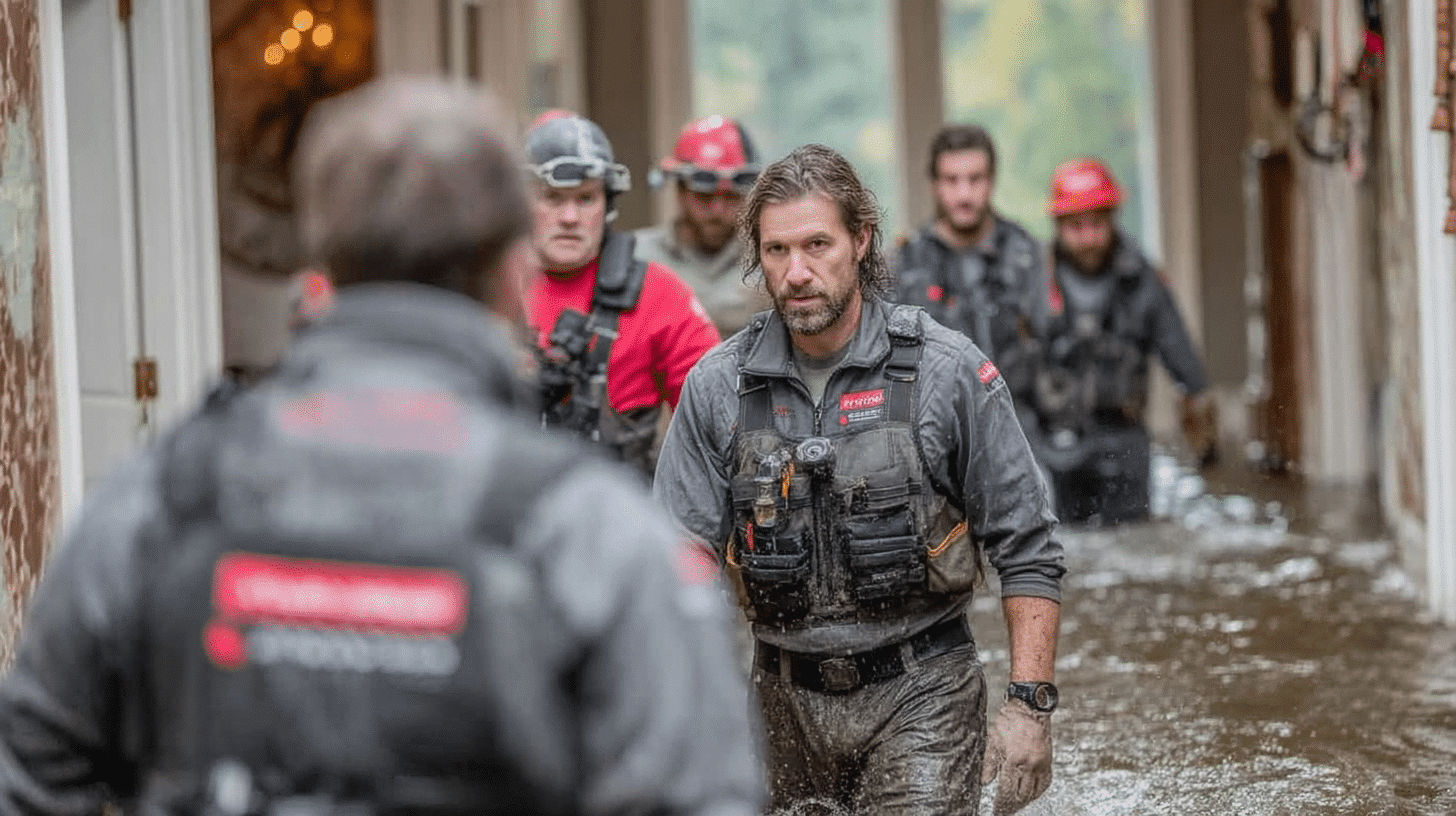
When fire suppression systems discharge unexpectedly, Reliance Water Damage Restoration Orlando arrives within 60 minutes to extract standing water, prevent structural damage, and restore your property before mold takes hold.

Slider Image 1
Slider Image 2
Slider Image 3
Slider Image 4
Slider Image 5
Slider Image 7
Slider Image 8
Slider Image 9
Slider Image 10
Slider Image 11

Accidental Sprinkler Discharge Creates Immediate Flooding Risk in Orlando Buildings

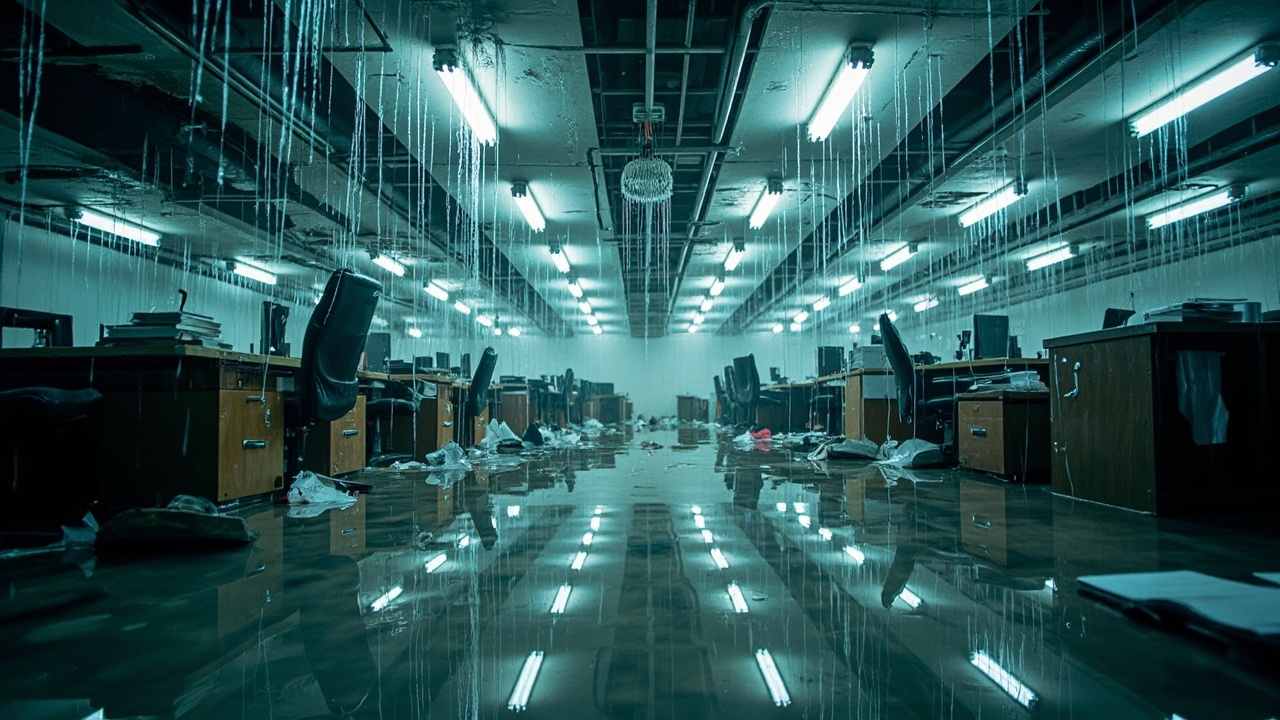
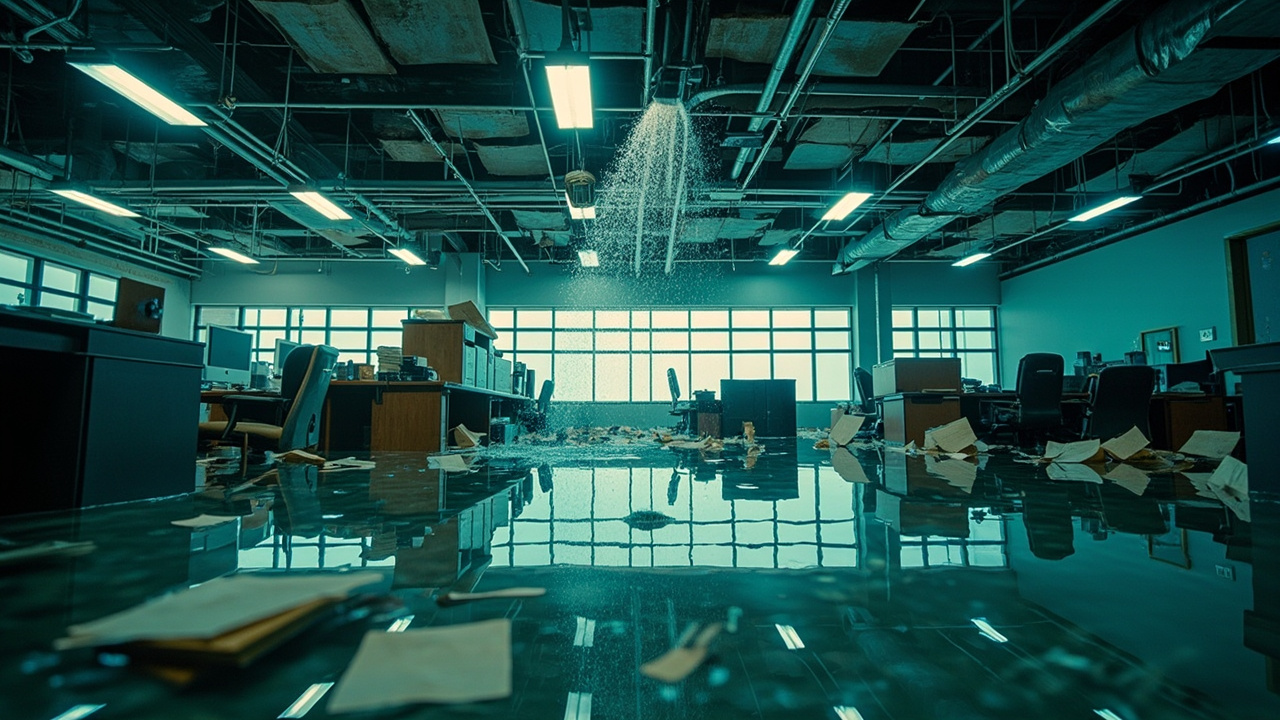
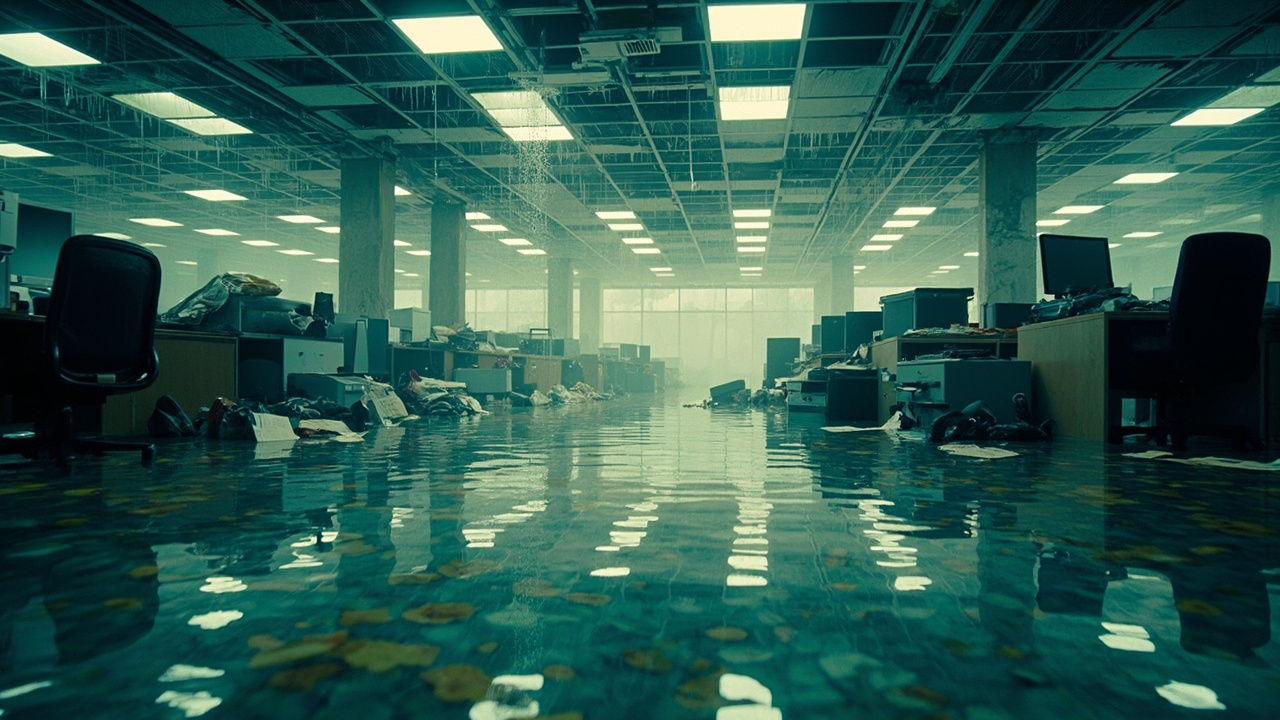
A single activated fire sprinkler head releases 25 to 50 gallons of water per minute. In commercial buildings across Orlando, accidental sprinkler discharge from overheated heads, construction impacts, or system malfunctions floods entire floors in minutes. The water soaks into drywall, carpet, and subfloors while you scramble to shut off the system.

Orlando's high humidity compounds the problem. Water trapped in wall cavities and under flooring starts breeding mold within 24 to 48 hours. The combination of standing water and 70-degree average temperatures creates perfect conditions for microbial growth. Your building faces structural damage, business interruption, and potential code violations if water sits too long.

Fire suppression system water extraction requires immediate action. The pressurized discharge saturates building materials faster than typical leaks. Ceiling tiles collapse. Electronics short out. Inventory gets destroyed. Every minute of delay increases your restoration costs and extends your downtime.

Burst fire sprinkler flood remediation is not a DIY project. You need industrial extraction equipment, commercial dehumidifiers, and moisture mapping technology to find hidden water pockets. The water migrates through ceiling plenums, down wall studs, and across subfloors. Standard wet vacuums cannot handle the volume. Emergency sprinkler water removal demands professional equipment and experience to prevent catastrophic damage to your Orlando property.

Accidental Sprinkler Discharge Creates Immediate Flooding Risk in Orlando Buildings
How Professional Fire Sprinkler Water Damage Restoration Works

How Professional Fire Sprinkler Water Damage Restoration Works

We deploy truck-mounted extraction units capable of removing thousands of gallons per hour. Our technicians use thermal imaging cameras to map moisture penetration through walls, ceilings, and floors. This technology shows exactly where water has migrated, so we do not miss hidden saturation that leads to mold or rot.

Accidental sprinkler discharge cleanup starts with source control and water removal. We coordinate with your facility manager to confirm system shutdown, then position extraction equipment at the lowest points where water pools. Our truck-mounted vacuums pull water from carpets, pad, and concrete slabs using high-lift suction that portable units cannot match.

After extraction, we place commercial air movers and low-grain refrigerant dehumidifiers to dry structural materials. We do not just dry the surface. We create airflow patterns that pull moisture from inside wall cavities and under flooring. Our equipment runs continuously, monitored by moisture meters that track drying progress in real time.

Fire suppression system water extraction includes antimicrobial treatment on affected surfaces. Sprinkler water often sits stagnant in pipes for years, collecting biofilm and sediment. We apply EPA-registered antimicrobials to prevent bacterial growth and odors during the drying process.

Our technicians document moisture readings at each visit using calibrated hygrometers and pin-type moisture meters. We measure wood framing, drywall, and concrete at multiple depths to confirm complete drying. This documentation supports your insurance claim and proves your building is safe to reoccupy. We do not leave until moisture levels match industry standards for your building type.

What Happens During Emergency Sprinkler Water Removal

Fire Sprinkler Water Cleanup in Orlando – 24/7 Emergency Response Stops Building Damage Fast
01

Immediate Dispatch and Assessment

Our crew arrives with industrial extraction equipment and moisture detection tools within 60 minutes of your call. We perform a rapid damage assessment using thermal imaging to identify all affected areas, document the extent of water penetration, and develop an extraction plan. You receive a written scope before work begins, so you know exactly what we will do and why each step matters for protecting your building.
02

Water Extraction and Drying

We deploy truck-mounted vacuums to remove standing water from all surfaces, then place commercial dehumidifiers and air movers to dry structural materials. Our technicians monitor moisture levels every 24 hours using calibrated meters, adjusting equipment placement to target hidden water in walls and subfloors. We extract moisture at the source, preventing secondary damage that occurs when water wicks through porous materials and creates permanent staining or swelling.
03

Verification and Clearance

We do not stop until moisture readings confirm your building is completely dry. Our final inspection uses multiple testing methods to verify structural materials have returned to normal moisture content. You receive a detailed report with before and after readings, photographic documentation, and clearance certification. This paperwork protects you from future liability and satisfies insurance requirements, giving you proof the job was done right.

Why Orlando Properties Need Specialized Sprinkler Flood Response

Reliance Water Damage Restoration Orlando has responded to hundreds of fire suppression system discharges across Central Florida. We understand how Orlando's building codes, climate, and construction methods impact water damage restoration. Our technicians know which local buildings use concrete block construction that traps water, which use wood framing that requires aggressive drying, and how to work within occupied commercial spaces without disrupting your operations.

We maintain relationships with Orlando building inspectors, insurance adjusters, and property managers. When you need sign-off for reoccupancy or documentation for a claim, we know exactly what local authorities require. Our reports meet Florida Department of Business and Professional Regulation standards and include the moisture readings, antimicrobial treatments, and photographic evidence your insurance carrier demands.

Our equipment inventory includes redundant backup systems. If a dehumidifier fails at 2 AM, we swap it out immediately. We do not wait until morning. We stock truck-mounted extractors, trailer-mounted generators, and enough air movers to handle 50,000 square foot losses. Most restoration companies in Orlando run residential-scale equipment that cannot handle commercial water volumes.

We respond to commercial properties throughout the Orlando metro area, including downtown high-rises, industrial parks near the airport, and retail centers along International Drive. Our dispatch system routes the nearest crew to your location, cutting response time when every minute increases damage. We arrive ready to work, with equipment loaded and a plan based on your building type and the scale of water discharge.

What You Can Expect From Our Emergency Response

Arrival Time and Availability

We dispatch crews 24 hours a day, seven days a week, including holidays. When you call our emergency line at (689) 268-2233, you reach a live person who sends a team immediately. Our average arrival time for Orlando properties is 60 minutes or less. We do not schedule appointments days out. Accidental sprinkler discharge requires same-hour response to prevent permanent damage. Our trucks are staged throughout Central Florida, pre-loaded with extraction equipment and drying tools. You get a crew that is ready to work the moment they arrive, not a sales visit or estimate appointment.

Initial Damage Assessment Process

Our technicians use thermal imaging cameras and moisture meters to map every area affected by water. We check obvious flood zones and hidden areas where water migrates through ceiling tiles, wall cavities, and floor assemblies. You receive a written assessment that identifies all damaged materials, explains what can be dried in place versus what requires removal, and outlines the equipment we will deploy. This assessment takes 20 to 30 minutes and gives you a clear picture of the work required before we start extraction.

Final Drying and Restoration Quality

We dry your building to industry standards established by the Institute of Inspection, Cleaning and Restoration Certification. Our goal is complete moisture removal, confirmed by multiple testing methods. We measure wood moisture content, drywall moisture levels, and ambient humidity at each visit. When readings confirm all materials have returned to normal levels, we remove equipment and provide documentation. Your building is ready for reconstruction or reoccupancy, with no hidden moisture that leads to mold or structural problems months later.

Documentation and Insurance Support

We photograph all affected areas before starting work and document drying progress throughout the job. You receive a detailed report with moisture readings, equipment logs, and photographic evidence that satisfies insurance requirements. We communicate directly with your adjuster, provide estimates in the format they require, and explain our methodology if questions arise. This documentation protects you from claim disputes and proves the restoration was completed properly. Our reports have been accepted by every major insurance carrier operating in Florida.

Frequently Asked Questions

You Have Questions,
We Have Answers

Is fire sprinkler water clean? +

No. Fire sprinkler water is not clean. It sits stagnant in pipes for years, collecting rust, bacteria, mold spores, and sediment. When sprinklers activate, this contaminated water floods your Orlando property. The water often appears black or brown and carries a foul odor. You should treat it as Category 2 (gray water) at minimum. Do not touch it without gloves. The water can stain surfaces, damage electronics, and promote rapid mold growth in Orlando's humid climate. Immediate professional extraction and sanitization are needed to prevent health risks and secondary damage to your building.

What is the 3 times rule for fire sprinklers? +

The 3 times rule means fire sprinklers require three times less water than fire hoses to control a fire. Sprinklers activate directly over the fire source and suppress flames quickly with targeted water flow. This reduces total water damage compared to firefighter hose streams. For Orlando property owners, this matters during cleanup. While sprinklers limit fire spread, you still face significant water damage from the discharge. The contaminated water saturates floors, walls, and contents. Fast extraction within 24 hours prevents mold colonization in Florida's heat and humidity. Professional fire sprinkler water cleanup protects your investment after activation.

How often do sprinkler systems need to be flushed? +

Fire sprinkler systems should be flushed annually as part of routine maintenance per NFPA 25 standards. In Orlando, more frequent flushing may be needed due to high mineral content in municipal water supplies. Flushing removes sediment, rust, and biofilm buildup that accumulates in pipes. If your system is not flushed regularly, that debris will flood your property during activation. Regular maintenance reduces contamination levels and improves system reliability. If your sprinklers have discharged, professionals must drain and flush the entire system before refilling to prevent recontamination and ensure proper operation for future fire protection.

How to drain water from a fire sprinkler system? +

Draining a fire sprinkler system requires a licensed fire protection contractor. Turn off the water supply at the main control valve. Open drain valves at low points in the system to release water by gravity. For dry pipe systems common in some Orlando commercial buildings, compressed air must be safely vented before draining. Never attempt this yourself. Improper draining can damage pipes, create air locks, or violate fire codes. After a sprinkler discharge, professionals drain the system completely, remove contaminated water from your building, inspect for damage, flush pipes, test components, and restore the system to code compliance before your property is safe.

Why does fire sprinkler water smell bad? +

Fire sprinkler water smells bad because it sits stagnant in pipes for years without circulation. The water develops hydrogen sulfide gas from bacterial growth, creating a rotten egg odor. Rust and corrosion add metallic smells. Biofilm and organic matter decay inside the pipes. In Orlando's warm climate, bacterial activity accelerates even in indoor pipes. When sprinklers activate, this foul-smelling water floods your property. The odor permeates carpets, drywall, and furnishings. Standard cleaning will not remove it. You need professional extraction, antimicrobial treatment, and deodorization to eliminate the smell and underlying contamination that threatens indoor air quality.

How long does it take to get 1 inch of water from a sprinkler? +

This question refers to irrigation sprinklers, not fire protection sprinklers. Fire sprinklers discharge 15 to 40 gallons per minute depending on design. A single activated fire sprinkler head can release hundreds of gallons in minutes. In Orlando commercial buildings, multiple heads may activate, flooding your space rapidly. The volume overwhelms standard drains. Water spreads across floors, seeps into walls, and damages inventory or equipment. Every minute counts. You need immediate water extraction to prevent structural damage and mold growth. Do not wait for the water to evaporate in Florida's humidity. Professional emergency response within one hour minimizes loss and speeds your return to operation.

What is the 18 rule for fire sprinklers? +

The 18-inch rule requires at least 18 inches of clearance between fire sprinkler heads and stored materials or objects. This ensures water disperses properly during activation without obstruction. In Orlando warehouses and retail spaces, stacked inventory or hanging displays often violate this rule. Blocked sprinklers cannot suppress fire effectively and may cause uneven water discharge that increases damage. After a sprinkler event, restoration teams inspect for code violations that may have contributed to excessive flooding. Maintaining proper clearance protects your property and keeps your insurance valid. Always check clearances when rearranging storage or installing fixtures below sprinkler heads.

How often do fire sprinklers need to be checked? +

Fire sprinklers require monthly visual inspections and annual professional testing per NFPA 25. Orlando building owners must document these inspections for code compliance and insurance requirements. Monthly checks verify gauges, valves, and alarm devices show normal conditions. Annual testing includes flow tests, alarm verification, and valve operation. Internal pipe inspections occur every five years. Neglected systems fail when needed and discharge contaminated water. Regular inspections catch corrosion, leaks, and blockages before they cause problems. If your system has discharged, a licensed contractor must inspect and test all components before restoring service to ensure your fire protection system works properly.

How many gallons of water per minute does a home fire sprinkler use to put out a fire? +

Residential fire sprinklers discharge 13 to 26 gallons per minute per head. Most home fires are controlled by one or two sprinkler heads, using far less water than fire department hoses. However, even one sprinkler running for five minutes releases 65 to 130 gallons into your Orlando home. That volume floods rooms, saturates drywall, and damages flooring rapidly. In Florida's humidity, wet materials grow mold within 24 to 48 hours. Immediate water extraction and drying are required. While sprinklers save lives and property from fire, you must address water damage fast to prevent costly secondary destruction to your home.

What is the life expectancy of a fire sprinkler system? +

Fire sprinkler systems last 50 to 100 years with proper maintenance. However, individual components require replacement sooner. Sprinkler heads should be replaced after 50 years or if they show corrosion, paint, or damage. Pipes may corrode faster in Orlando due to water chemistry and humidity. Valves, gauges, and seals need replacement every 10 to 20 years. Dry pipe systems require more frequent service. After any sprinkler discharge, professionals must inspect the entire system for damage and code compliance. Regular maintenance extends system life and ensures reliable operation. Neglected systems fail during fires and cause worse water damage when they malfunction.

Why Orlando's Humidity Makes Fire Sprinkler Water Cleanup Time-Critical

Orlando's average relative humidity stays above 70 percent year-round, creating ideal conditions for mold growth when fire suppression systems discharge. Water that saturates drywall, insulation, or ceiling tiles begins supporting fungal growth within 24 to 48 hours in this climate. The combination of warm temperatures and high moisture levels accelerates microbial colonization faster than in dry climates. Emergency sprinkler water removal must begin within hours to prevent contamination that requires full material removal and disposal. Standard drying times increase by 30 to 50 percent in humid conditions, requiring more powerful dehumidifiers and longer equipment run times to achieve complete drying.

Orlando building codes require commercial properties to maintain fire suppression systems, but the Florida Building Code does not mandate specific water damage response procedures after accidental discharge. Property owners face liability if water damage leads to mold exposure or structural failure. Reliance Water Damage Restoration Orlando follows protocols established by the Institute of Inspection, Cleaning and Restoration Certification, the industry standard recognized by insurance carriers and risk managers throughout Florida. Our technicians understand local construction methods, including concrete block walls common in Central Florida that trap moisture and require specialized drying techniques.
Water Damage Restoration Services in The Orlanado Area

Looking for fast and reliable water damage restoration in your area? Reliance Water Damage Restoration Orlando proudly serves homes and businesses throughout Orlando and surrounding communities. Whether you're dealing with flood damage, burst pipes, or mold issues, our expert team is ready to respond 24/7. We use industry-leading equipment to extract water, dry structures, and restore your property to pre-loss condition. Check the map below to see if we service your neighborhood, or call now for immediate help.

Address:
Reliance Water Damage Restoration Orlando, 7380 W Sand Lake Rd Suite 500, Orlando, FL, 32819

Additional Services We Offer

Our news updates

Latest Articles & News from The Blogs

Lorem ipsum dolor sit amet. Aut expedita quaerat quo eligendi numquam et laudantium perspiciatis qui minima expedita rem consequatur ducimus.…

Test Blog 4

Lorem ipsum dolor sit amet. Aut expedita quaerat quo eligendi numquam et laudantium perspiciatis qui minima expedita rem consequatur ducimus.…

Test Blog 3

Lorem ipsum dolor sit amet. Aut expedita quaerat quo eligendi numquam et laudantium perspiciatis qui minima expedita rem consequatur ducimus.…

Test Blog 2

Lorem ipsum dolor sit amet. Aut expedita quaerat quo eligendi numquam et laudantium perspiciatis qui minima expedita rem consequatur ducimus.…

Contact Us

Call (689) 268-2233 now for immediate dispatch. Our crew arrives with industrial extraction equipment and starts removing water within the hour. Every minute counts when fire sprinkler systems flood your building.