Menu

Hardwood Floor Water Damage in Orlando – Expert Restoration That Saves Your Floors From Permanent Loss

Specialized hardwood floor water damage repair that stops cupping, warping, and mold growth before your investment is destroyed. Serving Orlando homeowners and businesses with proven drying methods that rescue wet hardwood flooring.

Slider Image 1
Slider Image 2
Slider Image 3
Slider Image 4
Slider Image 5
Slider Image 7
Slider Image 8
Slider Image 9
Slider Image 10
Slider Image 11

Why Orlando's Climate Makes Hardwood Floor Water Damage So Destructive

Orlando's subtropical humidity creates a nightmare scenario for water damaged wood floors. When water penetrates hardwood, the ambient moisture level of 70-80% prevents proper evaporation. Your floors trap that water, and the damage accelerates.

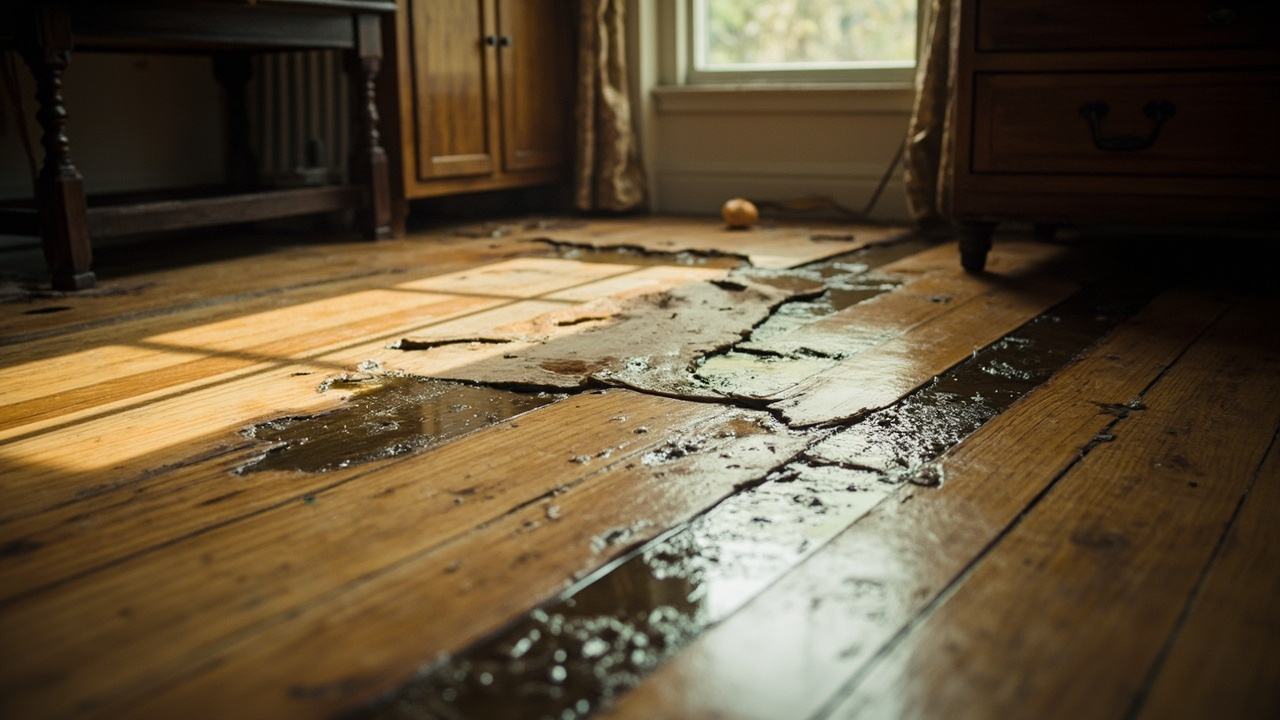
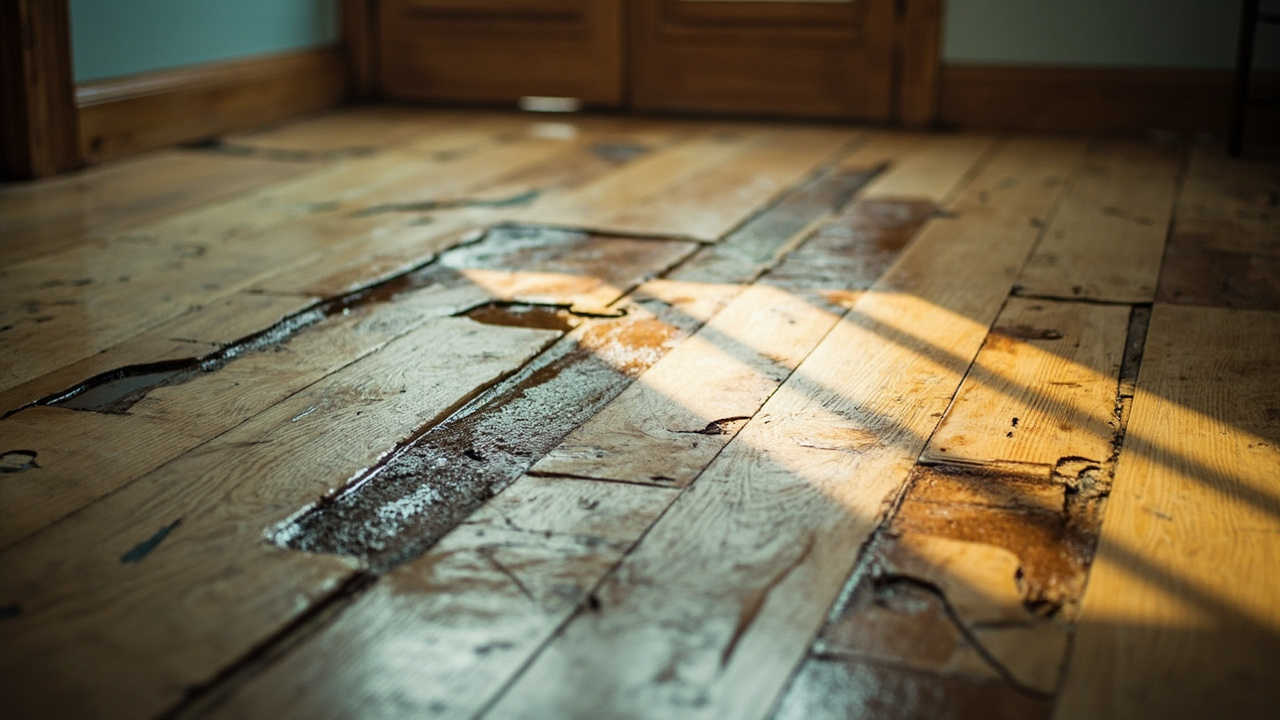
Most homeowners notice hardwood floor cupping within 24 to 48 hours. The boards swell at the edges, creating ridges between planks. If you wait longer, you get crowning, where the center of each board rises higher than the edges. Both conditions signal moisture saturation that threatens the structural integrity of your flooring system.

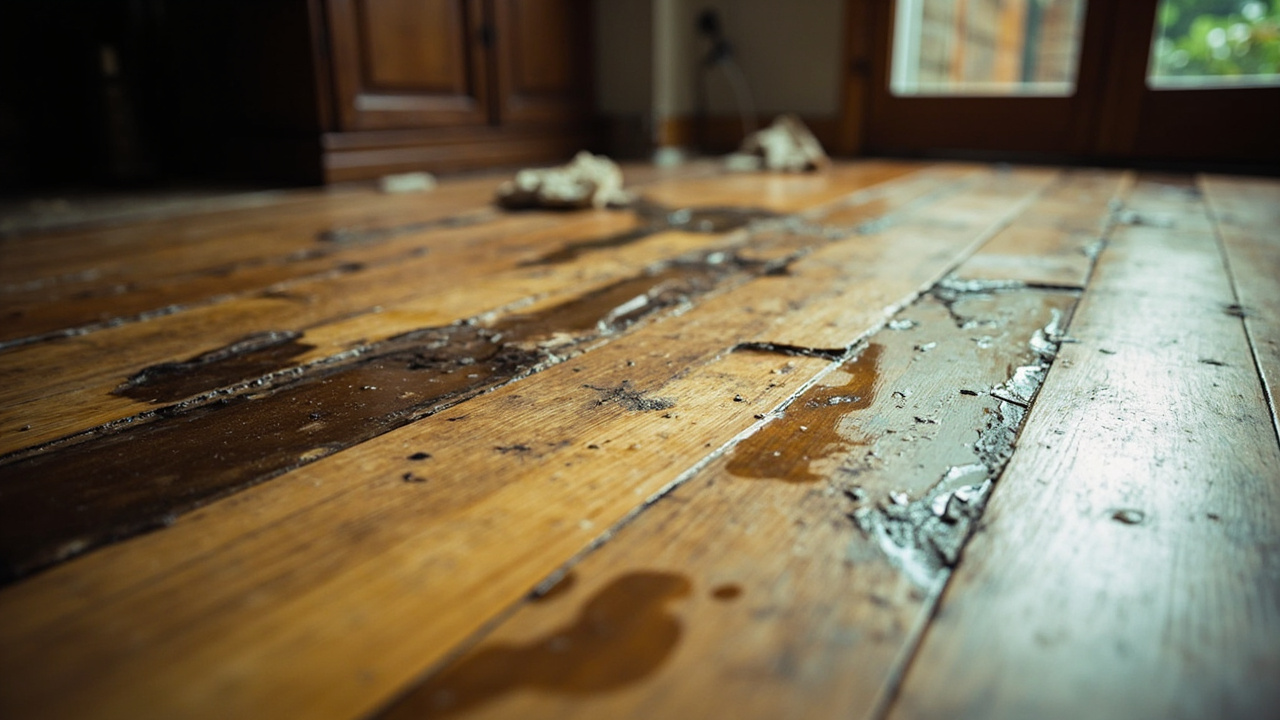
Wet hardwood flooring in Orlando faces another challenge. The constant moisture in our air feeds mold growth beneath the surface. You cannot see it at first. By the time you smell that musty odor, colonies have established in the subfloor and between joists.

The clay-based soils around Lake Eola and Baldwin Park shift with seasonal rain cycles. Foundation movement creates microcracks in slab homes. Water finds those cracks during afternoon thunderstorms. Your hardwood absorbs that water from below, even when the surface stays dry.

Colonial Town and Thornton Park feature older homes with pier and beam foundations. Crawl spaces trap moisture. That vapor migrates upward through subflooring directly into your hardwood. The wood grain swells perpendicular to the plank direction, causing the distinctive cupping pattern.

Wood floor water damage repair requires aggressive drying before the fibers separate. Once delamination begins, sanding cannot fix it. You face total replacement. Speed matters because Orlando's humidity works against you every hour.

Why Orlando's Climate Makes Hardwood Floor Water Damage So Destructive
How We Stop Hardwood Floor Water Damage Before It Becomes Permanent

How We Stop Hardwood Floor Water Damage Before It Becomes Permanent

We do not use box fans and hope for the best. Drying hardwood floors demands controlled dehumidification and precise airflow management. Our approach targets moisture at the cellular level of the wood fiber.

First, we measure moisture content with penetrating pin meters and non-invasive scanners. Hardwood should read between 6% and 9% moisture content in Orlando's climate. Water damaged wood floors often spike to 18% or higher. We map the entire affected area to identify saturation boundaries.

Next, we extract standing water with truck-mounted pumps if pooling exists. Surface water is the easy part. The real problem hides in the tongue and groove joints where capillary action pulls water horizontally between boards.

We deploy low-grain refrigerant dehumidifiers that pull moisture from the air faster than it can reabsorb into your flooring. Air movers create laminar airflow across the floor surface. This is not random fan placement. We calculate air changes per hour based on room volume and saturation levels.

Temperature control matters. We raise ambient temperature to 75-80 degrees. Warmer air holds more moisture. As we extract that moisture with dehumidifiers, the wood releases trapped water faster. This controlled evaporation prevents the shock that causes checking and cracking.

For severe saturation, we use injectidry systems. These create negative pressure chambers beneath the flooring surface. We pull moisture down and out through the subfloor rather than forcing it up through the finish. This method rescues floors other companies would tear out.

Reliance Water Damage Restoration Orlando monitors moisture levels every 12 hours. We adjust equipment based on progress. Most wet hardwood flooring reaches safe moisture content within 3 to 5 days with proper management.

What Happens During Professional Hardwood Floor Drying

Hardwood Floor Water Damage in Orlando – Expert Restoration That Saves Your Floors From Permanent Loss
01

Moisture Mapping and Assessment

We document baseline moisture readings across your entire hardwood floor using calibrated hygrometers and moisture meters. This includes checking subflooring, baseboards, and wall cavities within two feet of the affected area. The data determines equipment type, placement density, and projected drying time. We photograph cupping severity and grain separation to track restoration progress and provide documentation for insurance claims if needed.
02

Controlled Environment Creation

We seal the affected space and establish optimal drying conditions using commercial dehumidifiers and air movers positioned based on psychrometric calculations. Temperature and humidity levels are controlled to maximize evaporation rates without thermal shock to the wood. For subflooring moisture, we drill small access points and use mat systems or injectidry equipment to create targeted extraction zones beneath the surface layer where moisture hides.
03

Monitoring and Equilibrium

We take moisture readings twice daily until your hardwood reaches equilibrium moisture content appropriate for Orlando's climate. This usually means 7% to 9% moisture content. Equipment stays in place until three consecutive readings show stable levels. Once dry, we evaluate whether cupping will self-correct or if professional sanding is necessary. Minor cupping often flattens naturally within two to three weeks after complete drying.

Why Orlando Homeowners Choose Reliance for Wood Floor Water Damage Repair

Orlando's housing stock presents unique restoration challenges that out-of-state restoration franchises do not understand. We know the construction methods used in Windermere's executive homes differ from the concrete slab construction common in Avalon Park. That knowledge changes our approach.

Homes built in the 1970s and 1980s around Conway and Azalea Park often have oak strip flooring over plywood subfloors. These installations are more forgiving during water events because the plywood acts as a buffer. We can often save these floors with aggressive drying and minimal board replacement.

Newer construction in Lake Nona and Laureate Park features engineered hardwood over concrete slabs with thin foam underlayment. These installations are less forgiving. Water trapped between the engineered veneer and the foam creates delamination within 48 hours. We use specialized drying mats that extract moisture through the surface rather than relying on perimeter drying alone.

We understand Florida building codes and the insurance claim process. Most water damage claims in Orlando involve roof leaks during summer storms or air handler overflow pans. We document everything with thermal imaging and moisture readings that satisfy adjuster requirements. You get the evidence you need to support your claim.

Reliance Water Damage Restoration Orlando carries the equipment inventory to handle whole-house flooding or a single room. We do not subcontract the work. Our technicians have restored hardwood floors in every Orlando neighborhood from College Park to Moss Park.

We also know when floors cannot be saved. Some companies will run equipment for weeks and bill you for false hope. If the damage is too severe, we tell you immediately. Honesty protects your timeline and your budget. We provide written recommendations based on measurable data, not guesswork.

What You Should Expect During Hardwood Floor Water Damage Restoration

Response Time and Availability

We answer emergency calls 24 hours a day because water does not wait for business hours. Most Orlando calls come after afternoon thunderstorms or overnight plumbing failures. Our dispatch goal is on-site arrival within 90 minutes for emergency water damage. Equipment setup begins immediately after assessment. The faster we start drying, the better your outcome. We do not schedule you three days out while your floors buckle. For non-emergency situations like discovered slow leaks, we can schedule within the same business day. You get a two-hour arrival window, and we call 30 minutes before we arrive.

Initial Inspection and Moisture Assessment

Your initial assessment takes 45 to 90 minutes depending on the size of the affected area. We check moisture levels in flooring, subflooring, walls, and any adjacent spaces. You receive a written scope of work that outlines equipment needs, estimated drying time, and what you can expect. We explain the moisture readings in plain language so you understand the severity. If insurance is involved, we coordinate directly with your adjuster and provide all necessary documentation. You are not required to get three bids or wait for approval to start emergency mitigation. Florida law protects your right to immediate action.

Final Results and Floor Condition

After drying is complete, we provide a final moisture report showing your floors have reached safe levels. Minor cupping may still be visible, but it often self-corrects as the wood fully stabilizes over the following two to four weeks. If cupping remains after 30 days, professional sanding can level the surface. Severe cases may require selective board replacement before sanding. We refer trusted flooring contractors who specialize in matching existing finishes if repairs are needed. Our job is to save as much original material as possible and return your hardwood to a moisture content that prevents mold growth and structural failure.

Post-Restoration Monitoring and Prevention

We provide written recommendations to prevent future water damage based on what caused your current problem. This might include gutter maintenance, air handler drip pan replacement, or sealing foundation cracks. We do not sell those services, so our advice is not a sales pitch. For clients who want ongoing monitoring, we offer moisture meter readings at six-month intervals to catch problems before visible damage occurs. This is especially valuable for homes with crawl spaces or known foundation issues. You also receive our emergency contact information for future questions. Many clients call us years later when they notice something concerning.

Frequently Asked Questions

You Have Questions,
We Have Answers

Will a swollen wood floor go back to normal? +

Sometimes, but do not wait. Minor swelling may reverse if you dry the floor quickly within 24 hours. Orlando's high humidity makes this harder. If moisture sits for days, the wood absorbs water, expands permanently, and cupping or crowning develops. You need professional drying equipment to pull moisture from the subfloor and planks. Air movers and dehumidifiers restore proper moisture balance. If the floor stays swollen after drying, you need board replacement or sanding and refinishing. Quick action saves your floor. Delay causes permanent buckling and mold growth underneath.

What happens if hardwood flooring gets wet? +

Water invades the wood grain, causing immediate swelling and expansion. In Orlando's humid climate, this happens fast. Planks push against each other, creating cupping, crowning, or buckling. Trapped moisture under the flooring breeds mold and rots the subfloor. Stains, warping, and discoloration appear within hours. If water sits longer than 24 hours, permanent damage occurs. You need extraction, drying, and moisture monitoring to prevent structural failure. Untreated water damage voids most flooring warranties and leads to expensive replacement. Speed matters. The faster you dry the floor, the more you save.

How to flatten a wood floor after water damage? +

You cannot flatten water-damaged wood by weighing it down or sanding alone. First, extract all standing water and dry the subfloor completely using commercial dehumidifiers and air movers. Monitor moisture content with meters until readings drop below 12 percent. Once dry, assess the damage. Minor cupping may flatten after acclimation. Severe warping requires sanding the high spots or replacing boards. Orlando's humidity complicates drying, so you need professional equipment. Trying DIY methods wastes time and risks mold growth. Proper drying comes first, then repair or refinishing.

Will insurance pay for water damage to a wood floor? +

It depends on your policy and the cause. Most homeowners insurance covers sudden, accidental water damage like burst pipes, appliance failures, or roof leaks. Gradual damage from neglect, humidity, or long-term leaks gets denied. In Orlando, storm-related water damage may fall under your hurricane deductible or require separate flood insurance. You need documentation and fast mitigation to avoid claim disputes. Insurance pays for drying, repairs, and sometimes replacement if the floor is unsalvageable. Get a professional assessment quickly. Delays give insurers reason to deny coverage for secondary damage like mold.

How to fix hardwood floor after water damage? +

Start by extracting all water immediately. Use commercial drying equipment to pull moisture from planks and the subfloor. Monitor moisture levels daily until readings stabilize below 12 percent. Remove damaged boards if warping or staining is severe. Sand and refinish minor cupping once the wood dries completely. Replace the subfloor if rot or mold exists. Orlando's humidity slows drying, so you need dehumidifiers running continuously. Do not rush refinishing. Wet wood keeps expanding, ruining your repair. Professional restoration prevents mistakes and ensures moisture is gone before you rebuild.

How to unswell a wooden floor? +

You cannot unswell wood by force. You must remove the moisture causing expansion. Extract standing water, then run industrial dehumidifiers and air movers to dry the planks and subfloor. Monitor moisture content with a meter. Orlando's humidity keeps wood swollen longer, so drying takes days, not hours. Once moisture drops below 12 percent, boards may contract back to normal if damage is minor. Severe swelling means the wood is permanently deformed. You need board replacement or sanding to level the surface. Quick drying is your only chance to reverse swelling.

How Orlando's Humidity and Summer Storms Create Year-Round Hardwood Floor Risks

Orlando receives 53 inches of rainfall annually, with 60% falling between June and September. Those daily afternoon thunderstorms dump water faster than gutters and downspouts can handle. The overflow saturates soil next to your foundation. Water wicks up through concrete slabs or migrates into crawl spaces. Your hardwood floors absorb that moisture from below even when no visible water enters your home. The combination of clay soil that holds water and humidity levels above 70% creates constant moisture stress on wood flooring. This is why hardwood floor cupping and crowning are so common in neighborhoods near Lake Underhill and Conway Lakes. The water table sits higher, and seasonal flooding raises moisture levels in the ground beneath your foundation for weeks after storms pass.

Florida building codes require vapor barriers on concrete slabs installed after 2002, but thousands of Orlando homes predate that requirement. If your home was built in College Park, Delaney Park, or Lake Cherokee before the code change, you likely have no moisture protection between your slab and your hardwood. Local restoration contractors who understand this can assess your specific risk and recommend solutions. Reliance Water Damage Restoration Orlando has worked in every historic district and modern development across Orange County. We know which areas flood during tropical storms and which neighborhoods have chronic air conditioning condensation problems that create slow leaks. That local knowledge means we diagnose the true source of your water damage instead of just drying the surface.
Water Damage Restoration Services in The Orlanado Area

Looking for fast and reliable water damage restoration in your area? Reliance Water Damage Restoration Orlando proudly serves homes and businesses throughout Orlando and surrounding communities. Whether you're dealing with flood damage, burst pipes, or mold issues, our expert team is ready to respond 24/7. We use industry-leading equipment to extract water, dry structures, and restore your property to pre-loss condition. Check the map below to see if we service your neighborhood, or call now for immediate help.

Address:
Reliance Water Damage Restoration Orlando, 7380 W Sand Lake Rd Suite 500, Orlando, FL, 32819

Additional Services We Offer

Our news updates

Latest Articles & News from The Blogs

Lorem ipsum dolor sit amet. Aut expedita quaerat quo eligendi numquam et laudantium perspiciatis qui minima expedita rem consequatur ducimus.…

Test Blog 4

Lorem ipsum dolor sit amet. Aut expedita quaerat quo eligendi numquam et laudantium perspiciatis qui minima expedita rem consequatur ducimus.…

Test Blog 3

Lorem ipsum dolor sit amet. Aut expedita quaerat quo eligendi numquam et laudantium perspiciatis qui minima expedita rem consequatur ducimus.…

Test Blog 2

Lorem ipsum dolor sit amet. Aut expedita quaerat quo eligendi numquam et laudantium perspiciatis qui minima expedita rem consequatur ducimus.…

Contact Us

Every hour counts when your hardwood floors are wet. Call Reliance Water Damage Restoration Orlando now at (689) 268-2233 for immediate response. We are available 24 hours a day to stop the damage and start the restoration process that saves your floors.