

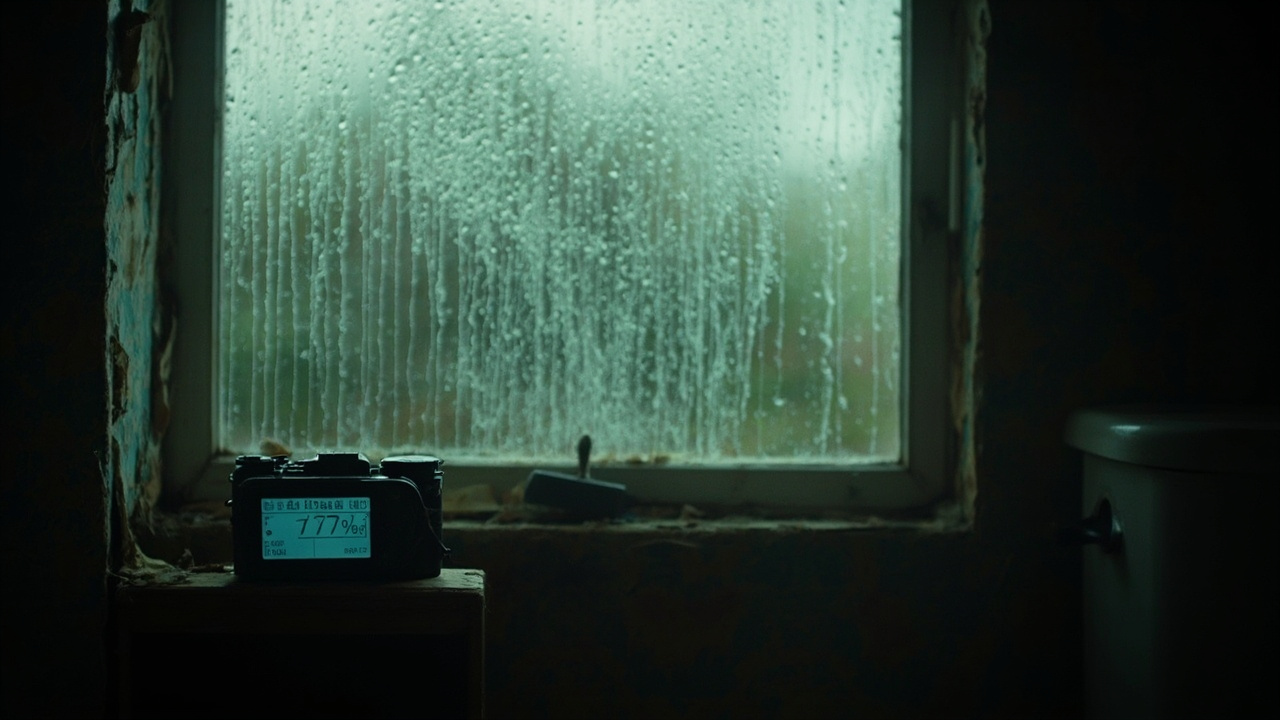
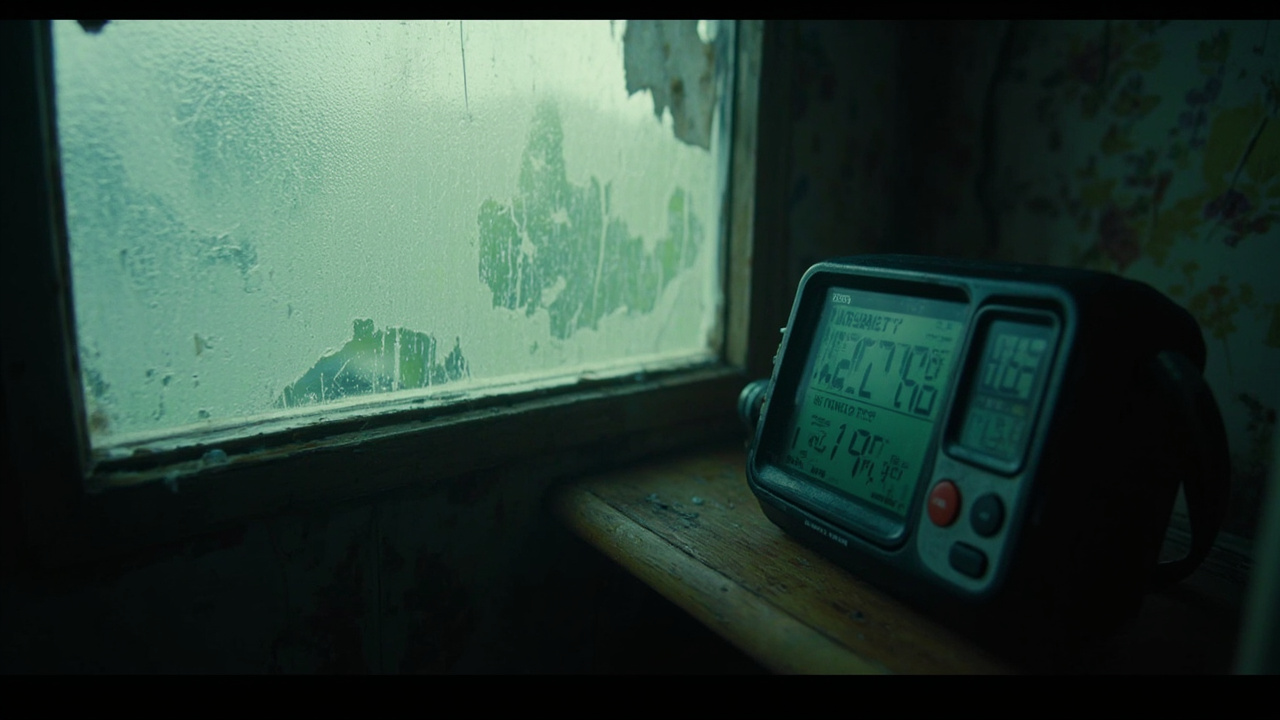
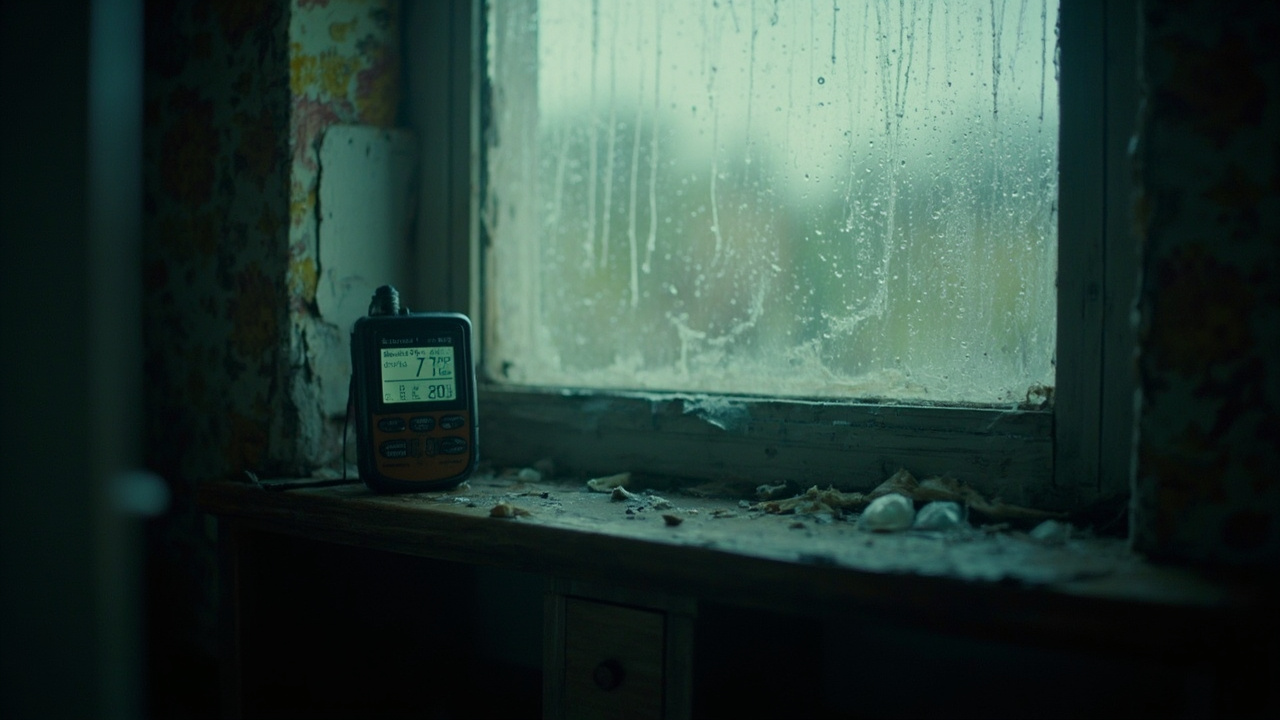
Orlando experiences relative humidity levels above 70 percent for much of the year, with peak moisture conditions from June through September when afternoon thunderstorms deliver heavy rainfall and outdoor dew points regularly exceed 70 degrees. This creates relentless moisture pressure on building envelopes. Homes in low-lying areas near Lake Apopka, Lake Tohopekaliga, or the Butler Chain of Lakes face additional challenges from ground moisture and seasonal flooding. When outdoor air infiltrates through leaky duct systems, gaps around windows and doors, or inadequate attic ventilation, indoor moisture problems become chronic rather than episodic. Managing high relative humidity indoors requires understanding these local climate patterns and implementing moisture control strategies designed for sustained high humidity exposure.
Central Florida's construction practices also contribute to indoor moisture problems. Many homes built before 2000 lack proper vapor barriers under slab foundations, allowing ground moisture to wick into living spaces. Homes with vented crawl spaces in areas like Baldwin Park or Avalon Park pull in humid outdoor air that condenses on cooler surfaces. HVAC systems often run undersized for latent heat loads, prioritizing sensible cooling over dehumidification. Local building codes have evolved to address these issues, but older properties require retrofits to achieve proper moisture control. Reliance Water Damage Restoration Orlando understands these regional construction patterns and knows how to adapt drying and dehumidification strategies to Orlando's unique building stock and climate conditions.