How to Clean and Sanitize Your Belongings After a Sewage Backup
Discovering sewage backing up into your Orlando home can feel overwhelming. The contaminated water contains dangerous pathogens that threaten your health and damage your belongings. Knowing what to do next matters for your safety and your property. The Best Way to Handle Sewage Backup Cleanup in College Park.
Understanding the Danger: What Makes Sewage Water So Hazardous
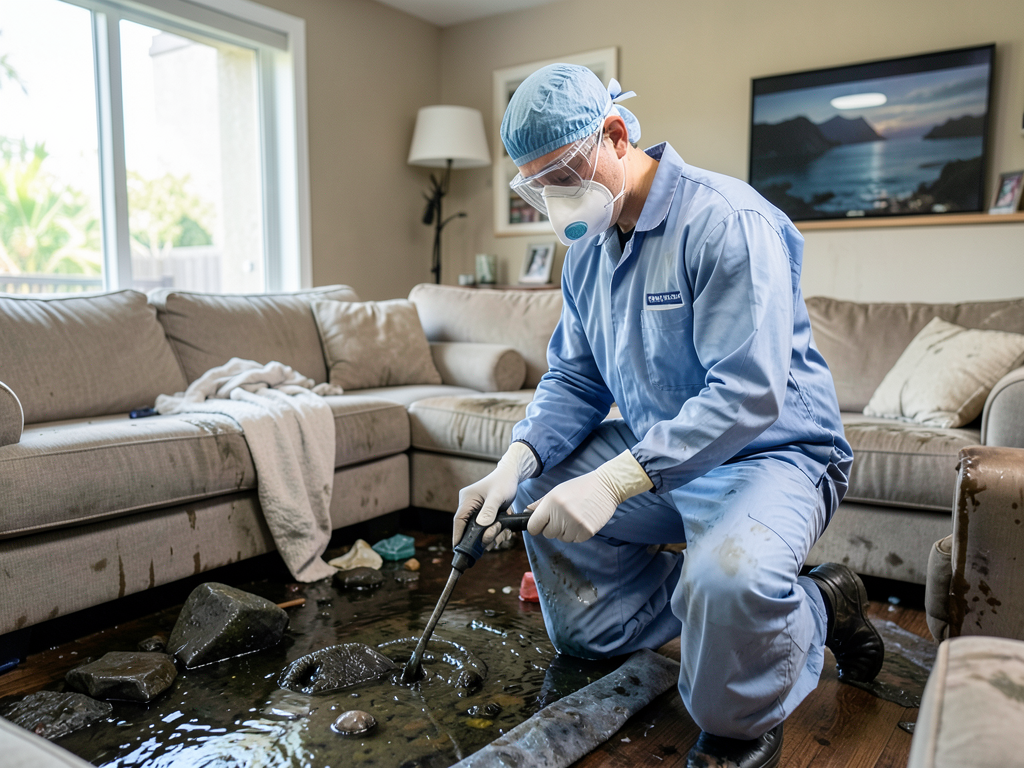
Category 3 water, commonly called black water, contains harmful bacteria, viruses, and parasites. Sewage backups introduce pathogens like E. coli, Salmonella, Hepatitis A, and various parasitic organisms into your living space. These microorganisms survive on surfaces and in materials long after the water recedes. EPA emergency disinfection guidelines.
The Orlando area’s high humidity accelerates microbial growth. When sewage water combines with our subtropical climate, bacteria multiply rapidly. Temperatures above 70°F create ideal conditions for pathogens to thrive on contaminated items. Emergency Water Damage Restoration for Windermere Homeowners.
Beyond biological hazards, sewage water carries toxic chemicals, heavy metals, and other contaminants. Items exposed to this mixture require thorough evaluation before deciding whether to clean or discard them. Water Bug & Pest Infestations.
Immediate Safety Steps Before Touching Anything
Protecting yourself comes first. Sewage water exposure causes serious illness through skin contact, inhalation, or accidental ingestion. Never enter a flooded area without proper protection.
Required personal protective equipment includes:
- N95 respirator mask to prevent inhaling airborne pathogens
- Nitrile gloves that resist chemical penetration
- Eye protection with side shields
- Rubber boots or waterproof footwear
- Disposable coveralls or old clothing you can discard
Turn off electricity to affected areas before entering. Sewage water conducts electricity and creates electrocution hazards. Open windows for ventilation but avoid using fans that might spread contaminants through air movement.
Document everything before cleaning begins. Take photos and videos of all affected items for insurance purposes. Your homeowner’s policy may cover sewage backup damage, but documentation speeds the claims process.
The Three-Category Rule: What Can Be Saved?
Items fall into three categories based on material properties and contamination level. This classification determines whether cleaning succeeds or disposal becomes necessary.
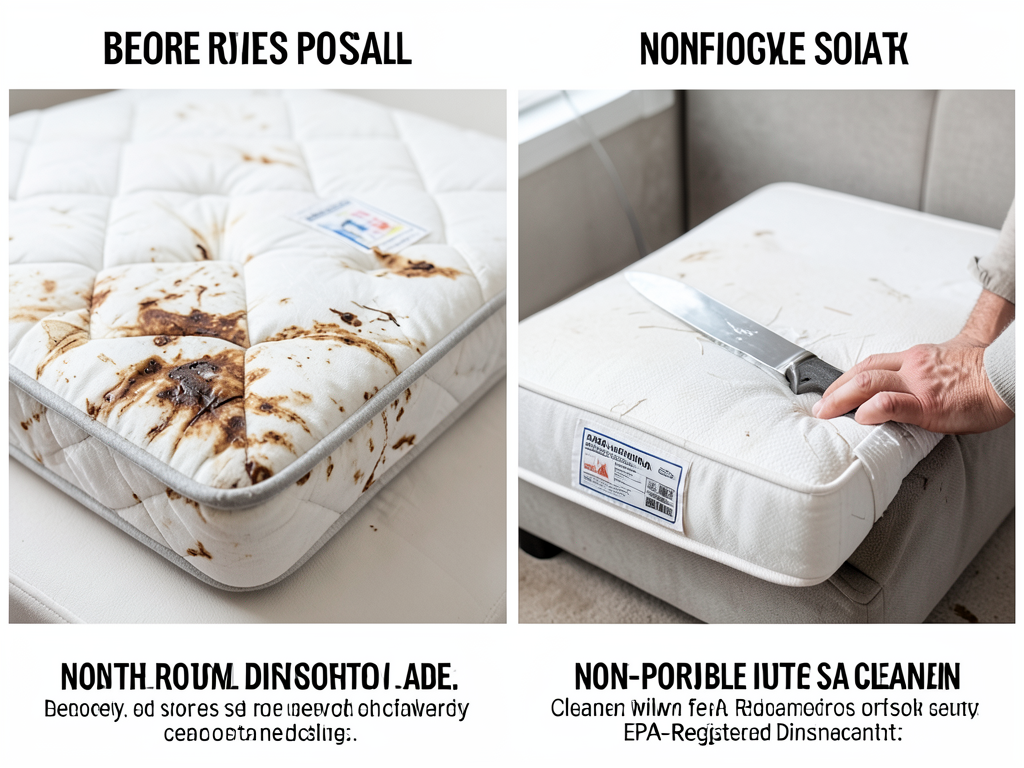
Porous materials absorb water and contaminants deeply. These items typically require disposal:
- Upholstered furniture and mattresses
- Textiles including clothing, curtains, and linens
- Books, papers, and cardboard
- Wood items with unfinished surfaces
- Stuffed animals and toys with fabric exteriors
Semi-porous materials present case-by-case decisions. Their salvageability depends on exposure duration, contamination level, and material value:
- Leather goods and shoes
- Certain electronics with sealed components
- Area rugs with synthetic backing
- Hardwood furniture with sealed finishes
Non-porous materials withstand thorough cleaning and disinfection:
- Plastic, metal, and glass items
- Sealed ceramic and porcelain
- Concrete and sealed masonry
- Certain electronic components
Step-by-Step Disinfection Process for Salvageable Items
Proper cleaning requires specific procedures for different material types. Using incorrect methods leaves harmful pathogens behind.
Non-porous items follow this protocol:
- Remove visible contamination with disposable rags
- Wash with hot water and detergent
- Rinse thoroughly with clean water
- Apply EPA-registered disinfectant and maintain wet contact time
- Allow complete air drying in well-ventilated area
Electronics need specialized handling. Power must remain off during cleaning. Use alcohol-based cleaners that evaporate quickly. Consider professional ultrasonic cleaning for circuit boards and internal components. Professional Mold Removal and Remediation Services in Lake Nona.
Documents and photos require freeze-drying through sublimation. This process prevents ink running and paper deterioration while eliminating pathogens. Professional document restoration services use specialized equipment for this purpose.
Hard surfaces need scrubbing with appropriate brushes. Pay attention to crevices and joints where contaminants hide. Multiple cleaning cycles often prove necessary for complete decontamination.
Orlando’s Climate Factor: The 24-Hour Mold Window
Central Florida’s humidity creates unique challenges after sewage backups. Mold begins growing within 24-48 hours in our warm, moist environment. This accelerated timeline means immediate action becomes critical.
Winter Park and College Park homes built in the 1950s-1970s often contain materials particularly vulnerable to mold growth. Original plaster walls and hardwood flooring absorb moisture readily. These historic neighborhoods require extra vigilance during cleanup. Hardwood Floor Water Damage Restoration in Winter Garden.
Modern homes in areas like Lake Nona face different challenges. Energy-efficient construction creates tighter envelopes that trap moisture. Without proper dehumidification, cleaned items may develop mold despite thorough initial cleaning.
Monitor humidity levels during the drying process. Keep indoor relative humidity below 50% using dehumidifiers. This prevents secondary mold growth on items that survived initial contamination.
When Professional Help Becomes Necessary
Certain situations demand professional biohazard remediation services. Attempting cleanup without proper equipment and training creates health risks.
Call professionals when:
- Contamination affects multiple rooms or entire levels
- Standing water exceeds one inch in depth
- Valuable items require specialized restoration
- Anyone in the household has compromised immunity
- Odors persist after initial cleaning attempts
Professional teams use industrial-grade equipment including:
- HEPA filtration systems that capture microscopic particles
- Hydroxyl generators that neutralize odors at molecular level
- Ultrasonic cleaning tanks for intricate items
- Moisture detection equipment to find hidden contamination
Insurance companies often prefer professional cleanup because it provides documentation of proper procedures. This documentation supports claims and demonstrates due diligence in protecting the property.
Orange County Biohazard Disposal Guidelines
Proper disposal of contaminated materials follows Orange County regulations. These rules protect public health and prevent environmental contamination.
Double-bag all contaminated items in heavy-duty plastic bags. Seal bags completely with duct tape. Label bags clearly as containing biohazardous waste. Never mix contaminated items with regular household trash.
Orange County Landfill accepts certain types of contaminated materials. Call (407) 836-6600 before transporting items to confirm acceptance policies. Some materials require special handling or designated disposal facilities.
Electronics containing hazardous components need separate disposal. Many retailers offer recycling programs for items like computers, phones, and batteries. Check with local electronics stores about their recycling policies.
Never burn contaminated materials. This releases toxic chemicals and pathogens into the air. Professional disposal ensures safe handling of hazardous waste.
Insurance Coverage for Sewage Backup in Florida
Standard homeowner’s insurance policies often exclude sewage backup damage. You need separate sewage backup coverage, typically added as an endorsement to your policy.
Coverage limits usually range from $5,000 to $25,000. Higher limits cost more but provide better protection for extensive damage. Consider your home’s value and contents when selecting coverage amounts.
Document everything thoroughly for insurance claims. Keep receipts for cleaning supplies, equipment rentals, and professional services. Take time-stamped photos showing damage progression and cleanup efforts.
Many policies require you to mitigate further damage. This means beginning cleanup promptly to prevent additional losses. Delayed action might reduce your coverage or lead to claim denial.
Prevention Strategies for Future Protection
Preventing sewage backups saves money and protects your belongings. Several strategies reduce backup risks in Orlando homes.
Install backwater valves on main sewer lines. These devices allow sewage to flow out but prevent it from backing up into your home. Professional installation costs $1,000-$2,500 but provides significant protection.
Maintain your plumbing system regularly. Remove tree roots that invade sewer lines. Replace old cast iron pipes that corrode and collapse. Schedule professional camera inspections every few years to identify potential problems.
Consider a sump pump with battery backup. Orlando’s afternoon thunderstorms can overwhelm drainage systems. A backup power source keeps pumps running during outages when you need them most.
Grade your property to direct water away from your foundation. Poor drainage increases pressure on sewer lines and septic systems. Proper grading costs less than repairing damage from backups.
Salvageability Chart: Quick Reference Guide
| Item Type | Material | Recommended Action | Orlando Climate Consideration |
|---|---|---|---|
| Mattress | Porous fabric/foam | Discard | High humidity accelerates mold growth in foam |
| Wood furniture | Semi-porous | Case-by-case | Sealed pieces may survive; unsealed absorb contaminants |
| Electronics | Non-porous with circuits | Professional cleaning | Humidity affects drying time; corrosion risk |
| Documents | Porous paper | Freeze-dry professionally | 24-hour mold window critical for paper |
| Metal tools | Non-porous | Clean and disinfect | Dry completely to prevent rust in humid air |
| Clothing | Porous fabric | Discard if heavily contaminated | Washable items may survive hot water cleaning |
Frequently Asked Questions
How long does sewage contamination remain dangerous on surfaces?
Pathogens in sewage water can survive on surfaces for days to weeks depending on temperature, humidity, and material type. Non-porous surfaces may remain contaminated until properly disinfected. Porous materials often cannot be adequately cleaned and should be discarded.
Can I clean sewage-contaminated items myself or should I always call professionals?
Small contamination of non-porous items may be manageable with proper PPE and EPA-registered disinfectants. However, extensive contamination, porous materials, or valuable items require professional remediation to ensure complete decontamination and prevent health risks.
What health symptoms should I watch for after sewage exposure?
Watch for gastrointestinal symptoms like nausea, vomiting, or diarrhea. Skin rashes, eye irritation, and respiratory issues may also occur. Seek medical attention if symptoms develop, especially for individuals with compromised immune systems or existing health conditions.. Read more about Keeping Your Medical Practice Sterile After a Water Leak in Lake Mary.
How does Orlando’s humidity affect sewage cleanup compared to drier climates?
Orlando’s high humidity accelerates mold growth, creating a critical 24-48 hour window for effective cleanup. Items that might survive in dry climates often develop mold here before proper cleaning completes. Dehumidification becomes essential during the restoration process.
Will my homeowner’s insurance cover sewage backup damage?
Standard policies typically exclude sewage backup. You need a separate endorsement for coverage. Document damage thoroughly and begin mitigation promptly, as delayed action may reduce coverage or lead to claim denial.
Take Action Now to Protect Your Health and Property
Handling sewage backup requires immediate attention and proper procedures. Every hour of delay increases contamination risks and reduces salvage chances for your belongings. The combination of dangerous pathogens and Orlando’s humid climate creates an urgent situation demanding quick, informed action.
Start by protecting yourself with proper PPE before entering affected areas. Document everything thoroughly for insurance purposes. Follow the three-category rule to determine what can be saved and what must be discarded. Use appropriate cleaning methods for salvageable items, paying special attention to Orlando’s accelerated mold growth timeline.
When contamination extends beyond small areas or involves valuable items, professional help becomes essential. The cost of professional remediation often proves less expensive than replacing contaminated belongings or treating illnesses caused by improper cleanup.
Don’t let sewage backup damage your health or destroy your possessions. For immediate assistance with sewage backup cleanup in Orlando, call Reliance Water Damage Restoration at (689) 268-2233. Our certified technicians provide 24/7 emergency response and use industrial-grade equipment to safely restore your property and belongings.. Read more about Which of Your Possessions Can Actually Be Saved After a Sewage Backup in College Park?.
Your family’s health and your home’s safety matter. Take action today to address sewage backup properly and prevent future incidents through preventive measures and appropriate insurance coverage. For more information, visit CDC water emergency guidance.
{
“@context”: “https://schema.org”,
“@type”: “BlogPosting”,
“headline”: “How to Clean and Sanitize Your Belongings After a Sewage Backup”,
“description”: “Learn the essential steps to safely clean and sanitize your belongings after a sewage backup in Orlando. Discover what to save, what to toss, and when to call professionals.”,
“wordCount”: 1756,
“datePublished”: “2026-04-21T12:42:00.000Z”,
“dateModified”: “2026-04-21T12:42:00.000Z”,
“inLanguage”: “en-US”,
“mainEntityOfPage”: {
“@type”: “WebPage”,
“@id”: “https://reliancewaterdamagerestorationorlando.com”
},
“publisher”: {
“@type”: “LocalBusiness”,
“name”: “Reliance Water Damage Restoration Orlando”,
“url”: “https://reliancewaterdamagerestorationorlando.com”
},
“author”: {
“@type”: “Organization”,
“name”: “Reliance Water Damage Restoration Orlando”,
“url”: “https://reliancewaterdamagerestorationorlando.com”
},
“image”: {
“@type”: “ImageObject”,
“url”: “https://reliancewaterdamagerestorationorlando.com/wp-content/uploads/2026/03/how-to-clean-and-sanitize-your-belongings-after-a-1.png”
}
}
{
“@context”: “https://schema.org”,
“@type”: “LocalBusiness”,
“name”: “Reliance Water Damage Restoration Orlando”,
“url”: “https://reliancewaterdamagerestorationorlando.com”,
“address”: {
“@type”: “PostalAddress”,
“addressLocality”: “Orlando”
},
“areaServed”: {
“@type”: “City”,
“name”: “Orlando”
}
}
{
“@context”: “https://schema.org”,
“@type”: “FAQPage”,
“mainEntity”: [
{
“@type”: “Question”,
“name”: “The Three-Category Rule: What Can Be Saved?”,
“acceptedAnswer”: {
“@type”: “Answer”,
“text”: “Items fall into three categories based on material properties and contamination level. This classification determines whether cleaning succeeds or disposal becomes necessary.”
}
},
{
“@type”: “Question”,
“name”: “How long does sewage contamination remain dangerous on surfaces?”,
“acceptedAnswer”: {
“@type”: “Answer”,
“text”: “Pathogens in sewage water can survive on surfaces for days to weeks depending on temperature, humidity, and material type. Non-porous surfaces may remain contaminated until properly disinfected. Porous materials often cannot be adequately cleaned and should be discarded.”
}
},
{
“@type”: “Question”,
“name”: “Can I clean sewage-contaminated items myself or should I always call professionals?”,
“acceptedAnswer”: {
“@type”: “Answer”,
“text”: “Small contamination of non-porous items may be manageable with proper PPE and EPA-registered disinfectants. However, extensive contamination, porous materials, or valuable items require professional remediation to ensure complete decontamination and prevent health risks.”
}
},
{
“@type”: “Question”,
“name”: “What health symptoms should I watch for after sewage exposure?”,
“acceptedAnswer”: {
“@type”: “Answer”,
“text”: “Watch for gastrointestinal symptoms like nausea, vomiting, or diarrhea. Skin rashes, eye irritation, and respiratory issues may also occur. Seek medical attention if symptoms develop, especially for individuals with compromised immune systems or existing health conditions.”
}
},
{
“@type”: “Question”,
“name”: “How does Orlando’s humidity affect sewage cleanup compared to drier climates?”,
“acceptedAnswer”: {
“@type”: “Answer”,
“text”: “Orlando’s high humidity accelerates mold growth, creating a critical 24-48 hour window for effective cleanup. Items that might survive in dry climates often develop mold here before proper cleaning completes. Dehumidification becomes essential during the restoration process.”
}
},
{
“@type”: “Question”,
“name”: “Will my homeowner’s insurance cover sewage backup damage?”,
“acceptedAnswer”: {
“@type”: “Answer”,
“text”: “Standard policies typically exclude sewage backup. You need a separate endorsement for coverage. Document damage thoroughly and begin mitigation promptly, as delayed action may reduce coverage or lead to claim denial.”
}
}
]
}
{
“@context”: “https://schema.org”,
“@type”: “BreadcrumbList”,
“itemListElement”: [
{
“@type”: “ListItem”,
“position”: 1,
“name”: “Home”,
“item”: “https://reliancewaterdamagerestorationorlando.com”
},
{
“@type”: “ListItem”,
“position”: 2,
“name”: “Blog”,
“item”: “https://reliancewaterdamagerestorationorlando.com/blog”
},
{
“@type”: “ListItem”,
“position”: 3,
“name”: “How to Clean and Sanitize Your Belongings After a Sewage Backup”
}
]
}
{
“@context”: “https://schema.org”,
“@type”: “Service”,
“serviceType”: “Water Damage Restoration”,
“provider”: {
“@type”: “LocalBusiness”,
“name”: “Reliance Water Damage Restoration Orlando”,
“url”: “https://reliancewaterdamagerestorationorlando.com”
},
“areaServed”: {
“@type”: “City”,
“name”: “Orlando”
},
“description”: “Learn the essential steps to safely clean and sanitize your belongings after a sewage backup in Orlando. Discover what to save, what to toss, and when to call professionals.”
}