How to Properly Document Water Damage for Your Insurance Adjuster
Water damage strikes fast and recovery moves even faster. Within 24 hours, Orlando’s 74% humidity can turn clean water into a mold breeding ground. Your insurance claim’s success depends on what you document in those first critical hours. This guide walks you through exactly what to photograph, measure, and record before the adjuster arrives. Emergency Water Damage Restoration for Windermere Homeowners.
Safety First: Before You Document Anything
Turn off the main water supply if a pipe burst. Shut off electricity to affected areas at the breaker panel. Standing in water while handling electrical devices creates life-threatening hazards. Wear rubber boots and gloves when entering contaminated zones.. Read more about How Past Water Damage Might Impact the Resale Value of Your College Park Property.
Identify the water category. Clean water from a broken supply line requires different handling than sewage backup. Category 3 water contains pathogens and demands professional remediation. If you smell sewage or see black water, evacuate and call (689) 268-2233 immediately. Professional Mold Removal and Remediation Services in Lake Nona.
The Photo and Video Protocol
Start with wide-angle shots showing the entire affected area. Include walls, ceilings, and floors to establish the scope. Then capture close-ups of specific damage: bubbling paint, warped wood, or water lines on drywall. What to Do When Your Ceiling Starts Leaking in Baldwin Park.
Document the water source. Photograph the broken pipe, overflowing appliance, or roof leak that caused the damage. Include manufacturer labels when possible to establish age and model.. Read more about Dealing with Water Damage in Your Detached Guest House or Workshop in Winter Park.
Record standing water depth using a ruler or tape measure. Place the measuring tool in multiple locations to show variations. Time-stamp these photos to prove when the damage occurred.. Read more about Navigating Water Damage Responsibility in Multi-Story Condos Around Downtown Orlando.
Use your smartphone’s video function to walk through the space. Narrate what you’re seeing and pan slowly across damaged areas. Video captures details photos miss and shows the three-dimensional extent of damage.
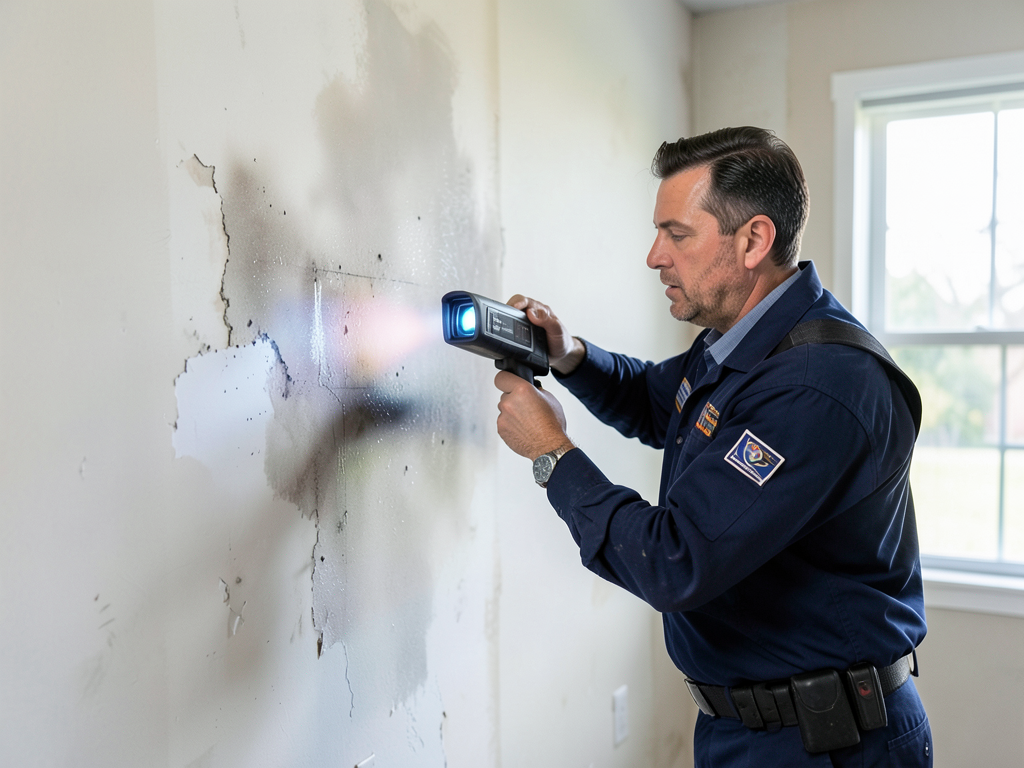
If you own a moisture meter or thermal camera, document readings. Point out cold spots behind walls where moisture hides. These objective measurements strengthen your claim by proving damage beyond visible surfaces.
Creating a Proof of Loss Inventory
Make a detailed list of every damaged item. Include brand names, model numbers, age, and original purchase price. For electronics, note the serial number if visible.. Read more about What Every Homeowner Should Expect During a Professional Water Damage Inspection in Longwood.
Photograph items individually before moving them. Place a ruler or coin next to smaller objects to show scale. Group similar items for efficiency but maintain separate entries in your inventory.. Read more about Managing a Large Scale Water Loss at Your Ivanhoe Village Boutique.
Use a digital spreadsheet to track everything. Include columns for item description, quantity, purchase date, estimated replacement cost, and condition. Save this file to cloud storage immediately.
For furniture and appliances, check inside drawers and compartments. Water often damages hidden areas first. Document musty odors or visible mold growth on fabrics and wood.
Separate items into categories: salvageable, unsalvageable, and questionable. This helps adjusters understand your mitigation efforts and replacement needs.. Read more about Public Adjusters vs Restoration Companies-Knowing Who to Call First in Orlando.
Mitigation vs. Repair: Understanding Your Duty
Florida law requires homeowners to mitigate further damage. This means taking reasonable steps to prevent the situation from worsening. However, you cannot make permanent repairs before the adjuster sees the damage. Florida Department of Financial Services.
Place aluminum foil under furniture legs to prevent staining wet carpets. Remove colored rugs from wet floors to avoid dye transfer. Set up fans to circulate air but don’t run them continuously if you suspect mold. Hardwood Floor Water Damage Restoration in Winter Garden.
Extract standing water using mops or wet vacuums if safe to do so. Document how much water you remove and where you dispose of it. Keep receipts for any equipment rentals.
Do not remove damaged drywall or flooring unless it poses a safety hazard. The adjuster needs to see the original extent of damage. Temporary measures like boarding up broken windows are acceptable.
Working with Orlando Professionals
Call an IICRC-certified water damage restorer within 24 hours. These professionals document damage using industry-standard protocols that insurance companies trust. They create moisture maps showing water migration patterns behind walls. IICRC (Institute of Inspection Cleaning and Restoration Certification).
Professional restorers use thermal imaging to detect hidden moisture in Orlando’s concrete block construction. This technology reveals water trapped in wall cavities that visual inspection misses. The resulting reports include temperature differentials and moisture content readings.
Ask your restorer to provide drying logs. These daily records track temperature, humidity, and moisture levels throughout the restoration process. They prove you followed proper procedures and achieved dry standards.
Restoration companies can also help with contents manipulation. They’ll move undamaged items to unaffected areas and document their condition. This prevents secondary damage from humidity exposure.
Data Points to Include in Your Documentation
Orlando’s climate affects how quickly damage progresses. Document the date and time you discovered the water. Note outdoor temperature and humidity if available. These factors influence mold growth rates.
Common pipe failures in Central Florida include:
| Pipe Type | Common Failure Cause | Typical Location |
|---|---|---|
| PEX | Chlorine degradation | Attic manifolds |
| CPVC | UV exposure | Garage plumbing |
| Copper | Pinhole leaks | Under slab |
Document any recent maintenance or repairs. Keep receipts for AC service, roof inspections, or plumbing work. These records prove you maintained the property properly.
Create a communication log with your insurance company. Record every call, email, and text. Note the representative’s name, date, time, and what was discussed. This prevents disputes about what was reported.. Read more about What to Ask Your Insurance Agent After a Flood in Parramore.
Before the Adjuster Arrives
Review your homeowner’s policy to understand your coverage. Know your deductible and any specific requirements for water damage claims. Some policies exclude certain types of water damage or have separate deductibles for hurricane-related incidents.
Prepare a damage summary document. Include your inventory, photos, and any professional reports. Organize everything chronologically so the adjuster can follow the sequence of events.
Keep damaged materials in place until the adjuster sees them. This includes wet carpet, drywall, and insulation. Only remove items that pose immediate health risks or prevent access to other areas.
Be present during the adjuster’s inspection. Walk them through the damage and explain what happened. Point out areas where water traveled that might not be immediately visible.. Read more about Why Your Summer Vacation Might End with a Flooded Home in Winter Springs.
Ask questions about the claims process. Understand what documentation they need and when they need it. Clarify how they determine replacement values versus actual cash values.
Common Documentation Mistakes to Avoid
Don’t delete photos or videos after taking them. Insurance companies may request additional images later in the process. Keep all documentation for at least one year.
Avoid cleaning or repairing before documentation is complete. Even minor cleaning can remove evidence of water migration or contamination levels.. Read more about How to Clean and Sanitize Your Belongings After a Sewage Backup.
Don’t rely solely on your memory for details. Write everything down as you observe it. Memory fades quickly under stress, but written records remain accurate.
Avoid accepting the first settlement offer without reviewing it carefully. Compare the offer to your documentation and replacement estimates. Ask for clarification on any discrepancies.
Don’t ignore secondary damage. Document mold growth, wood rot, and pest infestations that occur after the initial water event. These can be covered if properly linked to the original claim.
Orlando-Specific Considerations
Central Florida’s high water table affects how quickly water damages foundations. Document any signs of hydrostatic pressure, such as efflorescence on concrete or water seeping through slab cracks.
Document hurricane-related damage differently than accidental water damage. Separate wind-driven rain from plumbing failures. Note whether you have a separate hurricane deductible.
Consider Orlando’s building codes when documenting damage. Many homes in Winter Park and College Park have historic designations that affect repair requirements. Document any pre-existing conditions that might complicate claims.
Account for Florida’s humidity when documenting drying progress. What looks dry on the surface may still contain moisture in the core. Use moisture meters to prove complete drying.
Document any pest activity that follows water damage. Orlando’s climate attracts water bugs and other insects to damp areas. These secondary issues can be covered under the same claim.
Creating Your Documentation Package
Organize your documentation into a single digital folder. Include photos, videos, inventory spreadsheets, and all communication records. Name files clearly with dates and descriptions.
Create a damage map showing the affected areas. Draw simple floor plans marking where water was found and how it spread. This visual aid helps adjusters understand the scope quickly.
Include weather data for the days surrounding the damage. Websites like Weather Underground provide historical data showing rainfall, humidity, and temperature. This context supports your timeline.
Prepare a damage timeline. Start with when you first noticed the problem and end with current conditions. Include dates of professional visits and any mitigation actions taken.
Back up all documentation in multiple locations. Use cloud storage, external hard drives, and even physical copies if necessary. Losing documentation can delay or derail your claim.
When to Call a Professional
Call immediately if you discover sewage backup, black water, or Category 3 contamination. These situations require specialized equipment and safety protocols. The Best Way to Handle Sewage Backup Cleanup in College Park.
Professional help becomes essential when water affects electrical systems, structural components, or HVAC equipment. These areas require expertise to assess and document properly.
Consider professional documentation if your claim exceeds $10,000 or involves multiple rooms. The investment in professional help often pays for itself through more accurate claims.
Call if you feel overwhelmed by the documentation process. Professionals can create comprehensive reports that meet insurance standards and support your claim effectively.
Don’t wait if you notice mold growth. Orlando’s humidity accelerates mold development, and insurance companies may deny claims if you don’t address it promptly.
Protecting Your Rights
Understand that insurance companies work for their shareholders, not for you. Your documentation is your best protection against lowball offers or claim denials.
Consider consulting a public adjuster for large claims. They work for you, not the insurance company, and can help maximize your settlement. Their fees typically range from 5-15% of the claim amount.
Know your rights under Florida insurance law. You have the right to be treated fairly and to receive a reasonable settlement based on your actual damages.
Document everything in writing. Verbal agreements with adjusters mean nothing without written confirmation. Follow up phone calls with emails summarizing what was discussed.
Don’t sign anything you don’t understand. Ask questions about any documents you’re asked to sign. Once you sign a settlement agreement, you typically cannot reopen the claim.
Moving Forward
Start your documentation process immediately after discovering water damage. The first 24-48 hours are critical for both preventing further damage and creating a strong insurance claim.
Stay organized throughout the process. Keep all documentation in one place and maintain clear communication with your insurance company and any professionals involved.
Be patient but persistent. Insurance claims take time to process, but consistent follow-up ensures your claim stays on track.
Remember that proper documentation protects your investment. Your home is likely your largest asset, and thorough documentation helps ensure you receive appropriate compensation for damages.
Don’t hesitate to seek help when needed. Whether from professionals, public adjusters, or legal counsel, expert assistance can make the difference between a denied claim and a fair settlement.
Call (689) 268-2233 for 24/7 emergency water damage response in Orlando. Our IICRC-certified team provides professional documentation that insurance companies trust, helping you get back to normal faster.
You may also find this helpful. When a Backyard Pool Leak Starts Damaging the Foundation of Your Windermere Home.
You may also find this helpful. How Solar Panel Installations Can Lead to Unexpected Roof Leaks in Avalon Park.
{
“@context”: “https://schema.org”,
“@type”: “BlogPosting”,
“headline”: “How to Properly Document Water Damage for Your Insurance Adjuster”,
“description”: “Learn Orlando-specific steps to document water damage for insurance claims. Includes moisture mapping, inventory logs, and mitigation protocols to protect your settlement.”,
“wordCount”: 1850,
“datePublished”: “2026-04-13T07:17:00.000Z”,
“dateModified”: “2026-04-13T07:17:00.000Z”,
“inLanguage”: “en-US”,
“mainEntityOfPage”: {
“@type”: “WebPage”,
“@id”: “https://reliancewaterdamagerestorationorlando.com”
},
“publisher”: {
“@type”: “LocalBusiness”,
“name”: “Reliance Water Damage Restoration Orlando”,
“url”: “https://reliancewaterdamagerestorationorlando.com”
},
“author”: {
“@type”: “Organization”,
“name”: “Reliance Water Damage Restoration Orlando”,
“url”: “https://reliancewaterdamagerestorationorlando.com”
},
“image”: {
“@type”: “ImageObject”,
“url”: “https://reliancewaterdamagerestorationorlando.com/wp-content/uploads/2026/03/how-to-properly-document-water-damage-for-your-ins-1.png”
}
}
{
“@context”: “https://schema.org”,
“@type”: “LocalBusiness”,
“name”: “Reliance Water Damage Restoration Orlando”,
“url”: “https://reliancewaterdamagerestorationorlando.com”,
“address”: {
“@type”: “PostalAddress”,
“addressLocality”: “Orlando”
},
“areaServed”: {
“@type”: “City”,
“name”: “Orlando”
}
}
{
“@context”: “https://schema.org”,
“@type”: “BreadcrumbList”,
“itemListElement”: [
{
“@type”: “ListItem”,
“position”: 1,
“name”: “Home”,
“item”: “https://reliancewaterdamagerestorationorlando.com”
},
{
“@type”: “ListItem”,
“position”: 2,
“name”: “Blog”,
“item”: “https://reliancewaterdamagerestorationorlando.com/blog”
},
{
“@type”: “ListItem”,
“position”: 3,
“name”: “How to Properly Document Water Damage for Your Insurance Adjuster”
}
]
}
{
“@context”: “https://schema.org”,
“@type”: “Service”,
“serviceType”: “Water Damage Restoration”,
“provider”: {
“@type”: “LocalBusiness”,
“name”: “Reliance Water Damage Restoration Orlando”,
“url”: “https://reliancewaterdamagerestorationorlando.com”
},
“areaServed”: {
“@type”: “City”,
“name”: “Orlando”
},
“description”: “Learn Orlando-specific steps to document water damage for insurance claims. Includes moisture mapping, inventory logs, and mitigation protocols to protect your settlement.”
}