How to Protect Your High End Art Collection from Humidity and Water Damage in Isleworth
Orlando’s subtropical climate creates a constant battle for art collectors. With average relative humidity levels hovering around 74% and daily afternoon thunderstorms during summer months, your valuable artwork faces threats that collectors in drier regions never encounter. The combination of heat, moisture, and occasional tropical storms can cause canvas warping, mold growth on paper pieces, and frame deterioration that permanently damages irreplaceable art. Water Damage Restoration Saint Cloud.
This guide provides specific strategies for Isleworth residents to maintain optimal conditions for their collections. You’ll learn about ideal humidity ranges, HVAC solutions suited for Central Florida homes, and emergency steps to take when water threatens your art investment. Emergency Water Damage Restoration for Windermere Homeowners.
Understanding Orlando’s Climate Impact on Art
Central Florida’s weather patterns create unique challenges for art preservation. The region experiences three distinct seasons that affect indoor humidity levels differently:
- Summer (June-September): Daily highs often exceed 90°F with humidity consistently above 85%
- Winter (December-February): Mild temperatures but humidity remains between 65-75%
- Transition seasons (March-May, October-November): Variable conditions with sudden humidity spikes
These fluctuations cause materials to expand and contract repeatedly. Canvas fibers stretch during humid periods and contract when air conditioning creates drier indoor environments. Paper-based art absorbs moisture and releases it, leading to rippling and potential mold growth. Even protective glass can fog when temperature differences create condensation.
Ideal Environmental Conditions for Fine Art
Conservation science establishes specific parameters for artwork preservation. Most museums maintain these conditions:
| Parameter | Ideal Range | Acceptable Range |
|---|---|---|
| Relative Humidity | 45-55% | 40-60% |
| Temperature | 65-72°F | 60-75°F |
| Dew Point | 45-50°F | Below 55°F |
Orlando’s average conditions fall outside these ranges for much of the year. Without intervention, your home’s natural environment can accelerate deterioration by 3-5 times compared to museum conditions.
How Different Art Mediums React to Moisture
Each type of artwork responds differently to humidity changes. Understanding these reactions helps you prioritize protection strategies.
Oil and Acrylic Paintings on Canvas
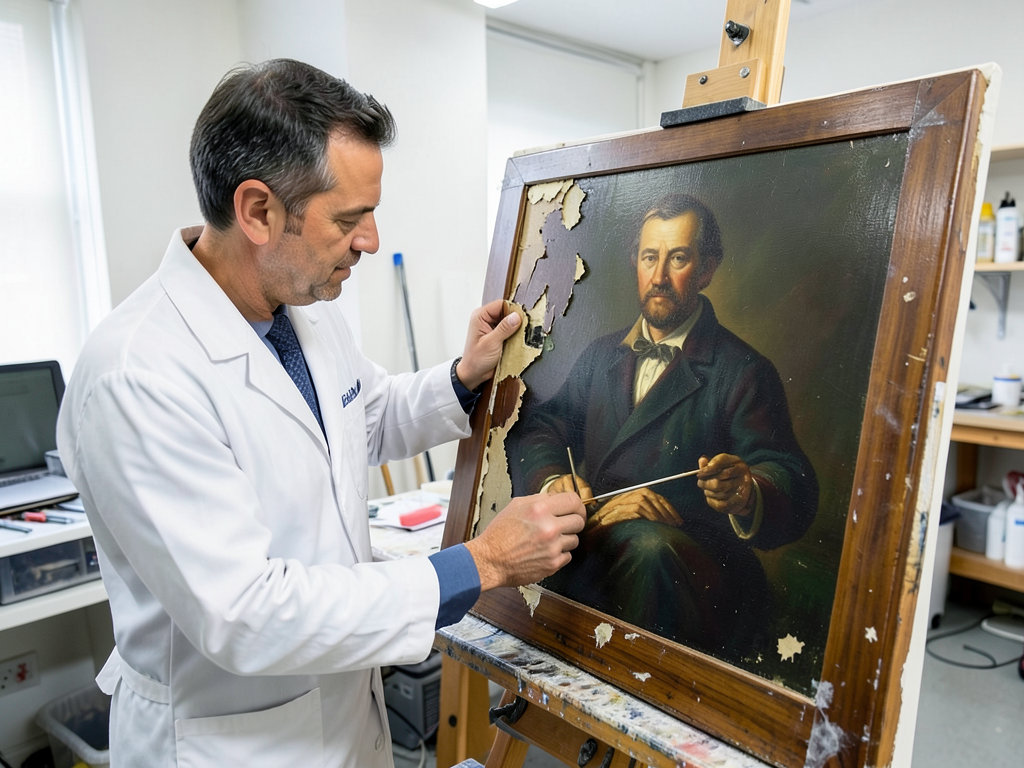
Canvas expands when absorbing moisture, causing paintings to become loose on stretcher bars. This creates waves or bubbles in the surface. When humidity drops, canvas contracts and can become so tight that it warps the wooden frame. Repeated cycles weaken the canvas fibers and can cause paint to crack or flake.
Works on Paper
Paper is highly hygroscopic, meaning it readily absorbs and releases moisture. High humidity causes paper to expand and can lead to:
- Foxing (brown spots from mold growth)
- Wave patterns across the surface
- Adhesive failure in mounted pieces
- Increased brittleness when humidity drops
Photographs and Digital Prints
Photographic materials face unique challenges. The emulsion layer can separate from paper backing in high humidity. Ink-jet prints may show color bleeding or paper cockling. Vintage photographs are particularly vulnerable as older chemical processes were not designed for Florida’s moisture levels. EPA Mold Information.
Wooden Frames and Sculptures
Wood expands across the grain when absorbing moisture. Frames can warp, joints can separate, and delicate carvings may crack as internal stresses develop. Sculptures made from wood or containing wooden components face similar risks of dimensional changes that stress the material.
Five Proven Strategies for Humidity Control
1. Professional HVAC Assessment and Dehumidification
Standard residential air conditioning removes some moisture but often cannot maintain consistent humidity levels throughout your home. Consider these upgrades:
- Whole-home dehumidifiers integrated with your HVAC system
- Variable-speed air handlers that run longer at lower capacities
- Smart thermostats with humidity sensors and automated responses
For Isleworth homes, where Mediterranean Revival and Spanish Colonial styles are common, ensure your HVAC contractor understands how thick plaster walls and high ceilings affect air circulation and moisture removal.. Read more about Protecting Your Isleworth Home Theater from Florida Humidity and Moisture.
2. Strategic Dehumidifier Placement
Portable dehumidifiers provide targeted protection for vulnerable areas. Place units in:. Read more about Why Your Home Dehumidifier Can’t Keep Up with a Major Leak in Winter Park.
- Rooms with southern exposure that receive direct sunlight
- Areas near large windows or glass doors
- Spaces where art is displayed but not climate-controlled
Empty collection trays regularly and clean filters monthly to maintain efficiency. Look for Energy Star certified models that operate quietly enough for living spaces.
3. Monitoring Systems and Early Detection
Prevention starts with awareness. Install these monitoring tools:
- Digital hygrometers in each room containing art
- Smart sensors that send alerts when humidity exceeds set points
- Temperature and humidity data loggers for tracking patterns
Place monitors at art hanging height rather than floor level, as air conditions differ significantly between these zones. Some collectors use wireless sensor networks that integrate with home automation systems. Hardwood Floor Water Damage Restoration in Winter Garden.
4. Archival Framing and Display Techniques
Proper framing creates a microclimate that protects artwork. Use these techniques:
- Acid-free mats and backing boards
- UV-filtering glazing to prevent light damage
- Ventilated spacers between art and glass
- Sealing frames with archival tape to reduce moisture exchange
For paper-based art, consider museum-quality framing with dust covers on the back. This creates a controlled environment while allowing the artwork to breathe.
5. Smart Placement and Rotation Strategies
Where you place art affects its exposure to environmental risks. Follow these guidelines:
- Avoid exterior walls that experience temperature swings
- Keep art away from HVAC vents that create localized humidity changes
- Install ceiling fans to promote air circulation
- Rotate displayed pieces seasonally to give each work a rest period
For Isleworth homes with large windows and open floor plans, consider using UV-filtering window films and strategic furniture placement to create protected display zones.
Warning Signs of Humidity Damage
Early detection prevents irreversible damage. Watch for these indicators: Water Damage Restoration Fairview Shores.
Visual Changes
Surface irregularities often signal moisture problems. Look for:
- Wave patterns or rippling in paper pieces
- Paint cracking or crazing on canvas surfaces
- Discoloration or yellowing of materials
- Mold growth appearing as fuzzy patches or black spots
Physical Indicators
Structural changes suggest environmental stress. Notice:
- Frames that no longer fit flush against the wall
- Canvas sagging or becoming drum-tight
- Glass in frames showing condensation
- Wooden frames developing gaps at miter joints
Olfactory Clues
Musty odors indicate mold growth. If you detect these smells near artwork, investigate immediately. Mold can spread rapidly in Orlando’s humidity and permanently stain or deteriorate art materials.
Emergency Response for Water-Damaged Art
When water threatens your collection, quick action minimizes damage. Follow this protocol: Water Bug & Pest Infestations.
Immediate Steps
- Remove art from standing water or damp surfaces
- Separate framed pieces to prevent sticking
- Document damage with photos for insurance purposes
- Control the water source if possible
Professional Assessment
Contact specialists who understand art-specific restoration. Not all water damage companies have experience with fine art recovery. Look for technicians who:
- Understand different art mediums and their vulnerabilities
- Use non-invasive drying techniques
- Can coordinate with art conservators when needed
Insurance Considerations
Standard homeowner policies often exclude art damage or have low coverage limits. Review your policy for:
- Scheduled personal property coverage for individual pieces
- Fine art floaters that provide broader protection
- Documentation requirements for high-value items
Professional Restoration Services in Orlando
When prevention fails, professional intervention becomes necessary. Orlando’s restoration companies vary widely in their capabilities for art recovery.
What to Look For
Choose restoration services that demonstrate:
- Experience with high-value residential properties
- Understanding of Orlando’s specific climate challenges
- References from other art collectors or galleries
- Proper licensing for mold remediation in Florida
Questions to Ask
Before hiring a restoration company, ask:
- What experience do you have with art recovery specifically?
- What drying techniques do you use for delicate materials?
- Can you coordinate with professional art conservators?
- What documentation will you provide for insurance claims?
Advanced Protection for Serious Collectors
For collections exceeding $50,000 in value, consider these enhanced protection strategies:
Climate-Controlled Display Cases
Sealed display cases with active climate control create stable microenvironments. These units maintain precise humidity and temperature regardless of room conditions. Look for cases with:
- Silica gel compartments for humidity buffering
- Thermoelectric cooling for precise temperature control
- UV-filtered lighting to prevent light damage
Offsite Storage Solutions
Consider rotating portions of your collection through professional storage facilities. These offer:
- 24/7 climate monitoring and backup systems
- Fire suppression systems designed for art
- Security measures exceeding residential capabilities
Monitoring Technology Integration
Advanced collectors use integrated systems that:
- Track conditions across multiple rooms
- Send alerts to mobile devices
- Log data for insurance and valuation purposes
- Integrate with home automation for automatic responses
Local Considerations for Isleworth Residents
Isleworth’s unique characteristics affect art preservation strategies. The community features:
- Luxury homes with large windows and open floor plans
- Mediterranean and Spanish Colonial architectural styles
- Properties bordering water features that increase local humidity
- Underground utilities that can cause hidden water issues
Many Isleworth homes have slab-on-grade construction common in Florida, which can allow moisture to migrate upward through concrete. This creates humidity challenges even in well-sealed homes. The community’s proximity to Butler Chain of Lakes means local humidity levels often exceed Orlando averages by 5-10%.
Creating Your Personal Art Preservation Plan
Develop a comprehensive strategy tailored to your collection and home. Include:
Inventory Documentation
Maintain detailed records including:
- Photographs of each piece
- Purchase documentation and appraisals
- Condition reports noting existing damage
- Storage and display history
Emergency Response Plan
Create a written plan that includes:
- Emergency contact numbers for restoration specialists
- Step-by-step procedures for different scenarios
- Priority list for saving pieces based on value and vulnerability
- Insurance claim procedures and required documentation
Regular Maintenance Schedule
Establish quarterly checks for:
- Hygrometer calibration and battery replacement
- Dehumidifier cleaning and filter changes
- Visual inspection of all displayed pieces
- HVAC system maintenance and filter changes
Frequently Asked Questions
What is the ideal humidity level for storing art in Orlando?
Maintain 45-55% relative humidity for optimal art preservation. This range prevents both excessive moisture absorption and drying stress. In Orlando’s humid climate, you’ll need active dehumidification to achieve these levels, especially during summer months when outdoor humidity often exceeds 80%.
How quickly can mold damage artwork?
Mold can begin growing on organic art materials within 24-48 hours of exposure to moisture above 70% relative humidity. Once established, mold spreads rapidly and can permanently stain or deteriorate paper, canvas, and other organic substrates. Early detection and immediate professional intervention are critical.
Should I use a dehumidifier in my art room?
Yes, a dehumidifier is essential for art preservation in Orlando. Choose a model sized for your room volume and look for features like continuous drainage, digital humidity displays, and auto-restart after power outages. Clean filters monthly and empty collection trays regularly for optimal performance.
How do I know if my art has water damage?
Look for rippling or wave patterns in paper pieces, paint cracking on canvas, discoloration, musty odors, or mold growth. Frames may become loose or develop gaps at joints. If you notice any of these signs, consult a professional art restoration specialist immediately.
Can air conditioning alone protect my art collection?
Standard air conditioning removes some moisture but typically cannot maintain the precise humidity levels needed for art preservation. While AC helps, you’ll likely need supplemental dehumidification to maintain 45-55% relative humidity consistently, especially during Orlando’s humid summer months.
Take Action to Protect Your Art Investment
Your fine art collection represents both financial investment and personal passion. In Orlando’s challenging climate, passive protection is not enough. Take these immediate steps:
- Purchase quality hygrometers for each room containing art
- Schedule a professional HVAC assessment for dehumidification options
- Review your insurance coverage for art-specific protection
- Develop an emergency response plan for water incidents
Don’t wait for humidity damage to become visible. By the time you see rippling, cracking, or mold, irreversible harm may have occurred. Professional moisture management and monitoring provide the protection your valuable collection deserves.
Ready to safeguard your art collection from Orlando’s humidity? Contact our certified restoration specialists for a comprehensive assessment of your home’s moisture conditions. We serve Isleworth and all of Central Florida with 24/7 emergency response for water damage and specialized expertise in protecting valuable assets from environmental threats.
Call (689) 268-2233 today for your free consultation. Your art deserves expert protection.
Learn more about our mold remediation services
What to do when water damage occurs
Emergency cleanup services For more information, visit IICRC Certification.
You may also find this helpful. Comparing the Best Smart Leak Detectors for Your Waterfront Home in Windermere.
{
“@context”: “https://schema.org”,
“@type”: “BlogPosting”,
“headline”: “How to Protect Your High End Art Collection from Humidity and Water Damage in Isleworth”,
“description”: “Expert guide to protecting fine art from Orlando’s humidity. Learn optimal RH levels, HVAC strategies, and emergency restoration for Isleworth collectors.”,
“wordCount”: 2002,
“datePublished”: “2026-05-04T09:23:00.000Z”,
“dateModified”: “2026-05-04T09:23:00.000Z”,
“inLanguage”: “en-US”,
“mainEntityOfPage”: {
“@type”: “WebPage”,
“@id”: “https://reliancewaterdamagerestorationorlando.com”
},
“publisher”: {
“@type”: “LocalBusiness”,
“name”: “Reliance Water Damage Restoration Orlando”,
“url”: “https://reliancewaterdamagerestorationorlando.com”
},
“author”: {
“@type”: “Organization”,
“name”: “Reliance Water Damage Restoration Orlando”,
“url”: “https://reliancewaterdamagerestorationorlando.com”
},
“image”: {
“@type”: “ImageObject”,
“url”: “https://reliancewaterdamagerestorationorlando.com/wp-content/uploads/2026/03/how-to-protect-your-high-end-art-collection-from-h-1.png”
}
}
{
“@context”: “https://schema.org”,
“@type”: “LocalBusiness”,
“name”: “Reliance Water Damage Restoration Orlando”,
“url”: “https://reliancewaterdamagerestorationorlando.com”,
“address”: {
“@type”: “PostalAddress”,
“addressLocality”: “Orlando”
},
“areaServed”: {
“@type”: “City”,
“name”: “Orlando”
}
}
{
“@context”: “https://schema.org”,
“@type”: “FAQPage”,
“mainEntity”: [
{
“@type”: “Question”,
“name”: “What is the ideal humidity level for storing art in Orlando?”,
“acceptedAnswer”: {
“@type”: “Answer”,
“text”: “Maintain 45-55% relative humidity for optimal art preservation. This range prevents both excessive moisture absorption and drying stress. In Orlando’s humid climate, you’ll need active dehumidification to achieve these levels, especially during summer months when outdoor humidity often exceeds 80%.”
}
},
{
“@type”: “Question”,
“name”: “How quickly can mold damage artwork?”,
“acceptedAnswer”: {
“@type”: “Answer”,
“text”: “Mold can begin growing on organic art materials within 24-48 hours of exposure to moisture above 70% relative humidity. Once established, mold spreads rapidly and can permanently stain or deteriorate paper, canvas, and other organic substrates. Early detection and immediate professional intervention are critical.”
}
},
{
“@type”: “Question”,
“name”: “Should I use a dehumidifier in my art room?”,
“acceptedAnswer”: {
“@type”: “Answer”,
“text”: “Yes, a dehumidifier is essential for art preservation in Orlando. Choose a model sized for your room volume and look for features like continuous drainage, digital humidity displays, and auto-restart after power outages. Clean filters monthly and empty collection trays regularly for optimal performance.”
}
},
{
“@type”: “Question”,
“name”: “How do I know if my art has water damage?”,
“acceptedAnswer”: {
“@type”: “Answer”,
“text”: “Look for rippling or wave patterns in paper pieces, paint cracking on canvas, discoloration, musty odors, or mold growth. Frames may become loose or develop gaps at joints. If you notice any of these signs, consult a professional art restoration specialist immediately.”
}
},
{
“@type”: “Question”,
“name”: “Can air conditioning alone protect my art collection?”,
“acceptedAnswer”: {
“@type”: “Answer”,
“text”: “Standard air conditioning removes some moisture but typically cannot maintain the precise humidity levels needed for art preservation. While AC helps, you’ll likely need supplemental dehumidification to maintain 45-55% relative humidity consistently, especially during Orlando’s humid summer months.”
}
}
]
}
{
“@context”: “https://schema.org”,
“@type”: “BreadcrumbList”,
“itemListElement”: [
{
“@type”: “ListItem”,
“position”: 1,
“name”: “Home”,
“item”: “https://reliancewaterdamagerestorationorlando.com”
},
{
“@type”: “ListItem”,
“position”: 2,
“name”: “Blog”,
“item”: “https://reliancewaterdamagerestorationorlando.com/blog”
},
{
“@type”: “ListItem”,
“position”: 3,
“name”: “How to Protect Your High End Art Collection from Humidity and Water Damage in Isleworth”
}
]
}
{
“@context”: “https://schema.org”,
“@type”: “Service”,
“serviceType”: “Water Damage Restoration”,
“provider”: {
“@type”: “LocalBusiness”,
“name”: “Reliance Water Damage Restoration Orlando”,
“url”: “https://reliancewaterdamagerestorationorlando.com”
},
“areaServed”: {
“@type”: “City”,
“name”: “Orlando”
},
“description”: “Expert guide to protecting fine art from Orlando’s humidity. Learn optimal RH levels, HVAC strategies, and emergency restoration for Isleworth collectors.”
}