Industrial Grade Dehumidification and Drying in SoDo Orlando
Water damage in SoDo Orlando moves fast. High humidity and afternoon thunderstorms create the perfect storm for rapid moisture absorption into building materials. Within 24 to 48 hours, that trapped moisture becomes a breeding ground for mold. Industrial grade dehumidification and structural drying stops this cycle before it starts. What to Do When Your Ceiling Starts Leaking in Baldwin Park.
SoDo residents and business owners face unique challenges. Historic bungalows along South Orange Avenue have plaster walls that wick moisture differently than modern concrete block buildings near Delaney Park. Both need specialized drying strategies to prevent long-term structural damage.
Why SoDo Orlando Needs Specialized Drying Solutions
Orlando’s subtropical climate means average humidity hovers around 74%. When water intrudes into a structure, that moisture doesn’t just sit there. It evaporates into the air and gets absorbed by porous materials like drywall, wood, and concrete. The cycle continues until every surface reaches equilibrium with the humid outdoor air. Emergency Water Damage Restoration for Windermere Homeowners.
Traditional drying methods like opening windows or using household fans fail in this environment. They can actually make the problem worse by bringing in more humid outside air. Industrial grade dehumidification creates a controlled drying chamber that pulls moisture from materials and exhausts it outside the building envelope.
The South of Downtown area presents specific drying challenges. Many buildings sit on slab foundations common in Florida construction. Water under these slabs creates hydrostatic pressure that pushes moisture up through the concrete. Without proper subfloor drying equipment, that moisture continues to wick upward even after surface drying appears complete. Hardwood Floor Water Damage Restoration in Winter Garden.
The Science Behind Professional Structural Drying
Professional structural drying follows the science of psychrometrics. This branch of physics studies the thermodynamic properties of moist air. Technicians use psychrometric charts to determine the exact temperature and humidity levels needed to achieve target moisture content in different materials. Professional Mold Removal and Remediation Services in Lake Nona.
Clean water from a broken pipe requires different drying protocols than contaminated water from a roof leak. Category 1 water damage allows for faster drying with less equipment. Category 3 water damage from sewage backups requires containment, antimicrobial treatment, and slower, more controlled drying to prevent spreading contamination. The Best Way to Handle Sewage Backup Cleanup in College Park.
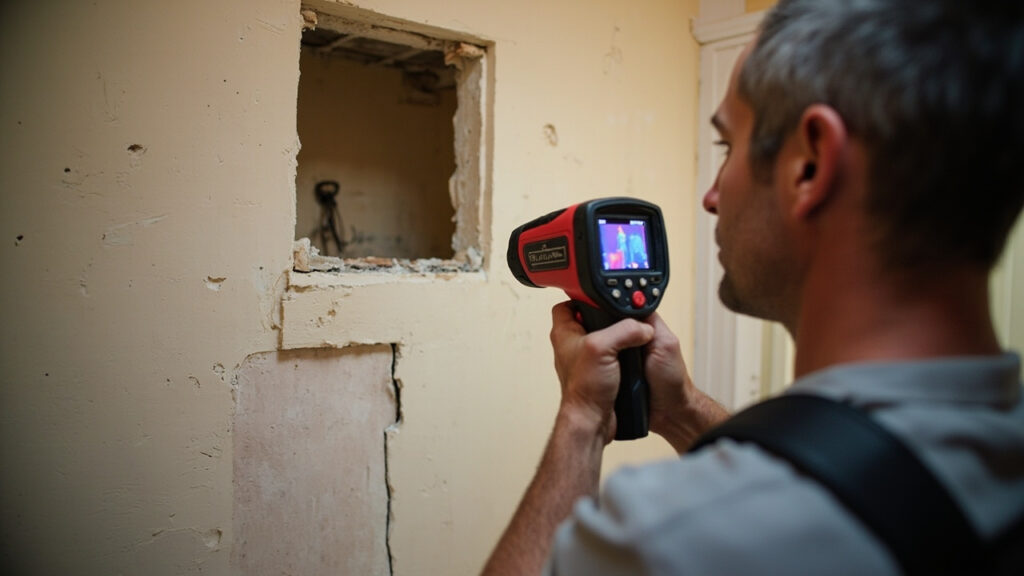
Moisture mapping guides the entire drying process. Technicians use penetrating and non-penetrating moisture meters to create a map of affected areas. Thermal imaging cameras reveal hidden moisture behind walls and under floors that traditional inspection methods miss. This mapping ensures no wet spots remain that could cause future problems.
Industrial Grade Equipment for Maximum Results
Low Grain Refrigerant (LGR) dehumidifiers form the backbone of professional drying systems. These units remove 15 to 25 gallons of water per day from the air, compared to 5 to 10 gallons for standard dehumidifiers. LGR technology can achieve humidity levels below 40% relative humidity, creating conditions where materials dry faster than moisture can wick back in.
Air movers accelerate evaporation by creating high-velocity airflow across wet surfaces. Professional-grade units move 2,000 to 3,000 cubic feet of air per minute. This rapid air movement pulls moisture from materials into the air where dehumidifiers can capture it. The combination of air movers and LGR dehumidifiers can reduce drying times from weeks to just 3 to 5 days.
Hardwood floor drying systems use specialized mats connected to vacuum systems. These mats pull moisture from between floorboards and from the subfloor beneath. Without this equipment, hardwood floors often cup, warp, or develop mold within the joints. The drying process preserves expensive flooring that would otherwise require replacement.
The Step-by-Step Drying Process
Initial assessment determines the category of water damage and creates the drying plan. Technicians inspect all affected areas using moisture meters and thermal imaging. They identify the water source and stop any active leaks before beginning the drying process.
Water extraction removes standing water using truck-mounted extraction units. These powerful vacuums can remove thousands of gallons per hour. Removing bulk water before setting up drying equipment significantly reduces overall drying time.
Moisture mapping creates a detailed plan for equipment placement. High-moisture areas receive more air movers and dehumidifiers. Thermal imaging helps identify hidden moisture pockets that require special attention.
Equipment setup follows the moisture map. Air movers create a vortex pattern that ensures all surfaces receive adequate airflow. LGR dehumidifiers are positioned to create negative air pressure that pulls moisture from materials rather than pushing it around.
Daily monitoring tracks progress using moisture meters. Technicians document readings to show insurance adjusters the effectiveness of the drying process. Equipment adjustments ensure optimal drying conditions throughout the project.
Common SoDo Property Types and Their Drying Needs
Historic bungalows in the Lake Lawsona area often feature plaster walls and wood lath construction. These materials absorb water like sponges and release it slowly. Drying requires lower temperatures and longer run times to prevent cracking or separation of plaster from the lath. EPA mold information.
Modern concrete block buildings near the Milk District present different challenges. These structures can trap moisture in the block cavities. Specialized injection drying systems force dry air into wall cavities to remove moisture from these hard-to-reach spaces.
Commercial properties along South Orange Avenue often have suspended ceilings and raised floors. These create dead air spaces where moisture can hide. The drying process must address these hidden areas to prevent mold growth in the months after the initial water event.
Multi-story buildings require careful consideration of gravity’s effect on water migration. Water travels downward through materials, so upper floors often show less visible damage while lower floors experience the most severe moisture intrusion. The drying strategy must account for this vertical moisture migration.
Preventing Mold During the Drying Process
Florida’s climate creates ideal conditions for mold growth. Temperatures between 77 and 86 degrees Fahrenheit combined with humidity above 60% allow mold spores to germinate within 24 to 48 hours. The drying process must work faster than mold can establish itself.
Antimicrobial treatments applied during the drying process prevent mold establishment. These treatments don’t just kill existing spores. They create a protective barrier that prevents new spores from taking hold on treated surfaces.
Air filtration devices with HEPA filters capture airborne mold spores during the drying process. These units prevent cross-contamination between affected and unaffected areas. They also remove the musty odors associated with water damage and potential mold growth.
Temperature control plays a crucial role in mold prevention. Most mold species grow best between 77 and 86 degrees. Maintaining drying temperatures between 70 and 75 degrees slows mold growth while still allowing effective moisture removal from materials.
Insurance Documentation and Claims Support
Professional drying companies provide detailed documentation that insurance adjusters require. Daily moisture readings, thermal imaging reports, and equipment logs demonstrate the scope and effectiveness of the drying process. This documentation often determines whether insurance covers the full restoration cost.
Many SoDo property owners worry about insurance coverage for water damage. Most standard policies cover sudden and accidental water damage but exclude ongoing maintenance issues. Professional assessment can determine whether damage falls under covered or excluded categories.
Direct insurance billing simplifies the claims process. Reputable restoration companies work directly with insurance providers, submitting documentation and communicating progress. This coordination reduces stress for property owners during an already difficult time.
Emergency response within 60 minutes often prevents damage from escalating to levels that exceed insurance coverage limits. Quick action can mean the difference between a simple drying job and a major reconstruction project.
Local Building Codes and Drying Requirements
Florida Building Code Section 1603.1 requires documentation of moisture conditions in buildings after water intrusion. This documentation must show that materials have been returned to their pre-damage moisture content levels. Professional drying companies maintain the equipment and expertise to provide this documentation.
South Orlando’s high water table creates unique challenges for slab-on-grade construction. Water under these slabs creates hydrostatic pressure that pushes moisture upward through the concrete. Specialized subfloor drying systems address this pressure by creating a drying chamber under the slab.
Historic preservation guidelines in some SoDo neighborhoods require special consideration for older buildings. Drying processes must preserve original materials while still achieving proper moisture removal. This often requires lower temperatures and longer drying times compared to modern construction.
Commercial buildings must comply with additional requirements for air quality and moisture control. The drying process must consider the impact on adjacent businesses and ensure proper containment of any potential contaminants.
Comparing Drying Methods and Equipment
The following table compares different dehumidification technologies and their effectiveness in various conditions:
| Dehumidifier Type | Daily Water Removal | Ideal Conditions | Best For |
|---|---|---|---|
| Standard Refrigerant | 5-10 gallons | 70-90°F, High humidity | Residential, Small areas |
| LGR (Low Grain Refrigerant) | 15-25 gallons | 60-100°F, All humidity levels | Commercial, Large losses |
| Desiccant | 20-40 gallons | Below 40°F, Low humidity | Industrial, Specialty applications |
Air mover selection also impacts drying effectiveness. The right combination of equipment ensures complete moisture removal without causing secondary damage:
| Air Mover Type | Airflow (CFM) | Best Application | Coverage Area |
|---|---|---|---|
| Centrifugal | 2,000-3,000 | Wall cavities, focused drying | 100-150 sq ft |
| Axial | 3,000-4,000 | Open areas, floor drying | 200-300 sq ft |
| Low-profile | 1,500-2,500 | Hard-to-reach spaces | 75-125 sq ft |
Emergency Response Timeline
Quick response prevents secondary damage. The first 24 to 48 hours after water intrusion are critical for preventing mold growth and material degradation:
- 0-2 Hours – Emergency contact and dispatch. Technician calls to gather information and prepares equipment for the specific situation.
- 2-4 Hours – On-site arrival. Initial assessment determines water category, safety concerns, and scope of damage.
- 4-8 Hours – Water extraction and containment setup. Bulk water removal prevents further migration and damage.
- 8-24 Hours – Equipment installation and initial drying. Air movers and dehumidifiers begin the moisture removal process.
- 24-72 Hours – Daily monitoring and adjustments. Moisture levels are tracked to ensure proper drying progress.
- 72+ Hours – Final assessment and documentation. Materials are tested to confirm they’ve reached target moisture content.
Cost Factors in Professional Drying
Several factors influence the cost of professional structural drying. Understanding these helps property owners make informed decisions during stressful situations:
Water Category – Clean water from supply lines costs less to address than contaminated water from sewage backups. Contaminated water requires additional safety equipment, disposal fees, and antimicrobial treatments.
Affected Area Size – Larger areas require more equipment and longer drying times. However, the cost per square foot often decreases as area increases due to equipment efficiency.
Material Types – Hardwood floors, plaster walls, and specialty finishes require specialized equipment and longer drying times. These materials often cost more to dry properly than standard drywall and carpet.
Accessibility – Water in crawl spaces, attics, or wall cavities requires additional labor and specialized equipment. These hard-to-reach areas increase the overall project cost.
Response Time – Emergency services during nights, weekends, or holidays typically cost more than standard business hours. However, the additional cost often saves money by preventing more extensive damage.
Why Professional Drying Matters for SoDo Property Values
Proper structural drying protects one of your most valuable assets. Water damage that isn’t addressed correctly can reduce property values by 10% to 30%. Visible signs of past water damage deter potential buyers and can lead to lower offers or extended market times.
Professional documentation showing proper drying and moisture testing provides peace of mind for future buyers. This documentation demonstrates that the property was restored to industry standards rather than just appearing dry on the surface.
Insurance companies often require professional drying documentation for future coverage. Properties with a history of water damage may face higher premiums or coverage limitations without proper documentation of the restoration process.
Commercial properties in SoDo face additional considerations. Business interruption during improper drying can cost thousands of dollars per day. Professional drying minimizes downtime and gets businesses back to normal operations faster.
Frequently Asked Questions
How long does structural drying take?
Most residential structural drying projects take 3 to 5 days under normal conditions. Complex commercial projects or severe water damage may require 7 to 10 days. Factors affecting drying time include water category, material types, and environmental conditions.
Can I dry my property myself?
Household fans and dehumidifiers lack the capacity to properly dry structural materials. They can remove surface moisture but leave hidden moisture that causes mold growth and material degradation. Professional equipment removes moisture from deep within materials where household equipment cannot reach.
Will my insurance cover professional drying?
Most homeowner’s insurance policies cover sudden and accidental water damage, including professional drying. Coverage depends on the water source and your specific policy terms. Professional restoration companies can help determine coverage and work directly with insurance adjusters.
How do I know when my property is truly dry?
Professional moisture meters and thermal imaging confirm when materials reach their target moisture content. Visual inspection and touch are unreliable indicators of internal moisture levels. Professional testing ensures materials are dry to industry standards before reconstruction begins.
What happens if I don’t dry my property properly?
Improper drying leads to mold growth, material degradation, and structural damage. Mold can begin growing within 24 to 48 hours of water exposure. Secondary damage often costs 3 to 5 times more to repair than proper initial drying would have cost.
Take Action Now to Protect Your Property
Water damage waits for no one. Every hour that passes allows moisture to spread deeper into your building materials and increases the risk of mold growth. Don’t let a small water problem become a major restoration project.
Our team understands the unique challenges of SoDo Orlando properties. We bring industrial grade equipment, scientific drying methods, and years of local experience to every job. We work directly with your insurance company and provide the documentation they require.
Call us now at (689) 268-2233 for 24/7 emergency response. Our technicians arrive within 60 minutes, often sooner. We’ll assess your situation, explain our findings, and begin the drying process immediately to protect your property from further damage.
Don’t wait until mold sets in or materials become permanently damaged. One call now can save you thousands in future repairs and protect the value of your SoDo Orlando property.
Remember, proper structural drying isn’t just about removing water. It’s about protecting your investment, your health, and your peace of mind. Call (689) 268-2233 now for expert structural drying services in SoDo Orlando. For more information, visit IICRC.