Is it Safe to Stay in Your House While it Dries Out After a Major Leak?
When water floods your Orlando home the first question most families ask is simple. Can we stay here while it dries out. The answer depends on several factors including the type of water the extent of damage and your family’s health. This guide breaks down what you need to know before making that decision. Emergency Water Damage Restoration for Windermere Homeowners.
The Short Answer: The 24-Hour Rule
The safest approach follows what restoration professionals call the 24-hour rule. If clean water from a broken pipe affects a small area and you can isolate it within 24 hours you can usually stay. Beyond that window mold begins growing rapidly in Orlando’s humid climate. Category 3 water from sewage or storm surge requires immediate evacuation regardless of the timeline. Professional Mold Removal and Remediation Services in Lake Nona.
Top 4 Safety Hazards to Consider
Electrical Risks: The Danger of Stray Voltage in Damp Walls
Water and electricity create a deadly combination. When walls become saturated electrical wiring can short out creating what technicians call stray voltage. This invisible hazard can cause shocks even when outlets appear dry. In Orlando’s older Winter Park bungalows built before 1980 wiring may not meet current safety standards making this risk even greater. Water Bug & Pest Infestations.
Structural Integrity: Evaluating Floor Joists and Drywall Saturation
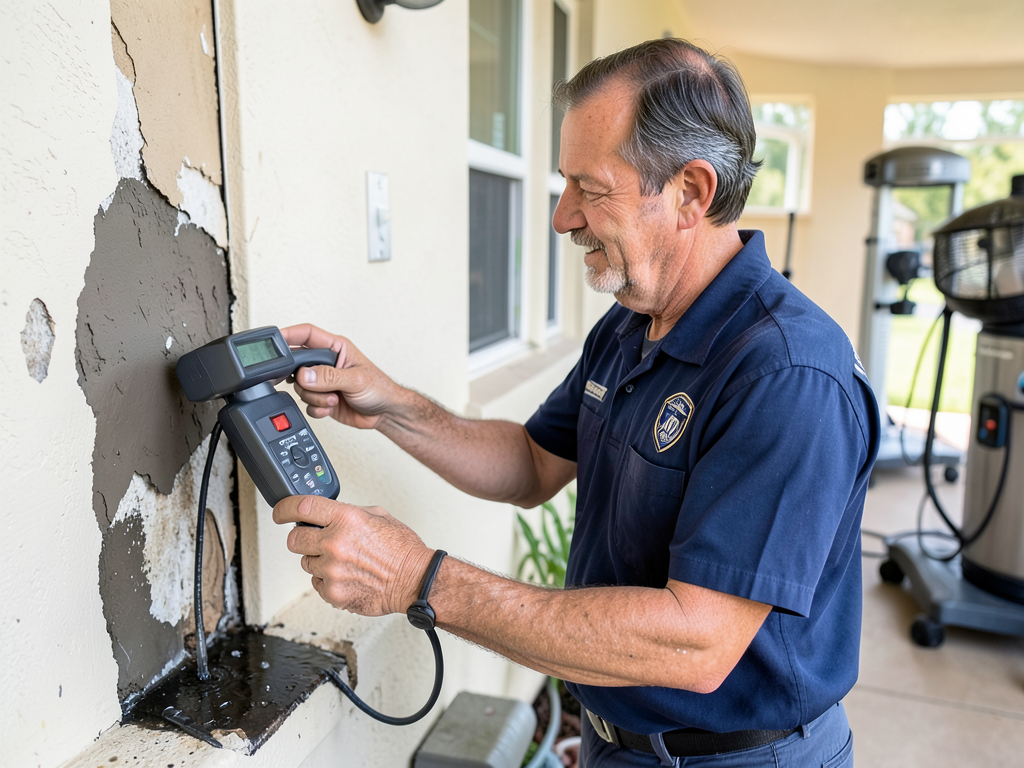
Water weakens building materials fast. Saturated drywall loses its strength within hours. Floor joists in concrete block homes common in Maitland can warp when exposed to moisture. A simple touch test reveals danger. If drywall feels soft or if floors feel spongy beneath your feet the structure may be unsafe. Professionals use moisture meters to measure saturation levels before allowing occupancy. Hardwood Floor Water Damage Restoration in Winter Garden.
Mold and Air Quality: How Orlando’s Humidity Triggers Spore Growth Within 24-48 Hours
Orlando’s average humidity sits at 74 percent. This creates perfect conditions for mold. The EPA states that mold colonies can establish themselves within 24 to 48 hours on damp surfaces. Once growing mold releases spores into the air. These microscopic particles trigger allergic reactions and respiratory issues. Black mold species common in Central Florida produce mycotoxins that can cause serious health problems especially in children and elderly residents. EPA mold information.
Pathogens: The Hidden Dangers of Black Water
Category 3 water contains sewage bacteria viruses and other pathogens. This water type often appears after Orlando’s heavy summer storms overwhelm drainage systems. Even small amounts of black water exposure can cause gastrointestinal illness skin infections and respiratory disease. The Florida Department of Health mandates professional remediation for all black water incidents. No amount of cleaning makes this water type safe for residents to remain nearby. The Best Way to Handle Sewage Backup Cleanup in College Park.
Who Should Definitely Evacuate
Certain groups face higher risks during water restoration. Infants have developing immune systems that make them vulnerable to mold spores and bacteria. Elderly residents often have compromised respiratory function. People with asthma allergies or COPD experience severe symptoms when exposed to airborne contaminants. Families with pets should also consider leaving since animals can track contaminants throughout the home and may not show symptoms until seriously ill.. Read more about Respiratory Issues and Hidden Water Damage (What Orlando Families Need to Monitor).
The Restoration Process: What to Expect While You Stay
Living in a home during restoration means adapting to construction zone conditions. Industrial air movers produce noise levels around 70 decibels similar to a vacuum cleaner running constantly. Dehumidifiers generate heat and must run 24/7. Workers wear protective equipment and move in and out throughout the day. Your home becomes a workspace with hoses cables and equipment in every affected room. Daily routines shift around the restoration schedule.
Professional Checklist: Stay or Leave Assessment
Before deciding whether to stay use this assessment tool. Answer each question honestly.
| Factor | Stay Safe | Leave Recommended |
|---|---|---|
| Water Category | Category 1 Clean | Category 2 Gray or Category 3 Black |
| Affected Area Size | Less than 100 square feet | More than 100 square feet |
| Time Since Damage | Under 24 hours | Over 24 hours |
| High-Risk Residents | None present | Infants elderly or immunocompromised |
| Kitchen/Bath Access | Unaffected and usable | Located in affected area |
If you answer leave recommended on two or more factors strongly consider temporary relocation. The peace of mind and health protection usually outweigh the inconvenience of staying elsewhere.
Insurance Loss of Use: When Your Policy Covers Hotel Stays
Most homeowners insurance policies include loss of use coverage. This provision pays for temporary housing when your home becomes uninhabitable due to covered damage. The key term is uninhabitable. If restoration requires you to relocate for safety your insurance may cover hotel costs or short-term rentals. Document everything with photos and keep all receipts. Contact your insurance adjuster before making arrangements to understand your coverage limits.
Orlando-Specific Considerations: Humidity and Building Styles
Orlando’s climate creates unique challenges during water restoration. The city’s concrete block construction common in College Park and Thornton Park retains moisture longer than wood frame homes. Mediterranean Revival homes in the Lake Eola area often feature decorative plaster that becomes brittle when wet. Historic districts like Delaney Park have older plumbing systems prone to sudden failures. These factors affect drying times and safety assessments.
The city’s high water table means groundwater can seep up through slab foundations during heavy rains. This creates hidden moisture pockets that trap water beneath flooring. Orlando’s afternoon thunderstorms can cause flash flooding in low-lying areas near Lake Underhill. These local conditions require restoration approaches tailored to Central Florida’s specific environmental challenges.
Living With Restoration Equipment: Safety Protocols
Industrial drying equipment requires specific safety measures. Air movers must run continuously and cannot be blocked or unplugged. Dehumidifiers produce hot exhaust and need proper ventilation. Extension cords create trip hazards especially for children and pets. Chemical treatments for mold prevention require keeping residents away from treated areas for specified periods. Professional restoration teams post safety signage and create barriers around work zones.
Electrical load management becomes critical. Multiple high-wattage devices running on residential circuits can trip breakers or create fire hazards. Technicians calculate power requirements and may need to install temporary power distribution systems. Never attempt to move or adjust restoration equipment yourself. These devices operate at levels that can cause serious injury if mishandled.
Air Quality Testing: The Hidden Factor in Habitability Decisions
Professional air quality testing reveals what the eye cannot see. Restoration teams use particle counters to measure airborne contaminants. They test for volatile organic compounds released by wet materials and cleaning agents. Humidity levels above 60 percent promote ongoing mold growth even after visible water removal. In Orlando’s climate maintaining proper indoor humidity often requires commercial-grade dehumidification beyond what residential units provide.
Third-party industrial hygienists can certify air quality before residents return. This testing proves especially valuable for families with health concerns or for high-value properties where thorough documentation matters for insurance purposes. The cost of testing typically ranges from $300 to $600 but provides peace of mind that air quality meets safety standards.
Making Your Final Decision: A Step-by-Step Process
Follow this decision framework when facing water damage in your Orlando home.
- Assess Water Category
Determine if water is clean gray or black. Contact a professional if unsure since this affects every other decision.
- Evaluate Affected Area
Measure the square footage and identify which rooms are impacted. Consider if you can isolate yourself from the damage.
- Check Time Elapsed
Document when the water event began. Remember the 24-hour mold growth window applies even if water appears to be gone.
- Review Occupant Health
Identify any residents with respiratory issues allergies or compromised immune systems. These individuals need special consideration.
- Consult Insurance
Call your insurance company to understand loss of use coverage and documentation requirements.
- Get Professional Assessment
Have a certified restoration specialist evaluate structural safety electrical hazards and air quality.
- Make Your Decision
Combine all factors. When in doubt prioritize health and safety over convenience.
Frequently Asked Questions
How long does the drying process typically take in Orlando homes?
Most Orlando homes require three to five days of professional drying depending on the extent of damage and building materials. Concrete block homes may need an extra day or two compared to wood frame construction. High humidity can extend drying times by 24 to 48 hours.
Can I stay if only one room is affected?
Staying is possible if the affected room can be completely isolated and you have access to essential facilities like a working kitchen and bathroom. However consider noise from equipment and the inconvenience of construction zone conditions. Families with health concerns should still consider temporary relocation.
What are the signs that air quality has become dangerous?
Musty odors visible mold growth persistent allergy symptoms or respiratory irritation indicate poor air quality. Professional testing can detect harmful levels of mold spores bacteria and volatile organic compounds before symptoms appear. When in doubt prioritize health over staying in the home.
Take Action Now: Your Health and Safety Matter Most
Water damage creates urgent decisions about your family’s safety. Every hour matters when preventing mold growth and structural damage. If you are unsure whether to stay or go call a professional restoration team immediately. They can assess your specific situation and provide clear recommendations based on Orlando’s unique climate and building conditions.
Do not wait until health symptoms appear or structural problems worsen. Contact Reliance Water Damage Restoration Orlando at (689) 268-2233 for a free safety assessment. Our certified technicians serve all Orlando neighborhoods including Winter Park Maitland and College Park. We provide 24/7 emergency response and can help you make the right decision for your family’s safety during the restoration process.
Your home will recover but your family’s health cannot be replaced. Make the safe choice today. For more information, visit CDC mold facts.
You may also find this helpful. Why Your Summer Vacation Might End with a Flooded Home in Winter Springs.
{
“@context”: “https://schema.org”,
“@type”: “BlogPosting”,
“headline”: “Is it Safe to Stay in Your House While it Dries Out After a Major Leak?”,
“description”: “Discover when it’s safe to stay in your Orlando home during water restoration. Learn about mold risks, structural hazards, and the 24-hour rule from local experts.”,
“wordCount”: 1634,
“datePublished”: “2026-04-06T06:13:00.000Z”,
“dateModified”: “2026-04-06T06:13:00.000Z”,
“inLanguage”: “en-US”,
“mainEntityOfPage”: {
“@type”: “WebPage”,
“@id”: “https://reliancewaterdamagerestorationorlando.com”
},
“publisher”: {
“@type”: “LocalBusiness”,
“name”: “Reliance Water Damage Restoration Orlando”,
“url”: “https://reliancewaterdamagerestorationorlando.com”
},
“author”: {
“@type”: “Organization”,
“name”: “Reliance Water Damage Restoration Orlando”,
“url”: “https://reliancewaterdamagerestorationorlando.com”
},
“image”: {
“@type”: “ImageObject”,
“url”: “https://reliancewaterdamagerestorationorlando.com/wp-content/uploads/2026/03/is-it-safe-to-stay-in-your-house-while-it-dries-ou-1.png”
}
}
{
“@context”: “https://schema.org”,
“@type”: “LocalBusiness”,
“name”: “Reliance Water Damage Restoration Orlando”,
“url”: “https://reliancewaterdamagerestorationorlando.com”,
“address”: {
“@type”: “PostalAddress”,
“addressLocality”: “Orlando”
},
“areaServed”: {
“@type”: “City”,
“name”: “Orlando”
}
}
{
“@context”: “https://schema.org”,
“@type”: “FAQPage”,
“mainEntity”: [
{
“@type”: “Question”,
“name”: “How long does the drying process typically take in Orlando homes?”,
“acceptedAnswer”: {
“@type”: “Answer”,
“text”: “Most Orlando homes require three to five days of professional drying depending on the extent of damage and building materials. Concrete block homes may need an extra day or two compared to wood frame construction. High humidity can extend drying times by 24 to 48 hours.”
}
},
{
“@type”: “Question”,
“name”: “Can I stay if only one room is affected?”,
“acceptedAnswer”: {
“@type”: “Answer”,
“text”: “Staying is possible if the affected room can be completely isolated and you have access to essential facilities like a working kitchen and bathroom. However consider noise from equipment and the inconvenience of construction zone conditions. Families with health concerns should still consider temporary relocation.”
}
},
{
“@type”: “Question”,
“name”: “What are the signs that air quality has become dangerous?”,
“acceptedAnswer”: {
“@type”: “Answer”,
“text”: “Musty odors visible mold growth persistent allergy symptoms or respiratory irritation indicate poor air quality. Professional testing can detect harmful levels of mold spores bacteria and volatile organic compounds before symptoms appear. When in doubt prioritize health over staying in the home.”
}
}
]
}
{
“@context”: “https://schema.org”,
“@type”: “HowTo”,
“name”: “How to Decide Whether to Stay During Water Restoration”,
“step”: [
{
“@type”: “HowToStep”,
“position”: 1,
“name”: “Assess Water Category”,
“text”: “Determine if water is clean gray or black. Contact a professional if unsure since this affects every other decision.”
},
{
“@type”: “HowToStep”,
“position”: 2,
“name”: “Evaluate Affected Area”,
“text”: “Measure the square footage and identify which rooms are impacted. Consider if you can isolate yourself from the damage.”
},
{
“@type”: “HowToStep”,
“position”: 3,
“name”: “Check Time Elapsed”,
“text”: “Document when the water event began. Remember the 24-hour mold growth window applies even if water appears to be gone.”
},
{
“@type”: “HowToStep”,
“position”: 4,
“name”: “Review Occupant Health”,
“text”: “Identify any residents with respiratory issues allergies or compromised immune systems. These individuals need special consideration.”
},
{
“@type”: “HowToStep”,
“position”: 5,
“name”: “Consult Insurance”,
“text”: “Call your insurance company to understand loss of use coverage and documentation requirements.”
},
{
“@type”: “HowToStep”,
“position”: 6,
“name”: “Get Professional Assessment”,
“text”: “Have a certified restoration specialist evaluate structural safety electrical hazards and air quality.”
},
{
“@type”: “HowToStep”,
“position”: 7,
“name”: “Make Your Decision”,
“text”: “Combine all factors. When in doubt prioritize health and safety over convenience.”
}
],
“image”: “https://reliancewaterdamagerestorationorlando.com/wp-content/uploads/2026/03/is-it-safe-to-stay-in-your-house-while-it-dries-ou-1.png”
}
{
“@context”: “https://schema.org”,
“@type”: “BreadcrumbList”,
“itemListElement”: [
{
“@type”: “ListItem”,
“position”: 1,
“name”: “Home”,
“item”: “https://reliancewaterdamagerestorationorlando.com”
},
{
“@type”: “ListItem”,
“position”: 2,
“name”: “Blog”,
“item”: “https://reliancewaterdamagerestorationorlando.com/blog”
},
{
“@type”: “ListItem”,
“position”: 3,
“name”: “Is it Safe to Stay in Your House While it Dries Out After a Major Leak?”
}
]
}
{
“@context”: “https://schema.org”,
“@type”: “Service”,
“serviceType”: “Water Damage Restoration”,
“provider”: {
“@type”: “LocalBusiness”,
“name”: “Reliance Water Damage Restoration Orlando”,
“url”: “https://reliancewaterdamagerestorationorlando.com”
},
“areaServed”: {
“@type”: “City”,
“name”: “Orlando”
},
“description”: “Discover when it’s safe to stay in your Orlando home during water restoration. Learn about mold risks, structural hazards, and the 24-hour rule from local experts.”
}