Menu

Mold Remediation & Removal in Orlando – Expert Decontamination for Residential and Commercial Properties

Professional mold remediation services backed by advanced containment protocols and comprehensive mold abatement techniques to eliminate contamination, restore air quality, and prevent recurrence in Orlando homes and businesses.

Slider Image 1
Slider Image 2
Slider Image 3
Slider Image 4
Slider Image 5
Slider Image 7
Slider Image 8
Slider Image 9
Slider Image 10
Slider Image 11

Why Orlando Properties Face Persistent Mold Growth

Orlando's subtropical climate creates ideal conditions for mold colonization. Average humidity levels hover between 72 and 75 percent year-round. Your property absorbs moisture constantly, even without visible water intrusion. This persistent humidity feeds mold spores that exist naturally in the air, allowing them to germinate within 24 to 48 hours once they settle on damp surfaces.

The problem intensifies in summer months when air conditioning systems cycle frequently. Cold air ducts in hot, humid attics create condensation points where mold thrives undetected. Florida building codes require vapor barriers and specific insulation R-values, but older properties throughout College Park, Baldwin Park, and downtown Orlando lack these modern protections.

Heavy afternoon thunderstorms from June through September add another risk layer. These storms dump several inches of rain in under an hour, overwhelming drainage systems and roof valleys. Water finds entry points through degraded flashing, compromised sealants around skylights, or aged barrel tile common in Mediterranean-style homes throughout Winter Park and Maitland.

Once established, mold releases mycotoxins that degrade indoor air quality and trigger respiratory issues. Surface cleaning fails to address the root contamination. Professional mold remediation requires containment barriers, HEPA filtration, antimicrobial treatments, and complete removal of affected materials. Mold decontamination demands methodical protocols that prevent cross-contamination during the removal process. Without proper mold abatement, spores spread to clean areas, multiplying your problem and your costs.

Why Orlando Properties Face Persistent Mold Growth
How Professional Mold Mitigation Eliminates Contamination

How Professional Mold Mitigation Eliminates Contamination

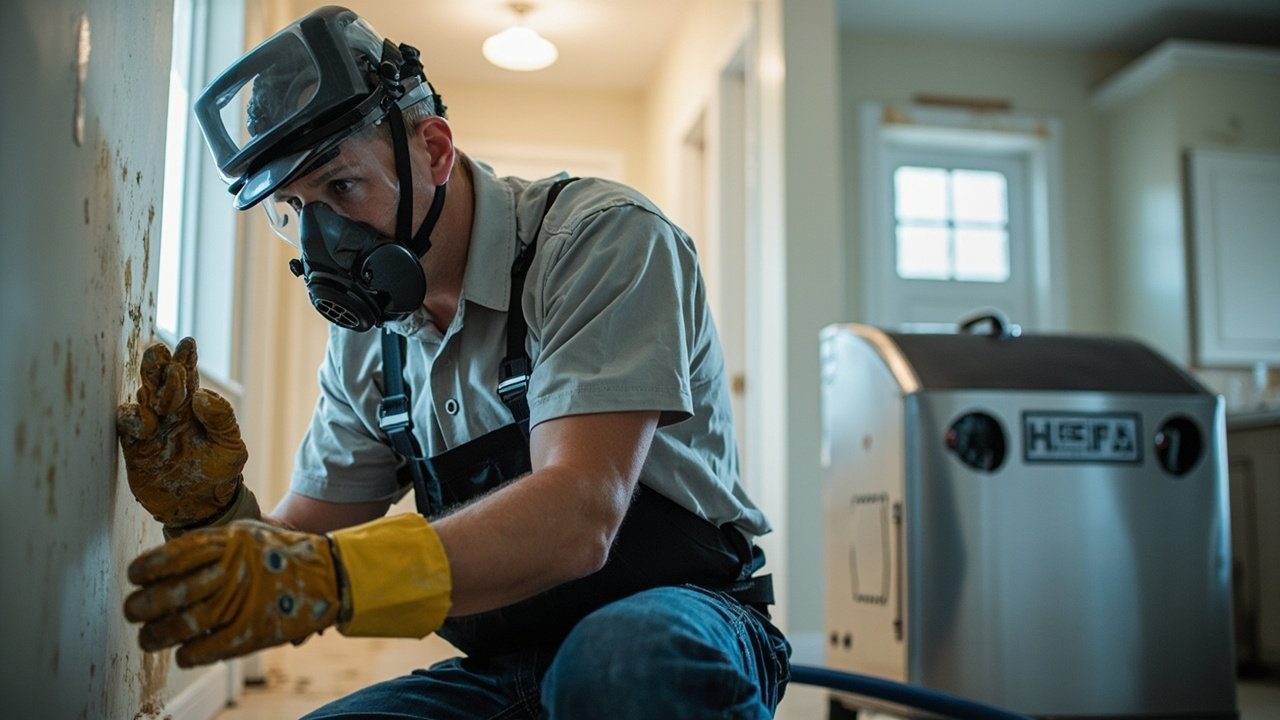
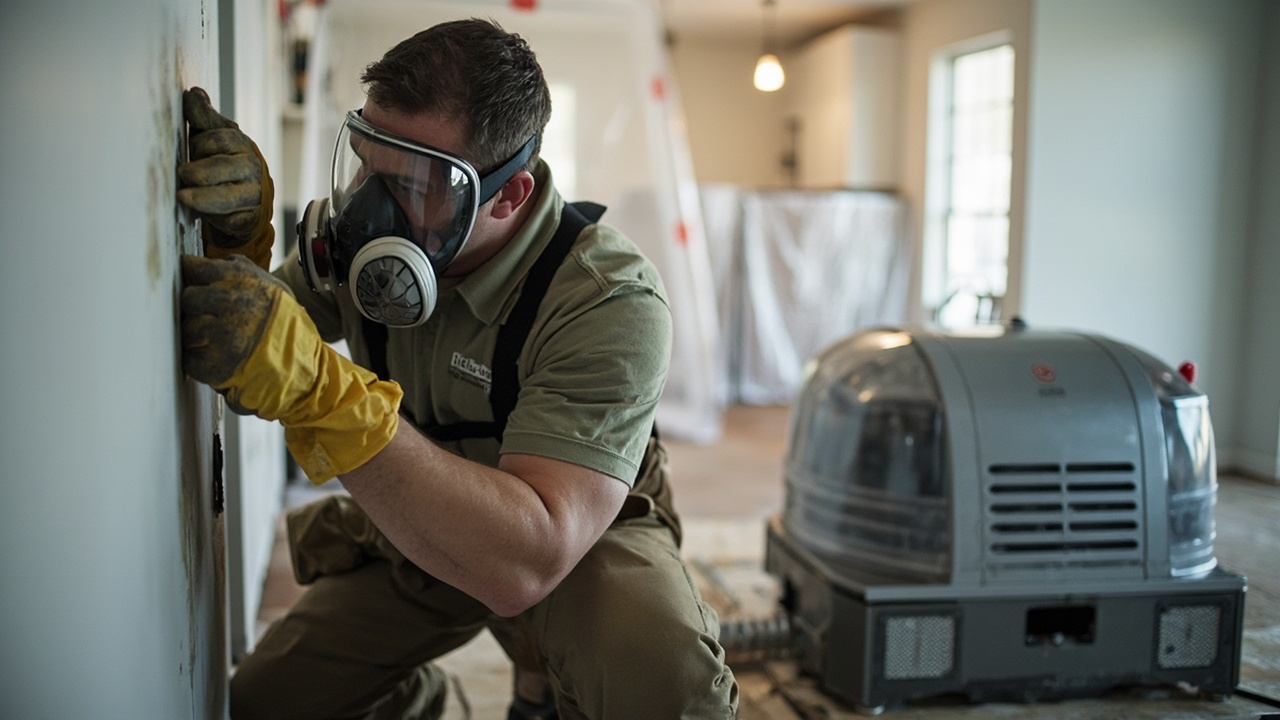
Effective mold cleanup services start with containment engineering. We establish negative air pressure zones using commercial air scrubbers equipped with HEPA filters rated to capture 99.97 percent of particles down to 0.3 microns. This prevents airborne spore migration during demolition. Polyethylene barriers seal off work zones, and air lock entries control personnel movement between contaminated and clean spaces.

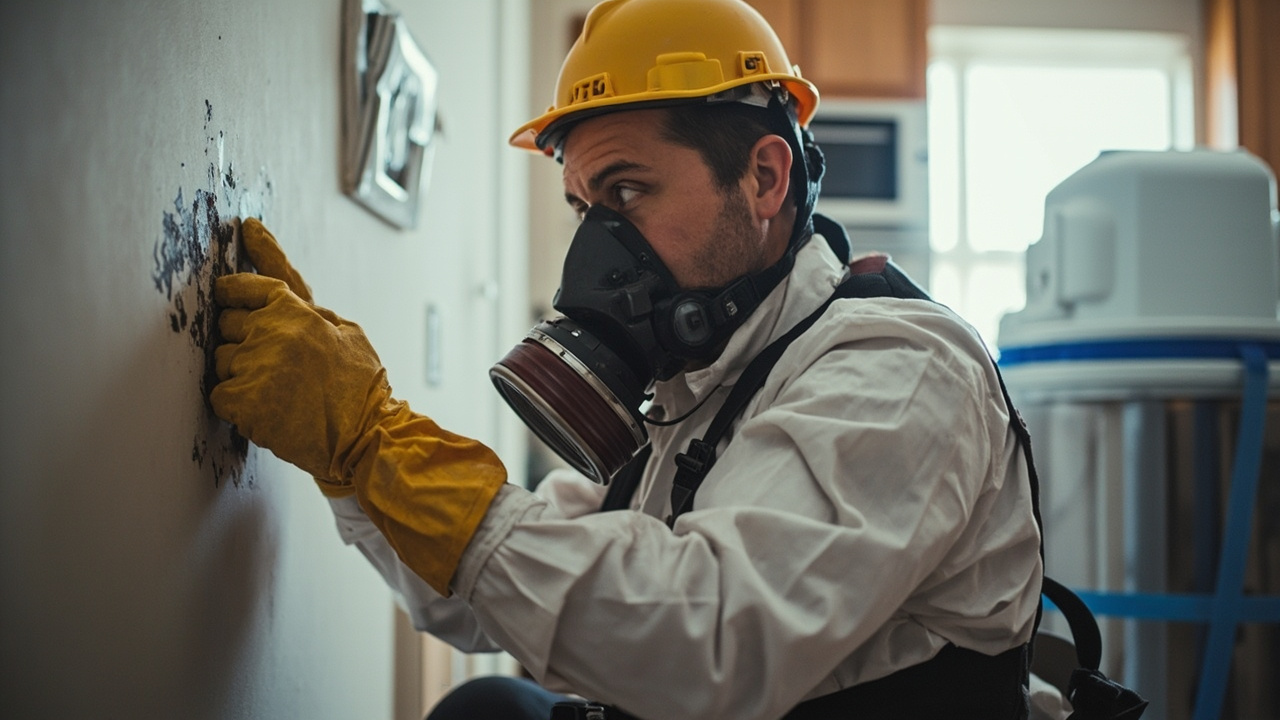
Our technicians wear full respiratory protection and disposable suits. We remove affected materials in sealed bags to prevent dispersal during transport. This includes drywall, insulation, baseboards, and any porous material with visible colonization. Non-porous surfaces like metal studs, concrete, or tile receive antimicrobial treatment after HEPA vacuuming removes surface growth.

The moisture source must be eliminated before reconstruction begins. We use thermal imaging cameras to identify hidden water intrusion behind walls or under flooring. Dehumidifiers reduce ambient moisture to below 50 percent relative humidity. Moisture meters verify that structural materials drop below 16 percent moisture content, the threshold where mold cannot sustain growth.

Professional mold removal includes air quality testing before clearance. We collect post-remediation samples and compare spore counts against outdoor baselines. This confirms that indoor air meets acceptable standards. Only after independent laboratory analysis verifies clearance do we authorize reconstruction.

Reliance Water Damage Restoration Orlando follows IICRC S520 standards for mold remediation. These protocols ensure thorough decontamination and prevent the recurrence issues common with surface-level treatments. Our process protects your health and your property value.

What Happens During Your Mold Remediation Service

Mold Remediation & Removal in Orlando – Expert Decontamination for Residential and Commercial Properties
01

Initial Assessment and Containment

We inspect your property to map contamination extent and identify moisture sources. Thermal imaging reveals hidden water damage behind walls or ceilings. We establish containment barriers immediately to prevent spore migration during the remediation work. Negative air machines begin filtering indoor air within the first hour of arrival, protecting unaffected areas of your home or business.
02

Material Removal and Decontamination

Our crew removes all contaminated porous materials, including drywall, insulation, and damaged framing when necessary. Non-porous surfaces receive HEPA vacuuming followed by antimicrobial application. We bag and remove debris through negative pressure zones to maintain containment. Structural drying equipment reduces ambient moisture levels below the threshold for mold growth, addressing the underlying cause.
03

Clearance Testing and Restoration

After remediation, we collect air samples for independent laboratory analysis. Spore counts must meet clearance standards before reconstruction begins. Once cleared, we restore affected areas using mold-resistant materials appropriate for Florida's humid climate. Final moisture verification confirms your property maintains safe humidity levels. You receive full documentation, including lab reports and before-and-after photos for insurance or real estate purposes.

Why Orlando Property Owners Choose Reliance for Mold Issues

Orlando mold problems require technicians who understand local construction methods and climate-specific challenges. Homes built before 2002 use different vapor barrier installations than current Florida Building Code requires. Older properties throughout Thornton Park and Lake Eola Heights need remediation approaches that account for plaster walls, tongue-and-groove ceilings, and limited attic ventilation common in pre-war construction.

We know how Orlando's seasonal weather patterns affect indoor moisture. The shift from air conditioning season to heating season creates condensation risks that out-of-state contractors miss. Our remediation protocols account for the fact that your HVAC system may be distributing spores through ductwork, requiring additional decontamination beyond the visible growth area.

Insurance claim support matters during remediation projects. We document every phase with timestamped photos and detailed moisture readings. Our estimates align with Xactimate pricing, the software most Florida insurers use for claim valuation. This reduces disputes and speeds claim processing when you need coverage for water damage that caused mold growth.

Reliance Water Damage Restoration Orlando maintains relationships with local environmental testing labs. We receive priority turnaround on air quality analysis, typically getting clearance results within 48 hours instead of the week-long delays common with national lab chains. Faster results mean you return to your property sooner.

Our team understands Orange County health department notification requirements for commercial mold remediation. Projects exceeding certain square footage thresholds require specific reporting. We handle this compliance work, protecting you from potential violations that delay occupancy permits or business reopening timelines.

What to Expect During Mold Remediation

Response Time and Project Duration

We arrive within two hours for emergency calls in the Orlando metro area. Initial assessment takes approximately 90 minutes, during which we establish containment and begin air filtration. Small residential projects typically require three to five days from start to clearance testing. Larger commercial jobs or extensive contamination may need seven to ten days. We provide a detailed timeline after the initial inspection, breaking down each phase so you can plan accordingly. Projects cannot be rushed without compromising safety and thoroughness, but we work efficiently to minimize displacement time.

Inspection and Moisture Mapping

Our assessment goes beyond visible mold growth. We use thermal imaging to detect temperature differentials that indicate hidden moisture in wall cavities, under flooring, or above ceilings. Moisture meters provide exact readings in wood framing, drywall, and concrete to determine the full scope of water damage. We identify the source causing mold growth, whether it is roof leaks, plumbing failures, condensation issues, or foundation seepage. You receive a written report with photos, moisture maps, and a detailed scope of work before any demolition begins.

The Final Result You Can Trust

Your property passes independent air quality testing that confirms spore levels match outdoor ambient air. All contaminated materials are removed and disposed of according to EPA guidelines. Affected areas are reconstructed using mold-resistant drywall, antimicrobial paint, and materials appropriate for high-humidity environments. We verify final moisture levels throughout the structure and confirm your HVAC system is not distributing spores. You receive complete documentation, including laboratory clearance reports, for your records or insurance submission. The work meets IICRC standards and local building code requirements.

Post-Remediation Monitoring

We provide guidance on humidity control and maintenance practices that prevent recurrence. This includes recommendations on dehumidifier sizing, HVAC maintenance schedules, and ventilation improvements specific to your property type and construction. While we cannot guarantee mold will never return if new water intrusion occurs, our remediation eliminates the current contamination completely. We offer follow-up inspections at 30 and 90 days to verify moisture levels remain stable. If you address the underlying moisture source we identify, mold should not reestablish in remediated areas.

Frequently Asked Questions

You Have Questions,
We Have Answers

How much does it cost to remove mold? +

Mold removal costs depend on the size of the affected area, mold type, and location accessibility. Small jobs in a single room may run lower, while extensive infestations in crawl spaces or attics cost more. Orlando's high humidity accelerates mold growth, which can increase scope if left untreated. Structural repairs, HVAC cleaning, and post-remediation testing add to the total. An inspection determines the exact scope. Pricing varies by square footage and contamination level. Most Orlando homeowners prioritize professional help to prevent recurring growth in Florida's moisture-heavy climate. Get a written estimate after inspection.

What is the difference between mold remediation and mold removal? +

Mold removal means physically eliminating visible mold from surfaces. Mold remediation goes further. It identifies the moisture source, contains the contaminated area, removes mold, cleans air with HEPA filtration, treats surfaces with antimicrobial solutions, and addresses underlying humidity issues. In Orlando, remediation is critical because removing mold without fixing the moisture problem invites regrowth within days. Florida's climate demands source correction. Remediation also includes air quality testing and prevention strategies. Removal treats symptoms. Remediation solves the root cause. For lasting results in Orlando's humid environment, remediation is the professional standard.

How much should it cost to remove mold? +

Costs vary widely based on infestation size, location, and structural damage. Small contained areas may run lower, while entire basements or attics with structural repairs cost more. In Orlando, moisture intrusion from hurricanes, roof leaks, or AC condensation complicates jobs. Expect pricing tied to square footage, mold type, and accessibility. Hidden mold behind drywall or in ductwork increases scope. Post-remediation testing and air scrubbing add to totals. An inspection provides accurate pricing. Avoid cut-rate services that skip containment or source correction. Proper remediation prevents recurring issues in Florida's humid climate.

Is professional mold removal worth it? +

Yes. Professional mold remediation is worth it because DIY efforts rarely address the moisture source or hidden growth. In Orlando, high humidity and frequent storms create ideal conditions for mold to spread behind walls, in attics, and inside HVAC systems. Professionals use containment barriers, HEPA air scrubbers, and antimicrobial treatments to prevent cross-contamination and regrowth. They also identify water intrusion points you might miss. Improper removal releases spores into your air, worsening health risks and contamination. For Orlando homes, professional remediation protects property value, indoor air quality, and long-term health. It saves money by preventing recurring infestations.

What kills mold permanently? +

No product kills mold permanently if moisture remains. Effective mold control requires removing the growth, treating surfaces with EPA-registered antimicrobials, and eliminating the water source. In Orlando, dehumidification and ventilation are critical because Florida's humidity feeds regrowth. Bleach kills surface mold temporarily but does not penetrate porous materials like drywall or wood. Professionals use specialized biocides, HEPA vacuuming, and encapsulation to treat contaminated areas. The key is moisture control. Fix leaks, improve drainage, and maintain indoor humidity below 60 percent. Without addressing Orlando's climate challenges, mold returns. Prevention is permanent control.

Can a house recover from mold? +

Yes. A house can recover from mold with proper remediation, moisture control, and structural repairs. In Orlando, many homes experience mold due to hurricanes, roof leaks, or AC failures. Recovery requires removing contaminated materials, treating affected areas, repairing water damage, and improving ventilation. Severe infestations may require drywall replacement, insulation removal, or HVAC duct cleaning. Post-remediation air quality testing confirms clearance. The home becomes safe once moisture sources are fixed and humidity is controlled. Orlando's climate demands vigilance. Regular inspections, dehumidifiers, and prompt leak repairs prevent recurrence. Most homes fully recover with professional intervention.

Why is mold remediation so expensive? +

Mold remediation costs reflect labor-intensive containment, specialized equipment, and expertise required to safely remove contamination without spreading spores. Professionals use negative air machines, HEPA vacuums, antimicrobial treatments, and protective gear. In Orlando, humidity complicates jobs. Crews must address hidden mold in attics, crawl spaces, and ductwork. Structural repairs, such as replacing water-damaged drywall or subflooring, add expense. Testing confirms clearance. Cutting corners risks cross-contamination and health hazards. Proper remediation prevents recurring growth, which saves money long-term. Orlando's climate demands thorough work. Cheap services skip containment or source correction, leading to regrowth and higher costs later.

How long should you stay out of house after mold remediation? +

You can typically return home within 24 to 48 hours after mold remediation, depending on the scope and ventilation. Professionals conduct post-remediation air quality testing to confirm spore levels are safe. In Orlando, high humidity may require extended drying time using dehumidifiers and air movers. If structural repairs were made, allow paint or sealants to cure fully. Follow your remediation company's guidance. Sensitive individuals, such as those with asthma or allergies, should wait for clearance testing results. Proper ventilation speeds re-entry. Most Orlando homes are habitable quickly once containment barriers are removed and air quality is verified.

Can you remediate mold yourself? +

You can clean small, surface-level mold on non-porous materials like tile or glass with household solutions. However, DIY mold remediation is risky for larger infestations or porous surfaces like drywall, insulation, or wood. In Orlando, hidden mold often grows behind walls, in attics, or inside AC systems due to high humidity. Disturbing mold without containment spreads spores throughout your home. Professionals use HEPA filtration, protective equipment, and antimicrobial treatments. They also identify and fix moisture sources. For anything beyond a small bathroom patch, hire certified remediation experts. Orlando's climate makes proper source correction critical to prevent regrowth.

What to do if you can't afford mold remediation? +

If cost is a barrier, prioritize fixing the moisture source first. Stop leaks, improve ventilation, and use dehumidifiers to slow mold growth. Address small surface patches yourself with protective gear and proper disposal methods. In Orlando, some homeowners insurance policies cover mold if it results from a covered event like a pipe burst. Review your policy. Contact local health departments or nonprofits for guidance on low-cost remediation resources. Some contractors offer payment plans. Delaying professional help worsens contamination and health risks. Focus on critical areas like bedrooms and living spaces. Preventing further moisture intrusion is the most cost-effective step you can take.

How Orlando's Water Table and Storm Patterns Drive Mold Growth

Orlando sits on a limestone aquifer with a high water table that rises during the rainy season from June through September. This creates hydrostatic pressure against foundation walls and floor slabs, pushing moisture through concrete pores in older properties lacking proper vapor barriers. Add afternoon thunderstorms that dump three to four inches in 90 minutes, and you get standing water in crawl spaces, saturated insulation, and compromised building envelopes. The combination of ground moisture and storm-driven water intrusion makes mold mitigation an ongoing concern for properties throughout Orange County, particularly in low-lying neighborhoods near Lake Ivanhoe, Lake Conway, and the Little Econ River basin.

Effective mold abatement in Orlando requires understanding how local construction practices affect moisture management. Many homes built during the 1970s and 1980s boom used minimal foundation waterproofing and insufficient attic ventilation. These properties need specialized assessment that accounts for aging materials and outdated moisture control systems. Reliance Water Damage Restoration Orlando brings this local construction knowledge to every project. We know which neighborhoods face recurring drainage issues, which building materials fail first in humid climates, and how to work with local building inspectors who enforce Orange County's specific mold-related code requirements for commercial properties.

Water Damage Restoration Services in The Orlanado Area

Looking for fast and reliable water damage restoration in your area? Reliance Water Damage Restoration Orlando proudly serves homes and businesses throughout Orlando and surrounding communities. Whether you're dealing with flood damage, burst pipes, or mold issues, our expert team is ready to respond 24/7. We use industry-leading equipment to extract water, dry structures, and restore your property to pre-loss condition. Check the map below to see if we service your neighborhood, or call now for immediate help.

Address:
Reliance Water Damage Restoration Orlando, 7380 W Sand Lake Rd Suite 500, Orlando, FL, 32819

Additional Services We Offer

Our news updates

Latest Articles & News from The Blogs

Lorem ipsum dolor sit amet. Aut expedita quaerat quo eligendi numquam et laudantium perspiciatis qui minima expedita rem consequatur ducimus.…

Test Blog 4

Lorem ipsum dolor sit amet. Aut expedita quaerat quo eligendi numquam et laudantium perspiciatis qui minima expedita rem consequatur ducimus.…

Test Blog 3

Lorem ipsum dolor sit amet. Aut expedita quaerat quo eligendi numquam et laudantium perspiciatis qui minima expedita rem consequatur ducimus.…

Test Blog 2

Lorem ipsum dolor sit amet. Aut expedita quaerat quo eligendi numquam et laudantium perspiciatis qui minima expedita rem consequatur ducimus.…

Contact Us

Call Reliance Water Damage Restoration Orlando now at (689) 268-2233 for immediate assessment and containment. Our team responds within two hours to Orlando metro properties. Professional mold decontamination protects your health and property value.