Menu

Sump Pump Maintenance Guide in Orlando – Prevent Flooding Before the Next Storm Hits

Learn how to maintain a sump pump with our comprehensive preventative maintenance checklist designed specifically for Orlando's subtropical climate, heavy rainfall, and high water table challenges.

Slider Image 1
Slider Image 2
Slider Image 3
Slider Image 4
Slider Image 5
Slider Image 7
Slider Image 8
Slider Image 9
Slider Image 10
Slider Image 11

Why Sump Pump Care Tips Matter More in Central Florida

Orlando sits in a low-lying basin where the water table can rise within feet of the surface during our six-month wet season. From June through November, afternoon thunderstorms dump inches of rain in minutes. Add tropical storms and hurricanes, and your sump pump becomes the only barrier between dry living space and catastrophic basement flooding.

Most Orlando homes with basements or crawl spaces rely on sump pumps to manage groundwater intrusion. The problem is that pumps fail when you need them most. A clogged discharge line during a downpour means standing water within hours. A stuck float switch means your pump never activates. Corroded check valves allow water to flow backward into your basin.

Central Florida's humid climate accelerates pump degradation. Moisture promotes rust on metal components. Algae and sediment build up faster in warm standing water. Power outages during storms leave battery backup systems as your only defense, but dead batteries offer zero protection.

Regular sump pump upkeep instructions are not optional in this region. They are survival protocol. Homeowners who skip preventative sump pump maintenance discover the hard way that replacement costs pale compared to water damage remediation, mold abatement, and destroyed belongings. A functioning sump pump maintenance checklist protects your largest investment and gives you peace of mind when the skies darken.

The question is not whether your pump will face a test. The question is whether it will pass.

Why Sump Pump Care Tips Matter More in Central Florida
How to Maintain a Sump Pump for Maximum Reliability

How to Maintain a Sump Pump for Maximum Reliability

Effective sump pump care tips start with understanding the four critical failure points: the pump itself, the float mechanism, the discharge system, and the power supply.

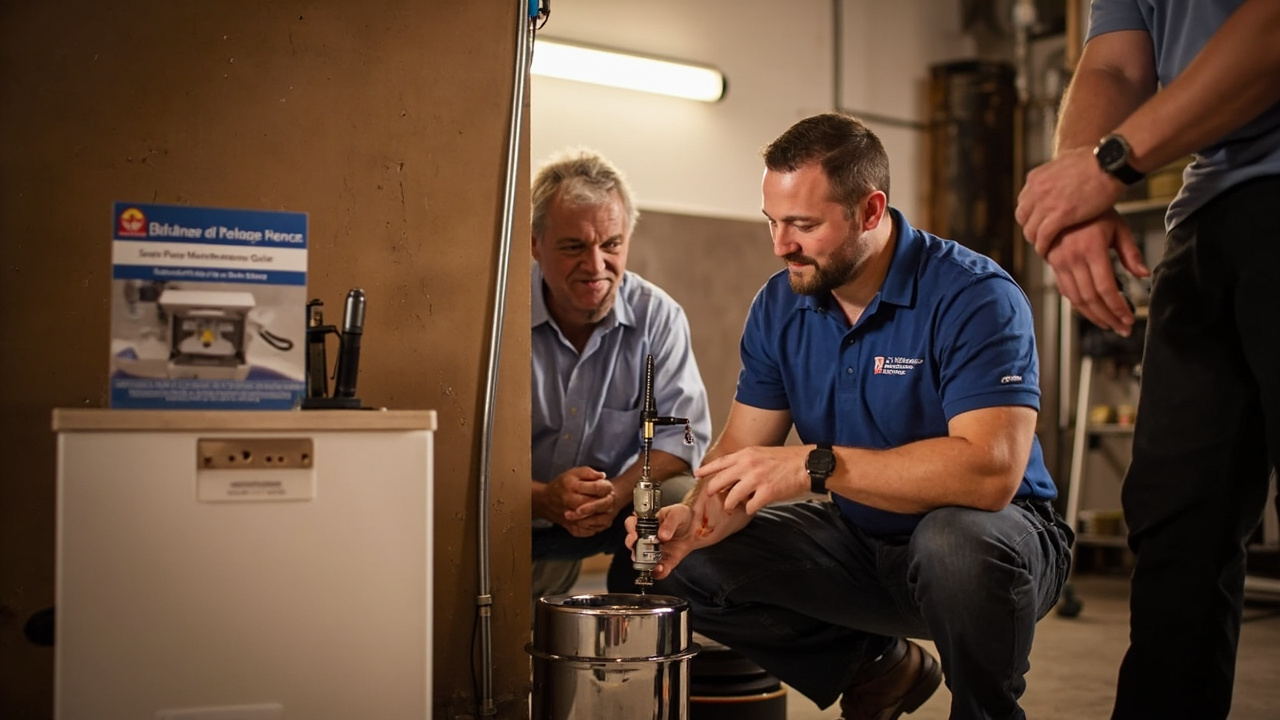
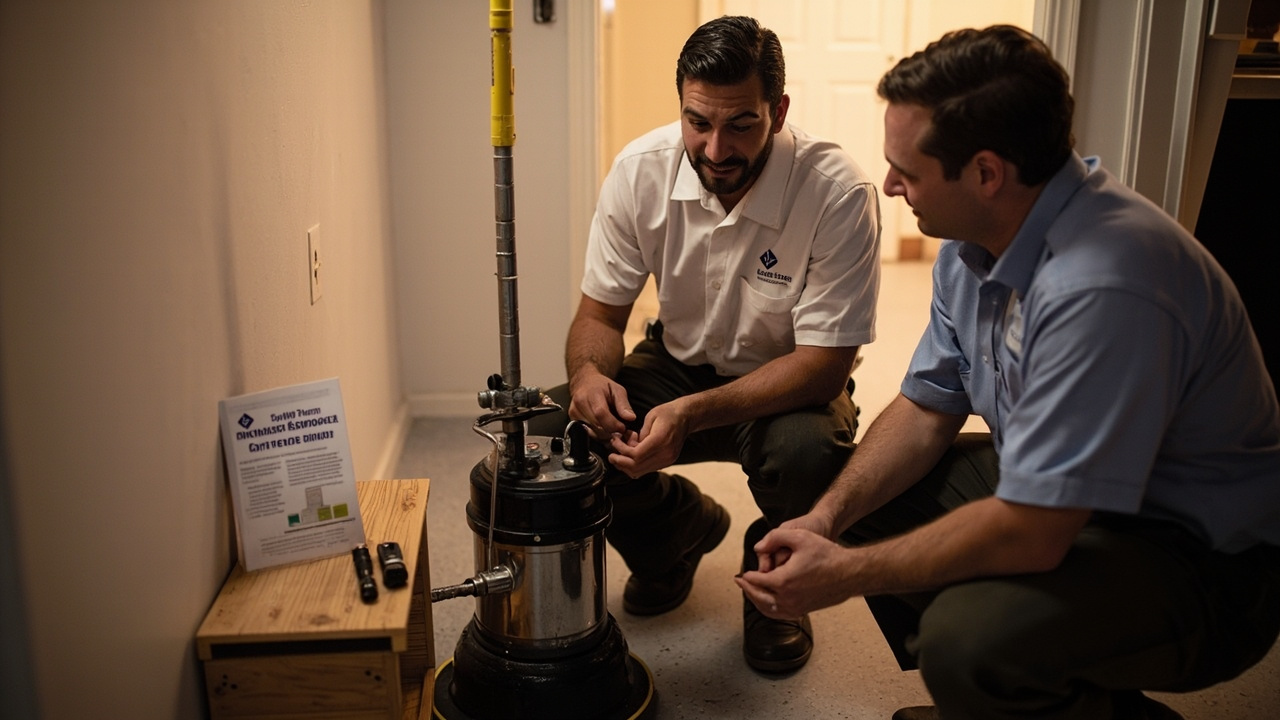
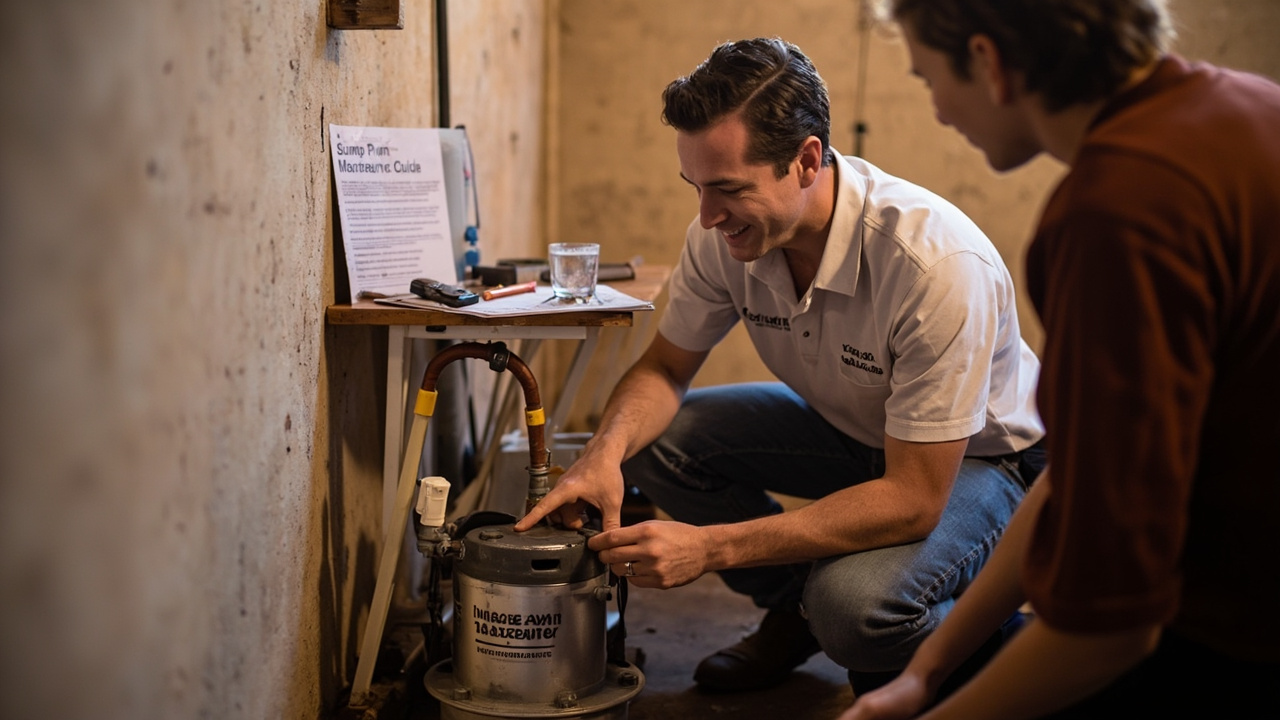
Begin with quarterly pump testing. Pour five gallons of water into the sump basin and watch the float rise. The pump should activate within seconds and drain the basin completely. Listen for unusual grinding or rattling. These sounds indicate impeller damage or bearing wear. Check the pump intake screen for debris accumulation. Even small obstructions reduce flow capacity and force the motor to work harder.

Inspect the float switch monthly during wet season. The tethered float should move freely without tangling. Vertical float rods should slide without resistance. Stuck floats are the number one cause of pump failure during critical demand periods. Clean the float mechanism with vinegar to remove mineral deposits and biofilm.

Examine the discharge line from basement to exterior outlet. Look for ice blockages in winter, though Orlando rarely freezes. More common here are crushed pipes from landscape equipment, root intrusion into buried PVC, and disconnected couplings. The check valve prevents backflow into the basin. Test it by pouring water down the discharge line. Water should not return to the basin.

Battery backup systems require annual load testing. Most backup pumps use marine deep-cycle batteries. Check terminals for corrosion. Measure voltage under load. Replace batteries every three to four years regardless of appearance. When grid power fails during a hurricane, that backup pump becomes your sole defense against flooding.

Document every inspection with photos and notes. This maintenance history proves invaluable for insurance claims and adds resale value to your property.

Your Seasonal Sump Pump Upkeep Schedule

Sump Pump Maintenance Guide in Orlando – Prevent Flooding Before the Next Storm Hits
01

Spring Inspection Protocol

Before wet season arrives in May, perform a comprehensive system evaluation. Remove the pump from the basin and clean all intake screens. Inspect impeller blades for cracks or chips. Test the GFCI outlet and verify dedicated circuit breaker operation. Pour water into the basin to confirm proper cycling. Check that the discharge line exterior outlet directs water at least ten feet from your foundation. Replace worn components now, not during a tropical storm.
02

Monthly Wet Season Checks

From June through November, inspect your pump monthly. Pour water into the basin to verify activation. Listen for motor strain or unusual vibration. Check the float mechanism for free movement. Inspect visible discharge piping for leaks or separation. Test your backup pump by disconnecting primary power. Clean the basin of sediment accumulation. These quick checks take fifteen minutes but prevent thousands in water damage. Document each inspection with dated photos.
03

Annual Deep Maintenance

Each January, perform thorough system maintenance. Remove and disassemble the pump. Clean all components with vinegar to dissolve mineral buildup. Lubricate bearing assemblies per manufacturer specifications. Inspect power cords for fraying or damage. Load test the battery backup under actual pumping conditions. Replace the check valve if it shows wear. Clear the discharge line with a plumber's snake. This annual deep service extends pump lifespan and ensures reliability when the next storm approaches Orlando.

Why Orlando Homeowners Trust Reliance Water Damage Restoration

We have responded to hundreds of sump pump failures across Orange County, Seminole County, and Osceola County. We know exactly how Orlando's unique hydrology challenges residential drainage systems. The limestone bedrock beneath Central Florida creates underground aquifers that surge during heavy rain. Subdivision development has eliminated natural wetlands that once absorbed runoff. These factors combine to put extraordinary stress on mechanical dewatering systems.

Our technicians understand Orlando's building codes and the specific permit requirements for sump pump installation and major repairs. We know which neighborhoods sit in flood zones and which developments battle high water tables year-round. Communities around Lake Nona, Doctor Phillips, and Baldwin Park each present distinct drainage challenges based on their soil composition and elevation.

When we assess a failing sump pump, we examine the entire water management system. Is your foundation drain tile properly sloped? Does your discharge line daylight at an adequate distance? Are you experiencing hydrostatic pressure against basement walls? These interconnected factors determine whether your pump can handle Orlando's rainfall intensity.

We stock commercial-grade pumps rated for continuous duty cycles, not the consumer models sold at big-box retailers. Our backup systems use hospital-grade battery technology that delivers reliable runtime during extended outages. We install water-powered backup pumps that require no electricity and never need battery replacement.

Every installation includes a written maintenance schedule customized to your property's risk factors. We mark your calendar for inspection dates and send reminder notifications. Our goal is not just to fix your current problem but to prevent the next one. That approach has made us the preferred water damage prevention partner for property managers, home inspectors, and insurance adjusters throughout the Orlando metro area.

What Your Sump Pump Maintenance Should Include

Response Time and Availability

Sump pump problems do not wait for business hours. A failed pump during a midnight thunderstorm means water accumulation within the hour. We maintain 24/7 emergency response for active flooding situations and can dispatch a technician to your Orlando property within 90 minutes of your call. For scheduled maintenance visits, we offer same-week appointments year-round. During hurricane season, we extend hours and add weekend availability. Our mobile service vehicles carry common replacement parts, so most repairs complete in a single visit without waiting for special orders.

Comprehensive System Assessment

Our maintenance inspection covers far more than the pump itself. We use moisture meters to check for hidden water intrusion around your foundation. We inspect the sump basin for cracks that could allow soil infiltration. We test electrical components with multimeters to identify voltage drops that stress the motor. We measure discharge line slope with laser levels to ensure proper drainage. We photograph corroded fittings, worn gaskets, and damaged float mechanisms. You receive a detailed report with prioritized recommendations and cost estimates for any needed repairs. This diagnostic approach identifies small problems before they become expensive emergencies.

Quality Standards and Equipment

We install and service only pumps rated for continuous duty in residential applications. Our standard units feature cast iron housings, stainless steel impellers, and sealed bearing assemblies. These commercial-grade components withstand Orlando's demanding conditions far longer than plastic consumer pumps. Battery backup systems use true deep-cycle marine batteries, not automotive starting batteries. Our check valves are brass with replaceable flapper assemblies. Discharge lines are Schedule 40 PVC properly solvent-welded at joints. We follow manufacturer torque specifications and clearance requirements. When we complete a maintenance service or installation, you receive documentation suitable for insurance filings and property transfer disclosures.

Ongoing Maintenance Support

Every service call includes a customized maintenance calendar based on your pump model, basin size, and property risk factors. We send email and text reminders before each recommended inspection date. Clients who enroll in our annual maintenance program receive priority scheduling, discounted service rates, and extended coverage on parts we install. We keep detailed service records in our system, so any technician who visits your property has complete historical context. We also provide phone support for urgent questions. If you hear unusual pump noises at 2 AM, call us for immediate troubleshooting guidance. This proactive approach has helped hundreds of Orlando homeowners avoid flooding damage.

Frequently Asked Questions

You Have Questions,
We Have Answers

What maintenance does a sump pump require? +

Sump pumps require quarterly inspections to function when you need them most. Check the float switch by pouring water into the pit until the pump activates. Clean debris from the intake screen and pit basin. Test the backup battery if you have one. Inspect the discharge line for clogs or freezing. In Orlando's high humidity and frequent storm conditions, moisture buildup can corrode components faster. Listen for unusual grinding noises that signal worn bearings. Remove sediment accumulation every three months. Check the check valve to prevent backflow. Schedule annual professional inspections to catch motor wear before failure during peak rainy season.

What is the standard checklist for pump maintenance? +

A proper pump maintenance checklist includes testing the float switch operation, cleaning the intake screen, inspecting electrical connections for corrosion, checking the discharge pipe for obstructions, verifying the check valve seals properly, testing backup power systems, measuring pump cycle time, inspecting the basin for cracks, removing accumulated sediment, and listening for motor strain. In Orlando, add a humidity check for electrical components and verify weep hole drainage. Document each inspection with dates and findings. Test during dry periods so you know the system works before summer thunderstorms hit. Replace worn components immediately rather than waiting for failure during flooding events.

Can I put a chlorine tablet in my sump pump? +

No. Chlorine tablets damage sump pump components and create toxic fumes in enclosed spaces. The chemical reaction corrodes rubber seals, degrades plastic parts, and pits metal surfaces. Chlorine also kills beneficial bacteria in septic systems if your discharge connects to one. Orlando's warm temperatures accelerate this corrosion. Instead, use a vinegar solution for cleaning or specialized sump pump treatments. If you smell sewage odors from the pit, the issue requires proper cleaning and possibly a vent installation. Never mix chemicals in your sump basin. Address odor problems with proper maintenance and ventilation rather than harsh chemicals.

What is the average lifespan of a sump pump? +

Quality sump pumps last seven to ten years with proper maintenance. Cheaper units may fail in three to five years. Orlando's frequent rainfall and humidity put extra strain on pumps, potentially shortening lifespan. Pumps that run constantly during rainy season wear faster than those in drier climates. Heavy sediment loads from groundwater reduce motor life. Installation quality matters. A pump sitting directly on gravel ingests more debris than one on a pump stand. Track your installation date and start budgeting for replacement after year five. Warning signs include longer run times, frequent cycling, or visible rust on components.

Does sump pump maintenance really matter? +

Yes. Neglected sump pumps fail when you need them most, during heavy rainfall or flooding. A failed pump causes basement flooding, foundation damage, mold growth, and destroyed belongings. In Orlando, where afternoon thunderstorms dump inches of rain quickly, pump failure means rapid water accumulation. Regular maintenance catches worn bearings, clogged intakes, and failing switches before they cause problems. A 15-minute quarterly inspection prevents thousands in water damage repairs. Homeowners insurance may deny claims if you cannot prove proper maintenance. The cost of neglect far exceeds the minimal time investment. Your pump protects your foundation and everything stored below grade.

What can I put in my sump pump to clean it? +

Use white vinegar or a specialized sump pump cleaner. Mix equal parts vinegar and water, then pour the solution into the pit while the pump runs to flush the system. Vinegar dissolves mineral deposits, kills odor-causing bacteria, and leaves no harmful residue. For stubborn buildup, use a stiff brush on the basin walls and intake screen. Orlando's hard water accelerates mineral accumulation, requiring more frequent cleaning. Avoid bleach in high concentrations as it damages seals and pipes. After cleaning, run clean water through the system to rinse completely. Clean quarterly during rainy season, less often during dry months.

What are the 7 elements of preventive maintenance? +

The seven elements are inspection, lubrication, cleaning, adjustment, replacement, testing, and documentation. Inspect all components for wear or damage. Lubricate bearings if your model requires it. Clean debris from the pit and intake. Adjust float switches for proper activation levels. Replace worn seals, corroded fasteners, or damaged cords. Test the system under load conditions. Document every maintenance action with dates and findings. In Orlando's climate, prioritize moisture-related inspections of electrical connections and motor housing. These elements work together to extend equipment life and ensure reliability. Skipping any element increases failure risk during peak demand periods when storms threaten flooding.

What is the 10 rule of preventive maintenance? +

The 10 percent rule states you should spend 10 percent of equipment replacement cost annually on preventive maintenance. For a 600-dollar sump pump, budget 60 dollars yearly for maintenance, parts, and professional inspections. This investment extends lifespan and prevents catastrophic failure. Most homeowners handle quarterly checks themselves, but annual professional inspections cost 75 to 150 dollars in the Orlando area. Professionals catch problems you might miss. The rule balances maintenance costs against replacement expenses. Spending too little leads to premature failure. Spending too much wastes money on excessive servicing. Track your maintenance spending to ensure you meet this benchmark for optimal reliability.

What maintenance task should be carried out on pumps? +

Key pump maintenance tasks include testing activation and shutoff cycles, cleaning intake screens and discharge lines, inspecting seals and gaskets for leaks, checking electrical connections for corrosion, verifying proper drainage away from the foundation, lubricating bearings if required, removing sediment from the basin, testing backup power systems, measuring runtime to detect motor strain, and inspecting the check valve. Orlando homeowners should add humidity checks for electrical components and verify weep holes drain properly. Perform these tasks quarterly during rainy season and twice yearly during drier months. Address any abnormality immediately rather than waiting for complete failure during a storm event.

Is bleach or vinegar better for a sump pump? +

Vinegar is better for routine sump pump maintenance. White vinegar dissolves mineral deposits, neutralizes odors, and rinses clean without residue. It is safe for all pump components and septic systems. Use a 50-50 vinegar-water solution quarterly. Bleach works for heavy bacteria or mold but damages rubber seals, corrodes metal parts, and creates fumes in enclosed spaces. Orlando's hard water makes vinegar particularly effective for mineral buildup. If you must use bleach for severe contamination, dilute heavily and rinse thoroughly afterward. Never mix bleach with other cleaners. For ongoing maintenance, vinegar provides effective cleaning without the risks bleach poses to your equipment.

How Orlando's Limestone Bedrock Affects Sump Pump Performance

Central Florida sits on porous limestone bedrock shot through with underground aquifers and solution cavities. When heavy rain saturates the soil, groundwater levels rise rapidly through these limestone channels. Your sump basin fills faster in Orlando than in regions with clay or granite substrates. This geology means your pump faces more frequent cycling and higher flow volumes during wet season. The limestone also dissolves over time, creating voids that can shift foundation footings and crack basement walls. These structural movements stress discharge line connections and basin seals. Understanding this unique substrate is essential for proper sump pump maintenance in the Orlando metro area.

Reliance Water Damage Restoration Orlando has worked with foundation specialists, structural engineers, and city inspectors throughout Orange County. We understand local building codes that govern sump pump installations, including required backflow prevention and discharge routing away from adjacent properties. Our technicians recognize the signs of sinkhole activity common to limestone regions. We know which neighborhoods experience chronic groundwater issues and which developments have inadequate stormwater infrastructure. This local expertise ensures your maintenance plan addresses the specific challenges your property faces, not generic recommendations from a national service chain that has never worked a Central Florida basement.

Water Damage Restoration Services in The Orlanado Area

Looking for fast and reliable water damage restoration in your area? Reliance Water Damage Restoration Orlando proudly serves homes and businesses throughout Orlando and surrounding communities. Whether you're dealing with flood damage, burst pipes, or mold issues, our expert team is ready to respond 24/7. We use industry-leading equipment to extract water, dry structures, and restore your property to pre-loss condition. Check the map below to see if we service your neighborhood, or call now for immediate help.

Address:
Reliance Water Damage Restoration Orlando, 7380 W Sand Lake Rd Suite 500, Orlando, FL, 32819

Additional Services We Offer

Our news updates

Latest Articles & News from The Blogs

Lorem ipsum dolor sit amet. Aut expedita quaerat quo eligendi numquam et laudantium perspiciatis qui minima expedita rem consequatur ducimus.…

Test Blog 4

Lorem ipsum dolor sit amet. Aut expedita quaerat quo eligendi numquam et laudantium perspiciatis qui minima expedita rem consequatur ducimus.…

Test Blog 3

Lorem ipsum dolor sit amet. Aut expedita quaerat quo eligendi numquam et laudantium perspiciatis qui minima expedita rem consequatur ducimus.…

Test Blog 2

Lorem ipsum dolor sit amet. Aut expedita quaerat quo eligendi numquam et laudantium perspiciatis qui minima expedita rem consequatur ducimus.…

Contact Us

Do not wait until water is pouring into your basement. Call Reliance Water Damage Restoration Orlando at (689) 268-2233 to schedule a comprehensive sump pump maintenance inspection. We will assess your system, identify potential failures, and give you a written action plan to protect your home.