The Dangers of Combining Water Damage and Old Electrical Wiring in Parramore Properties
Water and electricity create one of the most dangerous combinations in your home. When flooding or leaks occur in Parramore’s historic properties, the risk increases dramatically due to aging electrical systems common in these older neighborhoods. Understanding these dangers can save lives and prevent catastrophic property damage. Emergency Water Damage Restoration for Windermere Homeowners.
Parramore features many homes built before modern electrical codes existed. These properties often contain cloth-insulated wiring, ungrounded outlets, and electrical panels that have reached or exceeded their 30-year lifespan. When water infiltrates these systems, the results can be immediate and deadly. Water Bug & Pest Infestations.
The Hidden Dangers of Water-Damaged Electrical Systems
Water creates multiple electrical hazards that many homeowners underestimate. The dangers extend far beyond simple shocks and include fire risks, equipment failures, and long-term corrosion that compromises safety months after the initial incident.
Immediate Electrocution Risks
Standing water conducts electricity exceptionally well. Even a small amount of moisture can create dangerous conditions. A person standing in water can complete an electrical circuit through their body, causing severe injury or death. The risk increases with saltwater intrusion during hurricanes, as salt significantly enhances water’s conductivity.
Voltage as low as 50 volts can cause cardiac arrest under certain conditions. Most household circuits operate at 120 or 240 volts, making every flooded room potentially lethal. Children and pets face even higher risks due to their smaller body mass and tendency to explore flooded areas.
Fire Hazards from Water-Damaged Wiring
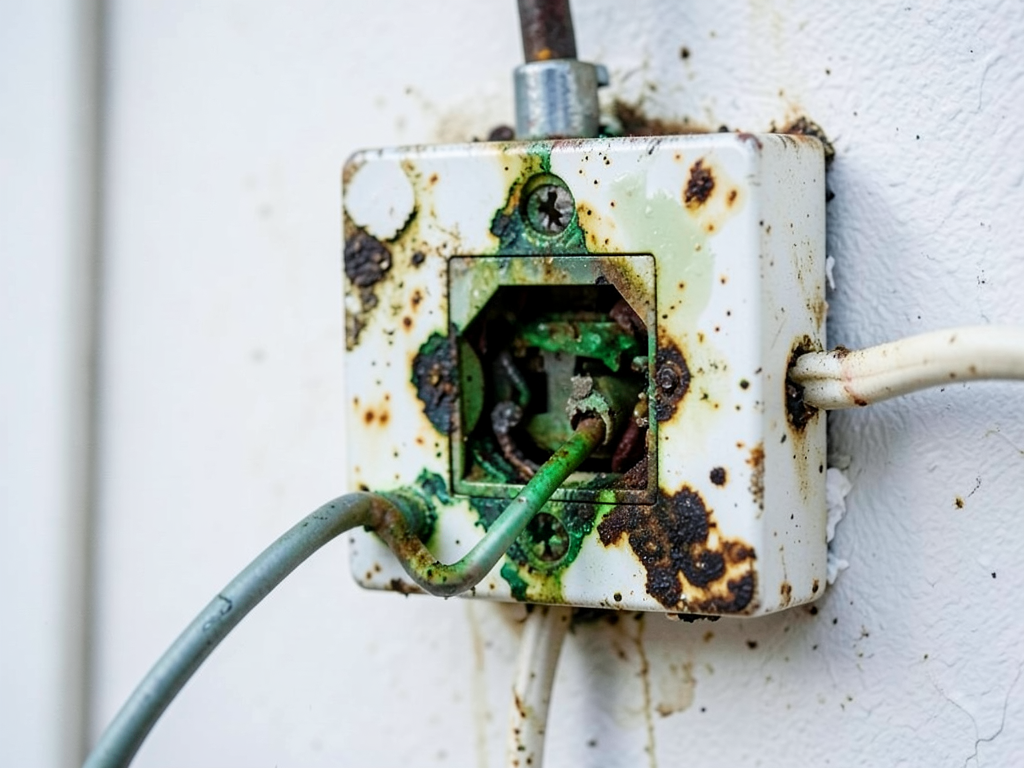
Water-damaged electrical components create fire risks that persist long after visible water disappears. Corrosion begins immediately when water contacts metal conductors. This corrosion increases resistance in electrical pathways, generating heat that can ignite surrounding materials.
Insurance data shows electrical fires following water damage account for nearly 30% of post-flood property losses. The fires often occur days or weeks after the initial incident when homeowners believe their property is safe again.
Hidden Moisture in Electrical Conduits
Water travels through electrical conduits and wall cavities, creating hidden moisture pockets that standard drying methods cannot reach. These areas remain damp for weeks, continuing to corrode wiring and creating perfect conditions for mold growth behind walls.
Central Florida’s high humidity, averaging 74% year-round, compounds this problem. Moisture from the air continuously rehydrates partially dried electrical components, extending corrosion timelines indefinitely. Florida Disaster emergency preparedness resources.
Step-by-Step: What to Do (And Not Do) if Your Orlando Home Has Standing Water
Safety must be your first priority when dealing with water and electricity. Following these steps can prevent injury and minimize property damage.
- Stop the Power Immediately
Locate your main electrical panel and shut off the main breaker before entering any flooded area. Never assume a room is safe because the light switch is off. Water can conduct electricity through any conductive surface.
- Call Emergency Services if Needed
If water reaches electrical outlets or you see sparks, smoke, or hear buzzing sounds, evacuate immediately and call 911. These signs indicate active electrical hazards that require professional intervention. Professional Mold Removal and Remediation Services in Lake Nona.
- Document Everything
Take photos and videos of the damage before beginning cleanup. This documentation helps with insurance claims and helps restoration professionals understand the scope of electrical risks.
- Never Use Household Vacuum Cleaners
Standard vacuums are not designed for water removal and can cause electrocution or equipment damage. Even wet-dry vacuums require specific safety precautions around water.
- Avoid All Electrical Appliances
Do not touch any electrical devices, outlets, or switches while standing in water. Even moving through a flooded room can create dangerous electrical paths through your body.
GFCIs, Circuit Breakers, and Outlets: Identifying Failure Points
Understanding your home’s electrical safety devices helps you recognize when they fail. Ground Fault Circuit Interrupters (GFCIs) are designed to cut power when they detect ground faults, but water damage can compromise their effectiveness.
Standard circuit breakers protect against overloads but not ground faults. A breaker may not trip even when dangerous current flows through water. This creates a false sense of security that can prove fatal.
Outlets in older Parramore homes often lack modern safety features. Two-prong ungrounded outlets provide no protection against ground faults. Water contacting these outlets creates immediate shock hazards.
Can You Save Water-Damaged Appliances?
Many homeowners want to salvage expensive appliances after flooding. The decision depends on several factors including water type, exposure duration, and appliance age.
Appliances exposed to clean water for less than 24 hours have the best chance of recovery. However, even brief exposure to contaminated water or saltwater often makes replacement the safer and more cost-effective option.
Refrigerators and freezers require special consideration. Their sealed electrical components can trap moisture, creating corrosion that manifests months later as electrical failures or refrigerant leaks.
HVAC systems present unique challenges. Their large size and complex electrical systems make professional evaluation essential. Water in ductwork can travel to electrical components in air handlers and furnaces, creating hidden hazards. The Best Way to Handle Sewage Backup Cleanup in College Park.
Washing machines and dryers contain multiple electrical components that water can damage. Even if they appear to function after drying, internal corrosion can cause fires during subsequent use.
When to Call a Certified Restoration Expert vs. an Electrician
Understanding which professional to call first saves time and ensures proper handling of electrical hazards. Water damage restoration companies and electricians serve different but complementary roles.
Restoration experts handle water extraction, structural drying, and preventing secondary damage like mold growth. They understand how water moves through buildings and can identify hidden moisture that threatens electrical systems.
Electricians specialize in electrical system safety and repair. They can evaluate whether wiring, outlets, and panels need replacement after water exposure. However, they typically do not perform water extraction or structural drying.
The ideal scenario involves both professionals working together. Restoration teams make the environment safe for electrical evaluation, while electricians ensure the electrical system meets safety codes before power restoration.
Insurance companies often require both types of professionals for claims involving water-damaged electrical systems. This ensures thorough documentation and proper repair procedures.
Navigating Orlando’s Humidity: Preventing Post-Flood Electrical Corrosion
Central Florida’s climate creates unique challenges for electrical systems after water damage. The combination of high humidity and warm temperatures accelerates corrosion and mold growth.
Orlando’s average humidity of 74% means moisture continuously enters buildings through normal air exchange. This moisture can re-wet partially dried electrical components, restarting the corrosion process.
Professional drying equipment uses dehumidification to reduce indoor humidity below 40%, creating conditions that prevent moisture reabsorption. Standard household fans cannot achieve these humidity levels, making professional equipment essential for proper drying.
Temperature also affects drying speed. Central Florida’s warm climate actually helps drying efforts when proper equipment is used. However, this same warmth accelerates mold growth if moisture remains in materials for more than 48 hours.
Orlando Building Permit Requirements for Electrical Repairs
Florida Building Code requires permits for most electrical repairs following water damage. This ensures repairs meet current safety standards and are inspected by qualified professionals.
Permit requirements typically include replacement of any wiring exposed to water, evaluation of circuit breakers and panels, and replacement of outlets and switches in flooded areas. The specific requirements depend on the water classification and damage extent.
Clean water from supply line breaks has different requirements than contaminated water from flooding or sewage backups. Contaminated water often requires complete replacement of affected electrical components rather than cleaning and testing.
Working without required permits can void insurance coverage and create liability issues if problems occur later. Professional restoration companies handle permitting as part of their services, ensuring all work meets code requirements.
Local Utility Company Protocols for Power Restoration
Orlando Utilities Commission (OUC) and Duke Energy have specific protocols for restoring power after flooding. These protocols protect both utility workers and property owners.
Utilities will not restore power to a building with known water damage until a licensed electrician certifies the electrical system as safe. This certification typically requires inspection of the main panel, all branch circuits, and any equipment that contacted water.
The certification process includes testing for ground faults, verifying proper grounding, and ensuring all damaged components have been replaced. Utilities maintain lists of qualified electricians who can perform these certifications.
Attempting to bypass these protocols by restoring power yourself or through unlicensed individuals creates serious liability. Utilities can disconnect service if they discover unpermitted electrical work, leaving you without power until proper repairs are completed.
Black Water Contamination and Electrical Safety
Water classification determines the level of electrical hazard and required response. Clean water from supply lines poses the least risk, while black water from sewage or flooding creates severe contamination requiring complete system replacement.
Black water contains bacteria, chemicals, and other contaminants that make electrical components unsafe even after drying. The contamination penetrates insulation and creates health hazards that cannot be adequately cleaned.
Florida’s hurricane season increases the likelihood of black water exposure. Storm surge brings saltwater and contaminants that destroy electrical components and create corrosion that continues long after visible water recedes.
Insurance policies often distinguish between water types in coverage terms. Black water damage typically requires more extensive repairs and may have different deductible structures than clean water damage.
Hidden Moisture in Electrical Conduits and Mold Risk
Electrical conduits create pathways for water to travel through walls and ceilings. Water in these conduits can travel far from the original leak source, creating hidden moisture pockets that standard inspection cannot detect. What to Do When Your Ceiling Starts Leaking in Baldwin Park.
Moisture in conduits creates perfect conditions for mold growth. Mold feeds on the organic materials in electrical insulation and can grow inside conduit runs where it remains hidden from view.
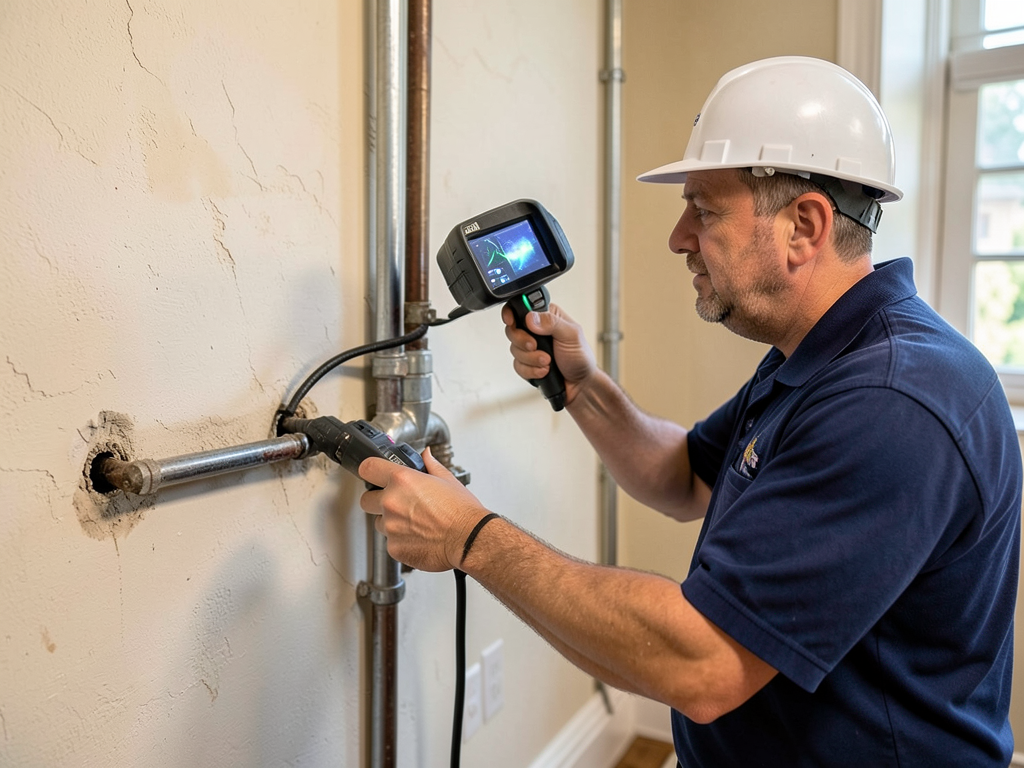
Professional moisture detection equipment uses thermal imaging and moisture meters to identify these hidden pockets. This technology can detect moisture behind walls and in ceiling cavities without destructive testing.
The cost of this detection technology is minimal compared to the expense of addressing mold growth discovered months after the initial incident. Early detection prevents the extensive remediation required for established mold colonies.
Comparative Timeline of Electrical Safety After Water Damage
| Time After Water Exposure | Electrical Condition | Safety Level | Required Action |
|---|---|---|---|
| 0-24 hours | Initial exposure | Critical Danger | Immediate power shutdown, professional evaluation |
| 24-72 hours | Corrosion begins | High Danger | Professional drying, electrical testing |
| 3-14 days | Active corrosion | Moderate Danger | Electrical component replacement likely needed |
| 2-4 weeks | Mold growth possible | Variable Danger | Mold remediation may be required |
| 1-6 months | Hidden failures develop | High Fire Risk | Comprehensive electrical inspection recommended |
Cost Factors in Water-Damaged Electrical Repairs
Several factors influence the cost of repairing water-damaged electrical systems. Understanding these factors helps homeowners make informed decisions about restoration versus replacement.
Water classification significantly impacts repair costs. Clean water damage typically costs 30-50% less to repair than contaminated water damage because contaminated systems often require complete replacement rather than cleaning and testing.
Age of the electrical system affects repair complexity. Older systems may require updates to meet current code requirements, adding to the overall cost. However, insurance policies sometimes cover code upgrade costs when water damage necessitates system replacement.
Extent of damage determines whether spot repairs or complete system replacement makes more sense. Widespread damage often makes full replacement more cost-effective than multiple spot repairs, especially when considering long-term reliability.
Frequently Asked Questions
Can I turn the power back on myself after water damage?
No. Only a licensed electrician should restore power after water damage. They can properly test the system and ensure all safety devices function correctly. Attempting to restore power yourself creates serious liability and safety risks.
How long does electrical equipment need to dry before it is safe?
Drying time varies by equipment type and damage extent. Most electrical components require 48-72 hours of professional drying followed by electrical testing before they can be safely powered. Some components may never be safe to reuse after water exposure.
Will my insurance cover electrical damage from water?
Most homeowners insurance policies cover sudden water damage including electrical damage when caused by covered perils like burst pipes or storm damage. However, coverage may be limited for damage from maintenance issues or flooding without separate flood insurance.
What should I do if I see sparks or smell burning after water damage?
Evacuate immediately and call 911. These signs indicate active electrical hazards that can cause fires or electrocution. Do not attempt to investigate or fix the problem yourself.
Protecting Your Parramore Home: Professional Assessment Matters
Parramore’s historic homes deserve special attention when water damage occurs. These properties often contain irreplaceable architectural features and wiring systems that require expert evaluation.
Professional assessment includes thermal imaging to detect hidden moisture, electrical testing to identify compromised components, and evaluation of structural elements that may affect electrical safety. This comprehensive approach ensures all hazards are identified and properly addressed.
The cost of professional assessment is minimal compared to the potential losses from electrical fires, electrocution injuries, or incomplete repairs that lead to recurring problems. Professional restoration companies provide detailed reports that help with insurance claims and ensure all necessary repairs are identified.
Time is critical when water meets electricity. Every hour of delay increases the risk of permanent damage and safety hazards. Professional teams can typically respond within 2-4 hours in the Orlando area, providing the rapid intervention needed to protect your property and family.
Take Action Now: Your Safety Cannot Wait
Water and old electrical wiring create a dangerous combination that demands immediate professional attention. If your Parramore home has experienced any water exposure, do not wait for problems to appear.
Call Reliance Water Damage Restoration Orlando at (689) 268-2233 for 24/7 emergency response. Our certified technicians understand the unique challenges of Orlando’s historic properties and can safely evaluate your electrical system’s condition after water exposure. For more information, visit National Fire Protection Association electrical safety guidelines.
Don’t risk your family’s safety or your home’s integrity. Professional assessment and proper restoration are the only ways to ensure your electrical system remains safe after water damage. Call now for immediate assistance and peace of mind.
{
“@context”: “https://schema.org”,
“@type”: “BlogPosting”,
“headline”: “The Dangers of Combining Water Damage and Old Electrical Wiring in Parramore Properties”,
“description”: “Discover the hidden risks when water meets aging electrical systems in Orlando’s Parramore homes. Learn safety protocols and when to call professionals.”,
“wordCount”: 2346,
“datePublished”: “2026-05-06T08:00:00.000Z”,
“dateModified”: “2026-05-06T08:00:00.000Z”,
“inLanguage”: “en-US”,
“mainEntityOfPage”: {
“@type”: “WebPage”,
“@id”: “https://reliancewaterdamagerestorationorlando.com”
},
“publisher”: {
“@type”: “LocalBusiness”,
“name”: “Reliance Water Damage Restoration Orlando”,
“url”: “https://reliancewaterdamagerestorationorlando.com”
},
“author”: {
“@type”: “Organization”,
“name”: “Reliance Water Damage Restoration Orlando”,
“url”: “https://reliancewaterdamagerestorationorlando.com”
},
“image”: {
“@type”: “ImageObject”,
“url”: “https://reliancewaterdamagerestorationorlando.com/wp-content/uploads/2026/03/the-dangers-of-combining-water-damage-and-old-elec-1.png”
}
}
{
“@context”: “https://schema.org”,
“@type”: “LocalBusiness”,
“name”: “Reliance Water Damage Restoration Orlando”,
“url”: “https://reliancewaterdamagerestorationorlando.com”,
“address”: {
“@type”: “PostalAddress”,
“addressLocality”: “Orlando”
},
“areaServed”: {
“@type”: “City”,
“name”: “Orlando”
}
}
{
“@context”: “https://schema.org”,
“@type”: “FAQPage”,
“mainEntity”: [
{
“@type”: “Question”,
“name”: “Can You Save Water-Damaged Appliances?”,
“acceptedAnswer”: {
“@type”: “Answer”,
“text”: “Many homeowners want to salvage expensive appliances after flooding. The decision depends on several factors including water type, exposure duration, and appliance age.”
}
},
{
“@type”: “Question”,
“name”: “Can I turn the power back on myself after water damage?”,
“acceptedAnswer”: {
“@type”: “Answer”,
“text”: “No. Only a licensed electrician should restore power after water damage. They can properly test the system and ensure all safety devices function correctly. Attempting to restore power yourself creates serious liability and safety risks.”
}
},
{
“@type”: “Question”,
“name”: “How long does electrical equipment need to dry before it is safe?”,
“acceptedAnswer”: {
“@type”: “Answer”,
“text”: “Drying time varies by equipment type and damage extent. Most electrical components require 48-72 hours of professional drying followed by electrical testing before they can be safely powered. Some components may never be safe to reuse after water exposure.”
}
},
{
“@type”: “Question”,
“name”: “Will my insurance cover electrical damage from water?”,
“acceptedAnswer”: {
“@type”: “Answer”,
“text”: “Most homeowners insurance policies cover sudden water damage including electrical damage when caused by covered perils like burst pipes or storm damage. However, coverage may be limited for damage from maintenance issues or flooding without separate flood insurance.”
}
},
{
“@type”: “Question”,
“name”: “What should I do if I see sparks or smell burning after water damage?”,
“acceptedAnswer”: {
“@type”: “Answer”,
“text”: “Evacuate immediately and call 911. These signs indicate active electrical hazards that can cause fires or electrocution. Do not attempt to investigate or fix the problem yourself.”
}
}
]
}
{
“@context”: “https://schema.org”,
“@type”: “HowTo”,
“name”: “Emergency Water Damage Safety Steps”,
“step”: [
{
“@type”: “HowToStep”,
“position”: 1,
“name”: “Stop the Power Immediately”,
“text”: “Locate your main electrical panel and shut off the main breaker before entering any flooded area. Never assume a room is safe because the light switch is off. Water can conduct electricity through any conductive surface.”
},
{
“@type”: “HowToStep”,
“position”: 2,
“name”: “Call Emergency Services if Needed”,
“text”: “If water reaches electrical outlets or you see sparks, smoke, or hear buzzing sounds, evacuate immediately and call 911. These signs indicate active electrical hazards that require professional intervention. Professional Mold Removal and Remediation Services in Lake Nona.”
},
{
“@type”: “HowToStep”,
“position”: 3,
“name”: “Document Everything”,
“text”: “Take photos and videos of the damage before beginning cleanup. This documentation helps with insurance claims and helps restoration professionals understand the scope of electrical risks.”
},
{
“@type”: “HowToStep”,
“position”: 4,
“name”: “Never Use Household Vacuum Cleaners”,
“text”: “Standard vacuums are not designed for water removal and can cause electrocution or equipment damage. Even wet-dry vacuums require specific safety precautions around water.”
},
{
“@type”: “HowToStep”,
“position”: 5,
“name”: “Avoid All Electrical Appliances”,
“text”: “Do not touch any electrical devices, outlets, or switches while standing in water. Even moving through a flooded room can create dangerous electrical paths through your body.”
}
],
“image”: “https://reliancewaterdamagerestorationorlando.com/wp-content/uploads/2026/03/the-dangers-of-combining-water-damage-and-old-elec-1.png”
}
{
“@context”: “https://schema.org”,
“@type”: “BreadcrumbList”,
“itemListElement”: [
{
“@type”: “ListItem”,
“position”: 1,
“name”: “Home”,
“item”: “https://reliancewaterdamagerestorationorlando.com”
},
{
“@type”: “ListItem”,
“position”: 2,
“name”: “Blog”,
“item”: “https://reliancewaterdamagerestorationorlando.com/blog”
},
{
“@type”: “ListItem”,
“position”: 3,
“name”: “The Dangers of Combining Water Damage and Old Electrical Wiring in Parramore Properties”
}
]
}
{
“@context”: “https://schema.org”,
“@type”: “Service”,
“serviceType”: “Water Damage Restoration”,
“provider”: {
“@type”: “LocalBusiness”,
“name”: “Reliance Water Damage Restoration Orlando”,
“url”: “https://reliancewaterdamagerestorationorlando.com”
},
“areaServed”: {
“@type”: “City”,
“name”: “Orlando”
},
“description”: “Discover the hidden risks when water meets aging electrical systems in Orlando’s Parramore homes. Learn safety protocols and when to call professionals.”
}