The Environmental Impact of Improper Water Damage Disposal in the Orlando Area
When water damage strikes an Orlando home or business the immediate focus is on stopping the leak and starting the drying process. But what happens to the contaminated materials after they leave your property matters just as much for the health of our community and the Central Florida environment. Improper disposal of water-damaged materials can release harmful substances into Orlando’s waterways and soil creating long-term ecological problems that affect everyone. Florida DEP Waste Regulations.
Orlando’s unique subtropical climate with its high humidity levels and frequent thunderstorms creates specific challenges for water damage restoration. The warm moist environment accelerates mold growth and makes proper material handling even more critical. When restoration companies cut corners on disposal they risk spreading contaminants throughout our local ecosystem. Emergency Water Damage Restoration for Windermere Homeowners.
Why Orlando’s Environment Demands Special Attention
Central Florida’s geography and climate create a delicate environmental balance. Our sandy soil has varying drainage capacity which means contaminated water can quickly seep into groundwater supplies. The high water table in many Orlando neighborhoods means that pollutants from improper disposal can reach drinking water sources faster than in other regions. Water Bug & Pest Infestations.
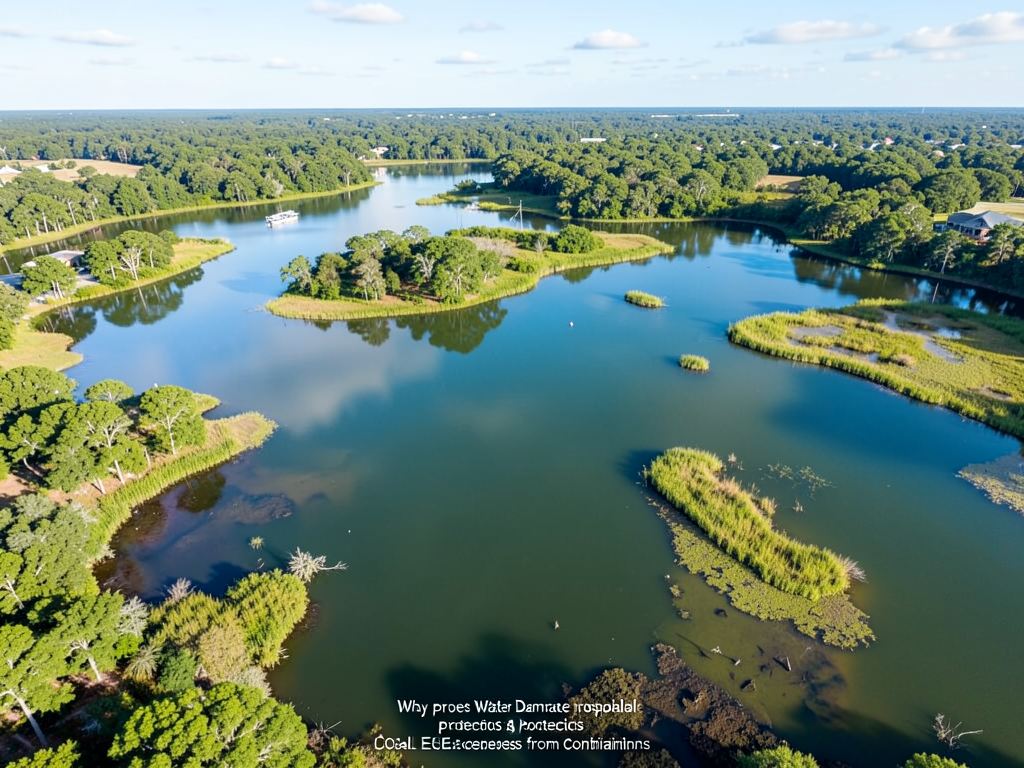
Orlando’s extensive network of lakes and wetlands including the chain of lakes near Winter Park and the wetlands around Lake Nona are particularly vulnerable to contamination. These water bodies support diverse wildlife and provide recreational spaces for residents. When water-damaged materials containing chemicals mold or bacteria enter these ecosystems the effects can be devastating and long-lasting. Water Damage Restoration Saint Cloud.
The Florida Building Code includes specific requirements for water damage restoration in high-humidity zones. These regulations exist not just for structural safety but also to protect the environment. Companies that ignore these guidelines during the disposal phase put both property owners and the broader community at risk.
Common Environmental Hazards from Improper Disposal
Water-damaged materials often contain more than just moisture. When disposed of incorrectly these materials can release a variety of pollutants into the environment. Understanding these hazards helps property owners make informed decisions about restoration services.
Mold-infested materials represent one of the biggest environmental concerns. When moldy drywall insulation or carpeting ends up in landfills the spores can spread to new areas. In Orlando’s humid climate these spores find ideal conditions to grow creating new contamination sources far from the original site.
Water from sewage backups or flooding that includes contaminants from Orlando’s aging infrastructure can contain bacteria viruses and chemical pollutants. If this water is simply dumped rather than properly treated it can introduce harmful microorganisms into local water systems. The Best Way to Handle Sewage Backup Cleanup in College Park.
Building materials from older Orlando homes may contain lead-based paint or asbestos. When these materials are damaged by water they become even more hazardous. Improper disposal can release these toxins into the air and soil affecting both human health and wildlife.
Electronic waste from water-damaged appliances and devices contains heavy metals like mercury and cadmium. These substances can leach into groundwater causing long-term environmental damage. Orlando’s growing population means more electronic waste from damaged devices which makes proper disposal even more critical.
Orlando’s Water Damage Disposal Regulations
Orange County and the City of Orlando have specific regulations governing the disposal of water-damaged materials. These rules align with Florida state environmental protection standards but include local considerations for our unique climate and geography.
Construction and demolition debris from water damage must be taken to facilities licensed to handle potentially contaminated materials. Orlando’s rapid growth has led to increased enforcement of these regulations with fines for companies that violate disposal guidelines.
Water that contains contaminants must be treated before disposal. This is particularly important in Orlando where our drainage systems connect directly to natural water bodies. Untreated contaminated water can quickly spread pollutants throughout the local watershed.
Many Orlando neighborhoods including those near Lake Eola Park and the Thornton Park area have specific requirements for debris removal due to their proximity to sensitive environmental areas. Restoration companies working in these zones must follow enhanced protocols. Professional Mold Removal and Remediation Services in Lake Nona.
The Florida Department of Environmental Protection monitors disposal practices in Central Florida. Companies that consistently violate regulations may face escalating penalties including potential suspension of their ability to operate in the state. EPA Construction and Demolition Debris.
Eco-Friendly Water Damage Restoration Practices
Professional restoration companies in Orlando increasingly adopt eco-friendly practices that minimize environmental impact. These approaches not only protect the environment but often result in more effective restoration for property owners.
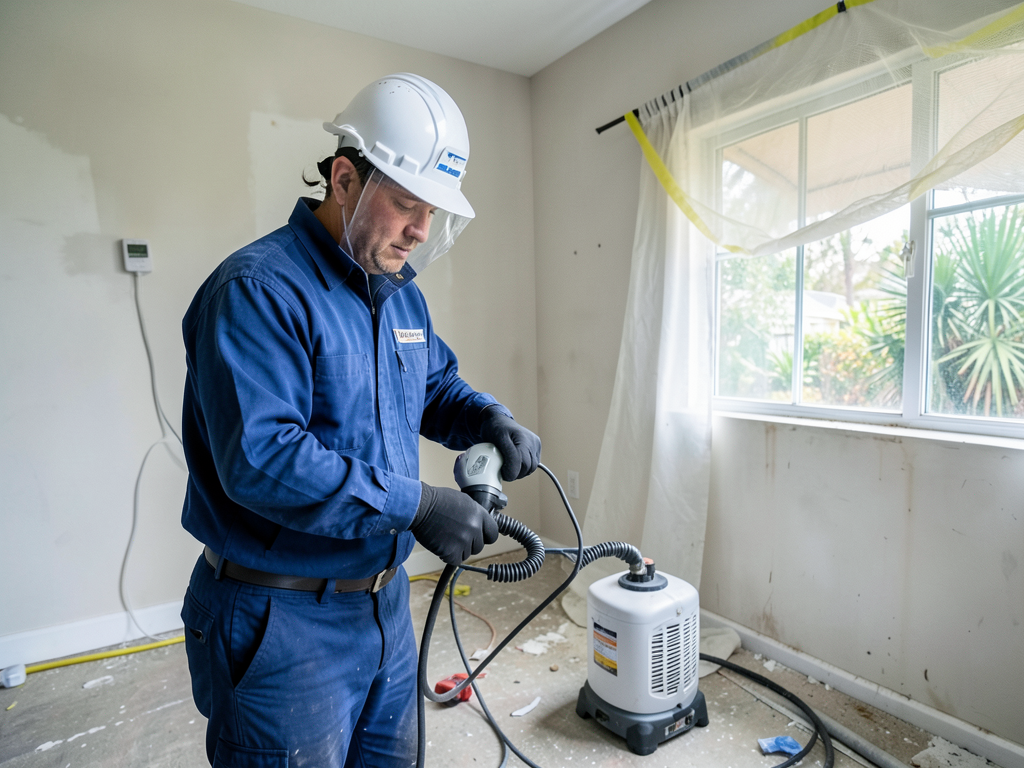
Proper containment is the first step in environmentally responsible restoration. Technicians use specialized barriers and negative air pressure systems to prevent contaminants from spreading during the removal process. This containment protects both the property and the surrounding environment.
Advanced drying techniques reduce the amount of material that needs disposal. High-efficiency dehumidifiers and targeted air movement can save building materials that might otherwise be torn out and sent to landfills. This approach is particularly valuable in Orlando where replacement materials must often be shipped long distances increasing the carbon footprint.
Sanitization using botanical disinfectants rather than harsh chemicals prevents harmful substances from entering Orlando’s water systems. These plant-based solutions effectively kill mold and bacteria without the environmental risks associated with traditional biocides.
Proper sorting of debris ensures that recyclable materials are diverted from landfills. Many water-damaged materials including certain types of metal and clean wood can be recycled reducing the environmental impact of restoration projects.
The Cost of Cutting Corners
Property owners might be tempted to choose restoration companies based solely on price but the cheapest option often cuts corners on proper disposal. This false economy can lead to significant costs down the road.
Improper disposal can result in fines for property owners if the violation is traced back to their site. Orange County has increased enforcement of environmental regulations making this a real risk for Orlando residents.
Contamination from improperly disposed materials can spread to neighboring properties creating liability issues. If mold or chemical pollutants from your property affect a neighbor’s home you could face legal action and repair costs.
The environmental damage from improper disposal affects property values throughout Orlando. As awareness of environmental issues grows contaminated properties become harder to sell and may require expensive remediation before they can be marketed.
Insurance companies are increasingly aware of environmental liability. If improper disposal leads to contamination that requires remediation your insurance company might deny coverage arguing that the damage resulted from negligence rather than the original water event.
Choosing an Environmentally Responsible Restoration Company
Orlando property owners can protect themselves and the environment by selecting restoration companies with strong environmental practices. Several factors indicate a company’s commitment to responsible disposal.
Certifications from organizations like the IICRC (Institute of Inspection Cleaning and Restoration Certification) include training on environmental best practices. Companies that invest in these certifications demonstrate a commitment to professional standards that include proper disposal.
Transparent documentation of disposal practices provides accountability. Reputable companies maintain records of where materials are taken and can provide documentation showing compliance with local regulations.
Investment in advanced equipment often correlates with environmental responsibility. Companies that use modern drying and containment systems are more likely to follow proper disposal protocols as part of their overall professional approach.
Local knowledge matters for environmental protection. Orlando-based companies understand the specific challenges of our climate and geography and are more likely to follow protocols that protect our unique environment.
The Long-Term Impact on Orlando’s Community
The collective effect of proper water damage disposal practices shapes Orlando’s environmental future. When restoration companies throughout the area follow responsible protocols the benefits extend far beyond individual properties.
Clean waterways support Orlando’s recreational activities. Our lakes and rivers provide fishing boating and swimming opportunities that depend on healthy ecosystems. Proper disposal helps maintain these resources for current and future residents.
Property values throughout Orlando benefit from environmental protection. Areas with clean soil and water command higher prices and attract quality development. This creates a virtuous cycle where environmental responsibility supports economic growth.
Public health improves when contaminants are properly contained and disposed of. Orlando’s warm climate means that environmental pollutants can quickly affect human health through air quality water contamination or direct contact.
Orlando’s reputation as a desirable place to live and visit depends partly on environmental quality. As the city continues to grow maintaining clean natural resources becomes even more important for attracting new residents and businesses.
Steps Orlando Property Owners Can Take
Property owners play a crucial role in ensuring proper water damage disposal. Several actions can help protect both your property and the broader Orlando environment.
Ask restoration companies about their disposal practices before hiring them. A reputable company will gladly explain where materials go and how they ensure compliance with environmental regulations.
Document the water damage and restoration process with photos and notes. This documentation can be valuable if disposal issues arise later and helps ensure accountability throughout the restoration process.
Be present during major removal work when possible. While you don’t need to supervise every step being available to answer questions helps ensure that materials are handled according to your expectations and local regulations.
Understand your insurance coverage regarding environmental liability. Some policies include provisions for environmental damage that can provide protection if disposal issues arise from covered water damage events.
Support local environmental initiatives that protect Orlando’s waterways and natural areas. These organizations often work with local government to improve environmental regulations and enforcement benefiting the entire community.
Comparing Disposal Methods and Environmental Impact
Different disposal methods have varying environmental impacts. Understanding these differences helps property owners evaluate restoration company practices.
| Disposal Method | Environmental Impact | Cost Range | Regulatory Compliance |
|---|---|---|---|
| Standard Landfill | High – potential groundwater contamination | $500 – $2,000 | Basic compliance only |
| Certified Construction/Demolition Facility | Medium – controlled containment | $800 – $2,500 | Meets state requirements |
| Specialized Hazardous Waste Facility | Low – maximum environmental protection | $1,200 – $4,000 | Exceeds minimum standards |
| Recycling/Repurposing Center | Very Low – material recovery | $600 – $2,200 | Excellent – sustainable practice |
The data shows that while specialized disposal methods cost more initially they provide significant environmental benefits. The investment in proper disposal protects both the property owner and the broader Orlando community from long-term costs and risks.
Orlando’s Future: Building a Sustainable Restoration Industry
As Orlando continues to grow the restoration industry faces increasing pressure to adopt sustainable practices. Several trends are shaping how water damage disposal will evolve in our area.
Technology improvements in drying and restoration reduce the amount of material requiring disposal. Advanced moisture detection and targeted drying can save materials that would have been removed in the past reducing both costs and environmental impact.
Local recycling infrastructure is expanding to handle more construction and demolition waste. New facilities in Central Florida are developing capabilities to process water-damaged materials separating recyclable components from true waste.
Consumer awareness about environmental issues is driving demand for responsible restoration practices. Orlando property owners increasingly ask about disposal methods making environmental responsibility a competitive advantage for restoration companies.
Regulatory frameworks are likely to become more stringent as environmental concerns grow. Companies that already follow best practices will be better positioned as requirements increase while those cutting corners may face escalating penalties.
Orlando’s restoration industry is gradually shifting toward a model where environmental protection and effective restoration go hand in hand. This evolution benefits everyone by protecting our natural resources while providing reliable property recovery services.
Protecting Orlando’s Environment Starts with Your Property
Every water damage restoration project in Orlando presents an opportunity to protect our environment. By choosing companies that follow proper disposal protocols property owners contribute to the health of our community and the preservation of our natural resources.
The warm humid climate that makes Orlando so attractive also creates unique environmental challenges. Our sandy soil high water table and extensive waterways require special attention to disposal practices that might not be necessary in other regions.
Professional restoration companies understand these local factors and have developed protocols that protect both properties and the environment. Their expertise ensures that water-damaged materials are handled in ways that prevent contamination and support long-term environmental health.
Orlando’s future depends on balancing growth with environmental protection. The restoration industry plays a crucial role in this balance by ensuring that property recovery doesn’t come at the cost of our natural resources.
When water damage affects your Orlando property remember that proper disposal matters as much as effective restoration. The choices you make about which company to hire and what questions to ask can have lasting impacts on our community’s environmental health.
Frequently Asked Questions
What are the most common environmental hazards from improper water damage disposal in Orlando?
The most common hazards include mold spore contamination of soil and air chemical pollutants from treated building materials and bacterial contamination from sewage-related water damage. These hazards are particularly concerning in Orlando due to our high humidity which allows contaminants to spread rapidly through the environment.
How can I verify that a restoration company follows proper disposal practices?
Ask for documentation of disposal facilities they use and request information about their environmental certifications. Reputable companies will gladly provide details about where materials go and how they ensure compliance with Orange County and Florida state regulations. You can also check reviews for mentions of responsible practices.
Does proper disposal cost significantly more than cutting corners?
While proper disposal methods may cost 15-30% more initially they prevent much larger costs from potential fines liability issues and environmental damage. The investment in responsible disposal protects both your property and the broader Orlando community from long-term negative impacts.
What should I do if I suspect improper disposal after a restoration project?
Contact the Orange County Environmental Protection Division to report your concerns. Document any evidence you have including photos of disposal activities and communications with the restoration company. You may also want to consult with an environmental attorney if you believe contamination has occurred.
Are there local Orlando regulations specific to water damage disposal?
Yes Orange County has specific requirements for construction and demolition debris disposal that apply to water-damaged materials. The City of Orlando also maintains regulations particularly for properties near sensitive environmental areas like Lake Eola Park and the chain of lakes. These local rules work alongside state Florida Department of Environmental Protection regulations.
Take Action to Protect Your Property and Orlando’s Environment
Water damage requires immediate attention but don’t let urgency override environmental responsibility. Before hiring a restoration company ask about their disposal practices and verify their commitment to protecting Orlando’s unique ecosystem.
If you need water damage restoration in Orlando call (689) 268-2233 today. Our team follows all local and state environmental regulations ensuring that your property recovery protects both your investment and our community’s natural resources. We use advanced containment systems proper disposal facilities and eco-friendly sanitization methods that keep contaminants out of Orlando’s waterways and soil.
Don’t wait until water damage becomes an environmental hazard. Contact us now for emergency response that prioritizes both effective restoration and environmental protection. Your property deserves professional care that considers the long-term health of our entire Orlando community.
{
“@context”: “https://schema.org”,
“@type”: “BlogPosting”,
“headline”: “The Environmental Impact of Improper Water Damage Disposal in the Orlando Area”,
“description”: “Improper water damage disposal in Orlando can contaminate soil and waterways. Learn how eco-friendly restoration protects Central Florida’s environment and your property.”,
“wordCount”: 2526,
“datePublished”: “2026-05-16T13:15:00.000Z”,
“dateModified”: “2026-05-16T13:15:00.000Z”,
“inLanguage”: “en-US”,
“mainEntityOfPage”: {
“@type”: “WebPage”,
“@id”: “https://reliancewaterdamagerestorationorlando.com”
},
“publisher”: {
“@type”: “LocalBusiness”,
“name”: “Reliance Water Damage Restoration Orlando”,
“url”: “https://reliancewaterdamagerestorationorlando.com”
},
“author”: {
“@type”: “Organization”,
“name”: “Reliance Water Damage Restoration Orlando”,
“url”: “https://reliancewaterdamagerestorationorlando.com”
},
“image”: {
“@type”: “ImageObject”,
“url”: “https://reliancewaterdamagerestorationorlando.com/wp-content/uploads/2026/03/the-environmental-impact-of-improper-water-damage-1.png”
}
}
{
“@context”: “https://schema.org”,
“@type”: “LocalBusiness”,
“name”: “Reliance Water Damage Restoration Orlando”,
“url”: “https://reliancewaterdamagerestorationorlando.com”,
“address”: {
“@type”: “PostalAddress”,
“addressLocality”: “Orlando”
},
“areaServed”: {
“@type”: “City”,
“name”: “Orlando”
}
}
{
“@context”: “https://schema.org”,
“@type”: “FAQPage”,
“mainEntity”: [
{
“@type”: “Question”,
“name”: “What are the most common environmental hazards from improper water damage disposal in Orlando?”,
“acceptedAnswer”: {
“@type”: “Answer”,
“text”: “The most common hazards include mold spore contamination of soil and air chemical pollutants from treated building materials and bacterial contamination from sewage-related water damage. These hazards are particularly concerning in Orlando due to our high humidity which allows contaminants to spread rapidly through the environment.”
}
},
{
“@type”: “Question”,
“name”: “How can I verify that a restoration company follows proper disposal practices?”,
“acceptedAnswer”: {
“@type”: “Answer”,
“text”: “Ask for documentation of disposal facilities they use and request information about their environmental certifications. Reputable companies will gladly provide details about where materials go and how they ensure compliance with Orange County and Florida state regulations. You can also check reviews for mentions of responsible practices.”
}
},
{
“@type”: “Question”,
“name”: “Does proper disposal cost significantly more than cutting corners?”,
“acceptedAnswer”: {
“@type”: “Answer”,
“text”: “While proper disposal methods may cost 15-30% more initially they prevent much larger costs from potential fines liability issues and environmental damage. The investment in responsible disposal protects both your property and the broader Orlando community from long-term negative impacts.”
}
},
{
“@type”: “Question”,
“name”: “What should I do if I suspect improper disposal after a restoration project?”,
“acceptedAnswer”: {
“@type”: “Answer”,
“text”: “Contact the Orange County Environmental Protection Division to report your concerns. Document any evidence you have including photos of disposal activities and communications with the restoration company. You may also want to consult with an environmental attorney if you believe contamination has occurred.”
}
},
{
“@type”: “Question”,
“name”: “Are there local Orlando regulations specific to water damage disposal?”,
“acceptedAnswer”: {
“@type”: “Answer”,
“text”: “Yes Orange County has specific requirements for construction and demolition debris disposal that apply to water-damaged materials. The City of Orlando also maintains regulations particularly for properties near sensitive environmental areas like Lake Eola Park and the chain of lakes. These local rules work alongside state Florida Department of Environmental Protection regulations.”
}
}
]
}
{
“@context”: “https://schema.org”,
“@type”: “BreadcrumbList”,
“itemListElement”: [
{
“@type”: “ListItem”,
“position”: 1,
“name”: “Home”,
“item”: “https://reliancewaterdamagerestorationorlando.com”
},
{
“@type”: “ListItem”,
“position”: 2,
“name”: “Blog”,
“item”: “https://reliancewaterdamagerestorationorlando.com/blog”
},
{
“@type”: “ListItem”,
“position”: 3,
“name”: “The Environmental Impact of Improper Water Damage Disposal in the Orlando Area”
}
]
}
{
“@context”: “https://schema.org”,
“@type”: “Service”,
“serviceType”: “Water Damage Restoration”,
“provider”: {
“@type”: “LocalBusiness”,
“name”: “Reliance Water Damage Restoration Orlando”,
“url”: “https://reliancewaterdamagerestorationorlando.com”
},
“areaServed”: {
“@type”: “City”,
“name”: “Orlando”
},
“description”: “Improper water damage disposal in Orlando can contaminate soil and waterways. Learn how eco-friendly restoration protects Central Florida’s environment and your property.”
}