The Hidden Risks of Buying a Foreclosed Home with Unaddressed Water Issues in Pine Hills
Pine Hills sits in the heart of Orlando’s suburban sprawl where foreclosures often hide serious water damage problems. These properties might look like great deals but unaddressed moisture issues can turn your investment into a money pit. Florida’s humid climate and frequent storms create perfect conditions for water damage to worsen quickly after a home sits vacant. Emergency Water Damage Restoration for Windermere Homeowners.
When a bank takes possession of a home the heating and cooling systems often shut down. This creates stagnant air and uncontrolled humidity that accelerates mold growth and material deterioration. The combination of Orlando’s 74% average humidity and a foreclosed home’s vulnerability makes water damage inspection critical before you make an offer. Water Bug & Pest Infestations.
Why Pine Hills Foreclosures Need Special Attention
Pine Hills features a mix of mid-century ranch homes and newer construction built between the 1960s and 2000s. Many of these properties have aging plumbing systems and roofing that becomes vulnerable when maintenance stops. The neighborhood’s flat terrain and sandy soil create drainage challenges that worsen when yards become overgrown during vacancy.
Local building practices in Pine Hills often include concrete block construction with stucco exteriors. While durable these materials can hide water intrusion behind walls for months. The stucco can crack and allow moisture penetration while the block walls wick water upward creating hidden damage that spreads upward from the foundation. Water Damage Restoration Saint Cloud.
Common Water Damage Sources in Vacant Orlando Homes
Several water damage sources become more likely when homes sit empty in Pine Hills. Understanding these risks helps you know what to look for during your property walkthrough.
Roof failures top the list. Missing shingles from wind damage or simple age allow rainwater to penetrate attic spaces. In Orlando’s frequent afternoon thunderstorms even small roof breaches can lead to gallons of water intrusion within hours.
Plumbing failures represent another major risk. Pipes can burst from pressure changes or simply deteriorate over time. The Orlando Utilities Commission water system maintains consistent pressure but older homes in Pine Hills may have polybutylene pipes that fail without warning.
Foundation issues plague many Central Florida homes. The area’s high water table creates hydrostatic pressure against basement walls and slab foundations. When homes sit empty this pressure can force water through tiny cracks that expand over time.
Warning Signs During Your Property Walkthrough
Spotting water damage in a foreclosed home requires looking beyond the obvious. Sellers rarely disclose problems and banks typically sell properties “as-is” with no warranties.
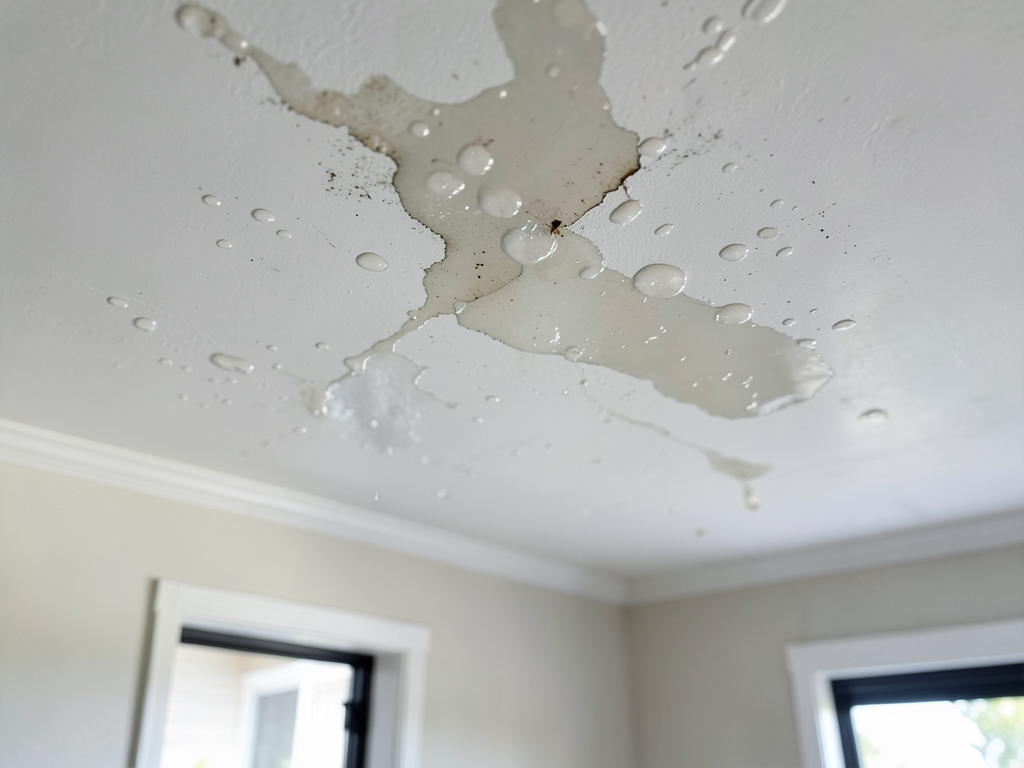
Visual indicators include water stains on ceilings and walls particularly in corners where roof leaks often start. Look for bubbling or peeling paint which signals moisture trapped behind surfaces. Warped baseboards and door frames indicate long-term moisture exposure.
Odor clues matter more than most buyers realize. A musty smell often indicates active mold growth even when you cannot see it. Florida’s heat accelerates mold development so vacant homes can develop serious infestations within weeks.
Structural signs include sagging ceilings soft spots in flooring and doors that no longer close properly. These indicate water has compromised the home’s structural integrity. Pay special attention to areas around windows and doors where water intrusion commonly occurs.
The Mold Growth Timeline in Florida Homes
Florida’s climate creates unique mold risks that differ from other regions. Understanding the timeline helps you assess how long problems might have existed.
Within 24-48 hours of water exposure mold spores begin to activate and grow. Orlando’s average temperatures between 70-90 degrees Fahrenheit provide ideal conditions for rapid mold development.
By day 3-7 visible mold colonies can form on porous materials like drywall and carpeting. The high humidity prevents surfaces from drying completely which sustains mold growth.
After 2-4 weeks mold can penetrate deep into building materials. At this stage professional remediation becomes necessary as surface cleaning cannot address the underlying problem.
Hidden Damage Areas to Investigate
Some water damage locations remain completely hidden from casual observation. Professional inspection becomes crucial for these areas. Professional Mold Removal and Remediation Services in Lake Nona.
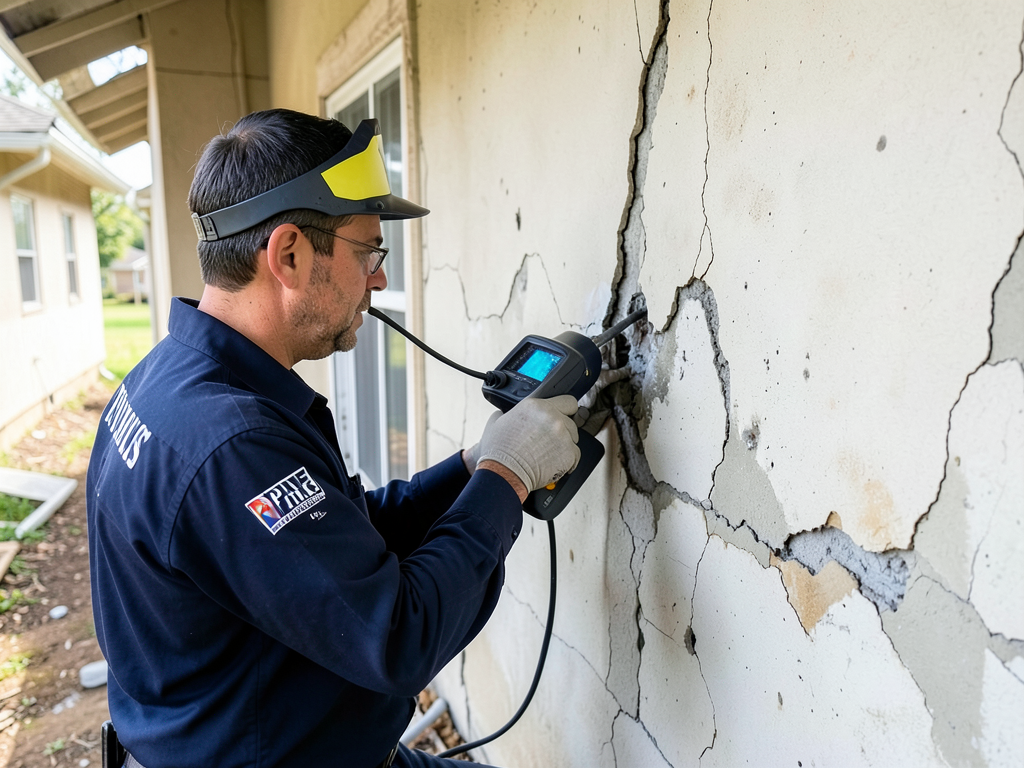
Behind walls water can travel along studs and insulation creating damage far from the original leak source. Thermal imaging cameras reveal temperature differences that indicate moisture presence.
Under flooring especially in homes with crawl spaces or pier foundations. Water can pool underneath causing subfloor rot and creating conditions for termite infestation.
Inside HVAC systems where condensation lines can clog and cause water overflow. When systems sit idle moisture accumulates in ductwork creating mold breeding grounds.
Financial Impact of Water Damage Discovery
Finding water damage after purchase can devastate your budget. Understanding potential costs helps you make informed decisions about whether to proceed with a purchase.
Repair costs vary dramatically based on damage extent. Minor drywall replacement might cost $500-$1500 while structural repairs can exceed $20000. Mold remediation alone often ranges from $2000-$6000 for moderate infestations.
Property value impact can reduce your home’s worth by 10-30% even after repairs. Some buyers remain wary of homes with water damage history affecting future resale potential.
Insurance complications arise when purchasing homes with existing damage. Many insurers require repairs before issuing policies and some decline coverage for homes with certain types of water damage history.
Orlando-Specific Building Code Considerations
Orlando’s building codes address water damage prevention but enforcement varies in older neighborhoods like Pine Hills. Understanding these requirements helps you assess repair quality. EPA Mold Guidelines.
Florida Building Code mandates specific moisture barriers in new construction. Homes built before 2002 may lack these protections making them more vulnerable to water intrusion.
Roofing requirements include wind mitigation features for hurricane protection. Missing or damaged hurricane clips can compromise roof integrity during storms allowing water entry.
Plumbing codes require specific materials and installation methods. Older homes may have non-compliant plumbing that poses leak risks requiring complete replacement rather than simple repairs.
Professional Inspection Requirements
Standard home inspections often miss critical water damage issues. Professional restoration experts bring specialized equipment and experience that reveal hidden problems.
Thermal imaging detects temperature variations indicating moisture presence behind walls and under floors. This technology reveals problems invisible to the naked eye.
Moisture meters measure water content in building materials. These devices can determine if materials are actively wet or have dried but sustained damage.
Air quality testing identifies mold spore levels that indicate active growth. This testing becomes crucial when musty odors are present but visible mold is not apparent.
Cost Estimation for Common Repairs
Understanding typical repair costs helps you budget and negotiate effectively. These estimates reflect current Orlando market rates for 2026.
| Repair Type | Cost Range | Timeline |
|---|---|---|
| Roof Leak Repair | $750 – $3,500 | 1-3 days |
| Plumbing Leak Repair | $400 – $2,000 | 4-8 hours |
| Basement Waterproofing | $3,000 – $15,000 | 3-7 days |
| Floor Water Damage | $1,200 – $8,000 | 2-5 days |
| Wall Water Damage | $500 – $4,000 | 1-4 days |
| Mold Remediation | $2,000 – $6,000 | 3-5 days |
Negotiation Strategies for Water-Damaged Properties
Discovering water damage doesn’t necessarily mean walking away from a deal. Strategic negotiation can protect your interests while still securing the property.
Price reduction requests should reflect actual repair costs plus a contingency buffer. Request estimates from licensed contractors to support your negotiation position.
Repair credits allow you to handle repairs yourself potentially saving money. However ensure the seller provides sufficient funds to complete all necessary work.
Contingency clauses in your purchase agreement protect you if inspections reveal worse damage than initially discovered. These clauses give you exit options without losing your earnest money.
Insurance Considerations for Water-Damaged Homes
Insurance becomes more complicated when buying homes with water damage history. Understanding these complications helps you avoid coverage gaps.
Pre-existing damage typically falls outside standard homeowners insurance coverage. You must repair existing problems before obtaining coverage for future incidents.
Florida’s insurance market creates additional challenges. The state’s high storm risk and mold prevalence make insurers particularly cautious about water-damaged properties.
Flood insurance requirements may apply depending on property location. Many Pine Hills homes sit in areas where flood insurance becomes mandatory despite not being in high-risk zones.
DIY Assessment vs. Professional Inspection
Balancing DIY assessment with professional inspection helps manage costs while ensuring thorough evaluation. Each approach offers different benefits.
DIY assessment allows you to identify obvious problems before paying for professional services. Look for visible water stains, musty odors, and structural irregularities during your initial walkthrough.
Professional inspection reveals hidden problems that DIY assessment misses. The cost of professional inspection typically ranges from $300-$600 but can save thousands by identifying serious issues.
Combined approach provides the most comprehensive protection. Use DIY assessment to decide whether professional inspection makes financial sense for a particular property.
Timeline for Water Damage Assessment
Understanding the assessment timeline helps you structure your purchase offer effectively. Rushing this process can lead to missed problems and costly surprises.
Initial walkthrough should happen within 24-48 hours of property identification. This allows you to spot obvious issues before making an offer.
Professional inspection typically requires 3-7 days for scheduling and completion. Build this timeline into your offer’s inspection contingency period.
Repair estimates may take an additional 2-5 days as contractors evaluate damage and provide quotes. Factor this into your negotiation timeline.
Legal Considerations in Florida Property Transactions
Florida law provides specific protections and requirements regarding property condition disclosure. Understanding these legal frameworks helps you navigate transactions effectively.
Disclosure requirements vary based on seller type. Banks selling foreclosures often claim “as-is” status limiting their disclosure obligations while individual sellers face stricter requirements.
Inspection rights remain protected under Florida law regardless of seller claims. You maintain the right to professional inspection during due diligence periods.
Remediation requirements may apply if you discover certain types of damage. Mold remediation in particular must follow specific protocols to ensure safety and effectiveness.
Environmental Factors Affecting Water Damage
Orlando’s unique environmental conditions create specific water damage challenges. Understanding these factors helps you assess property vulnerability.
High humidity prevents natural drying even during dry weather periods. Materials that might dry within days in other climates can remain wet for weeks in Orlando.
Storm frequency creates repeated water exposure opportunities. Properties with any vulnerability face multiple risk events each year rather than single isolated incidents.
Temperature fluctuations cause material expansion and contraction. This movement can create or worsen cracks that allow water intrusion over time.
Making Your Decision: Proceed or Walk Away
Deciding whether to purchase a water-damaged foreclosure requires balancing multiple factors. No single element should drive your decision in isolation.
Cost analysis should include repair expenses, increased insurance costs, and potential value reduction. Compare these costs against the purchase price discount you’re receiving.
Risk tolerance varies among buyers. Some can manage ongoing maintenance issues while others prefer turn-key properties. Assess your comfort level with potential problems.
Investment timeline affects how much repair you’re willing to undertake. Long-term owners can spread repair costs over time while flippers need properties ready for quick resale.
Protecting Your Investment After Purchase
Buying a water-damaged property represents only the first step. Ongoing protection becomes crucial to prevent future problems and protect your investment.
Preventive maintenance includes regular roof inspections, plumbing checks, and moisture monitoring. Early problem detection prevents small issues from becoming major damage.
Humidity control remains critical in Orlando’s climate. Maintaining indoor humidity below 60% prevents mold growth and material deterioration.
Professional monitoring through annual inspections helps catch developing problems before they cause significant damage. This proactive approach saves money long-term.
Frequently Asked Questions
How can I tell if water damage is active or old?
Active water damage typically feels damp to the touch and may show darkening when dry materials become wet again. Old damage often appears as water stains with clearly defined edges and may feel dry and brittle. Professional moisture meters provide definitive answers by measuring water content in materials.
Does homeowners insurance cover pre-existing water damage?
Standard homeowners insurance policies exclude pre-existing damage. Insurance companies require properties to be in good condition before issuing coverage. You must repair existing water damage before obtaining insurance for future incidents. Some specialized insurance products may offer limited coverage for certain pre-existing conditions but expect higher premiums and deductibles.
How long does mold remediation take in Orlando homes?
Mold remediation typically requires 3-5 days for moderate infestations in Orlando homes. The process includes containment setup, material removal, cleaning, and post-remediation verification. Orlando’s humidity can extend timelines if outdoor conditions affect drying processes. Severe infestations may require 7-10 days or longer depending on damage extent and property size.
Can I finance a home with known water damage?
Financing options vary by lender and damage extent. FHA loans often require repairs before closing while conventional loans may approve properties with certain damage types. Some lenders specialize in renovation loans that include repair costs in the mortgage. The key factor is whether damage affects the property’s structural integrity or safety systems.
What’s the difference between water damage and flood damage?
Water damage typically results from internal sources like plumbing leaks, roof failures, or appliance malfunctions. Flood damage comes from external water sources like storm surge, overflowing rivers, or surface water runoff. Insurance coverage differs significantly between these categories. Standard homeowners insurance covers water damage but requires separate flood insurance for flood damage.
- Schedule Initial Walkthrough
Visit the property within 48 hours of identification. Look for obvious signs like water stains, musty odors, and structural irregularities. Take photos and notes for reference.
- Document Visible Issues
Photograph all suspected water damage areas including ceilings, walls, floors, and exterior surfaces. Note the location, extent, and apparent age of damage. This documentation helps professionals assess the situation. What to Do When Your Ceiling Starts Leaking in Baldwin Park.
- Arrange Professional Inspection
Hire a restoration specialist with thermal imaging capabilities. Professional inspection typically costs $300-$600 but reveals hidden problems that could cost thousands to repair.
- Get Repair Estimates
Request quotes from licensed contractors for identified repairs. Compare multiple estimates to ensure fair pricing. Include contingency funds for unexpected discoveries during repairs.
- Review Insurance Options
Consult with insurance agents about coverage for properties with water damage history. Understand how existing damage affects your ability to obtain insurance and what repairs might be required.
Take Action Before You Buy
Water damage in foreclosed homes creates serious risks that can turn your investment into a financial nightmare. Orlando’s climate accelerates damage while vacant properties become increasingly vulnerable to moisture problems. Don’t let the lure of a low price blind you to potential $20,000+ repair bills lurking behind those walls.
Before making an offer on any Pine Hills foreclosure contact Reliance Water Damage Restoration at (689) 268-2233. Our Orlando-based experts provide comprehensive water damage assessments using thermal imaging and moisture detection technology. We’ll identify hidden problems before you commit to purchase giving you the information needed to make smart investment decisions. For more information, visit FEMA Flood Insurance Information. For more information, visit IICRC Standards and Certification.
Protect your investment with professional assessment. Call (689) 268-2233 today for your comprehensive water damage inspection. Your future self will thank you for the due diligence that prevents costly surprises after closing.
{
“@context”: “https://schema.org”,
“@type”: “BlogPosting”,
“headline”: “The Hidden Risks of Buying a Foreclosed Home with Unaddressed Water Issues in Pine Hills”,
“description”: “Discover the hidden water damage risks when buying foreclosed homes in Pine Hills. Learn warning signs, costs, and how to protect your investment in Orlando’s humid climate.”,
“wordCount”: 2510,
“datePublished”: “2026-05-24T07:10:00.000Z”,
“dateModified”: “2026-05-24T07:10:00.000Z”,
“inLanguage”: “en-US”,
“mainEntityOfPage”: {
“@type”: “WebPage”,
“@id”: “https://reliancewaterdamagerestorationorlando.com”
},
“publisher”: {
“@type”: “LocalBusiness”,
“name”: “Reliance Water Damage Restoration Orlando”,
“url”: “https://reliancewaterdamagerestorationorlando.com”
},
“author”: {
“@type”: “Organization”,
“name”: “Reliance Water Damage Restoration Orlando”,
“url”: “https://reliancewaterdamagerestorationorlando.com”
},
“image”: {
“@type”: “ImageObject”,
“url”: “https://reliancewaterdamagerestorationorlando.com/wp-content/uploads/2026/03/the-hidden-risks-of-buying-a-foreclosed-home-with-1.png”
}
}
{
“@context”: “https://schema.org”,
“@type”: “LocalBusiness”,
“name”: “Reliance Water Damage Restoration Orlando”,
“url”: “https://reliancewaterdamagerestorationorlando.com”,
“address”: {
“@type”: “PostalAddress”,
“addressLocality”: “Orlando”
},
“areaServed”: {
“@type”: “City”,
“name”: “Orlando”
}
}
{
“@context”: “https://schema.org”,
“@type”: “FAQPage”,
“mainEntity”: [
{
“@type”: “Question”,
“name”: “How can I tell if water damage is active or old?”,
“acceptedAnswer”: {
“@type”: “Answer”,
“text”: “Active water damage typically feels damp to the touch and may show darkening when dry materials become wet again. Old damage often appears as water stains with clearly defined edges and may feel dry and brittle. Professional moisture meters provide definitive answers by measuring water content in materials.”
}
},
{
“@type”: “Question”,
“name”: “Does homeowners insurance cover pre-existing water damage?”,
“acceptedAnswer”: {
“@type”: “Answer”,
“text”: “Standard homeowners insurance policies exclude pre-existing damage. Insurance companies require properties to be in good condition before issuing coverage. You must repair existing water damage before obtaining insurance for future incidents. Some specialized insurance products may offer limited coverage for certain pre-existing conditions but expect higher premiums and deductibles.”
}
},
{
“@type”: “Question”,
“name”: “How long does mold remediation take in Orlando homes?”,
“acceptedAnswer”: {
“@type”: “Answer”,
“text”: “Mold remediation typically requires 3-5 days for moderate infestations in Orlando homes. The process includes containment setup, material removal, cleaning, and post-remediation verification. Orlando’s humidity can extend timelines if outdoor conditions affect drying processes. Severe infestations may require 7-10 days or longer depending on damage extent and property size.”
}
},
{
“@type”: “Question”,
“name”: “Can I finance a home with known water damage?”,
“acceptedAnswer”: {
“@type”: “Answer”,
“text”: “Financing options vary by lender and damage extent. FHA loans often require repairs before closing while conventional loans may approve properties with certain damage types. Some lenders specialize in renovation loans that include repair costs in the mortgage. The key factor is whether damage affects the property’s structural integrity or safety systems.”
}
},
{
“@type”: “Question”,
“name”: “What’s the difference between water damage and flood damage?”,
“acceptedAnswer”: {
“@type”: “Answer”,
“text”: “Water damage typically results from internal sources like plumbing leaks, roof failures, or appliance malfunctions. Flood damage comes from external water sources like storm surge, overflowing rivers, or surface water runoff. Insurance coverage differs significantly between these categories. Standard homeowners insurance covers water damage but requires separate flood insurance for flood damage.”
}
}
]
}
{
“@context”: “https://schema.org”,
“@type”: “HowTo”,
“name”: “How to Assess Water Damage in a Foreclosed Home”,
“step”: [
{
“@type”: “HowToStep”,
“position”: 1,
“name”: “Schedule Initial Walkthrough”,
“text”: “Visit the property within 48 hours of identification. Look for obvious signs like water stains, musty odors, and structural irregularities. Take photos and notes for reference.”
},
{
“@type”: “HowToStep”,
“position”: 2,
“name”: “Document Visible Issues”,
“text”: “Photograph all suspected water damage areas including ceilings, walls, floors, and exterior surfaces. Note the location, extent, and apparent age of damage. This documentation helps professionals assess the situation. What to Do When Your Ceiling Starts Leaking in Baldwin Park.”
},
{
“@type”: “HowToStep”,
“position”: 3,
“name”: “Arrange Professional Inspection”,
“text”: “Hire a restoration specialist with thermal imaging capabilities. Professional inspection typically costs $300-$600 but reveals hidden problems that could cost thousands to repair.”
},
{
“@type”: “HowToStep”,
“position”: 4,
“name”: “Get Repair Estimates”,
“text”: “Request quotes from licensed contractors for identified repairs. Compare multiple estimates to ensure fair pricing. Include contingency funds for unexpected discoveries during repairs.”
},
{
“@type”: “HowToStep”,
“position”: 5,
“name”: “Review Insurance Options”,
“text”: “Consult with insurance agents about coverage for properties with water damage history. Understand how existing damage affects your ability to obtain insurance and what repairs might be required.”
}
],
“image”: “https://reliancewaterdamagerestorationorlando.com/wp-content/uploads/2026/03/the-hidden-risks-of-buying-a-foreclosed-home-with-1.png”
}
{
“@context”: “https://schema.org”,
“@type”: “BreadcrumbList”,
“itemListElement”: [
{
“@type”: “ListItem”,
“position”: 1,
“name”: “Home”,
“item”: “https://reliancewaterdamagerestorationorlando.com”
},
{
“@type”: “ListItem”,
“position”: 2,
“name”: “Blog”,
“item”: “https://reliancewaterdamagerestorationorlando.com/blog”
},
{
“@type”: “ListItem”,
“position”: 3,
“name”: “The Hidden Risks of Buying a Foreclosed Home with Unaddressed Water Issues in Pine Hills”
}
]
}
{
“@context”: “https://schema.org”,
“@type”: “Service”,
“serviceType”: “Water Damage Restoration”,
“provider”: {
“@type”: “LocalBusiness”,
“name”: “Reliance Water Damage Restoration Orlando”,
“url”: “https://reliancewaterdamagerestorationorlando.com”
},
“areaServed”: {
“@type”: “City”,
“name”: “Orlando”
},
“description”: “Discover the hidden water damage risks when buying foreclosed homes in Pine Hills. Learn warning signs, costs, and how to protect your investment in Orlando’s humid climate.”
}