Why Bleach Fails Against Mold in Your Orwin Manor Home
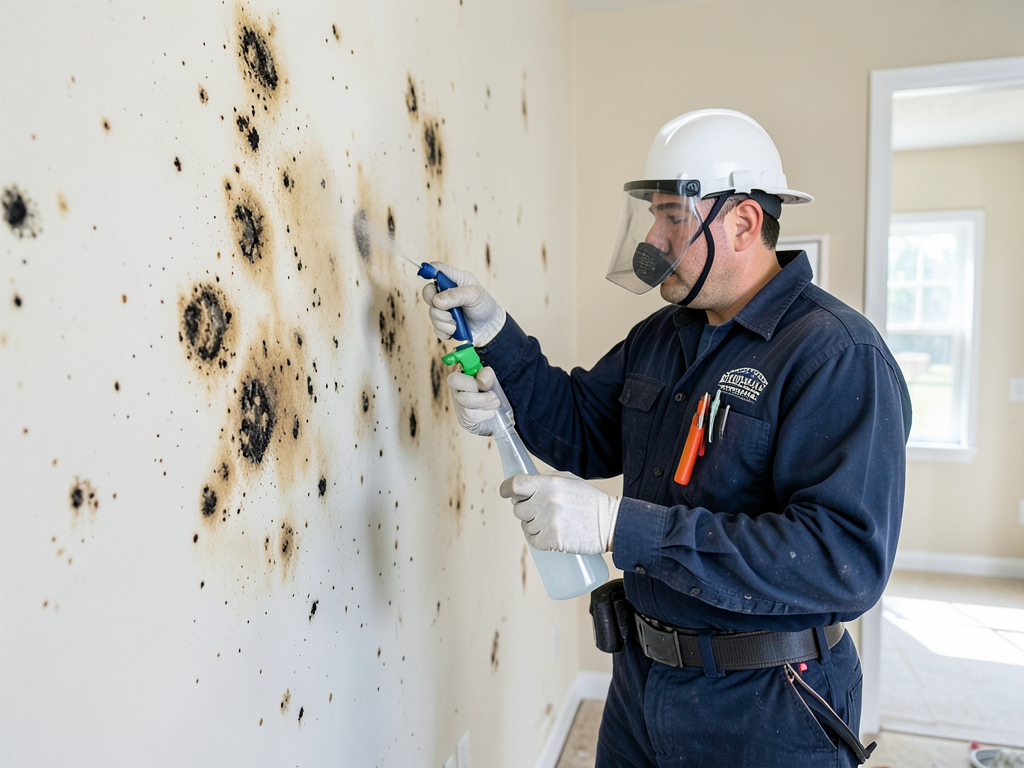
You spray bleach on the black spots in your bathroom. They disappear. But two weeks later, they return. Bigger. Darker. This happens because bleach does not kill mold. It only hides it.
Mold in Orwin Manor homes grows fast because Orlando’s humidity stays above 70% most of the year. When you use bleach on porous materials like drywall or wood, the water in the bleach actually feeds the mold roots while the chlorine sits on the surface. The mold spores remain alive beneath the surface, ready to grow back stronger. Emergency Water Damage Restoration for Windermere Homeowners.
The Science Behind Why Bleach Cannot Kill Mold
Chlorine bleach contains about 90% water. When you spray it on a moldy wall, the chlorine molecules are too large to penetrate porous surfaces. They stay on top and evaporate. Meanwhile, the water molecules soak deep into the drywall or wood. This water reaches the mold’s root system called mycelium. Water Bug & Pest Infestations.
The mycelium absorbs this water and continues growing. You see clean-looking walls, but the mold lives on inside. Within days or weeks, it breaks through the surface again, often worse than before. Water Damage Restoration Saint Cloud.
According to the EPA, porous materials contaminated with mold may need removal rather than cleaning. The agency does not recommend bleach for routine mold cleanup because it cannot reach mold growing inside materials. EPA mold information.
Porous vs Non-Porous Surfaces: Where Bleach Works and Where It Fails
Understanding surface types helps you choose the right cleaning method. Here is a comparison of common materials in Orwin Manor homes:
| Surface Type | Examples in Your Home | Does Bleach Work? | Better Alternative |
|---|---|---|---|
| Porous | Gypsum drywall, wood, concrete, grout, wallpaper | No – feeds mold roots | Professional antimicrobial treatment |
| Non-porous | Glass, metal, sealed tile, plastic | Yes – surface cleaning only | Soap and water often sufficient |
Most walls in Orwin Manor homes are made of gypsum drywall. This material absorbs water like a sponge. When mold grows on drywall, it extends deep into the material. Bleach cannot reach these internal mold colonies.
Health Risks of Using Bleach on Mold
Many Orlando homeowners make the problem worse by mixing cleaning products. Never mix bleach with ammonia or acidic cleaners like vinegar. These combinations create toxic gases that can cause severe respiratory damage.. Read more about Respiratory Issues and Hidden Water Damage (What Orlando Families Need to Monitor).
Even using bleach alone poses health risks. The fumes irritate lungs and eyes. When mold is disturbed by scrubbing, it releases spores into the air. Adding bleach fumes creates a dangerous combination of airborne irritants.
People with asthma, allergies, or compromised immune systems face higher risks. The volatile organic compounds released during cleaning can trigger attacks or worsen existing conditions.. Read more about Why Your Seasonal Allergies Might Actually Be Mold from a Hidden Leak in Ocoee.
Why Orlando’s Climate Makes Bleach Even Less Effective
Orwin Manor sits in one of the most humid regions of the country. Orlando’s average relative humidity ranges from 60% to 85% throughout the year. Summer months often see dew points above 70 degrees Fahrenheit.
This constant moisture in the air means any water you add to walls stays there longer. When bleach adds water to already damp materials, drying takes much longer. This extended dampness gives mold more time to grow.
Florida’s Building Code requires specific moisture control measures for new construction. However, many older Orwin Manor homes were built before these requirements. They often lack proper vapor barriers and ventilation systems.
Common Mold Species in Central Florida Homes
Several mold species thrive in Orlando’s climate. Each has different characteristics and health impacts:
- Stachybotrys chartarum – Often called black mold, this species grows on water-damaged cellulose materials like drywall and paper. It produces mycotoxins that can cause serious health problems.
- Aspergillus – Common in air conditioning systems and on water-damaged materials. Some species produce aflatoxins.
- Penicillium – Often appears blue or green. Grows quickly on water-damaged materials and produces strong musty odors.
- Cladosporium – Can grow in cooler areas and on fabrics. Often appears as black or green spots.
Professional remediation requires identifying the specific species present. Different molds need different treatment approaches. Some require complete removal of affected materials rather than cleaning. Professional Mold Removal and Remediation Services in Lake Nona.
Better Alternatives for Mold Removal
Professional mold remediation follows the IICRC S520 standard. This standard requires containment, proper PPE, and specific cleaning methods based on the material and mold type.
For small areas under 10 square feet, homeowners can try these safer alternatives:
- White vinegar – Acetic acid kills many mold species. It penetrates porous surfaces better than bleach.
- Hydrogen peroxide – A 3% solution can kill mold and disinfect surfaces. It breaks down into water and oxygen.
- Tea tree oil solution – Natural antifungal properties. Mix one teaspoon with one cup of water.
- Commercial botanical disinfectants – Products like Benefect use thyme oil and are EPA-registered for mold.
For larger areas or toxic mold species, professional treatment becomes necessary. Professionals use specialized equipment including HEPA air scrubbers, negative air machines, and commercial-grade antimicrobials.
The Hidden Costs of DIY Bleach Treatment
Many Orwin Manor homeowners spend weeks or months fighting recurring mold with bleach. They scrub walls repeatedly, buy multiple cleaning products, and replace damaged materials. The total cost often exceeds professional remediation.
Beyond money, there are health costs. Continued exposure to mold spores and cleaning chemicals can cause chronic respiratory issues, skin irritation, and fatigue. Some people develop long-term sensitivities to mold.
Structural costs add up too. Bleach can degrade wood fibers and drywall over time. This weakens building materials and creates safety hazards. A weakened wall or ceiling could fail under normal loads. What to Do When Your Ceiling Starts Leaking in Baldwin Park.
Professional Mold Remediation Process
Professional remediation follows specific steps to ensure complete removal and prevent recurrence:
- Inspection and testing – Identify mold species, extent of contamination, and moisture sources.
- Containment setup – Use plastic sheeting and negative air pressure to prevent spore spread.
- Air filtration – HEPA air scrubbers remove airborne spores during the process.
- Removal of contaminated materials – Safely dispose of items that cannot be cleaned.
- Cleaning and disinfection – Use appropriate antimicrobials for remaining surfaces.
- Drying and dehumidification – Remove excess moisture to prevent regrowth.
- Clearance testing – Verify the area is safe for reoccupation.
This process typically takes 3 to 7 days depending on the extent of contamination. Most homeowners find the investment worthwhile compared to ongoing DIY battles.
Preventing Mold Growth in Orwin Manor Homes
Prevention costs less than remediation. Focus on controlling moisture, the key factor for mold growth. Here are effective strategies:
- Maintain indoor humidity below 50% using dehumidifiers and air conditioning.
- Fix leaks immediately – even small drips create conditions for mold.
- Ensure proper ventilation in bathrooms, kitchens, and laundry areas.
- Clean air conditioning drip pans and drain lines regularly.
- Use mold-resistant products when building or remodeling.
- Direct water away from your home’s foundation with proper grading.
Regular inspections help catch problems early. Check under sinks, around windows, and in attic spaces every few months. Look for water stains, musty odors, or visible mold growth.
When to Call a Professional
Certain situations require immediate professional help:
- Area larger than 10 square feet
- Suspected toxic black mold (Stachybotrys)
- Hidden mold behind walls or under floors
- Health symptoms affecting household members
- Water damage from flooding or leaks
- Recurrent mold despite cleaning efforts
Professional assessment costs typically range from $300 to $600. This fee often applies toward remediation if you proceed with treatment. The testing identifies specific mold types and contamination levels, allowing for targeted treatment.
Local Building Considerations for Orwin Manor
Orwin Manor homes share common construction features that affect mold growth. Most were built between the 1950s and 1980s using concrete block construction with stucco exteriors. This style creates specific moisture management challenges.
Many older homes lack proper vapor barriers. Florida’s humid climate means moisture constantly tries to enter from outside. Without barriers, moisture moves through walls and creates condensation inside.
Roof designs in this area often include complex valleys and penetrations. These features can trap water if flashing fails. Even small roof leaks provide enough moisture for mold growth over time.
Foundation issues also contribute. Many Orwin Manor homes sit on concrete slabs. If the ground slopes toward the house, water pools against walls. This constant moisture wicks up through concrete and creates perfect mold conditions.
Insurance Considerations for Mold Damage
Most standard homeowner insurance policies exclude mold damage. However, if mold results from a covered water loss like a burst pipe, insurance may cover remediation.
Document everything if you experience water damage. Take photos, keep receipts, and notify your insurance company immediately. Quick action often makes the difference between coverage and denial.
Professional remediation companies can help with insurance documentation. They provide detailed reports showing damage extent, remediation steps, and costs. This documentation supports insurance claims and helps ensure proper coverage.
Frequently Asked Questions
Does bleach kill mold on all surfaces?
No. Bleach only kills mold on non-porous surfaces like glass and sealed tile. On porous materials like drywall and wood, bleach cannot penetrate to reach mold roots. The water in bleach actually feeds mold growth inside these materials.
How long does professional mold remediation take?
Most residential projects take 3 to 7 days. The timeline depends on the extent of contamination, types of materials affected, and whether structural repairs are needed. Small bathroom mold problems might take 2 days while whole-house contamination could require a week or more.
Can I stay in my home during mold remediation?
It depends on the extent of work. For small areas under 50 square feet, you might stay in the home with containment barriers. For larger projects or toxic mold, professionals recommend temporary relocation to avoid exposure to spores and chemicals.
How much does mold remediation cost in Orlando?
Costs vary widely based on the extent of damage. Small bathroom mold problems might cost $500 to $1,500. Whole-house remediation can range from $5,000 to $30,000. Most homeowners pay between $2,000 and $6,000 for typical residential projects.
Will mold come back after professional remediation?
Not if the underlying moisture problem is fixed. Professional remediation includes identifying and correcting moisture sources. With proper humidity control and maintenance, treated areas typically remain mold-free. However, new water damage can always lead to new mold growth. For more information, visit CDC mold facts.
{
“@context”: “https://schema.org”,
“@type”: “BlogPosting”,
“headline”: “Why Bleach is Not the Answer for Mold Problems in Your Orwin Manor Home”,
“description”: “Discover why bleach fails against mold in Orlando homes and learn safe alternatives. Call (689) 268-2233 for expert mold remediation in Orwin Manor.”,
“wordCount”: 1720,
“datePublished”: “2026-04-15T09:15:00.000Z”,
“dateModified”: “2026-04-15T09:15:00.000Z”,
“inLanguage”: “en-US”,
“mainEntityOfPage”: {
“@type”: “WebPage”,
“@id”: “https://reliancewaterdamagerestorationorlando.com”
},
“publisher”: {
“@type”: “LocalBusiness”,
“name”: “Reliance Water Damage Restoration Orlando”,
“url”: “https://reliancewaterdamagerestorationorlando.com”
},
“author”: {
“@type”: “Organization”,
“name”: “Reliance Water Damage Restoration Orlando”,
“url”: “https://reliancewaterdamagerestorationorlando.com”
},
“image”: {
“@type”: “ImageObject”,
“url”: “https://reliancewaterdamagerestorationorlando.com/wp-content/uploads/2026/03/why-bleach-is-not-the-answer-for-mold-problems-in-1.png”
}
}
{
“@context”: “https://schema.org”,
“@type”: “LocalBusiness”,
“name”: “Reliance Water Damage Restoration Orlando”,
“url”: “https://reliancewaterdamagerestorationorlando.com”,
“address”: {
“@type”: “PostalAddress”,
“addressLocality”: “Orlando”
},
“areaServed”: {
“@type”: “City”,
“name”: “Orlando”
}
}
{
“@context”: “https://schema.org”,
“@type”: “FAQPage”,
“mainEntity”: [
{
“@type”: “Question”,
“name”: “How long does professional mold remediation take?”,
“acceptedAnswer”: {
“@type”: “Answer”,
“text”: “Most residential projects take 3 to 7 days. The timeline depends on the extent of contamination, types of materials affected, and whether structural repairs are needed. Small bathroom mold problems might take 2 days while whole-house contamination could require a week or more.”
}
},
{
“@type”: “Question”,
“name”: “Can I stay in my home during mold remediation?”,
“acceptedAnswer”: {
“@type”: “Answer”,
“text”: “It depends on the extent of work. For small areas under 50 square feet, you might stay in the home with containment barriers. For larger projects or toxic mold, professionals recommend temporary relocation to avoid exposure to spores and chemicals.”
}
},
{
“@type”: “Question”,
“name”: “How much does mold remediation cost in Orlando?”,
“acceptedAnswer”: {
“@type”: “Answer”,
“text”: “Costs vary widely based on the extent of damage. Small bathroom mold problems might cost $500 to $1,500. Whole-house remediation can range from $5,000 to $30,000. Most homeowners pay between $2,000 and $6,000 for typical residential projects.”
}
},
{
“@type”: “Question”,
“name”: “Will mold come back after professional remediation?”,
“acceptedAnswer”: {
“@type”: “Answer”,
“text”: “Not if the underlying moisture problem is fixed. Professional remediation includes identifying and correcting moisture sources. With proper humidity control and maintenance, treated areas typically remain mold-free. However, new water damage can always lead to new mold growth. For more information, visit CDC mold facts.”
}
}
]
}
{
“@context”: “https://schema.org”,
“@type”: “BreadcrumbList”,
“itemListElement”: [
{
“@type”: “ListItem”,
“position”: 1,
“name”: “Home”,
“item”: “https://reliancewaterdamagerestorationorlando.com”
},
{
“@type”: “ListItem”,
“position”: 2,
“name”: “Blog”,
“item”: “https://reliancewaterdamagerestorationorlando.com/blog”
},
{
“@type”: “ListItem”,
“position”: 3,
“name”: “Why Bleach is Not the Answer for Mold Problems in Your Orwin Manor Home”
}
]
}
{
“@context”: “https://schema.org”,
“@type”: “Service”,
“serviceType”: “Water Damage Restoration”,
“provider”: {
“@type”: “LocalBusiness”,
“name”: “Reliance Water Damage Restoration Orlando”,
“url”: “https://reliancewaterdamagerestorationorlando.com”
},
“areaServed”: {
“@type”: “City”,
“name”: “Orlando”
},
“description”: “Discover why bleach fails against mold in Orlando homes and learn safe alternatives. Call (689) 268-2233 for expert mold remediation in Orwin Manor.”
}