Why Your Reusable Building Materials Might Need to be Replaced After a Flood
Flood water doesn’t just damage what you can see. It seeps into walls, saturates insulation, and creates conditions where mold can grow in as little as 24 hours. In Orlando’s humid subtropical climate, even clean water can become a serious health risk if materials aren’t dried properly within that window. Emergency Water Damage Restoration for Windermere Homeowners.
Many homeowners assume fiberglass insulation can simply be dried out and reused. But that assumption can lead to long-term structural damage and respiratory problems. The decision to save or replace depends on water category, material type, and local environmental factors that most DIY guides overlook.. Read more about Why Formosan Termites Love Water Damaged Wood and How to Stop Them in Lockhart.
Understanding the ‘Category of Water’ Rule
Water damage restoration professionals classify flood water into three categories based on contamination level. This classification determines whether materials can be saved. Professional Mold Removal and Remediation Services in Lake Nona.
Category 1: Clean Water comes from broken pipes or rainwater. It’s initially safe but can degrade to Category 2 within 48-72 hours in Orlando’s 74% average humidity.
Category 2: Gray Water contains some contamination from washing machines, dishwashers, or clean toilet overflows. It requires more aggressive treatment.
Category 3: Black Water includes sewage, flood water from rivers, or standing water with microbial growth. This water contains pathogens and mandates complete removal of porous materials.
Once water reaches Category 2 or 3, IICRC S500 standards require removing all porous materials including insulation, carpet padding, and drywall. The high humidity in neighborhoods like Winter Park and Maitland prevents thorough drying even with professional equipment. IICRC S500 Standards.
Analyzing Insulation Types: What Can Stay and What Must Go
Not all insulation responds the same way to flood exposure. The material’s composition determines whether it can be salvaged.
| Insulation Type | Salvageability After Clean Water | Salvageability After Contaminated Water | Key Risk Factors |
|---|---|---|---|
| Fiberglass Batts | Possible if dried within 24 hours | Must be removed | Compresses when wet, loses R-value permanently |
| Blown-in Cellulose | Never salvageable | Must be removed | Highly absorbent, creates mold breeding ground |
| Closed-cell Spray Foam | Usually salvageable | Usually salvageable | Resists water absorption, maintains structure |
| Open-cell Spray Foam | Possible if Category 1 only | Must be removed | Absorbs water like a sponge |
Fiberglass insulation presents a false economy. While the material itself doesn’t absorb water like cellulose, it loses up to 40% of its R-value when compressed. Even if it appears dry after professional dehumidification, the thermal barrier is permanently compromised.
Cellulose insulation, common in older Winter Park homes, acts like a sponge. Once saturated, it retains moisture for weeks and becomes a perfect environment for Stachybotrys chartarum, the toxic black mold that thrives in Orlando’s warm humid conditions.. Read more about Why Tile is the Most Flood-Resistant Choice for Homes in Holden Heights.
The Dangers of Leaving Wet Insulation in Orlando Homes
Orlando’s climate creates unique challenges for water damage restoration. The combination of high humidity, frequent afternoon thunderstorms, and hurricane season means materials stay damp longer than in other regions.
When insulation remains wet beyond 48 hours, several problems develop simultaneously:
- Mold spores begin colonizing within 24-48 hours
- Wood framing starts to swell and warp
- Metal fasteners begin corroding
- Humidity levels in wall cavities rise above 60%
The wicking effect compounds these issues. Water travels upward through insulation via capillary action, spreading damage far beyond the initial flood line. A leak that starts at floor level can affect wall cavities up to 4 feet high within 12 hours. What to Do When Your Ceiling Starts Leaking in Baldwin Park.
In concrete block construction common throughout Orlando, water trapped in wall cavities creates hydrostatic pressure. This pressure can cause paint to blister, drywall to bulge, and in severe cases, structural cracking.
Health Risks Specific to Florida’s Environment
Florida’s warm, humid climate creates ideal conditions for specific mold varieties that don’t thrive elsewhere. Stachybotrys chartarum, commonly called black mold, produces mycotoxins that can cause:
- Chronic respiratory issues
- Neurological symptoms
- Immune system suppression
- Allergic reactions
Children, elderly residents, and people with asthma face heightened risks. The mold often grows hidden behind walls where wet insulation creates dark, moist environments perfect for spore colonization.
Beyond mold, wet insulation attracts pests. Termites particularly target damp wood, and Orlando’s termite pressure is already among the highest in the nation. Water-damaged homes become prime targets for infestation.
Professional Moisture Detection Methods
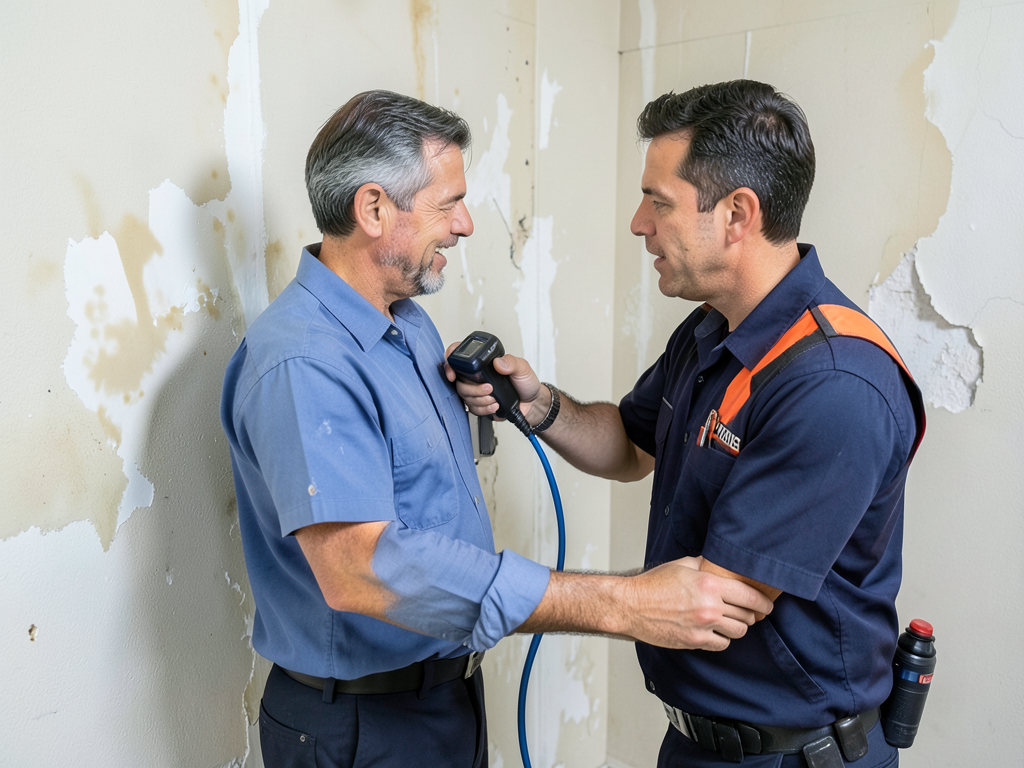
Surface dryness doesn’t indicate internal moisture levels. Professional restoration teams use specialized equipment to detect hidden water:
- Thermal Imaging Scan
Infrared cameras identify temperature differences that indicate moisture presence behind walls.
- Moisture Meter Testing
Pin-type meters measure electrical resistance to determine moisture content in materials.
- Relative Humidity Monitoring
Psychrometric readings track moisture levels in affected and unaffected areas.
These tools reveal what homeowners cannot see. A wall might feel dry to touch but register 25% moisture content internally. Professional standards require materials to test below 15% moisture before considering them dry.
When DIY Assessment Becomes Dangerous
Homeowners often underestimate flood damage severity. Common mistakes include:
- Assuming materials are dry because surfaces feel dry
- Using household fans instead of professional dehumidifiers
- Waiting too long to begin drying process
- Ignoring Category 2 or 3 water contamination rules
The cost difference between professional assessment and DIY mistakes can be substantial. A $500 professional inspection might prevent $15,000 in mold remediation later.
Orlando’s building codes require specific R-value ratings for replacement insulation. Using incorrect materials or failing to meet these standards can result in failed inspections and additional costs.
Insurance Documentation Requirements
Insurance companies expect specific documentation for water damage claims. Without proper evidence, claims can be denied or reduced.
Professional restoration teams provide:
- Moisture mapping before and after work
- Photographic documentation of damage
- Detailed reports on water category and contamination
- Itemized lists of removed materials
This documentation becomes crucial when dealing with Category 3 water, where insurance may require proof of proper disposal and decontamination procedures.
Local Building Considerations
Orlando’s building practices affect flood damage outcomes. Most homes use concrete block construction with stucco exteriors. This creates a moisture sandwich where water can become trapped between materials.
Many Winter Park and Maitland homes built before 2000 used older insulation materials that perform poorly when wet. Modern building codes require specific moisture barriers and ventilation that older homes lack.
The high water table in Central Florida means basements and crawl spaces are rare, but slab-on-grade construction creates different challenges. Water can seep up through concrete slabs, affecting flooring and wall bottoms. Hardwood Floor Water Damage Restoration in Winter Garden.
The Cost-Benefit Analysis
Saving insulation might seem economical initially, but the true costs extend beyond material replacement:. Read more about Fixing a Flooded Home Gym and Saving Your Rubber Flooring in Zellwood.
| Factor | Salvage Attempt Cost | Replacement Cost | Long-term Risk |
|---|---|---|---|
| Material Costs | $200-500 (drying equipment rental) | $800-1,500 (new insulation) | None with replacement |
| Labor Time | 15-20 hours DIY | 4-6 hours professional | DIY mistakes add time |
| Health Risks | High (mold exposure) | Low (professional handling) | Respiratory issues possible |
| Property Value Impact | Negative (hidden damage) | Neutral (up to code) | Future inspection problems |
The decision often comes down to water category. Category 1 clean water from a broken pipe might allow salvage attempts if addressed within 24 hours. Category 2 or 3 water from storms, sewage, or standing water requires complete material replacement. The Best Way to Handle Sewage Backup Cleanup in College Park.
Professional Assessment Indicators
Certain situations demand professional evaluation regardless of water category:
- Water exposure lasting more than 24 hours
- Suspected Category 2 or 3 contamination
- Visible mold growth already present
- Multiple rooms affected
- Structural materials involved
Professional teams can complete proper drying and replacement in 3-5 days versus the weeks it might take homeowners to achieve similar results.
Prevention Strategies for Future Incidents
While accidents happen, several strategies reduce flood damage severity:
- Install water leak detection systems
- Maintain proper roof drainage
- Seal foundation cracks promptly
- Keep HVAC systems maintained to prevent overflow
Annual inspections by qualified professionals can identify vulnerabilities before they become emergencies.
Frequently Asked Questions
Can I dry out wet insulation myself with fans?
Household fans lack the power to properly dry insulation in wall cavities. Professional dehumidifiers remove moisture from the air, while fans only circulate it. In Orlando’s humidity, DIY drying often leaves materials damp enough to support mold growth.
How long does it take for mold to grow in wet insulation?
Mold spores can begin colonizing within 24-48 hours of water exposure. In Orlando’s warm humid conditions, this timeline shortens to as little as 18-24 hours. Once established, mold spreads rapidly through insulation and adjacent materials.
Will my insurance cover insulation replacement after a flood?
Most homeowners insurance covers sudden water damage from internal sources like burst pipes. Coverage for storm-related flooding typically requires separate flood insurance. Category 3 water contamination usually mandates complete material replacement, which insurance companies expect to see documented. EPA Mold Information.
What’s the difference between open-cell and closed-cell spray foam in flood situations?
Closed-cell spray foam resists water absorption and maintains structural integrity when wet. Open-cell foam absorbs water like a sponge and requires removal when contaminated. Closed-cell foam typically survives flood exposure if properly cleaned and dried.
How can I tell if insulation behind walls is wet without tearing everything out?
Professional moisture meters can detect water content through drywall. Thermal imaging cameras identify cool spots indicating moisture presence. Without these tools, homeowners cannot accurately assess internal moisture levels, making professional evaluation essential for proper restoration.
Take Action Now to Protect Your Home
Water damage doesn’t wait for convenient timing. Every hour of delay increases restoration costs and health risks. If your home has experienced flooding, especially in Orlando’s humid climate, professional assessment isn’t optional—it’s essential for protecting your investment and your family’s health.
Reliance Water Damage Restoration Orlando provides 24/7 emergency response with IICRC-certified technicians who understand Central Florida’s unique environmental challenges. Our team uses industrial-grade equipment to detect hidden moisture, remove contaminated materials, and restore your home to safe, dry conditions.. Read more about The Environmental Impact of Improper Water Damage Disposal in the Orlando Area.
Don’t risk your family’s health or your home’s value on guesswork. Call (689) 268-2233 now for immediate professional assessment. Our experts will evaluate your situation, explain your options clearly, and begin restoration work immediately to prevent further damage.
Time matters. Mold grows fast. Your health and home deserve professional care. Call today.

You may also find this helpful. Designing a Water-Resistant Mudroom for the Rainy Season in Dr Phillips.
{
“@context”: “https://schema.org”,
“@type”: “BlogPosting”,
“headline”: “Why Your Reusable Building Materials Might Need to be Replaced After a Flood”,
“description”: “Discover why Orlando’s high humidity makes salvaging insulation risky after flooding. Learn IICRC standards, mold risks, and when to call professionals.”,
“wordCount”: 1678,
“datePublished”: “2026-05-26T13:35:00.000Z”,
“dateModified”: “2026-05-26T13:35:00.000Z”,
“inLanguage”: “en-US”,
“mainEntityOfPage”: {
“@type”: “WebPage”,
“@id”: “https://reliancewaterdamagerestorationorlando.com”
},
“publisher”: {
“@type”: “LocalBusiness”,
“name”: “Reliance Water Damage Restoration Orlando”,
“url”: “https://reliancewaterdamagerestorationorlando.com”
},
“author”: {
“@type”: “Organization”,
“name”: “Reliance Water Damage Restoration Orlando”,
“url”: “https://reliancewaterdamagerestorationorlando.com”
},
“image”: {
“@type”: “ImageObject”,
“url”: “https://reliancewaterdamagerestorationorlando.com/wp-content/uploads/2026/03/why-your-reusable-building-materials-might-need-to-1.png”
}
}
{
“@context”: “https://schema.org”,
“@type”: “LocalBusiness”,
“name”: “Reliance Water Damage Restoration Orlando”,
“url”: “https://reliancewaterdamagerestorationorlando.com”,
“address”: {
“@type”: “PostalAddress”,
“addressLocality”: “Orlando”
},
“areaServed”: {
“@type”: “City”,
“name”: “Orlando”
}
}
{
“@context”: “https://schema.org”,
“@type”: “FAQPage”,
“mainEntity”: [
{
“@type”: “Question”,
“name”: “Can I dry out wet insulation myself with fans?”,
“acceptedAnswer”: {
“@type”: “Answer”,
“text”: “Household fans lack the power to properly dry insulation in wall cavities. Professional dehumidifiers remove moisture from the air, while fans only circulate it. In Orlando’s humidity, DIY drying often leaves materials damp enough to support mold growth.”
}
},
{
“@type”: “Question”,
“name”: “How long does it take for mold to grow in wet insulation?”,
“acceptedAnswer”: {
“@type”: “Answer”,
“text”: “Mold spores can begin colonizing within 24-48 hours of water exposure. In Orlando’s warm humid conditions, this timeline shortens to as little as 18-24 hours. Once established, mold spreads rapidly through insulation and adjacent materials.”
}
},
{
“@type”: “Question”,
“name”: “Will my insurance cover insulation replacement after a flood?”,
“acceptedAnswer”: {
“@type”: “Answer”,
“text”: “Most homeowners insurance covers sudden water damage from internal sources like burst pipes. Coverage for storm-related flooding typically requires separate flood insurance. Category 3 water contamination usually mandates complete material replacement, which insurance companies expect to see documented. EPA Mold Information.”
}
},
{
“@type”: “Question”,
“name”: “What’s the difference between open-cell and closed-cell spray foam in flood situations?”,
“acceptedAnswer”: {
“@type”: “Answer”,
“text”: “Closed-cell spray foam resists water absorption and maintains structural integrity when wet. Open-cell foam absorbs water like a sponge and requires removal when contaminated. Closed-cell foam typically survives flood exposure if properly cleaned and dried.”
}
},
{
“@type”: “Question”,
“name”: “How can I tell if insulation behind walls is wet without tearing everything out?”,
“acceptedAnswer”: {
“@type”: “Answer”,
“text”: “Professional moisture meters can detect water content through drywall. Thermal imaging cameras identify cool spots indicating moisture presence. Without these tools, homeowners cannot accurately assess internal moisture levels, making professional evaluation essential for proper restoration.”
}
}
]
}
{
“@context”: “https://schema.org”,
“@type”: “HowTo”,
“name”: “Professional Moisture Detection Process”,
“step”: [
{
“@type”: “HowToStep”,
“position”: 1,
“name”: “Thermal Imaging Scan”,
“text”: “Infrared cameras identify temperature differences that indicate moisture presence behind walls.”
},
{
“@type”: “HowToStep”,
“position”: 2,
“name”: “Moisture Meter Testing”,
“text”: “Pin-type meters measure electrical resistance to determine moisture content in materials.”
},
{
“@type”: “HowToStep”,
“position”: 3,
“name”: “Relative Humidity Monitoring”,
“text”: “Psychrometric readings track moisture levels in affected and unaffected areas.”
}
],
“image”: “https://reliancewaterdamagerestorationorlando.com/wp-content/uploads/2026/03/why-your-reusable-building-materials-might-need-to-1.png”
}
{
“@context”: “https://schema.org”,
“@type”: “BreadcrumbList”,
“itemListElement”: [
{
“@type”: “ListItem”,
“position”: 1,
“name”: “Home”,
“item”: “https://reliancewaterdamagerestorationorlando.com”
},
{
“@type”: “ListItem”,
“position”: 2,
“name”: “Blog”,
“item”: “https://reliancewaterdamagerestorationorlando.com/blog”
},
{
“@type”: “ListItem”,
“position”: 3,
“name”: “Why Your Reusable Building Materials Might Need to be Replaced After a Flood”
}
]
}
{
“@context”: “https://schema.org”,
“@type”: “Service”,
“serviceType”: “Water Damage Restoration”,
“provider”: {
“@type”: “LocalBusiness”,
“name”: “Reliance Water Damage Restoration Orlando”,
“url”: “https://reliancewaterdamagerestorationorlando.com”
},
“areaServed”: {
“@type”: “City”,
“name”: “Orlando”
},
“description”: “Discover why Orlando’s high humidity makes salvaging insulation risky after flooding. Learn IICRC standards, mold risks, and when to call professionals.”
}