Why Your Winter Park Attic Might Be Growing Mold Even Without a Roof Leak
Your Winter Park attic can harbor mold even when your roof shows no signs of leaking. Many homeowners in Central Florida discover mold colonies thriving in their attics during routine inspections or when they notice musty odors spreading through their homes. The subtropical climate of Orlando creates perfect conditions for mold growth that have nothing to do with water intrusion from above. Emergency Water Damage Restoration for Windermere Homeowners.
The combination of high humidity levels, temperature differentials, and common construction practices in Central Florida homes creates an environment where mold can flourish without any visible roof damage. Understanding these hidden causes helps you protect your home and your family’s health. Water Damage Restoration Saint Cloud.
Orlando’s Humidity Creates Perfect Mold Conditions
Winter Park sits in the heart of Central Florida where outdoor relative humidity often exceeds 70% during summer months. When this moisture-laden air enters your attic through soffit vents or construction gaps it encounters cooler surfaces. The temperature difference causes water vapor to condense on wood rafters, insulation, and other materials. Water Bug & Pest Infestations.
This condensation process happens daily in Orlando attics. As outdoor temperatures rise and fall the dew point shifts creating cycles of moisture accumulation. Even small amounts of condensation provide enough water for mold spores to germinate and spread throughout your attic space.
The problem intensifies during Orlando’s rainy season when afternoon thunderstorms roll through the area. These storms increase outdoor humidity levels and can cause rapid temperature changes that accelerate condensation in poorly ventilated attics.
HVAC Systems Often Cause More Moisture Than Storms
Many Winter Park homes have HVAC air handlers installed in the attic space. These units produce significant condensation during Florida’s long cooling season. When drain pans overflow or condensate lines clog water drips directly onto attic insulation and wooden structures. The Best Way to Handle Sewage Backup Cleanup in College Park.
Ductwork sweating represents another major moisture source. When cold air flows through ducts in hot humid attics condensation forms on the exterior surfaces. This moisture drips onto insulation and creates ideal growing conditions for mold colonies.
Common HVAC issues in Orlando homes include:
- Clogged condensate drain lines backing up into the attic
- Improperly installed drain pans allowing overflow
- Disconnected or damaged ductwork causing air leaks
- Insufficient insulation around ducts creating excessive sweating
These problems often go unnoticed for months or years. By the time homeowners detect musty odors or see visible mold growth significant damage has already occurred to the attic structure.
Roof Ventilation Problems Are Widespread in Winter Park
Many older homes in Winter Park were built before modern building codes addressed attic ventilation requirements. These homes often lack proper ridge vents or have soffit vents blocked by insulation or debris.
Blocked ventilation creates several problems. First it prevents moisture from escaping the attic space. Second it causes temperature stratification where hot air becomes trapped near the roof peak. Third it reduces the effectiveness of any existing ventilation system.
Common ventilation issues in Central Florida attics:
- Soffit vents covered by insulation during installation
- Ridge vents installed incorrectly or missing entirely
- Gable vents blocked by stored items or construction debris
- Insufficient net free ventilation area for the attic size
Proper attic ventilation requires both intake and exhaust components working together. Without this balanced system moisture accumulates regardless of roof condition.
Building Materials and Construction Methods Matter
Winter Park homes feature various construction styles from historic Mediterranean Revival to mid-century modern designs. Each style presents unique moisture management challenges in Orlando’s climate.
Older homes often lack vapor barriers that prevent moisture migration from living spaces into attics. Modern energy-efficient homes may trap moisture due to excessive air sealing without adequate ventilation.
Common building material issues:
- Fiberglass insulation holding moisture against wood structures
- Plywood decking absorbing and retaining condensation
- Truss systems creating dead air spaces where moisture accumulates
- Attic access points allowing conditioned air to escape upward
The type of insulation also affects mold growth potential. Fiberglass insulation can trap moisture while cellulose insulation may provide food sources for mold when wet.
Seasonal Weather Patterns Create Mold Growth Cycles
Orlando experiences distinct seasonal patterns that affect attic moisture levels. Summer brings high humidity and frequent afternoon thunderstorms. Fall transitions to slightly drier conditions but still maintains high moisture levels. Winter occasionally brings cold fronts that create temperature differentials. Spring sees increasing humidity as temperatures rise.
These seasonal changes create growth cycles for mold colonies. Spores remain dormant during drier periods then rapidly multiply when moisture becomes available. This cycle can continue for years without detection in sealed attic spaces.
Orlando’s hurricane season from June through November adds another dimension to the problem. Even when storms don’t directly hit the area they influence local weather patterns and humidity levels for weeks afterward.
Health Risks from Hidden Attic Mold
Mold growing in your attic doesn’t stay contained. Spores travel through tiny cracks, around light fixtures, and through HVAC systems into your living spaces. This migration exposes your family to potential health hazards.
Common mold species in Central Florida attics include Aspergillus, Penicillium, and Cladosporium. These molds produce allergens and irritants that affect respiratory health. People with allergies, asthma, or compromised immune systems face increased risks.
Health symptoms from attic mold exposure:
- Chronic coughing or wheezing
- Eye irritation and redness
- Sinus congestion and headaches
- Skin rashes or irritation
- Fatigue and difficulty concentrating
Stachybotrys chartarum, commonly called black mold, can also grow in Florida attics under the right conditions. While all mold should be treated seriously black mold receives attention due to its potential to produce mycotoxins.
Professional Mold Detection Methods
Identifying attic mold requires more than visual inspection. Professional remediation companies use specialized equipment to detect moisture sources and assess mold extent. Professional Mold Removal and Remediation Services in Lake Nona.
Common detection methods include:
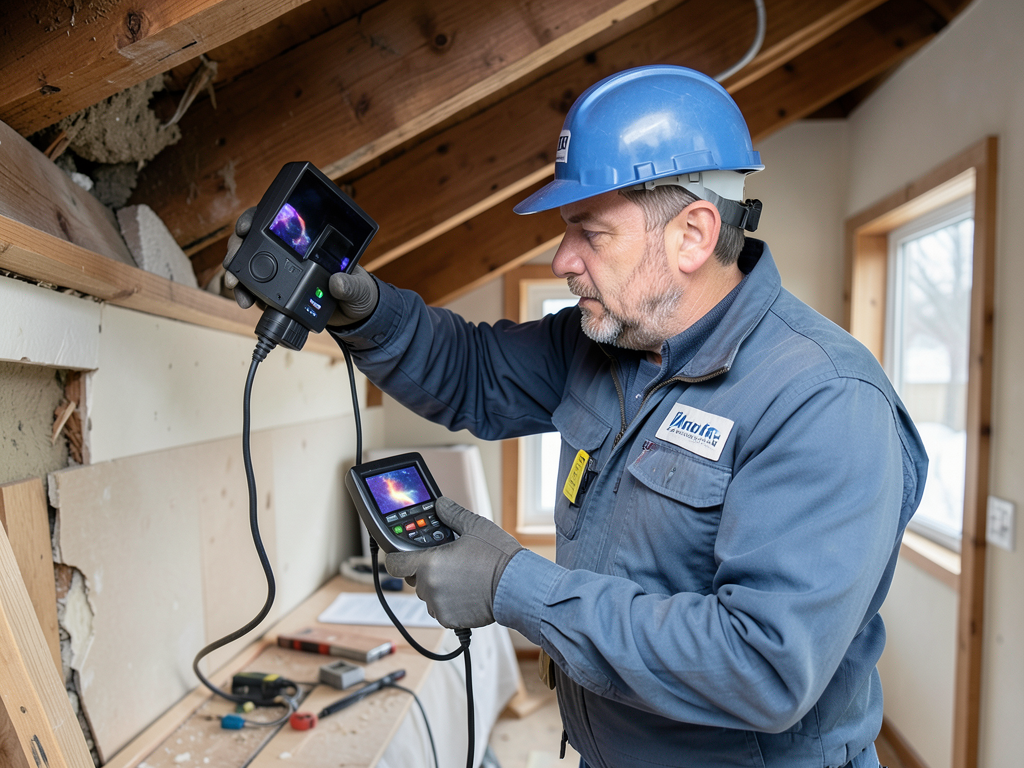
- Thermal imaging cameras to identify temperature variations indicating moisture
- Moisture meters to measure wood and insulation dampness levels
- Air quality testing to identify mold spore concentrations
- Bore scope cameras to inspect hard-to-reach areas
These tools help professionals develop comprehensive remediation plans that address both visible mold and underlying moisture problems.
Mold Remediation Process in Orlando
Professional mold remediation follows established industry standards. The process begins with containment to prevent spore spread during removal. Negative air pressure systems and physical barriers isolate the work area.
Removal methods vary based on surface type and contamination extent. Non-porous materials can be cleaned while porous materials like insulation often require removal and replacement.
Key remediation steps:
- Containment setup with HEPA filtration
- Removal of contaminated materials
- Cleaning of remaining surfaces with antimicrobial solutions
- Drying and dehumidification of the space
- Post-remediation verification testing
Orlando requires specific licensing for mold remediation contractors. The Florida Department of Business and Professional Regulation oversees mold assessment and remediation services to ensure proper procedures are followed. EPA Mold Resources.
Prevention Strategies for Winter Park Homeowners
Preventing attic mold requires addressing both moisture sources and ventilation issues. Start with regular attic inspections to catch problems early. Look for signs of condensation, water stains, or musty odors.
Effective prevention measures:
- Ensure proper attic ventilation with balanced intake and exhaust
- Maintain HVAC systems including condensate drain lines
- Install vapor barriers in appropriate locations
- Seal attic access points to prevent air leakage
- Consider whole-house dehumidification for extreme humidity
Professional attic inspections can identify potential problems before they become major issues. Many Winter Park homeowners schedule annual inspections along with HVAC maintenance.
When to Call a Professional
Certain situations require immediate professional attention. Large areas of visible mold growth, persistent musty odors, or health symptoms affecting multiple family members indicate serious problems.
Warning signs requiring professional help:
- Visible mold covering more than 10 square feet
- Water damage or staining on ceiling or walls below the attic
- Persistent respiratory issues when at home
- Condensation on windows or other surfaces
- Previous water damage that wasn’t properly addressed
Professional remediation becomes essential when dealing with extensive contamination or when underlying moisture sources need identification and correction.
Cost Factors for Mold Remediation
Mold remediation costs vary based on several factors. The extent of contamination, types of materials affected, and accessibility all influence total project costs.
Major cost considerations:
- Square footage of affected area
- Type of materials requiring removal or cleaning
- Containment requirements for spore isolation
- Testing and verification procedures
- Repair of underlying moisture sources
Insurance coverage for mold remediation varies by policy. Many standard homeowner policies exclude mold damage unless it results from a covered peril like a burst pipe.
Local Building Code Requirements
Orlando and Orange County enforce specific building codes related to attic ventilation and moisture management. These requirements help prevent mold growth but older homes may not comply with current standards.
Current code requirements include:
- Minimum ventilation ratios based on attic floor area
- Required vapor barrier installation in certain applications
- Specific HVAC installation standards
- Moisture control measures for new construction
Understanding these requirements helps homeowners make informed decisions about upgrades and renovations that can prevent future mold problems.
Comparing Insulation Types and Mold Resistance
Different insulation materials offer varying resistance to mold growth. Understanding these differences helps homeowners make informed choices during renovations or new construction.
| Insulation Type | Mold Resistance | Moisture Handling | Common Issues |
|---|---|---|---|
| Fiberglass Batt | Low | Holds moisture against surfaces | Compression reduces effectiveness |
| Blown Cellulose | Medium | Can absorb significant moisture | Settles over time creating gaps |
| Closed Cell Spray Foam | High | Resists moisture penetration | Higher initial cost |
| Open Cell Spray Foam | Medium | Allows some moisture passage | Requires vapor barrier in some applications |
Choosing the right insulation involves balancing mold resistance with other factors like energy efficiency and cost. Professional assessment helps determine the best option for your specific situation.
Impact of Home Age on Mold Risk
Winter Park features homes ranging from historic properties built in the early 1900s to modern constructions from the past decade. Each age group faces different mold risk factors.
Older homes often lack modern moisture barriers and may have settled over time creating gaps where moisture enters. Original HVAC systems may be undersized for current cooling demands leading to excess humidity.
Newer homes built during construction booms may have had rushed work resulting in poor ventilation installation or improper material installation. Even small construction errors can create conditions favorable for mold growth.
Technology Advances in Mold Prevention
New technologies offer better solutions for preventing attic mold. Smart humidity sensors can alert homeowners to moisture problems before mold establishes. Advanced ventilation systems adjust automatically based on temperature and humidity conditions.
Emerging prevention technologies:
- Wi-Fi enabled humidity and temperature monitors
- Solar-powered attic ventilation fans
- Antimicrobial insulation treatments
- Smart HVAC controls with humidity management
These technologies can provide early warning of developing problems, allowing for intervention before extensive mold growth occurs.
Environmental Factors Affecting Mold Growth
Beyond humidity and temperature, other environmental factors influence mold growth in Orlando attics. Nearby vegetation, proximity to water bodies, and even neighborhood elevation affect local moisture conditions.
Homes near lakes or wetlands may experience higher humidity levels due to evaporation. Tree coverage can reduce sunlight reaching the roof, keeping attic surfaces cooler and extending condensation periods.
Local soil conditions also play a role. Areas with high water tables may experience more ground moisture migration into crawl spaces or through concrete slabs, affecting overall home moisture levels.
Professional Assessment Benefits
Professional mold assessment provides comprehensive evaluation of attic conditions. Trained inspectors understand local building practices, common problem areas, and effective solutions specific to Central Florida.
Professional assessment advantages:
- Identification of hidden moisture sources
- Accurate scope of contamination
- Recommendations for permanent solutions
- Documentation for insurance purposes
- Peace of mind through expert evaluation
Many Winter Park homeowners find that professional assessment prevents costly mistakes and ensures problems are addressed comprehensively rather than superficially.
Long-term Solutions vs. Quick Fixes
Addressing attic mold requires distinguishing between temporary solutions and permanent fixes. Quick fixes might remove visible mold but fail to address underlying moisture problems, leading to recurring issues.
Effective long-term solutions address root causes:
- Improving ventilation systems to manage moisture
- Repairing or replacing faulty HVAC components
- Installing proper vapor barriers where needed
- Upgrading insulation to resist moisture and mold
- Implementing humidity control systems
While these solutions require greater initial investment, they prevent the cycle of repeated mold remediation and protect your home’s value over time.
Community Resources and Support
Winter Park and surrounding Orlando communities offer resources for homeowners dealing with mold issues. Local building departments provide guidance on code compliance. Neighborhood associations sometimes share information about common problems in specific areas.
Community support options:
- Local building department consultations
- Neighborhood improvement workshops
- Online homeowner forums specific to Winter Park
- Professional associations offering homeowner education
Connecting with other homeowners who have faced similar issues can provide valuable insights and recommendations for local service providers.
Future Trends in Mold Prevention
The field of moisture management and mold prevention continues to evolve. New building materials offer better moisture resistance. Smart home technology provides better monitoring capabilities. Building codes increasingly address humidity management specific to Florida’s climate.
Emerging trends include:
- Self-drying building materials that resist moisture absorption
- AI-powered humidity prediction and control systems
- Improved building envelope designs for Florida’s climate
- Enhanced mold-resistant treatments for common building materials
Staying informed about these developments helps homeowners make proactive decisions about home maintenance and improvements.
Taking Action Against Attic Mold
Attic mold in Winter Park homes represents a serious but manageable problem. Understanding the unique factors that contribute to mold growth in Central Florida helps homeowners take effective preventive measures.
Success requires addressing both immediate mold issues and underlying moisture sources. Professional assessment and remediation ensure problems are handled safely and effectively. Ongoing prevention through proper ventilation, HVAC maintenance, and humidity control protects your home long-term.
Don’t wait for visible mold or musty odors to indicate problems. Regular inspections and preventive maintenance save money and protect your family’s health. When mold issues arise, prompt professional intervention prevents minor problems from becoming major structural and health concerns.
Your Winter Park home deserves protection from the unique moisture challenges of Central Florida’s climate. Understanding these challenges is the first step toward maintaining a healthy, mold-free home environment.
Frequently Asked Questions
How can I tell if my attic has mold if I can’t see it?
Look for musty odors, increased allergy symptoms when at home, condensation on windows, or unexplained respiratory issues. Professional mold testing can detect spores even when visible growth isn’t present.
Does homeowner’s insurance cover attic mold remediation?
Coverage varies by policy. Many standard policies exclude mold damage unless it results from a covered peril like a burst pipe. Check your specific policy or consult with your insurance agent about mold coverage options.
How often should I have my attic inspected for mold?
Annual inspections are recommended for most homes. Schedule inspections more frequently if you’ve had previous moisture issues, notice musty odors, or experience unexplained allergy symptoms.
Can I clean attic mold myself or do I need a professional?
Small areas under 10 square feet might be handled with proper safety equipment and cleaning products. Larger areas or extensive contamination require professional remediation to ensure proper containment and prevent spore spread throughout your home.
What’s the typical cost range for professional mold remediation?
Costs vary widely based on extent of contamination, materials affected, and required repairs. Small projects might start around $500 while extensive remediation in large attics can exceed $5,000. Professional assessment provides accurate cost estimates for your specific situation.
Concerned about mold in your Winter Park attic? Don’t wait for the problem to worsen. Contact Reliance Water Damage Restoration Orlando at (689) 268-2233 for professional assessment and remediation services. Our experienced technicians understand Central Florida’s unique climate challenges and provide effective solutions to protect your home and family’s health.
Call now for a comprehensive attic inspection and mold assessment. We serve Winter Park and all surrounding Orlando communities with 24/7 emergency response for water damage and mold remediation needs.
Protect your investment and your family’s wellbeing. One call to (689) 268-2233 connects you with Central Florida’s trusted mold remediation experts. For more information, visit CDC Mold Information. For more information, visit IICRC Mold Remediation Standards.
{
“@context”: “https://schema.org”,
“@type”: “BlogPosting”,
“headline”: “Why Your Winter Park Attic Might Be Growing Mold Even Without a Roof Leak”,
“description”: “Attic mold in Winter Park homes can grow without roof leaks due to Orlando’s humidity, HVAC condensation, and poor ventilation. Learn the causes and solutions.”,
“wordCount”: 2680,
“datePublished”: “2026-04-24T06:35:00.000Z”,
“dateModified”: “2026-04-24T06:35:00.000Z”,
“inLanguage”: “en-US”,
“mainEntityOfPage”: {
“@type”: “WebPage”,
“@id”: “https://reliancewaterdamagerestorationorlando.com”
},
“publisher”: {
“@type”: “LocalBusiness”,
“name”: “Reliance Water Damage Restoration Orlando”,
“url”: “https://reliancewaterdamagerestorationorlando.com”
},
“author”: {
“@type”: “Organization”,
“name”: “Reliance Water Damage Restoration Orlando”,
“url”: “https://reliancewaterdamagerestorationorlando.com”
},
“image”: {
“@type”: “ImageObject”,
“url”: “https://reliancewaterdamagerestorationorlando.com/wp-content/uploads/2026/03/why-your-winter-park-attic-might-be-growing-mold-e-1.png”
}
}
{
“@context”: “https://schema.org”,
“@type”: “LocalBusiness”,
“name”: “Reliance Water Damage Restoration Orlando”,
“url”: “https://reliancewaterdamagerestorationorlando.com”,
“address”: {
“@type”: “PostalAddress”,
“addressLocality”: “Orlando”
},
“areaServed”: {
“@type”: “City”,
“name”: “Orlando”
}
}
{
“@context”: “https://schema.org”,
“@type”: “FAQPage”,
“mainEntity”: [
{
“@type”: “Question”,
“name”: “How can I tell if my attic has mold if I can’t see it?”,
“acceptedAnswer”: {
“@type”: “Answer”,
“text”: “Look for musty odors, increased allergy symptoms when at home, condensation on windows, or unexplained respiratory issues. Professional mold testing can detect spores even when visible growth isn’t present.”
}
},
{
“@type”: “Question”,
“name”: “Does homeowner’s insurance cover attic mold remediation?”,
“acceptedAnswer”: {
“@type”: “Answer”,
“text”: “Coverage varies by policy. Many standard policies exclude mold damage unless it results from a covered peril like a burst pipe. Check your specific policy or consult with your insurance agent about mold coverage options.”
}
},
{
“@type”: “Question”,
“name”: “How often should I have my attic inspected for mold?”,
“acceptedAnswer”: {
“@type”: “Answer”,
“text”: “Annual inspections are recommended for most homes. Schedule inspections more frequently if you’ve had previous moisture issues, notice musty odors, or experience unexplained allergy symptoms.”
}
},
{
“@type”: “Question”,
“name”: “Can I clean attic mold myself or do I need a professional?”,
“acceptedAnswer”: {
“@type”: “Answer”,
“text”: “Small areas under 10 square feet might be handled with proper safety equipment and cleaning products. Larger areas or extensive contamination require professional remediation to ensure proper containment and prevent spore spread throughout your home.”
}
},
{
“@type”: “Question”,
“name”: “What’s the typical cost range for professional mold remediation?”,
“acceptedAnswer”: {
“@type”: “Answer”,
“text”: “Costs vary widely based on extent of contamination, materials affected, and required repairs. Small projects might start around $500 while extensive remediation in large attics can exceed $5,000. Professional assessment provides accurate cost estimates for your specific situation.”
}
}
]
}
{
“@context”: “https://schema.org”,
“@type”: “BreadcrumbList”,
“itemListElement”: [
{
“@type”: “ListItem”,
“position”: 1,
“name”: “Home”,
“item”: “https://reliancewaterdamagerestorationorlando.com”
},
{
“@type”: “ListItem”,
“position”: 2,
“name”: “Blog”,
“item”: “https://reliancewaterdamagerestorationorlando.com/blog”
},
{
“@type”: “ListItem”,
“position”: 3,
“name”: “Why Your Winter Park Attic Might Be Growing Mold Even Without a Roof Leak”
}
]
}
{
“@context”: “https://schema.org”,
“@type”: “Service”,
“serviceType”: “Water Damage Restoration”,
“provider”: {
“@type”: “LocalBusiness”,
“name”: “Reliance Water Damage Restoration Orlando”,
“url”: “https://reliancewaterdamagerestorationorlando.com”
},
“areaServed”: {
“@type”: “City”,
“name”: “Orlando”
},
“description”: “Attic mold in Winter Park homes can grow without roof leaks due to Orlando’s humidity, HVAC condensation, and poor ventilation. Learn the causes and solutions.”
}