
Menu

Emergency Mold Containment in Orlando – 24/7 Rapid Response Teams Dispatch Within 60 Minutes

When mold threatens your property, every minute counts. Reliance Water Damage Restoration Orlando deploys certified containment specialists around the clock to isolate active mold growth, prevent cross-contamination, and protect your family or business from escalating health risks.

Slider Image 1
Slider Image 2
Slider Image 3
Slider Image 4
Slider Image 5
Slider Image 7
Slider Image 8
Slider Image 9
Slider Image 10
Slider Image 11

Why Orlando Properties Face Aggressive Mold Growth After Water Events

Orlando's subtropical climate creates the perfect storm for mold colonization. With humidity levels averaging 74 percent year-round and summer temperatures consistently above 90 degrees, spores activate within 24 to 48 hours of water intrusion. You face a biological clock that does not pause.

Hurricane season compounds the threat. When storm surge floods homes near Lake Eola or torrential rains overwhelm properties in Baldwin Park, contaminated floodwater introduces dormant spores that thrive in wall cavities and beneath flooring. The warm, stagnant air inside closed structures accelerates growth rates beyond what most property owners anticipate.

Older homes in College Park and Thornton Park present additional challenges. Original plaster walls and wood lath construction trap moisture and provide organic material that feeds mold colonies. Modern construction is not immune. Sealed building envelopes in newer developments near Lake Nona reduce air exchange, creating microclimates where humidity concentrates in bathrooms, kitchens, and laundry areas.

Urgent mold isolation becomes critical when you discover visible growth or detect the earthy, musty odor that signals hidden contamination. Immediate mold mitigation stops spore dispersal before it spreads through your HVAC system. Emergency mold abatement addresses active colonies before they penetrate porous materials like drywall and insulation. Rapid mold containment services create negative air pressure barriers that prevent cross-contamination to unaffected areas. Without 24/7 mold damage containment, a localized problem becomes a whole-structure remediation project within days.

The health stakes are real. Prolonged exposure triggers respiratory distress, aggravates asthma, and causes allergic reactions in vulnerable populations. Children, elderly residents, and immunocompromised individuals face elevated risks.

Why Orlando Properties Face Aggressive Mold Growth After Water Events
How Professional Containment Stops Mold Spread in Its Tracks

How Professional Containment Stops Mold Spread in Its Tracks

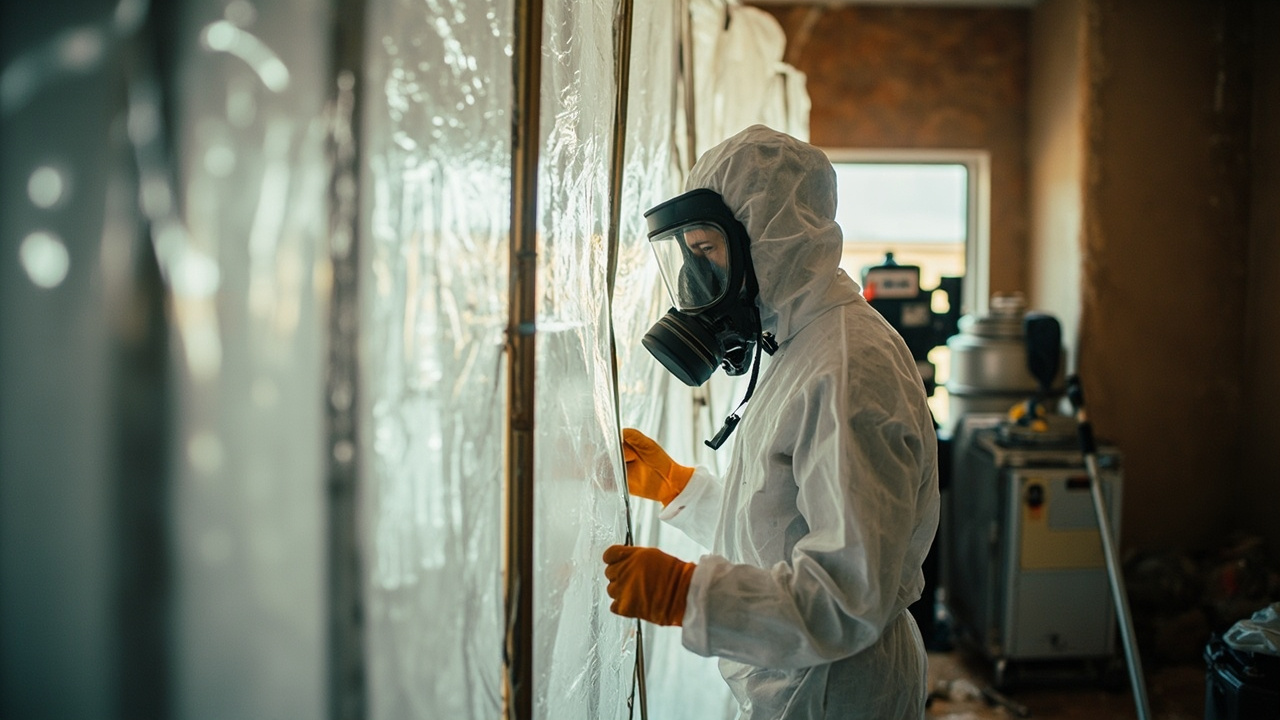
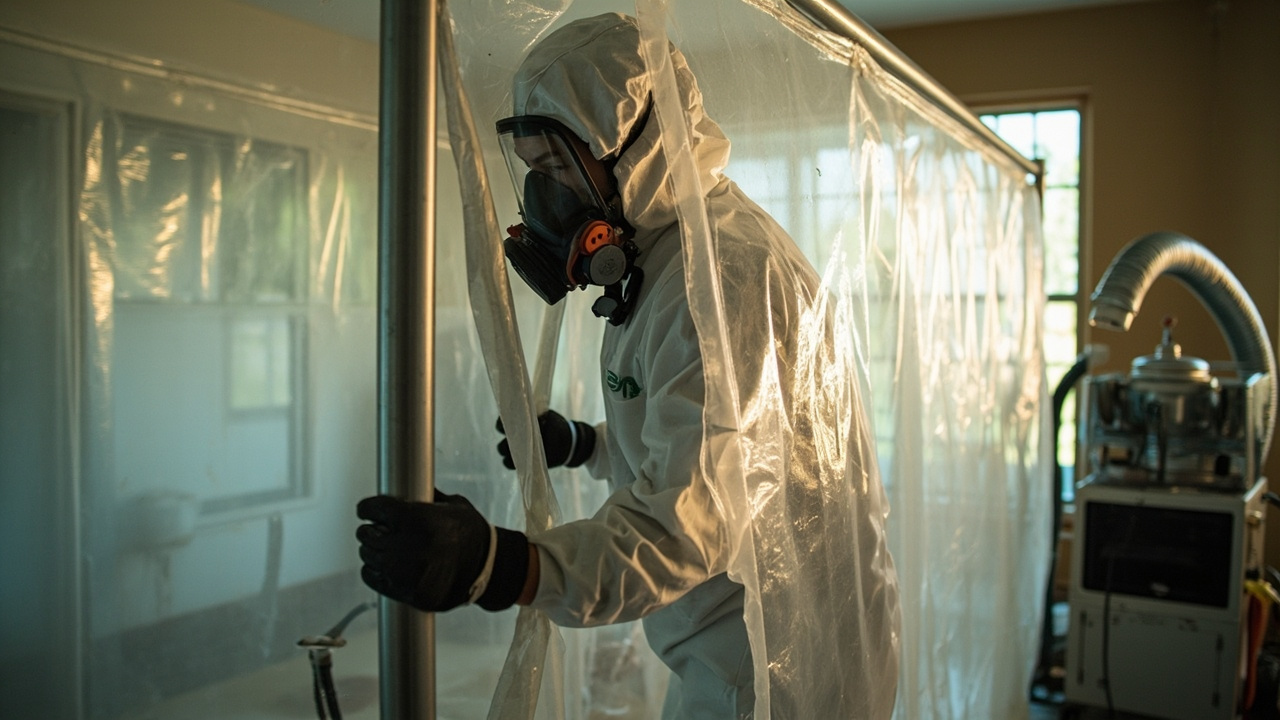
Effective emergency mold containment requires precision, not panic. Our certified technicians arrive with industrial containment equipment designed for immediate deployment. We establish physical barriers using reinforced polyethylene sheeting secured with spray adhesive and framing. This creates a sealed work zone that isolates contaminated areas from occupied spaces.

Negative air pressure is the cornerstone of proper containment. We position HEPA-filtered air scrubbers to exhaust contaminated air outside while maintaining lower pressure inside the work zone. This pressure differential prevents airborne spores from migrating into clean areas. Commercial-grade equipment cycles air volume at rates sufficient to contain even aggressive fungal growth.

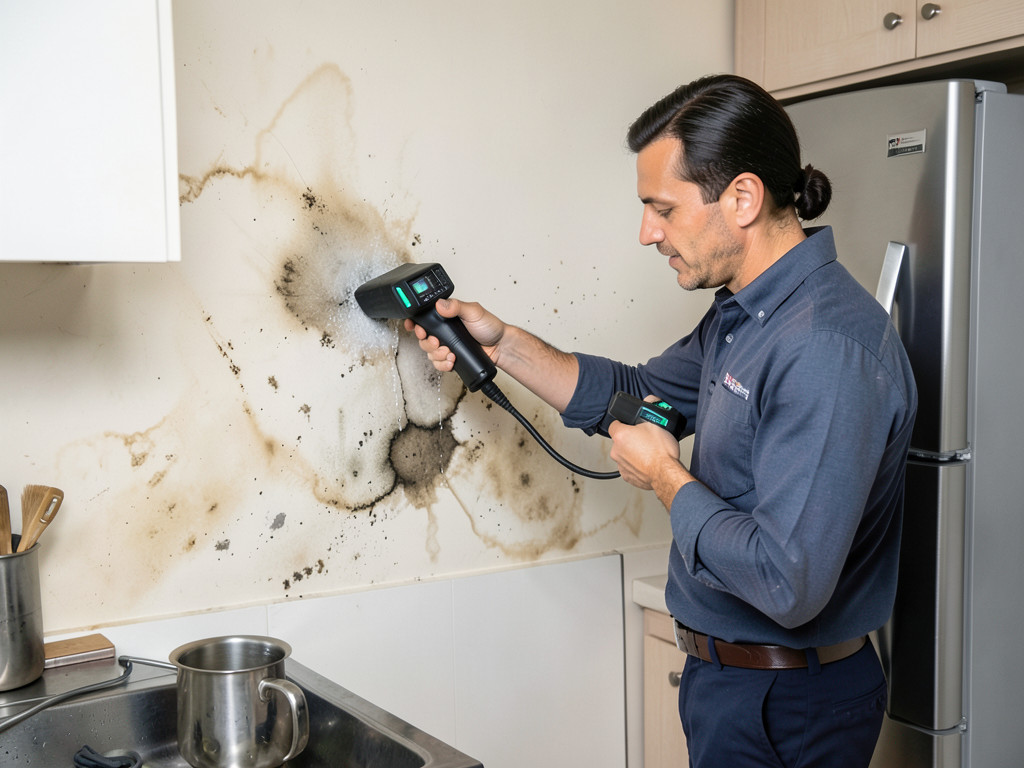
Source moisture elimination happens simultaneously. Our thermal imaging cameras identify hidden water intrusion behind walls and beneath flooring. We deploy truck-mounted extraction units to remove standing water, then position industrial dehumidifiers and air movers to reduce relative humidity below the 60 percent threshold where mold activity slows. Eliminating moisture stops active growth while containment prevents spread.

Critical surface preparation protects salvageable materials. We apply antimicrobial agents to non-porous surfaces after physical removal of visible growth. Porous materials like drywall, insulation, and carpeting contaminated beyond surface level require removal and disposal following EPA guidelines. We bag contaminated materials inside the containment zone before transport to prevent spore release during removal.

Air quality monitoring validates containment effectiveness. We use particle counters to measure airborne spore concentrations inside and outside the work zone. Readings confirm that containment barriers function properly and that adjacent spaces remain uncontaminated. This data-driven approach ensures we protect your property while addressing the immediate threat.

Documentation supports insurance claims. We photograph containment setup, document affected areas, and maintain detailed logs of equipment deployment and environmental readings. This evidence streamlines the claims process and validates the scope of emergency response.

What Happens During Your Emergency Containment Call

Emergency Mold Containment in Orlando – 24/7 Rapid Response Teams Dispatch Within 60 Minutes
01

Immediate Dispatch and Assessment

Your call triggers immediate technician dispatch. We arrive with thermal imaging equipment and moisture meters to map the contamination zone. Our initial assessment identifies the mold species indicators, determines the contamination category, and evaluates structural risks. You receive a verbal action plan within 15 minutes of arrival that outlines containment boundaries, equipment deployment, and estimated containment duration. This rapid assessment prevents additional spore dispersal while we prepare the work zone.
02

Containment Zone Construction

Our crew seals all openings using commercial-grade polyethylene barriers and creates negative air pressure with HEPA filtration systems. We establish decontamination chambers at containment exits to prevent spore tracking. All HVAC registers within the work zone receive temporary seals to prevent system contamination. Industrial dehumidifiers begin moisture reduction while air scrubbers cycle contaminated air through multi-stage filtration. The physical containment stops cross-contamination while environmental controls address the conditions supporting mold growth.
03

Verification and Clearance Testing

After containment stabilizes the environment, we conduct air quality testing to confirm spore counts meet acceptable levels. Surface sampling verifies that antimicrobial treatments eliminated viable colonies. You receive documentation showing containment effectiveness, including pressure differential logs and air quality data. We provide written clearance confirming that emergency containment successfully isolated the affected area and that adjacent spaces remain uncontaminated. This clearance supports insurance claims and provides the foundation for permanent remediation planning.

Why Orlando Property Owners Trust Reliance for Emergency Mold Response

Local expertise matters when biological threats require immediate action. Reliance Water Damage Restoration Orlando maintains strategically positioned response teams across the metro area. Our technicians understand how Orlando's unique conditions accelerate mold growth and how to adapt containment protocols for everything from mid-century block construction in Colonialtown to modern mixed-use developments in downtown Orlando.

We hold IICRC certifications in Applied Microbial Remediation and Water Damage Restoration. These credentials require ongoing education in evolving containment methodologies and EPA regulations. Our technicians complete annual recertification to maintain proficiency in the latest containment technologies and safety protocols. You work with professionals who understand the science behind mold behavior and the engineering principles that make containment effective.

Equipment capacity separates emergency response providers. We maintain a fleet of commercial-grade containment equipment sufficient to handle multi-room contamination events. Our inventory includes negative air machines capable of processing 2000 cubic feet per minute, truck-mounted extraction units, and sufficient HEPA filtration to service large commercial properties. When your emergency exceeds typical residential scope, we have the resources to scale response appropriately.

Insurance coordination reduces your administrative burden. We communicate directly with adjusters, provide detailed documentation supporting emergency containment costs, and explain how rapid response prevents claim escalation. Our familiarity with major carriers operating in the Orlando market streamlines approval processes. You receive transparent estimates that align with standard insurance allowances for emergency mitigation services.

Communication consistency keeps you informed. You receive updates on containment progress, environmental readings, and timeline adjustments as conditions evolve. Our project managers remain accessible throughout the emergency response period. This transparency helps you make informed decisions about occupancy, business operations, and remediation planning.

Local references validate our track record. We have contained mold emergencies in Orlando properties ranging from historic bungalows to Class A office buildings. Property managers, facility directors, and homeowners throughout Orange County rely on our rapid response capabilities when containment cannot wait.

What Your Emergency Containment Service Includes

24/7 Availability and Response Times

Mold emergencies do not respect business hours. Our dispatch center operates continuously with on-call crews ready to mobilize within 60 minutes of your call. We maintain response vehicles pre-loaded with containment equipment to eliminate delays. Night, weekend, and holiday calls receive the same priority as weekday requests. You reach a live person who can deploy technicians immediately, not an answering service that queues your emergency for next-business-day callback. Rapid deployment matters because every hour of delay allows additional spore dispersal and deeper material penetration. Our commitment to true 24/7 availability means your emergency receives immediate professional attention when you need it most.

Comprehensive Contamination Assessment

Effective containment requires accurate contamination mapping. Our technicians use thermal imaging to identify moisture patterns invisible to visual inspection. Moisture meters provide quantitative readings that determine contamination depth in building materials. We inspect HVAC systems, crawl spaces, and wall cavities to identify hidden growth that could compromise containment effectiveness. Air sampling establishes baseline spore counts for comparison after containment deployment. Surface sampling identifies mold genera present, which informs treatment protocols and safety measures. You receive a detailed assessment that explains contamination extent, identifies contributing factors, and outlines the containment strategy. This diagnostic precision ensures we contain all affected areas in the initial deployment rather than discovering additional contamination after barriers are in place.

Complete Containment and Environmental Control

Professional containment delivers more than plastic sheeting. You receive engineered barriers designed to withstand the negative air pressure required for effective isolation. Our crews seal all penetrations, install HEPA-filtered exhaust systems, and create decontamination chambers that prevent cross-contamination during material removal. Industrial dehumidifiers reduce humidity to levels that halt mold metabolism. Air scrubbers equipped with multi-stage filtration remove airborne spores while maintaining the pressure differential that keeps contamination isolated. Environmental monitoring equipment provides real-time data confirming containment effectiveness. We adjust equipment positioning and airflow rates based on these readings to optimize performance. The result is a professionally engineered containment system that stops mold spread while creating safe conditions for remediation work.

Documentation and Insurance Support

Emergency containment creates documentation requirements that impact insurance claims. We photograph contaminated areas before containment deployment, document equipment placement, and maintain detailed logs of environmental readings throughout the containment period. Moisture mapping diagrams show contamination extent and guide remediation planning. Air quality reports provide objective evidence of containment effectiveness. We prepare detailed estimates that itemize emergency services, equipment deployment, and labor costs in formats insurance adjusters expect. Our staff communicates directly with carriers to explain containment necessity and how rapid response prevented additional damage. You receive copies of all documentation for your records and claim submission. This comprehensive documentation support streamlines the claims process and validates emergency service costs.

Frequently Asked Questions

You Have Questions,
We Have Answers

What is the proper containment for mold? +

Proper mold containment requires sealing off the affected area with 6-mil polyethylene sheeting to prevent spore migration. In Orlando's humid climate, you need negative air pressure using HEPA-filtered air scrubbers to pull spores away from unaffected zones. All HVAC vents must be sealed, and entry points require zippered doors. Technicians wear full PPE. The containment size depends on square footage: small jobs under 10 square feet may not need full barriers, but anything larger demands strict isolation. Orlando's high humidity makes containment critical because spores travel fast through moist air. Do not attempt DIY containment if mold covers more than 10 square feet.

What plant removes 78% of airborne mold? +

English ivy removes approximately 78% of airborne mold in controlled studies. It absorbs spores through its leaves and breaks them down. However, this is a passive solution that takes time. In Orlando's climate, where mold grows aggressively due to year-round humidity and heat, relying on plants alone is dangerous during an active infestation. English ivy works as a preventive measure, not an emergency remedy. If you have visible mold growth or smell musty odors, you need professional containment and removal immediately. Plants cannot address the root moisture issue causing mold in your walls, attic, or crawlspace. Stop the source first.

Does FEMA pay for mold remediation? +

FEMA does not typically pay for mold remediation directly. However, if mold results from a federally declared disaster like a hurricane, FEMA may cover structural repairs that indirectly address mold issues. Orlando residents affected by tropical storms or flooding should document mold damage immediately and apply for FEMA assistance within 60 days of the declaration. Your homeowners insurance may cover mold if it resulted from a covered peril like burst pipes, not neglect. FEMA assistance is limited and slow. File your claim fast, take photos, and get a professional assessment to strengthen your case. Do not wait for approval to start containment.

What does Servpro use for mold remediation? +

Servpro uses antimicrobial treatments and HEPA vacuums for mold remediation. Their process typically includes containment, air filtration, removal of affected materials, cleaning, and application of biocides or sealants. However, specific methods vary by franchise and job scope. In Orlando, any reputable mold remediation company should follow IICRC S520 standards, which include moisture control, containment barriers, HEPA filtration, and proper disposal. The key is addressing the moisture source, not just spraying chemicals. Ask any company what protocols they follow and whether they fix the leak or humidity problem causing the mold. Treatment alone without moisture correction guarantees regrowth.

What kills mold spores instantly? +

No substance kills mold spores instantly in real-world conditions. Bleach, hydrogen peroxide, and fungicides kill surface mold quickly but do not penetrate porous materials like drywall or wood. In Orlando's humid environment, mold roots grow deep into wet materials. Surface treatments leave roots alive, and mold regrows within days. Professional remediation uses HEPA vacuums to remove spores physically, not just kill them. Dead spores still trigger allergies and respiratory issues. The only way to stop mold permanently is to remove contaminated materials, dry the area completely, and fix the moisture source. Speed matters, but proper removal beats quick chemical fixes.

Is mold an OSHA violation? +

Yes, mold can be an OSHA violation if it creates a health hazard for employees. OSHA does not have mold-specific standards, but employers must provide a safe workplace under the General Duty Clause. In Orlando, commercial properties with visible mold growth or employee complaints about respiratory issues risk citations and fines. OSHA recommends following EPA and IICRC guidelines for remediation. If you manage a business and discover mold, contain the area immediately, restrict employee access, and hire professionals. Document everything. Ignoring mold exposes you to liability, workers' comp claims, and regulatory penalties. Protect your team and your business by acting fast.

What pulls mold out of the air? +

HEPA air scrubbers and purifiers pull mold spores out of the air. HEPA filters trap 99.97% of particles 0.3 microns or larger, including mold spores. During containment, professionals use negative air machines to create airflow that pulls spores away from clean areas and filters them before exhausting air outside. In Orlando homes, portable HEPA purifiers help reduce airborne spores between professional treatments, but they do not fix the source. Running a purifier while mold grows inside your walls is like bailing water from a sinking boat. You need containment, source removal, and moisture control first. HEPA filtration supports remediation but cannot replace it.

Does English ivy really clean the air? +

Yes, English ivy does clean the air by absorbing airborne mold, toxins, and particulates through its leaves. Studies confirm it reduces airborne mold by up to 78%. However, in Orlando's high-humidity climate, ivy alone cannot control an active mold problem. It works as a long-term preventive tool in well-ventilated spaces, not an emergency solution. If you smell mold or see growth, you need professional containment and removal immediately. Ivy also requires proper care. Overwatering or placing it in poorly ventilated areas can create more moisture problems. Use plants to support air quality after remediation, not instead of it. Address the root cause first.

What is the natural enemy of mold? +

Sunlight and dry air are mold's natural enemies. Mold needs moisture, darkness, and organic material to grow. UV light from the sun kills mold spores on surfaces, and low humidity below 50% stops growth. In Orlando, where humidity averages 70% to 90% year-round, achieving dry conditions indoors requires dehumidifiers and proper ventilation. Natural enemies alone cannot remediate an active infestation. If mold is growing inside your walls, attic, or crawlspace, sunlight cannot reach it. You need professionals to remove contaminated materials, control moisture, and restore dry conditions. Prevention works outdoors, but emergencies demand intervention. Do not rely on nature to fix structural mold.

What to do if I can't afford mold removal? +

If you cannot afford full mold removal, prioritize containment to stop spread. Seal off the affected area with plastic sheeting and duct tape. Run a dehumidifier to drop humidity below 50%. Small areas under 10 square feet can be cleaned with detergent and water if you wear an N95 mask and gloves. However, larger mold growth or growth inside walls requires professionals. In Orlando, some companies offer payment plans or work with insurance adjusters to reduce out-of-pocket costs. Ignoring mold leads to structural damage, health issues, and higher costs later. Contact local remediation companies for free assessments. Many offer financing options for urgent situations.

How Orlando's Hurricane Season and Humidity Create Year-Round Mold Threats

Orlando sits in a moisture convergence zone where Gulf and Atlantic weather systems collide throughout summer and fall. Hurricane season brings not just wind damage but prolonged rainfall that saturates building envelopes and overwhelms drainage systems. Properties in low-lying areas near the Conway Chain of Lakes or along Shingle Creek experience recurring flood events that introduce contaminated water into living spaces. Even properties that avoid direct flooding face elevated indoor humidity from atmospheric moisture that penetrates building envelopes. The combination of high ambient humidity, warm temperatures, and seasonal water intrusion creates conditions where emergency mold containment becomes necessary multiple times during a structure's lifespan. Understanding these patterns allows property owners to recognize contamination risks before visible growth appears.

Local building codes and industry standards in Orange County emphasize rapid moisture mitigation to prevent mold establishment. Professional water damage restoration providers in the Orlando market recognize that subtropical conditions compress the timeline for effective intervention. What might take 72 hours to become a mold problem in drier climates can develop into active colonization within 24 hours locally. This reality makes relationships with qualified emergency containment providers essential for property managers and homeowners. Choosing a provider with local experience means working with technicians who understand how Orlando's specific conditions influence containment strategies and who maintain equipment inventories sized for the humidity loads common to Central Florida properties.
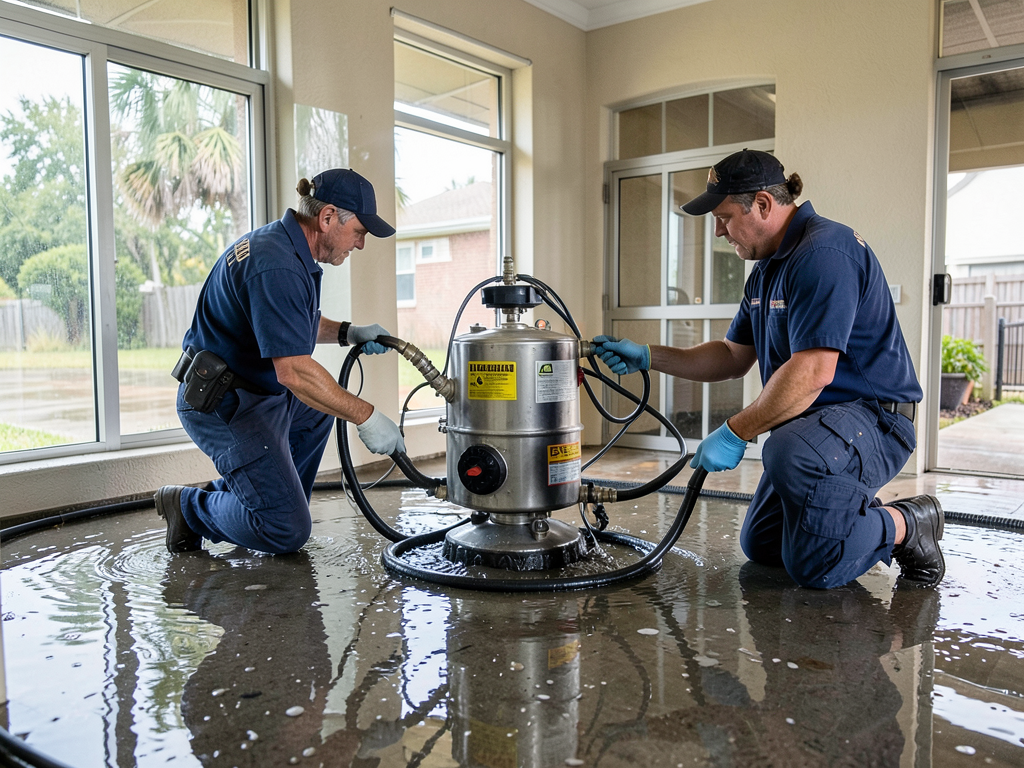
Water Damage Restoration Services in The Orlanado Area

Looking for fast and reliable water damage restoration in your area? Reliance Water Damage Restoration Orlando proudly serves homes and businesses throughout Orlando and surrounding communities. Whether you're dealing with flood damage, burst pipes, or mold issues, our expert team is ready to respond 24/7. We use industry-leading equipment to extract water, dry structures, and restore your property to pre-loss condition. Check the map below to see if we service your neighborhood, or call now for immediate help.

Address:
Reliance Water Damage Restoration Orlando, 7380 W Sand Lake Rd Suite 500, Orlando, FL, 32819

Additional Services We Offer

Our news updates

Latest Articles & News from The Blogs

Lorem ipsum dolor sit amet. Aut expedita quaerat quo eligendi numquam et laudantium perspiciatis qui minima expedita rem consequatur ducimus.…

Test Blog 4

Lorem ipsum dolor sit amet. Aut expedita quaerat quo eligendi numquam et laudantium perspiciatis qui minima expedita rem consequatur ducimus.…

Test Blog 3

Lorem ipsum dolor sit amet. Aut expedita quaerat quo eligendi numquam et laudantium perspiciatis qui minima expedita rem consequatur ducimus.…

Test Blog 2

Lorem ipsum dolor sit amet. Aut expedita quaerat quo eligendi numquam et laudantium perspiciatis qui minima expedita rem consequatur ducimus.…

Contact Us

Every hour you wait allows mold to spread further through your property. Call Reliance Water Damage Restoration Orlando at (689) 268-2233 right now for immediate dispatch. Our containment specialists are standing by 24/7 to isolate contamination and protect your property.